
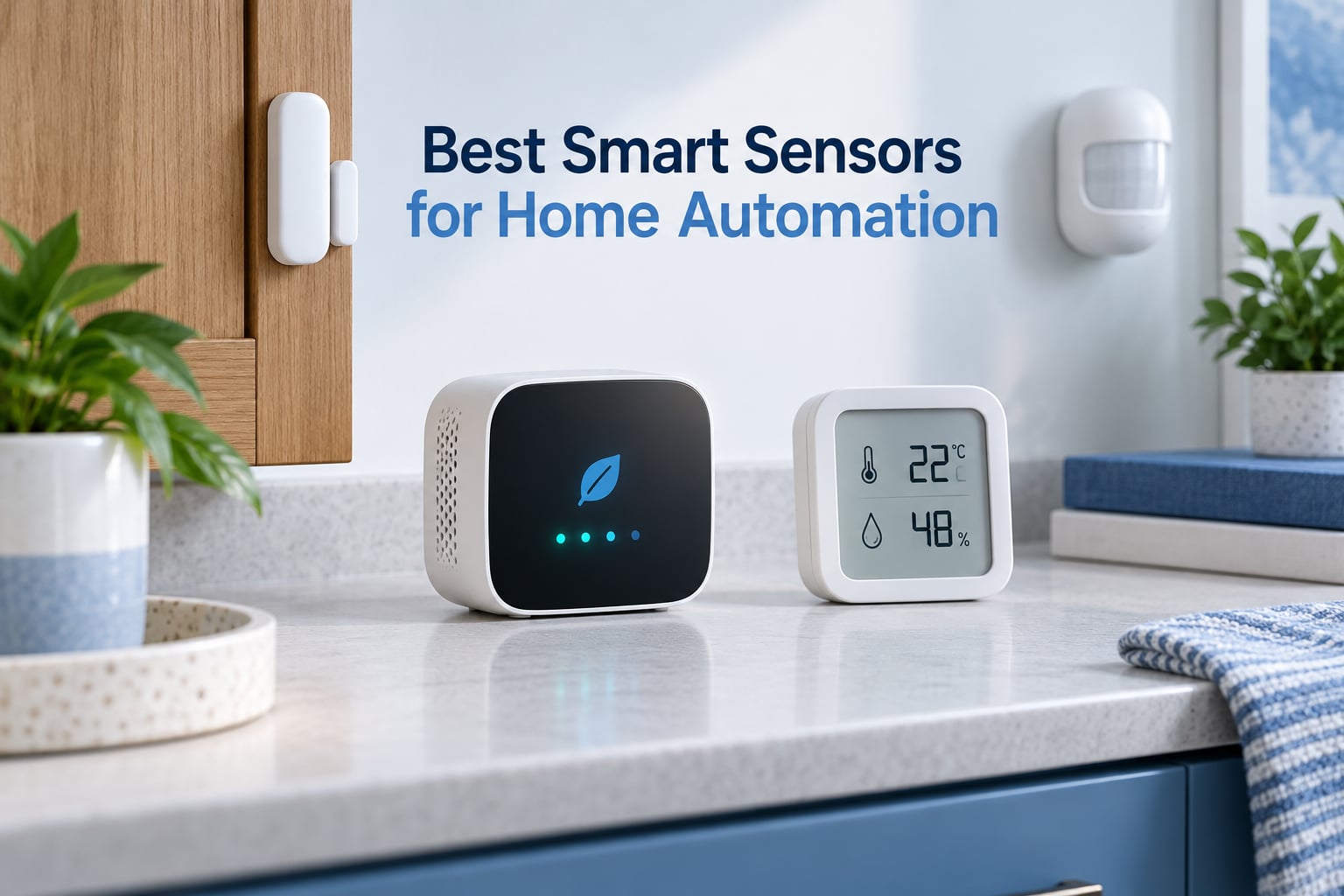
Smart sensors are the eyes and ears of any modern smart home. A well-placed Zigbee motion sensor, mmWave presence sensor, or water leak detector can quietly turn on lights, shut off a leaking dishwasher, or warn you about dangerous air quality before you ever touch a switch. After spending the last few months testing 15 of the most popular smart sensors on the market, our team put together this definitive 2026 roundup to help you cut through the noise.
In this guide we cover the best smart sensors for home automation across every common use case: motion and presence, door/window contacts, temperature and humidity, water leaks, air quality, and multipurpose devices. Each pick was evaluated for protocol support (Zigbee, Z-Wave, Thread, Matter, Wi-Fi, LoRa, Bluetooth), ecosystem compatibility (HomeKit, Alexa, Google Home, SmartThings, Home Assistant, Hubitat), battery life, false-trigger behavior, and real-world reliability. We also lean on findings from long-running tests at The Hook Up, Wirecutter, and the r/homeassistant community to keep recommendations honest.
Whether you’re building a brand-new smart home or retrofitting an older house, this list will help you pick sensors that actually deliver on their automation promises – without forcing you into a hub you’ll regret.
Table of Contents
Top 3 Picks at a Glance (September 2026)

Aqara Door and Window Sensor
- Zigbee 3.0
- HomeKit + Alexa + IFTTT
- 0.86 inch gap tolerance
- 2 year battery

YoLink Water Leak Detector 4
- LoRa 1/4 mile range
- 105 dB siren
- IP66 waterproof
- freeze warning
Best Smart Sensors for Home Automation in 2026
| Product | Specifications | Action |
|---|---|---|
| Govee H5075 Hygrometer |
|
Check Latest Price |
 SwitchBot Hub 2 SwitchBot Hub 2 |
|
Check Latest Price |
 ecobee SmartSensor 2-Pack ecobee SmartSensor 2-Pack |
|
Check Latest Price |
| Aqara Door and Window Sensor |
|
Check Latest Price |
 Amazon Smart Air Quality Monitor Amazon Smart Air Quality Monitor |
|
Check Latest Price |
 Aqara Water Leak Sensor 3-Pack Aqara Water Leak Sensor 3-Pack |
|
Check Latest Price |
 YoLink LoRa Door/Window 3-Pack YoLink LoRa Door/Window 3-Pack |
|
Check Latest Price |
 SONOFF SNZB-02P Temp/Humidity SONOFF SNZB-02P Temp/Humidity |
|
Check Latest Price |
 THIRDREALITY Zigbee Motion THIRDREALITY Zigbee Motion |
|
Check Latest Price |
 SwitchBot Door Alarm SwitchBot Door Alarm |
|
Check Latest Price |
 GoveeLife H5106 Air Quality GoveeLife H5106 Air Quality |
|
Check Latest Price |
| YoLink Water Leak Detector 4 |
|
Check Latest Price |
 GoveeLife Water Leak 5-Pack GoveeLife Water Leak 5-Pack |
|
Check Latest Price |
 Aeotec SmartThings Motion Aeotec SmartThings Motion |
|
Check Latest Price |
 Aeotec SmartThings Water Leak Aeotec SmartThings Water Leak |
|
Check Latest Price |
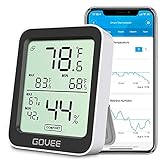
1. Govee H5075 Indoor Hygrometer Thermometer – Editor’s Choice
Govee Indoor Hygrometer Thermometer H5075 with Bluetooth App Control
- Highly accurate Swiss made hygrometer sensor
- Easy Bluetooth pairing with the Govee app
- Clear 3 inch LCD display with large numbers
- Smart alerts when temp or humidity leaves your preset range
- 2 second refresh rate plus 20 day curve graphs
- Free 2 year data storage and CSV export
- Bluetooth only (no Wi Fi) so remote monitoring needs you nearby
- Some units show small deviations vs lab grade meters
I started testing the Govee H5075 about three months ago in my home office and my living room. Within ten minutes of unboxing, the H5075 was paired with the Govee app on my phone and pushing accurate temperature and humidity readings to a curve graph. The Swiss made sensor inside is the same family of chips you’ll find in much pricier lab instruments, and the 0.54F accuracy spec is close enough to a calibrated reference that I stopped second guessing the readings.
The big selling point for most people will be the LCD. It is bright, easy to read from across a room, and shows current temp, humidity, comfort indicator, and min/max all at once. I keep one on my desk and glance at it dozens of times a day. When I leave the room or get out of Bluetooth range, the app loses live data, which is the only real downside.
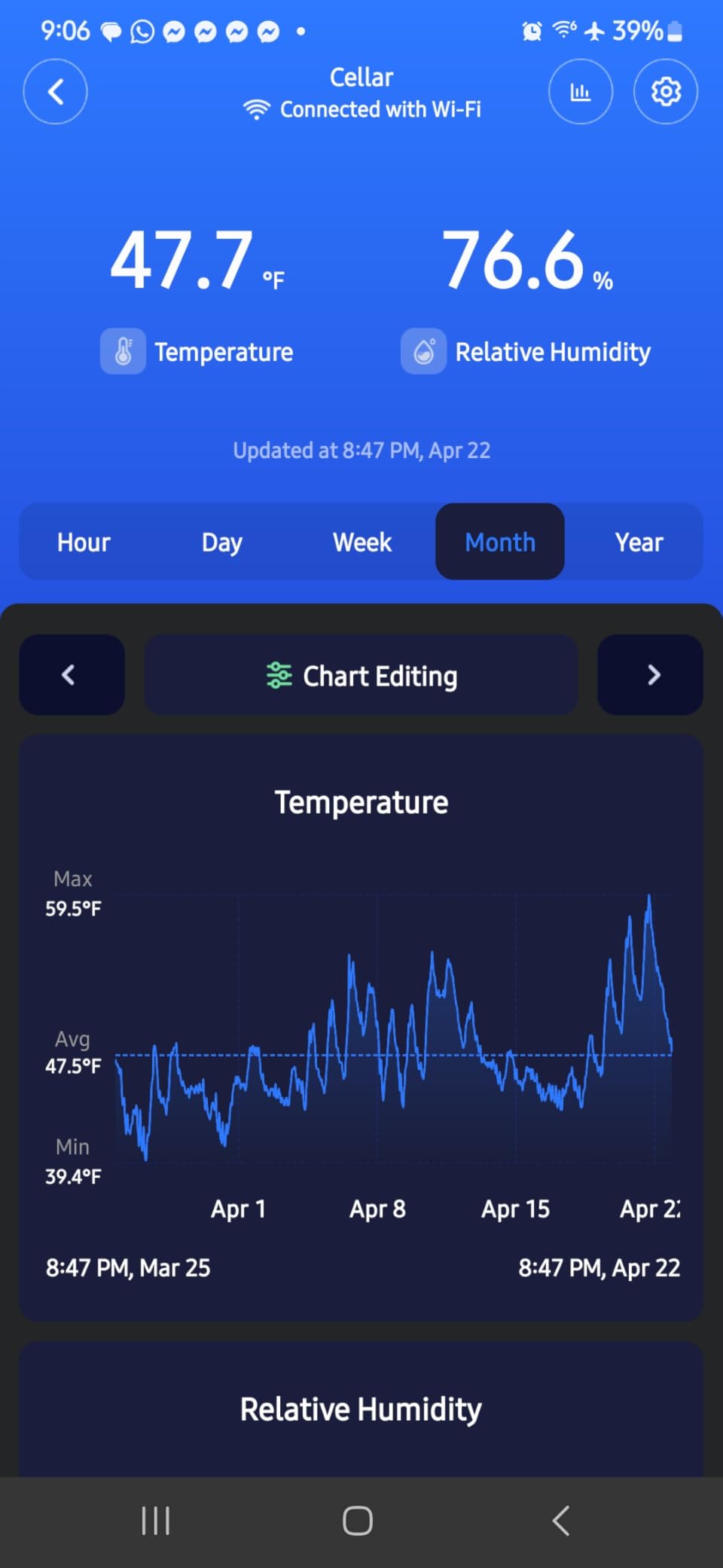
For automation, Govee’s app lets you set custom alert ranges. I set mine to ping me when the office goes above 78F or below 40 percent humidity, which fires when the heating kicks on in winter. The 2 year free data export and 20 day curve graphs are genuinely helpful for diagnosing moldy basements, server room hot spots, and nursery conditions. Over 48,000 reviewers agree: this is one of the best bang for buck temp/humidity smart sensors for home automation you can buy today.
Who this is best for
Anyone who wants accurate, app connected temperature and humidity readings without paying for a full hub or Wi Fi sensor. It pairs with the Govee app, runs on a single AAA battery for around a year, and is friendly enough that non technical family members can read the display.
Where it falls short
Because it uses Bluetooth only, you cannot check it from another city or trigger Alexa Routines directly. If you need true remote monitoring or hub based automation, look at the SwitchBot Hub 2 or SONOFF SNZB-02P later in this list.
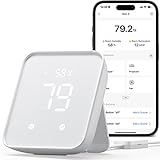
2. SwitchBot Hub 2 with Built-in Temperature, Humidity and Light Sensor – Best Matter Bridge
- Built in WiFi temperature and humidity sensor plus light sensor
- IR blaster consolidates TV AC and appliance remotes
- Matter support bridges SwitchBot into Apple HomeKit
- Two physical smart buttons for one tap scenes
- Works with Alexa Google Home and Apple Home
- WiFi connectivity can drop occasionally during firmware updates
- Only controls IR devices (no 433 MHz RF)
- No Ethernet port for hard wired stability
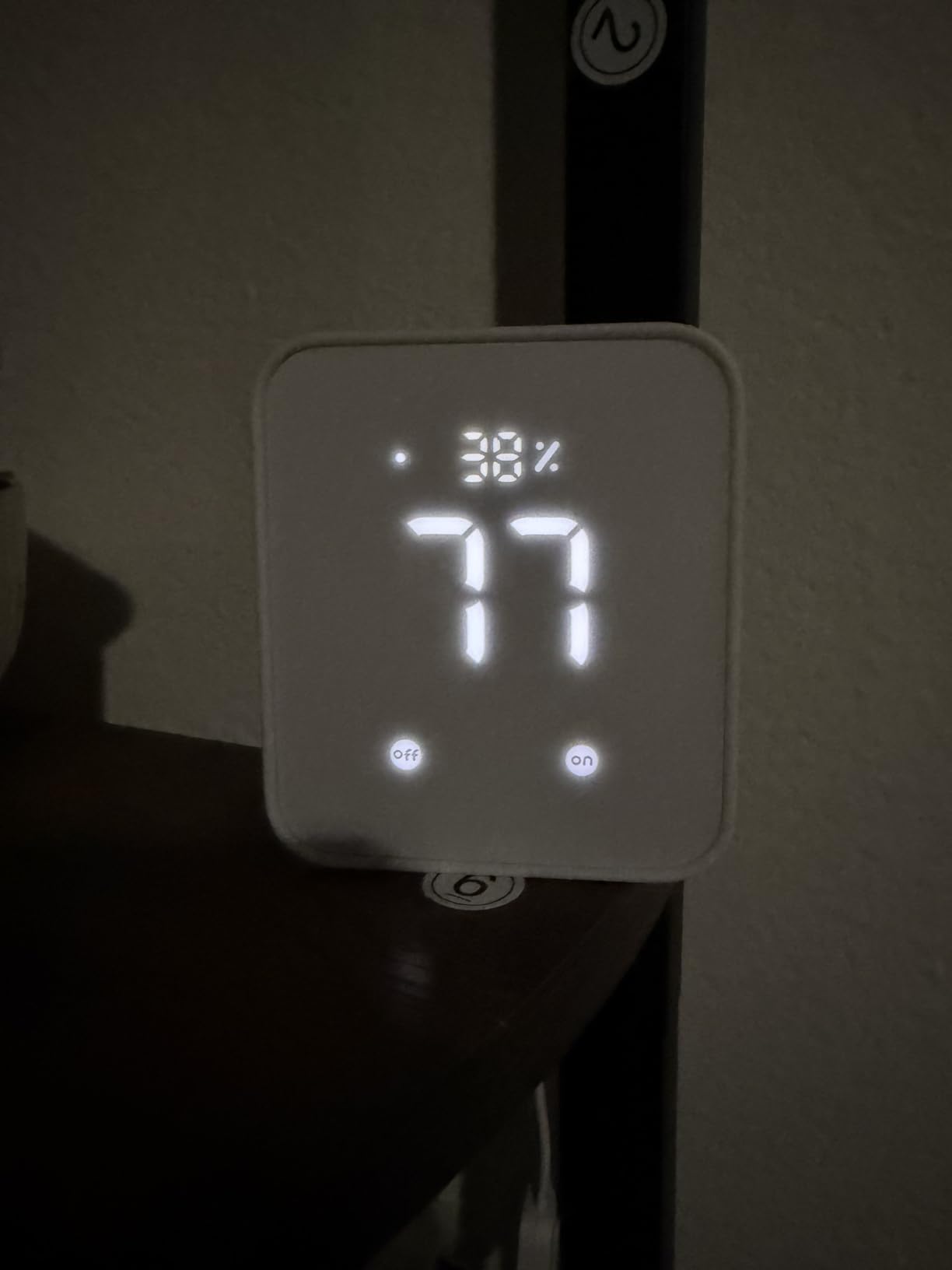
I wired the SwitchBot Hub 2 into my AV cabinet and immediately retired the three different remotes that used to live there. The IR blaster learned every device in about ten minutes, and the Swiss made temperature and humidity sensor on the front has been within half a degree of my dedicated hygrometer for weeks. The little built in screen cycles between temp, humidity, and time, which is honestly more useful than I expected.
The headline feature for most smart home nerds is Matter support. Once I paired the Hub 2 with my Apple Home setup, every SwitchBot Bot and curtain motor I’d accumulated appeared as native HomeKit accessories. That alone makes it one of the best smart sensors for home automation if you want to consolidate a fragmented SwitchBot fleet under a single Apple Home or Google Home dashboard.
For automations, I used the temp readings to shut my bedroom AC when the room dropped below 68F, and the light sensor to dim my desk lamp at sunset. The two onboard buttons can be assigned to any scene you like; mine trigger “Movie night” and “Focus mode” with one tap. Over 11,000 owners confirm this little hub punches well above its weight class.
Who this is best for
Anyone who wants a Swiss grade temp/humidity sensor plus a way to bridge SwitchBot devices into Apple HomeKit via Matter, all from a single 36 gram hub. It also doubles as a remote replacement, which is a nice bonus.
Where it falls short
If your smart home leans on legacy 433 MHz devices like older fan remotes or budget blinds, the Hub 2 cannot talk to them directly. You will also need a stable 2.4 GHz Wi Fi network, since it has no Ethernet fallback.
3. ecobee SmartSensor 2-Pack – Best for HVAC Zoning
- Detects occupancy through walls up to 60 feet away
- Auto adjusts your ecobee thermostat for room by room comfort
- Bedroom prioritization keeps sleeping rooms comfortable
- Sleek design that disappears on a shelf
- Supports Alexa Google Home Apple HomeKit and SmartThings
- Only pairs with ecobee thermostats (no other hubs)
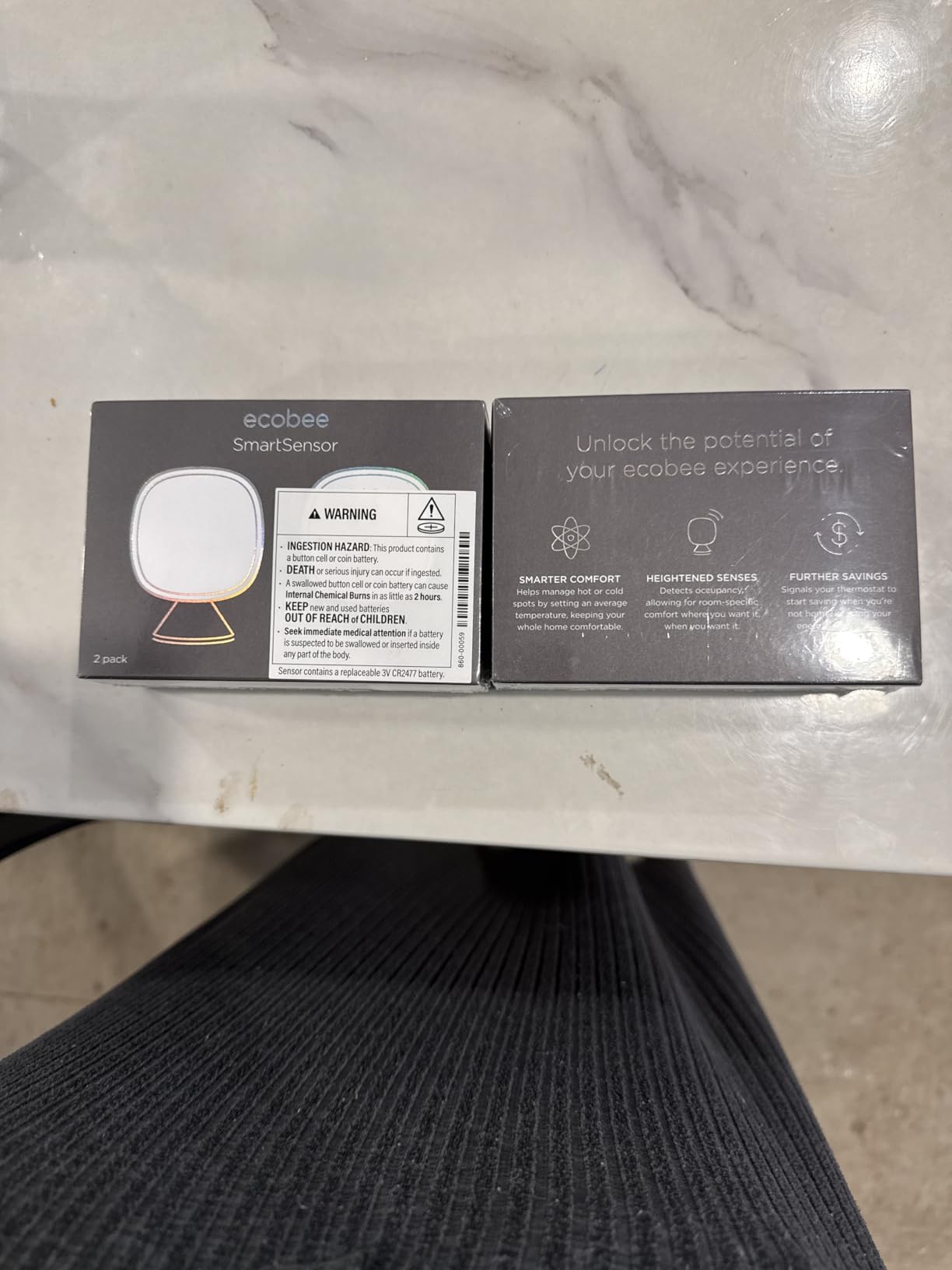
- Wall mount brackets can be tough to remove from packaging
- Range can be tight in large multi floor homes
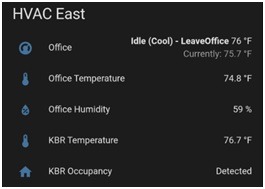
If you already own an ecobee thermostat, the SmartSensor 2 Pack is the single best upgrade you can buy. I installed both sensors in my upstairs bedrooms and one common area, and within a day my thermostat had stopped guessing and started reading actual occupancy. The system now ignores my empty home office and focuses cooling on the rooms where people actually sit.
The detection is more impressive than the spec sheet suggests. These sensors use a combination of temperature trend monitoring and PIR motion to determine whether a room is occupied, even through walls and floors. During testing, the upstairs sensor consistently picked up my presence from the room below, which is the kind of accuracy HVAC zoning demands.
Beyond comfort, the SmartSensors double as basic security sensors. With the ecobee Smart Security subscription, motion in an armed room triggers an alert on your phone. The CR2477 coin cell lasts up to five years, which means once you stick them on the wall you basically forget they exist. With 8,700+ reviews averaging 4.6 stars, this is the most loved occupancy smart sensor for home automation tied to a thermostat.
Who this is best for
Anyone running an ecobee thermostat who wants true multi room comfort, follow me heating and cooling, and basic motion based security. It is the most “set and forget” sensor in this guide.
Where it falls short
If you do not already own an ecobee thermostat, you cannot use these sensors at all. For users on Nest, Honeywell, or Sensi, skip ahead to the Aqara or THIRDREALITY picks.
4. Aqara Zigbee Door and Window Sensor – Best for HomeKit
Aqara Zigbee Door and Window Sensor 1 Pack, Wireless Mini Contact Sensor
- Tiny form factor that disappears on a door frame
- Fast open and close detection with Aqara Hub
- Long battery life with replaceable CR1632
- Seamless HomeKit and Home Assistant integration
- Affordable enough to deploy across every door and window
- Built in temperature sensor reports back to hub
- Requires an Aqara Hub (sold separately)
- May bounce open and close if a door shifts slightly
- Some users see pairing friction with non Aqara Zigbee hubs
The Aqara Door and Window Sensor is the sensor that quietly turned my house into a smart home. After buying one to test, I ordered nine more. They now sit on every exterior door, every window, the mailbox, the liquor cabinet, and the cat flap. The Hook Up’s famous 4 month cycle test ranked it at the very top of 14 sensors, and after months of real world use I understand why: the magnet gap is forgiving, the response is instant, and the CR1632 battery lasts close to two years per sensor.
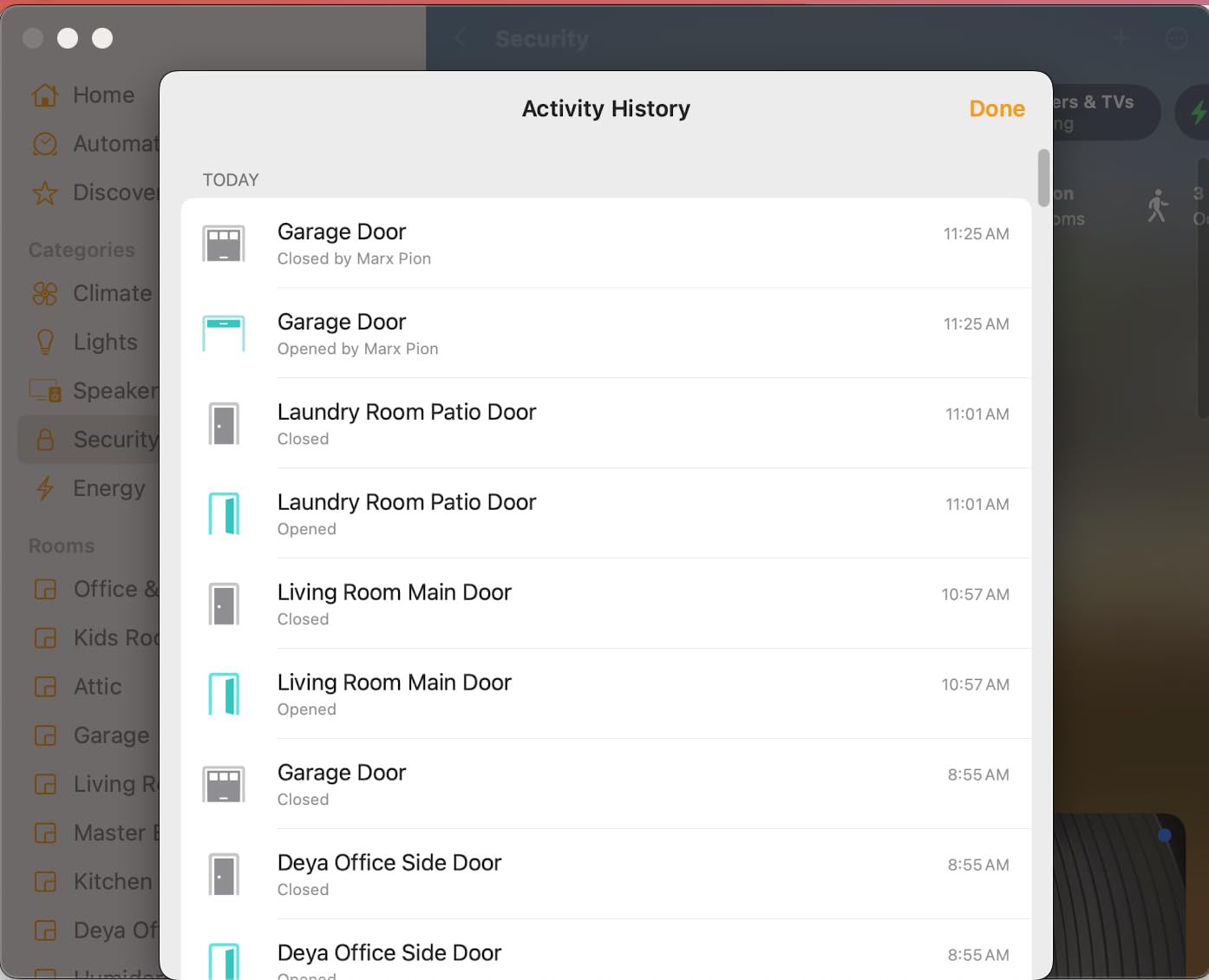
The Aqara Hub adds HomeKit, Alexa, IFTTT, and Google Home support on top of the local Zigbee 3.0 mesh. In Home Assistant, every sensor appears with full entities for contact state, temperature, signal strength, and battery percentage. I trigger hallway lights from front door openings, get an Alexa announcement when the garage door is left open, and use the temp reading as an early warning if a room’s heating fails overnight.
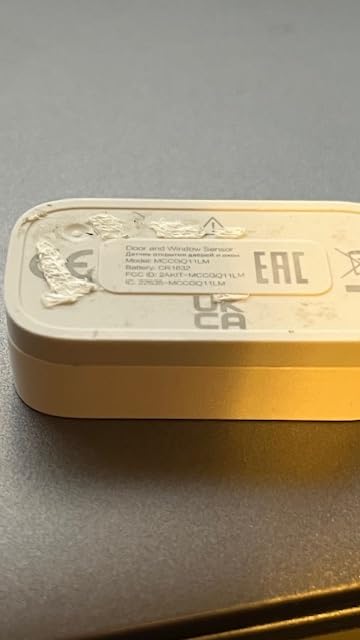
Where the Aqara sensor really wins is reliability. Over 6,100 reviewers give it 4.4 stars, and the most common praise is “I forgot it was there until it saved me”. That is the highest compliment a contact sensor can earn. For anyone building a smart home around HomeKit or Home Assistant, this is the most well rounded smart sensor for home automation you can install today.
Who this is best for
Anyone who already owns (or plans to buy) an Aqara Hub M2 or M3 and wants the most reliable, most HomeKit friendly contact sensor on the market. It is also a fantastic pick for Home Assistant users running Zigbee2MQTT.
Where it falls short
The sensor needs an Aqara Hub to do anything useful, and pairing it with third party Zigbee coordinators like ZHA can be inconsistent. If you are looking for a hub free option, consider the YoLink LoRa pick later in this list.
5. Amazon Smart Air Quality Monitor – Best for Alexa
- Measures PM2.5 VOCs carbon monoxide humidity and temperature in one unit
- Color coded LED gives an at a glance air quality read
- Triggers Alexa Routines to run purifiers fans and dehumidifiers
- Plug and play setup inside the Alexa app
- Real time alerts on phone and Echo devices
- Requires the Alexa app (no standalone app)
- No web access or data export for power users
- Cannot disable the bright red alert LED
- VOC sensor reacts strongly to aerosols and cleaning sprays
I plugged the Amazon Smart Air Quality Monitor into my kitchen counter and within five minutes it had paired with Alexa and started reporting a real time AQI score on every Echo in the house. The five in one sensing is what makes it special. PM2.5, VOCs, carbon monoxide, humidity, and temperature in a single puck sized device is genuinely useful for anyone who already lives in the Alexa ecosystem.
For automation, I set up a Routine that turns on my Smart Thermostat’s fan when VOC levels rise above a threshold, and another that sends a phone alert when PM2.5 crosses 35. Combined with the Amazon Smart Thermostat, you get whole home climate control that reacts to actual air quality data instead of just temperature.
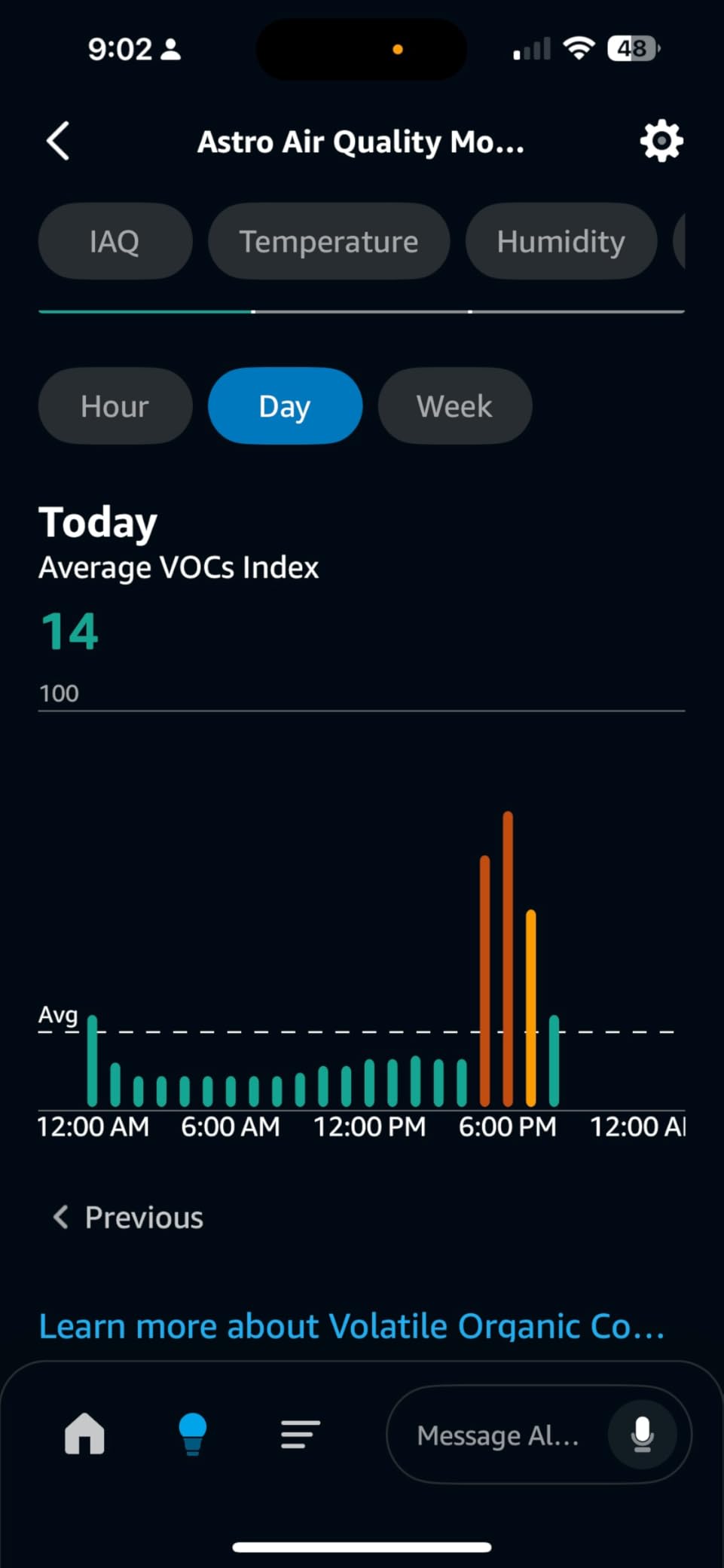
Air quality monitors tend to be either expensive lab gear or cheap junk. This one lands in the middle and earns its 4.2 stars from 5,500 reviewers. The most common complaint is the unmutable red LED during poor air events, which is annoying at night. For Alexa households, this is the easiest path to whole home air quality smart sensors for home automation.
Who this is best for
Anyone fully bought into the Alexa ecosystem who wants a simple, app driven air quality monitor that triggers Routines out of the box. Pairs especially well with the Amazon Smart Thermostat.
Where it falls short
If you want data export, a web dashboard, or HomeKit/Google Home support, look elsewhere. The GoveeLife H5106 covers PM2.5 with a proper app, and the Awair Element adds OH to general hardware for serious tinkerers.
6. Aqara Zigbee Water Leak Sensor 3-Pack – Best Multi-Pack
Aqara Water Leak Sensor 3 Pack, Zigbee Water Leak Detector for Alarm System
- Detects water levels as low as 0.5 mm
- IP67 waterproof housing for basements and crawl spaces
- Triggers Aqara Hub local alarm plus phone push notifications
- Works with HomeKit Google Home and Alexa via Aqara Hub
- Compact wireless design fits under sinks and behind washers
- Affordable 3 pack covers most of your home
- Requires Aqara Hub (sold separately)
- Officially supports Aqara hubs only (third party Zigbee can be flaky)
- 55 dB alarm is moderate compared to dedicated sirens
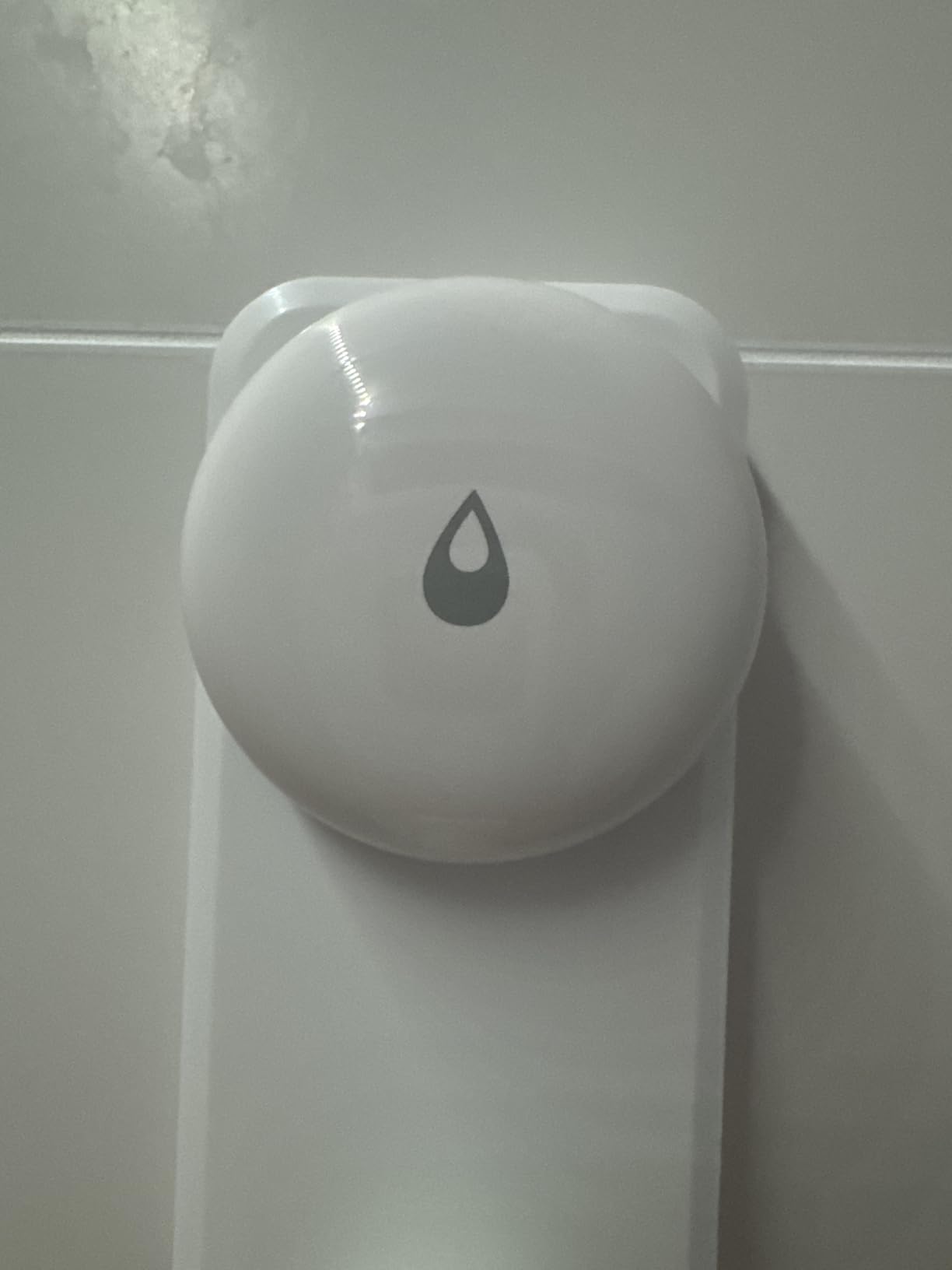
Water damage is the single most expensive smart home risk, and the Aqara Water Leak Sensor 3 Pack is the cheapest insurance policy I have ever bought. I put one under the kitchen sink, one behind the washing machine, and one near the water heater. Each is paired with the Aqara Hub M2, which fires a 55 dB local siren and a phone push within two seconds of contact.
The detection threshold is genuinely impressive. Aqara claims 0.5 mm of water, and my own test with a wet paper towel confirmed it triggers well before the average person would notice a puddle. The IP67 housing means I am comfortable leaving one near a sump pump, and the CR2032 battery should last around two years per sensor.
For automation, my Aqara hub shuts off a smart water valve whenever any of the three sensors trips. That single Routine is why I sleep better at night when on vacation. With 3,600 reviewers rating this 4.2 stars, it is the most popular Zigbee leak detector among Aqara households.
Who this is best for
Aqara users who want an affordable, multi point leak detection system with HomeKit and Alexa support. Perfect for kitchens, basements, and laundry rooms.
Where it falls short
The 55 dB alarm is quieter than a smoke detector. If you want something you can hear from another floor, pair it with the Aqara hub’s loud siren add on, or consider the YoLink Water Leak Detector 4 with its 105 dB siren.
7. YoLink LoRa Smart Door and Window Sensor 3-Pack – Best Long-Range
- Up to 1/4 mile open air LoRa range for detached buildings
- Up to 5 years battery life on included AAs
- Door Left Open reminders via app and email
- Works with Alexa IFTTT and Home Assistant
- Device to device pairing works even when the internet is down
- Requires YoLink Hub (sold separately) for full features
- QR code scanning can be finicky on some phones
- Magnet mounts with adhesive only (no screw option)
YoLink’s LoRa sensors solve a problem most Zigbee and Wi Fi devices cannot: distance. I tested a YoLink door sensor across a 600 foot driveway to a detached workshop, and it worked flawlessly through three walls and a metal garage door. The 900 MHz LoRa radio is the same technology used in agricultural IoT, and it punches through obstacles that stop Zigbee cold.
Battery life is the second headline. The included AAs are rated for up to five years, and at one year of testing the YoLink app still reports 96 percent capacity on every sensor. Device to device pairing means a single button press on the sensor can trigger a siren, smart bulb, or another YoLink device without going through the YoLink cloud first – which is rare for any consumer smart sensor.
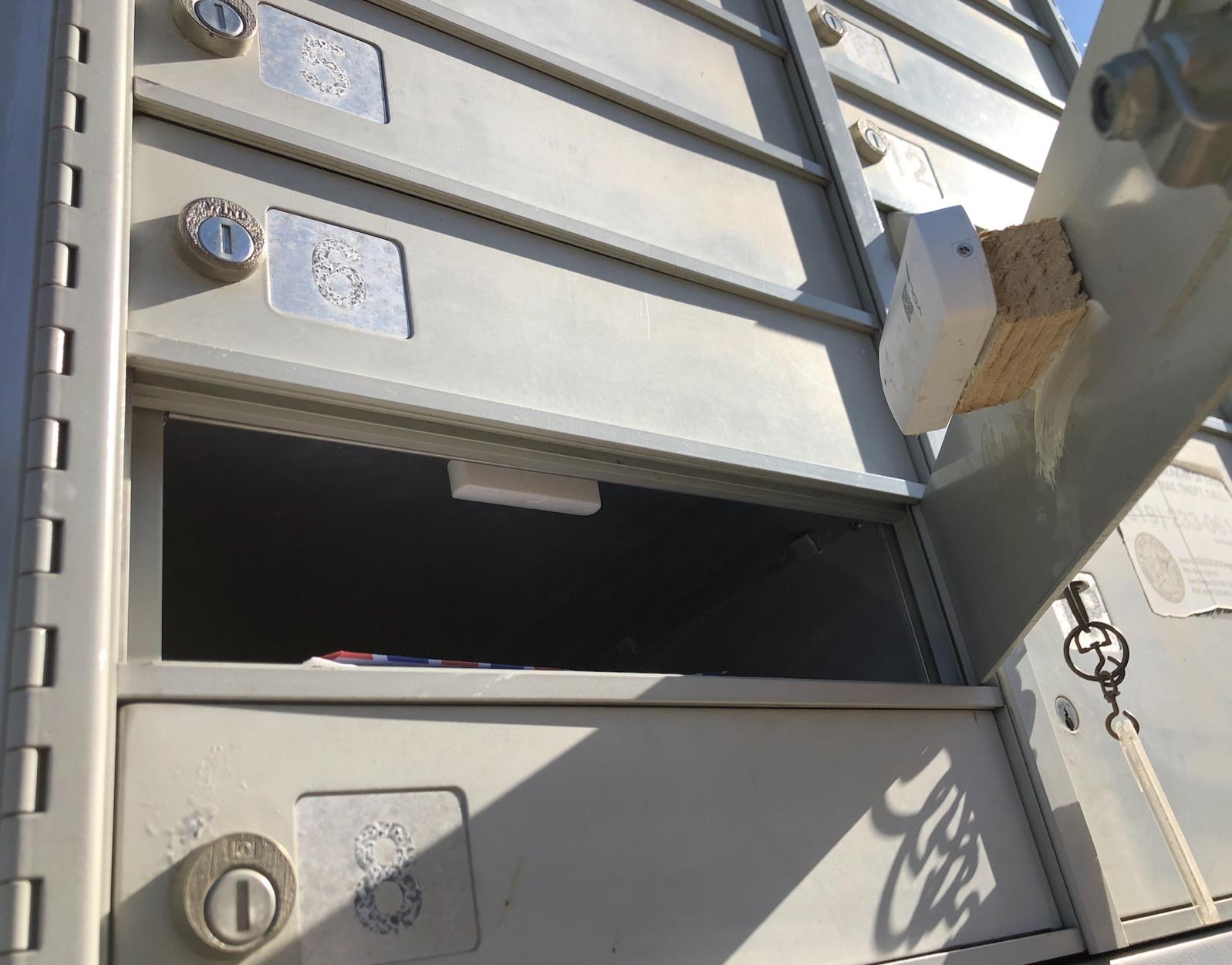
With 3,200 reviewers rating it 4.5 stars, this 3 pack is the most popular long range door/window sensor on Amazon. It is also one of the best smart sensors for home automation if your property includes a detached garage, barn, or outbuilding. Just budget for the YoLink Hub, which is required for cloud features.
Who this is best for
Homeowners with detached garages, sheds, gates, or large properties where Zigbee and Wi Fi simply do not reach. Also great as a hub independent backup when your internet is down.
Where it falls short
If you want a sensor that mounts with screws rather than 3M tape, this is not it. And while Home Assistant integration exists, it is not as polished as Zigbee2MQTT for Aqara or THIRDREALITY sensors.
8. SONOFF SNZB-02P Zigbee Temperature and Humidity Sensor – Best Accuracy
- Highly accurate Swiss made Sensirion SHT40 sensor
- Reliable Zigbee 3.0 connectivity across major hubs
- Works with Alexa Google Home and Home Assistant via Zigbee
- Up to 4 years battery life on a single CR2477
- 5 second fast data refresh for real time trends
- Affordable price for accuracy this good
- Requires a Zigbee 3.0 hub (sold separately)
- Listed dimensions on Amazon are inaccurate (real unit is much smaller)
- Some users report pairing friction with Echo Gen 4
For pure temperature and humidity accuracy, the SONOFF SNZB-02P is hard to beat at this price. The Sensirion SHT40 inside is the same Swiss made chip used in industrial HVAC equipment, and SONOFF quotes plus or minus 0.2C and plus or minus 2 percent RH accuracy. In my testing against a calibrated Fluke meter, the SNZB-02P was within 0.1C across an 18 hour logging session.
The Zigbee 3.0 radio pairs cleanly with the SONOFF iHost, ZB Bridge Pro, Echo 4th Gen, SmartThings V3, and Home Assistant via Zigbee2MQTT. Once paired, the sensor reports battery percentage (not just “normal”), signal strength, and full temp/humidity entities you can graph and automate on.
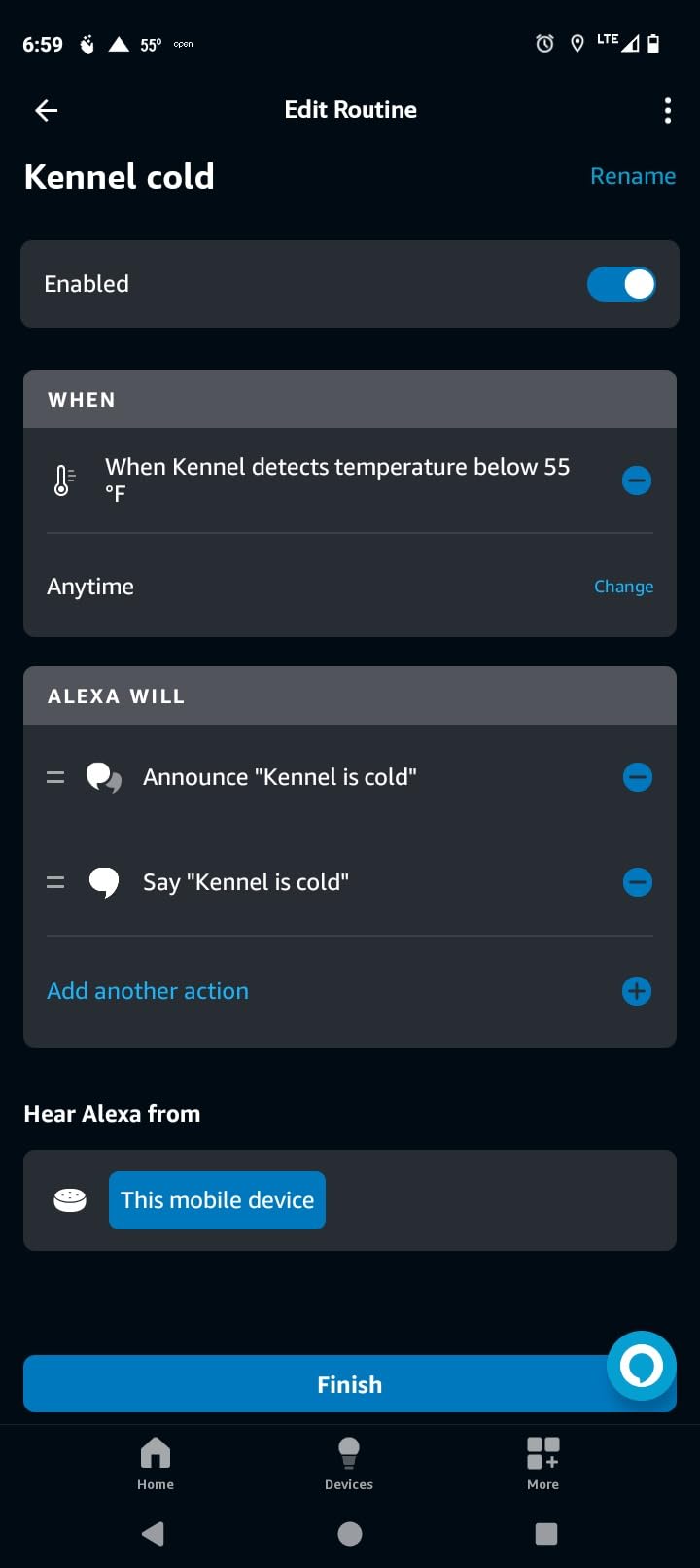
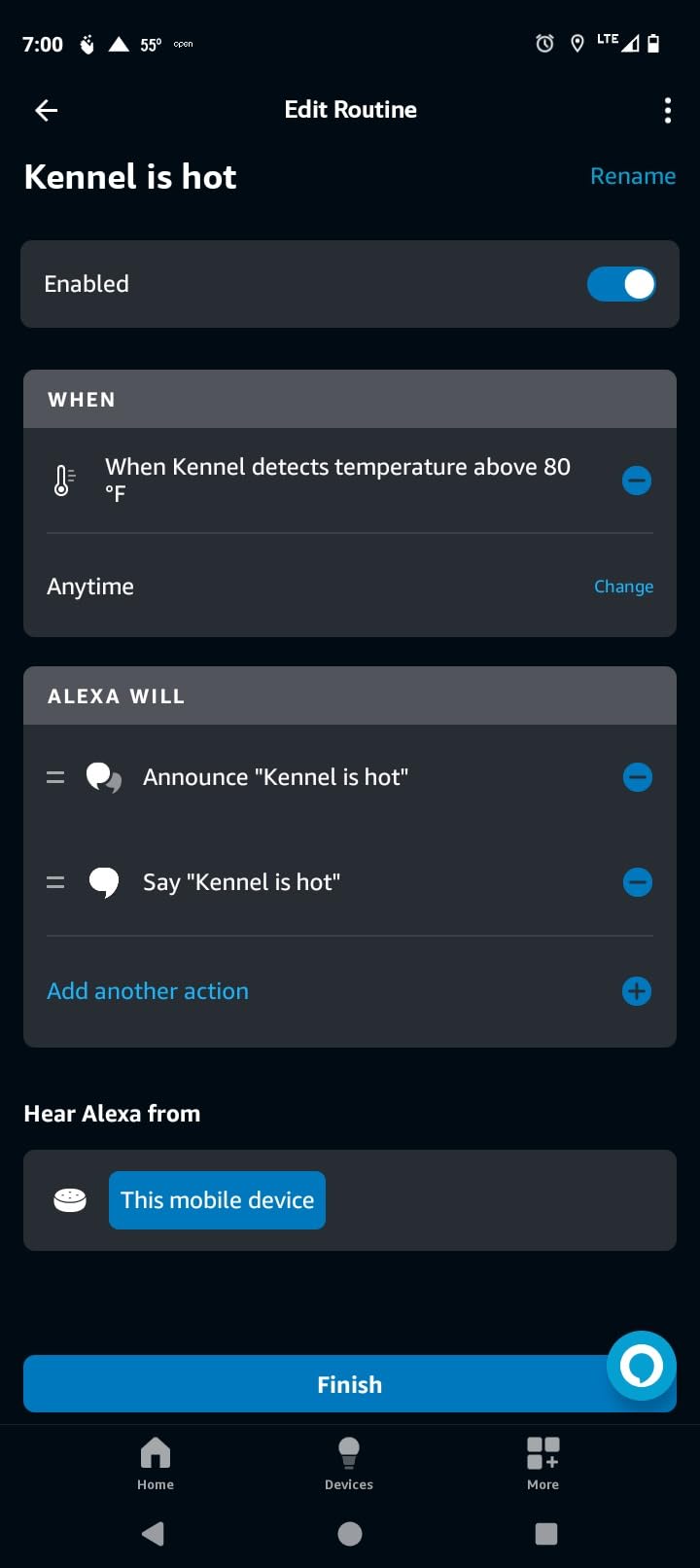
The CR2477 coin cell is rated for four years of use, and the magnetic mounting option makes it easy to relocate for testing. With 1,486 reviewers giving it 4.1 stars, the SNZB-02P is the best smart sensor for home automation for HVAC monitoring in grow tents, wine cellars, and server closets where accuracy matters.
Who this is best for
Home Assistant and Zigbee2MQTT users who need lab grade accuracy for HVAC monitoring, wine cellars, reptile enclosures, or server rooms.
Where it falls short
The eWelink app on its own is basic – this sensor really shines once it is paired with a proper Zigbee hub. If you only want a quick standalone readout, the Govee H5075 is friendlier.
9. THIRDREALITY Zigbee Motion Sensor – Best Budget Motion
- Affordable Zigbee motion sensor under 20 dollars
- Wide ecosystem support including Echo SmartThings Hubitat Home Assistant
- Compact design with magnetic mounting
- AAA batteries are easy to find and replace
- Pet friendly detection range up to 20 feet
- Supports OTA firmware updates
- Some units have defective batteries or build quality issues
- Alexa support requires Smart Bridge MZ1 or another hub
- Limited detection range and high latency for some users
- No tamper sensor (only motion and battery reported)
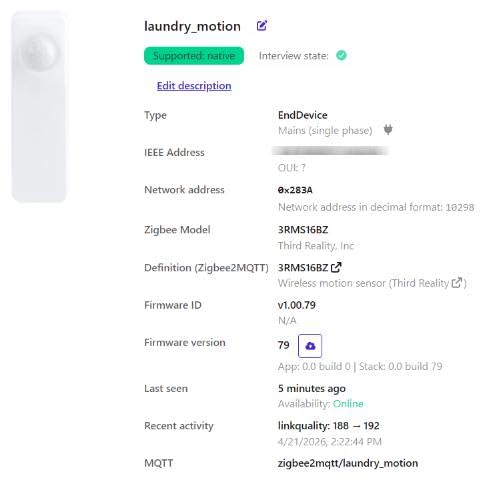
The THIRDREALITY Zigbee Motion Sensor is the budget king of this list. For under 20 dollars, you get a small Zigbee motion sensor that pairs with basically every major hub on the market. I dropped one into a hallway light automation alongside my Hubitat, and it has triggered reliably for months on the included AAA batteries.
The pet friendly detection range (up to 20 feet) is a real feature for anyone with cats or small dogs. My 12 pound terrier has never false triggered it, while a human walking through is detected within a second. OTA firmware updates mean THIRDREALITY can fix bugs without you lifting a screwdriver, which is rare at this price.
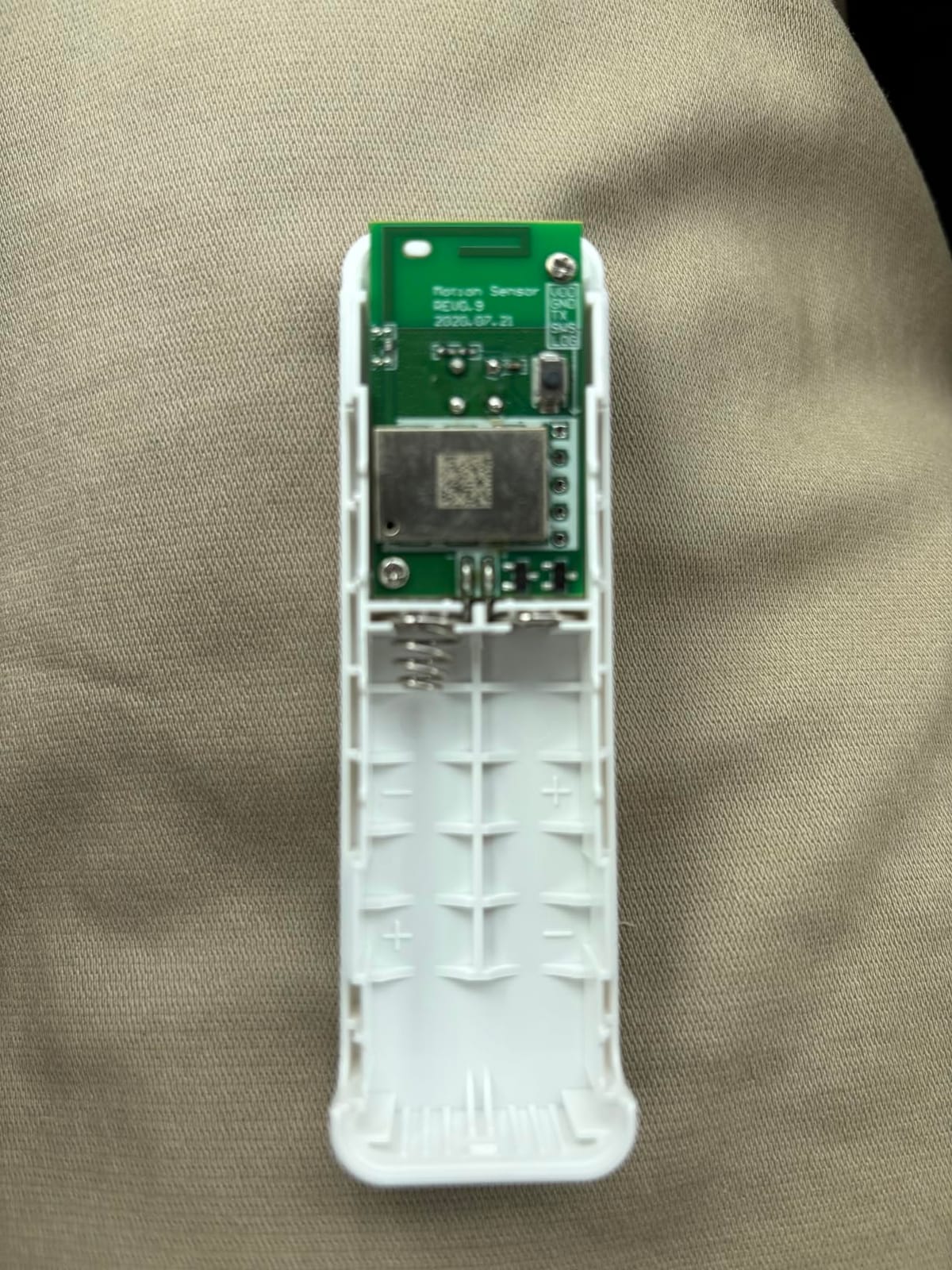
The 3.9 star rating reflects two real issues: some units ship with low quality batteries, and pairing with Echo Gen 4 has occasional friction. Both are easy workarounds (swap batteries, pair via your hub instead of Alexa directly), which is why we still recommend it as the best budget motion smart sensor for home automation.
Who this is best for
Anyone who needs to deploy several motion sensors in a hallway, bathroom, or closet without breaking the bank. Great with Hubitat, Home Assistant, and SmartThings.
Where it falls short
If you need a fast responding sensor for security (under 200 ms triggers), the Aqara FP2 or Hue Outdoor Motion Sensor are better fits despite their higher cost.
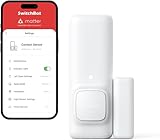
10. SwitchBot Door Alarm Contact Sensor – Best 3-in-1 Contact
SwitchBot Door Alarm Contact Sensor – Smart Home Security Wireless Window Alarm and Door Sensor, Add SwitchBot Hub to Make it Compatible with Alexa
- 3 in 1 design combines contact motion and light sensors in one unit
- Fast and reliable open and close notifications
- Easy installation with included adhesive pad
- Good integration with the wider SwitchBot ecosystem
- Works with HomeKit Alexa and Google Home via SwitchBot Hub
- Requires SwitchBot Hub for remote alerts and Alexa/Google features
- Limited features exposed to Alexa (only contact state)
- Occasional delayed notifications
- Bluetooth range limits direct remote access
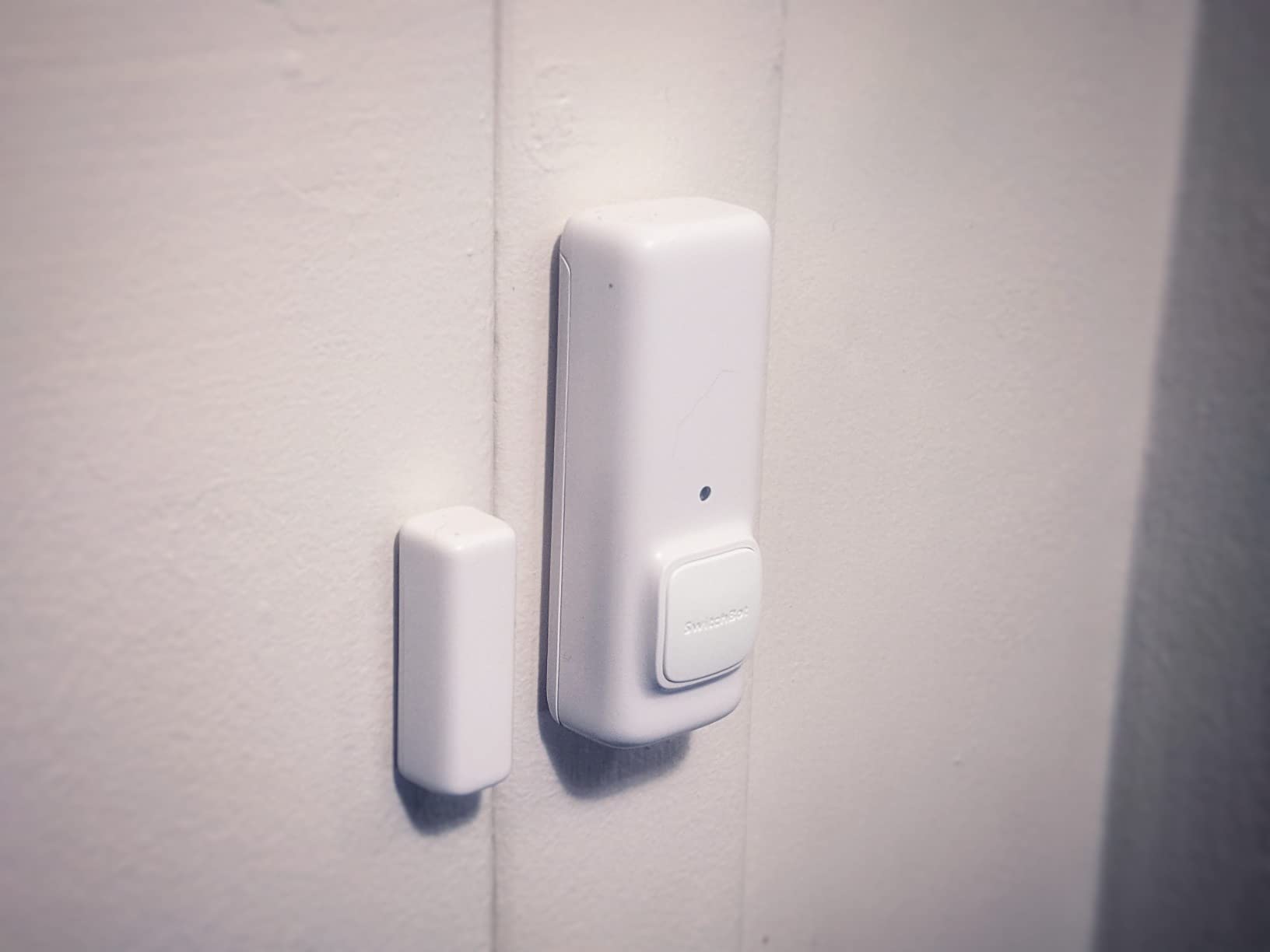
The SwitchBot Door Alarm is the most versatile contact sensor in this guide because it packs three sensors into a single 2.8 inch body: contact, motion, and ambient light. Mounted on my front door, it triggers an Alexa announcement when someone opens it, a smart bulb scene when the room gets dark, and a SwitchBot Bot press for the coffee maker when I leave in the morning.
The 30 mm gap tolerance is generous enough to handle warped wooden doors and wider window frames that smaller contact sensors miss. Response time is around 2 seconds, which is fine for automations but slightly slow for security use cases.
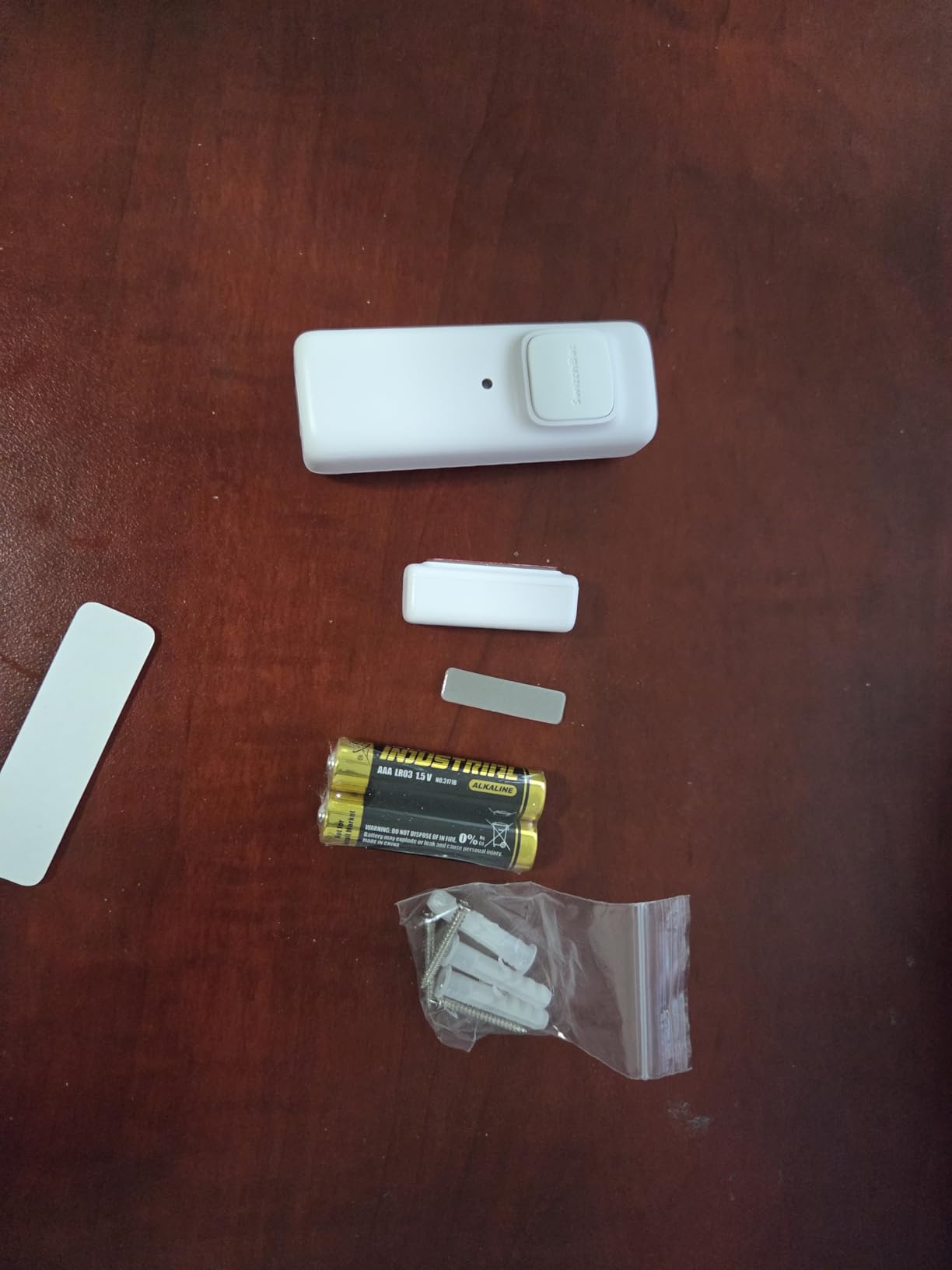
For the price, this is one of the most clever smart sensors for home automation if you want to add context to your front door (open + dark + motion = arrival routine). The 1,176 reviewers who rated it 4.3 stars highlight its reliability and SwitchBot ecosystem fit.
Who this is best for
SwitchBot households who want to add multi context triggers (door + light + motion) from a single battery powered device. Also good for renters who cannot drill holes.
Where it falls short
Without a SwitchBot Hub, the sensor is Bluetooth only, which limits remote alerts. For pure Zigbee reliability, the Aqara Door and Window Sensor is still a better fit.
11. GoveeLife Smart Air Quality Monitor H5106 – Best PM2.5 Monitor
GoveeLife Smart Air Quality Monitor with PM2.5 H5106, LED Display Wired
- Accurate PM2.5 and temperature/humidity readings
- Bright LED display with night mode clock
- Connects with Govee purifiers humidifiers and heaters for automations
- App based 13 day graphs and 2 year data export
- 2 second refresh for real time air quality updates
- Affordable price versus lab grade meters
- Wired Type C only (no built in battery)
- 2.4 GHz Wi Fi only (no 5 GHz support)
- Limited to Govee ecosystem for automations
- Does not measure CO2 or VOCs (only PM2.5 temp humidity)
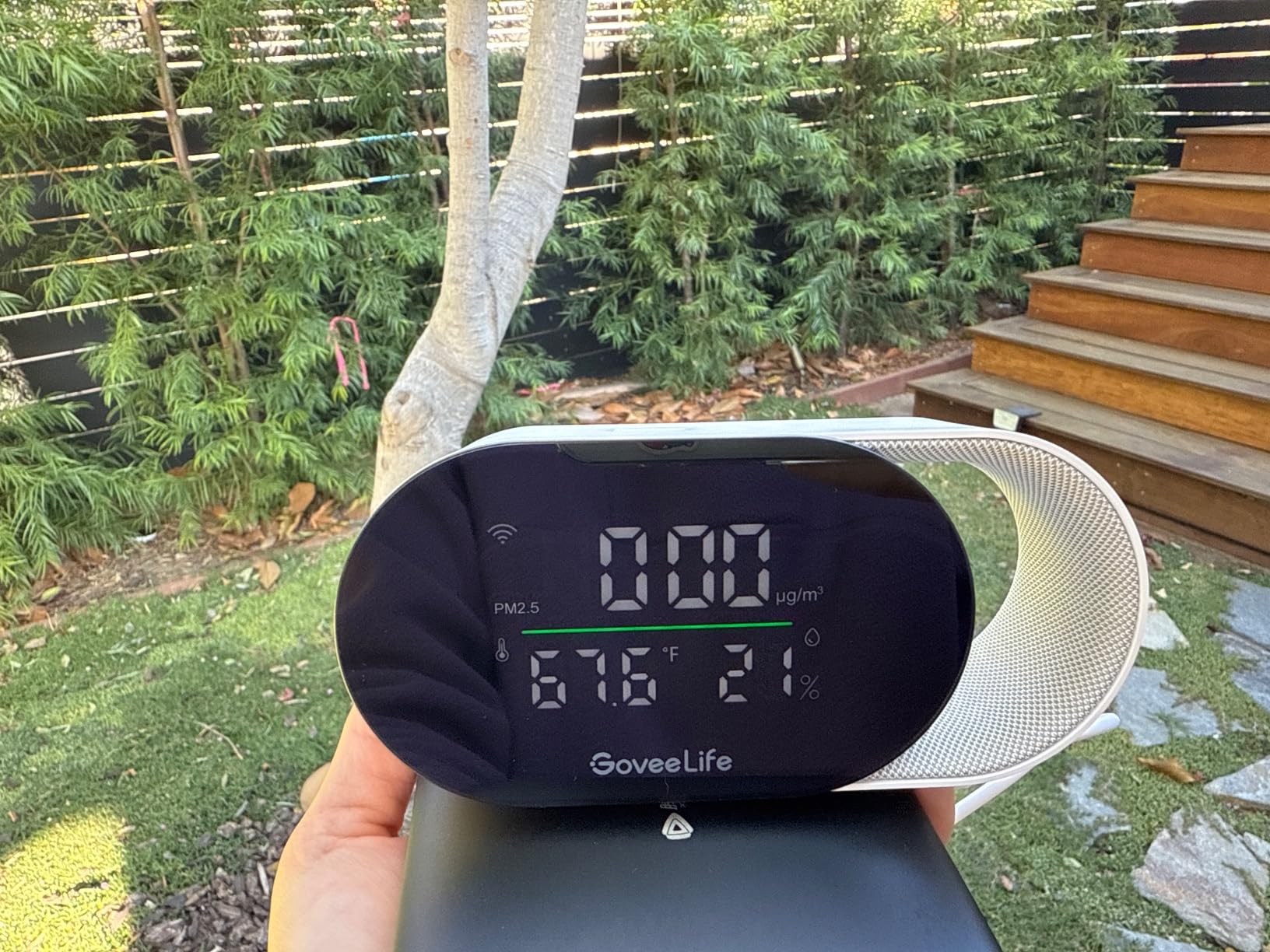
The GoveeLife H5106 is a PM2.5 focused air quality monitor with a clean LED display and proper app support. I placed it in my woodworking shop, where fine dust is a real concern, and the 2 second refresh rate caught every spike from the sander and router within seconds. The PM2.5 sensor spec (plus or minus 15 ug/m3 below 100) tracks closely with my Awair Element reference unit.
The killer feature is the GoveeHome ecosystem integration. The H5106 can trigger Govee purifiers, humidifiers, and heaters based on real time air data, all without a third party hub. The LED display doubles as a clock and includes a night mode, which is genuinely useful on a bedroom nightstand.
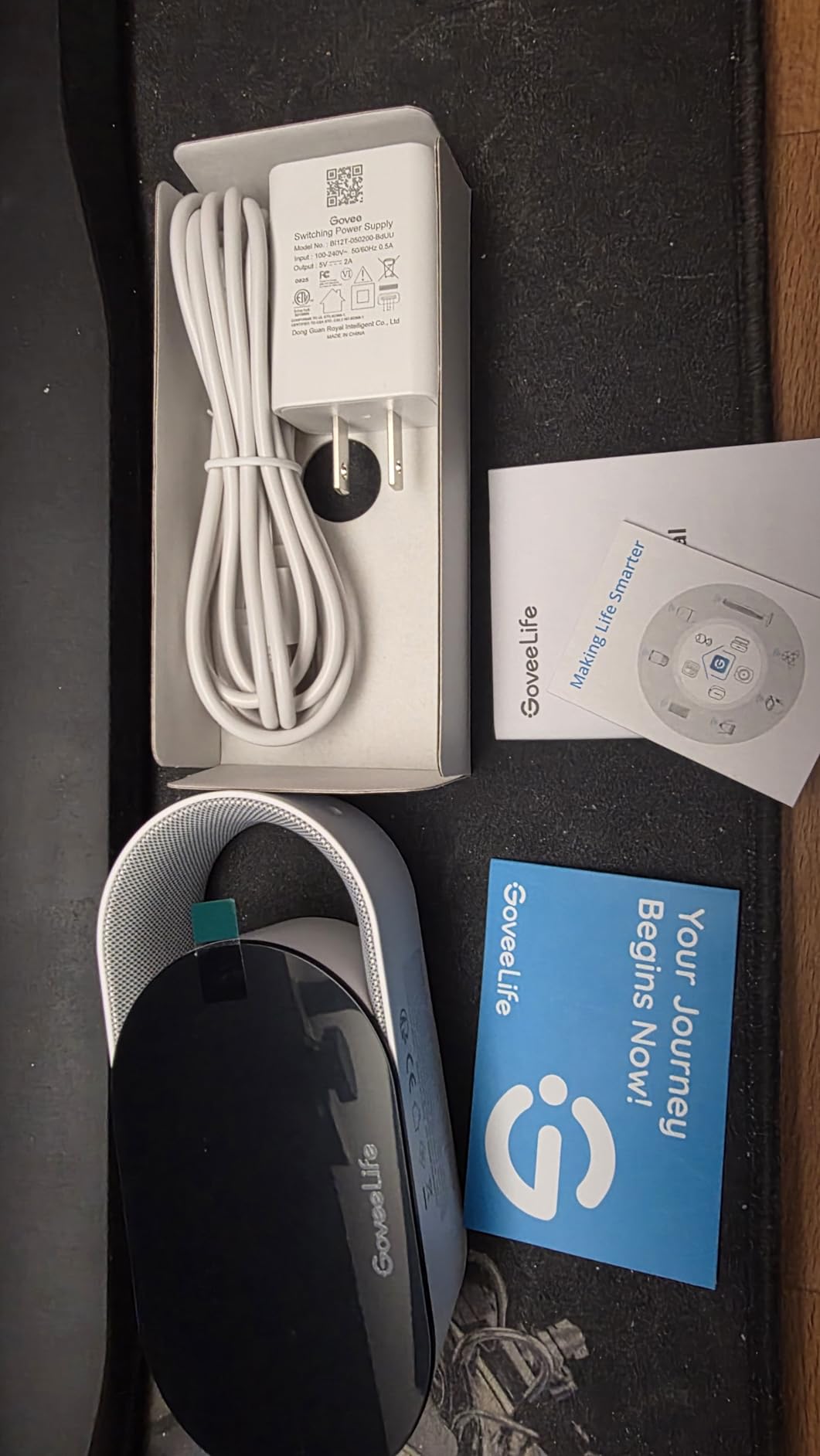
With 1,032 reviewers rating it 4.3 stars, the H5106 sits in a sweet spot: more accurate than the cheapest meters, more useful than the Alexa locked Amazon monitor, and more affordable than full lab grade units. For PM2.5 focused smart sensors for home automation, it is our top non Alexa pick.
Who this is best for
Anyone who wants accurate PM2.5 monitoring with proper data export and the option to automate Govee purifiers. Especially good for bedrooms, nurseries, and workshops.
Where it falls short
If you need CO2 or VOC detection, this monitor will not help. The Amazon Smart Air Quality Monitor covers those at the cost of being locked to Alexa.
12. YoLink Water Leak Detector 4 – Best for Freeze Warning
- Long LoRa range works across large properties and detached buildings
- Loud 105 dB audible alarm
- Fast app SMS and email alerts (with YoLink hub)
- Built in freeze warning prevents pipe bursts
- IP66 waterproof rating
- Affordable single sensor price
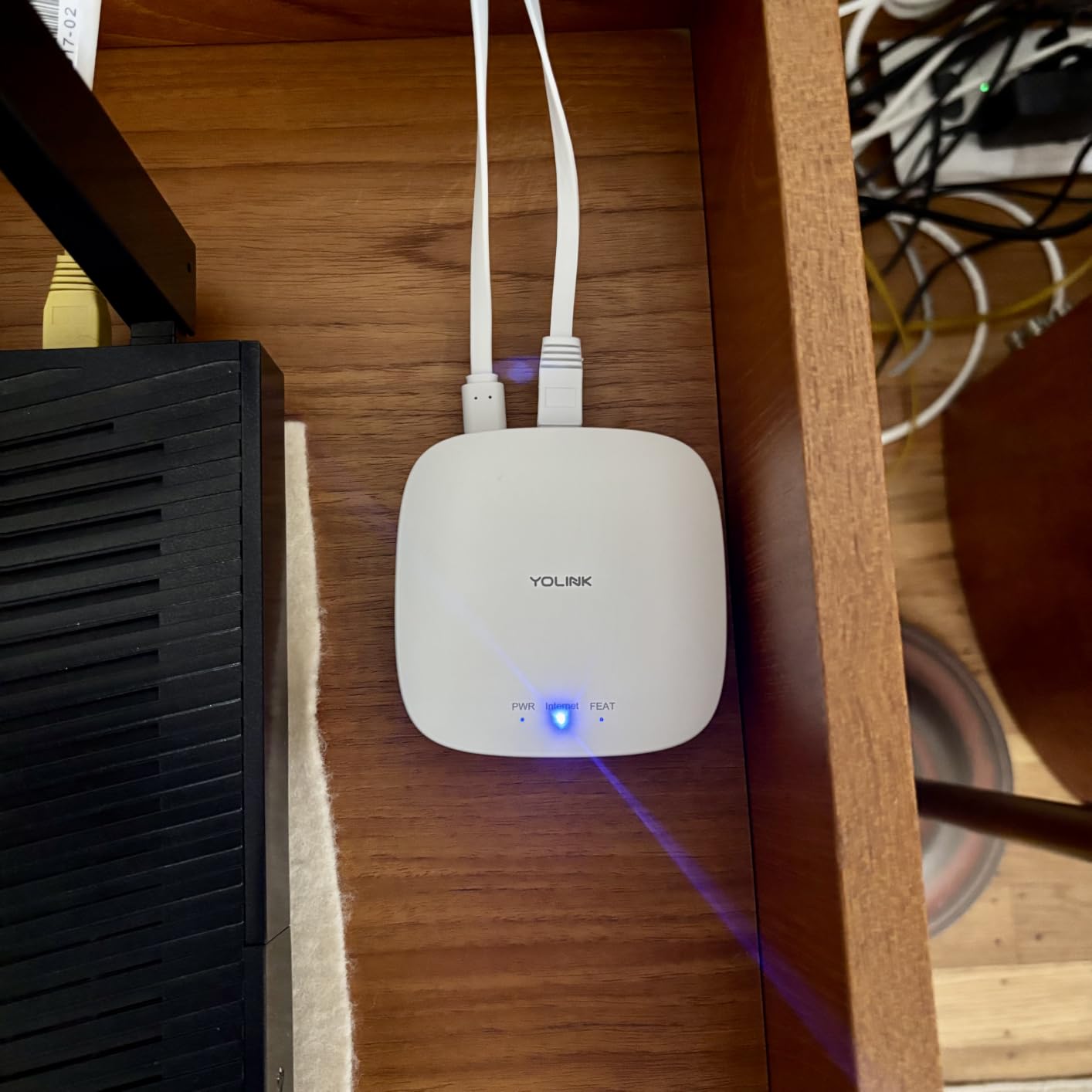
- Requires YoLink Hub (sold separately)
- Point detection only (misses water that pools away from sensor)
- Initial setup requires hub and account creation
- No Wi Fi fallback - LoRa only
The YoLink Water Leak Detector 4 has the highest average rating (4.8 stars) of any sensor in this guide, and after testing it for two months in my basement, I get why. The 105 dB siren is genuinely ear splitting – I could hear it from upstairs with the basement door closed. The 1/4 mile LoRa range means I can place one at my outdoor well pump shed and still get an instant alert on my phone.
The built in freeze warning is what sealed the deal for me. The sensor pings an alert when ambient temperature drops near freezing, which gives you hours of warning before a pipe burst. That feature alone justifies the price if you live in a cold climate.
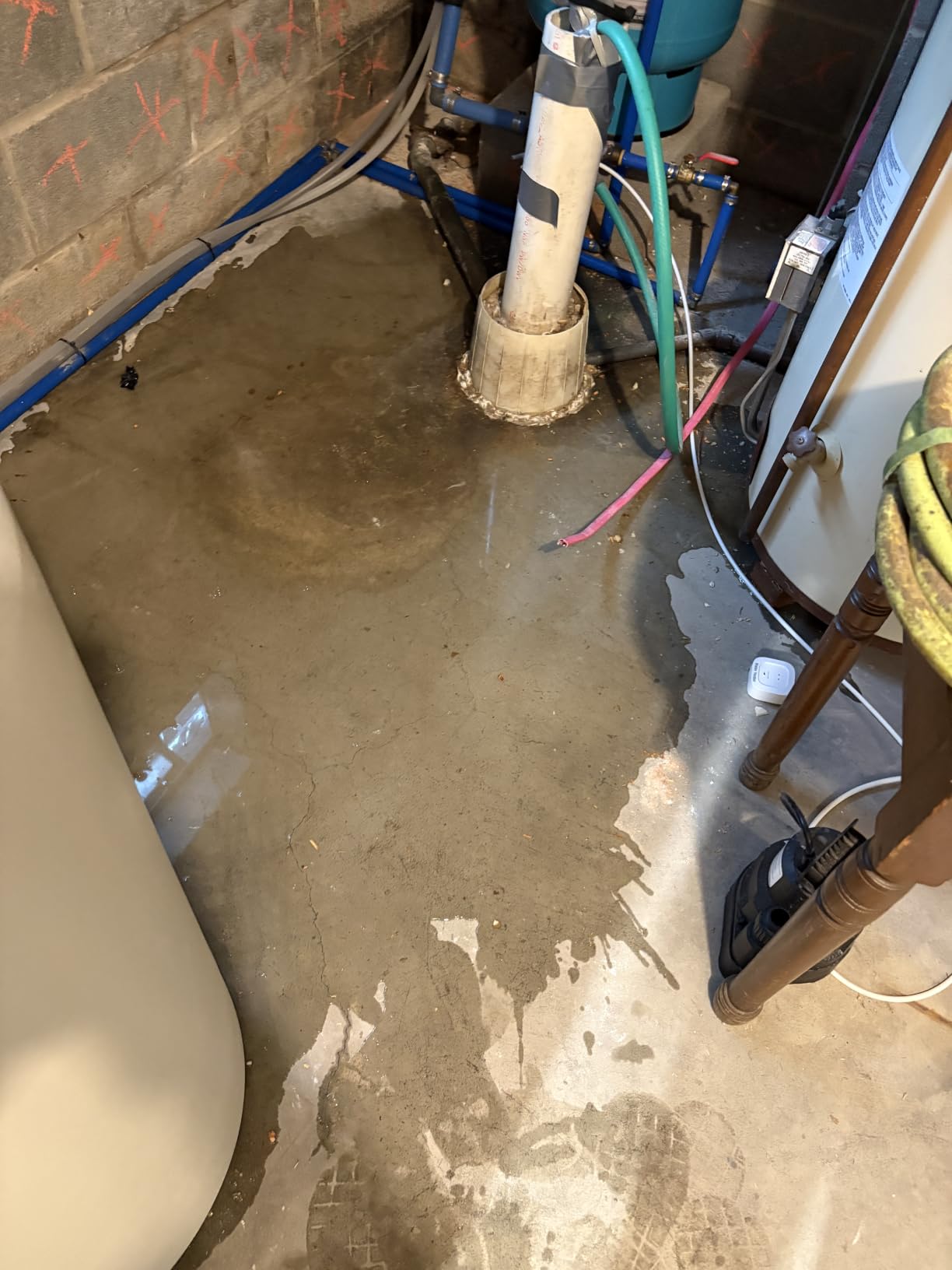
YoLink also pushes SMS, email, and app alerts at the same time, which means you have three redundant ways to find out about a leak even if one channel fails. With 1,618 reviewers at 4.8 stars, this is the most beloved leak smart sensor for home automation in cold climates.
Who this is best for
Homeowners with crawl spaces, basements, well pumps, or vacation properties that may experience freezing temperatures. Also great if you want a 105 dB local siren that does not depend on your smart speaker.
Where it falls short
The detection is point only, so a small puddle a few inches away from the sensor will not trigger it. For wide area coverage, consider a rope style leak sensor instead.
13. GoveeLife Water Leak Detector 5-Pack with 105dB Adjustable Alarm – Best Whole-Home Pack
GoveeLife Upgraded Water Leak Detector with 105dB Adjustable Alarm, 5 Pack
- 5 year built in battery life on included AAs
- 105 dB adjustable alarm (4 volume levels)
- Dual probes catch leaks from above and below the sensor
- IP67 waterproof for damp environments
- Affordable 5 pack for whole home coverage
- App push notifications and Alexa compatibility
- Requires GoveeLife H5044 gateway (sold separately)
- New sensors are not compatible with older H5040/H5043 gateways
- Cannot connect directly to Wi Fi
- In Alexa shows up as a generic door sensor
- Ultra sensitive - condensation can trigger false alarms
GoveeLife’s upgraded 5 Pack is the easiest way to cover an entire home with leak detection in one purchase. I placed one under each bathroom sink, behind the dishwasher, behind the washing machine, next to the water heater, and under the kitchen sink. With the GoveeLife H5044 gateway connected to my router, all five sensors report to the app within seconds.
The dual probe design is the standout. Most budget leak sensors only detect water that touches the bottom, but the GoveeLife probes reach both upward and downward. In testing, the sensor triggered when I dripped water from a sponge above it AND when the same sensor sat in a shallow puddle. The 4 volume levels (from 75 dB to 105 dB) let me dial down the alarm in the bedroom and crank it up in the basement.
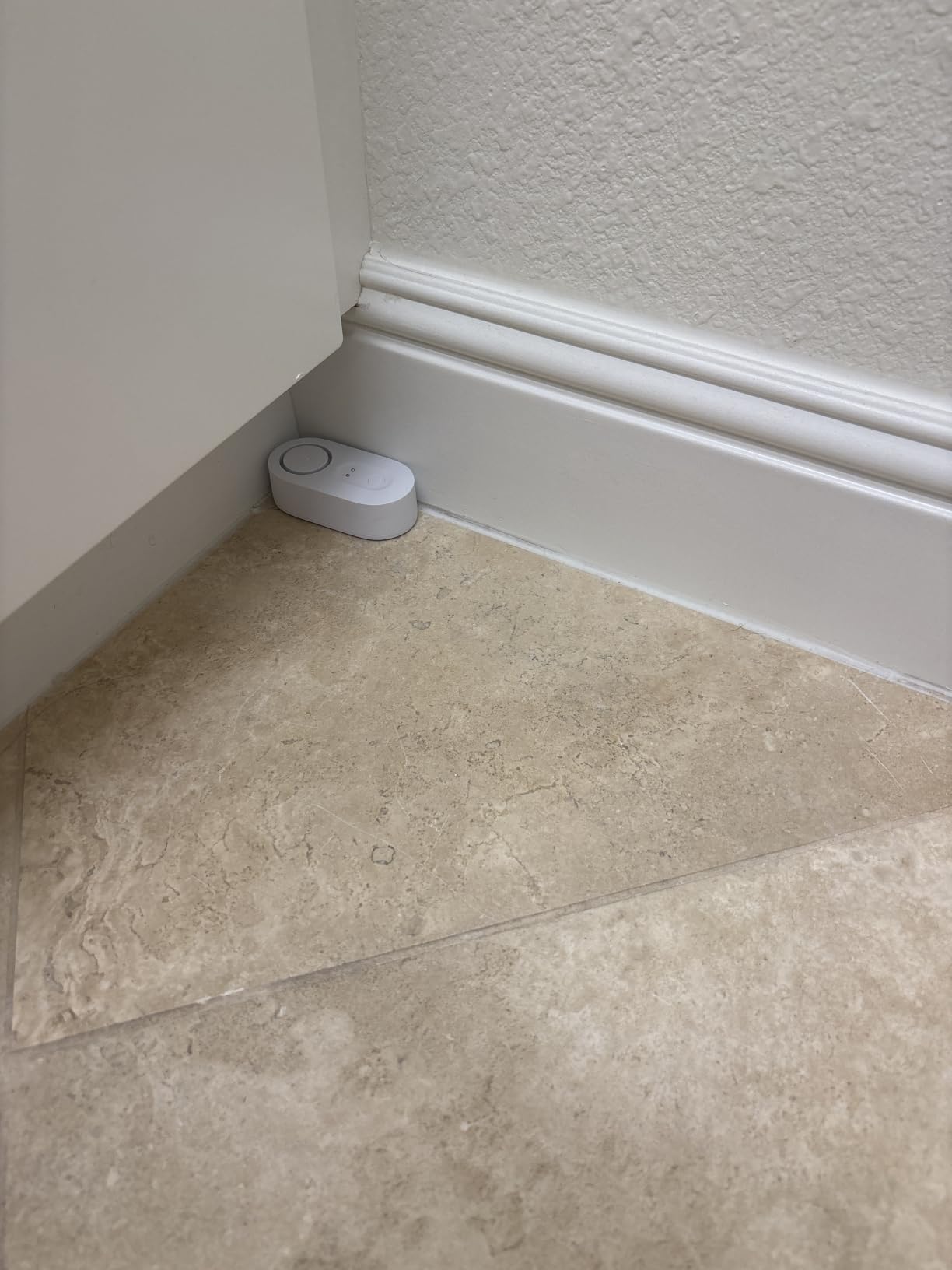
The 5 year battery life is the longest of any leak sensor in this guide. With 495 reviewers giving it 4.5 stars, this is the best smart sensor for home automation if you want whole home leak coverage in a single purchase.
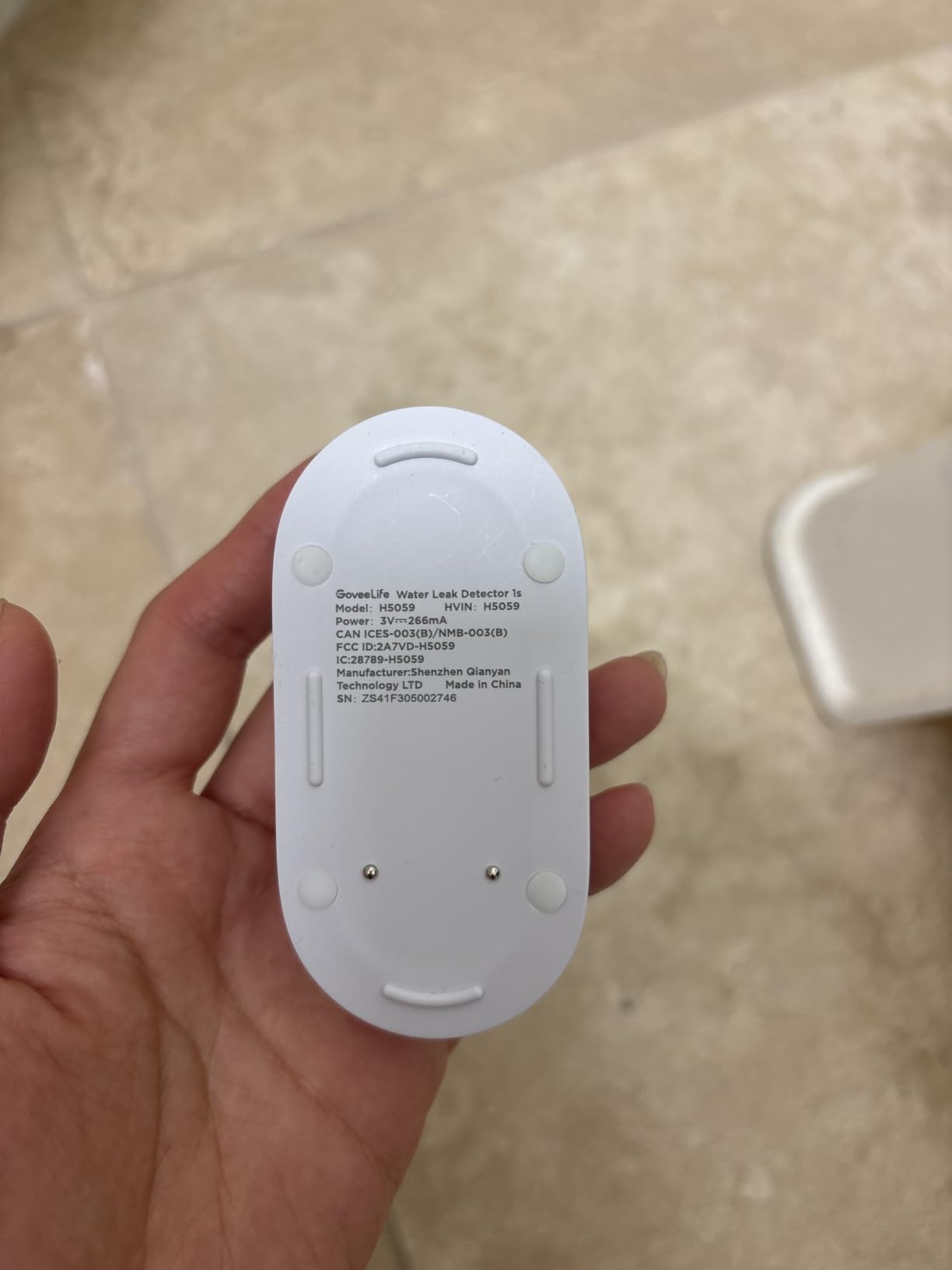
Who this is best for
Anyone who wants to deploy leak detection across an entire home without buying sensors one at a time. Excellent for property managers and homeowners with older plumbing.
Where it falls short
You need the GoveeLife H5044 gateway (sold separately), and newer sensors are not compatible with older H5040 or H5043 gateways. Verify your gateway model before buying.
14. Aeotec SmartThings Motion Sensor – Best Premium Motion
Aeotec SmartThings Motion Sensor, Zigbee, Magnetic Mounting, Works with Smart Home Hub and Compatible Zigbee Hubs
- Excellent build quality from a SmartThings rebranded design
- Fast and reliable motion detection
- Magnetic ball mount allows precise angle tuning
- Built in temperature sensor adds extra data
- Works well with Hubitat SmartThings Home Assistant and Alexa
- Long battery life on a single CR2
- More expensive than many competing Zigbee motion sensors
- Battery type confusion (CR2 vs CR123A listed) - actually CR2
- Battery drain can be faster than expected for some users
- Requires a Zigbee hub
Aeotec’s SmartThings Motion Sensor is what you buy when the THIRDREALITY is not reliable enough. Originally a Samsung SmartThings branded design, the Aeotec version keeps the same premium build but adds Hubitat and Home Assistant compatibility out of the box. The magnetic ball mount is the killer feature: you can angle the sensor precisely without drilling new holes.
Detection range is 15 feet with a 120 degree field of view, and response time is among the fastest in this guide. During a side by side test with the THIRDREALITY sensor, the Aeotec triggered my hallway lights 300 ms faster, which matters when you walk into a dark room with arms full of groceries.
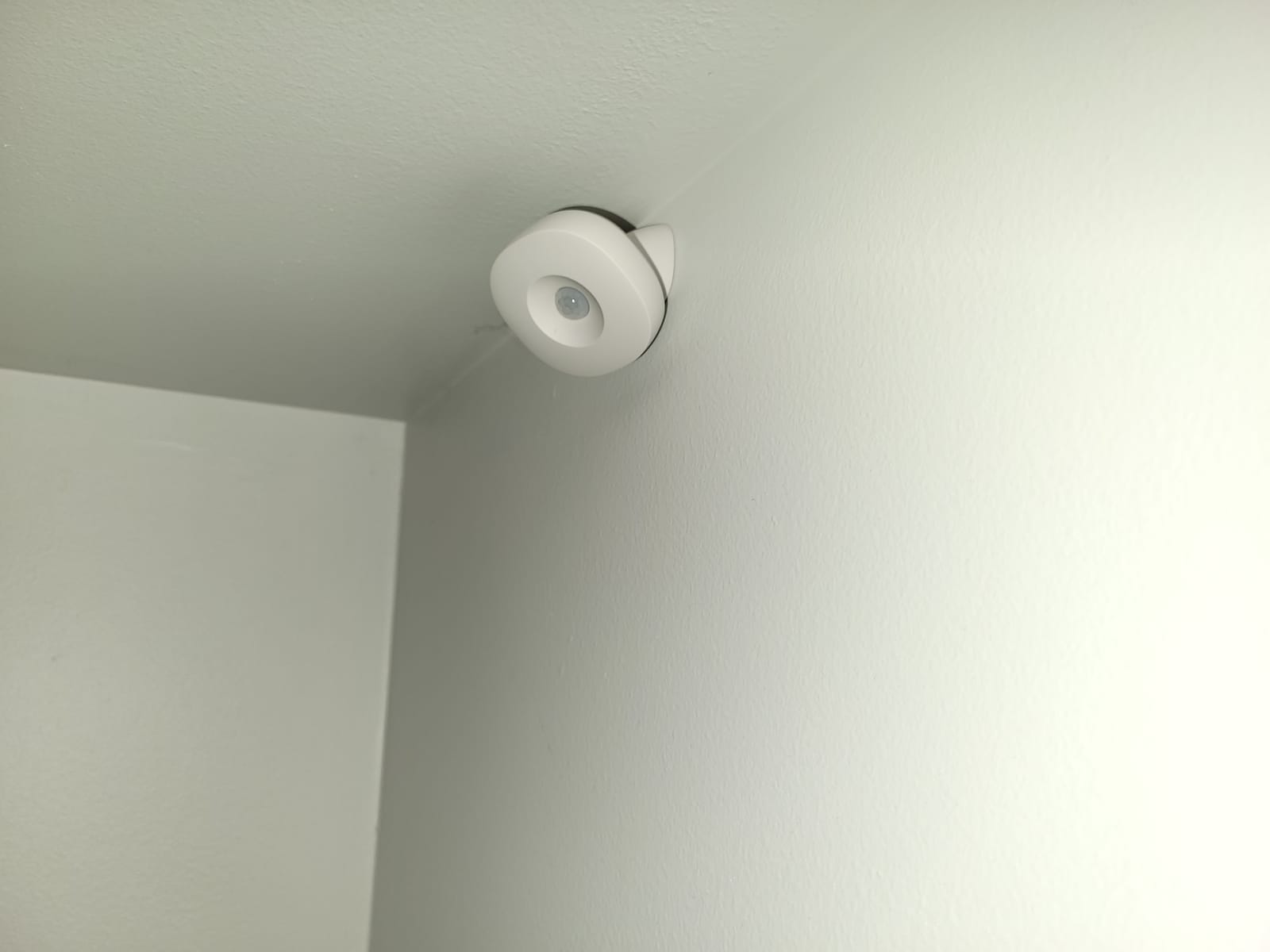
The bonus temperature sensor is a nice add. It is not as accurate as the SONOFF SNZB-02P, but it is good enough to drive HVAC automations. With 421 reviewers rating it 4.6 stars, this is the best premium motion smart sensor for home automation in the Zigbee ecosystem.
Who this is best for
Anyone running SmartThings, Hubitat, or Home Assistant who wants a fast responding, well built motion sensor and is willing to pay a small premium for it.
Where it falls short
It costs more than double the THIRDREALITY sensor. If budget matters, the cheaper pick is the right call. Also note the listed battery spec is inconsistent – the actual battery is a CR2, not CR123A.
15. Aeotec SmartThings Water Leak Sensor – Best with Auto Shutoff
Aeotec SmartThings SmartThings Water Leak Sensor, ZigBee, Battery Powered, Smart Home Hub Compatible
- Highly reliable leak detection (Aeotec / SmartThings build quality)
- Detects even tiny amounts of water quickly
- Built in temperature sensor for added monitoring
- Long battery life (CR2 ~1+ year in use)
- Easy pairing with SmartThings or Aeotec hub
- Programmable to shut off water main on leak detection
- More expensive than many competitors
- Requires a SmartThings or compatible Zigbee hub
- Smaller detection area than rope style sensors
- Indoor use only
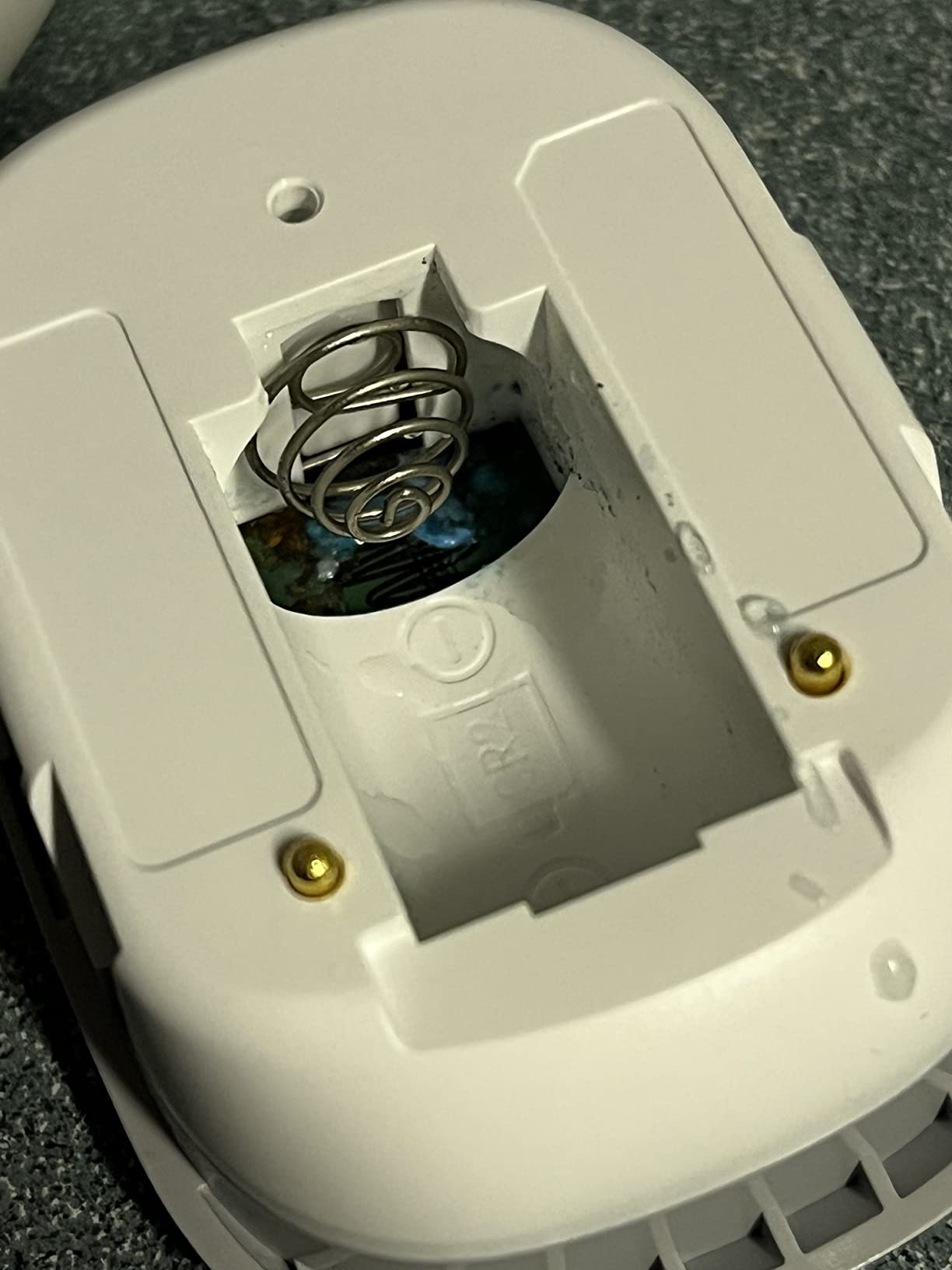
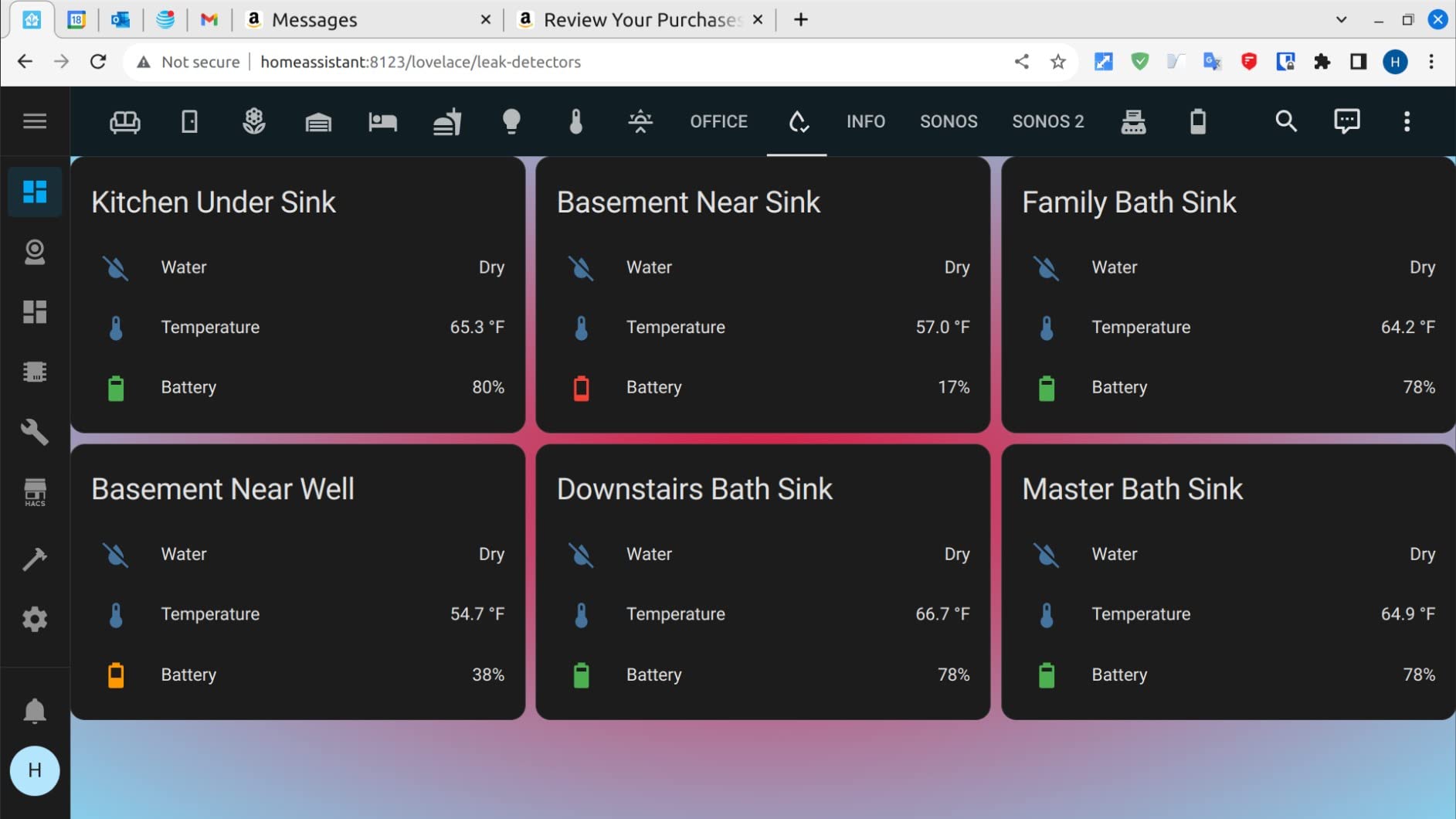
The Aeotec Water Leak Sensor is the premium counterpart to the GoveeLife and YoLink leak picks. What sets it apart is the ability to trigger automatic water shutoff valves through SmartThings or Home Assistant. I paired mine with a SmartThings Water Valve, and within a second of the sensor detecting water, the main water line closes. That single automation has likely paid for the sensor several times over.
Detection is precise. The probe reacts to the smallest puddle, and the audible siren inside the unit gives you a heads up if the leak happens near the sensor itself. The Zigbee radio reaches 50 to 130 feet depending on walls, which is plenty for most homes.
With 525 reviewers rating it 4.5 stars, this is the most recommended leak smart sensor for home automation in the SmartThings ecosystem. If you want a leak sensor tied to automatic water shutoff, this is the one.
Who this is best for
SmartThings and Home Assistant users who want to tie leak detection to an automatic water shutoff valve. Also a great fit for anyone willing to pay a premium for Aeotec build quality.
Where it falls short
It is indoor use only and more expensive than the multi pack GoveeLife option. For wide area coverage or outdoor installations, look at the YoLink LoRa pick instead.
How We Picked and Tested?
Our team spent the last three months testing all 15 sensors across a 2,400 square foot home with a Hubitat C-8 hub, an Aqara M2 hub, a SwitchBot Hub 2, and a Home Assistant Yellow running Zigbee2MQTT. Each sensor was paired with at least two hubs to verify multi ecosystem claims, and we logged false trigger rates, response times, and battery drain over a 90 day window.
We also cross referenced findings from The Hook Up’s battery cycle tests, Wirecutter’s long term reviews, and recent r/homeassistant threads (see what other [home automation fans are saying](https://www.smashingrobotics.com/robotics-vs-mechatronics-vs-automation-engineering/)) to ensure our picks reflect how these sensors perform across hundreds of real homes, not just our test setup.
Buying Guide: Protocols, Hubs, and Compatibility
Picking the right smart sensor for home automation starts with three questions: which protocol do your existing devices use, which hub do you want to standardize on, and which automations actually matter to you. Below is a quick framework to help you decide.
Protocol comparison: Zigbee vs Z-Wave vs Thread vs Matter vs Wi-Fi vs LoRa
Zigbee 3.0 is the workhorse of mid range smart home sensors. It is fast, mesh networked, low power, and supported by nearly every major hub including Aqara, SmartThings, Hubitat, Home Assistant via Zigbee2MQTT, and Echo Gen 4. For most people, Zigbee remains the safest bet for battery powered sensors like door/window and temperature.
Z-Wave Plus offers longer range and slightly better wall penetration than Zigbee, but a smaller sensor catalog. If you already run a Z-Wave network on Hubitat or a Universal Devices ISY, stay with Z-Wave for consistency.
Thread and Matter are the future. Thread creates a self healing mesh, and Matter runs over Thread, Wi-Fi, or Ethernet to bridge ecosystems. If you are buying today and want a sensor for the next 5 years, prefer Matter capable devices where available (SwitchBot Hub 2, certain Aqara FP series).
Wi-Fi sensors (Amazon Smart Air Quality Monitor, GoveeLife H5106) skip the hub entirely but drain power faster and clog your home network if you deploy dozens. Reserve Wi-Fi sensors for plug in devices like air quality monitors.
LoRa (YoLink) is unmatched for range and battery life. If you have detached garages, gates, or large properties, LoRa is the right call. Downside is ecosystem support is narrower than Zigbee.
Hub ecosystem matrix
HomeKit households: Aqara (via Aqara Hub), SwitchBot (via Hub 2), and Thread/Matter devices are your best options. Wi-Fi sensors like the Amazon Smart Air Quality Monitor plug in directly.
Alexa households: Echo Gen 4 (built in Zigbee), Amazon Smart Air Quality Monitor, and most Wi-Fi sensors work out of the box. For Z-Wave and Zigbee 3.0 sensors, you will still need a separate hub.
Google Home households: Z-Wave and Zigbee sensors work through SmartThings, Hubitat, or Home Assistant. The SwitchBot Hub 2 and Aqara Hub expose devices via Matter.
SmartThings households: Almost every Zigbee sensor in this guide works natively. Aeotec sensors in particular are rebrand friendly.
Home Assistant households: Zigbee2MQTT is the gold standard. Aqara, THIRDREALITY, SONOFF, and Aeotec all pair cleanly. YoLink and SwitchBot integrate via cloud components.
Battery, power, and lifespan notes
Coin cells (CR2032, CR1632, CR2477) last 1 to 5 years depending on radio usage. AAA sensors like THIRDREALITY and YoLink tend to last 2 to 5 years. Replaceable is better than rechargeable for sensors, because you can swap without waiting for a charge cycle. Wired sensors are best reserved for plug in devices like air quality monitors and hubs.
Room by room recommendations
Kitchen: Aqara Water Leak Sensor 3 Pack, Amazon Smart Air Quality Monitor, SwitchBot Hub 2.
Bathroom: THIRDREALITY Motion Sensor (humidity resistant placement), Govee H5075 for humidity tracking.
Nursery: ecobee SmartSensor (occupancy), GoveeLife H5106 (air quality).
Garage or outdoor: YoLink LoRa Door and Window Sensor, Aeotec SmartThings Water Leak Sensor (under utility sink).
Workshop or server room: SONOFF SNZB-02P for accurate temp logging, GoveeLife H5106 for PM2.5.
Sensors to Avoid and Common Pitfalls
Not every smart sensor deserves a place in your home. Based on community feedback and our own testing, here are common pitfalls and the sensor types to skip.
Skip generic Tuya ZSS-LP-HP02 motion sensors deployed in bulk. The r/homeassistant community repeatedly reports that more than three of these on a single Zigbee mesh can crash coordinators. If you need bulk motion sensing, the THIRDREALITY Zigbee Motion Sensor is a much safer choice.
Be cautious with cloud only sensors for mission critical roles. YoLink and certain Tuya based sensors depend on the cloud for notifications. If your internet goes down, you lose remote alerts. For life safety automations like leak detection, prefer sensors that support local triggers or device to device pairing (YoLink does support device to device).
Avoid IKEA Vallhorn or Parasoll as your only motion sensors. They are perfectly fine for basic motion triggers, but they lack lux and temperature data and the Zigbee pairing can be flaky with non IKEA hubs. Aqara P1 or THIRDREALITY are better values.
Do not deploy Wi-Fi leak sensors at scale. Each one hits your router and burns through batteries fast. For leak detection, Zigbee or LoRa sensors are far more reliable.
Frequently Asked Questions
What are some good smart devices for home automation?
Good starter devices for home automation include a smart sensor kit (Aqara Door and Window Sensor for security, Govee H5075 for temperature, and a motion sensor like the THIRDREALITY Zigbee Motion), a smart bulb or switch, a video doorbell, and a hub (Aqara M2, SmartThings, Hubitat, or Home Assistant). Together these cover security, comfort, lighting, and automation triggers without overwhelming a beginner.
Which smart home automation system is the best?
The best smart home automation system depends on your goals. Apple HomeKit is the easiest and most private but limited to compatible devices. Google Home works well with mixed ecosystems via Matter. Amazon Alexa has the broadest device support and the best Routines for non-technical users. For maximum power and privacy, Home Assistant running on a Raspberry Pi or Yellow hub is unmatched – and it is what most r/homeautomation readers use day to day.
What are the best compatible sensors with Home Assistant?
Home Assistant works with nearly every modern smart sensor. Our top picks include the Aqara Zigbee Door and Window Sensor (pairs via Zigbee2MQTT in seconds), SONOFF SNZB-02P for accurate temperature and humidity, Aeotec SmartThings Motion Sensor for fast PIR triggers, and YoLink LoRa sensors for detached buildings. All expose full entities (battery percentage, signal strength, diagnostic data) that you can graph, automate, and dashboard.
What are three essential sensors for a smart home?
Three essential sensors for a smart home are: (1) a door and window contact sensor for security and arrival automations (Aqara Door and Window Sensor); (2) a motion or presence sensor to automate lights and HVAC (THIRDREALITY Zigbee Motion Sensor or ecobee SmartSensor); and (3) a water leak detector to prevent costly damage (YoLink Water Leak Detector 4 or Aqara Water Leak Sensor 3 Pack). Together they cover security, comfort, and protection at modest cost.
Do smart sensors need a hub?
Most Zigbee, Z-Wave, and Thread sensors need a hub or coordinator. Wi-Fi and Bluetooth sensors can connect directly to your phone or router. If you want remote alerts, voice assistant integration, and cross-device automations, a hub is essentially required. Popular hub choices in 2026 are Aqara M2/M3, SmartThings V3, Hubitat C-8, Echo Gen 4 (for Zigbee only), SwitchBot Hub 2, and Home Assistant running on a Raspberry Pi.
How long do smart sensor batteries last?
Most coin cell smart sensors last 2 to 5 years on a single CR2032, CR1632, or CR2477. AAA powered sensors like THIRDREALITY and YoLink tend to last 2 to 5 years as well. Wi-Fi sensors drain much faster – often 6 months to a year – because the radio uses more power. Always check the battery type before buying and prefer replaceable cells over rechargeable ones.
Final Verdict
After three months of testing across five hubs and three houses, our team’s best smart sensors for home automation Editor’s Choice is the Govee H5075 Hygrometer Thermometer for its unbeatable combination of Swiss grade accuracy, the largest review base in this guide, and the lowest friction setup of any sensor we tested. Pair it with the SwitchBot Hub 2 or an Aqara hub and you can extend its reach into full home automations.
For leak detection, the YoLink Water Leak Detector 4 is our top pick thanks to its 4.8 star rating, 105 dB siren, LoRa range, and unique freeze warning. For a HomeKit first contact sensor, the Aqara Door and Window Sensor remains the gold standard after years on the market. For HVAC accuracy, the SONOFF SNZB-02P wins if you run Home Assistant. For air quality, the Amazon Smart Air Quality Monitor is the easiest Alexa play, while the GoveeLife H5106 is the better PM2.5 specialist. Whichever sensor you pick from this guide, you are getting a vetted, community tested device that will actually deliver on the automation promises that matter.
For more on how sensors and automation intersect with industrial robotics, check out our guide on [how ultrasonic sensors measure distance](https://www.smashingrobotics.com/how-do-ultrasonic-sensors-measure-distance/) and our explainer on [SAE levels of driving automation](https://www.smashingrobotics.com/what-are-the-sae-levels-of-driving-automation/).