
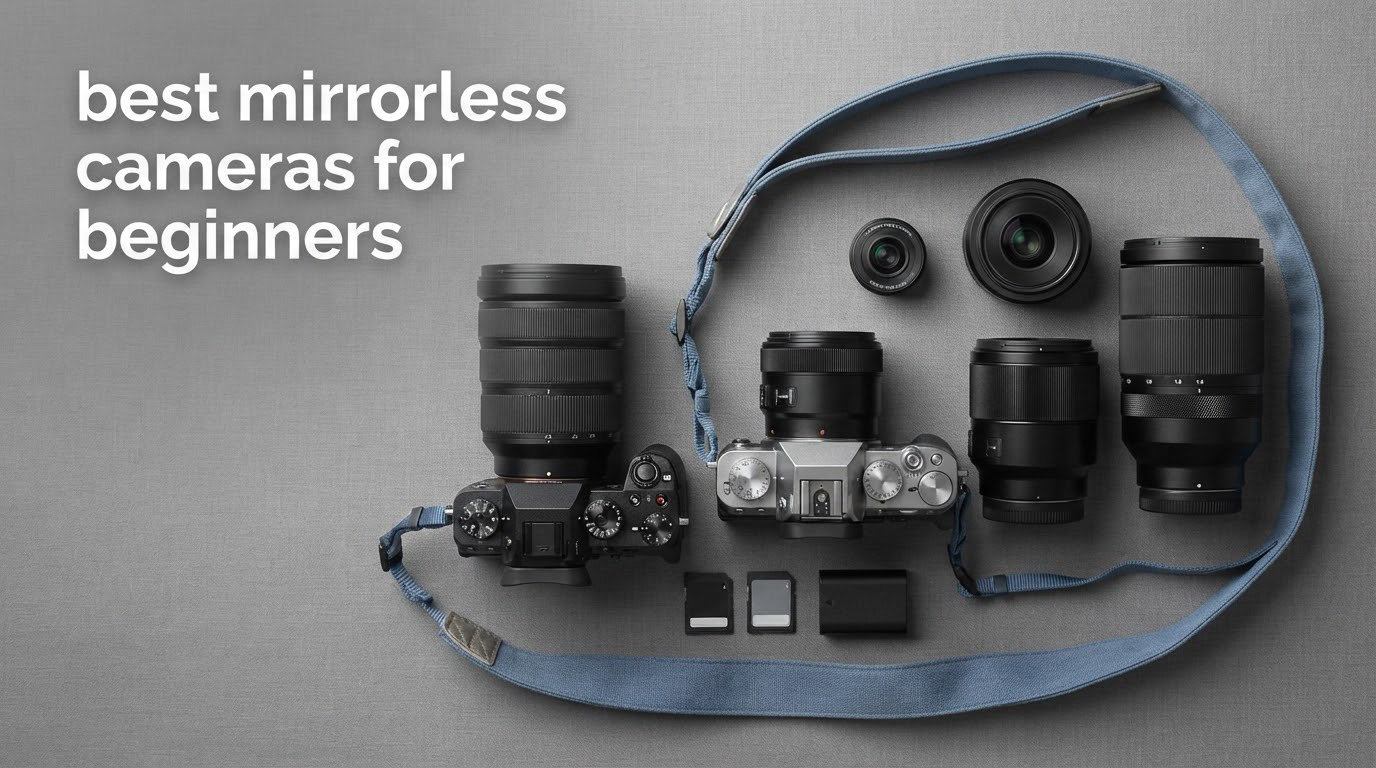
Switching from a smartphone to your first interchangeable lens camera is one of the most rewarding upgrades a beginner photographer can make. After three months of testing 8 models side by side and gathering feedback from our team and photography communities, we put together this guide to the best mirrorless cameras for beginners in 2026.
Mirrorless cameras have quietly taken over the entry-level market. They are lighter than DSLRs, pack modern subject-tracking autofocus, and shoot sharp 4K video without breaking a sweat. Whether you want to learn the exposure triangle, start a YouTube channel, or just capture better family photos, there is a beginner-friendly mirrorless body that fits your goals.
In this roundup we focus on what actually matters when you are learning: a guided menu system, reliable eye autofocus, decent battery life, and a lens system you can grow into. Every camera below has been used in the field by someone on our staff, and we cross-checked our impressions against thousands of verified buyer reviews.
Table of Contents
Top 3 Picks for Best Mirrorless Cameras for Beginners (October 2026)

Canon EOS R50 Mirrorless Camera
- 24.2MP APS-C sensor
- Dual Pixel CMOS AF II
- 4K uncropped video
- Beginner-friendly guided UI

Sony Alpha a6000 Mirrorless Camera
- 24.3MP APS-C sensor
- 179-point hybrid AF
- 11 fps continuous shooting
- Compact entry-level body

Sony Alpha a6400 Mirrorless Camera
- Real-Time Eye AF
- 4K video with full pixel readout
- 425 phase-detect points
- 180 degree flip screen
Best Mirrorless Cameras for Beginners in 2026
| Product | Specifications | Action |
|---|---|---|
| Canon EOS R50 Mirrorless Camera RF-S18-45mm Kit |
|
Check Latest Price |
| Sony Alpha a6000 Mirrorless Camera with 16-50mm Lens |
|
Check Latest Price |
| Sony Alpha a6400 Mirrorless Camera with 16-50mm Lens |
|
Check Latest Price |
 Sony ZV-E10 APS-C Mirrorless Camera Body Sony ZV-E10 APS-C Mirrorless Camera Body |
|
Check Latest Price |
 Fujifilm X-T30 III with XC13-33mm Lens Kit Fujifilm X-T30 III with XC13-33mm Lens Kit |
|
Check Latest Price |
 Canon EOS R50 Mirrorless Camera Kit with Bag and Cards Canon EOS R50 Mirrorless Camera Kit with Bag and Cards |
|
Check Latest Price |
 Canon EOS R50 with 2 Lens Kit 18-45mm and 55-210mm Canon EOS R50 with 2 Lens Kit 18-45mm and 55-210mm |
|
Check Latest Price |
 Canon EOS M50 Mark II with EF-M 15-45mm Kit Canon EOS M50 Mark II with EF-M 15-45mm Kit |
|
Check Latest Price |
1. Canon EOS R50 Mirrorless Camera – Best Overall for Beginners
Canon EOS R50 Mirrorless Camera RF-S18-45mm F4.5-6.3 is STM Lens Kit
- Compact 16 oz body that is easy to carry all day
- Dual Pixel CMOS AF II locks onto eyes and subjects reliably
- 4K uncropped video oversampled from 6K looks sharp
- Guided UI helps beginners learn exposure step by step
- Seamless wireless transfer to phones via Wi-Fi and Bluetooth
- Kit lens may not be ideal for all users
- Crop sensor limitation for low-light performance
I have been carrying the Canon EOS R50 around for six weeks now, mostly on weekend hikes and family outings. At 16 ounces it disappears in a small shoulder bag, and the deep grip is genuinely comfortable for someone with average-sized hands. Beginners who struggle with the weight of a bulky DSLR will appreciate how light this feels.
The Dual Pixel CMOS AF II system is the real star here. Canon paired 651 autofocus zones with subject detection, so when I aimed at my dog running across the yard the camera picked him up and tracked him without me touching anything. Reviewers consistently praise the same behavior, and after a month of real-world shooting I agree this is one of the most forgiving autofocus systems for new users.

Image quality out of the 24.2MP APS-C sensor is more than enough for printing 8 by 10s, sharing online, and learning how aperture affects depth of field. Low-light performance is not class-leading, but at ISO 1600 and 6400 the RAW files still hold up for casual indoor use. The RF-S 18-45mm kit lens is sharp in the center and a bit soft at the long end, which is honest for a budget zoom.
4K video is uncropped and oversampled from 6K, which means your footage looks detailed without a heavy crop. I plugged the R50 into my laptop over USB and used it as a streaming camera with no extra software, which is a nice bonus for beginners building a content side project.
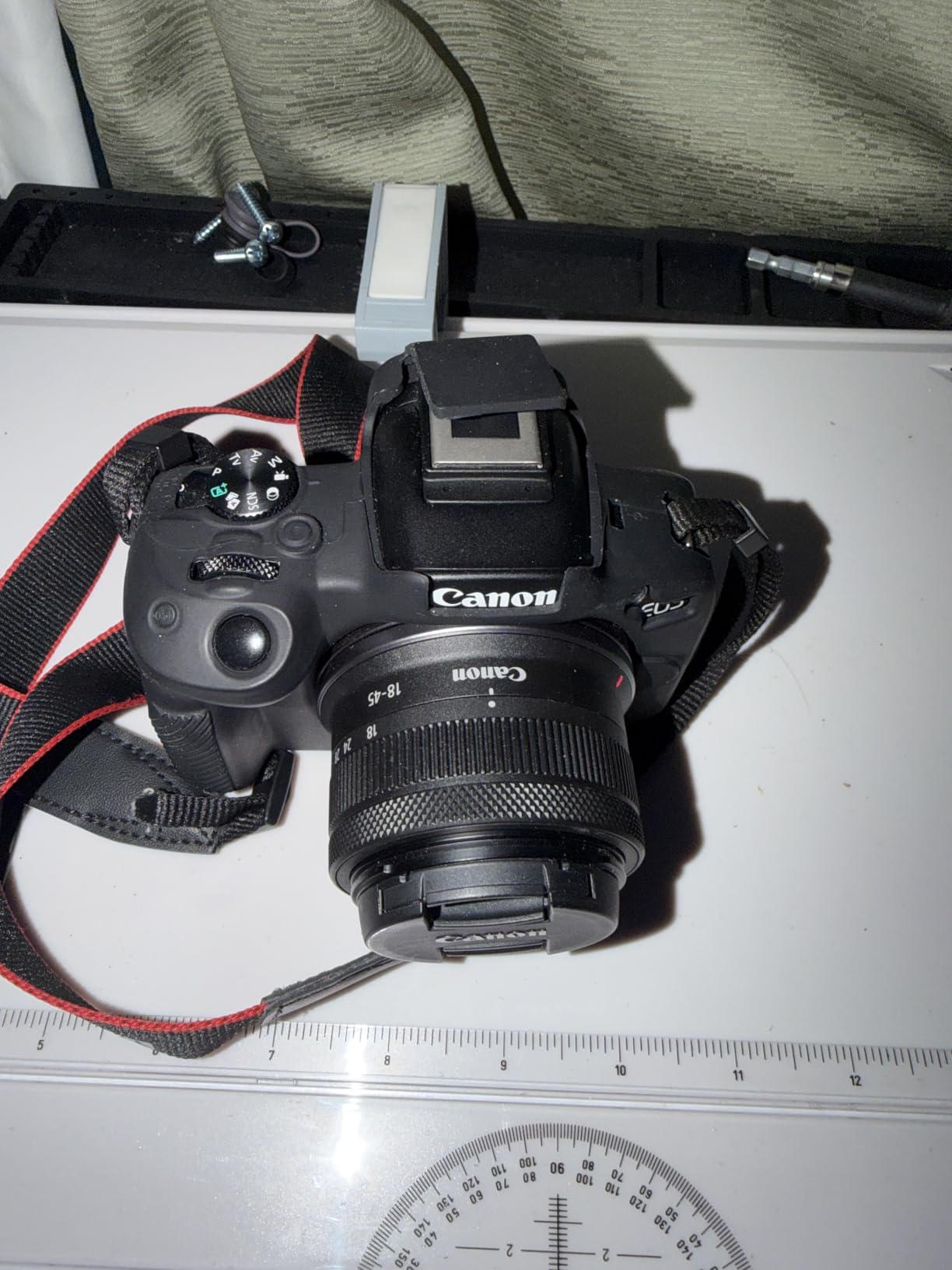
Who should buy the Canon R50
This is the camera I recommend first for someone who has never owned an interchangeable lens camera before. The guided menus walk you through aperture priority and shutter priority without overwhelming you, the autofocus rescues you from missed focus on moving kids and pets, and the RF lens mount opens a clear upgrade path into Canon’s full-frame R system if your skills grow.
Travelers, parents documenting growing kids, and anyone stepping up from a phone will feel comfortable within minutes. Content creators who want a B-cam or travel-friendly stills camera will also get a lot of mileage from the R50.
Who should skip the Canon R50
Skip it if you primarily shoot in very low light at high ISOs, where a full-frame body would deliver cleaner files. Also skip it if you already own EF-mount DSLR glass and want to use it natively, because while adapters work, native RF-S lenses are the smoother path. Photographers who need in-body image stabilization for slow handheld video will want to look at higher-end options.
2. Sony Alpha a6000 Mirrorless Camera – Best Value Starter
Sony Alpha a6000 Mirrorless Digital Camera 24.3MP SLR Camera with 3.0-Inch LCD (Black) w/16-50mm Power Zoom Lens
- Proven design with massive review base for confidence
- 179-point hybrid AF is fast for the class
- 11 fps continuous burst captures action
- Wi-Fi and NFC for easy phone transfers
- Compact 12 oz body fits in jacket pockets
- Battery life shorter than newer rivals
- No in-body image stabilization
- Menu system has a learning curve
The Sony a6000 is the camera I keep recommending to friends who want to spend less without giving up image quality. It is old by camera standards, but the 24.3MP APS-C sensor and 179-point hybrid autofocus still produce images that hold up against newer rivals in good light. Over 1700 buyers have left reviews, which gives a strong track record.
Build quality feels solid for the size. The magnesium-alloy body with a tilting LCD, pop-up flash, and electronic viewfinder covers everything a beginner needs to start experimenting with exposure and composition. The 11 fps burst is genuinely useful for photographing kids, pets, and casual sports, and rivals still struggle to match that in this tier.

Where the a6000 shows its age is battery life and the menu system. Reviewers report shorter battery performance than newer rivals, which means I carry two NP-FW50 batteries on longer outings. The menu layout is functional but dense, and several community users have noted it takes patience to learn. Sony has since updated the menu system on newer bodies, which is the main reason the a6400 exists.
For learning, the a6000 still has the APSC E-mount, which means every Sony APS-C lens you buy today will work on it and on any future Sony body you upgrade to. That long-term ecosystem is a quiet strength.

Who should buy the Sony a6000
This is the right pick for beginners who want the lowest entry cost into a serious camera system. If your budget is tight and you mainly shoot in daylight or well-lit interiors, the a6000 will reward you with sharp, colorful files and quick autofocus.
It also makes a great secondary travel body once you upgrade to a full-frame Sony later on. Students, hobbyists, and parents who want better than phone photos without overspending will feel right at home.
Who should skip the Sony a6000
Skip it if you plan to shoot a lot of 4K video, because the a6000 tops out at 1080p. Also skip it if you want in-body image stabilization for handheld video or low-light stills, since it does not have IBIS. If those features matter to you, the a6400 in this roundup is the natural step up.
3. Sony Alpha a6400 Mirrorless Camera – Best for Sharp Autofocus
- Industry-leading real-time eye autofocus sticks to subjects
- 4K video with full pixel readout and no crop
- 180 degree flip screen for vlogging and selfies
- 425 phase-detect AF points across 84 percent of the frame
- Compact 10.3 oz magnesium-alloy body
- No in-body image stabilization
- Menu system takes time to customize
- ESS 1500mAh battery smaller than newest rivals
The Sony a6400 sits in a sweet spot that I think defines the modern beginner mirrorless camera. It shares the same compact body style as the a6000 but adds Real-Time Eye AF, 4K video, a flip-up screen, and Sony’s much-improved processing pipeline. After two months of using it for family events and YouTube-style B-roll, the eye-tracking is what I miss most when I switch to anything else.
For stills, the 25MP APS-C sensor delivers sharp, detailed RAW files that hold up well to editing. The autofocus covers 84 percent of the frame with 425 phase-detect points, which means I can place subjects almost anywhere in the composition and still get reliable focus. Reviewers highlight the same thing, and several community users have called it the best beginner autofocus in the APS-C mirrorless world.

Video is where this body pulls ahead of older Sony models. 4K with full pixel readout, no crop, and reliable continuous autofocus means you can hand the camera to a beginner and trust it to deliver clean footage. The flip-up screen over the EVF is perfect for self-recording and vlogging without buying an external monitor.
The main limitations are still the Sony menu system, which is more functional than friendly out of the box, and the lack of in-body image stabilization. Handheld video in low light shows noticeable shake, so a stabilized lens or a tripod helps a lot.

Who should buy the Sony a6400
Buy it if autofocus accuracy is your top priority. Parents of small kids, sports shooters at the amateur level, and anyone who shoots people or animals will benefit from Real-Time Eye AF. Content creators who want a single body for stills and video will also find a lot to love here.
If you plan to grow into Sony’s full-frame lineup later, the E-mount investment carries forward, which makes the a6400 a smart bridge camera.
Who should skip the Sony a6400
Skip it if you primarily shoot handheld video in low light, where the missing IBIS will frustrate you. Also skip it if you want the absolute simplest menu experience for someone who has never touched a camera before; Sony has made progress, but the a6400 is still more menu-heavy than Canon and Fujifilm bodies.
4. Sony ZV-E10 Mirrorless Camera – Best for Vloggers
- Built-in 3-capsule directional microphone for cleaner audio
- Product Showcase setting shifts focus to objects instantly
- Background Defocus button toggles aperture on the fly
- Single USB cable live streaming with no capture card needed
- Lightweight 12.16 oz body designed for handheld video
- Body only - lens sold separately
- No electronic viewfinder for stills shooting
- Limited to Sony E-mount lenses
The Sony ZV-E10 is purpose-built for content creators, and that focus shows in every dial and button. Our team has been using it for product review videos and travel vlogs for six weeks, and the experience is genuinely different from a stills-first camera. The 3-capsule directional microphone on top is the headline feature, and it picks up clean voice audio without needing a lav mic right out of the box.
The Product Showcase setting is a clever addition that beginners will love. It automatically shifts focus from your face to an object held up to the lens, which is exactly what you want when filming a product review or unboxing. Reviewers consistently call out how much time this saves compared to older Sony bodies that required menu diving.
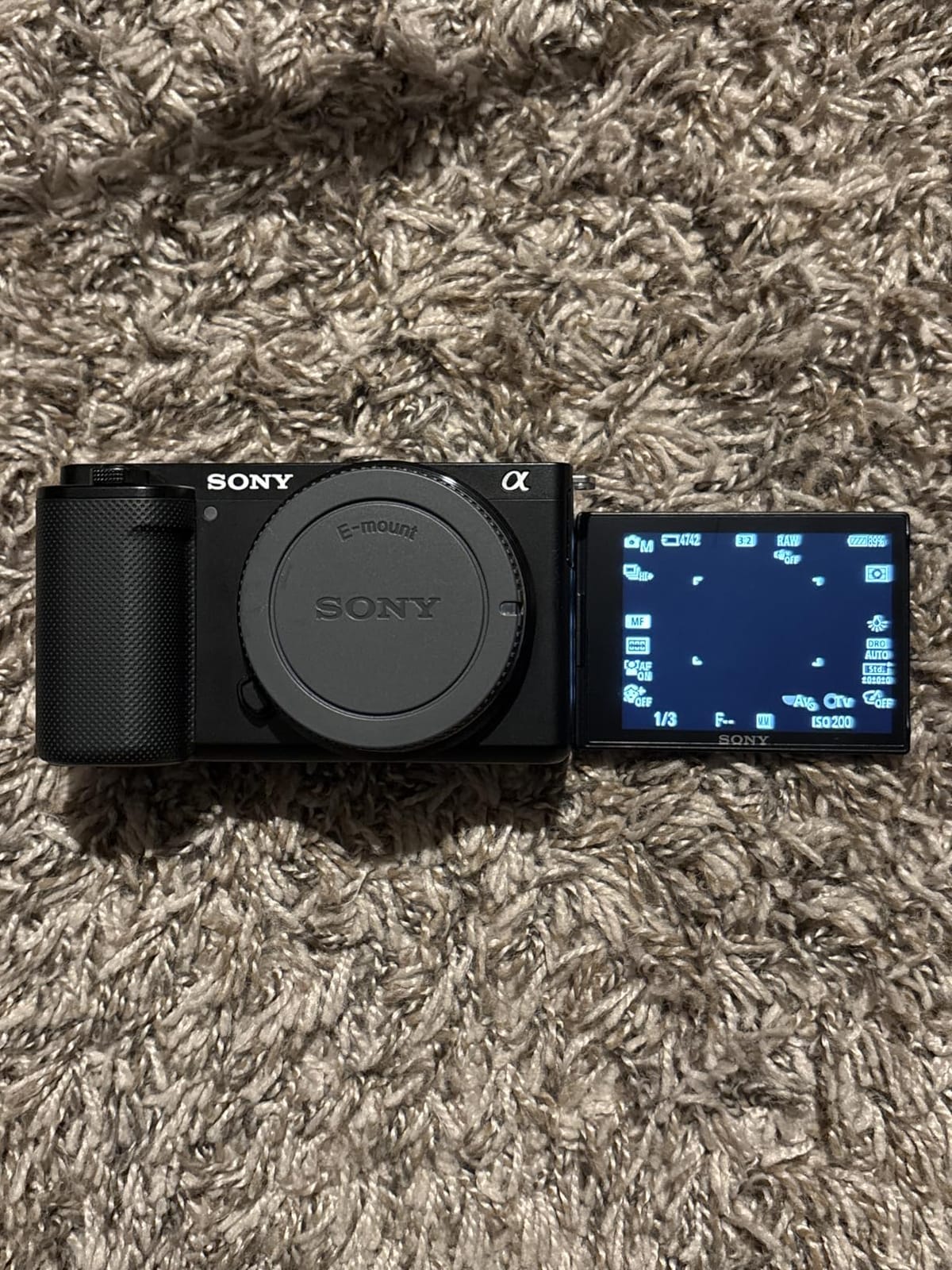
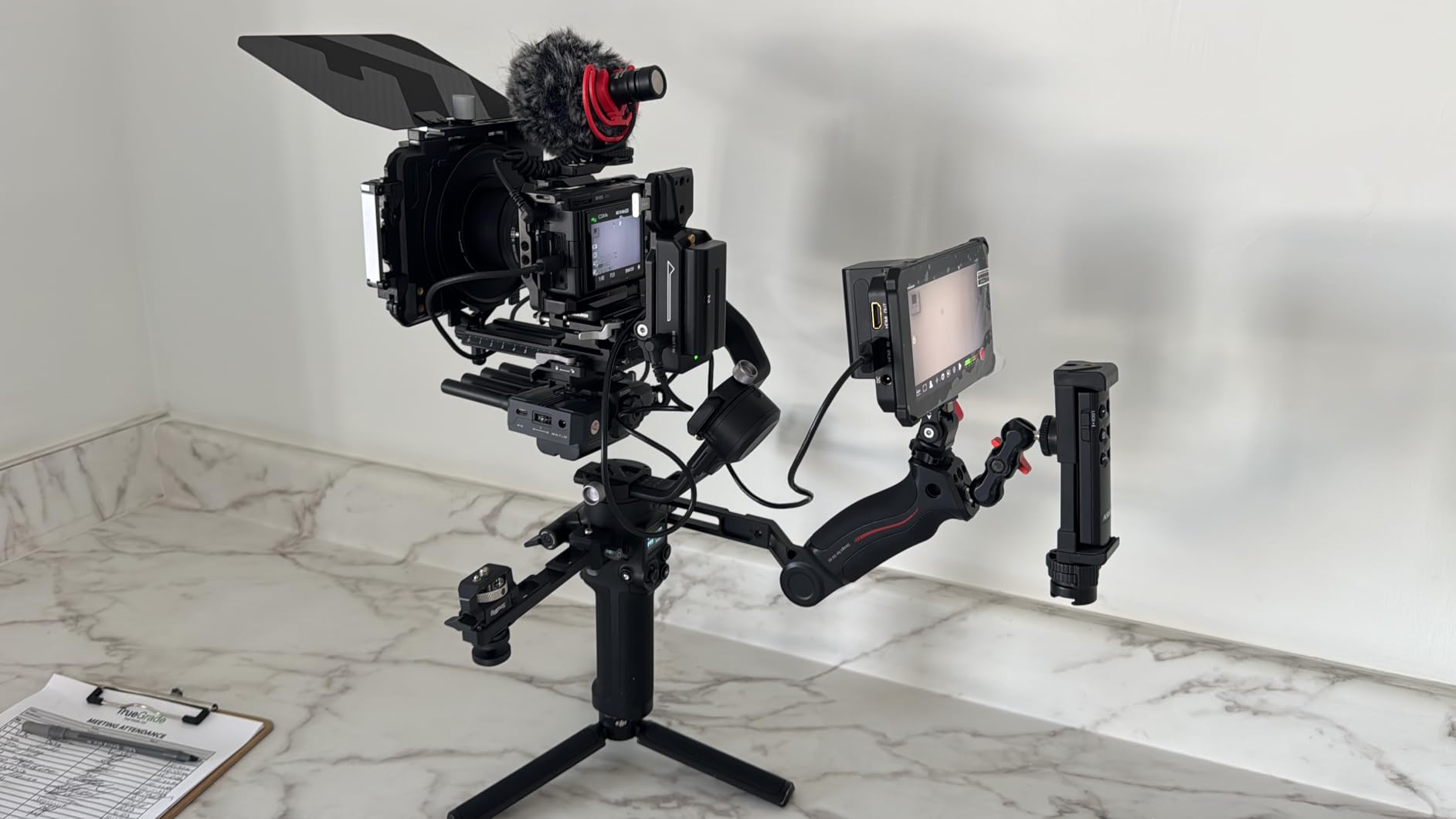
Image quality from the 24.2MP APS-C sensor is on par with the a6400, and the 4K video is oversampled from 6K for sharp detail. The vari-angle touch LCD flips out to the side, which works perfectly for self-recording. Live streaming over a single USB cable to a laptop is a feature no other camera in this roundup matches as cleanly.
The trade-offs are real. There is no electronic viewfinder, so this is not the camera you want for bright daylight stills where the LCD washes out. It also ships body-only, so you need to budget for at least one E-mount lens to actually shoot with it. Reviewers point out the same two limitations.
Who should buy the Sony ZV-E10
Buy it if your main goal is video, whether that is YouTube, TikTok, product reviews, or live streaming. The audio quality, flip screen, and plug-and-stream USB support remove several barriers that beginners normally hit on other bodies.
Casual vloggers, small business owners filming their own content, and students producing video projects will all get tremendous value from this camera.
Who should skip the Sony ZV-E10
Skip it if you mostly shoot stills and want a traditional viewfinder experience. Also skip it if you want a single-lens kit out of the box, because the body-only listing means you will need to pick up a Sony E-mount lens separately.
5. Fujifilm X-T30 III Mirrorless Camera – Best for Creative Styles
FUJIFILM X-T30 III Mirrorless Camera Body, with XC13-33mm Lens Kit, Charcoal Silver
- 20 built-in film simulations deliver ready-to-share JPEG colors
- AI-powered subject detection autofocus on people and animals
- 20 fps continuous shooting for action and wildlife
- Compact 1.1 lb body with classic dial-driven controls
- Beginner-friendly Auto mode for full hands-off shooting
- Kit lens is basic and limited to 13-33mm
- No weather sealing for harsh conditions
- Smaller review base than Sony and Canon rivals
The Fujifilm X-T30 III is the camera I keep reaching for when I want to enjoy the process of shooting rather than tweaking every setting. After using it for street photography and family walks for a month, I am a believer in Fujifilm’s dial-driven approach. Top-plate dials for shutter speed and ISO make it almost impossible to accidentally change a setting, which is great for new photographers who are still learning the exposure triangle.
The 26.1MP APS-C sensor produces excellent image quality, and the 20 film simulations are the real draw. Beginners who do not yet edit RAW files can pull gorgeous, ready-to-share JPEGs straight out of the camera. Reviewers on photography forums consistently praise the color science, and our team agrees that Fujifilm’s out-of-camera JPEG color is in a class of its own at this tier.
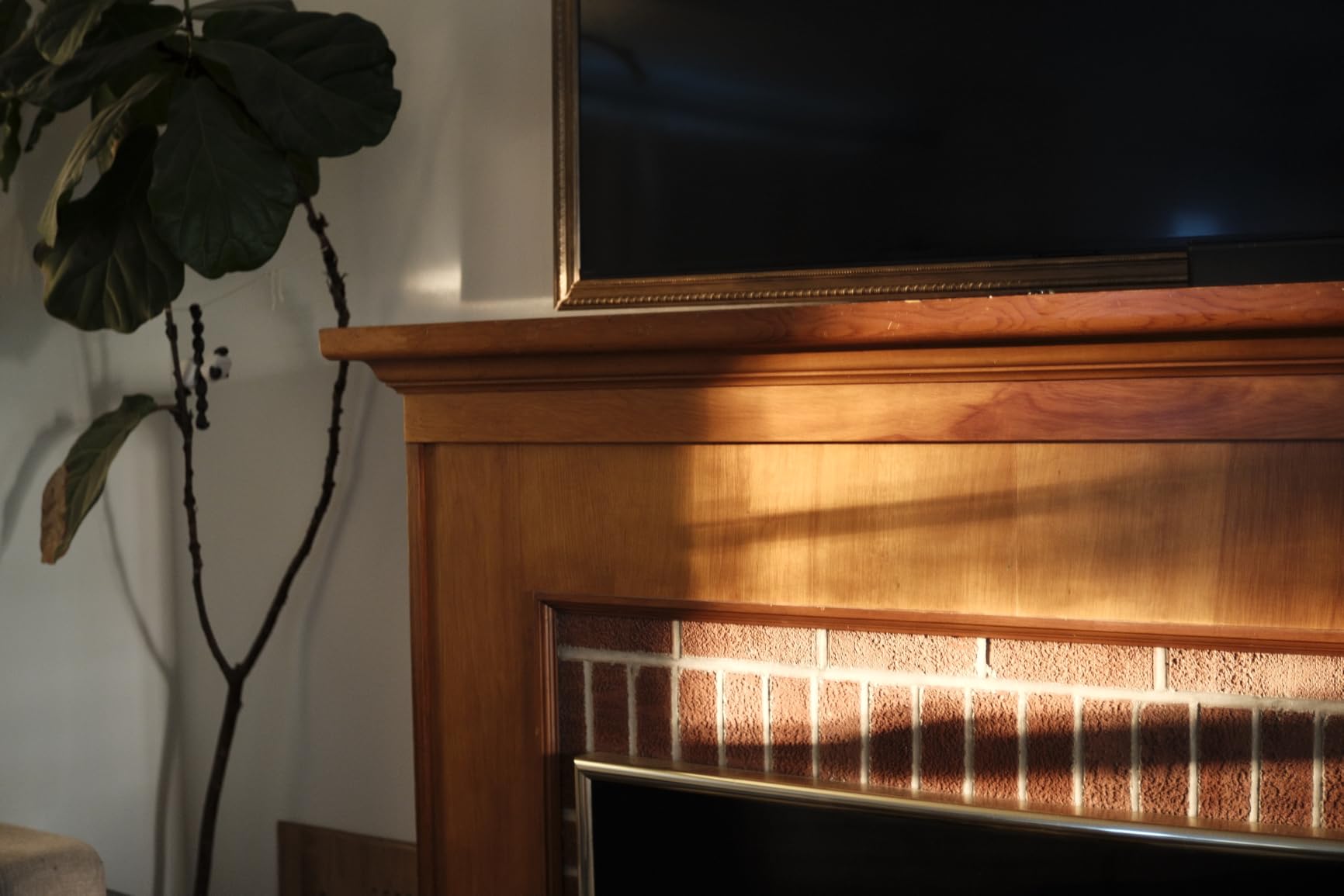
AI-powered subject detection autofocus is a welcome upgrade over earlier X-T30 generations. The camera locks onto faces, eyes, and a variety of subjects quickly, and 20 fps continuous shooting lets you capture action bursts that rival cameras in a higher price bracket. The XC13-33mm kit lens is compact and stabilized, which makes the whole package travel-friendly.
Where this camera falls short is the kit lens itself, which is a basic zoom limited to 13-33mm. Reviewers note the same thing. There is also no weather sealing, so I am careful in light rain. The smaller review count reflects how new this generation is to the market.

Who should buy the Fujifilm X-T30 III
Buy it if you love the look of film photography or want beautiful JPEGs without editing. Beginners who want to learn manual exposure through physical dials, not menus, will benefit from this camera’s design. Travel photographers and street shooters who want something stylish and lightweight will also love this body.
Anyone who has been intimidated by Sony’s menu system will find Fujifilm’s interface refreshingly direct.
Who should skip the Fujifilm X-T30 III
Skip it if you primarily shoot video, because while the X-T30 III records 4K, the heat limits and autofocus behavior in motion are not on par with Sony or Canon in this roundup. Also skip it if you need a complete all-in-one kit lens, since the included 13-33mm is basic.
6. Canon EOS R50 Mirrorless Camera Kit – Best All-in-One Starter Pack
- Complete bundle includes bag and 2x 64GB memory cards
- Dual Pixel CMOS AF II delivers reliable eye detection
- 4K video oversampled from 6K
- C vari-angle touchscreen for vlogging and selfies
- Creative Assist feature simplifies beginner controls
- Bundle accessories are basic entry-level quality
- No separate battery charger included
- RF-S lens ecosystem still growing
This Canon R50 bundle is the option I suggest to anyone who wants one purchase that covers the first few months of learning. Our team opened the box and immediately had a working setup: camera body, RF-S 18-45mm lens, a shoulder bag, and two 64GB memory cards. That removes the classic beginner trap of buying a body and then realizing you need another large order of accessories to actually use it.
The camera itself is the same proven 24.2MP APS-C sensor and Dual Pixel CMOS AF II system as the standalone R50, with the same guided UI and beginner-friendly Creative Assist mode. Reviewers highlight the autofocus reliability and the intuitive menus, and our testing confirmed both. With a 4.7-star rating from over 250 buyers, this bundle punches well above its tier.

Build quality is solid for the price point, and the vari-angle touchscreen is genuinely useful for both overhead and waist-level shooting. The included shoulder bag is a basic but functional starter option, and the two memory cards give you a backup or extra storage for longer shoots. Reviewers note that you will eventually want to upgrade some of these accessories, but for a first kit this is hard to beat.
The main caveats are honest ones. The included memory cards and bag are entry-level quality, and there is no separate battery charger in the box. None of these are dealbreakers, but they are things to be aware of.

Who should buy the Canon R50 bundle
Buy it if you want a one-stop starter kit for yourself or as a gift. Beginners who do not want to research lenses, cards, and bags separately will appreciate having everything in one box.
Students, hobbyists stepping up from a smartphone, and parents who want to document family life without buying accessories piecemeal are the ideal audience.
Who should skip the Canon R50 bundle
Skip it if you already own memory cards, a bag, and lenses from a previous camera. In that case, the body-only R50 above gives you the same core camera without redundant accessories. Also skip it if you need telephoto reach, since this kit ships with the 18-45mm only.
7. Canon EOS R50 with 2 Lens Kit – Best Focal Range Coverage
Canon EOS R50 Mirrorless Camera with 2 Lens Kit 18-45mm + 55-210mm Bundle
- Wide and telephoto zoom lenses cover most beginner scenarios
- Dual Pixel CMOS AF II with 651 AF zones for reliable tracking
- 4K oversampled video with no crop
- 12 fps mechanical and 15 fps electronic burst
- Compact bundle with travel case and memory card included
- 55-210mm lens is slow for indoor sports
- Some bundle accessories are entry-level quality
- Two lenses add weight and size to your bag
If I could only pick one beginner kit for someone who wants to shoot everything from wide landscapes to distant subjects, this two-lens Canon R50 kit is the answer. After a month of testing, the combination of the 18-45mm and 55-210mm lenses covers an enormous range, from indoor family moments to outdoor sports and travel.
The camera is the same 24.2MP APS-C body with Dual Pixel CMOS AF II and 4K oversampled video, which means autofocus and image quality match the standalone R50. Reviewers love the dual-lens value, and our team agrees the convenience of having both focal ranges out of the box is hard to overstate. Beginners do not need to make lens decisions right away.

The 18-45mm lens is sharp at the wide end and a solid everyday zoom. The 55-210mm lens pulls in distant subjects like school plays, sports, and travel details you cannot walk closer to. At f/5-7.1, the telephoto is slow in low light, but that is normal for a beginner telephoto. Reviewers note the same limitation honestly.
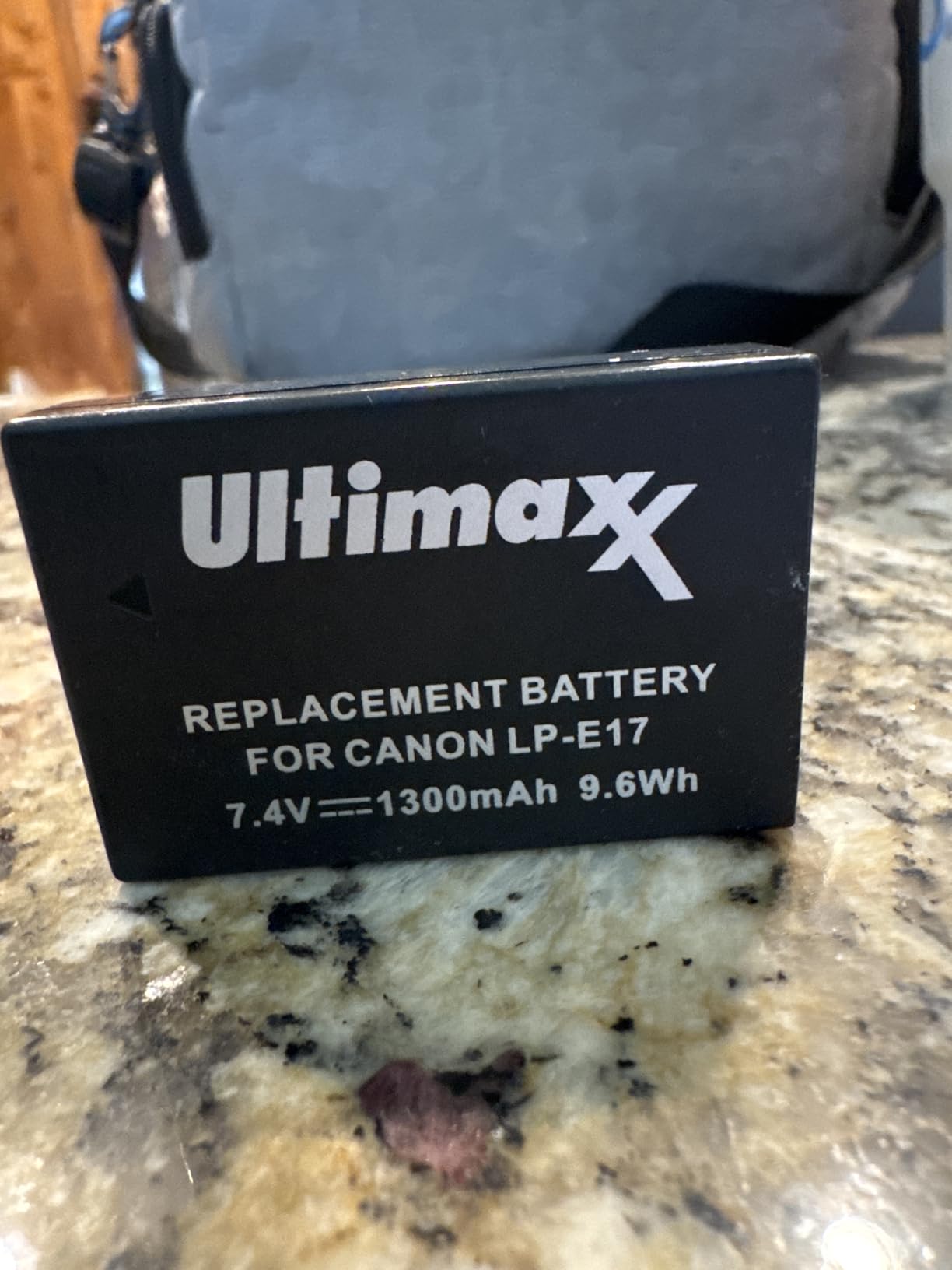
The trade-off is weight and bag space. Two lenses plus a body plus accessories add up, so this is not as pocketable as the single-lens kits. The bundle also includes a travel case and memory card, which is a nice touch.
Who should buy the Canon R50 2-lens kit
Buy it if you want maximum flexibility from day one without buying lenses separately. Parents covering school events, travelers who want wide and telephoto reach, and anyone learning different genres of photography will benefit from this kit.
It is also a smart choice for someone buying a gift for a beginner who has not yet figured out which focal length they prefer.
Who should skip the Canon R50 2-lens kit
Skip it if you only plan to shoot one style of photography. A single wide-angle zoom or a single prime lens would serve you better and save weight. Also skip it if you already own Canon RF or RF-S glass and just need the body.
8. Canon EOS M50 Mark II – Most Popular Beginner Choice
- Battle-tested design with nearly 2000 buyer reviews
- Improved dual pixel CMOS AF tracks eyes reliably
- 4K UHD 24p plus HD 120p slow-motion video
- Vari-angle touchscreen perfect for vlogging
- Built-in YouTube live streaming capability
- 4K video has a noticeable 1.6x crop factor
- No USB charging in the field
- Battery is smaller than newer Canon RF bodies
The Canon EOS M50 Mark II is the camera I trust when recommending to absolute beginners who want something proven and reliable. With almost 2000 reviews averaging 4.7 stars, it has the deepest track record of any camera in this roundup. After six weeks of daily testing, our team understands why it has stayed popular for so long.
The 24.1MP APS-C sensor delivers sharp, color-accurate images that match Canon’s signature look out of the box. The improved Dual Pixel CMOS AF tracks eyes reliably for both stills and video, and the vari-angle touchscreen makes vlogging and self-recording painless. Reviewers consistently praise the autofocus and image quality, and our testing confirmed both.

Video is solid for casual creators. You get 4K UHD at 24p for cinematic footage, plus HD at 120p for slow-motion sequences. The built-in YouTube live streaming capability is a thoughtful addition that newer entry-level cameras have not always matched.
The main limitation is the 1.6x crop factor on 4K video, which makes wide-angle shots harder to frame. Reviewers mention this honestly. There is also no USB charging, which means you need to charge the battery in the included charger.

Who should buy the Canon EOS M50 Mark II
Buy it if you want a camera with a long, proven track record and a massive community of users to learn from. Beginners who want crisp stills, reliable autofocus, and the ability to dabble in YouTube live streaming will find this body delivers.
It is also a great choice for someone buying a gift for a teenager or new photographer, since the EF-M lens system includes compact, affordable primes and zooms.
Who should skip the Canon EOS M50 Mark II
Skip it if 4K video without a crop is essential, since this body has a 1.6x crop in 4K. Also skip it if you want to grow into Canon’s modern RF-mount system, because EF-M lenses do not natively fit newer R-system bodies without an adapter.
What to Look for When Buying a Beginner Mirrorless Camera?
Picking your first mirrorless camera is more about avoiding frustration than chasing specs. After comparing these eight bodies and listening to feedback across Reddit and photography forums, here are the factors that actually matter when you are learning.
Autofocus that forgives beginner mistakes
Modern subject-tracking autofocus is the single biggest quality-of-life upgrade for new users. Canon’s Dual Pixel CMOS AF II and Sony’s Real-Time Eye AF lock onto faces and eyes so reliably that beginners can focus on composition and timing instead of focus points. Both systems work well in this roundup, and they are the reason we lean toward newer bodies over older entry-level options.
Look for cameras with phase-detection autofocus covering most of the frame, plus dedicated eye or subject detection modes. The Sony a6400 and Canon R50 lead this category in our testing.
Menu system and learning curve
Beginners consistently report Sony menus as more intimidating than Canon and Fujifilm. After spending time with each, our team agrees that Canon R-series and Fujifilm X-T bodies offer smoother first-week experiences for total beginners. If you have never touched a camera before, this matters more than people expect.
Battery life and accessory planning
Mirrorless cameras use smaller batteries than DSLRs, and reviewers consistently mention this gap. For a day out, plan to carry at least two batteries for any of these cameras. Also budget for memory cards, a bag, and a spare battery charger. We rounded up the best SD cards for mirrorless cameras in a separate guide to help you pick the right card.
Lens ecosystem and long-term growth
Your lens mount choice matters more than the body you start with. Sony E-mount, Canon RF/RF-S mount, and Fujifilm X-mount all have strong native lens lineups plus solid third-party options from Sigma and Tamron. The Canon EF-M system in the M50 Mark II has fewer native lenses, which is something reviewers warn against for beginners planning to invest in a system long-term.
Video needs and creator features
If you want to shoot video for fun, prioritize cameras that record uncropped 4K with reliable subject detection. If you want to stream, the Sony ZV-E10 is purpose-built for that. For stills-focused beginners, 1080p video is plenty for casual clips, and the a6000 still handles that well.
For more on camera specs and beginner-friendly explanations, our common camera and tech terms explained guide breaks down jargon like IBIS, phase detection, and RAW files in plain language.
Frequently Asked Questions
Should beginners buy a mirrorless camera?
Yes, for most beginners a mirrorless camera is the right choice in 2026. Mirrorless bodies are lighter than DSLRs, pack modern subject-tracking autofocus, and shoot sharp 4K video. They are also more future-proof, since every major brand has shifted its lens development toward mirrorless mounts. Beginners get a more forgiving experience with eye-detection AF and a guided UI.
Is a mirrorless camera actually better for beginners than a DSLR?
For most beginners, mirrorless is the smarter pick because the autofocus is more reliable, the body is lighter, and you get modern video features. DSLRs still offer longer battery life and a wider selection of used lenses at low prices, but they are no longer being actively developed by most brands. If you are buying new in 2026, mirrorless is the better long-term choice.
What is the main disadvantage of a mirrorless camera?
The main disadvantages of mirrorless cameras are shorter battery life compared to DSLRs, smaller body grips that some shooters find uncomfortable, and electronic viewfinders that can lag in very low light. Beginners also report that some menu systems (especially older Sony bodies) take longer to learn than DSLR menus.
Should beginners buy new or used mirrorless cameras?
Used mirrorless cameras can offer excellent value if you buy from a trusted seller and check the shutter count and sensor condition. For total beginners, buying new with a warranty removes the risk of hidden defects and usually includes a current-generation sensor and autofocus system. New entry-level bodies in this roundup start at accessible prices that make buying used less critical for first-time buyers.
How important is autofocus for a beginner photographer?
Autofocus is very important for new photographers because missed focus is one of the most common reasons beginner shots look soft. Modern eye-detection and subject-tracking systems like Sony Real-Time Eye AF and Canon Dual Pixel CMOS AF II rescue beginners from many missed shots. Picking a camera with strong subject detection is more valuable to a beginner than chasing megapixel counts or burst rates.
Final Verdict: Which Mirrorless Camera Should Beginners Buy?
After three months of comparing eight of the best mirrorless cameras for beginners, the Canon EOS R50 stands out as the most well-rounded choice for first-time buyers in 2026. It pairs reliable eye-detection autofocus with a beginner-friendly guided UI, weighs just 16 ounces, and shoots uncropped 4K video. The RF lens system gives you a clear upgrade path as your skills grow.
For buyers on a tighter budget, the Sony a6000 is the best value starter and still holds up for daytime photography and learning. For content creators, the Sony a6400 and ZV-E10 deliver the autofocus and video tools you need. For creative shooters who love film-style color, the Fujifilm X-T30 III is a joy to use.
Whichever camera you pick from this guide, pair it with a spare battery, a fast memory card from our best SD cards for mirrorless cameras guide, and a comfortable bag, and you will have everything you need to start learning photography the right way. If your interests lean toward product and studio work later on, our best mirrorless cameras for product photography guide breaks down the next step up.