
Most boats do not run out of power. They run out of patience. A battery sitting at 12.2V for three weeks at anchor is being slowly sulfated by a fridge compressor that cycles every fifteen minutes and a depth sounder that never fully sleeps, and the owner only notices when the engine turns over slowly on departure day. Picking the best marine solar panels for trickle charging is really about picking a panel that quietly covers a small standing draw without any babysitting.
The market is crowded with 12V trickle chargers because they are cheap, and that is exactly the problem. A lot of them were designed to sit on a dashboard, not on a wet deck for five years. What separates a genuine marine solar panel from a car maintainer with a nautical sticker is the frame material, the cell layout, the connector standard and whether the charge controller is actually sized for a real battery bank. I went through the ten options below with that filter in mind.
Over the past few seasons I have watched a lot of these panels on liveaboards, workboats and trailered sailboats, and the pattern is consistent: the ones that survive are the ones with an anodized frame, a real MPPT or PWM stage, and enough output to cover at least 150% of the measured parasitic draw. This guide covers ten of the strongest marine-grade solar panels for trickle charging on the market now, plus the sizing math that tells you which of them you actually need. If you are still working out how much solar fits a portable setup off the boat, our portable solar panel guide covers the folding-panel side of the conversation.
Table of Contents
Top 3 Marine Solar Panels for Trickle Charging (September 2026)
The three picks below cover the widest range of real use cases. The first is the one I put on a boat with nothing more demanding than instruments and a bilge pump. The second is the value workhorse. The third is the one that recovers a bank instead of merely holding it.

SUNER POWER 12W Waterproof MPPT Maintainer
- Built-in MPPT controller
- Grade A+ monocrystalline cells
- Three-stage bulk absorption float charging

SOLPERK 20W 12V Kit with 8A Controller
- 20W monocrystalline panel
- 8A three-stage controller
- 2400Pa wind and 5400Pa snow rating
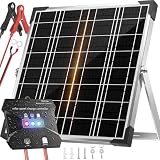
Voltset 20W Kit with 10A MPPT Controller
- 10A MPPT charge controller
- IP67 sealed construction
- A+ monocrystalline cells
10 Marine Solar Panels Compared at a Glance
Every panel below is a real marine or marine-rated 12V unit with an integrated or paired charge controller. The full breakdown of how each one performs is in the reviews below, but this table is the fastest way to rule out the wrong size.
| Product | Specifications | Action |
|---|---|---|
| SUNER POWER 12W Waterproof MPPT Maintainer |
|
Check Latest Price |
| SOLPERK 20W 12V Kit with 8A Controller |
|
Check Latest Price |
| Voltset 20W Kit with 10A MPPT Controller |
|
Check Latest Price |
 SUNER POWER 20W MPRO Maintainer SUNER POWER 20W MPRO Maintainer |
|
Check Latest Price |
 Renogy 100W Flexible Solar Panel Renogy 100W Flexible Solar Panel |
|
Check Latest Price |
 SOLPERK 50W Kit with Waterproof Controller SOLPERK 50W Kit with Waterproof Controller |
|
Check Latest Price |
 FlexSolar 20W Flexible Trickle Kit FlexSolar 20W Flexible Trickle Kit |
|
Check Latest Price |
 Callsun 7.5W IP68 Maintainer Callsun 7.5W IP68 Maintainer |
|
Check Latest Price |
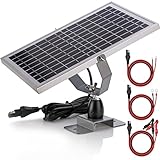 SUNER POWER 10W MPPT Maintainer SUNER POWER 10W MPPT Maintainer |
|
Check Latest Price |
 OYMSAE 12W Waterproof Trickle Charger OYMSAE 12W Waterproof Trickle Charger |
|
Check Latest Price |
What Trickle Charging Actually Means on a Boat
Trickle charging means replacing only the amp-hours a battery loses to standing loads, so the bank never drops below full. It is not the same job as running a house bank, and confusing the two is the single most common sizing mistake on boats. A maintainer-sized panel covers a 5 to 30 Ah/day draw. A house-bank panel covers 50 to 250 Ah/day and costs several times more.
The load you are actually replacing is always there and always small. Instrument clusters, a VHF in standby, a depth sounder, a bilge pump that cycles on a float switch, a fridge compressor and a cabin light nobody switched off all add up quietly. On most sailboats at anchor in a marina, the measured parasitic draw sits somewhere between 8 and 25 Ah per day, and a well-sited 20W panel will cover that comfortably on a clear day.
The best marine solar panel for a battery that only needs keeping alive is a 20W to 50W monocrystalline unit with a matched three-stage controller. That is the honest answer, and most buyers end up spending on a panel twice the size they need or a third of the size they need.
It helps to separate three jobs before you shop. Keep-alive duty is instrumentation and small electronics only. Liveaboard duty adds a fridge, water pump and lighting, usually 30 to 60 Ah/day. Passage-making and passage-load duty pushes past 150 Ah/day and needs a house bank plus an MPPT controller. Only the second and third categories justify a controller upgrade or a panel above 50W.
Sizing the Math: From Amp-Hours Per Day to Panel Watts
Four steps convert a measured load into a panel size, and every vendor page that skips this is why buyers end up disappointed. Here is the calculation we use, and it takes about two minutes once you have your battery monitor reading.
Step 1: measure the real load. Install a shunt or read a battery monitor over a full day at anchor, in the condition you actually sit in. Do not estimate from a light bulb. Write down the amp-hours consumed, then convert to watt-hours by multiplying by 12.6V.
Step 2: divide by charge efficiency. Your controller and wiring lose roughly 20 to 30% before the energy reaches the battery. A PWM controller sits at the weak end of that range, an MPPT at the efficient end. Take a 12.6V reading, then divide by 0.75 for an MPPT setup or 0.70 for PWM.
Step 3: divide by peak sun hours. Peak sun hours is the number of hours in a day where irradiance effectively reaches 1000W per square meter. Summer in the mid-latitudes gives you four to five, winter drops to one or two, and an overcast week can give you a fraction of one. Divide your required watt-hours by your realistic peak sun hours.
Step 4: add a margin. Add 25 to 30% for shading, salt film, soiling, panel angle error and the dark cloudy days nobody plans for. This margin is not padding, it is the difference between a battery that stays full and one that slowly drains.
Here is a worked example. A 30-foot cruiser draws 12 Ah/day at anchor for instruments, a small fridge and a bilge pump. That is 12 multiplied by 12.6V, or 151 Wh/day. Divide by 0.75 for MPPT efficiency and you need 202 Wh/day. At 3 peak sun hours, which is a conservative honest number, that is 67W. Add the 30% margin and you land on roughly 87W of panel.
A second example shows the trickle end. A 10 Ah/day instrument draw is 126 Wh/day. Divided by 0.75 and 3 peak sun hours that is 56W, and with margin about 73W. On a boat that is a single 50W panel plus a small second panel in series, or a 100W unit with far more headroom than it needs. The arithmetic is forgiving, which is good, because your peak sun hour estimate is not.
For reference, a panel realistically produces about a third of its nameplate wattage per peak sun hour after conversion losses, temperature, orientation and partial shading. That is the rule people call the 33% rule, and a second rule of thumb divides nameplate watts by 5 to get daily amp-hours at 12V. Both are estimates, and both are pessimistic or optimistic depending on which way the round numbers are rounded. The load bands below are the practical corrective.
About 5 Ah/day for instrumentation and a depth sounder only: 10W to 20W covers it.
About 12 Ah/day for a small fridge, a bilge pump and cabin lights: 20W to 50W covers it.
About 30 Ah/day for a liveaboard fridge, water pump and lighting: 100W is the working minimum.
About 150 to 250 Ah/day for full liveaboard loads: 200W to 400W plus a proper MPPT controller.
One honest warning about the third step. Peak sun hours are a planning estimate, not a measurement, and the difference between a Caribbean winter and a North Sea January is the difference between a panel that keeps up and one that never quite does. We wrote more about how generators fit alongside solar in our solar generator guide, because the honest answer for many liveaboards is that neither source alone closes the gap.
1. SUNER POWER 12W Waterproof MPPT Maintainer: Best Overall for Keep-Alive Duty
- Built-in MPPT controller removes the parts list
- Grade A+ monocrystalline cells with tempered glass and aluminum frame
- Works with flooded gel AGM SLA and LiFePO4 batteries
- Suction cups and pre-drilled holes make it a genuine no-drill install
- Full overcharge and reverse polarity protection
- 12W will not recover a genuinely flat battery
- Does not register a battery unless the panel sits in direct sun
- Plastic shell can flex when the suction cups are pulled
This is the panel I end up recommending most often, and the reason has less to do with the wattage than the packaging. The charge controller is built into the back of the panel, so there is no separate box to weatherproof, no controller to size, and no MC4 pigtail to fail at the junction. You mount the panel, run two wires to the battery, and the electrical design is finished.
At 16.5 by 9.4 inches and 0.6 inches thick, it fits a pushpit, a stanchion base or a bridge deck without a drill if you use the included suction cups. Owners report mounting it on rails and using it for dock boxes and for boats running a bank through a season without shore power, and the grade A+ monocrystalline cells with tempered glass and a corrosion-resistant aluminum frame are the right construction for a salt environment.
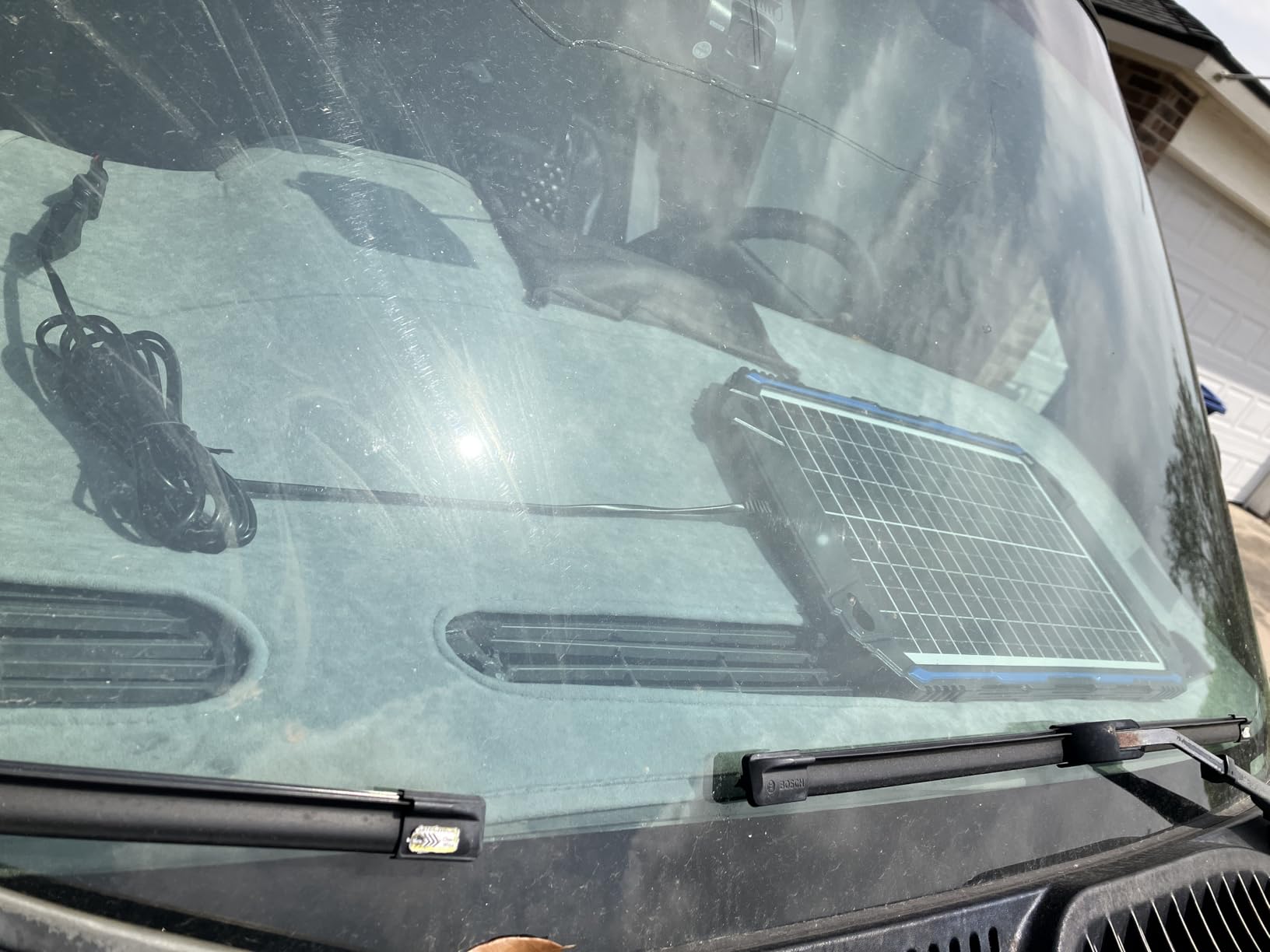
The controller is a genuine MPPT stage with tracking up to 99% and peak conversion around 98%, running a three-stage bulk, absorption and float profile. That profile matters more than the wattage for a battery that sits at float for weeks, because float is what prevents the sulfation that kills marina batteries. It also handles LiFePO4, which matters if your boat has been refitted.
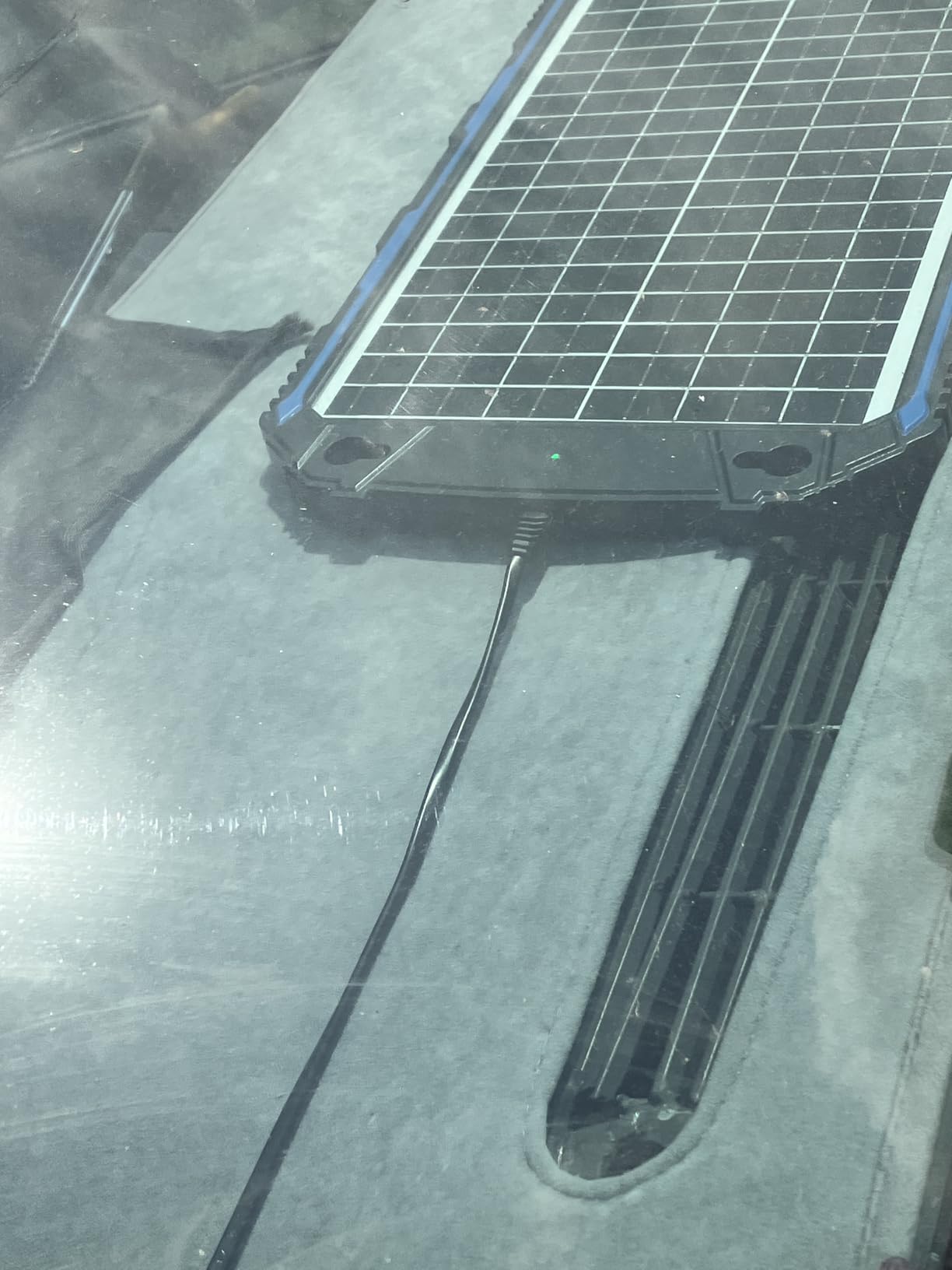
What it handles well
Small standing loads. An instrument cluster, a VHF in standby, a depth sounder and a bilge pump on a float switch can run 5 to 10 Ah/day, and this panel covers that with room to spare. The protection suite covers overcharge, over-discharge, over-voltage, over-current, over-load, short circuit, reverse polarity and over-temperature, which is the list you want when the panel is lashed to a wet rail for a season.
Where it falls short
It will not bring up a battery that is already flat. Twelve watts is roughly 0.7A at peak, and a deeply discharged bank needs both time and current. There is also a genuine usability quirk: the panel only detects an attached battery in direct sunlight, so on an overcast morning the LED stays dark and first-time owners assume it is broken.
2. SOLPERK 20W Kit with 8A Controller: Best Value Pick
SOLPERK Solar Panel Kit 20W 12V Solar Battery Charger Maintainer+Controller
- Largest review base of any panel in this roundup
- 8A controller is generously sized for a 20W panel
- 2400Pa wind and 5400Pa snow rating
- Low-iron tempered glass and corrosion-resistant aluminum frame
- Three-stage charging with no night-time battery draw
- Lead length can fall short of the intended mounting spot
- Will not sustain a load such as an electric fence or liveaboard fridge
This is the panel we keep coming back to for the money. Twenty watts, a monocrystalline A+ cell array at 21% to 30% cell efficiency, and a controller rated to 8A, which is far more controller than a 20W panel can ever feed. That over-specification is a good thing, because it means the charging stage is never the bottleneck.
The 2400Pa wind pressure and 5400Pa snow load ratings are genuinely meaningful on a boat, where the panel lives under canvas, gets hit by spray, and occasionally has to survive a rough channel crossing. Low-iron tempered glass over a corrosion-resistant aluminum frame is the standard marine construction and it is present here.
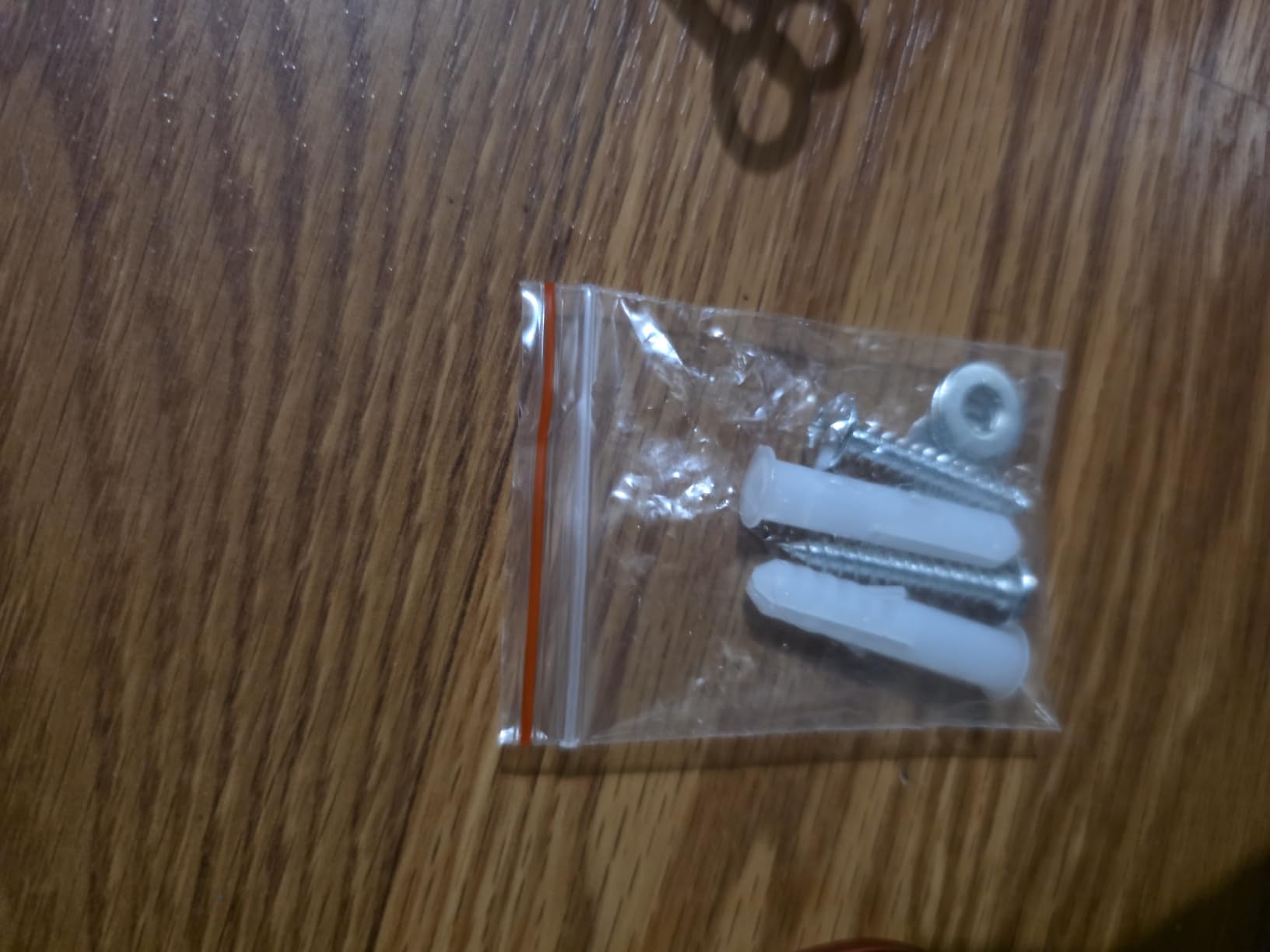
The two-light status display is more useful than it sounds when the panel is on a pushpit and you cannot see the battery. The controller runs three-stage intelligent charging and does not draw from the battery at night, which is the specific failure that quietly drains an anchor battery on cheaper kits. It covers LiFePO4, lithium ion, AGM, SLA, gel, EFB and maintenance-free chemistries.
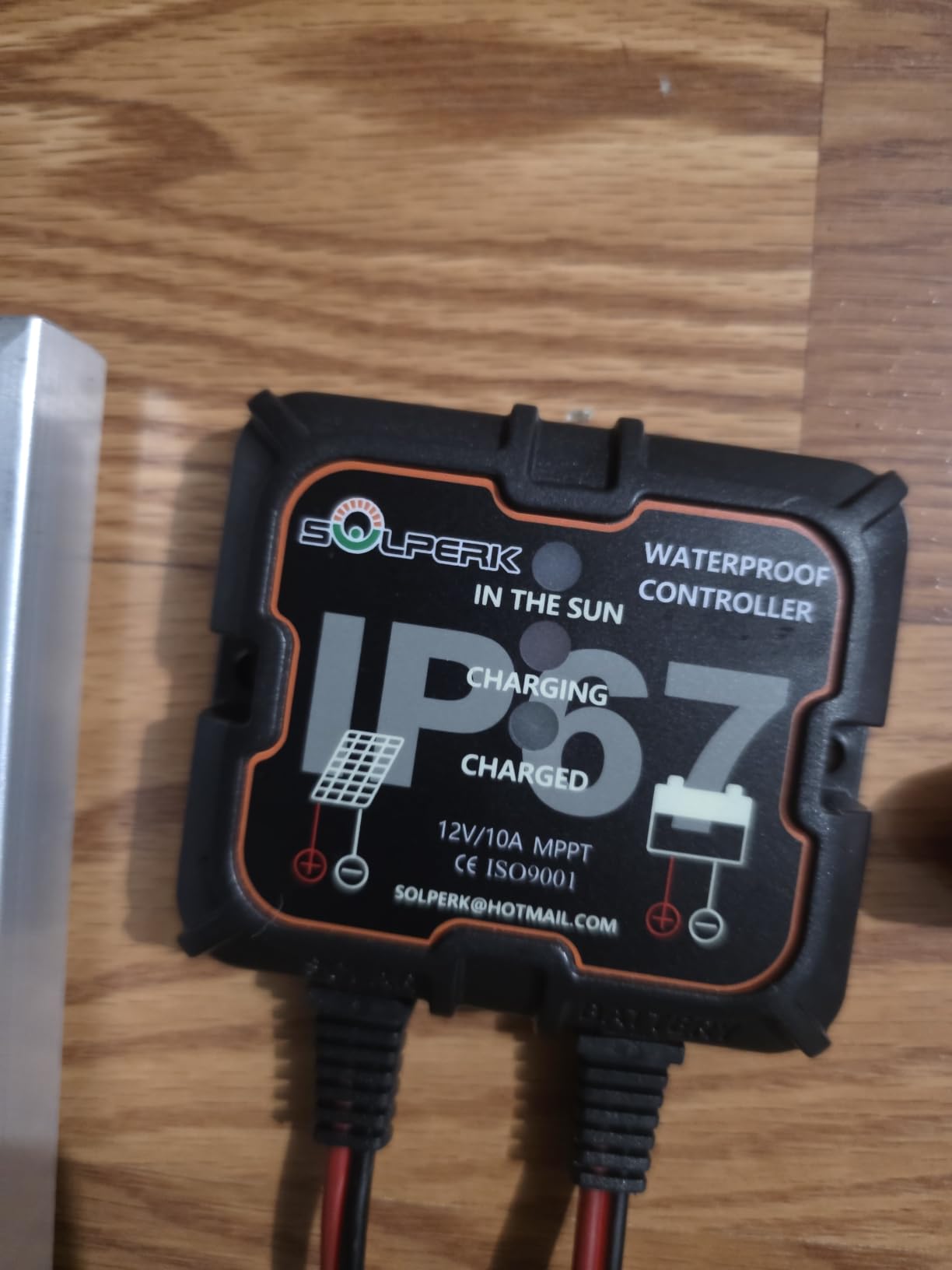
Why it beats the cheaper 12V kits
The difference between 12W and 20W matters more than the numbers suggest, because margin is what carries you through a three-day overcast spell. Twenty watts gives roughly 1.4A at peak, which on a 100 Ah bank restores about 33 Ah/day of usable charge in good conditions. That is the difference between a battery that hovers near full and one that drifts down slowly all week.
Where the compromises are
Two, and both are minor. The lead can be too short for a pushpit-to-house-battery run on a larger boat, so budget for an extension. And twenty watts will not sustain anything with a real motor in it, which means a liveaboard fridge is out of reach for this panel no matter how well it is mounted.
3. Voltset 20W Kit with 10A MPPT Controller: Best for Faster Recovery
- 10A MPPT controller produces strong current from a small panel
- IP67 waterproof construction rated to minus 40 to 185 degrees
- LED indicators show state of charge from 25 to 100 percent
- Pre-drilled holes and 360 degree bracket for quick fitting
- Broad chemistry support including LiFePO4
- Cable accessories are tight for larger battery banks
- Twenty watts still caps the output at roughly 1.4A peak
The difference between this and the SOLPERK kit is the controller, and the controller is where the performance lives. A 10A MPPT stage with tracking technology that delivers 20 to 30% faster charging than a basic controller means that the same 20 watts of panel gets meaningfully closer to its nameplate output going into the battery.
For a boat that sits for weeks and then needs a bank brought back from a partial discharge before a passage, that extra efficiency is worth having. It also matters in winter or at high latitude, when the panel is producing poorly anyway and every percentage point of controller efficiency is the difference between keeping up and slowly losing ground.
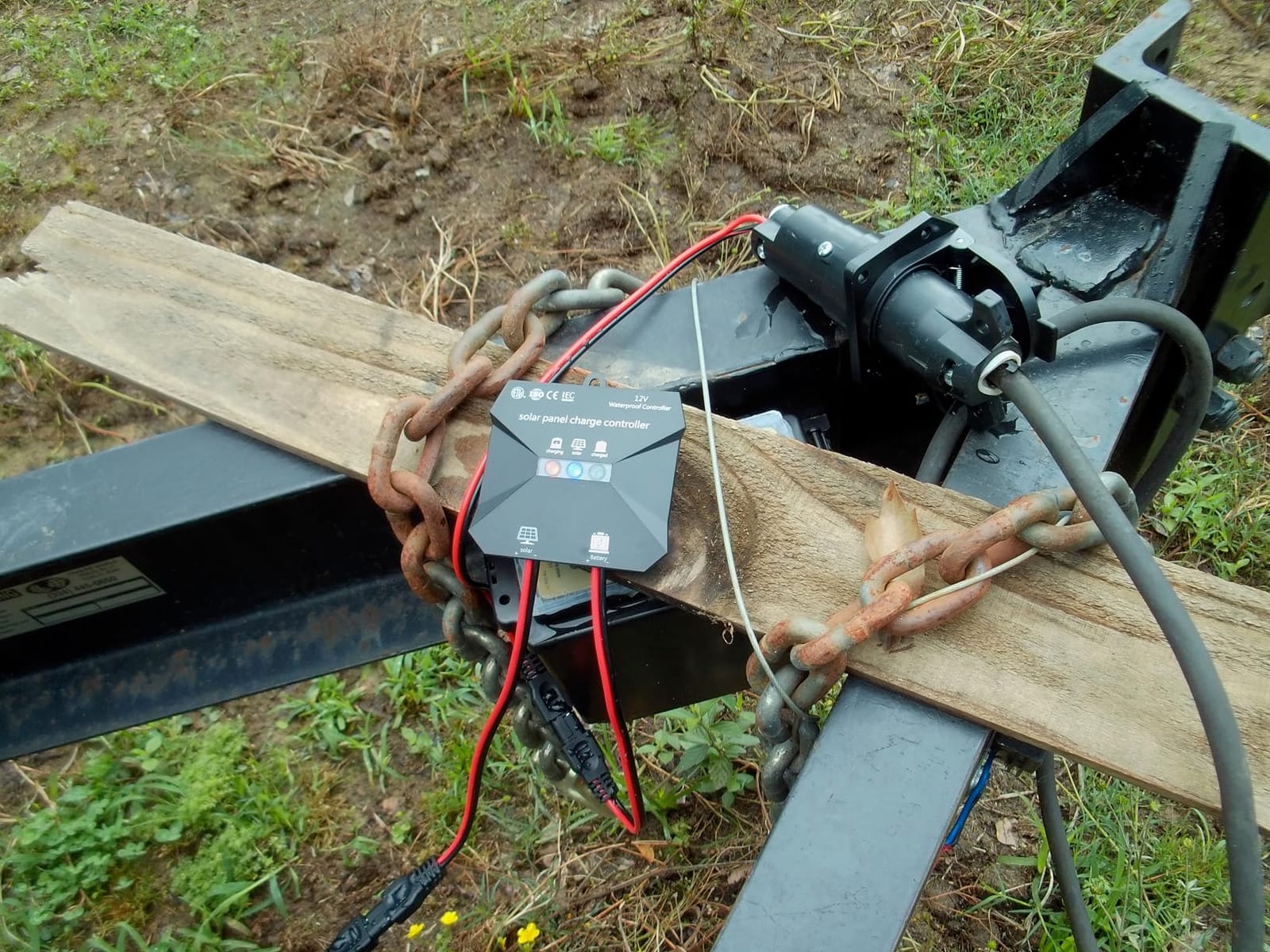
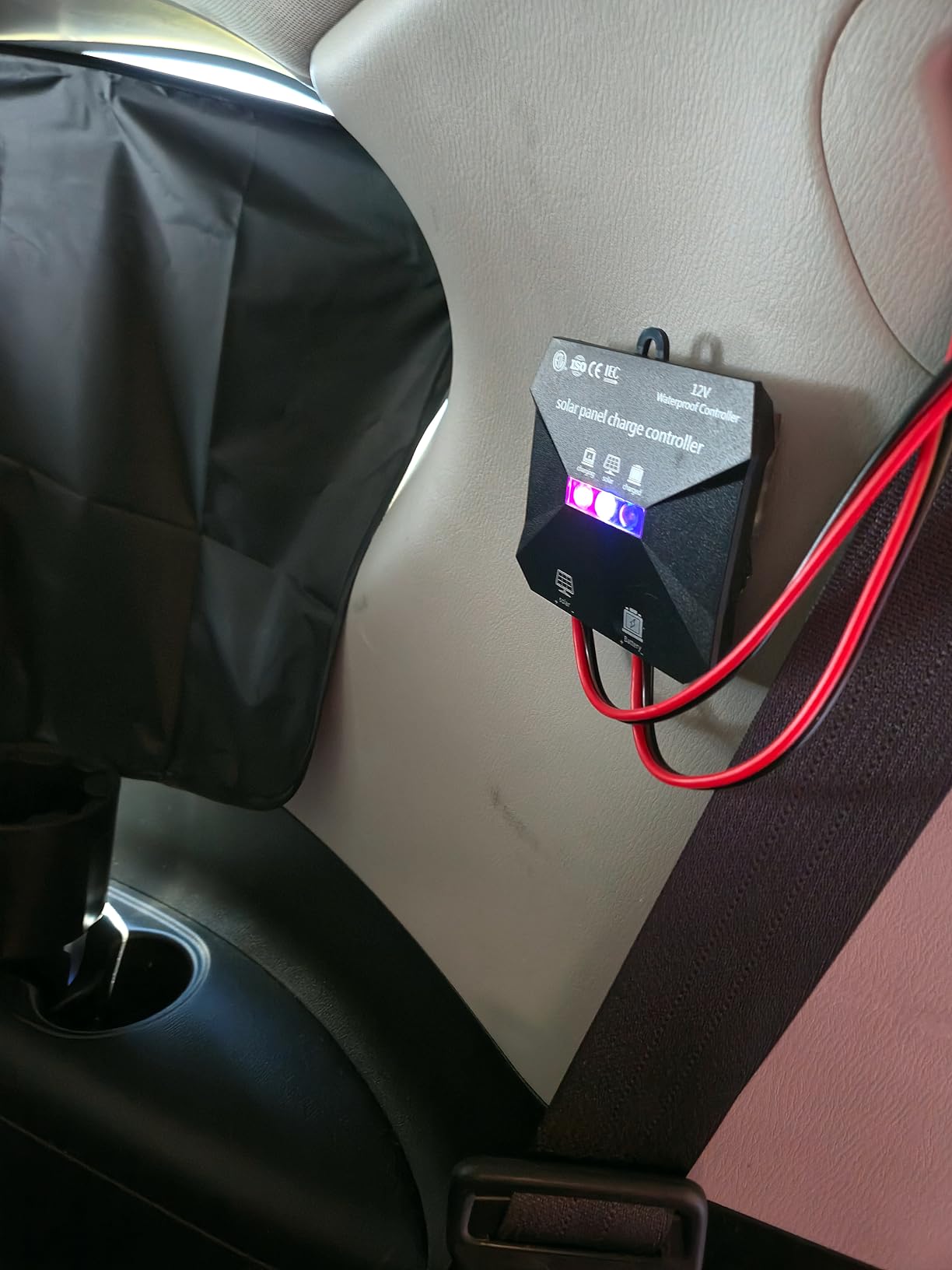
Construction is IP67 with an operating range from minus 40 to 185 degrees, which is more than adequate for a deck install in any climate. The controller halts charging at full and resumes on voltage drop, so there is no overnight reverse drain to worry about. LED indicators read out state of charge in quarter increments rather than a single red or green light, which is genuinely helpful when the panel is not in view.
When this is the right pick
Choose it when your load is right at the edge of what 20 watts can cover and you cannot afford any shortfall. A boat running a small compressor fridge plus electronics at maybe 20 Ah/day is the case where a higher-efficiency controller earns its cost. Pair it with a second 20W panel in parallel and you have a compact 40W array that still fits on a hardtop.
Where the limits are
Twenty watts is still twenty watts. The panel cannot push current a controller could theoretically accept, so the 10A rating only guarantees that you get everything the panel produces. Accessory cable lengths may also be tight if your battery sits well forward of the panel, and you will be extending them.
4. SUNER POWER 20W PRO Maintainer: Best for Trolling Motor and Deep-Cycle Banks
- Same MPPT platform as the smaller SUNER POWER models
- Three-stage bulk absorption float profile
- Explicitly listed for trolling motor and deep-cycle banks
- Waterproof and corrosion-resistant housing
- Pre-drilled holes with plug-and-play leads
- Largest footprint of the 20W options and needs real mounting surface
- Manufacturer documentation does not explain the sunlight detection behaviour
This is the higher-output member of the SUNER POWER line, and the extra wattage over their 12W model comes with a larger panel rather than a different platform. The controller is the same UltraSmart MPPT with up to 99% tracking and 98% peak conversion, so the charging profile is identical, just fed by a larger array.
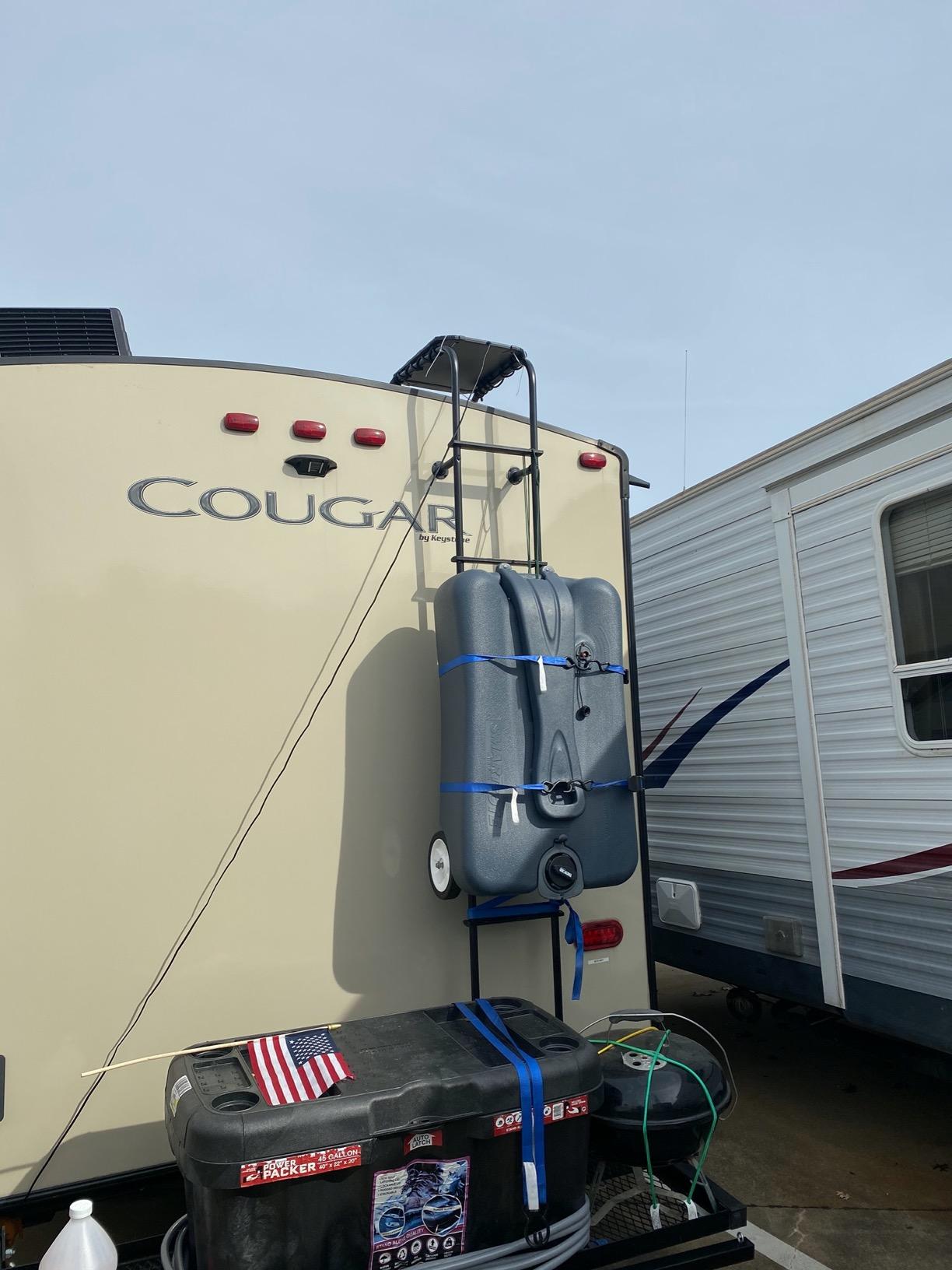
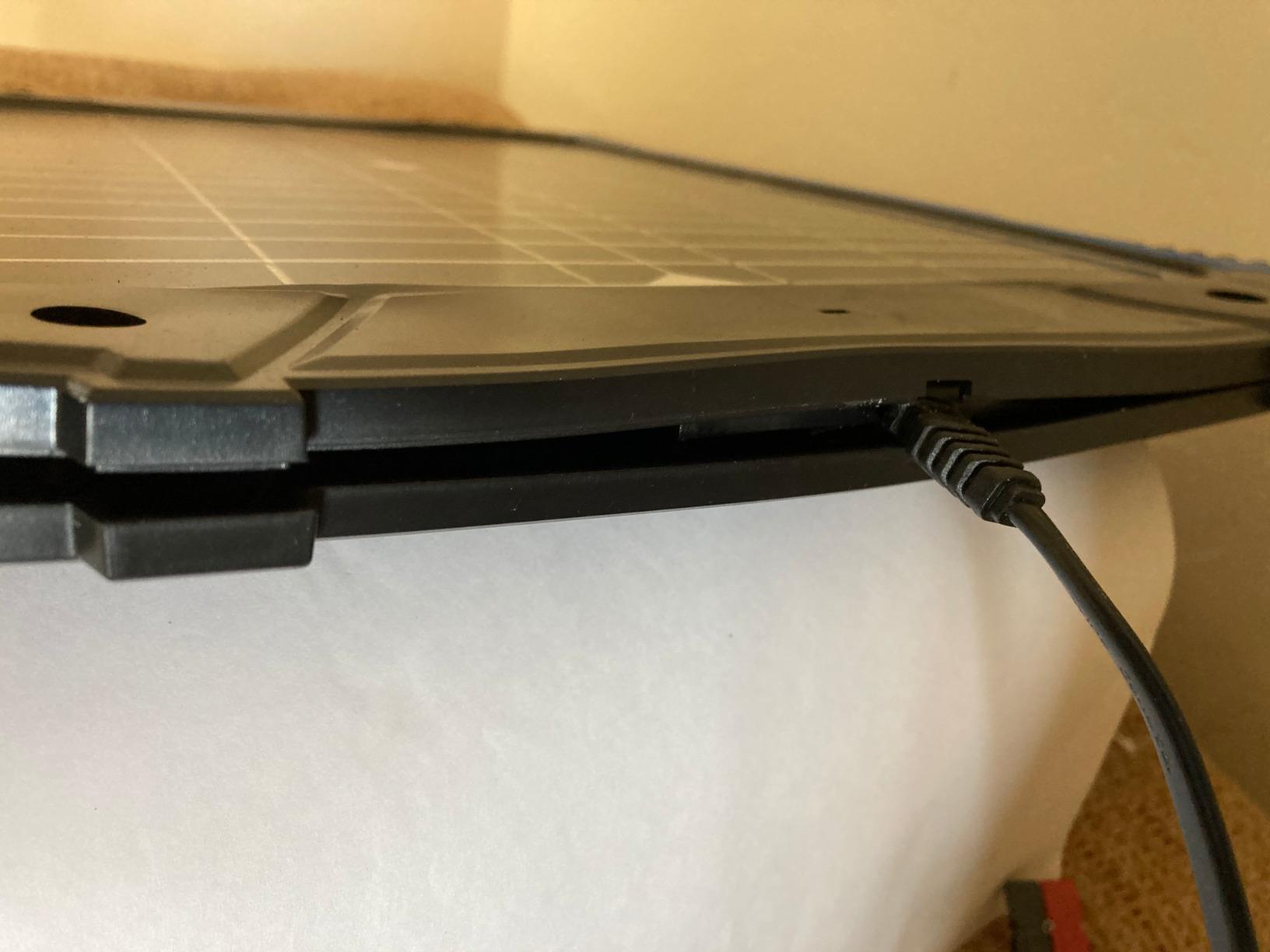
Where it earns its place is a bank that gets worked. Owners using this on trolling motor and deep-cycle marine setups report it topping off and then holding, which is exactly the duty a starter-sized maintainer panel handles badly. At 20.15 by 13.78 inches it needs more deck or rail area than the smaller kits, so plan the footprint before committing.
The full protection suite is present: overcharge, over-discharge, over-voltage, over-current, over-load, short circuit, reverse polarity and over-temperature. Chemistry support covers flooded, gel, AGM, SLA, maintenance-free and LiFePO4. The waterproof, spark-proof housing is the version you want if the panel lives on a rail in a salt spray environment rather than on a dash.
What makes it different from the 12W
Simply scale. The controller and the charging algorithm are the same, so the deciding factor is the roughly 67% more panel area feeding it, which converts to roughly 0.4A more peak current. On a bank that is being drawn down daily, that extra current shortens recovery time and gives you more margin through cloudy stretches.
What to watch for
The documentation issue is the one real recurring complaint. The manual does not clearly explain that the panel will not register an attached battery unless it is in direct sunlight, so people troubleshoot a non-existent fault. There is also a small minority of owners reporting low output where the panel was mounted in shade or behind glass, which is a placement problem rather than a fault.
5. Renogy 100W Flexible Solar Panel: Best for Curved Decks and Weight Limits
Renogy Flexible Solar Panel 100 Watt, 240° Ultra Flex Bendable
- Conforms to curved and uneven surfaces rigid panels cannot match
- Roughly 70 percent lighter than a comparable rigid panel
- Only about a tenth of an inch thick when laid flat
- MC4 connectors work with standard controllers and power stations
- Five-year warranty with responsive replacement support
- Conversion efficiency runs roughly 10 percent below comparable rigid panels
- Not foldable and easy to damage if flexed during installation
- Some reports of cell delamination and weak output on individual panels
This is the only panel in the roundup that steps out of the trickle tier entirely, and we include it deliberately. At 100W it is the smallest thing we would put on a boat that runs any liveaboard load at all, but if your deck is curved, your mounting surface is weight-limited, or you refuse to drill, it solves a problem the rigid panels cannot.
The construction is the argument. Bending to 240 degrees means it will follow a hull curve, a dodger, a bimini or a rounded roof without a mounting frame. At 48 by 21.5 inches and 0.08 inches thick, it weighs 4 pounds, which is about 70% less than a comparable rigid panel of the same output. The 64 monocrystalline cells carry a 22% efficiency rating and IP68 sealing.
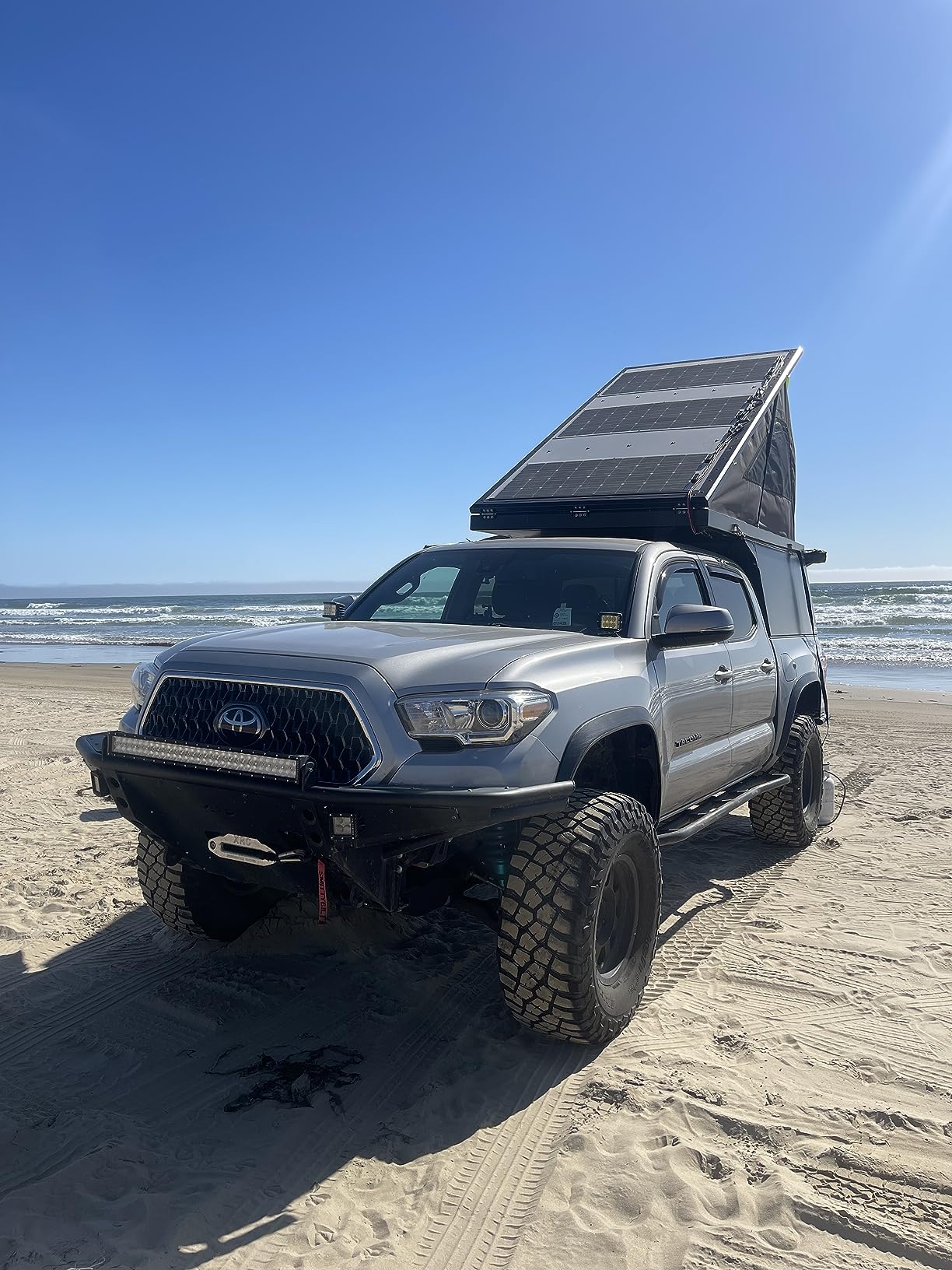
Long-term owners running multiple panels report three years or more of service with output landing somewhere between 80 and 100W per panel in good sun, which is the realistic expectation. The low open-circuit voltage is genuinely useful for compatibility with smaller controllers and portable power stations, and MC4 connectors mean no adapter hunting when you change equipment.
Where flexible genuinely wins
Weight and geometry. A hardtop on a small powerboat has a real load limit and a real curvature. A catamaran deck with a crowned surface cannot take a flat rigid frame without shimming. In both cases a flexible panel is not a compromise, it is the correct answer, and it is why this format dominates on multi-hull and lightweight craft.
What you give up
About 10% of conversion efficiency relative to a comparable rigid panel, which is the physics of thin-film-style construction. There is also no walking surface at all, no frame to bolt down, and a small tail of reports about cell delamination. If you bend it repeatedly during installation you can crack cells, so it gets adhered or riveted once and left alone.
6. SOLPERK 50W Kit with Waterproof Controller: Best Step Up to a Small House Bank
- Fifty watts is the realistic minimum for a liveaboard fridge and lighting
- IP65 waterproof controller in a metal housing
- Panel rated 2400Pa wind and 5400Pa snow with a 25 year lifespan claim
- Bracket offers five set angles from 0 to 60 degrees
- 10 foot SAE cable and clips reach distant banks
- Included controller has failed for some buyers around the three month mark
- Mounting bracket can arrive bent or damaged
- A reported dead LED on one unit even though charging worked
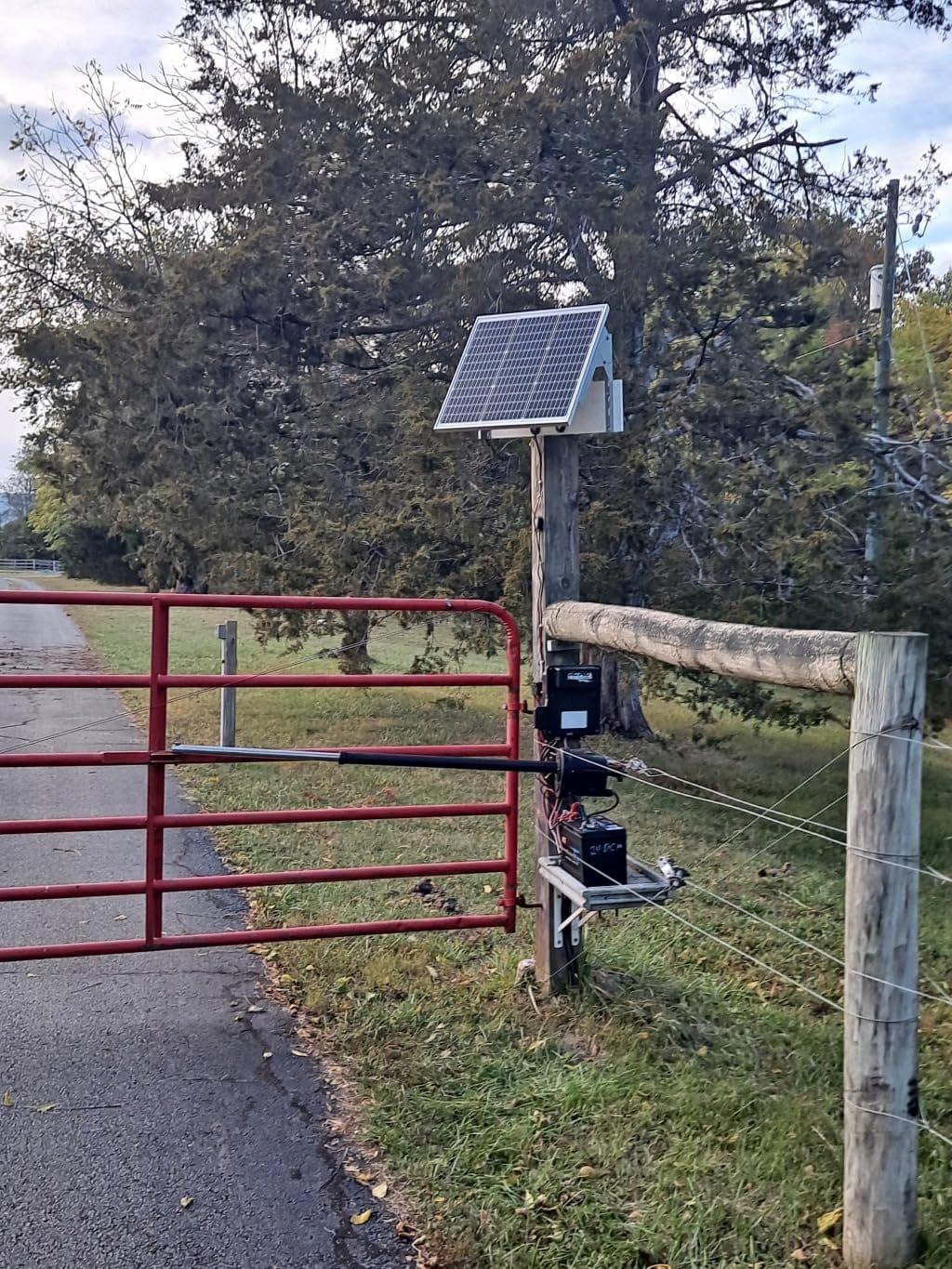
Fifty watts is where the trickle tier ends. This kit is the smallest one in the roundup that will realistically carry a liveaboard refrigerator, a couple of cabin lights and a water pump on a small boat, and owners using it on trolling motor and deep-cycle banks report it reversing a weekend of draw by the time they return to the boat.
The panel is monocrystalline at 21% to 30% conversion with low-iron tempered glass and a corrosion-resistant aluminum frame. The 2400Pa wind and 5400Pa snow ratings are the same class as the smaller SOLPERK kit, with a stated lifespan of up to 25 years. Performance in low light is repeatedly praised in the feedback, which matters more in a northern winter than the headline wattage.
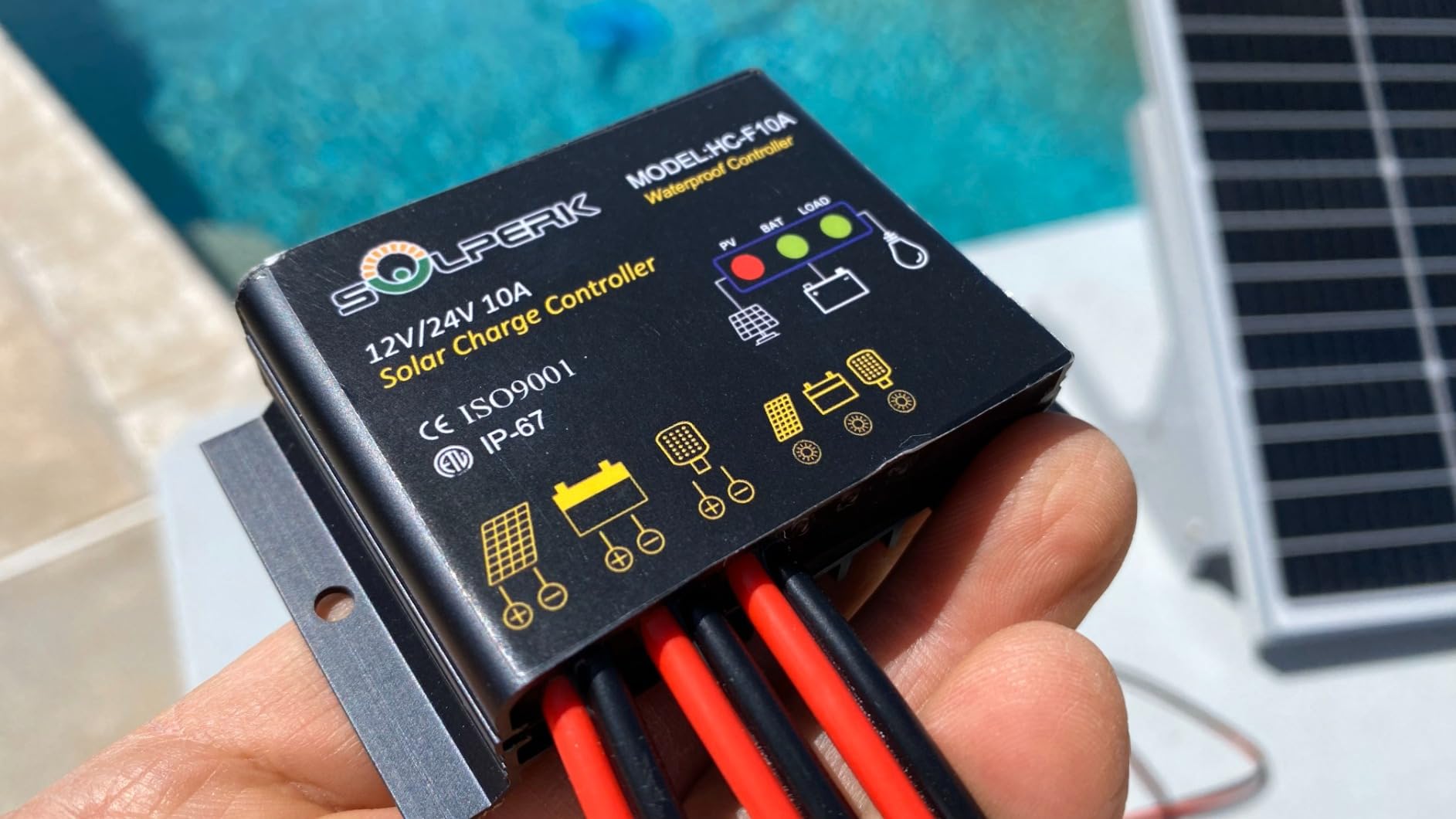
Where this kit differs from its smaller sibling is the controller enclosure. The 10A controller is IP65 waterproof in a metal housing rather than a plastic box, and the metal housing consistently earns comment for feeling more robust than plastic competitors. The bracket adjusts to 0, 15, 30, 45 and 60 degrees, which gives real latitude adjustment for seasonal sun angles.
When to size up to this tier
When your measured draw is in the 25 to 45 Ah/day band. That is a fridge running continuously, some lighting and instrumentation, without a boat-dodger heater or a watermaker. At 50W you get roughly 3.5A peak, which covers that load in good conditions and starts to lose ground in a bad week, so we would pair it with a second panel if the boat is winter-parked.
What to inspect on arrival
The main recurring complaint is the supplied controller rather than the panel, which is consistently rated as excellent. Check the controller works on the bench before you mount anything. Also inspect the bracket, since bent hardware is a shipping issue that shows up more often in this kit than in the others.
7. FlexSolar 20W Flexible Trickle Kit: Best for a No-Drill Install
FlexSolar 20W 12V Solar Panel Battery Trickle Charger Maintainer Kits
- Adheres to windshields sunroofs and boat decks without drilling
- Four connection methods including a practical OBDII adapter
- Suction cups and carabiners included for temporary mounting
- Integrated controller stops at full and resumes on voltage drop
- Acrylic-encased panel feels more robust than the thin profile suggests
- Supplied cables and connectors feel cheap and flimsy
- OBDII angle does not fit every vehicle and 12V sockets sometimes cut power
- One report of reversed socket polarity that could discharge a battery
Everything else in this roundup wants a screw, a bracket or an adhesive bead. This one is designed to be stuck on and taken off again, which makes it the natural choice for a boat that is not permanently rigged, for a tender, or for anyone who rents their berth and cannot drill into the deck.
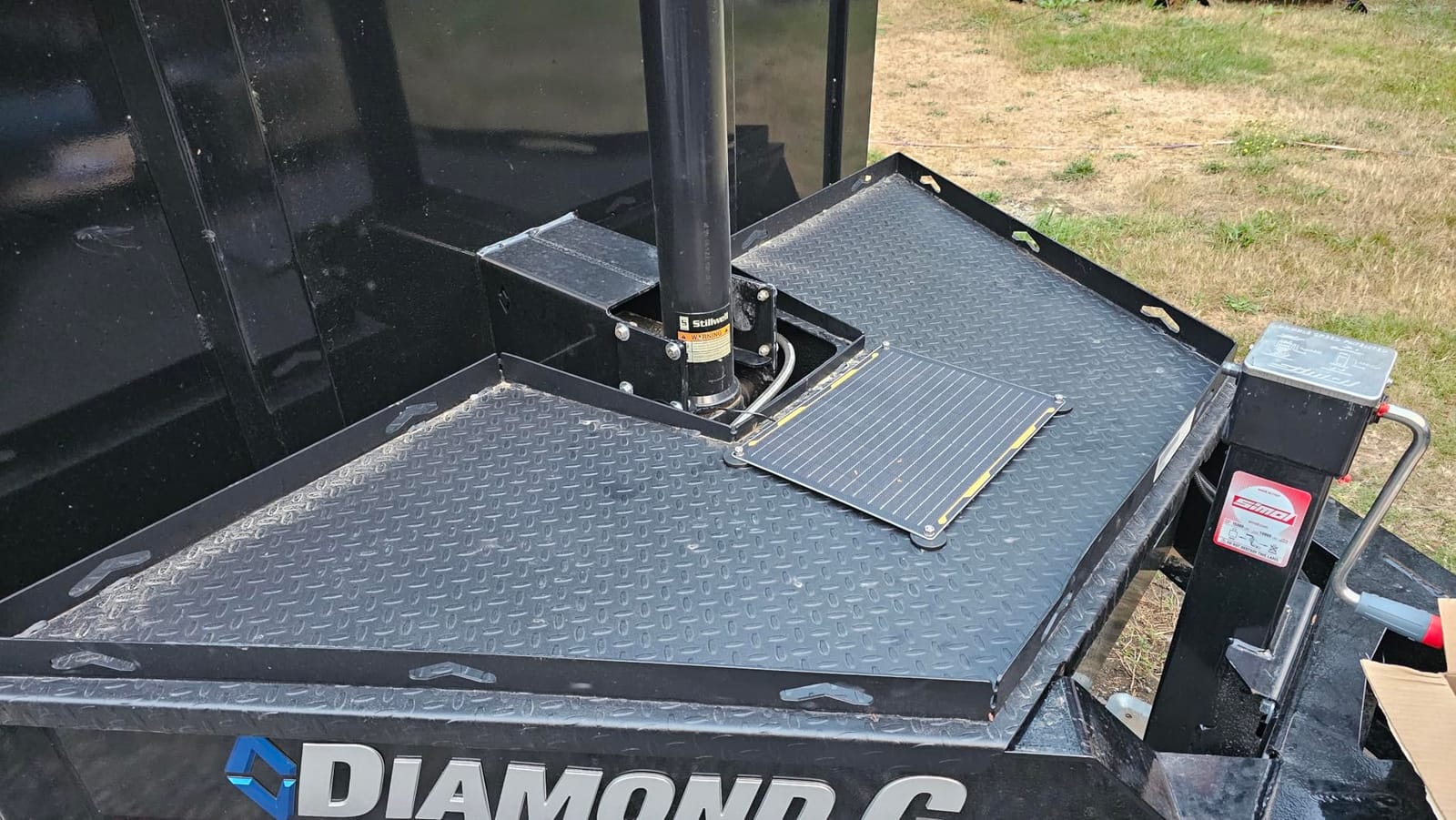
At 0.11 inches thick and 1.7 pounds across a 15.9 by 11.9 inch footprint, the monocrystalline core is rated at 20% to 25% conversion under standard test conditions. That is a modest figure and it is honest. The panel is built to counter parasitic drain from alarms and telematics, not to charge a deep-cycle bank, and the manufacturer says so directly.
The integrated controller halts at full capacity and restarts on voltage drop, which is the correct behaviour for a maintenance panel. Reviewers confirm roughly one amp in good sun, which is enough to keep parked vessels and marine batteries topped off but not enough to do more than that. Four suction cups and four carabiners come in the box for mounting options that change with the trip.
Why the four connection options matter
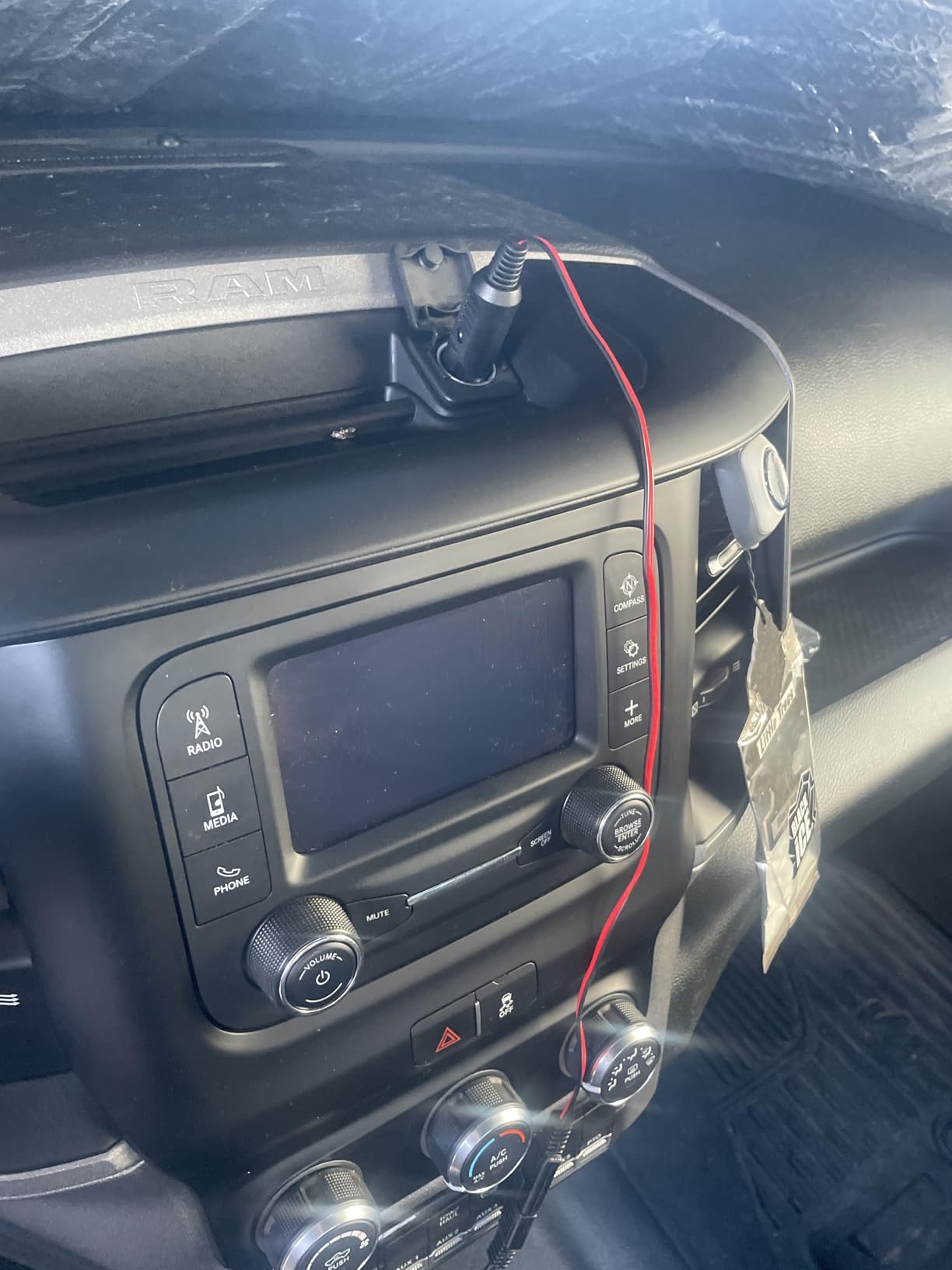
Cigarette lighter plug, alligator clips, an OBDII adapter and ring terminals cover almost every battery access point a small boat has. The OBDII route is the standout for anyone who wants a semi-permanent install that is hidden and lockable, and it costs nothing extra. That flexibility is the reason to pick this over a rigid alternative.
What to check before connecting
Pin orientation, every time. There are reports of a vehicle 12V socket with reversed polarity relative to the charger, which can drain a battery rather than charge it. The included cables and connectors also feel inexpensive, so inspect them for damage in salt air, and be aware that a switched cigarette socket cuts power with the ignition and silently ends maintenance charging.
8. Callsun 7.5W IP68 Maintainer: Best Budget Pick for Small Banks
- IP68 sealing with 3.2mm low-iron tempered glass and an aluminum frame
- Very low draw means useful output even in poor light
- Reported to hold two group 24 or group 27 deep-cycle boat batteries topped up
- Three-colour LED shows sunlight detection charging and maintenance mode
- Long leads and simple alligator clips make connection straightforward
- 7.5W cannot recover a flat battery under any circumstance
- One unit never reached the green full-charge state after three days of direct sun
- Suction cup mounting can mark glass in warm weather
Just under eight watts sounds negligible until you realise what keep-alive duty actually is. If your total standing draw is three to five amp-hours a day, this panel covers it, and owners report running several units at once to hold two group 24 or group 27 deep-cycle boat batteries topped up through a season.
The construction is the surprise at this tier. IP68 sealing, 3.2mm low-iron tempered glass and an anodized aluminum alloy frame is closer to the marine standard than most panels twice the price, and the low-light capability is a genuine strength because it keeps producing when a bigger panel would have given up.
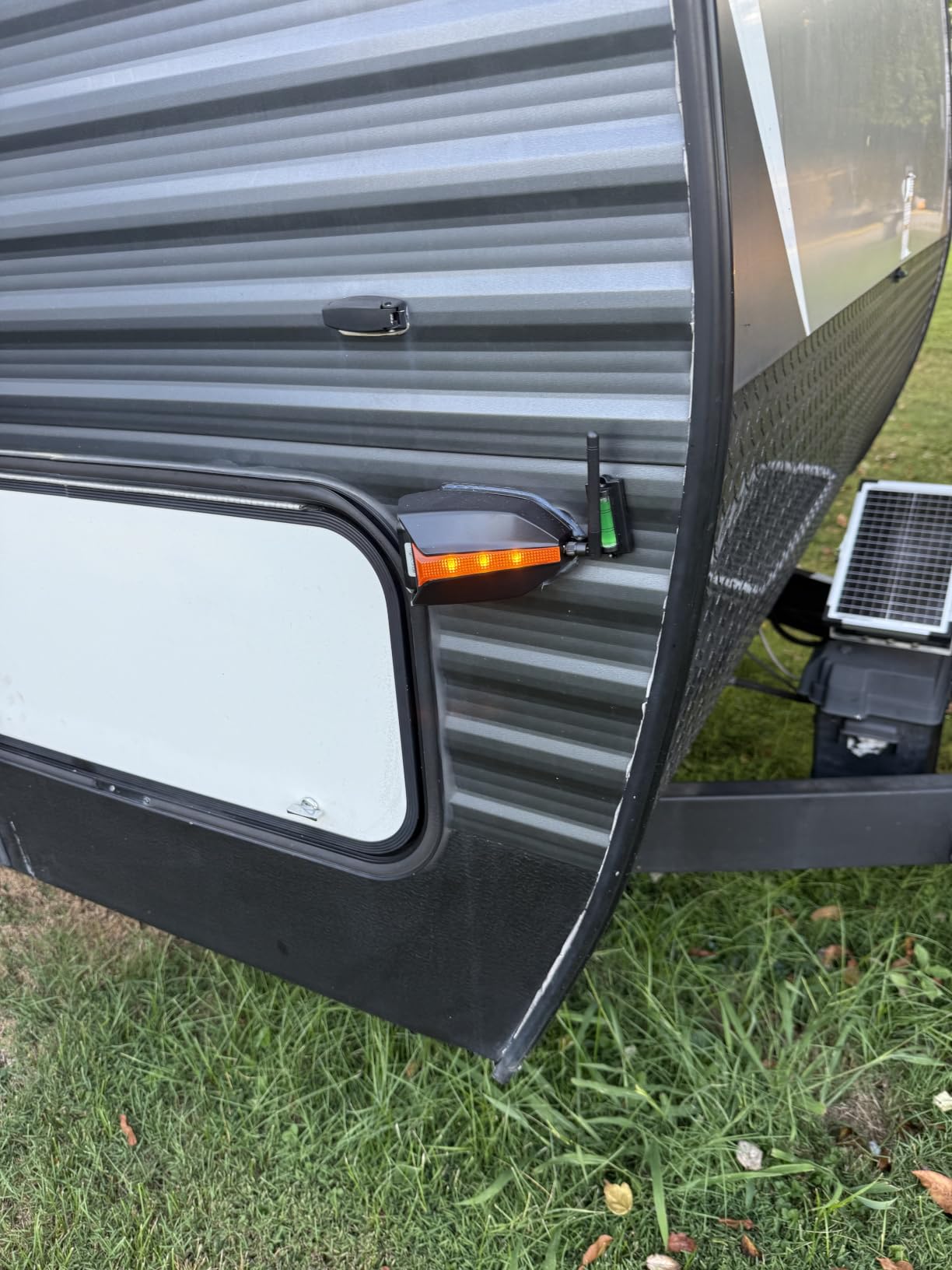
The three-colour LED system is more informative than a single on-off light. Blue means it has detected sunlight, red means actively charging and green means it has dropped into maintenance mode, so you can tell at a glance whether the panel is working or whether you simply have a shaded mount. Magnesium-style magnets also hold it in place, and the 360-degree bracket with impact-resistant corner protectors covers a fixed install.
What a small panel is genuinely good for
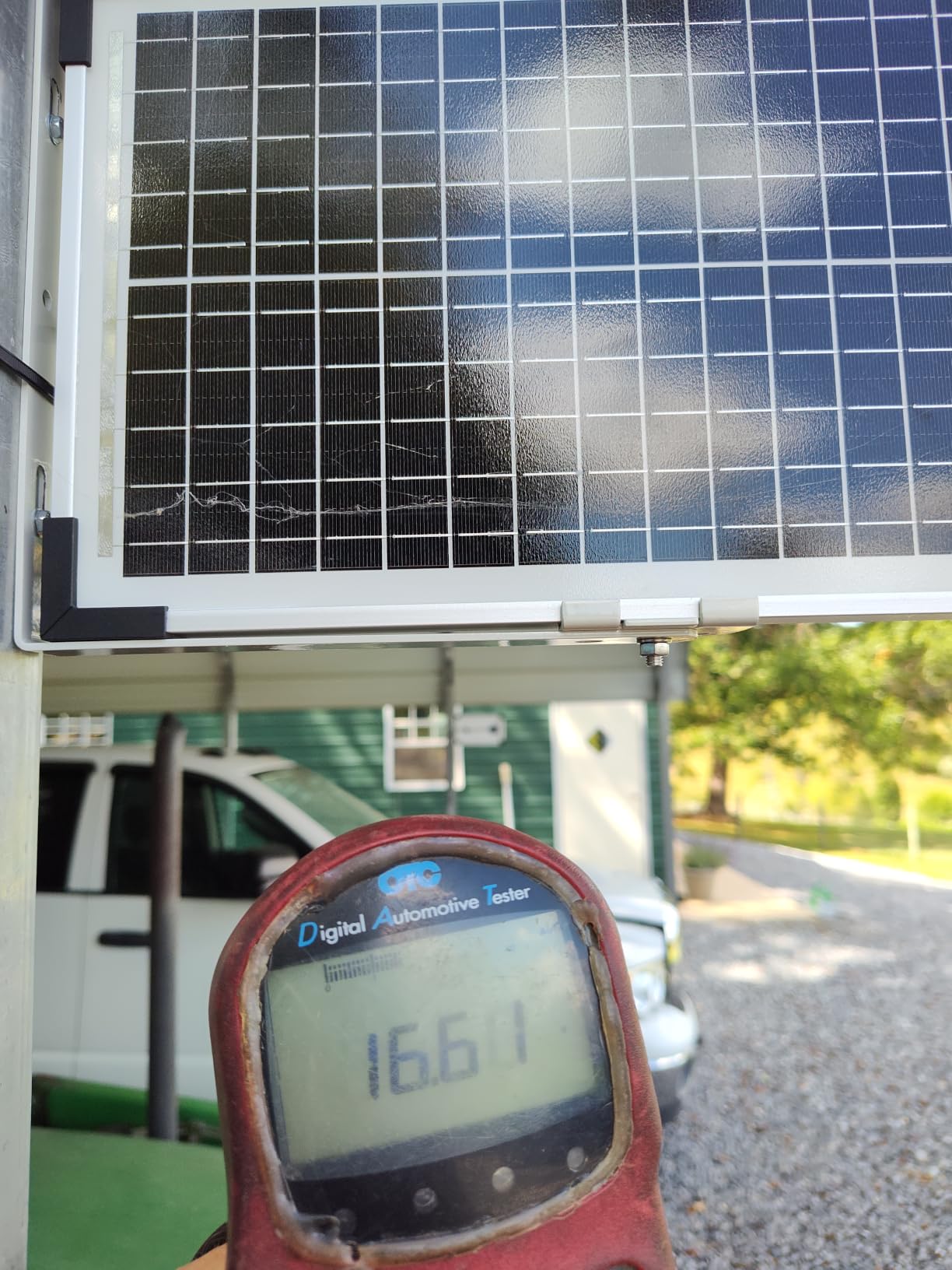
A second or third bank on a boat with multiple battery groups, an instrument-only drain, or a trailered boat on a trickle. Several owners run more than one of these in parallel to cover separate banks. At 0.41A rated current, output is genuinely small, and treating it as a recovery tool is a mistake.
Where the ceiling is
Seven and a half watts will not recover a deeply discharged generator battery or a bank that has sat flat over winter, and the honest answer is that no amount of waiting fixes that. There is also a reported unit that never reached the green full-charge state after three full days of direct sun, so confirm the maintenance indicator lights before you trust the install.
9. SUNER POWER 10W MPPT Maintainer: Best Mounting Bracket in the Roundup
- Swivel ball-joint bracket allows precise aiming and holds position solidly
- Reported to survive a full season of storms sun and rain with no rust
- Three SAE cable options including eyelet and alligator leads
- Full protection suite with waterproof spark-proof construction
- Keeps a dock-side deep-cycle battery charged without an extension cord
- Ten watts charges slowly in poor light
- Instructions list the parts but do not explain assembly order clearly
- Third-party SAE cables can have reversed polarity
- Isolated reports of units that did not stop charging
The bracket is the reason this panel is on the list. Almost every mount on a boat is in the wrong place, shaded by a rail or a mast partner, and a ball-joint swivel bracket with an included Allen wrench lets you aim the panel precisely at whatever patch of sky is actually clear. Owners mount it on railings, on trees at a campsite and on poles, and it holds its position once set.
That matters more than the extra five watts some competitors offer, because a panel aimed well at 10W regularly outproduces a badly aimed 50W one. Long-term owners report it holding a deep-cycle marine battery charged for a dock setup without needing an extension cord, and one report describes a full season of storms, sun and rain with no rust or degradation.
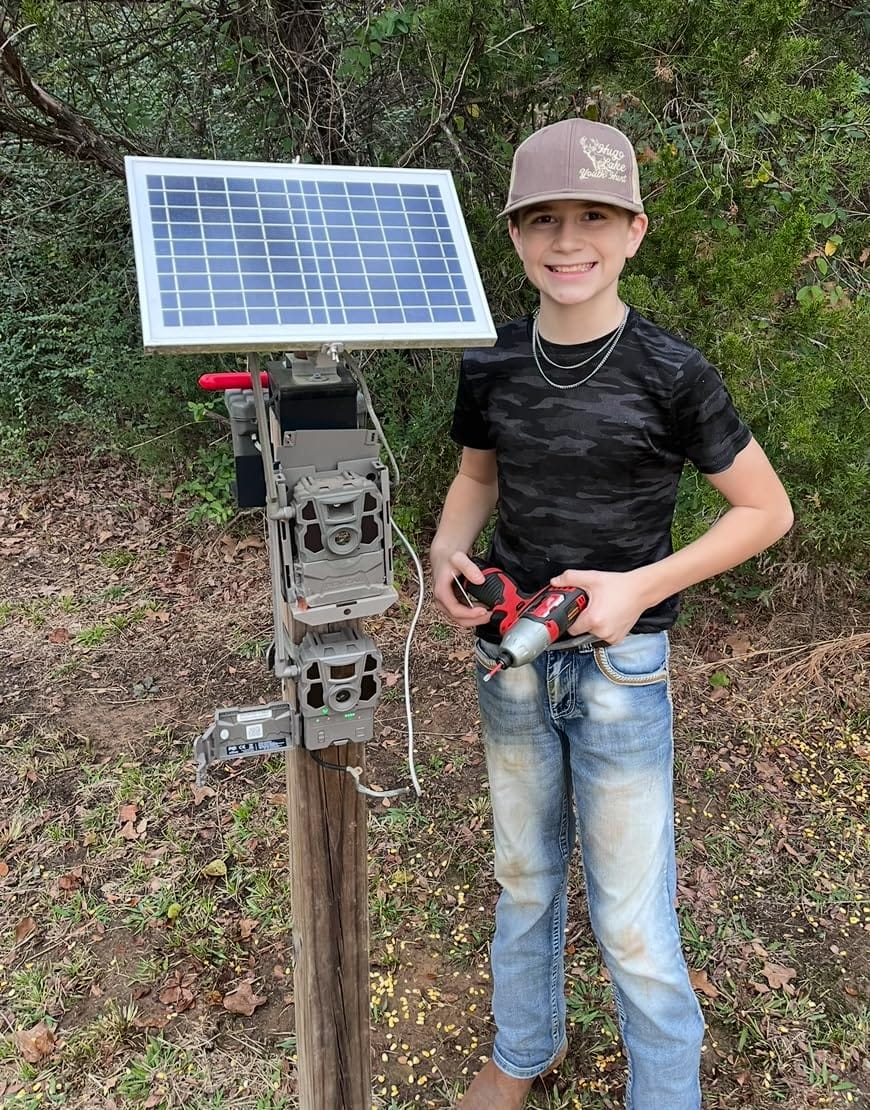
Underneath, it is the same UltraSmart MPPT platform with up to 99% tracking, 98% peak conversion and a three-stage bulk, absorption and float profile. The full protection suite runs from overcharge through reverse polarity to over-temperature, and chemistry support runs from flooded and gel through to LiFePO4. Three cable types are included, so you can connect by clip, bare end or eyelet without buying anything.
What the bracket solves
Sun tracking without a tracker. The ball joint holds a fixed, tuned angle, and because the panel is small and light the adjustment is genuinely quick. On a boat with a pole mount or a pushpit, that is the difference between an array that contributes all day and one that contributes an hour after the boom swings across it.
What to be careful about
Polarity on third-party SAE extension cables. Several reviewers had to correct reversed-polarity cables with an adapter, which shows as a solid red light. Also read the instructions for assembly order rather than guessing, and note the isolated reports of units that failed to stop charging. If a battery is warm after a full day of sun, disconnect and check.
10. OYMSAE 12W Waterproof Trickle Charger: Best for Portable, Lightweight Setups
OYMSAE 12W 12V Portable Waterproof Solar Panel Trickle Charger & Maintainer
- Measures around 500mA in direct sun which is well above budget 10W units
- Weighs just over 10 ounces so it suits portable and backpacking setups
- No night-time LED drain unlike cheaper chargers
- PET waterproof and dustproof housing over an epoxy base
- Two-year manufacturer warranty
- One owner reported units degrading significantly within 17 months
- Included cables are thin for the application
- Durability of the small rear junction box in extreme heat is uncertain
This is the panel for a boat that carries its solar with it rather than mounting it permanently. At 10.56 ounces and 13.4 by 8 inches, it fits in a dry bag and can be set on a cabin top or a lifeline for the duration of an anchoring, then stowed. If your boat is small, your deck space is contested, or you are running down a coast, portability is a legitimate reason to accept a lower output.
The measured current is the surprise. Buyers who upgraded from very cheap 10W chargers report around 500mA in direct sun, and independent measurements show about 18W during initial bulk charge tapering to maintenance around 14.6V, with high resting voltage afterwards. The frosted convex panel surface is there to improve light absorption rather than decoration.
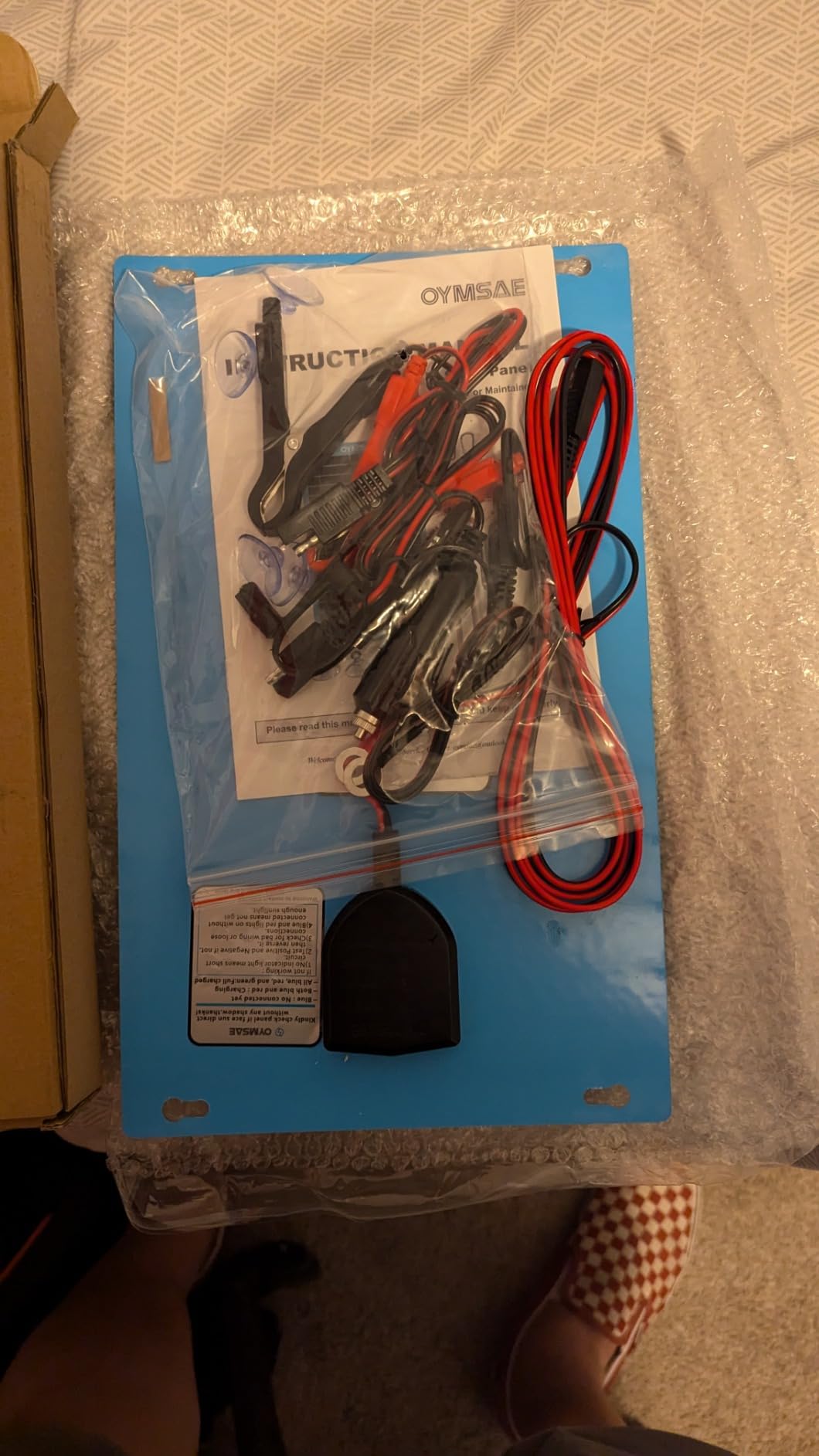
The controller is a microprocessor-controlled board with protection against overcharge, overvoltage, short circuit and reverse charging, and a three-colour LED shows blue standby, red charging and green full. Importantly, it draws no current at night, which is the fault that quietly drains batteries on the cheapest chargers in this category.
What portability actually buys you
Flexibility of siting. You can move the panel to whichever surface is in sun that day, follow the sun roughly through an afternoon, or take it with you when the boat is trailered. On a boat with no permanent mounting point and no drilling permitted, that adaptability beats raw wattage.
What the lower rating reflects
Durability, honestly. The 4.1 rating is not about output, which buyers generally like, but about units degrading significantly within 17 months, with one owner measuring output falling to roughly 7.8mA. The supplied cables are thin for the application and the small rear junction box is a weak point in sustained heat. Plan for a service life measured in seasons rather than decades.
How to Choose a Marine Solar Panel Without Regretting It
Choice comes down to four decisions in order: format, wattage, controller type and mounting geometry. Get these right and the brand matters far less than the spec sheet suggests. Get them wrong and you will be back on the dock with a panel that either will not fit or will not keep up.
Format first. Rigid panels with anodized aluminum frames and tempered glass last longest and can be walked on, but they need a flat surface and they weigh something. Semi-rigid walkable panels are the middle ground and are the safest default for a deck people stand on. Flexible panels bend to a curved surface, weigh roughly 70% less than a rigid equivalent, and have no walking surface at all, but they lose around 10% of conversion efficiency. If your only mounting surface is curved or load-limited, flexible is not a compromise.
Second, the physical fit problem. Panel width catches more people than any other spec. A panel that is the right wattage but two inches too wide for the rail or the bimini tube is the wrong panel, and this is genuinely hidden by spec tables. Measure your intended mounting spot and check the longest dimension, not just the wattage.
Third, controller type. PWM controllers pulse the panel output straight to the battery, which is simple, cheap and perfectly adequate for sub-50W keep-alive systems. MPPT controllers track the panel’s maximum power point and harvest more from the same panel, typically 20 to 30% more. Below 50W the efficiency gain is real but the cost premium is harder to justify, while above 100W an MPPT controller is where the money starts to pay back. One more controller feature matters more than either: dual battery bank output. Most cruising boats run a house bank and a start bank, and switching panel output between them manually is the most commonly cited annoyance in boat solar. A dual-output controller charges both and prioritises whichever needs it.
Fourth, mounting geometry. A top-of-pole mount lifts the panel above the rigging, rails and antennas that cast shade, which is why cruising sailors favour it despite the wind loading. A bimini top or arch is the cleanest permanent option on a powerboat, provided the panel angle can be adjusted seasonally. A stern rail or pushpit mount is fine for a small panel with a swivel bracket. Deck mounting rigid panels directly is only sensible where nobody walks. Whatever you choose, the one thing never to do is bungee a panel to a cabin top. There is a long-running forum account of a boat lost in a hurricane with a panel secured exactly that way, and it is the single most avoidable failure in this whole topic.
The marine-grade checklist. Before you buy anything, verify these. An anodized aluminum frame rather than painted steel. A sealed junction box, ideally IP65 or better. A UV-stable encapsulant, since yellowing is what kills flexible panels first. MC4 connectors if you intend to expand the array later. A stated operating temperature range that covers your worst winter week. A corrosion warranty that explicitly covers saltwater use rather than voiding it. A charge controller that is waterproof itself, because a weatherproof panel with a controller clipped under a bimini is only as good as that controller.
Failure modes worth knowing. Delamination of flexible panels usually starts at a crease or a puncture and shows as cloudy bubbling. Salt corrosion enters at frame seams and at screw points rather than across the panel face. Wind damage is a mounting failure, not a panel failure, and a top-of-pole mount needs a properly sized backstay. Yellowing is UV degradation and it is permanent. And shaded output is not a gradual loss, it is a cliff, because a hard shadow across a string can cut a panel’s output to a fraction of nameplate in seconds.
Shading and redundancy. A practical strategy from cruising practice is two smaller panels rather than one large one, one port and one starboard, so that when a boom or a mast shades one the other is still in sun. Hard shadows are worse than soft ones, and a nearby rail antenna can cost more output than the same object positioned several feet away. If you can only afford one mount, choose the position with the longest unobstructed run of sky, not the most convenient one.
When not to bother. Short weekend trips where you start the engine each time need nothing more than a maintainer panel. Boats in a permanently shaded berth under a dock canopy or a persistent tree will get almost nothing from any panel. Trailered boats that sit on a trailer with the battery disconnected do not need solar at all. And if your parasitic draw genuinely measures above 30 Ah/day, buying a small panel is false economy, because you will be disappointed by a product that was never capable of the job.
Winter reality. A panel that covers your load in June may not in December, and high latitude makes that worse. Either accept a smaller winter load, size for the worst season rather than the best, or pair solar with another source. Our solar kit guide covers portable panel arrangements if a permanent deck install is off the table.
Frequently Asked Questions
What type of solar panel is best for boats?
Semi-rigid walkable monocrystalline panels are the best default for most boats because they are walkable, impact resistant, shade tolerant and framed in corrosion-resistant aluminium. Flexible panels suit curved surfaces and weight-limited installs. Rigid pole-mounted panels suit smaller boats with clear sky above the rigging.
What is the best solar panel for a boat battery?
For a 12V bank that only needs keeping alive, a 20W to 50W marine-grade monocrystalline panel with a matched three-stage controller is sufficient. Panels above 100W are only needed once you run liveaboard house loads such as a fridge, water pump and cabin lighting.
What size solar panel do I need to charge a boat battery?
Measure your daily amp-hour draw, multiply by 12.6V for watt-hours, divide by 0.75 for MPPT charge efficiency, then divide by your local peak sun hours, then add 25 to 30 percent for shading and weather losses. A 12 Ah/day anchor load typically lands on a 20W to 50W panel.
What size solar panel to keep battery charged?
Instrumentation only at about 5 Ah/day needs 10W to 20W. A cabin light and small fridge at 20 to 30 Ah/day needs 50W to 100W. A full liveaboard drawing 150 to 250 Ah/day needs 200W to 400W paired with a proper MPPT controller.
Do I need an MPPT controller for a small solar panel?
Below 50W a PWM controller is usually adequate because the cost premium of MPPT outweighs the extra harvest. Above 100W an MPPT controller earns its cost by tracking the panel maximum power point and typically gaining 20 to 30 percent. Whichever type you use, dual battery bank output is worth paying for on a cruising boat.
Can you walk on a walkable marine solar panel?
Semi-rigid walkable panels are built with a laminate and frame rated for foot traffic, but no panel is indestructible. Avoid standing on the corners or edges where stresses concentrate, keep an area clear for gear, and rinse salt off regularly because trapped salt accelerates corrosion at the frame seams.
The Verdict for Anchor Time
For a boat that sits at anchor with instruments, a depth sounder and a bilge pump, the SUNER POWER 12W is the pick. It has the best review base in the trickle tier, the controller is built in so there is one fewer thing to fail, and the frame, glass and cell grade are the right construction for salt water. It will hold a healthy bank at float indefinitely and it asks almost nothing of the installer.
If your draw includes a small fridge or any lighting, step up to the SOLPERK 20W or the Voltset 20W. The 20 watts of headroom over the 12W model is what carries you through a cloudy week, and the Voltset’s 10A MPPT stage squeezes more of that fixed panel area into the battery. For a liveaboard running 30 to 45 Ah/day, the SOLPERK 50W kit is the honest floor, and you should be thinking about a second panel behind it.
Fit matters more than most spec sheets admit. Measure your spot, check the width, and choose rigid over flexible only if the surface is flat and the weight is acceptable. Look for a dual battery bank controller if you have a start bank as well as a house bank, and never secure a panel with a bungee cord. That is the whole lesson of the best marine solar panels for trickle charging in 2026: the panel is the cheap part, and the install around it decides whether your bank survives the winter.