
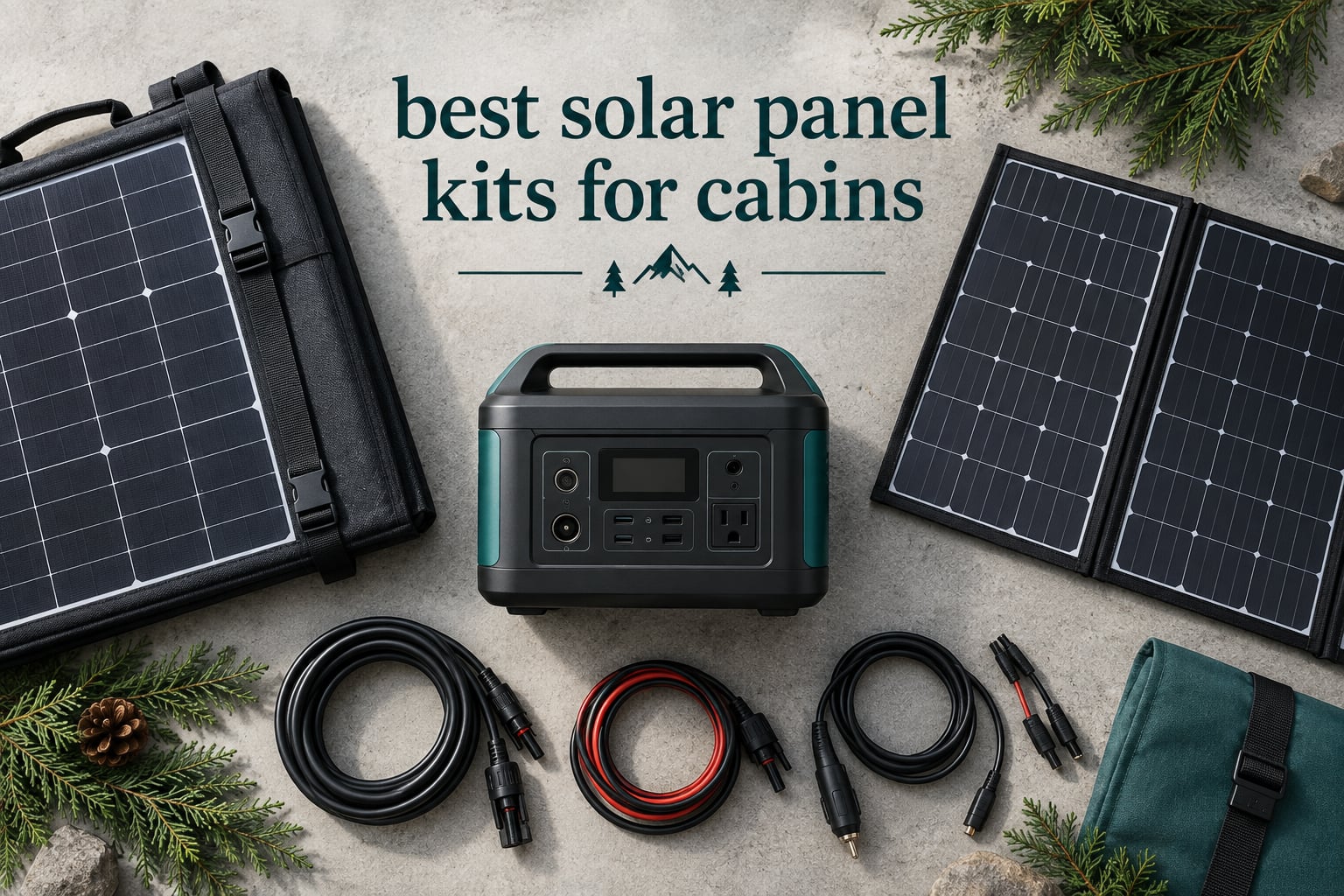
A cabin solar kit is not the same purchase as a rooftop home array or an RV kit. The cabin has no grid to fall back on, no installer two hours away, and often a January load profile of a fridge, a water pump, a few LED lights and a satellite internet dish. That changes everything about what you should buy.
We spent weeks comparing twelve complete and semi-complete solar panel kits for cabins, checking rated output, real-world harvest claims, battery chemistry, inverter quality and how much each one grows as your power needs grow. What follows is the roundup, plus the sizing math and the cold-weather realities that most kit listings never mention.
If you only read one thing: a weekend cabin that runs lights, charging and a small 12V pump needs roughly 200-400W of panels. A cabin someone lives in full time, with a fridge, well pump, Starlink and electronics, needs 800W or more and a battery bank you can grow into. Our portable solar panel picks cover the panel side in more depth if you want panel-specific detail.
Below is everything we learned, updated for 2026, including the exact trade-offs that decide which kit a real cabin will be happy with.
Table of Contents
Top 3 Picks for Cabin Solar (September 2026)

Renogy 100W 12V Starter Kit
- Averages 500Wh per day
- 22.5% cell efficiency
- Expandable to 400W
- 10-year materials coverage

Renogy 200W 12V Mono Kit
- About 1000Wh per day in good sun
- Two 100W panels in one kit
- Complete with brackets and cables
- Expandable to 400W

OUPES Mega 1 2000W Generator
- 2000W pure sine wave AC
- 1024Wh LiFePO4 expandable to 5120Wh
- Under 20ms UPS switchover
These three cover very different cabins. The Renogy 100W starter kit is the straightforward, long-proven way to get lighting and charging working. The Renogy 200W kit doubles the array for a weekend cabin that wants a fridge compressor running. The OUPES Mega 1 is the one to look at if you want a battery and a real inverter in a single box.
All 12 Cabin Kits Compared in 2026
| Product | Specifications | Action |
|---|---|---|
| Renogy 100W 12V Starter Kit |
|
Check Latest Price |
| Renogy 200W 12V Monocrystalline Kit |
|
Check Latest Price |
 ECO-WORTHY 200W 12V/24V Kit ECO-WORTHY 200W 12V/24V Kit |
|
Check Latest Price |
| OUPES Mega 1 2000W Solar Generator |
|
Check Latest Price |
 Jackery Solar Generator 1000 v2 Jackery Solar Generator 1000 v2 |
|
Check Latest Price |
 BLUETTI Elite 100 V2 Solar Generator BLUETTI Elite 100 V2 Solar Generator |
|
Check Latest Price |
 Renogy 200W Portable Suitcase Panel Renogy 200W Portable Suitcase Panel |
|
Check Latest Price |
 DOKIO 200W Foldable Panel Kit DOKIO 200W Foldable Panel Kit |
|
Check Latest Price |
 BLUETTI AC180 Solar Generator BLUETTI AC180 Solar Generator |
|
Check Latest Price |
 Jackery Explorer 2000 v2 With Two 200W Panels Jackery Explorer 2000 v2 With Two 200W Panels |
|
Check Latest Price |
 ECO-WORTHY 200W Complete Kit ECO-WORTHY 200W Complete Kit |
|
Check Latest Price |
 ZeroKor 300W Portable Power Station Kit ZeroKor 300W Portable Power Station Kit |
|
Check Latest Price |
1. Renogy 100W 12V Solar Panel Starter Kit
- Averages 500Wh per day in good sun
- 22.5% cell efficiency
- Complete kit with brackets and cabling
- Expandable to 400W
- 10-year materials and workmanship coverage
- PWM controller is less efficient than MPPT alternatives
- Fixed mount requires drilling for permanent installation
This is the kit we keep coming back to for a first cabin install. It is a single 100W monocrystalline panel, a 30A PWM controller, the connecting cables and the Z-brackets, and it is rated at 22.5% cell efficiency. Owners consistently report around 500Wh of daily production in decent sun, which is enough to run LED lighting, charge phones and laptops, and trickle a small 12V water pump.
What stands out is the build certification rather than the headline wattage. Every panel ships with 100% EL testing, and the listing cites UL 61730, CSA C22.2#61730 and IEC 61730/61215 certification along with a 2400Pa wind and 5400Pa snow load rating. For a cabin roof in a place that sees real winters, those numbers matter more than a slightly higher efficiency cell.
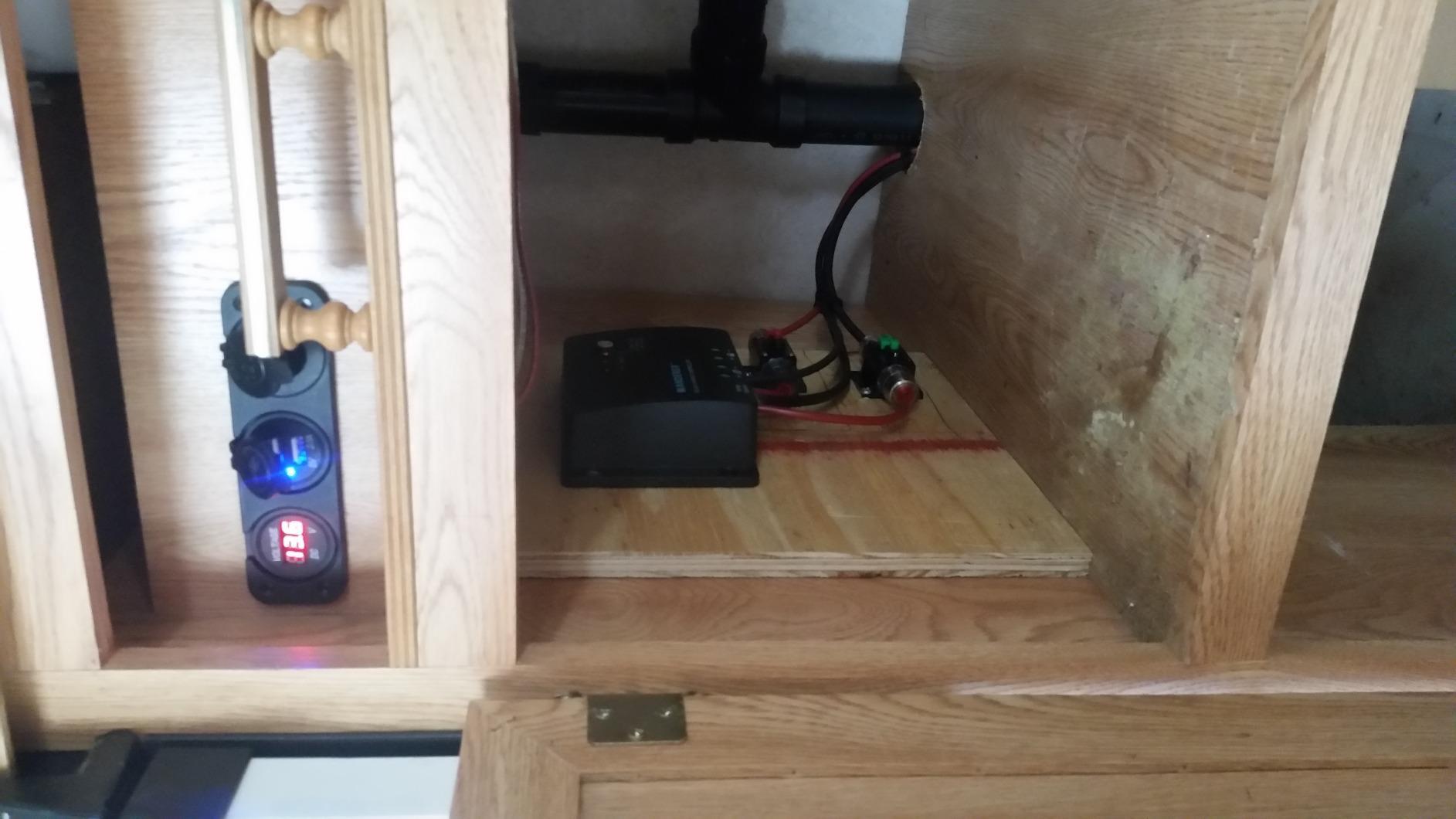
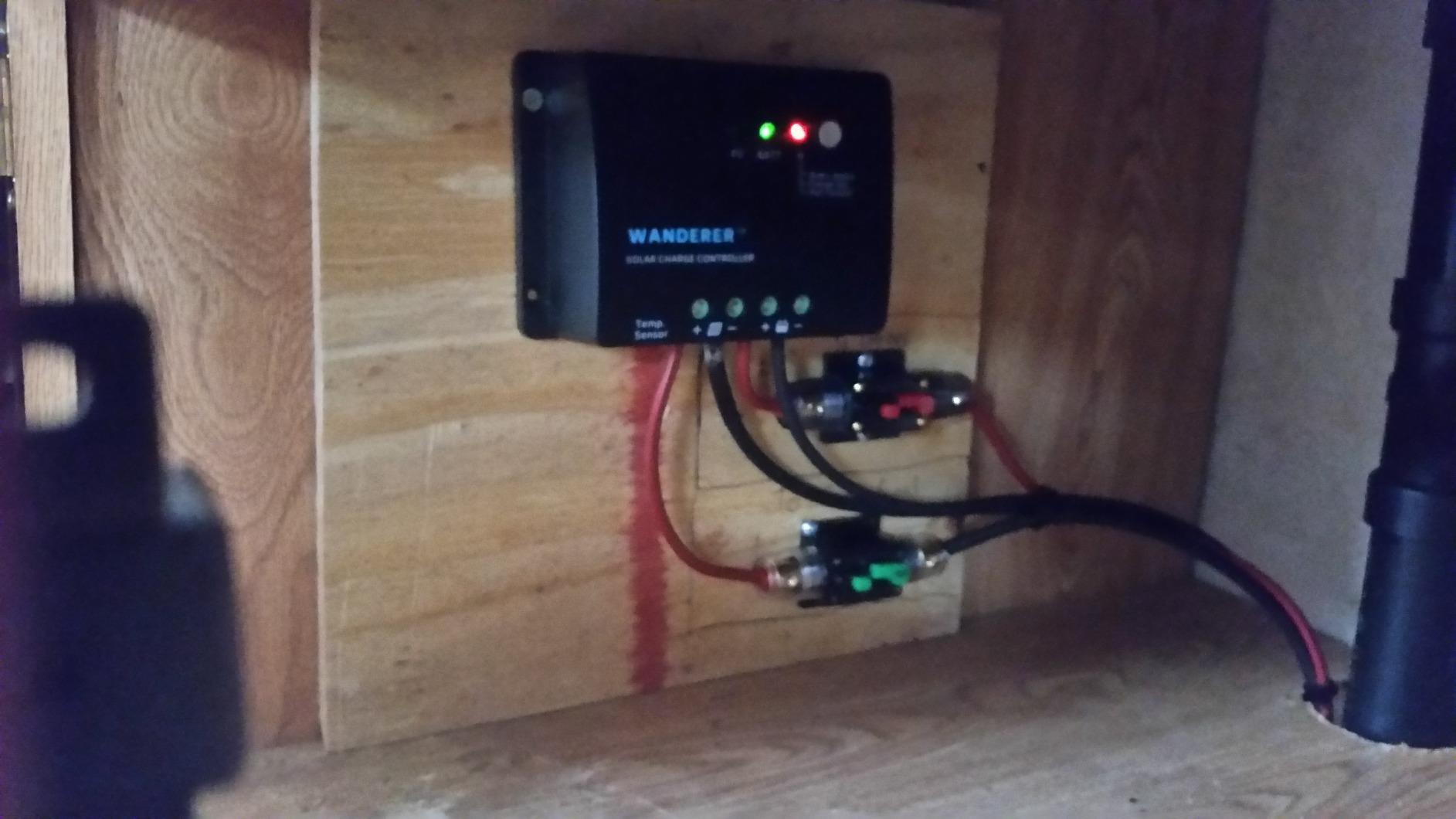
The controller is a Wanderer PWM unit with an RS232 Bluetooth port that works with the BT-1 module, and the same controller covers AGM, Gel, Flooded and Lithium chemistries. That chemistry flexibility is a real advantage for a cabin because many owners start on lead-acid and move to lithium later, and they can reuse the controller through that change.
The panel is also the part you can grow out of. The kit is documented as expandable to 400W with additional panels, so a weekend cabin that outgrows 500Wh a day does not have to start over. If you want the panel side sorted in more detail, our portable solar panel comparison breaks down the efficiency and mounting differences.
Where a 100W panel genuinely fits
This is the right size for a hunting cabin or a weekend place where someone walks in, switches on lights, charges a phone, maybe runs a small pump for twenty minutes and leaves. The 500Wh daily figure gives you real headroom over that load list, which means cloudy days do not become a crisis.
When this kit is too small for the cabin
If you want a fridge compressor cycling overnight, a well pump, a Starlink dish and a laptop every day, this panel alone will not hold the battery bank up. The fix is more panels, not a bigger battery, and you should budget for the controller upgrade too.
2. Renogy 200W 12V Monocrystalline Solar Panel Kit
Renogy 200W 12V Monocrystalline Solar Panel Kit + 30A PWM Charge Controller
- About 1000Wh per day at 5 hours of sun
- Complete and ready to install
- Pre-drilled frames with Z-brackets
- Expandable to 400W
- PWM controller is less efficient than MPPT options
- Fixed mount design requires permanent drilling and wiring
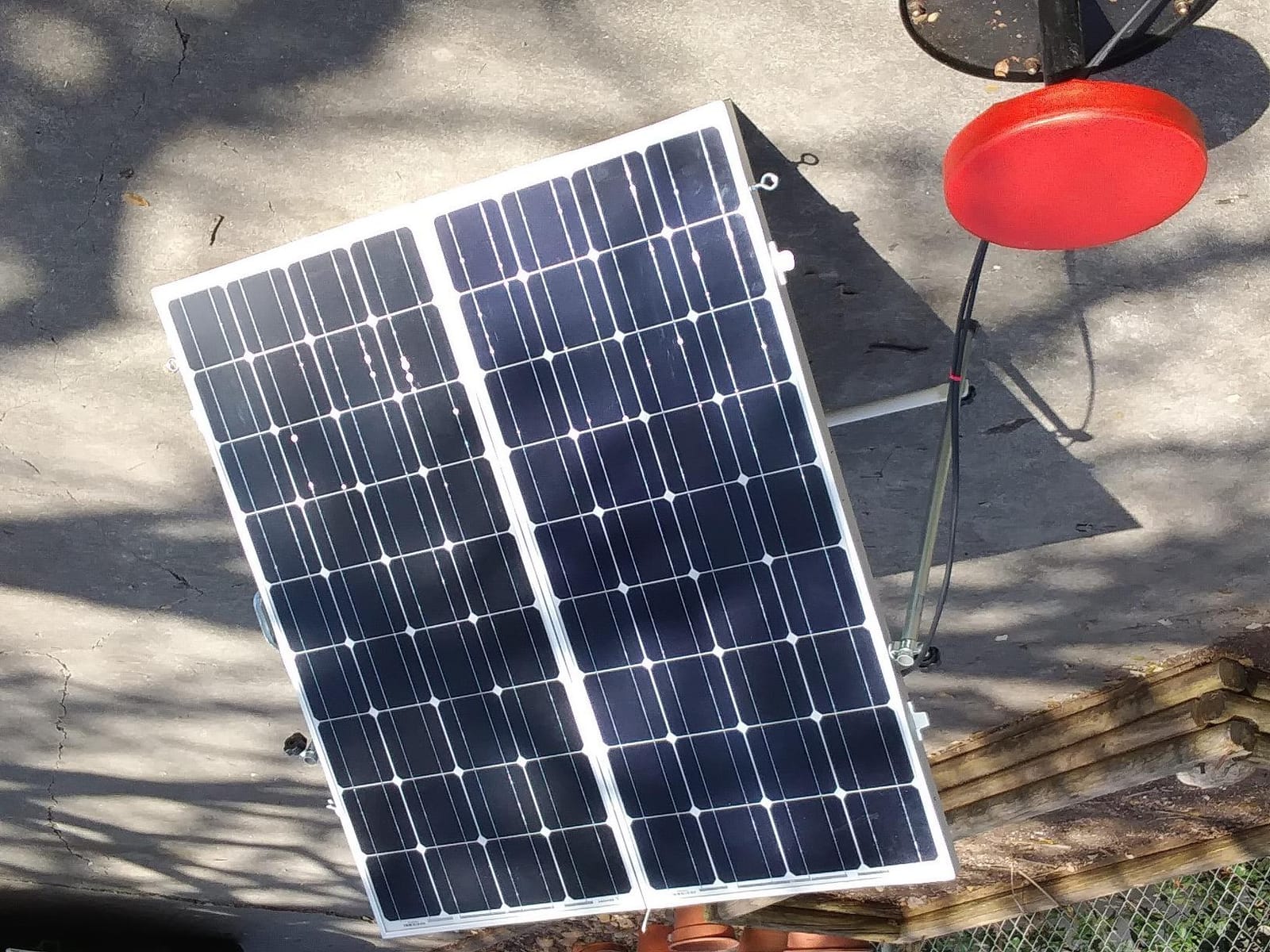
This is the double of the kit above, and for a weekend cabin it is the sweet spot. Two 100W monocrystalline panels sit at 22% cell efficiency, with bypass diodes for low light and a TPT back sheet for heat dissipation. The stated production is about 1000Wh per day based on five hours of direct sunlight.
Getting two panels rather than one bigger panel matters in a cabin context. Two separate panels can be aimed at different parts of the roof, so a chimney or a shaded tree line takes out one array instead of the whole system. It also means the array is 24V-capable if you wire it in series, which opens the door to a smaller-footprint, higher-voltage system later.
The 30A Wanderer controller runs four-stage charging across bulk, boost, float and equalization, and it supports Sealed, Gel, Flooded and Lithium batteries. Reverse polarity, overcharge, overload and short circuit protection are all listed. For an unattended cabin, having those protections built in rather than assumed is worth something.
The listed warranty here is five years of material and workmanship coverage, which is shorter than the ten-year materials plan on the 100W kit. That is the one spec where the smaller sibling is genuinely better, so if you are torn between them, note it.
What 200W covers in a weekend cabin
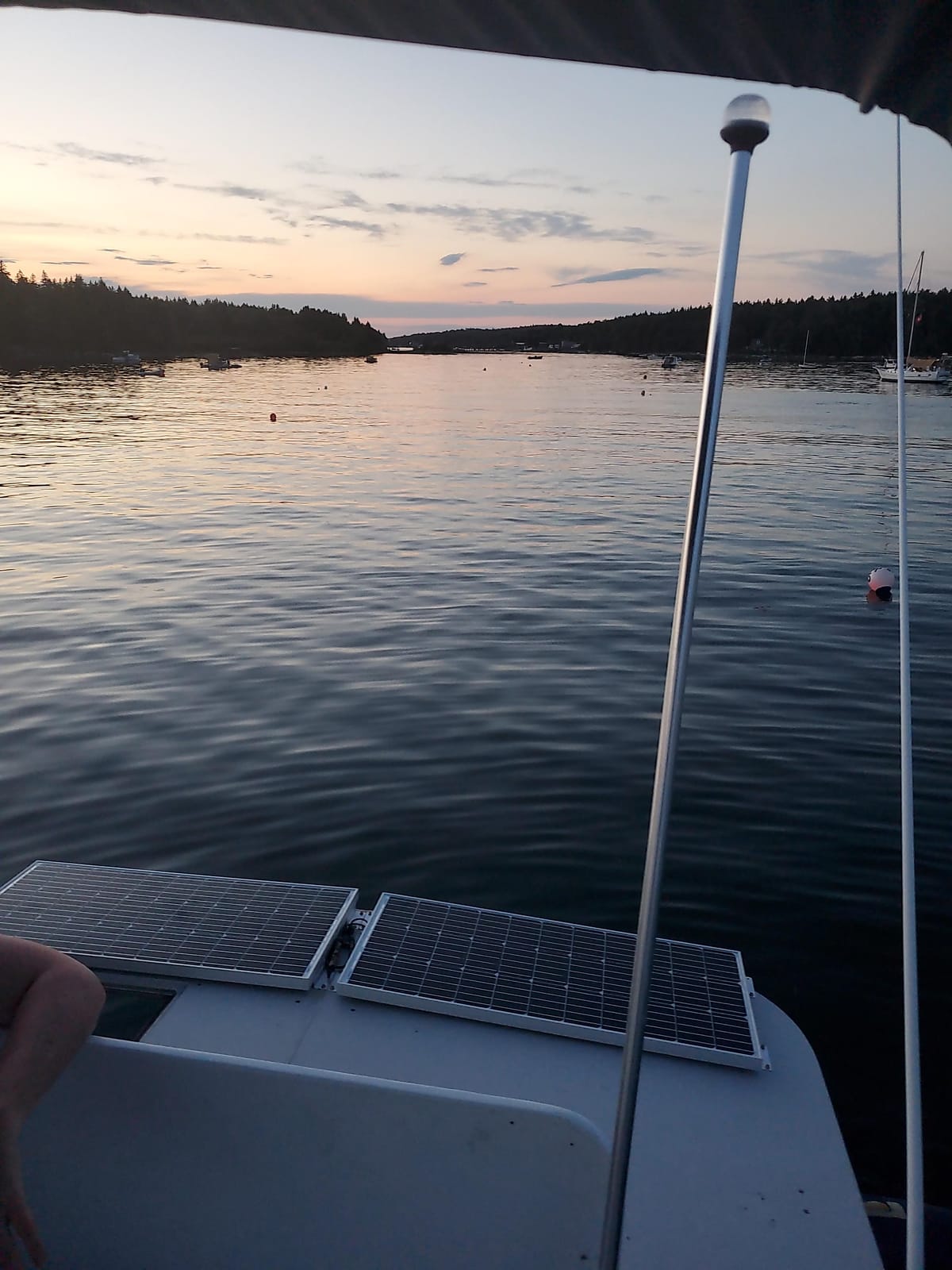
At roughly 1000Wh a day this array handles a small fridge on its duty cycle, LED lighting, phone and laptop charging, and a water pump on a schedule. It is the configuration most weekend owners describe in forum threads as the balance point between capability and installation effort.
Where the PWM controller costs you
PWM controllers simply harvest less energy from a partially shaded or low-angle array than MPPT units do. On a clean roof at midday the gap narrows, but as the season turns and the sun sits lower on the horizon for a cabin in the north, that gap is exactly when you need the harvest most.
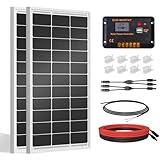
3. ECO-WORTHY 200W 12V/24V Solar Panel Kit
- Complete kit with brackets controller and cabling
- Panels rewire as series 24V or parallel 12V
- Aluminum alloy frame with 2400Pa wind rating
- Strong best-seller ranking
- 31.6 lb is the heaviest fixed kit in the lineup
- Requires permanent mounting not a grab-and-go setup
- PWM charge controller
This is the only kit in the roundup that explicitly hands you the wiring decision. The two 100W monocrystalline panels can be wired in series for a 24V system or in parallel for 12V, and the listed daily output is roughly 800Wh under four hours of full sunshine.
That flexibility is genuinely useful in a cabin build. A 24V system halves the current for the same power, which means thinner cable over a long roof-to-battery run, and thinner cable is a real money saver when your battery sits in a shed at the bottom of a slope. Cell efficiency is listed at up to 21.5%.
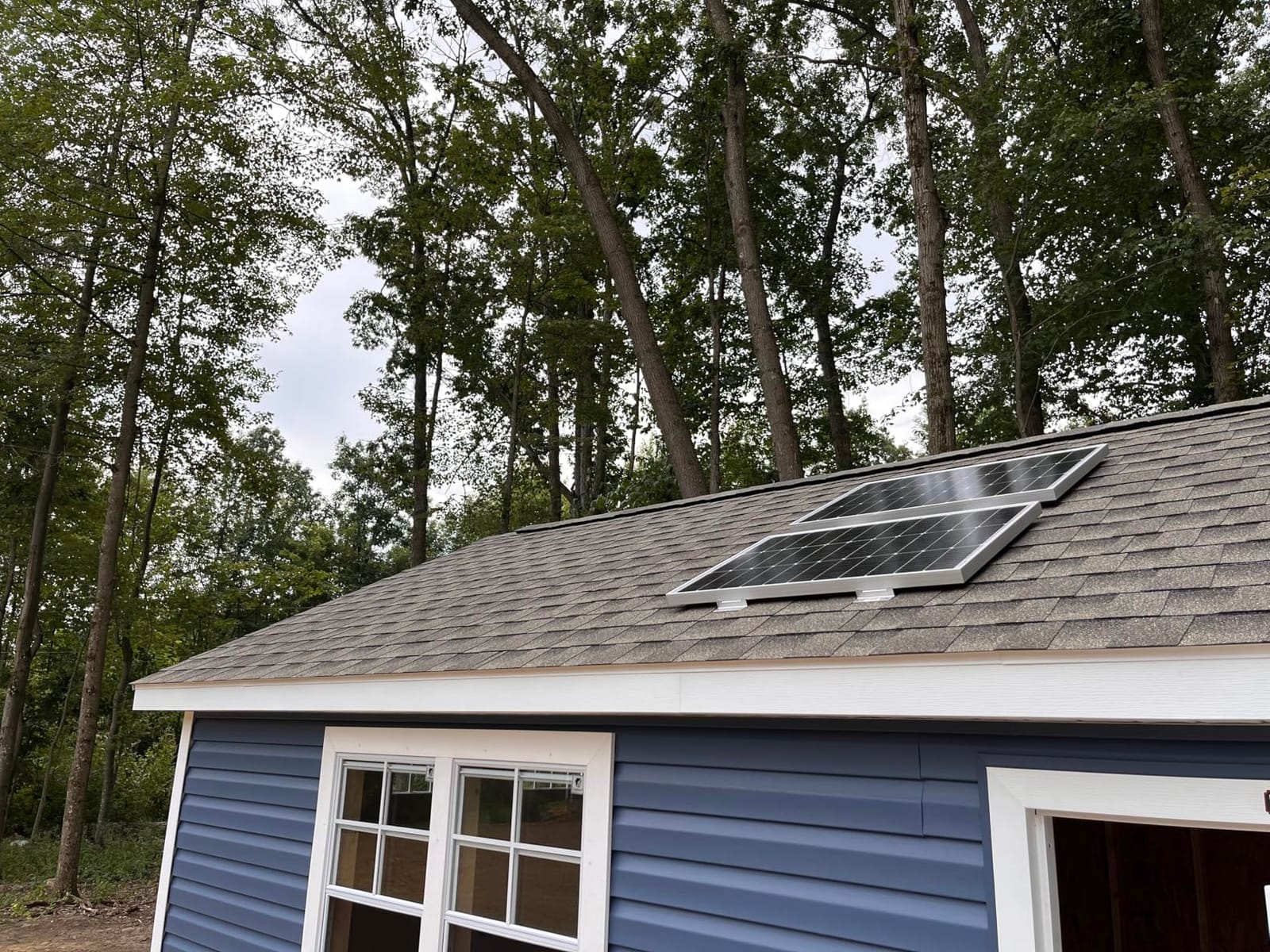
The physical build is serious for an exposed roof. The frame is a corrosion-resistant aluminum alloy rated to 2400Pa wind and 5400Pa snow load, the junction box is IP65 rated, and the kit ships with two sets of Z-brackets plus a pair of 16.4 ft 10 AWG solar cables. Those cables are thick for a 200W array, which tells you the manufacturer expected a real run to the battery.
One thing to plan around: at 31.6 lb for the pair, this is the heaviest fixed kit here. Two people carrying them up a ladder on a sloped cabin roof is a genuinely different job from a single panel.
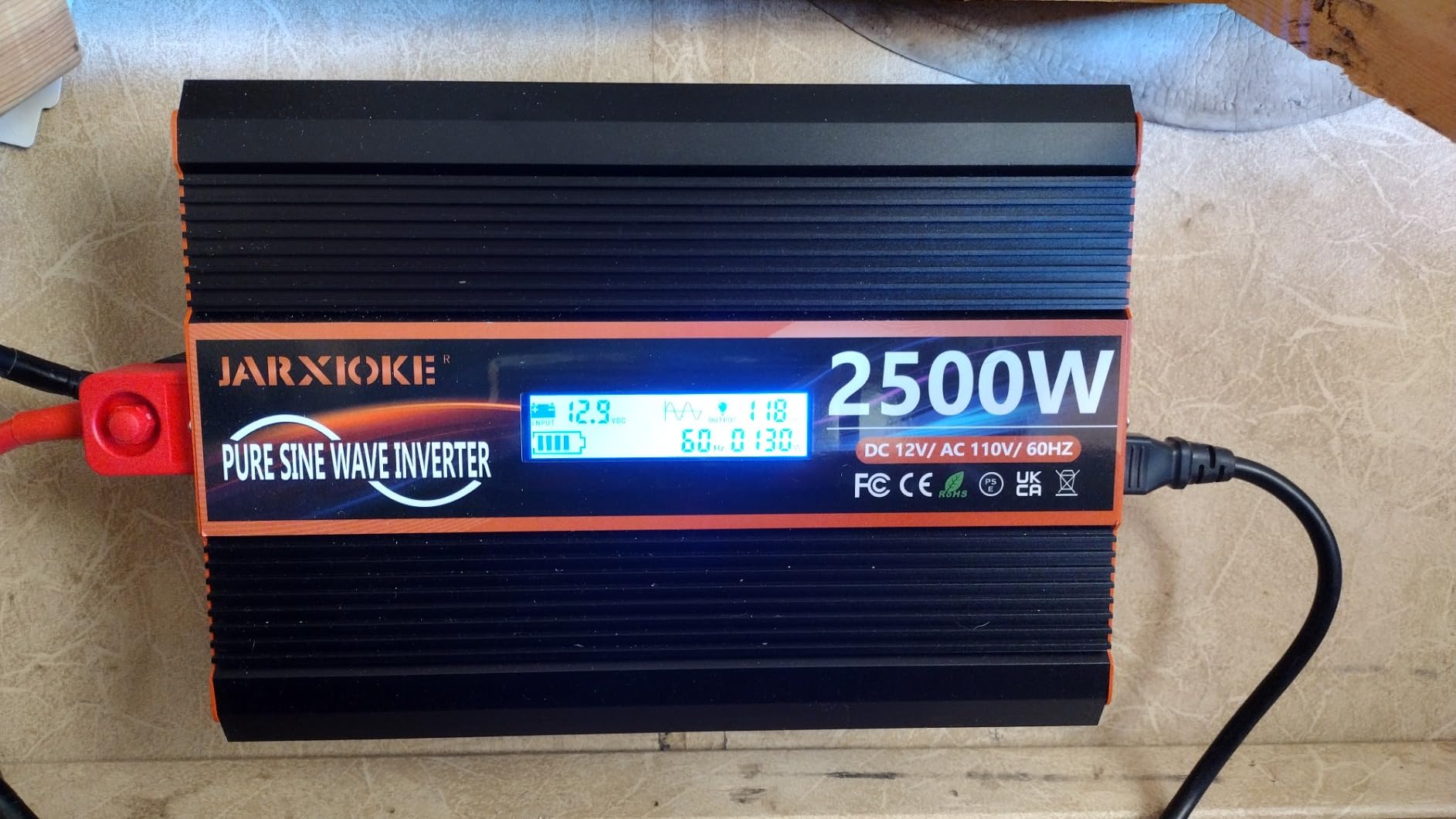
Building a 24V string from this kit
Series the two panels, confirm your charge controller has a 24V/48V profile, and you get half the current for the same wattage. That is the single most valuable trick in this roundup for anyone whose battery is more than about 20 feet from the roof.
The trade-offs you accept for it
You give up some peak efficiency versus the N-type panels further down, and you commit to a permanent bracket mount with wiring rather than a portable setup. Warranty coverage is listed at one year with 24/7 technical support, which is thinner than several rivals.
4. OUPES Mega 1 Solar Generator
OUPES Mega 1 Solar Generator with 100W Panel Included, 2000W 1024Wh LiFePO4
- 2000W pure sine wave handles tools and microwaves
- Expands to 5120Wh with two extra batteries
- 36-minute 0-80% AC recharge
- Under 20ms UPS transfer
- 27.8 lb is manageable
- Included 100W panel is small for a 1024Wh bank
- 27.8 lb needs two people for long carries
This is the first kit in the list that arrives as a genuine self-contained system: a battery, an inverter and a charge controller in one enclosure. The Mega 1 carries a 1024Wh LiFePO4 bank, 2000W of continuous pure sine wave AC output and 4500W of surge handling, and it expands to 5120Wh with two B2 extra batteries.
For a cabin that needs a real 120V appliance circuit, that is the headline. A pure sine wave inverter is what you want if you plan to run a microwave, a hair dryer, power tools or anything with a motor, because a modified sine wave output makes sensitive electronics glitch. The port count helps too, with 13 connections including two 100W USB-C laptop chargers.
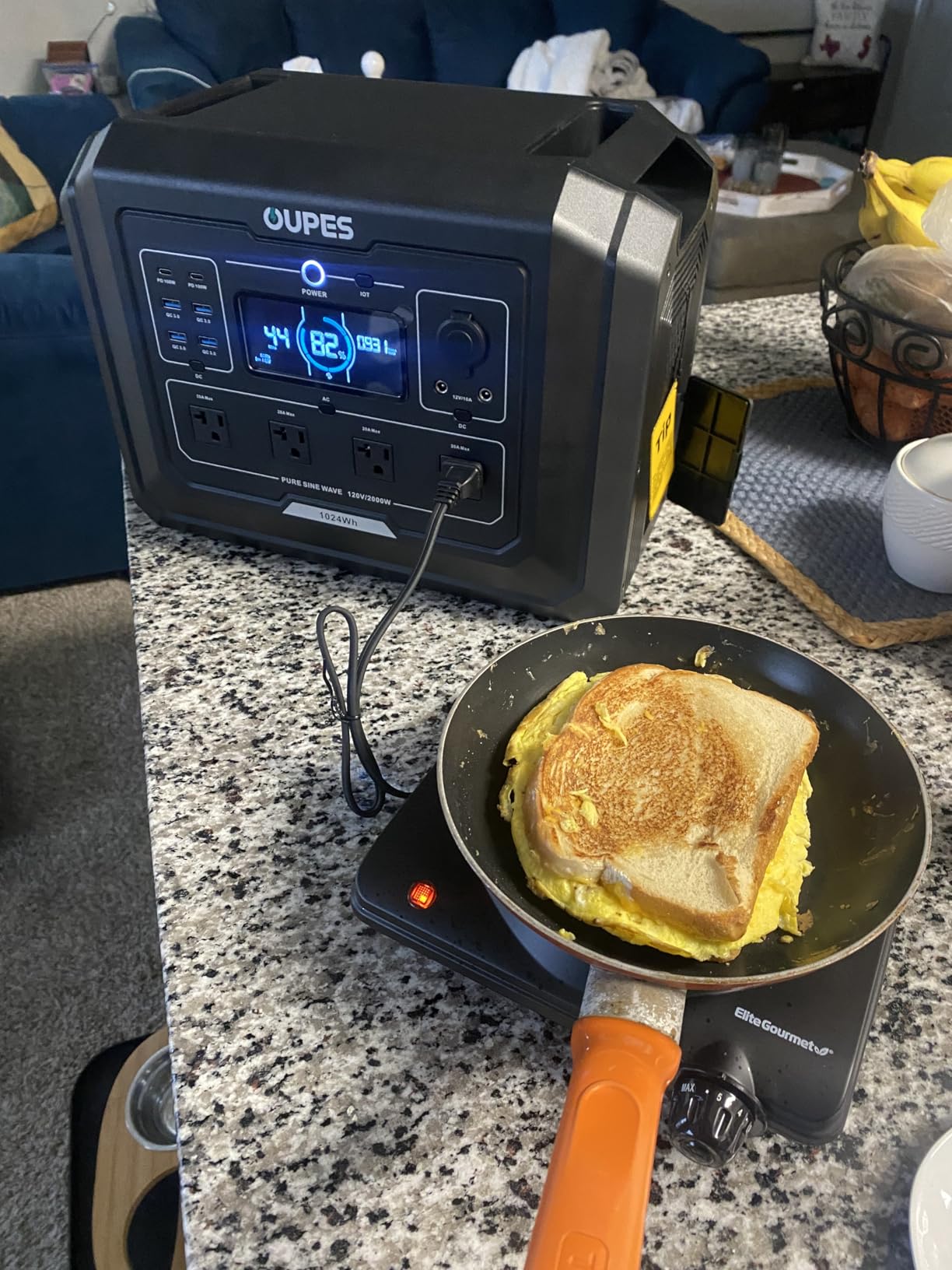
The UPS behavior is the part cabin owners care about most. Switchover is listed at under 20ms, which is fast enough to keep a desktop computer, a router or a network device running through an outage without a manual reset. Battery cells are rated over 3,500 life cycles, and Bluetooth plus Wi-Fi app monitoring with an LCD status display means you can check state of charge from inside the cabin.
The weak point is the bundled panel. It is a 100W portable panel against a 1024Wh battery, which is a slow trickle by any measure, although the unit accepts up to 800W of solar input if you add better panels. Owners consistently note the included panel needs supplementing for genuine off-grid use.
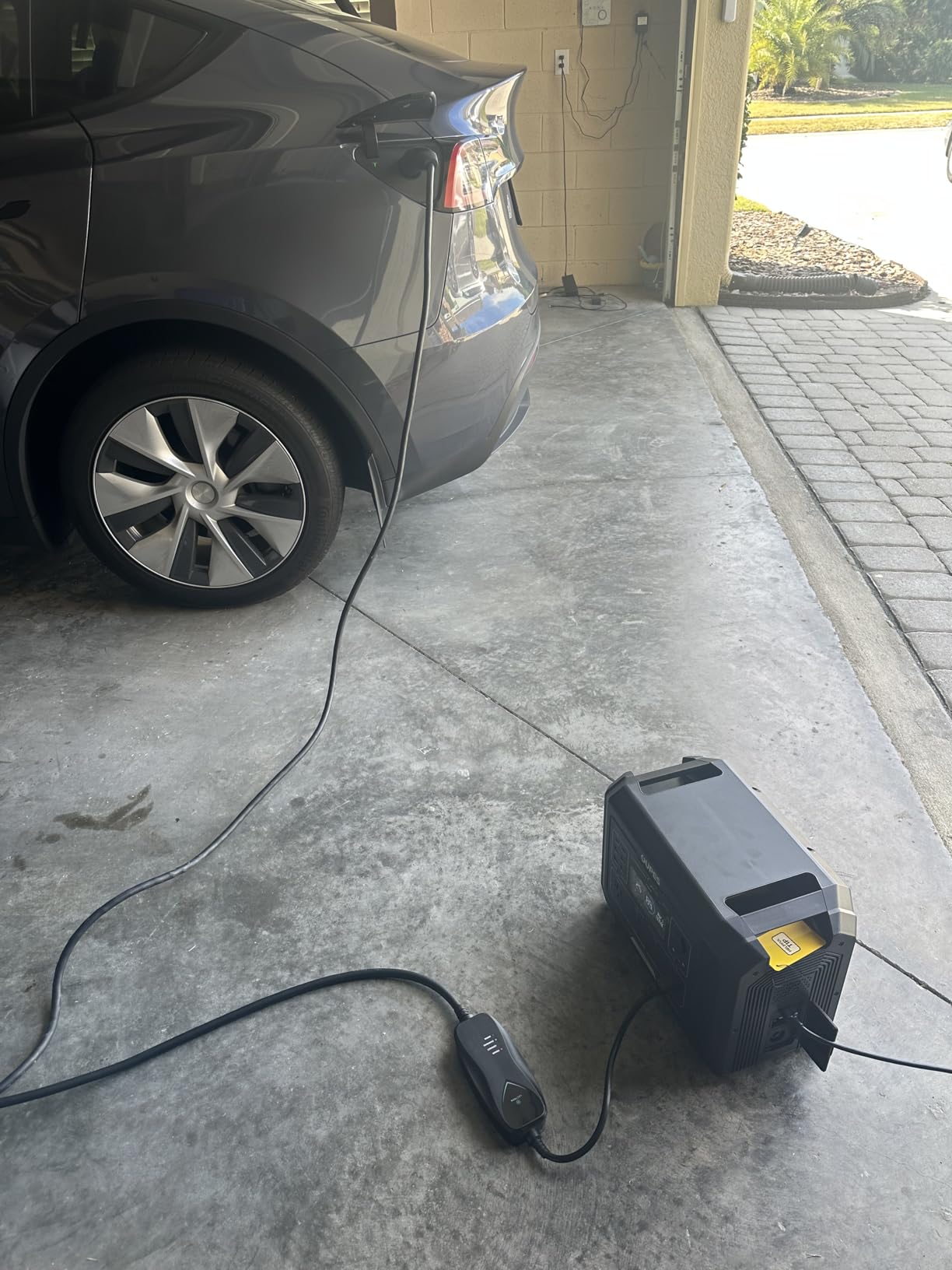
Cabin loads this inverter handles without complaint
2000W continuous with 4500W surge covers the big surprises in a cabin: a fridge compressor starting, a microwave, a power saw, a small space heater. The pure sine wave output means you do not have to sort your appliances into a permitted and a forbidden pile.
What you will want to add in the first year
A real panel array, because the 100W included panel will not refill 1024Wh overnight in winter. Our solar generator roundup covers the expansion math if you are comparing sealed units rather than panel kits.
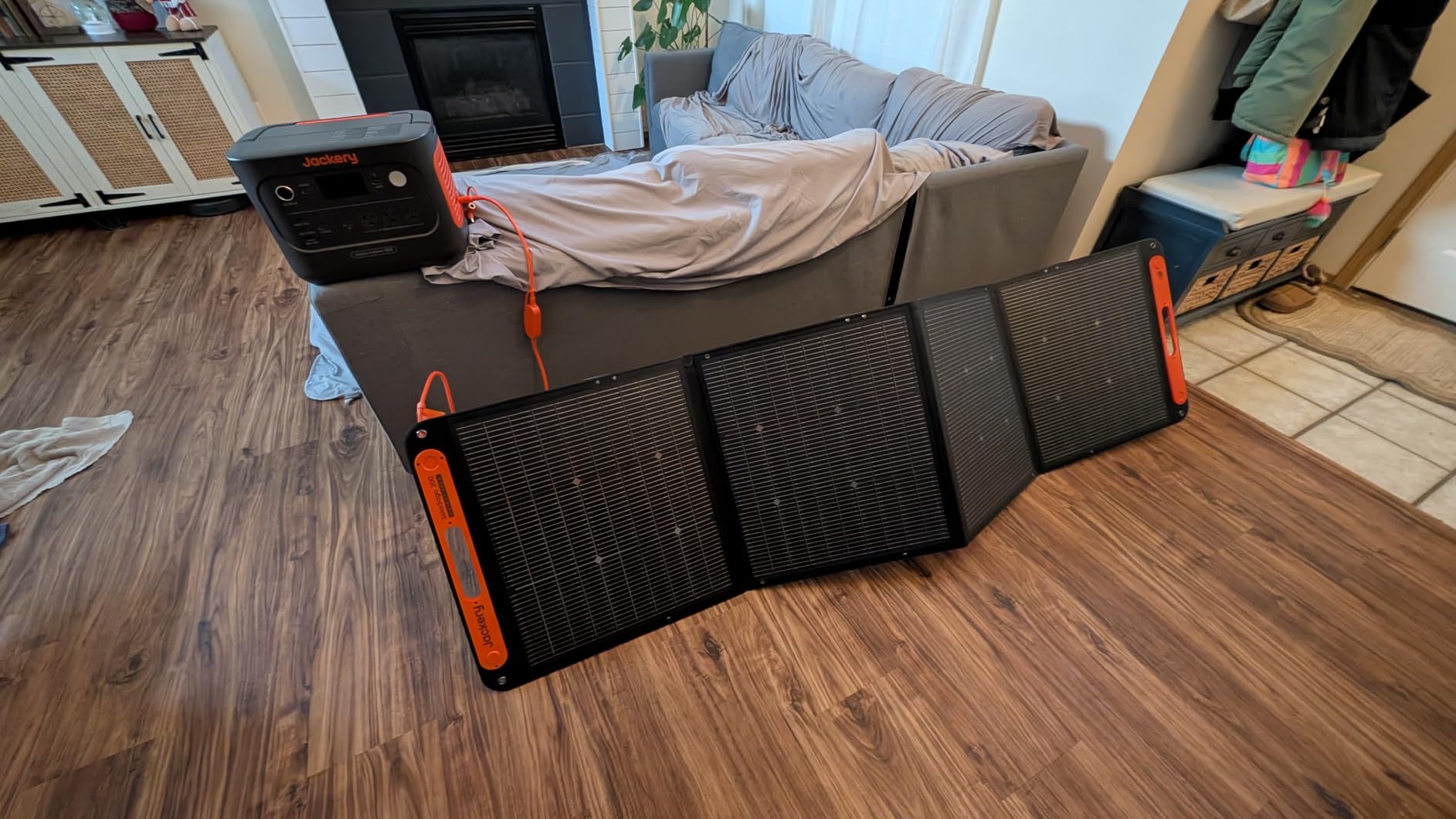
5. Jackery Solar Generator 1000 v2 With 200W Panel
Jackery Solar Generator 1000 v2 and 200W Solar Panel,1070Wh,1500W AC
- Ran a full-size fridge for 9 hours overnight
- Three pure sine wave AC outlets
- Two 100W USB-C ports
- One-hour emergency charging mode
- Five-year manufacturer coverage
- 200W panel sags and needs propping up
- Short panel cable limits shaded placement
- Bulky once set up at 23.8 lb
The Explorer 1000 v2 pairs a 1070Wh LiFePO4 battery with 1500W continuous AC output and 3000W surge peak, plus three pure sine wave outlets. The battery is rated to hold over 70% of capacity after 4,000 cycles, which is the number that matters for a battery that will cycle hard through winters.
Owners report some of the most convincing fridge results in this entire roundup. One review describes a full-size side-by-side fridge running for nine hours overnight on a single charge, and another reports a portable fridge running three full days through partly cloudy and heavy rain conditions. Those are exactly the use cases a cabin hits.
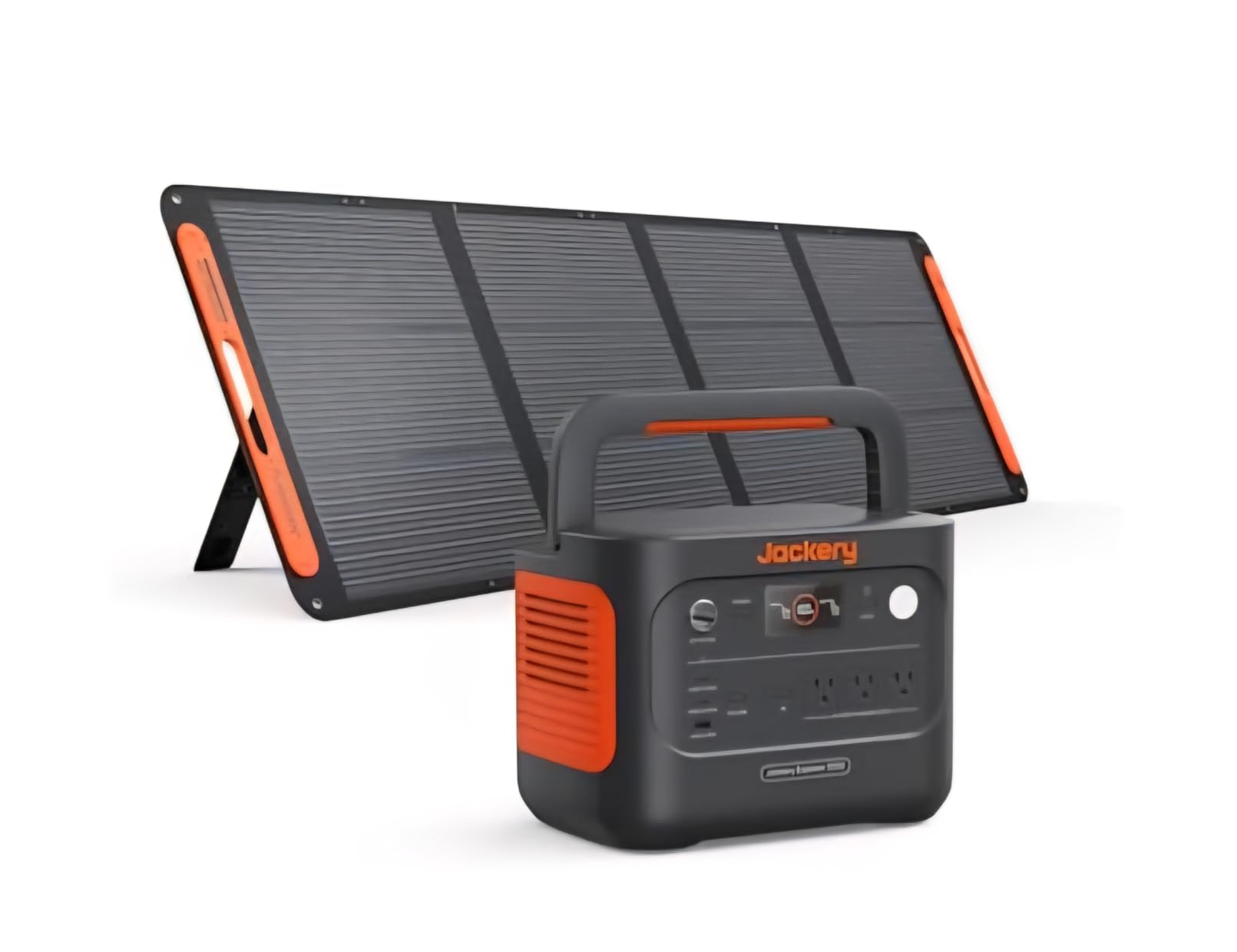
Charging options are unusually flexible. It reaches 0-100% in about an hour with emergency charging enabled in the app, 1.7 hours by default, a full charge in three hours from a 600W alternator charger, and 80% in six hours from the bundled 200W panel. A 30dB quiet overnight mode runs through the app, which matters when the unit is in the bedroom end of a small cabin.
Two USB-C ports at 100W PD, one USB-A, a DC car port and LED lights round out the output set. The build itself is solid, with a sturdy handle, a bright display and ports that owners describe as tight and free of wobble.
Why owners single out the fridge performance
A compressor is the hardest appliance to power off-grid because it draws a surge on start and then cycles unpredictably. A 1500W inverter with 3000W surge absorbs that start, and 1070Wh of LiFePO4 storage covers a night of cycling. Very few sealed units in this range handle that load as cleanly.
The panel and cable problems you will actually hit
The bundled 200W panel sags in the middle and needs propping up or repositioning, and the included cable is short enough that the panel has to sit near the unit. In a cabin with a shaded roofline, plan on a longer solar cable and a stand from the start.
6. BLUETTI Elite 100 V2 Solar Generator
BLUETTI Solar Generator Elite 100 V2 with 200W Solar Panel Included, 1024Wh
- 4.7-star average across more than 900 reviews
- 0-80% solar recharge in 4 hours
- XT60 DC connectors are very robust
- 100W USB-C fully charges a MacBook Pro 16
- Ran a 32-quart 12V fridge for 24 hours
- 25 lb is heavy for its size
- DC output current too low for a typical tiny-home panel
- A single 1024Wh unit drained by a fridge in 24 hours
The Elite 100 V2 shares a 1024Wh LiFePO4 capacity with the OUPES unit but makes a different trade. Rated output is 1800W with 3600W surge, and it offers 2700W of power lifting for lower-draw resistive loads. The real differentiator is solar input: up to 1000W accepted, against the OUPES 800W ceiling.
That input ceiling shows up in the recharge times. The included 200W panel takes the unit from 0-80% in four hours and to full in seven, and a full wall recharge takes about 70 minutes with 1200W TurboBoost AC. Owners note the panel actually delivers around 150W in good sun rather than the rated 200W, which is a realistic number to plan around.
Two build details matter more for a cabin than the marketing suggests. The XT60 DC input connectors are far more robust than the older 7909 style, which matters when a cable lives outdoors through winter. And the 10ms UPS switchover with a 30dB silent mode is tight enough to keep a computer and network gear alive through an outage without a reboot.
There is a real limitation to know. The DC output current is not high enough to rig a typical RV or tiny-home DC distribution panel, so if your plan is to run a 12V circuit board rather than 120V outlets through the unit, this is the wrong box.
Solar recharge speed is the standout here
Accepting up to 1000W of solar input means a cabin with two or three 200W panels on the roof can refill this unit in a single day of good weather. That is the difference between a battery that stays full and one that creeps down all winter.
Where the 1kWh ceiling shows up
One owner ran a 32-quart 12V fridge for a full 24 hours and reports pass-through charging works well. Another found a single 1024Wh unit took a fridge down to about 44% over 24 hours, shorter than hoped. Plan on adding an expansion battery rather than assuming one unit covers a full-time fridge load.
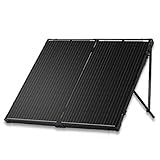
7. Renogy 200W 12V Portable Solar Suitcase Panel
- 25% N-type efficiency among the highest here
- Pre-installed waterproof 20A controller
- Adjustable kickstand for quick field setup
- Tempered glass and aluminum frame
- No permanent installation needed
- 28.5 lb is heavy for a hand carry
- PWM controller is less efficient in low light
- Alligator clip connections suit short-term use
Everything in this kit points at a specific problem: you want decent production without drilling into a cabin roof you care about. The 200W suitcase uses 25% high-efficiency N-type cells behind low-iron tempered glass in an anti-corrosion aluminum frame, with an IP65 junction box, and it folds into a case with an integrated adjustable kickstand.
That 25% cell efficiency sits at the top of the range in this roundup and it is a real number, not a marketing peak. Add the low-iron glass and the all-weather construction and you have a panel that can sit through rain, snow and dust on a deck or a picnic table while doing nothing more technical than leaning on the kickstand.
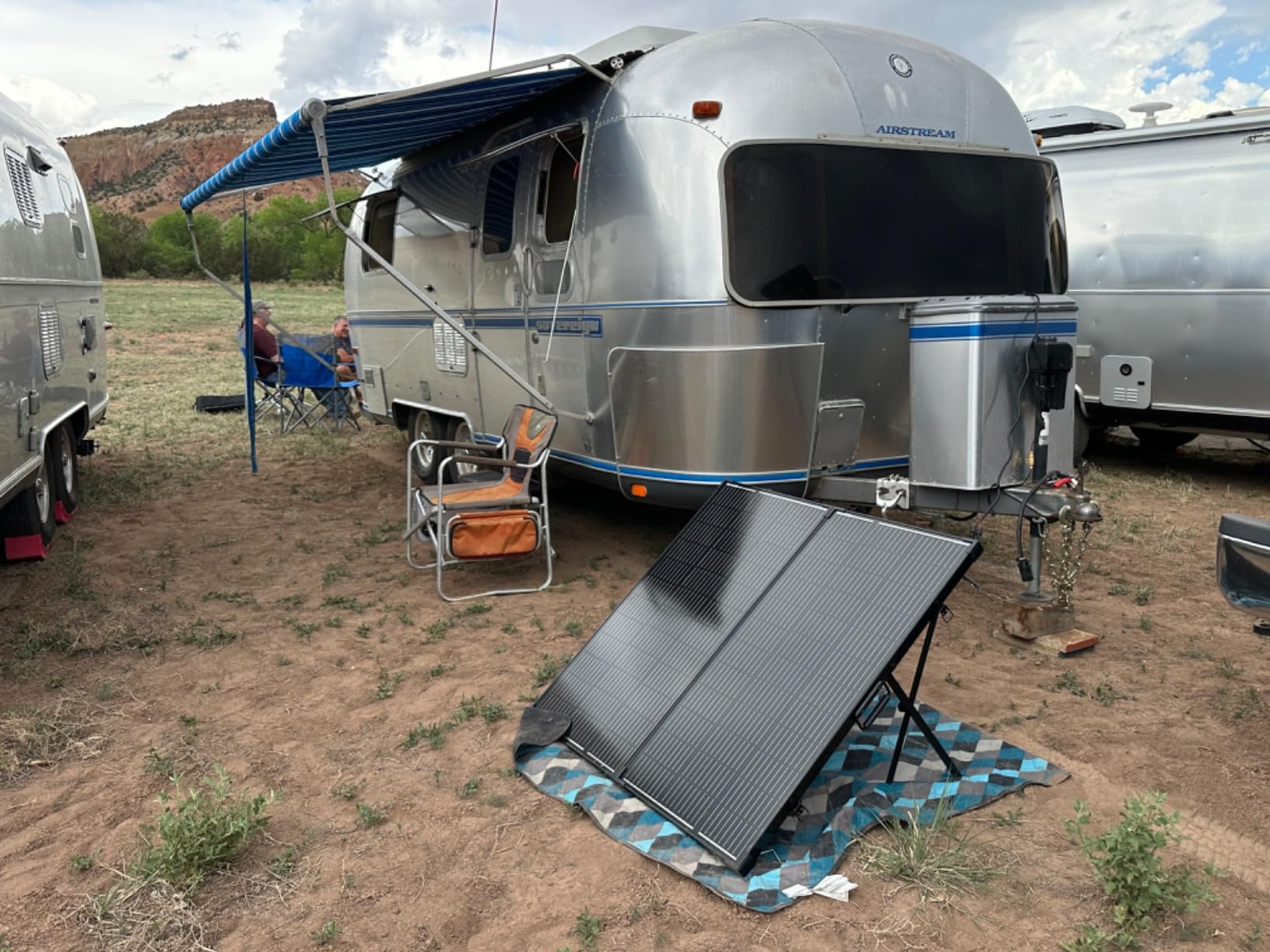
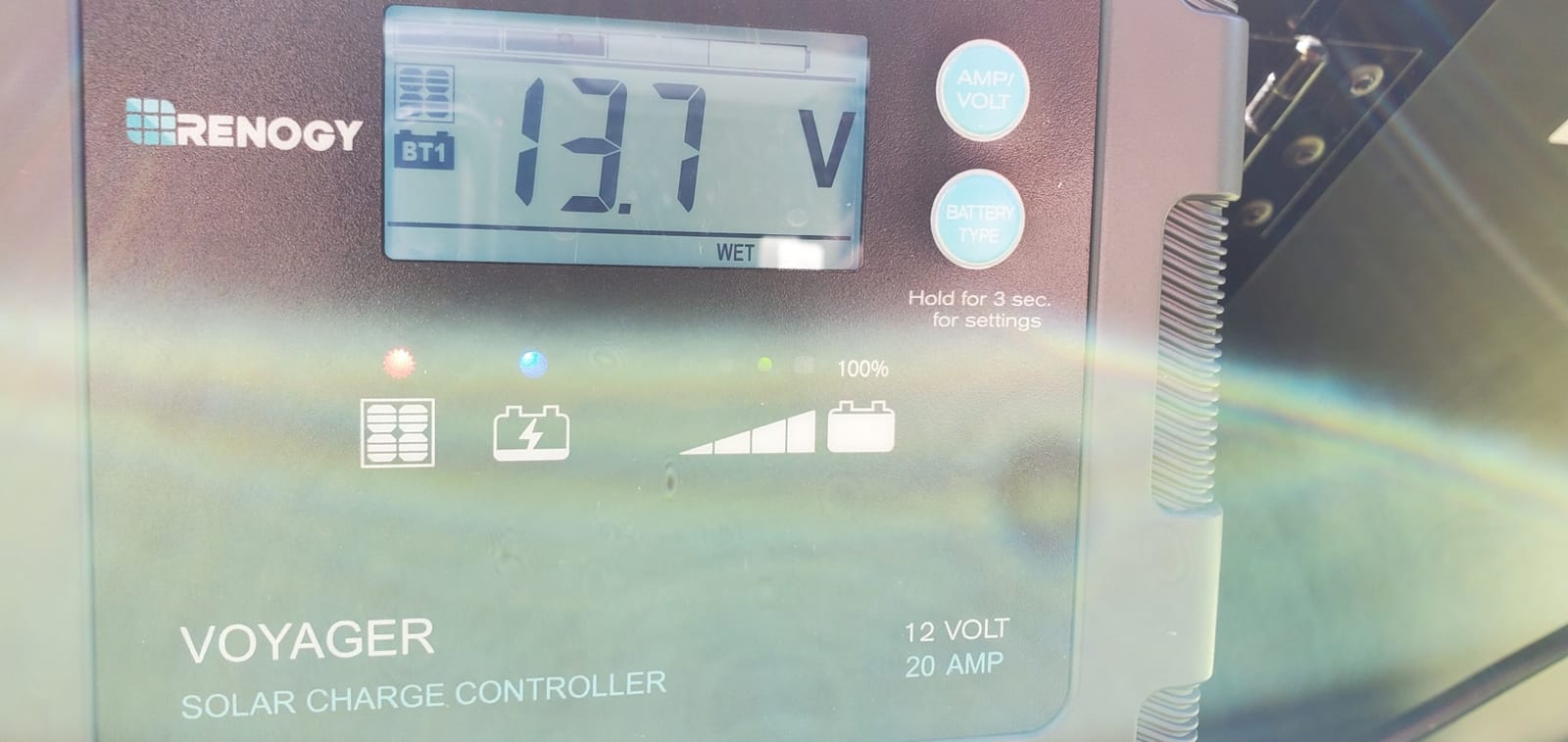
The controller is already installed, which is the biggest practical difference from the other fixed kits. A waterproof 20A PWM controller comes mounted in the case with a solar connector to alligator clips cable and a 15A fuse, and it runs four-stage charging against 12V power stations plus Gel, AGM, Flooded and Lithium batteries. You unclip it, aim the panel and plug in. Stated output is up to 1000Wh per day with five hours of sunlight.
Owners value the plug-and-play nature for exactly the off-grid scenario the kit targets. Owners also note that 28.5 lb is a heavy hand carry, and that clip connections are the weak point for anything unattended or long term.
Why the kickstand suits a remote or seasonal cabin
If you drive up four days a month, a drilled mount is a liability. The kickstand lets you set the panel in the best sun on arrival, and lets you move it as the sun moves across a small cabin site. It also means you can take the whole thing with you when you leave.
What to fix if you leave it running unattended
Swap the alligator clips for a proper MC4-terminated run and a fused disconnect if the panel will sit for days. The 20A PWM controller is also the component you will most likely replace with an MPPT unit within a year.
8. DOKIO 200W Portable Foldable Solar Panel Kit
DOKIO 200W Portable Foldable Solar Panel Kit for 12V Battery Charging
- One of the lightest panels here at 9.7 lb
- 9.84 ft cable separates panel from controller
- Real output reported in the 110-160W range
- USB ports useful for phones and lamps
- Output often measures around half rated wattage
- SAE and XT60 connectors cannot be series connected
- Controller is PWM and not LiFePO4 compatible
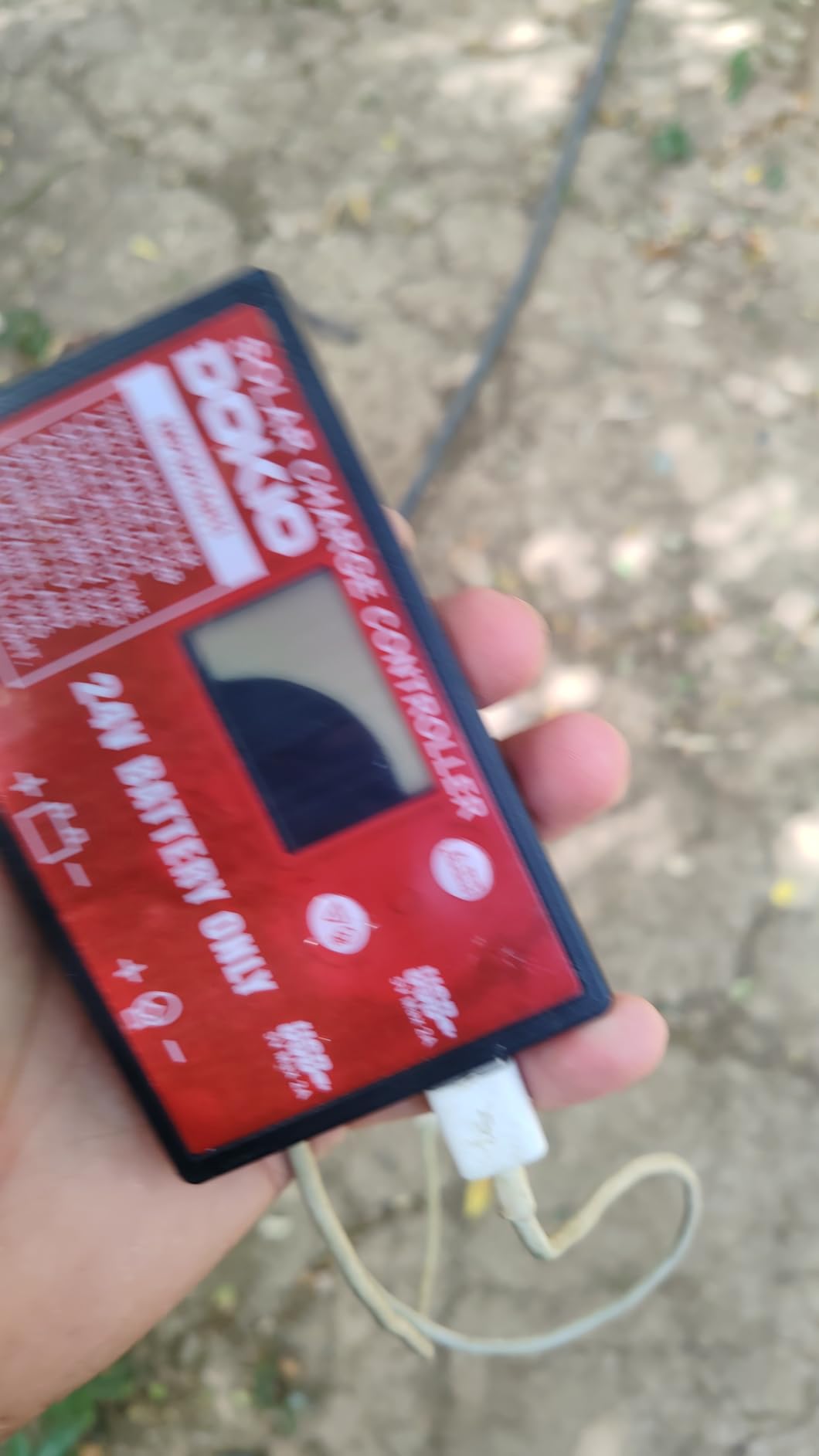
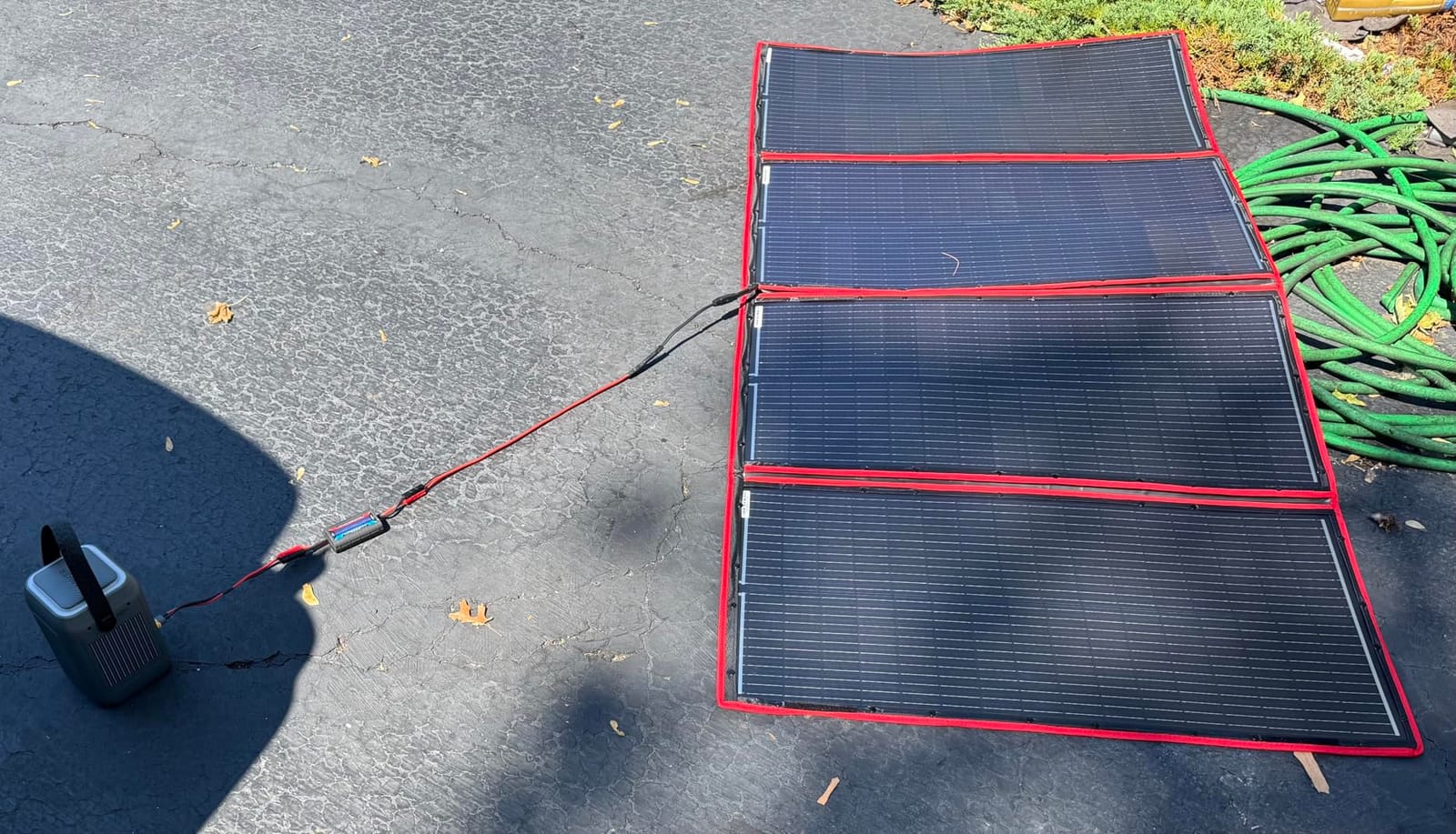
The DOKIO panel is the travel-first option. It folds to 20 by 27 by 1.1 inches and weighs 9.7 lb, less than half the weight of the Renogy suitcase, and the panel uses monocrystalline silicon with a listed 6.1A output at a maximum of 18V. There is a one-year manufacturer warranty on the whole kit.
The 9.84 ft cable is the feature that matters most and it is genuinely useful. You can put the panel in full sun on the roof edge while the controller sits in the shade, which is a real gain when your only sunny patch is a ridge. Dual USB-A and USB-C ports also let you charge a phone or lamp straight off a 12V battery without an inverter.
Expect less than the nameplate. Buyers report real output in the 110-160W range in good sun, which is reasonable for the class, but the recurring theme across reviews is that output measures around half the advertised wattage in real conditions and can decline after a year or two of use. Treat the 200W label as a ceiling, not an average.
The connectors are the other limitation. The SAE and XT60 plugs are non-standard and cannot be series-connected to a third-party controller, and SAE connectors are reported to soften and lose contact in extreme heat. The standalone PWM controller has its own awkward menu and is not LiFePO4 compatible.
Best for a carry-in setup at a remote cabin
If your access is a long walk from the vehicle, 9.7 lb is the difference between carrying your solar and carrying your batteries. This panel also stows in a closet between visits, which a fixed-mount kit never will.
When to skip it for a permanent cabin
A non-LiFePO4-compatible PWM controller and non-standard connectors rule it out for a build you intend to expand. If you are staying, the wiring convenience of a fixed kit with proper MC4 connectors is worth more than the saved weight.
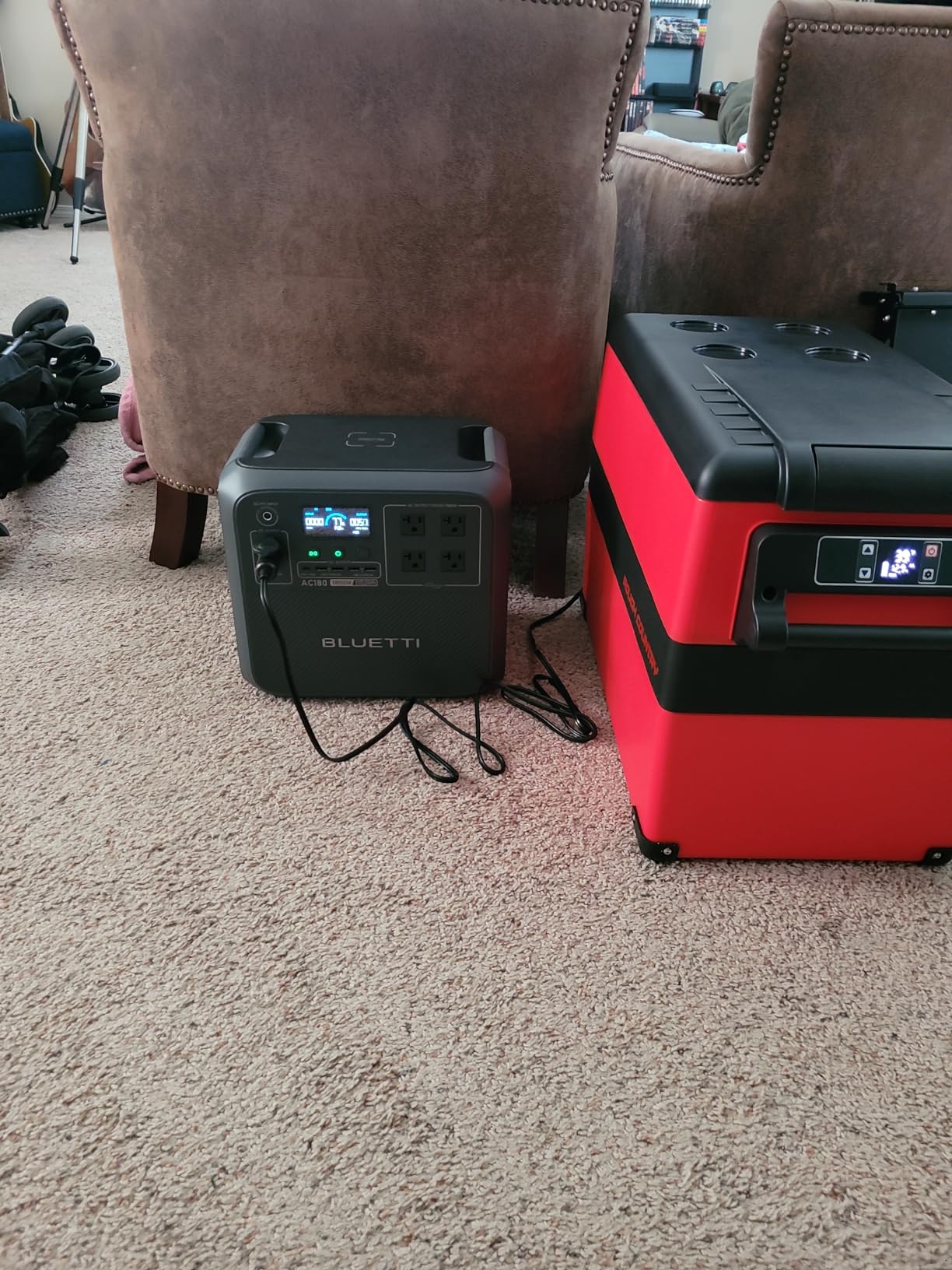
9. BLUETTI AC180 Solar Generator
BLUETTI AC180 Solar Generator with 200W Solar Panel Included, 1152Wh 1800W
- 80% charge in about 45 minutes via AC
- Display shows incoming and outgoing power
- Powered a 21-day trip with fridge lights and laptops
- 20ms UPS backup for essentials
- 37.4 lb makes it a two-person lift for long distances
- Cooling fan becomes audible under heavy load
- Included solar cable is short for roof mounting
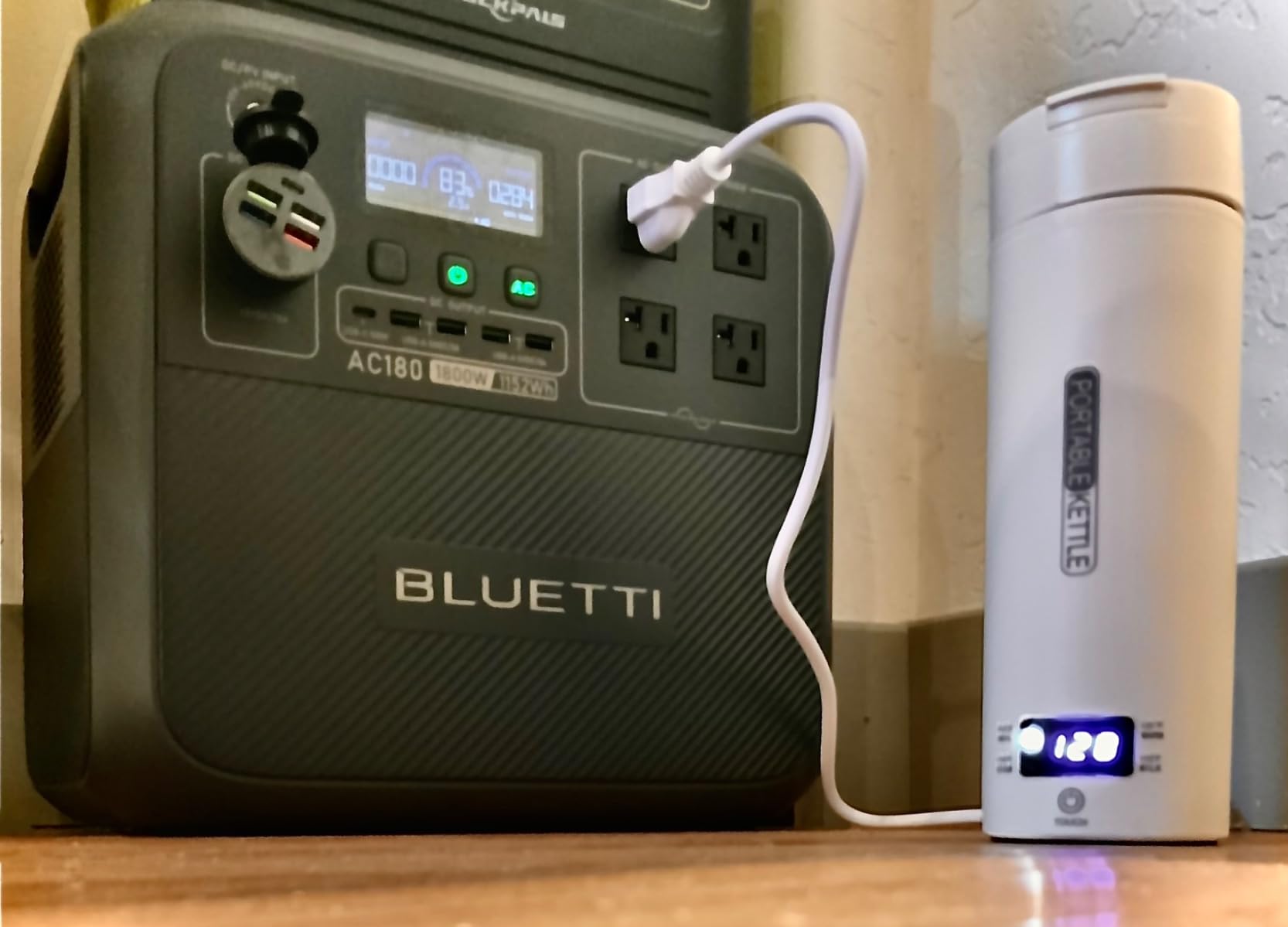
The AC180 carries 1152Wh of LiFePO4 rated over 3,000 cycles, with 1800W continuous output and 2700W of app-enabled power lifting. Output is split across 11 outlets, and there is a 20ms UPS transfer for keeping essential circuits alive.
What owners single out is the recharge speed and the clarity of the readout. It hits 0-80% in about 45 minutes and completes a full charge in roughly an hour at 1440W flash charge, and the display shows incoming and outgoing power on both AC and DC. For a cabin on generator backup, being able to refill fast between uses matters.
One owner reports running a 21-day cross-country trip powering a camp fridge, lights, laptops and fans without running out, and another used it to power a 160 square foot bunkie during a house build. Multi-day autonomy is where the extra capacity over the 1kWh units actually earns its place.
Solar input is capped at 500W, lower than the Elite 100 V2, and the 200W bundled panel measured 140-161W in good sun and about 57W fully overcast in testing. The panel is also not recommended for series or parallel use with other manufacturers’ panels, which limits how you grow the array. Warranty coverage is five years.
Autonomy days, not just watt-hours
At 1152Wh you get one more full day of cloudy run than a 1024Wh unit, and that single extra day is what carries a multi-day trip or a January storm week. This is the unit to pick if the battery bank is the constraint, not the panel.
Plan around the weight and the fan
At 37.4 lb this is not a backpack unit, and moving it around a cabin takes two people. The cooling fan also becomes audible under heavy load, which matters in a quiet cabin at night. Set it in a utility room, not the bedroom end.
10. Jackery Explorer 2000 v2 With Two 200W Panels
Jackery Explorer 2000 v2 and 2x200W Solar Panels, 2042Wh, 2200W AC Output
- 2042Wh capacity with 2200W continuous output
- 39.5 lb for a 2kWh unit
- 80% charge in 66 minutes via AC
- Silent charging mode at 30dB
- UL1778 test certified UPS
- Solar charging still takes about 6 hours with 400W of panels
- DC7909 plug must be swapped to DC8020 for Jackery panels
- Premium option versus basic panel kits
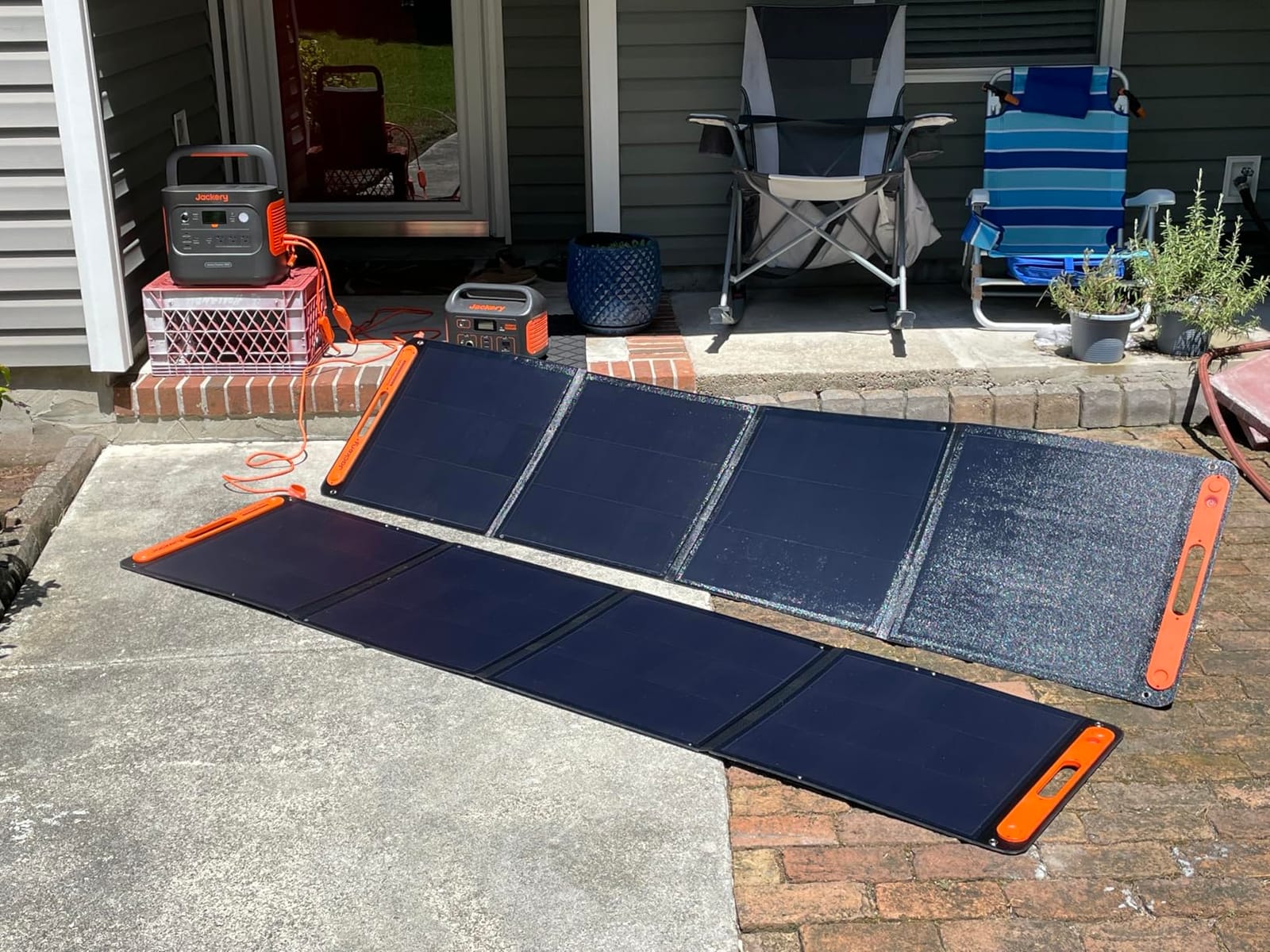
This is the largest sealed system here and the one that most closely resembles a small off-grid cabin install. You get 2042Wh of LiFePO4 capacity, 2200W of AC output across three ports and a 100W USB-C PD port, with two 200W panels included. Twenty-millisecond seamless UPS switching is UL1778 test certified.
The engineering detail worth knowing is the Cell-to-Body construction. It is listed as 41% lighter and 34% smaller than conventional 2kWh LiFePO4 stations, which puts the whole unit at 39.5 lb. That weight figure is what makes a 2kWh bank realistic to move around a cabin at all, and 84% of its reviews are five-star.
Charging is the other strength. It reaches 80% in 66 minutes on AC, completes a full charge in 102 minutes with the app-activated emergency super charging mode, and the silent charging mode brings it to full in about five hours at 30dB, so it can run while you sleep. On solar, 400W of panels takes roughly six hours.
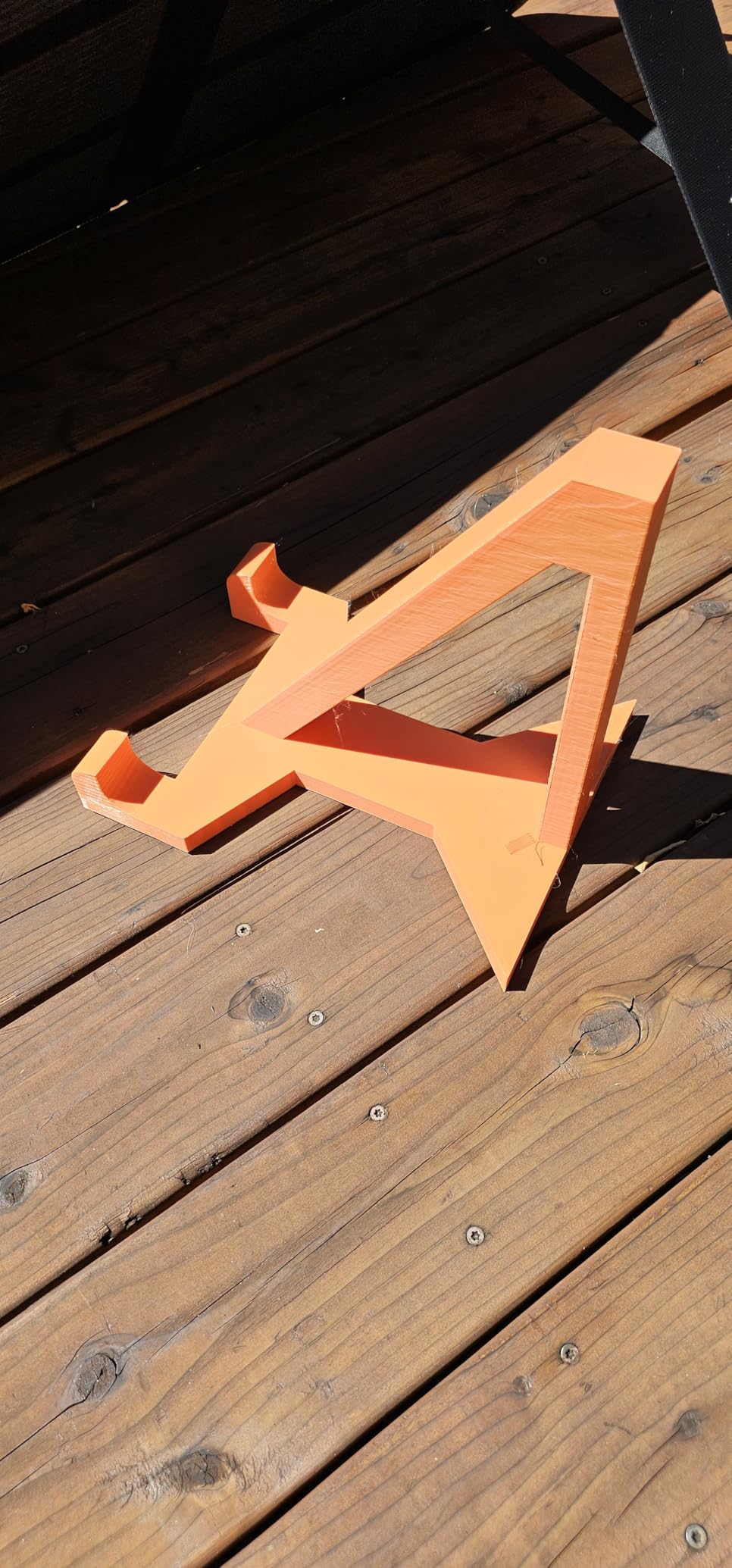
Watch the connector ecosystem. The DC7909 L-shaped plug has to be swapped for the straight DC8020 plug to connect Jackery panels, so mixing panels from another brand is friction you will feel every time you reconfigure. Warranty is five years.
The closest thing here to full-time living
2042Wh covers a fridge, lighting, a laptop and a water pump for a couple of cloudy days without a generator. If your cabin is a residence rather than a retreat, this is the shortest path to that, and the 2200W output leaves room for a microwave or a heater on top.
Where the six-hour solar recharge bites
Six hours of direct sun to fill 2kWh is fine in June and painful in January. You will want more panel wattage than the bundled 400W before winter, and the DC connector swap is a real cost in a system you plan to reconfigure often.
11. ECO-WORTHY 200W Complete Kit With Battery And Inverter
ECO-WORTHY 200 Watt 12V Complete Solar Panel Starter Kit for RV Off Grid
- Everything in one box including battery and inverter
- 25% N-type cells with dual-sided light capture
- LiFePO4 rated 4000-15000 deep cycles
- 20ms UPS auto-switch
- Adjustable 5A-40A charging
- Rated 4.1 out of 5 with a 10% one-star share
- XT60 interface limited to 30A
- 200W output depends on 4+ hours of direct sun
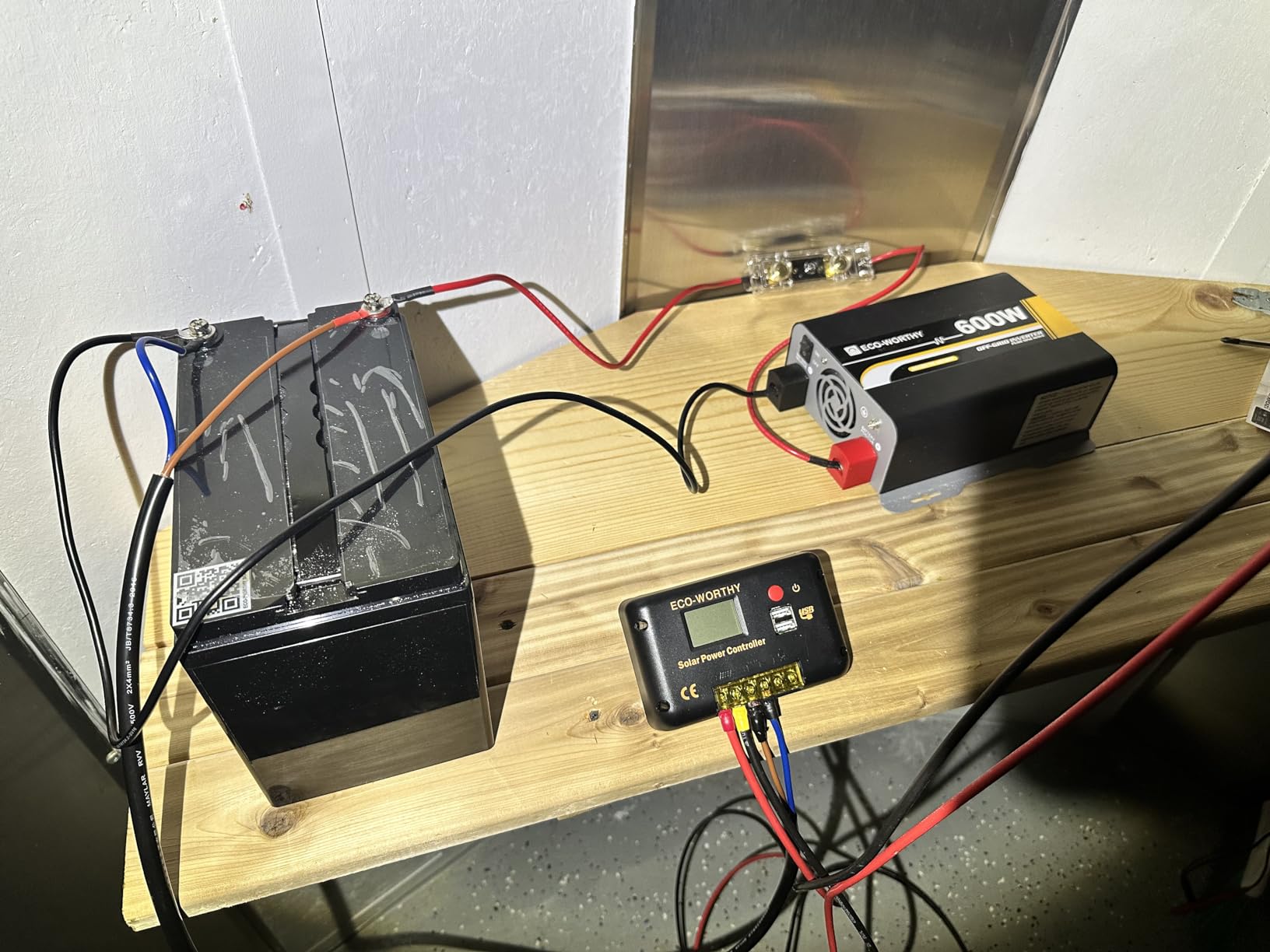
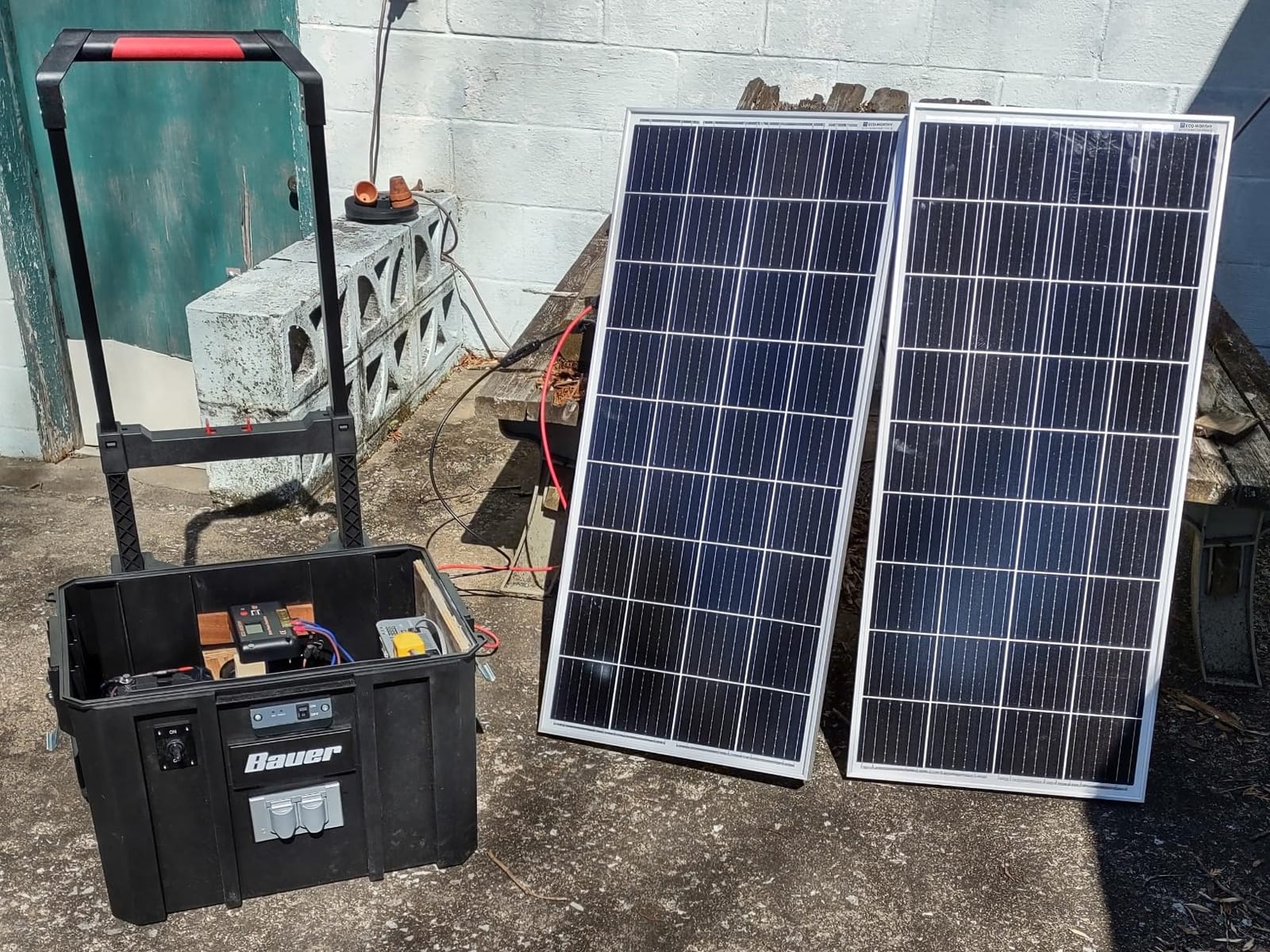
This is the only true all-in-one panel kit in the roundup, and it is the one to look at if you have never wired anything. The box contains 200W of N-type monocrystalline panels, a 30A charge controller, a 12V 50Ah LiFePO4 battery and a 600W pure sine wave inverter, with the connection accessories included.
For a first-time cabin owner, that removes the single biggest source of frustration: component shopping. The inverter is a 2-in-1 unit with a 30A LiFePO4 smart charger built in, a 20ms UPS auto-switch and adjustable 5A-40A charging current controlled from an app or a button. The battery uses an XT60 port with a 30A maximum input and output.
The panel technology is better than the average rating suggests. The cells are N-type monocrystalline at 25% efficiency with a dual-sided design that captures reflected light for up to 15% extra output, and the listed cycle life of 4,000-15,000 deep cycles is more than ten times a lead-acid bank. A 50Ah battery is small, but it is a starting point rather than an endpoint.
Be aware of the review distribution. At 4.1 out of 5 with 60% five-star, 18% four-star and a 10% one-star share, there are owners whose real-world output fell short of expectations. The 30A XT60 ceiling also caps how quickly you can expand this specific build.
Why one box is genuinely easier to start
Matching a charge controller to a battery chemistry to an inverter is where most beginner builds go wrong. This kit removes that decision entirely, and the 20ms UPS auto-switch means your electronics survive an outage without a manual reset.
Where you outgrow it quickly
A 50Ah 12V battery is about 600Wh of storage. That covers lights and a fridge for a weekend, not a full-time load. The XT60 30A limit means a bigger inverter or a second battery needs different hardware, so treat this as a first stage.
12. ZeroKor 300W Portable Power Station Kit
Portable Solar Generator 300W Portable Power Station with 60W Solar Panel
- Lightest complete set here at 5.1 lb
- Runs a 55-inch TV for about 4 hours
- Can charge while in use
- Built-in BMS with multiple protections
- Continuous AC output measured under 100W
- Not a true pure sine wave so sensitive electronics glitch
- Panel junction box is not waterproof
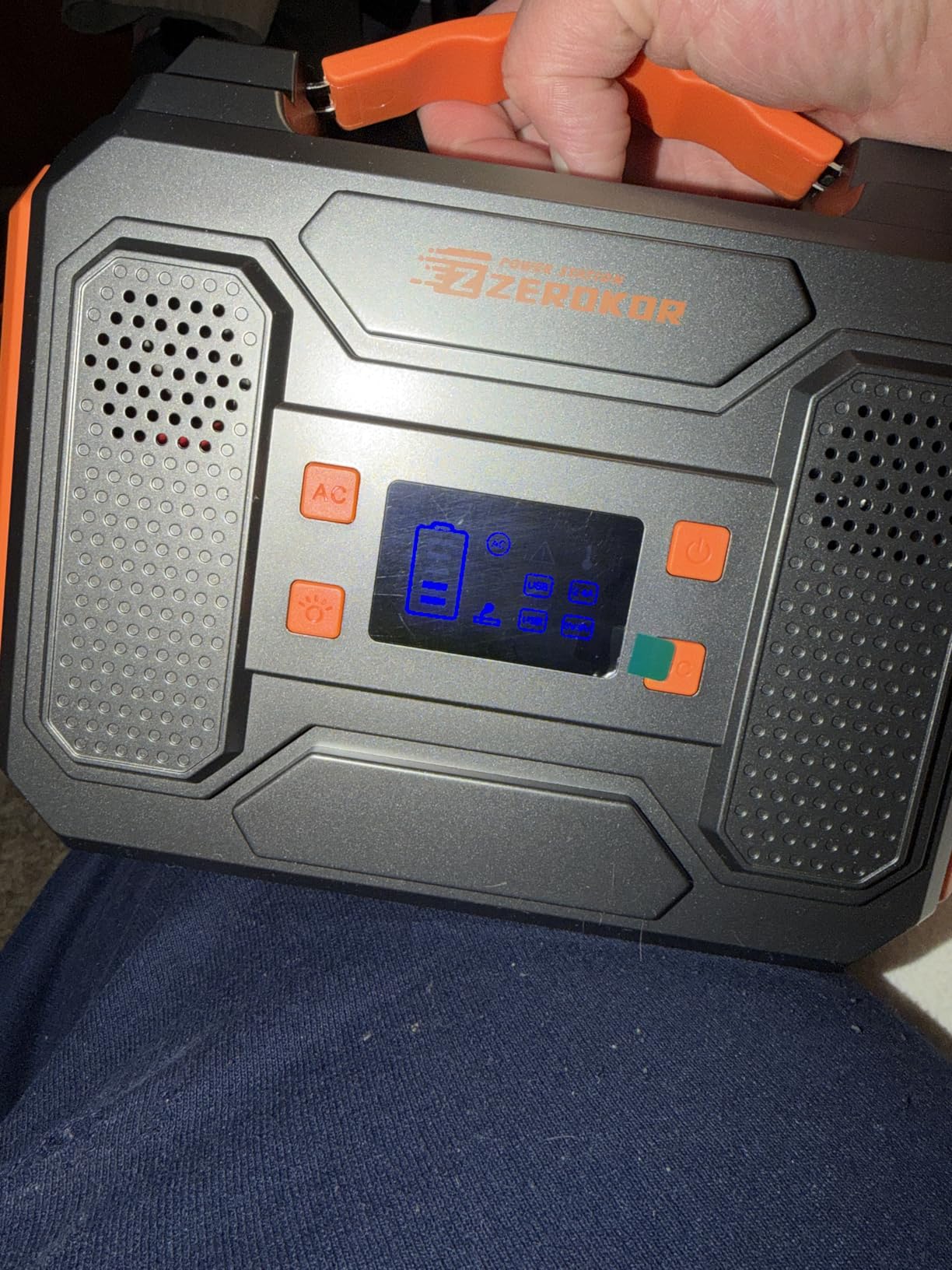
This is the smallest and lightest complete set in the roundup at 5.1 lb, with a 280Wh battery pack, up to 300W of AC output and a 60W foldable monocrystalline panel at 20.5% conversion efficiency. There is a built-in battery management system covering short circuit, over-current, over-voltage, overload and overheat, with a cooling fan that cycles on internal temperature.
It has a real place in a cabin, just not the main one. As an emergency box that lives in a closet and runs a radio, a small lamp, a phone charger and a 55-inch TV for about four hours, it does something no fixed kit does. Several buyers also report the manufacturer replaced failed units quickly.
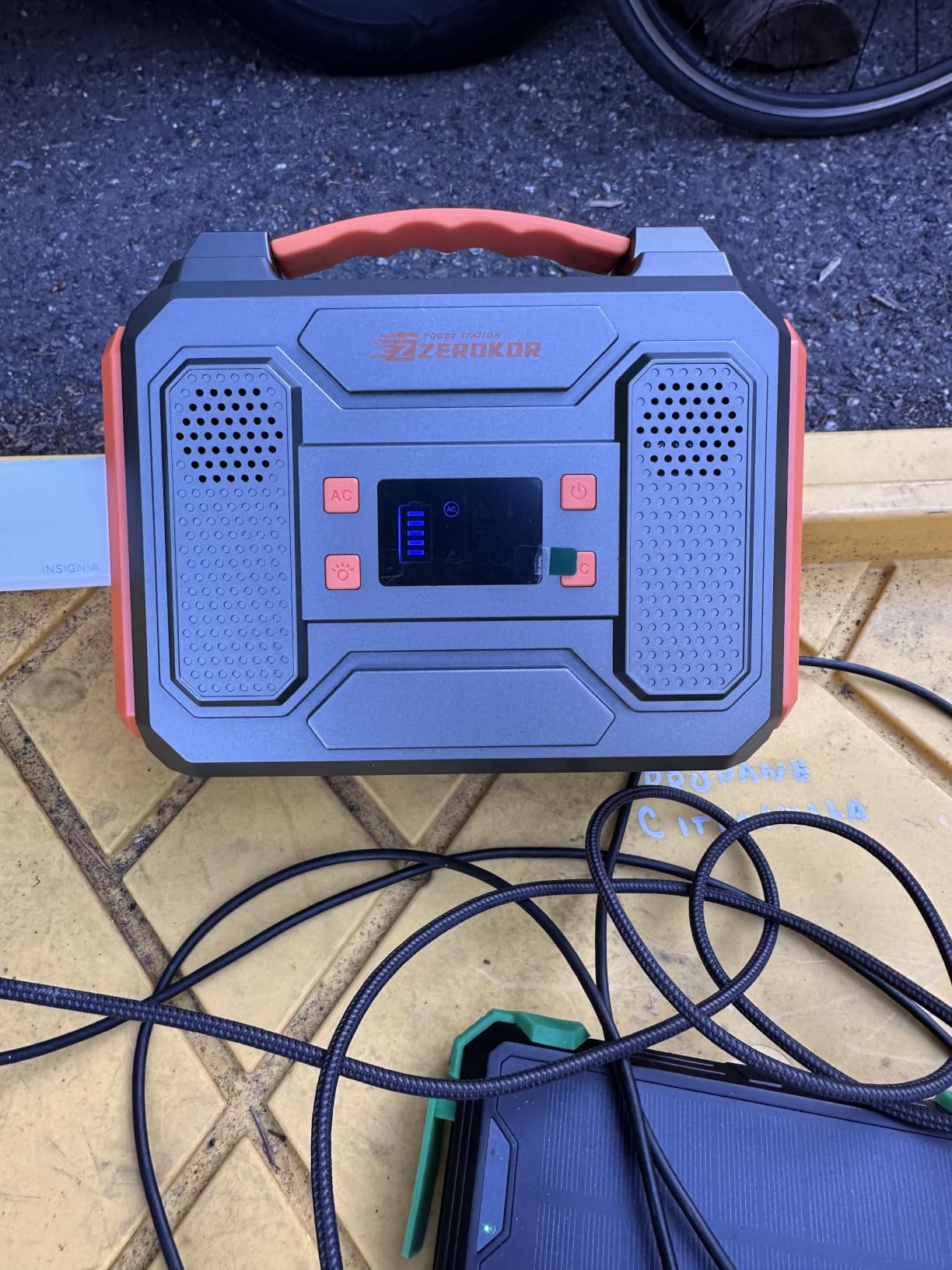
Two specifications set the ceiling. The 300W figure is a peak maximum rather than continuous output, and detailed testing reviews put real sustained AC output under 100W. Second, the inverter is not a true pure sine wave, so sensitive electronics may glitch or shut down. The panel junction box is also not waterproof, which matters if the panel lives outside.
The bundled 60W folding panel is the weakest component in the set, with broken internal wires reported after repeated fold and unfold cycles, and the input handling is not true MPPT, so it harvests only a fraction of a larger panel’s output. Warranty is 12 months from purchase.
A sensible second box, not a primary system
Carry it in a vehicle or a dry pack as a backup for the drive in, or keep it charged at the cabin for lighting and comms when the main system is down. At 5.1 lb it goes anywhere, and recharging by AC outlet, 12V car port or 13-23V solar gives you options.
Why the nameplate will mislead you
Sizing from the 300W label will leave you planning a circuit the unit cannot carry. Look at sustained output instead, and remember a modified sine wave is not what a laptop power supply wants to see.
How Many Solar Panels Does a Cabin Need?
The honest answer depends on two variables: how many watt-hours you use in a day, and how many days you want to run without sun. Multiply your daily load by your autonomy target, divide by roughly four peak sun hours, and add a margin. For a northern cabin in winter, use three hours instead of four.
Weekend cabin, lights and charging only: one 100W to 200W panel gets you about 500-1000Wh a day.
Weekend cabin with a small fridge and a 12V pump: 400W of panels, roughly two 200W units.
Full-time cabin with a fridge, well pump, lights and laptops: 800W minimum, and plan to add more.
Full-time cabin adding a satellite internet dish and a microwave: 1200W or more, with a battery bank above 5kWh.
A useful sanity check is the fridge question that comes up constantly. A 400W panel will not run a refrigerator on its own, because a compressor fridge draws power around the clock and the panel only produces during daylight. It will keep a fridge topped up if the panel charges a battery that carries it overnight, and the arithmetic works out to roughly one 400W panel per small fridge.
On oversizing, owners in off-grid forums consistently report underestimating future demand and recommend planning 20-30% above your current measured load. Adding load later is a wiring job, while removing capacity means buying everything again.
Battery, Controller And Inverter Choices For Cabins
Lithium versus lead-acid. The LiFePO4 units in this roundup are rated from over 3,000 cycles to over 4,000, and the ECO-WORTHY battery is listed at 4,000-15,000 deep cycles. A lead-acid bank reaches a similar usable energy figure with several times the weight, and it degrades faster in the cold. For a cabin where you carry batteries up a slope, the weight difference decides it.
MPPT versus PWM. Six of the twelve kits here ship with a PWM controller. PWM is simpler and cheaper but harvests less energy, especially with a partially shaded array or a low winter sun. If you can only afford one upgrade over stock, make it the controller.
Pure sine wave inverters. Every sealed power station worth owning in this list uses pure sine wave output, and the two that do not, the ZeroKor 300W and the entry PWM kits, are exactly the ones where owners report electronics glitching. Motors, microwaves and anything with a compressor all benefit from clean power.
Surge capacity. Compressors, pumps and power tools draw two to three times their running wattage at startup. Jackery lists 3000W surge on a 1500W inverter, BLUETTI lists 3600W on the Elite 100 V2, and OUPES lists 4500W on 2000W continuous. That headroom is what stops a fridge from tripping the inverter every morning.
System voltage. Most kits here are 12V, with the ECO-WORTHY 200W pair able to wire in series for 24V. Higher voltage means lower current, thinner cable over long roof-to-battery runs and less cable loss. Once you are past about 800W of panel, moving to 24V or 48V pays for the extra hardware in wire alone.
Winter, Starlink And Generator Backup Planning
Cold weather is the number one cabin complaint. Owners on off-grid forums report anxiety about lithium batteries in unheated cabins, and the standard advice is either a self-heated lithium battery or a pad heater on a standard LiFePO4 bank, which works but adds wiring complexity. If your cabin sits below freezing for weeks, budget for heating as part of the battery, not as an afterthought.
Budget autonomy days deliberately. Two to three cloudy days is the common target, and it is the reason the larger power stations in this roundup exist. A 2kWh bank holds roughly 1.6kWh usable before you respect depth-of-discharge limits, which is a weekend of ordinary use but not a full winter week.
Starlink is a bigger load than people expect. Satellite internet hardware draws more than most users anticipate once a router and a cabin network are added. Include it in the load audit rather than treating it as a small convenience, and size the inverter for its startup draw.
Keep a generator as the winter backstop. Sizing it to charge your battery bank rather than to run the cabin directly is the approach owners recommend, because a bank that is topped up each week does not need a big inverter. The BLUETTI AC180 specifically accepts only inverter-type generators for charging, which is a compatibility check worth making before you buy.
Refurbished panels exist. One supplier model we reviewed uses refurbished utility-grade panels and reports savings well below new pricing for the same wattage. For a secondary array on a guest cabin, that trade has real merit, provided the warranty terms are clear.
Installation: What Cabin Owners Handle Themselves
Most of these kits are genuinely DIY. The all-in-one kits in particular exist because the hardest part of a first build is not the panels, it is matching a controller to a battery to an inverter. If your kit includes pre-drilled frames, Z-brackets and a pre-installed controller, a weekend is a realistic timeline.
The parts people underestimate are the balance-of-system pieces. Cable runs from roof to battery, a disconnect, fuses near the battery, and connectors appropriate to the gauge. Roof-to-ground distances on sloped cabins are long, and long runs are exactly where undersized wire quietly wastes your harvest.
Two other recurring questions from forums: whether to buy a kit or assemble components, and permitting. On permitting, requirements vary by state and county and a rural structure on your own land is often treated differently from a residence, so check locally before you plan around a mounted array. On kits versus components, the answer is usually that a kit saves money only if you can use all of it.
And do not let anyone tell you a pad heater or an electric space heater is a good idea as a primary heat source on solar. A diesel air heater runs at a fraction of the electrical demand of electric heating, which is the entire reason people go off-grid in the first place.
How To Choose A Cabin Solar Kit
Start with a load audit, not a wish list. Measure what the cabin actually uses now, then add what you know you will add. Include lighting, water pumping, refrigeration, a Starlink dish, tools and a contingency. Owners almost universally underestimate this step.
Match the array to the battery, not the other way round. A big battery with a small array is a power station that is always empty. A big array with a small battery is wasted generation. Aim for roughly one watt of panel per watt-hour of usable daily consumption.
Check the warranty terms as carefully as the wattage. Forum research consistently lists warranty length among the top trust signals, alongside specific model numbers rather than vague component descriptions, and explicit cold-temperature ratings on batteries. Kits here range from one year on parts up to ten years of materials coverage.
Prefer a pure sine wave inverter with real surge headroom. This is the single specification that determines whether your appliances work quietly or complain.
Confirm the growth path before you buy. Look for documented expandability: extra panel capacity on the controller, an XT60 or comparable high-current port, or an expansion battery port. Most of the kits here document an upgrade route, while the smallest sealed unit and the light foldable panel do not.
Decide what the system is for. A weekend cabin, a full-time residence and an emergency backup box have almost nothing in common, and the last two are where you should spend the money.
Frequently Asked Questions
How many solar panels do I need to power a cabin?
A weekend cabin running lights, phone charging and a small 12V pump needs about 200-400W. A cabin someone lives in, with a fridge, well pump, satellite internet and electronics, needs 800W or more. Multiply your daily watt-hour use by your autonomy target, divide by roughly four peak sun hours, and add a 20-30% margin.
Will a 400W solar panel run a fridge?
Not on its own. A 400W panel only produces during daylight, while a refrigerator draws power around the clock. What it will do is charge a battery that carries the fridge overnight, and the arithmetic works out to roughly one 400W panel per small refrigerator.
What is the 33% rule in solar panels?
The 33% rule refers to energy lost in a typical solar power system, mainly from panel soiling, shading and mismatch, wiring losses, and charge controller and inverter conversion losses. A 67% system efficiency is a reasonable planning assumption, which is why real output numbers come in below rated wattage.
How many solar panels do I need to power a shed?
A shed used for a few LED lights, a tool charger and a laptop needs about 100W to 200W. Add a small battery bank so power is available after dark, and size the array so it can refill that battery in a day or two of typical weather rather than a single perfect day.
Is a kit cheaper than buying components separately?
For a first build, usually yes, because kits remove the hardest decisions: matching a charge controller to a battery chemistry to an inverter. For an experienced builder scaling a system, components are often cheaper, since a kit rarely contains the balance-of-system parts like cable, disconnects and fuses that a real install needs.
Can I install a cabin solar kit myself?
Most kits here are designed for owner installation, and the all-in-one models are specifically built for beginners. The electrical work still needs to follow local code, and permitting requirements vary by state and county, so check locally before planning around a permanently mounted array.
Final Verdict For Cabin Solar In 2026
Our top pick for a first cabin install is the Renogy 100W 12V solar panel starter kit: complete, well certified, and expandable to 400W when your loads grow. If you want a fridge compressor running from day one, the Renogy 200W 12V Monocrystalline kit is the right first purchase. For a cabin someone actually lives in, the OUPES Mega 1 or the Jackery Explorer 2000 v2 supply the battery and pure sine wave inverter that a residence needs, with room to grow, and the ECO-WORTHY all-in-one is the one to buy if you have never wired anything before.
Whichever you choose, measure your real load first, budget for winter, and pick a system you can expand. That is how people end up with a cabin solar setup that still works five years later.