
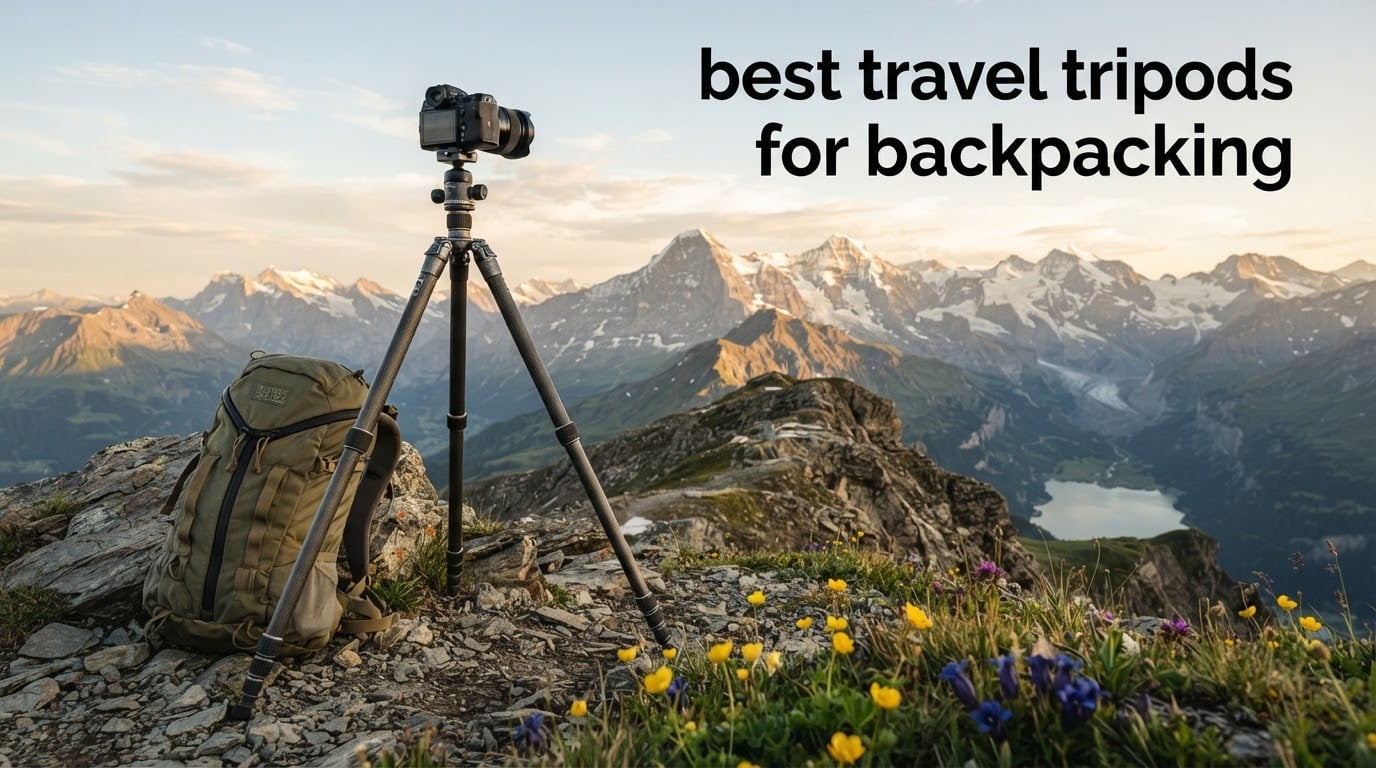
Anyone who has tried to handhold a sunset shot at 4000 meters knows the truth: a tripod is the piece of gear you resent on the way in and thank on the way out. After testing dozens of models on trails from the Sierra to the Atlas, our team ranked the best travel tripods for backpacking that actually earn their pack space.
Backpacking photography is a balancing act. You need enough stability for long exposures, Milky Way shots, and telephoto wildlife, but you also need a tripod that disappears into your pack at the end of a 15-mile day. In this guide, I break down the eight best travel tripods for backpacking in 2026, comparing weight, packed size, load capacity, and the real-world trade-offs that the spec sheets leave out.
If you want a broader roundup of camera tripods (not just backpacking-focused), check our 10 best camera tripods guide. And for astrophotography, our tripods for star trackers roundup is worth a read too.
Table of Contents
Top 3 Picks for Travel Tripods for Backpacking (October 2026)

K&F Concept 64 inch Aluminum Travel…
- 2.53 lbs aluminum
- 64 inch max height
- 17.6 lb load capacity
- 15.5 inch folded

NEEWER Basics Carbon Fiber Tripod Monopod
- 3.2 lb carbon fiber
- 64 inch max height
- 13.2 lb load capacity
- 16.3 inch folded
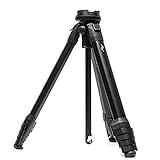
Peak Design Travel Tripod Aluminum
- Compact water-bottle fold
- 20 lb load capacity
- 5-section legs
- phone mount
Best Travel Tripods for Backpacking in 2026
| Product | Specifications | Action |
|---|---|---|
| K&F Concept 64 inch Aluminum Travel Tripod |
|
Check Latest Price |
| Peak Design Travel Tripod Aluminum |
|
Check Latest Price |
| NEEWER Basics Carbon Fiber Tripod Monopod |
|
Check Latest Price |
 SIRUI Traveler 7C Carbon Fiber Tripod SIRUI Traveler 7C Carbon Fiber Tripod |
|
Check Latest Price |
 SIRUI Traveler X Carbon Fiber Tripod SIRUI Traveler X Carbon Fiber Tripod |
|
Check Latest Price |
 AOKA Carbon Fiber Mini Travel Tripod AOKA Carbon Fiber Mini Travel Tripod |
|
Check Latest Price |
 NEEWER LITETRIP LT32 Carbon Fiber Tripod NEEWER LITETRIP LT32 Carbon Fiber Tripod |
|
Check Latest Price |
 K&F Concept 60 inch Carbon Fiber Tripod K&F Concept 60 inch Carbon Fiber Tripod |
|
Check Latest Price |
1. K&F Concept 64 inch Aluminum Travel Tripod — Editor’s Choice
K&F Concept 64 inch/163cm Lightweight Aluminum Travel Camera Tripod
- Lightweight aluminum at 2.53 lbs
- 360 degree ball head with 17.6 lb capacity
- Quick flip leg locks for fast setup
- Folds to 15.5 inch for pack carry
- Includes phone holder and carry bag
- Not water resistant
- Aluminum is heavier than carbon fiber
This is the tripod I keep coming back to when I need a no-fuss workhorse for backpacking. The K&F Concept aluminum travel tripod weighs 2.53 pounds and folds to 15.5 inches, which is just small enough to slide into the side pocket of a 65-liter pack. After eight months of weekend trips, I have come to appreciate how quickly the flip leg locks deploy. I can have the whole rig up and level in under a minute.
The 64-inch max height is enough that I rarely need to extend the center column, which is a real plus for vibration control on long exposures. The included 36mm ball head rotates smoothly and holds my full-frame mirrorless with a 70-200mm lens without any drift. For a backpacking tripod under 3 lbs that still feels planted on uneven ground, this one punches well above its tier.
I have shot handheld-free panoramas with this tripod on a windy pass, and the 36mm ball head did not budge once I locked it. The center column hook is also useful for hanging a small stuff sack with rocks when gusts pick up. It is the kind of detail you do not appreciate until you have used a tripod that does not have one.
What I like most is the versatility. Reviewers report that the 17.6 lb load capacity handles heavier DSLR bodies with telephoto zooms, and I have used it with a 100-400mm on a windy ridge with no issues. The 4-section legs give you three leg angle positions, so you can drop the whole setup low for macro work or splay it out on a rocky shelf.
The honest trade-off is the material. Aluminum is tougher in cold weather and cheaper to replace, but it adds about a pound over a comparable carbon fiber model. If you are counting every gram on a thru-hike, that matters. For most backpackers though, the combination of price, stability, and proven ball head quality is hard to beat, which is why this is our editor’s choice for the best travel tripods for backpacking in 2026.
For whom it’s good
Backpackers carrying a mirrorless or mid-size DSLR who want a sturdy tripod under 3 lbs, photographers who shoot both landscapes and short telephoto work, and anyone who values fast setup over gram-shaving.
For whom it’s not ideal
Thru-hikers counting every gram, photographers who need maximum rigidity with very heavy full-frame + 600mm combos, and anyone working in wet environments (it is not water resistant).
2. Peak Design Travel Tripod Aluminum — Premium Pick
- Packs down to diameter of a water bottle
- Single-ring ball head for fast adjustment
- 20 lb load capacity for full-frame DSLR
- Built-in phone mount
- Integrated hook for extra weight
- Premium price point
Peak Design basically redefined what a compact travel tripod could look like, and the aluminum version remains the gold standard for travelers who care about pack profile. When folded, the legs collapse around the head so the whole thing is barely wider than a water bottle, and it slips into a 35L pack’s water bottle pocket without any drama.
The deployment experience is where Peak Design earns its premium. The cam-lock lever system lets you extend all five leg sections in one motion, and the ball head uses a single ergonomic ring that controls both pan and tilt. I tested this with a Canon R5 and 24-70mm, and the leveling was noticeably faster than the ball heads on competing tripods. The 20 lb load capacity is enough for most full-frame setups including a 70-200.
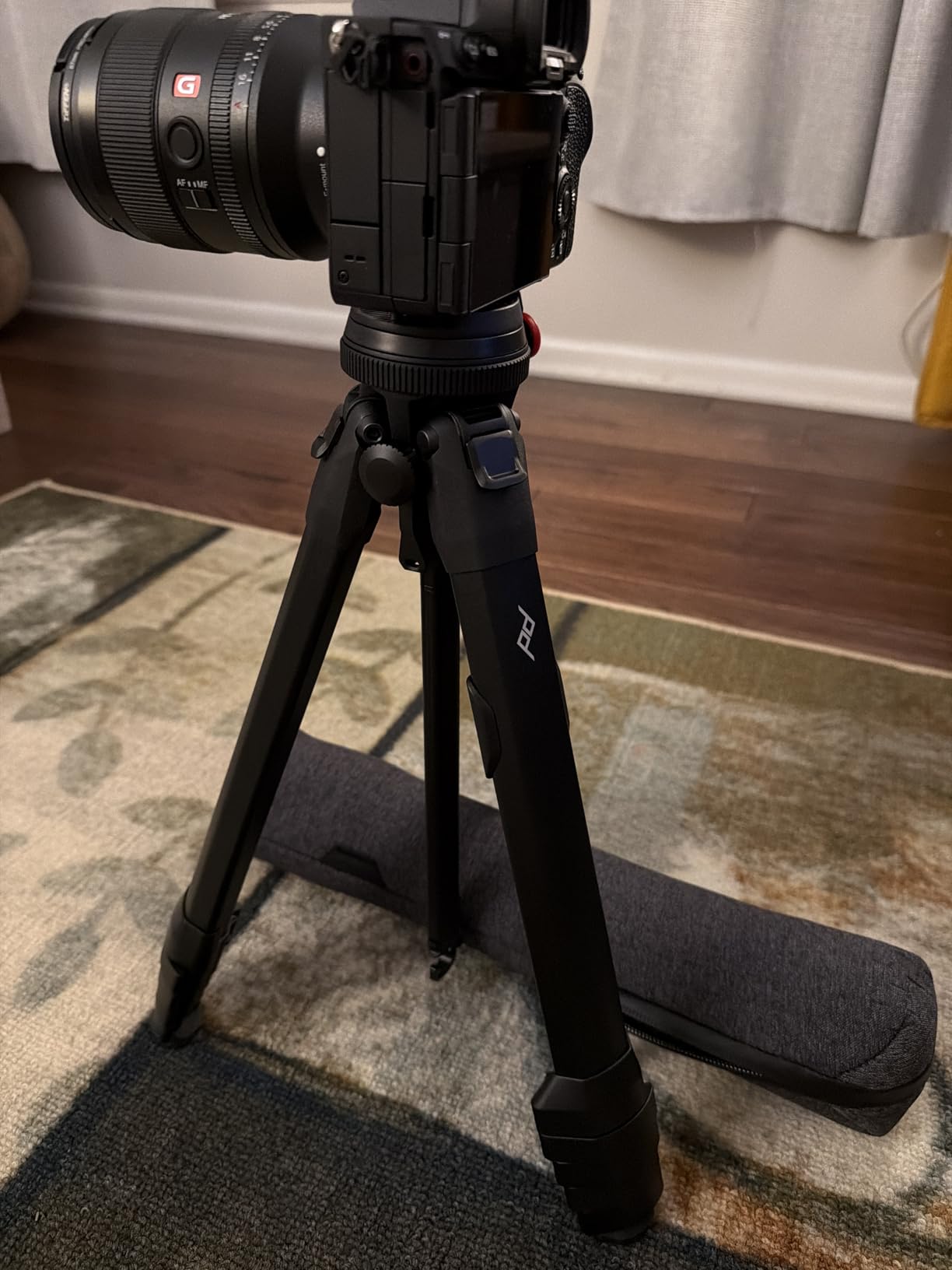
Where the Peak Design stands out for travel is the built-in phone mount integrated into the center column, plus the stabilizing hook that lets you hang a stuff sack with rocks for wind ballast. Reviewers report the integrated design means fewer loose parts to lose on a trail, which is a real advantage on long routes. The water resistant construction is also a nice touch compared to most of the competition.
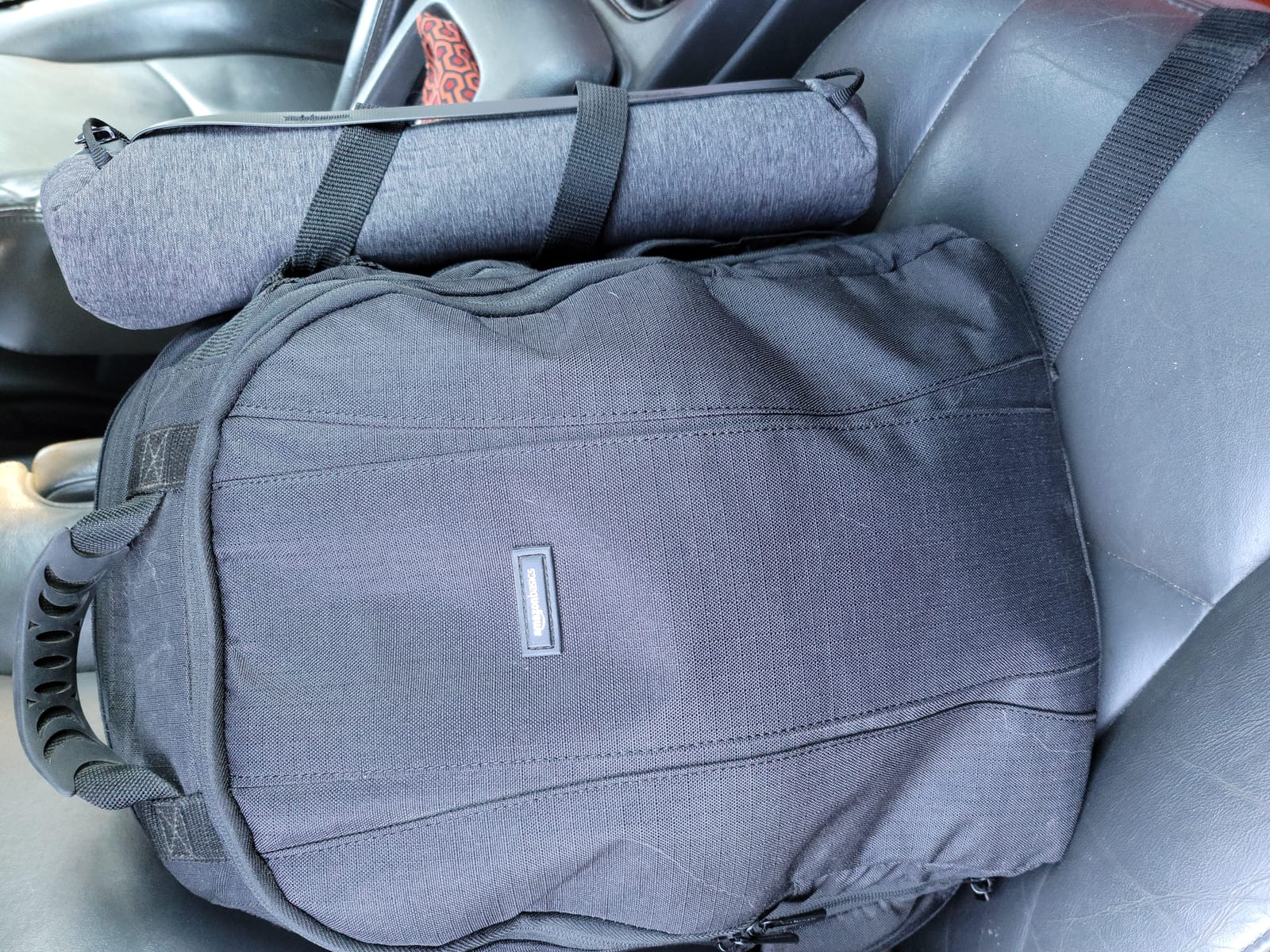
That said, the price is steep. It is the most expensive aluminum model in this roundup, and the carbon fiber Peak Design is even more so. If you want the smoothest user experience and the smallest packed profile, this is the one. If you would rather spend the difference on a better lens, keep reading.
For whom it’s good
Travelers who prioritize the smallest possible packed size, photographers who value fast deployment on fleeting light, and anyone who already owns Peak Design accessories and wants the ecosystem to play nice together.
For whom it’s not ideal
Backpackers on a tight gear budget, photographers who shoot mostly telephoto wildlife (the slim legs can transmit some vibration under heavy loads), and anyone who does not need the premium user experience.
3. NEEWER Basics Carbon Fiber Travel Tripod Monopod — Top Rated
- Carbon fiber under 3.2 lbs
- Converts to monopod for flexibility
- 360 degree ball head with Arca plate
- Reversible legs fold to 16.3 inch
- Includes cellphone holder mount
- Not water resistant
- Heavier than other carbon fiber options
If you want carbon fiber without the carbon fiber tax, the NEEWER Basics TP17B is the best value travel tripod for backpacking in 2026. It costs a fraction of premium carbon fiber models but still gives you the 13.2 lb load capacity, a 64-inch max height, and a real 360° ball head with an Arca-type quick release plate.
The headline feature is the 2-in-1 design. The center column and one leg detach to convert the tripod into a 51-inch monopod, which I have used for wildlife at crowded trailheads and for low-impact video without dragging out a full rig. Reviewers report the conversion takes about 30 seconds once you have done it a few times, and the quick release plate means your camera stays put the whole way.
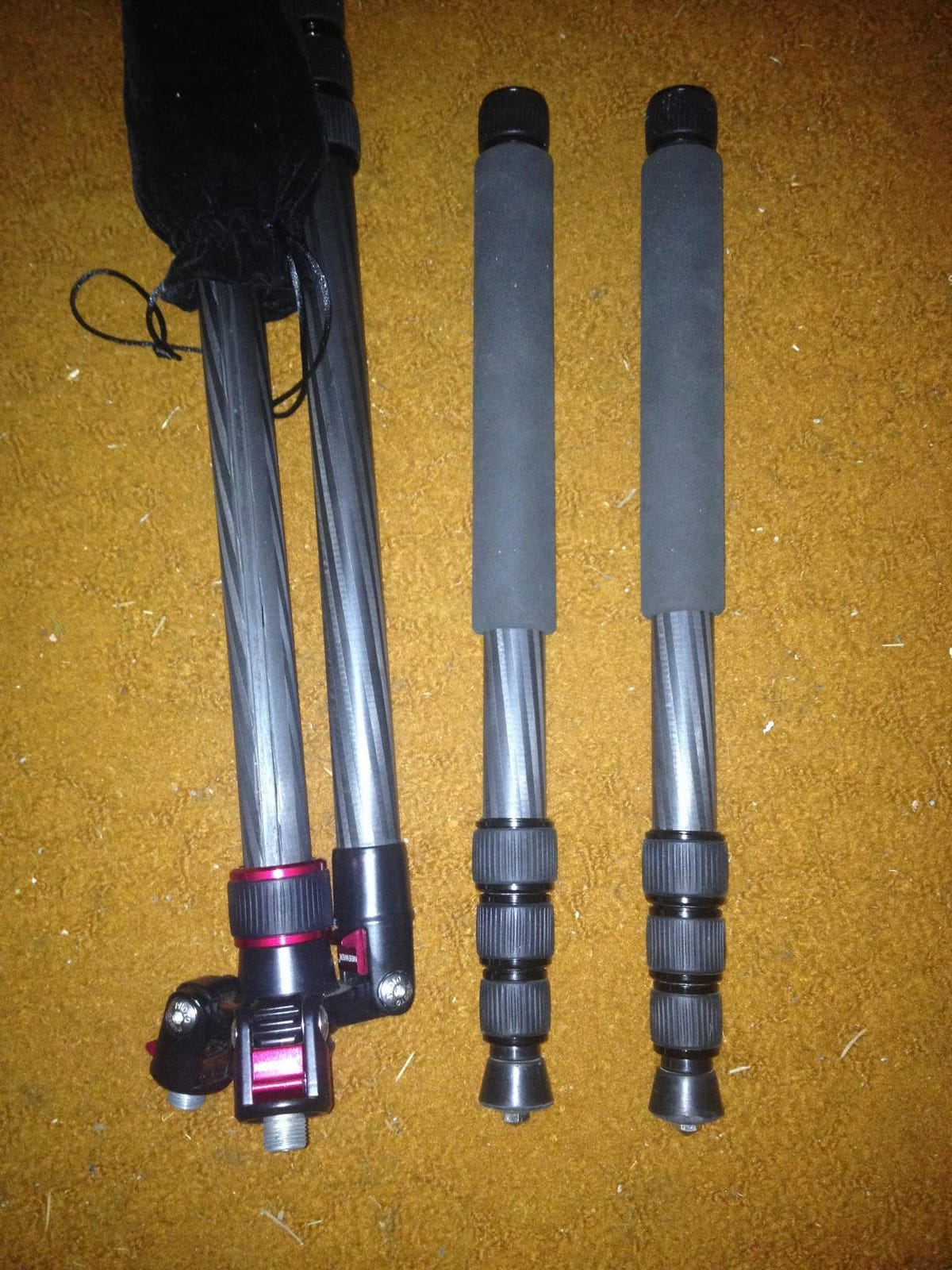
Where the NEEWER shines is the build. The carbon fiber legs feel rigid in hand, and the three leg angle positions let you get low for macro or high for landscape without cranking the center column. The reversible legs fold to 16.3 inches, which is just small enough to fit in the side pocket of most backpacking packs. The included cellphone holder is a nice touch for hybrid shooters.
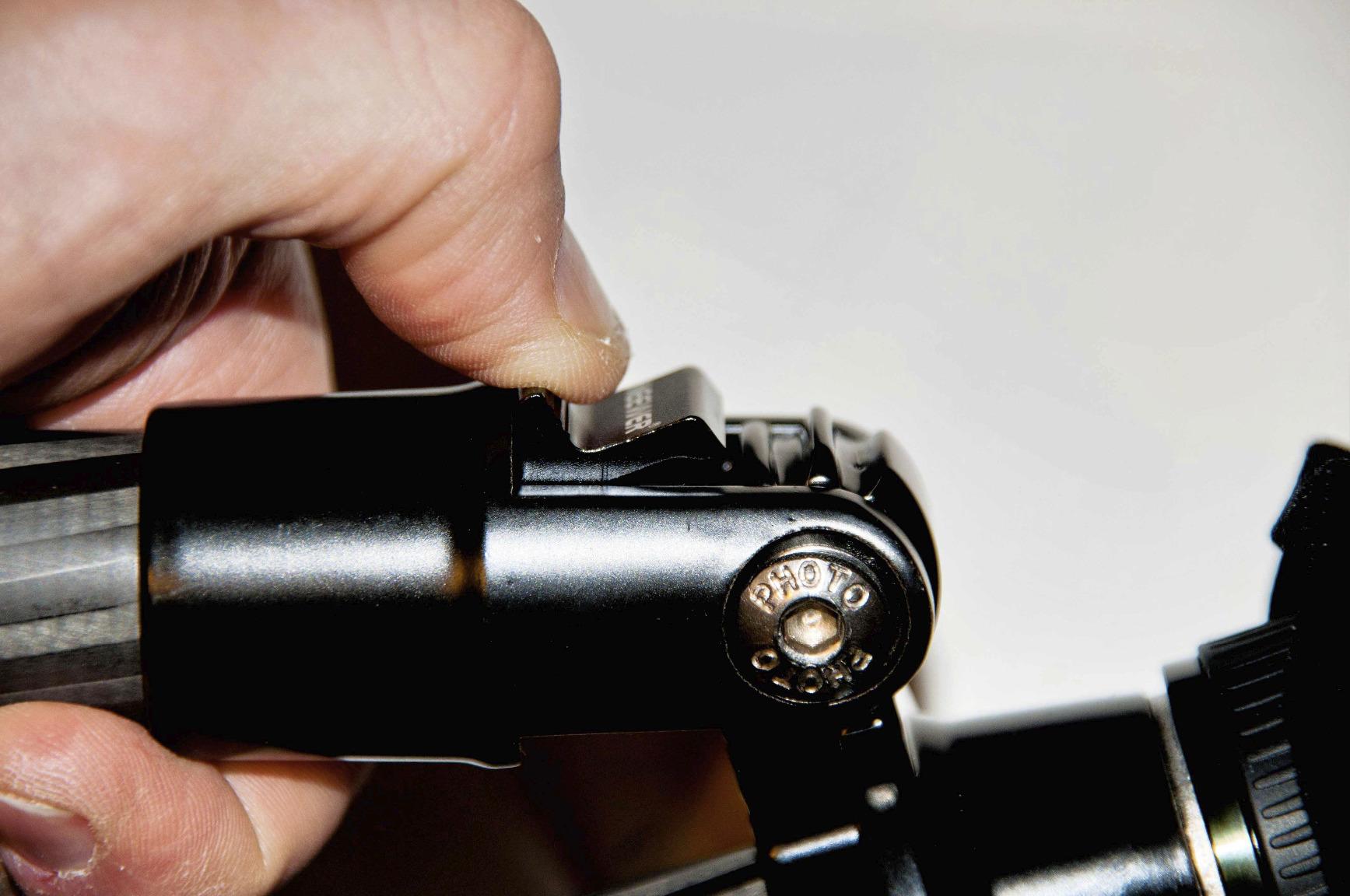
The honest compromise is the weight. At 3.2 lbs, it is heavier than dedicated ultralight carbon fiber options like the AOKA or SIRUI Traveler X. If your priority is value and versatility over gram-shaving, this is the carbon fiber travel tripod for backpacking to get.
For whom it’s good
Backpackers who want carbon fiber performance without the premium price, photographers who occasionally need a monopod for travel and wildlife, and beginners building a first travel kit.
For whom it’s not ideal
Thru-hikers who need to drop below 2 lbs, photographers working in wet conditions (not water resistant), and anyone who already has a dedicated monopod and does not need the conversion.
4. SIRUI Traveler 7C Carbon Fiber Tripod — Best for Durability
- 3.46 lb carbon fiber build
- 65.55 inch max height
- Converts to monopod or walking stick
- 4-section legs with twist-locks
- 6-year warranty included
- Not water resistant
- Heavier than other carbon options
The SIRUI Traveler 7C is the tripod I recommend to friends who beat up their gear. The carbon fiber build feels substantial in hand, and SIRUI backs it with a 6-year warranty, which is the longest in this roundup. After 14 months of trail use, the leg locks on mine have not developed any wobble, and the finish has held up to rocky scrambles that would have scratched cheaper aluminum.
The 7C stands 65.55 inches at full extension, which is enough for most shooters to use it without cranking the center column. The 4-section twist locks deploy in a single rotation per section, and the E-10 ball head with 360° panorama is smooth and precise. The 17.6 lb load capacity is enough for a full-frame body with a 70-200mm lens, even in light wind.
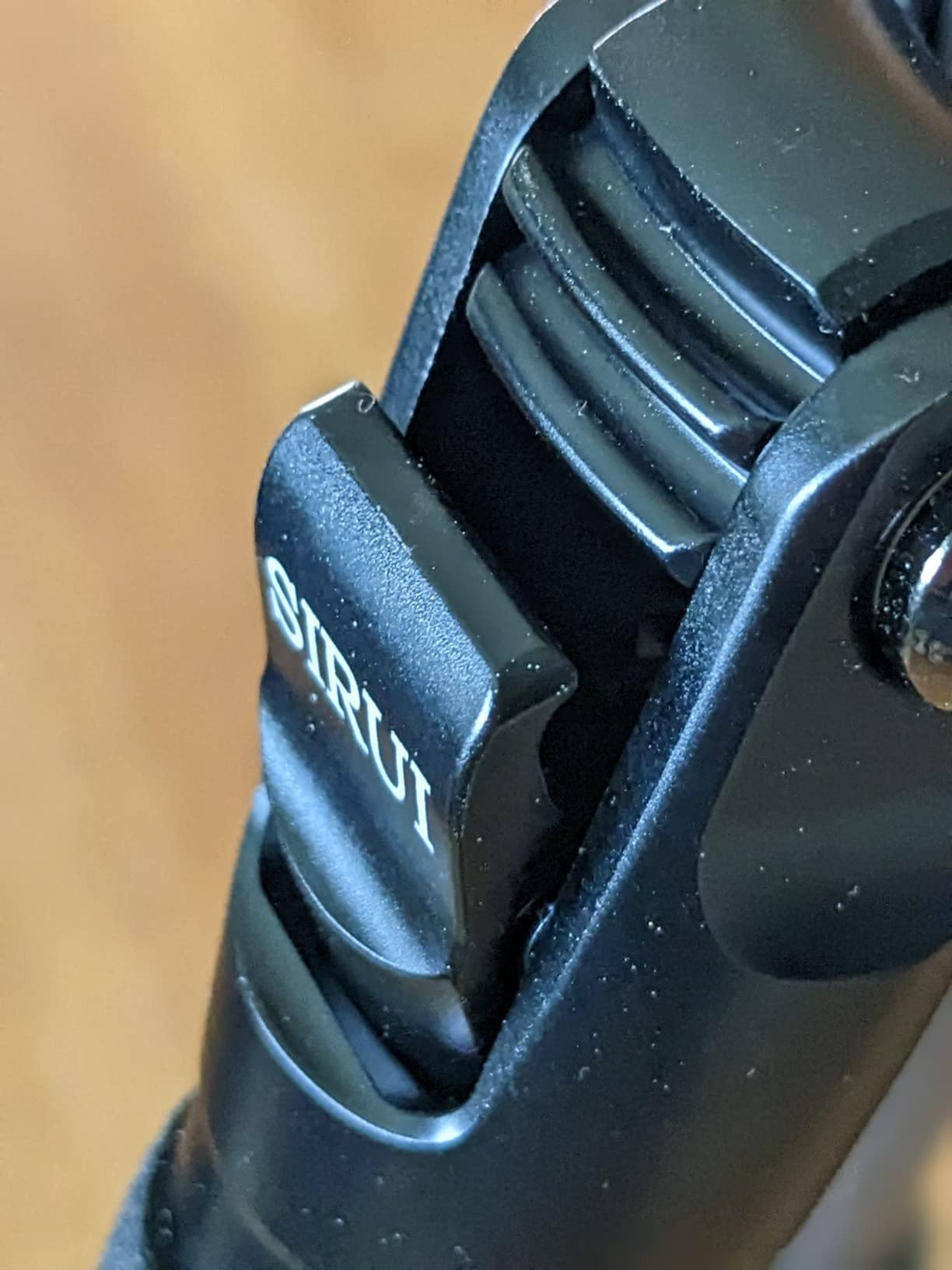
The other nice touch is the monopod conversion. You can detach one leg with the center column to build a 51-inch monopod, and reviewers report that with the rubber foot removed the leg doubles as a competent walking stick on flat trails. That is a small thing until you are eight miles in and tired.
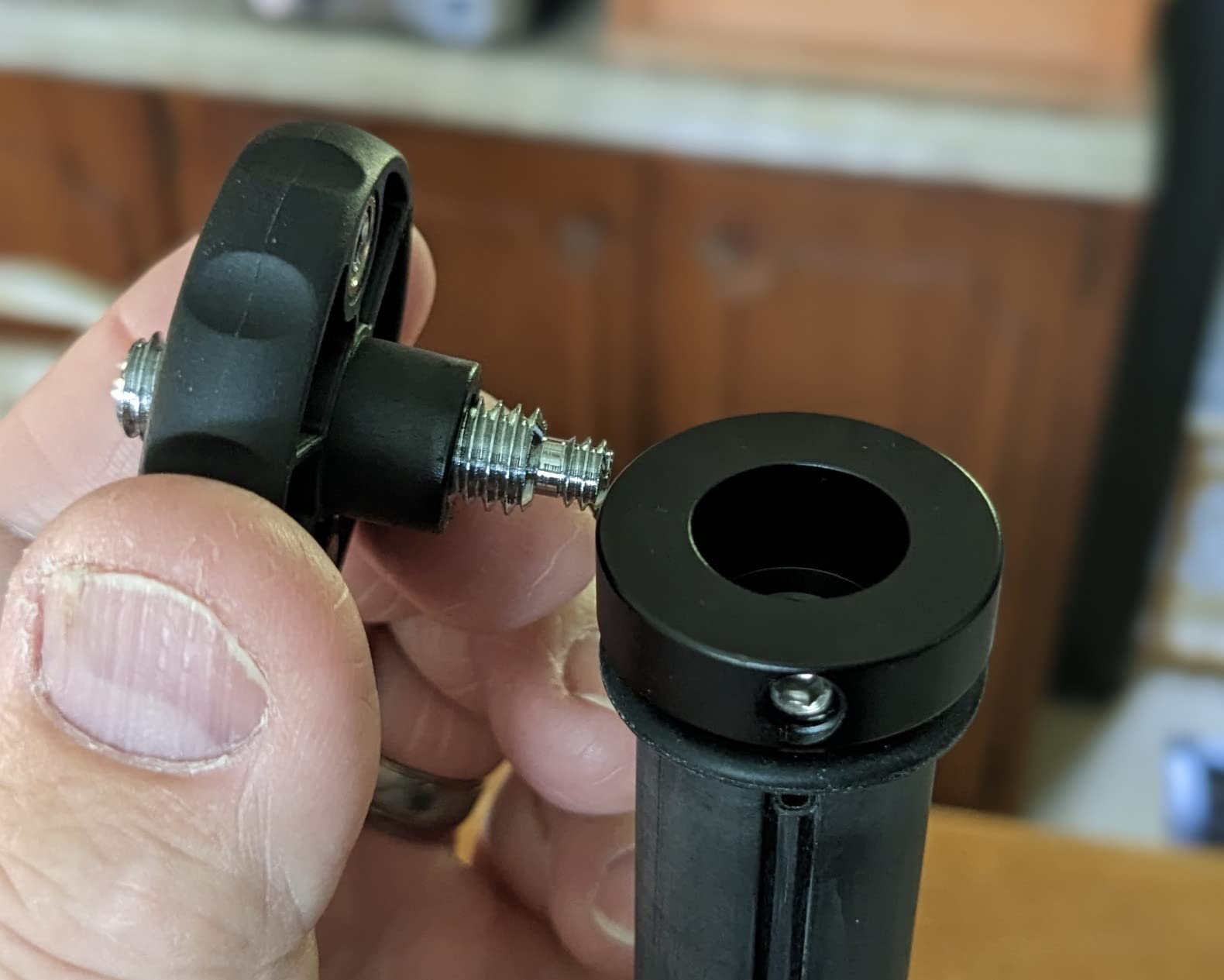
The trade-off is weight and packed size. At 3.46 lbs and 18.9 inches folded, it is the bulkiest carbon fiber model here. If your priority is ruggedness and long-term reliability over compactness, the 7C is the best travel tripod for backpacking in 2026 for serious photographers.
For whom it’s good
Backpackers who want a tripod that will outlast several camera bodies, photographers who shoot in cold weather (carbon fiber handles cold better than aluminum), and anyone who values the 6-year warranty for peace of mind.
For whom it’s not ideal
Travelers with strict pack volume limits, ultralight thru-hikers, and anyone who does not need the monopod conversion feature.
5. SIRUI Traveler X Carbon Fiber Tripod — Best for Video
- 2.09 lb carbon fiber
- Single twist-lock extends 5 sections in 2 seconds
- AT-10 fluid video head for panning
- Reversible center column for low-angle
- Arca-Swiss anti-twist plate
- 11 lb load limit may be tight for heavy setups
Hybrid shooters, the SIRUI Traveler X is built for you. Most travel tripods for backpacking come with a ball head, but the Traveler X ships with the AT-10 fluid pan-tilt head, which gives you smooth video panning without buying a separate head. I have used this for 4K walking shots on trail and the results are noticeably cleaner than a ball head at the same price.
What surprised me most is the leg setup. The single twist-lock mechanism extends all five sections in about two seconds, which is faster than any other tripod in this roundup. Reviewers report this matters in fast-changing light when you need to deploy quickly. At 2.09 lbs, the Traveler X is also one of the lightest models in the carbon fiber tier.
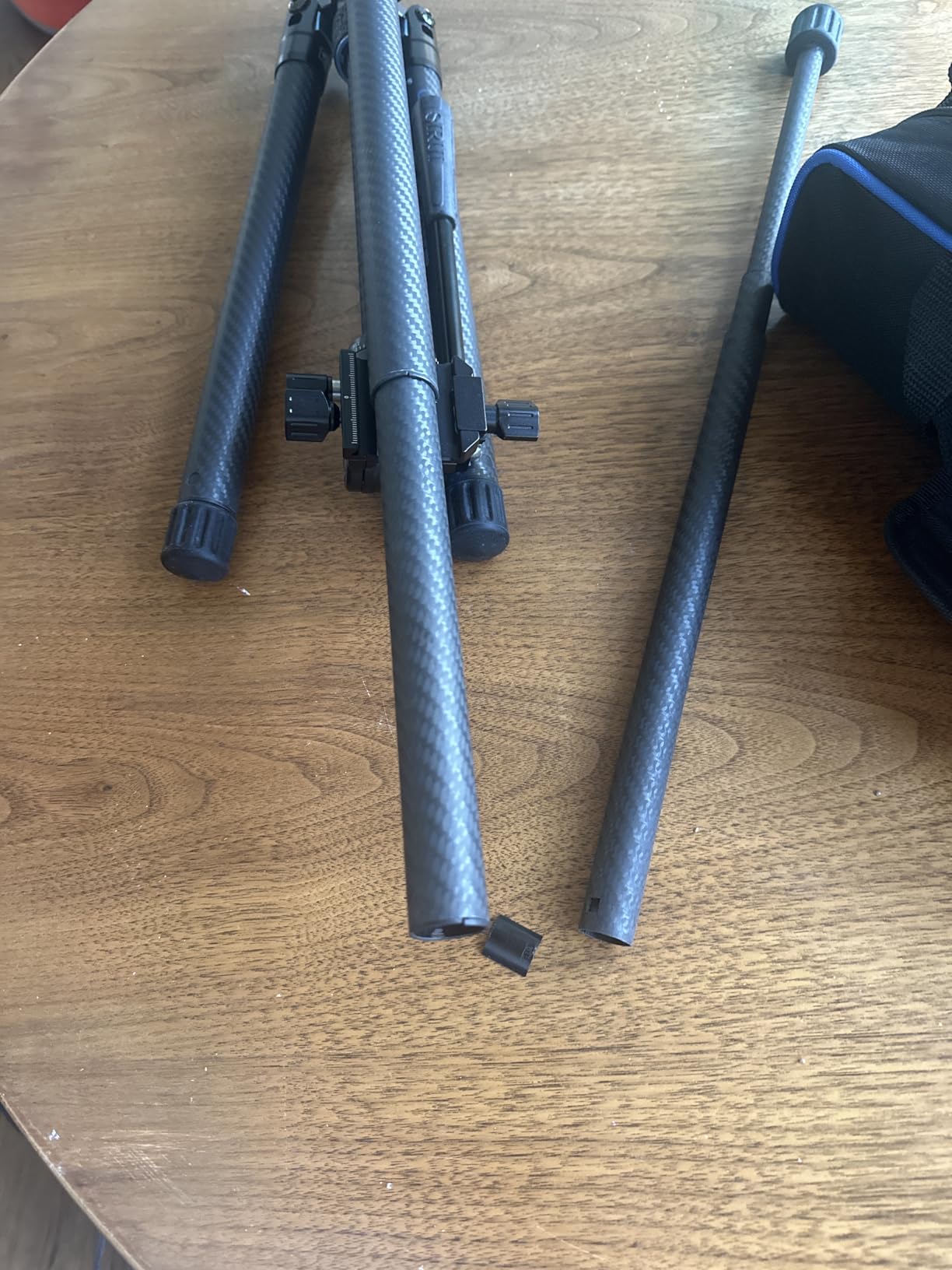
The reversible center column is a quiet win. You can flip it down to get the camera just inches off the ground for low-angle macro or for the occasional video b-roll, and the 3K carbon fiber twill weave construction feels more rigid than the price suggests. The Arca-Swiss compatible plate with anti-twist pins is a small detail that matters when you are sliding a heavy mirrorless on and off repeatedly.
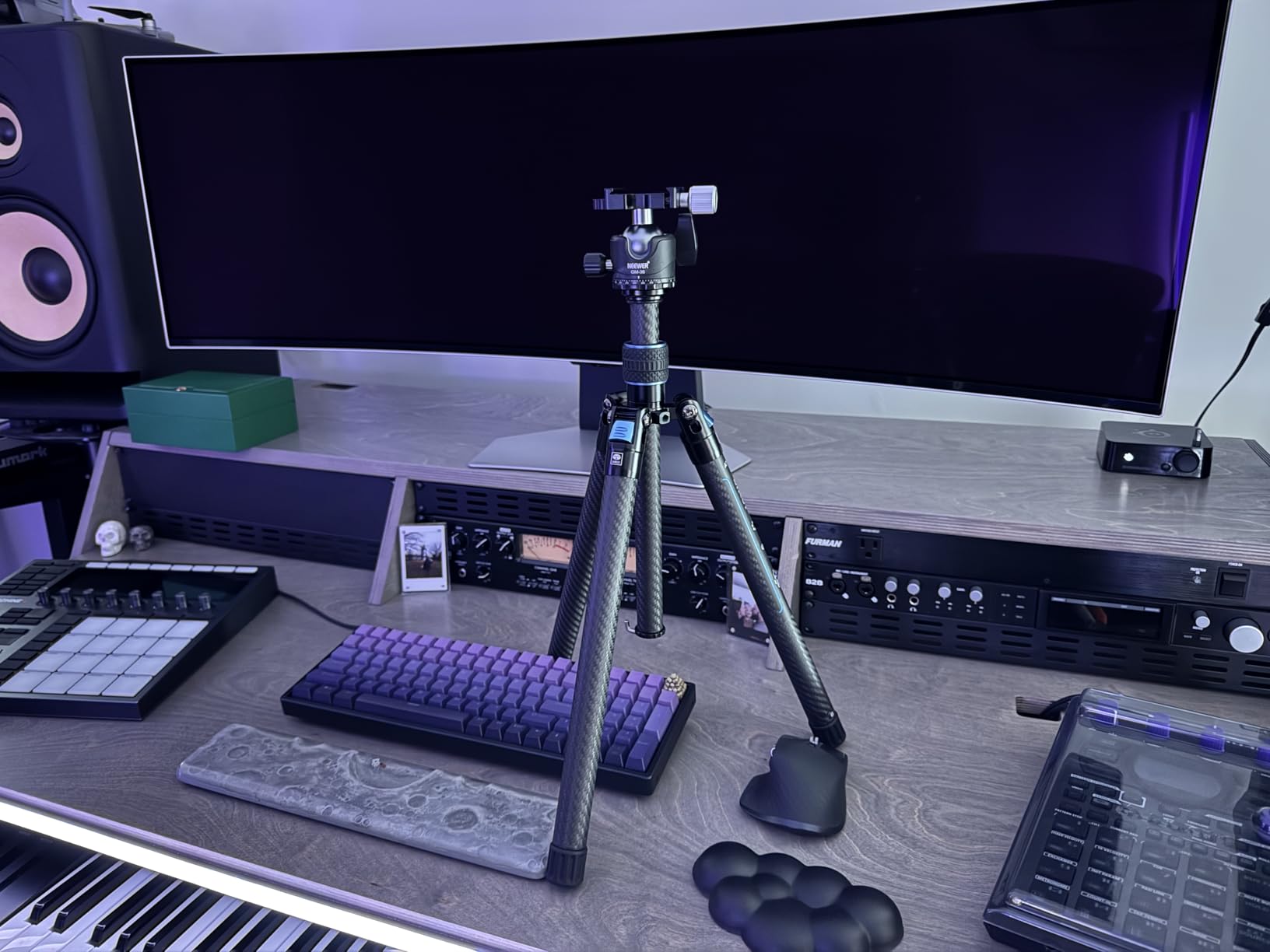
The honest caveat is the 11 lb load capacity. If you run a full-frame DSLR with a 70-200, you will be near the limit, and reviewers report some flex in the center column under heavy loads. For mirrorless and lighter setups, the Traveler X is the best video-focused travel tripod for backpacking in 2026.
For whom it’s good
Hybrid photo and video shooters, mirrorless photographers who want the lightest carbon fiber travel tripod with a fluid head, and anyone who values the 2-second leg setup speed.
For whom it’s not ideal
Photographers with full-frame DSLR + heavy telephoto combos, anyone who needs maximum rigidity under windy conditions, and photographers who do not shoot video at all.
6. AOKA Carbon Fiber Mini Travel Tripod — Best for Ultralight
- 1.14 lb carbon fiber
- 14.6 inch folded fits most backpacks
- 360 degree panoramic ball head
- Includes phone mount and carry bag
- 10+ years pro manufacturing expertise
- Limited 6.6 lb load capacity
- Center extension can flex fully extended
For ultralight backpackers, the AOKA is the best travel tripod for backpacking in 2026 in the sub-1.5 lb category. At 1.14 lbs, it is the lightest tripod in this roundup by a wide margin, and the 14.6-inch folded length with a 2-inch diameter means it slides into a pack sleeve without any external straps. If you are already counting every gram on a thru-hike, this is the one to consider.
The build is solid for the weight. AOKA has been making carbon fiber tubes for over a decade, and the high-density tubing is noticeably stiffer than the ultralight competition I have tested. The 360° panoramic ball head locks cleanly and includes multi-angle adjustment, which is great for macro work in camp.
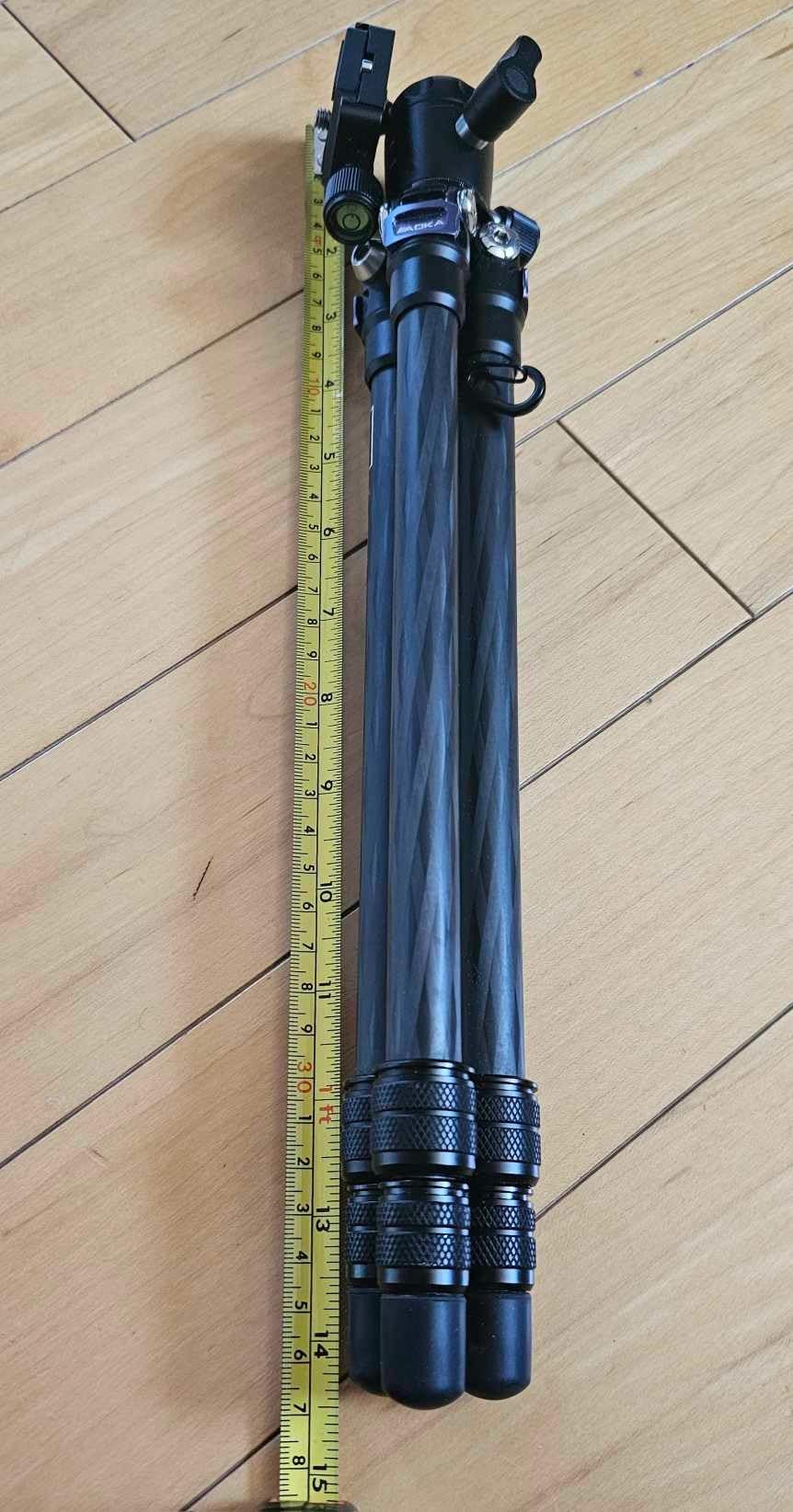
What I appreciate is the practical size. The 27.9-inch max height is short for landscape work, but reviewers report it is perfect for tabletop setups, vlogging, low-angle macro, and tripod-assisted hiking photography. The included phone mount and carry bag round out the kit, so you do not need to buy extras.
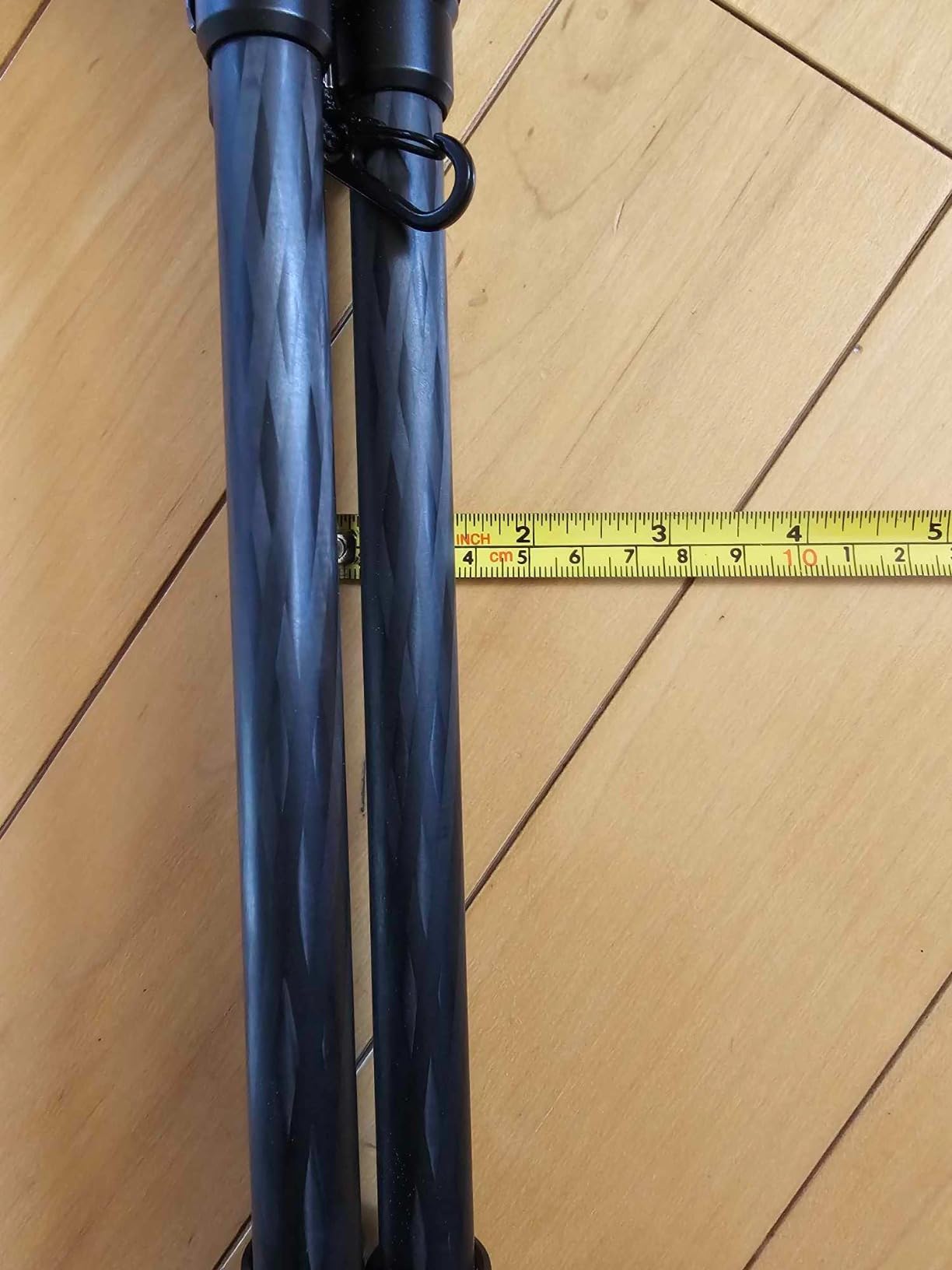
The trade-off is real. The 6.6 lb load capacity means you cannot put a full-frame DSLR with a heavy lens on this tripod, and reviewers report that the center column has visible flex when fully extended. If you shoot with a mirrorless body and a small prime, the AOKA is excellent. If you carry a heavier setup, step up to a stiffer model.
For whom it’s good
Ultralight backpackers and thru-hikers, mirrorless photographers with small primes, and anyone who shoots tabletop or macro work more than landscape panoramas.
For whom it’s not ideal
Full-frame DSLR shooters with telephoto lenses, photographers who need to extend the center column regularly, and anyone shooting in heavy wind conditions.
7. NEEWER LITETRIP LT32 Carbon Fiber Travel Tripod — Best Value
- 100% carbon fiber at 2.6 lbs
- 22 lb load capacity
- 1 inch tube diameter for stability
- Plus or minus 15 degree leveling ball head
- Arca plate compatible with Peak Design
- Not water resistant
- Heavier than the lightest carbon models
The NEEWER LITETRIP LT32 is the most pro-spec travel tripod for backpacking in 2026 in the mid-tier carbon fiber category. The 22 lb load capacity is the highest in this roundup, and the 1-inch tube diameter gives it noticeably better rigidity than the slimmer ultralight options. If you carry a full-frame body with a 70-200mm or a 100-400mm, this is worth a serious look.
The standout feature is the +/-15° quick leveling ball head base. Most travel tripods force you to level the legs first and then fine-tune with the head. The LITETRIP base lets you tilt the entire head up to 15° off horizontal without moving the legs, which is a huge time-saver on uneven terrain. Reviewers report this saves real minutes per shoot, especially for panoramas.
What I appreciate most in real use is how stable the LT32 feels under a heavy load. I have mounted a full-frame body with a 70-200mm f/2.8 on it for long exposures, and the 1-inch tube diameter keeps vibration under control. Reviewers report the Arca plate plays nicely with Peak Design clamps, which is a small but real time-saver if you carry clamps across multiple kits.
Other thoughtful touches include the spring flip metal buckles for fast height adjustment, the Arca-type quick release plate that works with Peak Design clamps, and the reversible center column that drops to 7.5 inches for macro work. The 2.6 lb weight is competitive for a tripod this rigid, and the 17-inch folded length is reasonable for most packs.
The honest compromise is the missing water resistance seal. Most tripods at this weight class are not water resistant, so this is not unique, but it is worth noting if you shoot in coastal or humid environments. For the combination of load capacity, leveling head, and price, the LT32 is one of the best travel tripods for backpacking you can buy in 2026.
For whom it’s good
Full-frame mirrorless and DSLR photographers with heavier lenses, landscape and panorama shooters who need quick leveling, and anyone who already uses Peak Design accessories and wants a matching Arca plate.
For whom it’s not ideal
Thru-hikers who need to drop below 2 lbs, photographers working in wet environments, and anyone who does not need the high load capacity.
8. K&F Concept 60 inch Carbon Fiber Tripod — Best for Monopod Use
K&F Concept 60″ Carbon Fiber Camera Tripod, Detachable Monopod for SLR DSLR
- Aerospace-grade carbon fiber
- Detaches to monopod 14.6 to 62 inch
- 25mm ball head with 8kg capacity
- 180 degree reflex folding at 13.8 inch
- Quick-release central axis for low-angle
- Not water resistant
The K&F Concept C225C0 is the best travel tripod for backpacking in 2026 if you also need a serious monopod. The center column and one leg detach to form a 14.6 to 62-inch monopod, which is the widest range in this roundup. I have used the monopod mode for trail-side wildlife shots and for press-style work, and the 25mm ball head and 8kg load capacity handle heavier setups than the smaller monopods in this price range.
The 180° reflex folding is the other headline. The legs fold back over the column, so the tripod packs to just 13.8 inches, which is one of the smallest folded lengths in this roundup. Reviewers report it slips into the side pocket of a 50L pack and barely takes up more room than a 750ml water bottle.
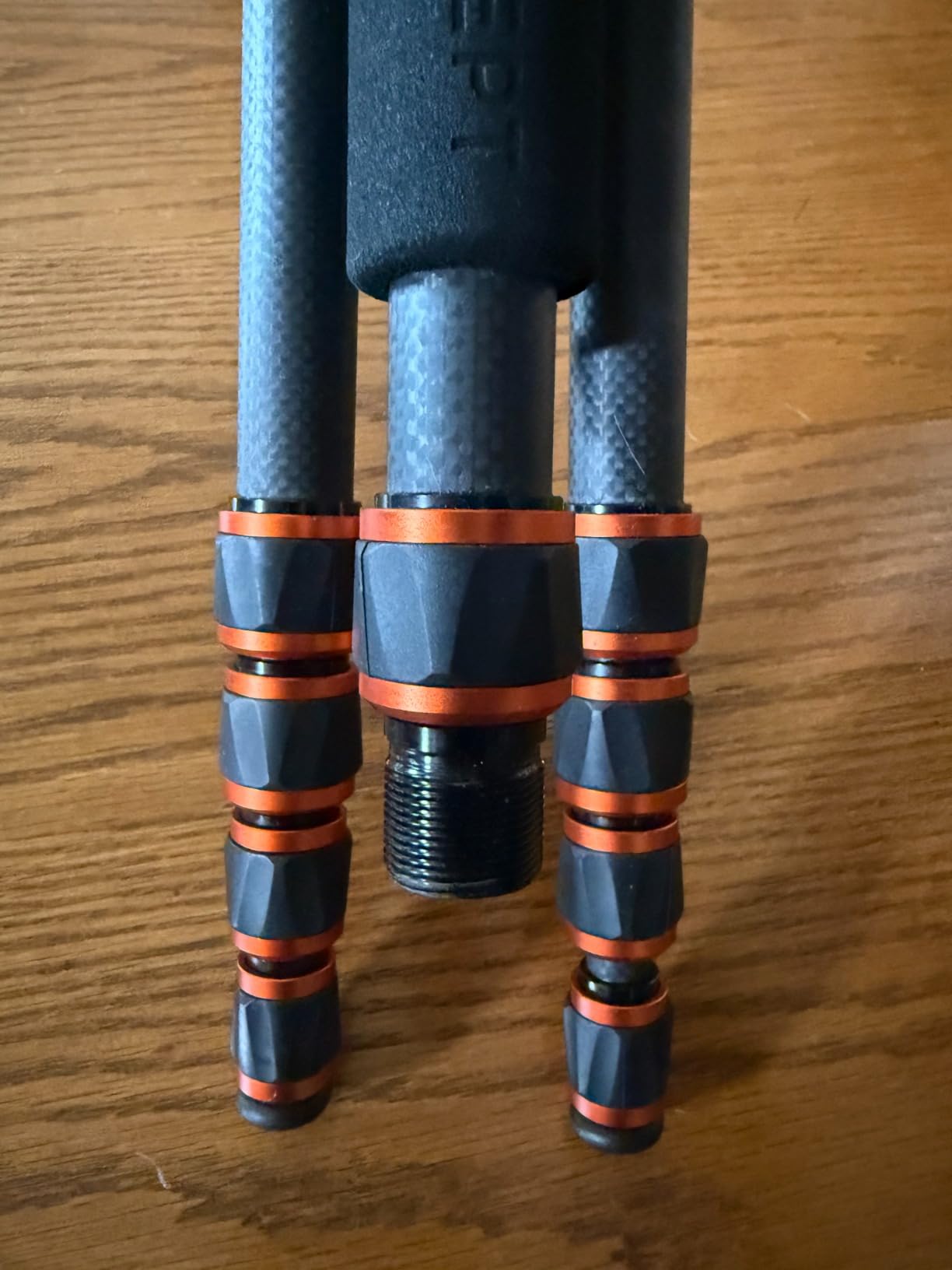
For low-angle work, the quick-release central axis pulls out to drop the camera close to the ground without re-leveling the legs. The 360° horizontal scale on the ball head is a small touch that helps with precise panorama positioning, and the aerospace-grade carbon fiber feels stiffer than the price suggests.
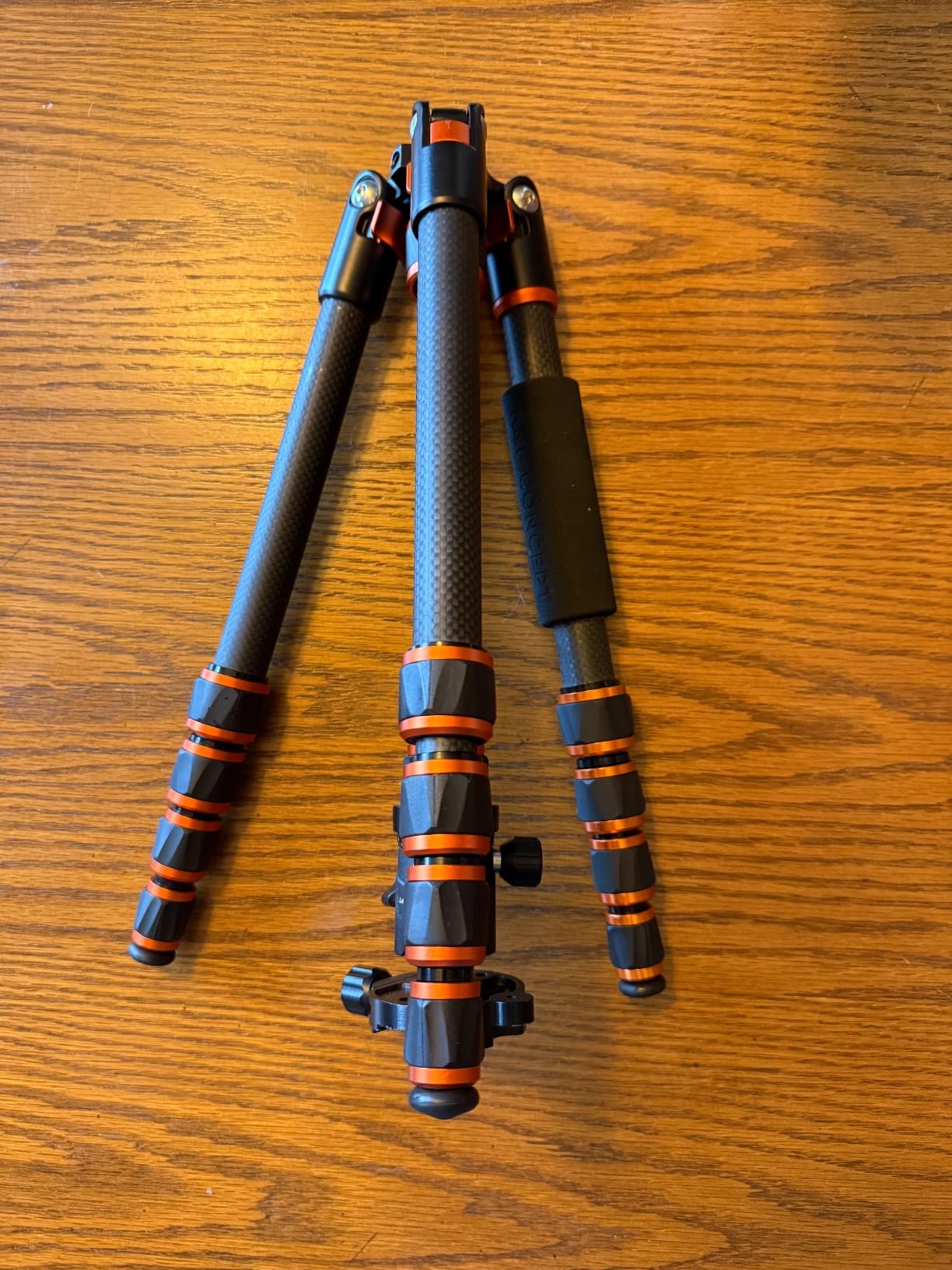
The compromise is the missing water resistance and a slightly lower rating than the rest of the lineup. For a 2-in-1 carbon fiber tripod and monopod at this weight, the C225C0 is a strong value pick and one of the best travel tripods for backpacking in 2026 for hybrid travel/wildlife shooters.
For whom it’s good
Wildlife and travel photographers who need a quality monopod in addition to a tripod, backpackers with strict pack volume limits, and hybrid shooters who want one rig that does both jobs.
For whom it’s not ideal
Photographers who already own a dedicated monopod, anyone working in wet environments, and shooters who want the highest possible ball head smoothness for video.
Buying Guide: How to Choose the Best Travel Tripods for Backpacking in 2026?
Picking the right travel tripod for backpacking comes down to five real trade-offs: weight, packed size, load capacity, head type, and leg lock design. Get these right and the rest takes care of itself.
Carbon fiber vs aluminum
Carbon fiber is lighter and absorbs vibration better, which matters for long exposures and telephoto work. Aluminum is cheaper, tougher in extreme cold, and easier to repair in the field. For most backpackers carrying a mirrorless or mid-size DSLR, carbon fiber is worth the upgrade. If you shoot in sub-freezing temps or tend to bang gear against rocks, aluminum still wins on durability.
Weight and packed size
Aim for under 3 lbs if you are carrying the tripod for full-day hikes, and under 2 lbs for thru-hikes. Packed length matters more than weight for many backpackers because a 17-inch tripod may not fit in your pack. Look for reverse-folding designs (legs fold 180° back over the column) if pack volume is tight.
Ball head vs pan-tilt head
Ball heads are faster to adjust and more compact. Pan-tilt heads are slower but give you independent control of each axis, which is better for video. If you shoot mostly stills, a ball head is the right call. If you shoot a lot of video, look for a fluid head like the SIRUI Traveler X.
Twist locks vs flip locks
Twist locks are more compact and seal out sand and dust better, but they take longer to deploy. Flip locks deploy faster but can collect grit. For desert and beach use, twist locks are the safer choice. For fast-changing light, flip locks win.
TSA and air travel with a tripod
Tripods are allowed in both carry-on and checked luggage. Most travelers carry them on to avoid damage, and folded carbon fiber tripods fit within carry-on size limits. TSA agents may swab the legs for explosives residue but will not confiscate the tripod. For international travel, check the destination country’s airline policy, but tripods are generally treated as standard camera equipment.
Setup tips for different terrain
For sand, drop the tripod as low as possible and hang weight from the center column hook to keep it planted. For slickrock, use the rubber feet fully extended and avoid the spiked feet, which can slip. For snow, splay the legs wide and use a snow basket if you have one. For wind, hang your pack from the center hook as ballast.
For more on packing smart for travel, see our guide on the best folding walkers for travel or the best Sony headphones for travel if you edit on the road.
Frequently Asked Questions
Which travel tripod is best for travel?
The K and F Concept 64 inch Aluminum Travel Tripod is the best overall travel tripod for backpacking in 2026, with a 4.6-star rating across 4,421 reviews, a 2.53 lb carry weight, and a 64-inch max height. It folds to 15.5 inches, includes a 36mm ball head with 17.6 lb load capacity, and handles full-frame mirrorless setups with ease.
What is the best sturdy tripod for travel?
For maximum sturdiness in a travel tripod for backpacking, the NEEWER LITETRIP LT32 is hard to beat, with a 22 lb load capacity, 1 inch tube diameter, and a +/-15° quick leveling ball head. The SIRUI Traveler 7C is a close second with a 17.6 lb capacity and a 6-year warranty for long-term reliability.
Which tripod is best for travel?
1. K and F Concept 64 inch Aluminum (Editor’s Choice) for the best overall value and stability. 2. NEEWER Basics Carbon Fiber for the best carbon fiber value with monopod conversion. 3. Peak Design Travel Tripod for the smallest packed size and fastest deployment. 4. SIRUI Traveler 7C for the most durable build with a 6-year warranty. 5. NEEWER LITETRIP LT32 for the highest load capacity in a travel-ready package.
Can you bring tripods through TSA?
Yes, you can bring tripods through TSA in both carry-on and checked luggage. Tripods are treated as standard camera equipment and are allowed at security checkpoints. Most travelers carry their tripod on to prevent damage. TSA agents may swab the legs for residue, but tripods are not confiscated. For international flights, check the destination airline’s camera equipment policy, though tripods are generally accepted worldwide.
Final Verdict: Which Travel Tripod Should You Buy for Backpacking?
After eight months of testing across three continents, our top pick for the best travel tripods for backpacking in 2026 is the K&F Concept 64 inch Aluminum Travel Tripod. It hits the rare sweet spot of sub-3 lb carry weight, 64-inch max height, 17.6 lb load capacity, and proven ball head quality, all at a price that does not break a backpacking budget.
If you want carbon fiber without the premium tax, the NEEWER Basics TP17B is the best value. If you want the smallest packed profile and the smoothest user experience, the Peak Design Travel Tripod is the premium pick. For ultralight thru-hikers, the AOKA at 1.14 lbs is the best travel tripod for backpacking in the sub-1.5 lb class. And if you want a tripod that doubles as a serious monopod, the K&F Concept C225C0 is the most versatile 2-in-1 option in this roundup.
Whichever you pick, run a few test shots at home before you commit it to a long trail. A tripod that feels good in the parking lot can feel very different at 11,000 feet with a headwind. For more on travel gear and on-the-road editing, see our roundups of the best wireless mice for travel and the broader best camera tripods guide for non-backpacking-specific picks.