
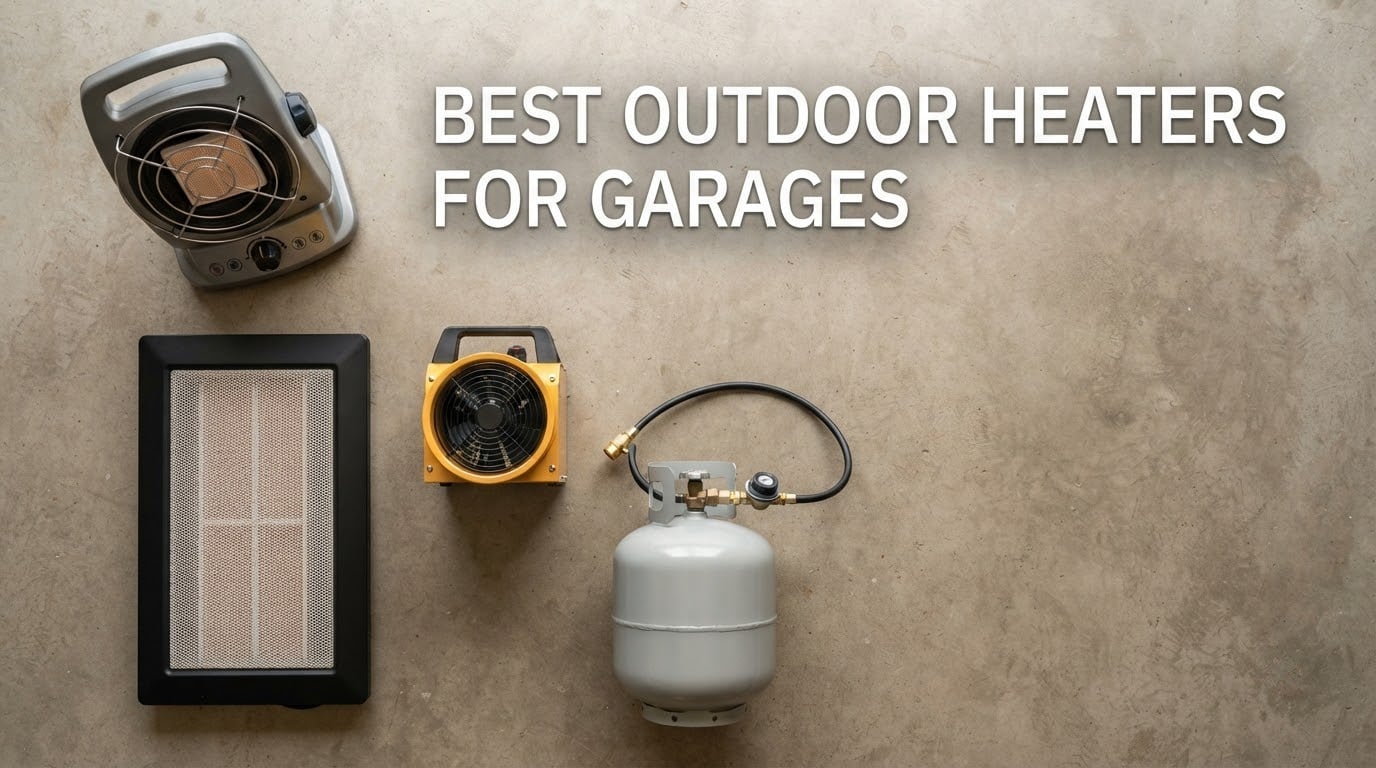
If you are hunting for the best outdoor heaters for garages, the Mr. Heater 9,000 BTU Portable Buddy is the one we would put in your hands first. It carries a 4.7 star rating across more than 29,000 reviews, it is approved for both indoor and outdoor use, and at 7.1 pounds you can carry it from the workbench to the open bay door without thinking about it.
That is the honest problem with garage heaters in 2026. The word “outdoor” is doing a lot of work in the search term, because a garage sits somewhere between a workshop and a shed. It has a door that goes up and down, walls that leak, and a roof that stops rain but not cold. Most indoor-rated space heaters were never certified for that, and most patio heaters were never tested on a damp concrete floor next to a lawnmower.
We spent weeks comparing ten heaters across all three fuel classes so you do not have to sort them out yourself. Propane radiant units, propane forced-air guns, and electric infrared panels each solve a different version of the problem, and the right pick depends less on brand than on whether you want to warm yourself or warm the room.
Our picks on greenhouse heaters for winter cover a related cold-space problem, and if your garage doubles as a plant room the DR. Infrared cabinet unit below overlaps that job.
Table of Contents
Top 3 Picks for Outdoor Garage Heating (October 2026)
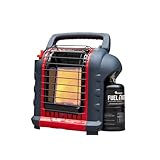
Mr. Heater 9,000 BTU Buddy
- 4000 or 9000 BTU radiant
- Indoor and outdoor approved
- 225 sq ft coverage
- 7.1 lb portable

Mr. Heater 18,000 BTU Big Buddy
- Radiant plus convection fan
- 450 sq ft coverage
- Up to 216 hrs on two 20 lb tanks
- Tip-over and low-oxygen shutoff

Dyna-Glo 30,000-60,000 BTU
- Continuously variable output
- Heats up to 1350 sq ft
- Adjustable heat angle
Best Outdoor Heaters for Garages at a Glance (2026)
Every heater below is written up in detail further down, including the safety features that matter in a garage and the runtimes reviewers report.
| Product | Specifications | Action |
|---|---|---|
| Mr. Heater 9,000 BTU Buddy |
|
Check Latest Price |
| Mr. Heater 18,000 BTU Big Buddy |
|
Check Latest Price |
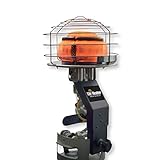 Mr. Heater 45,000 BTU Tank Top Mr. Heater 45,000 BTU Tank Top |
|
Check Latest Price |
 Dr. Infrared DR-239 3000W Dr. Infrared DR-239 3000W |
|
Check Latest Price |
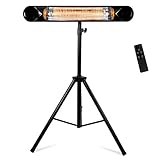 Briza 1500W Infrared Briza 1500W Infrared |
|
Check Latest Price |
 GASLAND Flame Jet 125,000 BTU GASLAND Flame Jet 125,000 BTU |
|
Check Latest Price |
 Dr. Infrared DR218 1500W Dr. Infrared DR218 1500W |
|
Check Latest Price |
 Remington 60,000 BTU Forced Air Remington 60,000 BTU Forced Air |
|
Check Latest Price |
 DEWALT 68,000 BTU Forced Air DEWALT 68,000 BTU Forced Air |
|
Check Latest Price |
| Dyna-Glo 30,000-60,000 BTU |
|
Check Latest Price |
1. Mr. Heater 9,000 BTU Portable Buddy Radiant Propane Heater – Best Overall
- Dual 4000 and 9000 BTU radiant output
- Indoor and outdoor approved so it works in an open garage
- Two heat settings with about 5.4 hr low and 2.4 hr high on a 1 lb cylinder
- Low-oxygen safety shutoff and self-extinguishing construction
- 4.7 stars across more than 29000 reviews
- Covers only about 225 sq ft at full output
- Radiant design warms people more than room air
- Unauthorized accessories void the warranty
This is the heater we keep coming back to because it solves the actual garage problem instead of a hypothetical one. Owners use it for driveway work, garage projects and open-bay jobs, and the review pattern is consistent: it is rugged, quiet compared with any fan-driven unit, and easy to move.
Weighing 7.1 pounds with a pedestal form factor and floor mount, it goes anywhere your feet do. The piezo igniter means there is no battery, no pilot and no external power, which matters in a garage where the outlets are often the first thing you distrust.
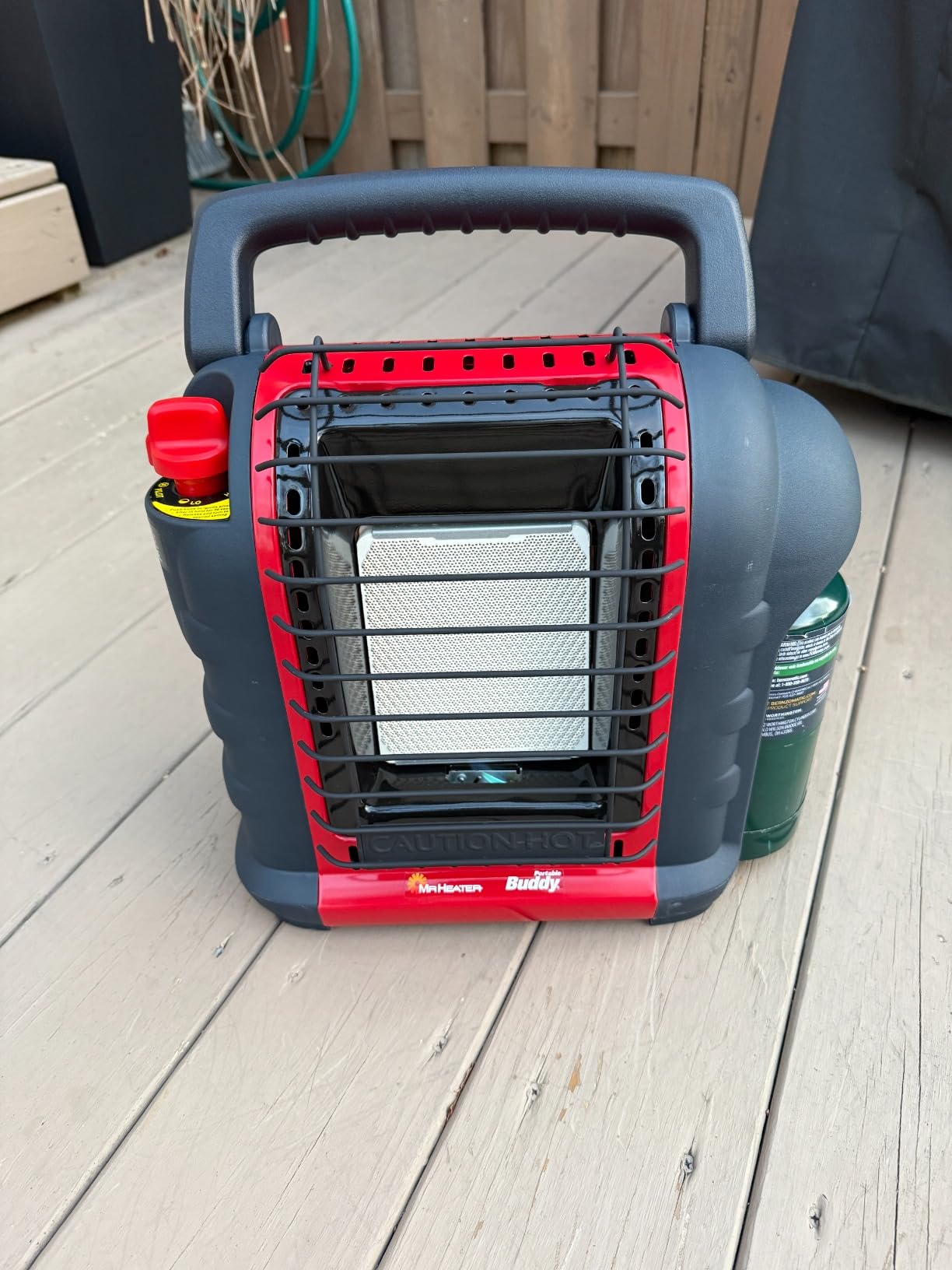
The honest limitation is coverage. At 225 square feet on the product’s own rating, this is not a room heater. It warms the person standing at the bench and the objects in front of it, and it does that very well, but it will not lift the air temperature of a two-car garage.
Running a small electric space heater on low around the clock in a similar setup runs to a modest monthly electricity cost, which is a useful anchor for anyone comparing fuel options. The Buddy is the propane counterpart to that baseline, and it burns faster per hour but produces far more heat per unit of floor area.
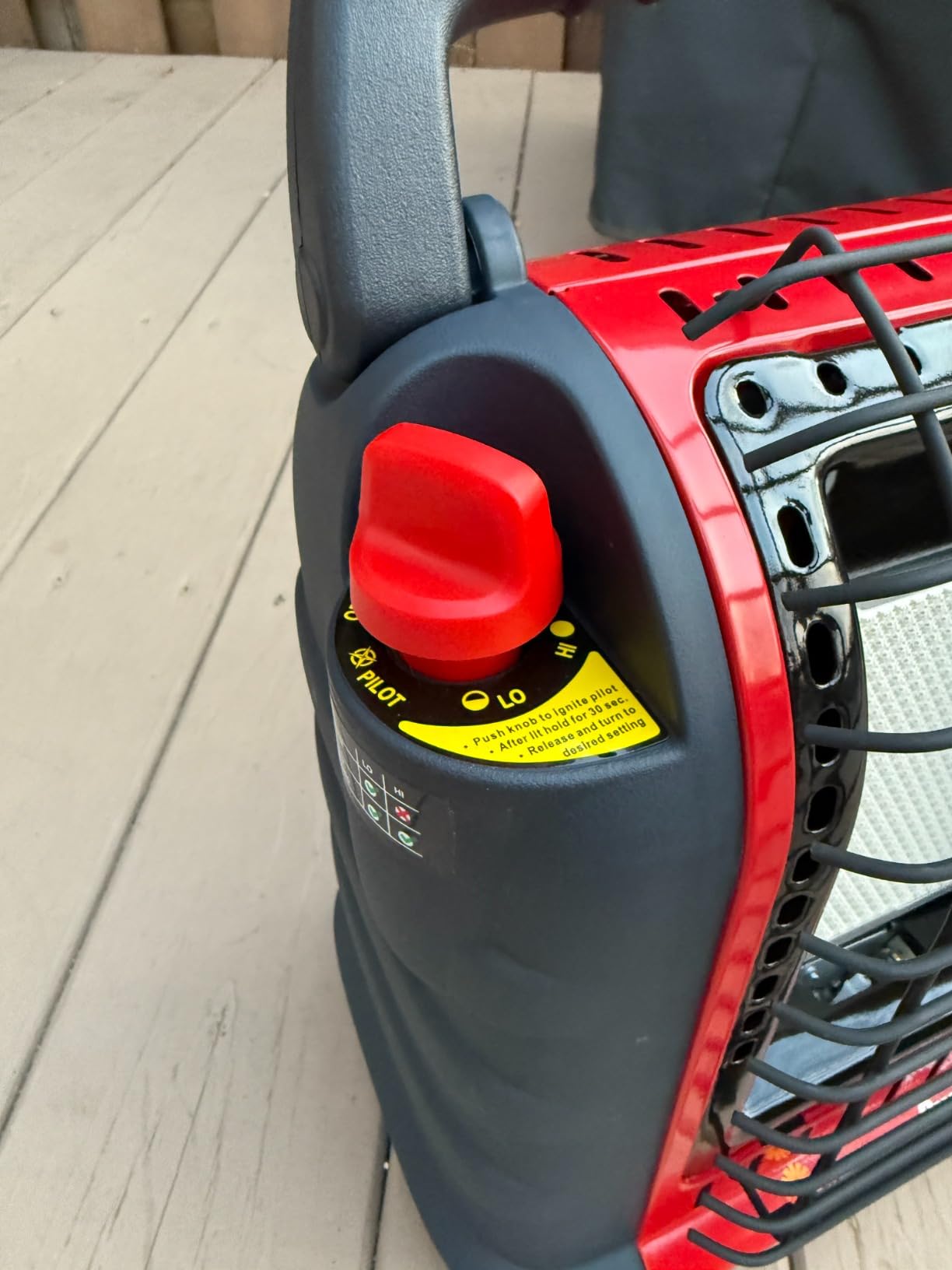
What you give up with the Buddy
Two things, and neither is disqualifying. First, radiant heat is directional. If you are working behind the heat path you will feel nothing, which is why the tank-top model below exists for the same reason at a much higher output.
Second, the warranty is a 1-year limited warranty and the manual is strict about accessories. Use the hose and fittings the unit was designed around.
Who should buy it and who should not
Buy the Buddy if you work in a garage with the door open, if you want zero installation, or if you are heating yourself at a workbench rather than a building. It is also the safest pick for a family garage because the low-oxygen shutoff is present and the surface area is small.
Skip it if you need to heat a whole detached shop, or if you plan to run a heater overnight in a sealed space. This is a spot heater by design.
2. Dr. Infrared DR-239 3000W IP55 Weatherproof Infrared Heater – Best for Attached Garages
- Instant radiant heat with no warm-up time
- IP55 weatherproof housing suits semi-outdoor bays
- Silent odorless operation with overheat protection and auto shutoff
- Wall and ceiling brackets plus remote for power level and timer
- Long-term owners report multiple winters of reliable use
- Highly directional so you must stand close
- Requires a dedicated 220V-240V circuit
- PWM regulation can flicker LED lights on the same circuit
No combustion means no carbon monoxide, no propane tank and no hose, and in an attached garage that single fact decides a lot of arguments. Owners with cold New England garages describe multi-winter use with the unit mounted high on a wall and aimed down at the work area.
At 3000 watts and roughly 10260 BTU per hour, it delivers meaningful heat instantly. There is no red-up delay, so you can walk out to the car on a February morning and start working in under a minute.
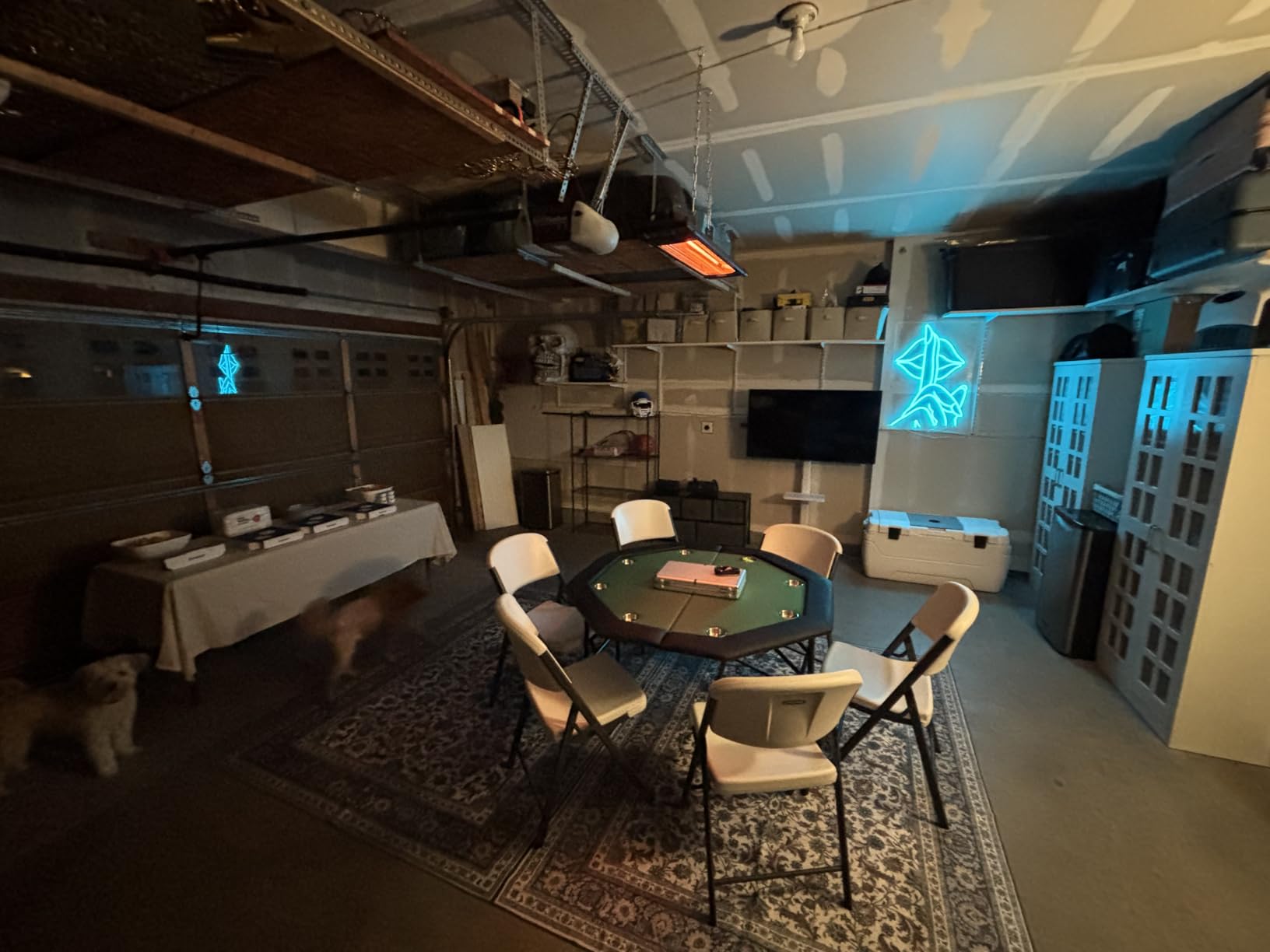
The trade-offs are real. It draws 12.5 amps at 240 volts, which means a dedicated circuit and an electrician if you do not already have one. It also runs hot at the front grates, so mounting height and aim matter more than with any fan unit.
Reviewers also flag that the unit does not remember its setting after a power cut, so you restart it with the remote. That is a minor irritation unless you are managing it on a timer through a smart switch.
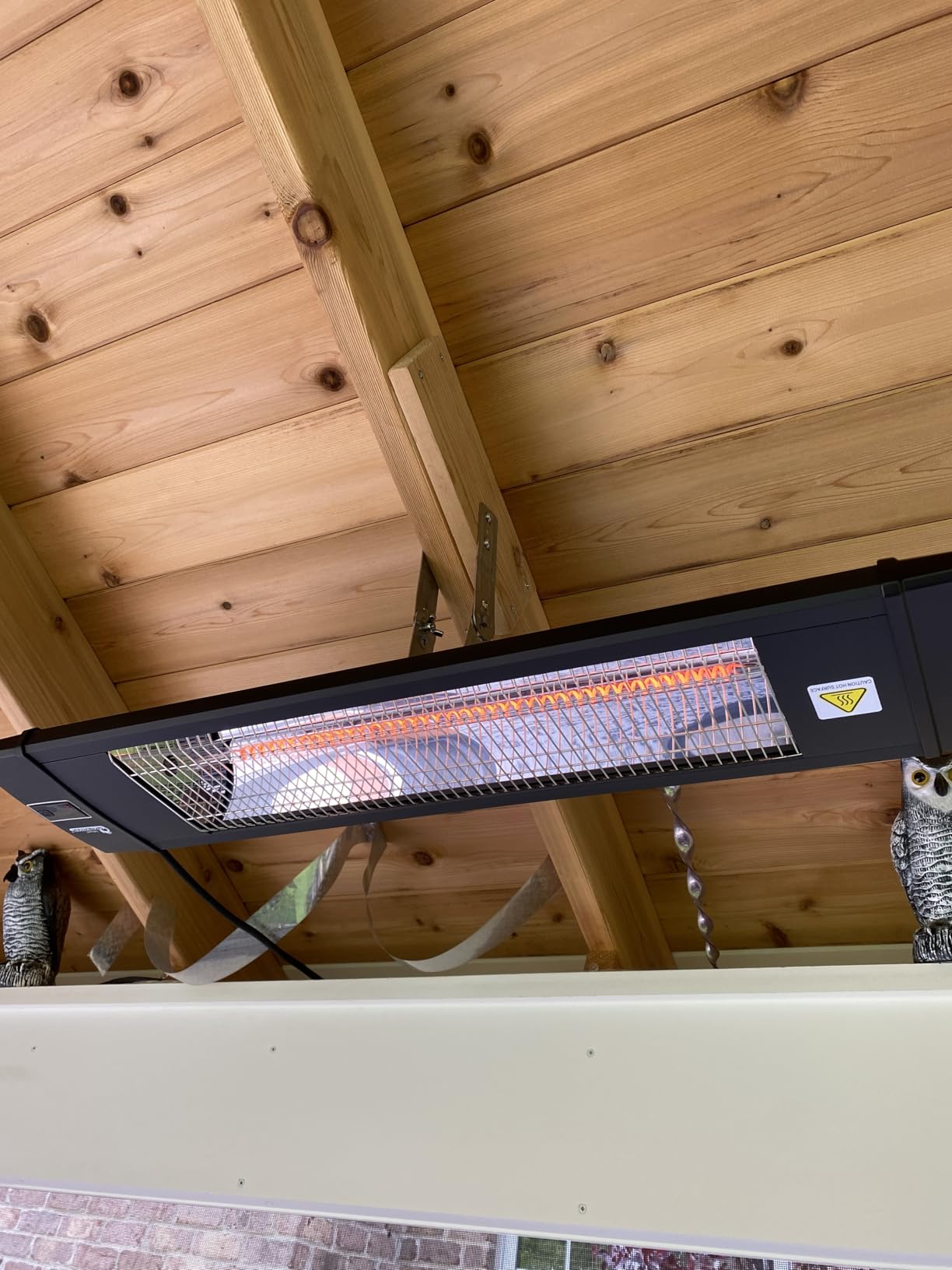
Where the directional heat actually works
Point it at a bench, a vehicle bay or a spot where you stand for twenty minutes at a stretch. That is the use case buyers rate highly and the one this form factor is built for. Long-term owners in garage settings consistently describe the build quality as better than the price suggests.
If you want the whole air volume warm, this is the wrong tool. Radiant panels do not stir the room.
Who should buy it and who should not
Buy the DR-239 if your garage is attached, if carbon monoxide is a worry, or if you want heat in seconds rather than minutes. It is also the strongest choice for a carport or covered bay where weather exposure is a factor and an IP55 housing matters.
Skip it if you have no 240-volt circuit and no plan to add one. The 110V garage tool roundup covers the same single-circuit constraint from another angle.
3. Mr. Heater 45,000 BTU Tank Top Radiant Propane Heater – Best for Open-Air Work
Mr. Heater Original 540-Degree 45,000 BTU Tank Top Radiant Propane Heater
- 45000 BTU radiant with adjustable 540 degree tilt
- Mounts directly to a standard 20 lb propane tank with no hose
- Three heat levels at 45000 36000 and 30000 BTU
- About 9.5 hr runtime on high with a 20 lb tank
- Built-in tip-over safety shutoff
- Outdoor use only
- First lighting takes several minutes while the mantle glows
- Awkward Phillips-head tank mount screws
- Most radiant output shoots straight up unless the head is tilted
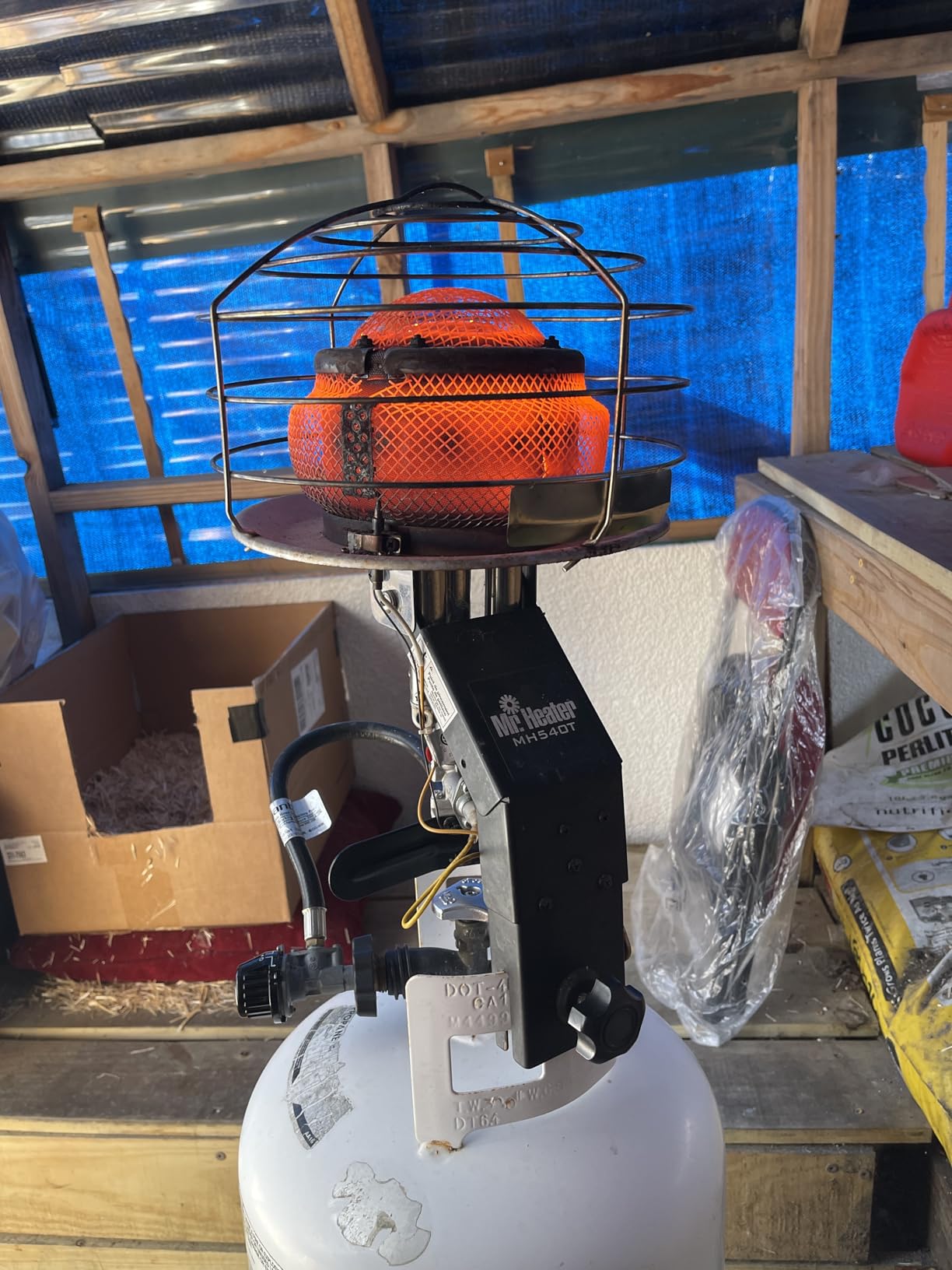
This is the outdoor heater in the truest sense. It screws straight onto a 20 lb propane cylinder with no hose and no regulator, weighs 5.6 pounds, and throws a wide cone of radiant heat you can aim anywhere across 540 degrees.
Owners run it for garage projects, pop-up shops, gazebos and outdoor events, and a common theme is running the lower setting through a cool-weather build rather than blasting the high setting. Three levels at 45000, 36000 and 30000 BTU make that easy.
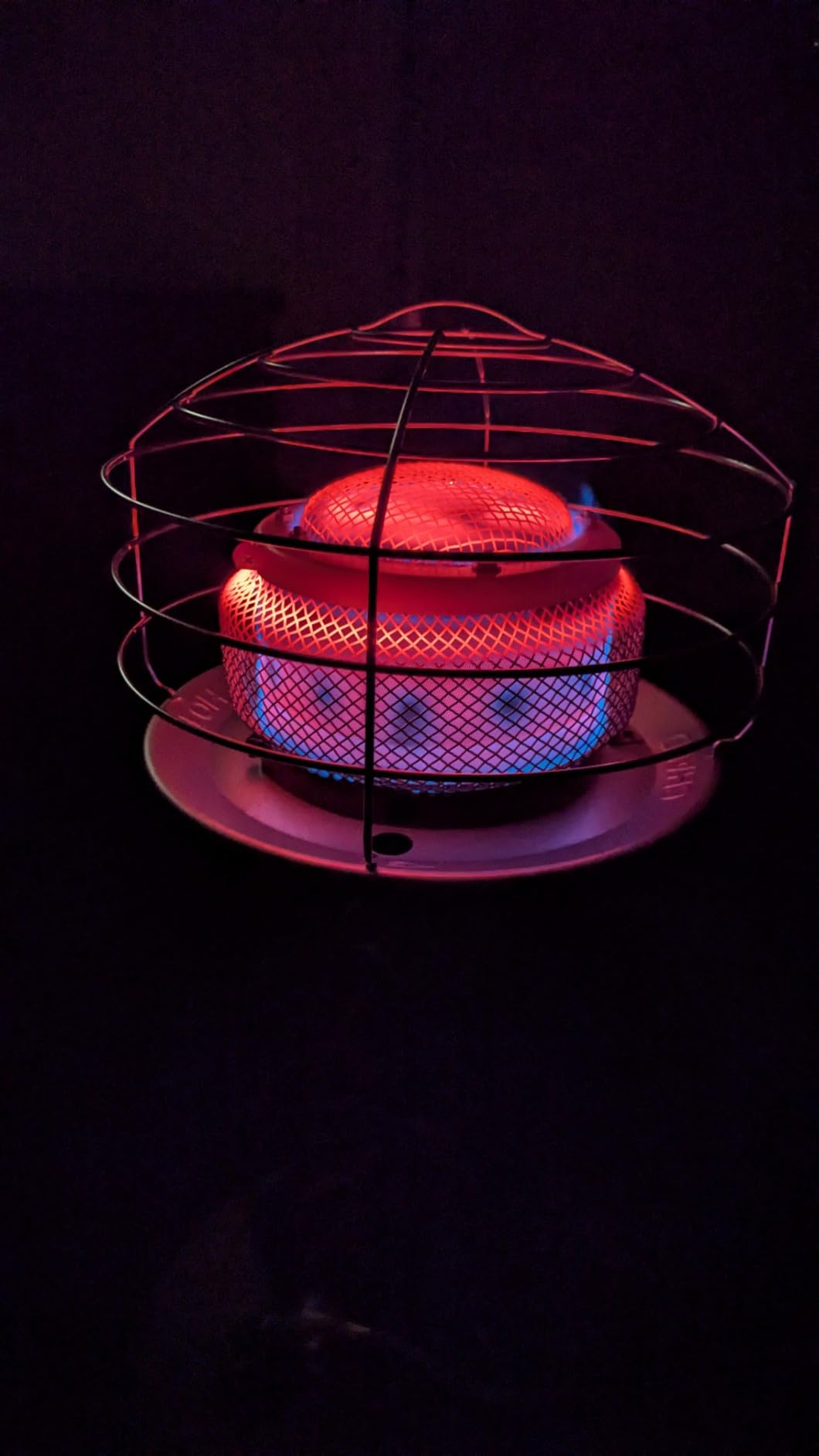
The listed heating coverage of 1125 square feet is a radiant claim rather than a room-warming claim, so treat it as generous. This heats the people in front of it. If you want air temperature in the whole bay, you need one of the forced-air models further down.
Two practical notes from reviews. First lighting takes several minutes while the mantle glows red, and most of the heat goes straight up until you tilt the head. The mounting screws are also awkward to reach with a wrench.
Why the tilt head matters more than the BTU number
A 540-degree head means you can point the cone at a workbench, at a vehicle on a lift, or at a group of people under a canopy without moving the tank. That flexibility is the single feature owners mention most, and it is what separates this from a fixed-cone patio heater.
The tip-over cut-off switch is the safety feature to note. A radiant heater on a tank is the most tip-over-prone design in this list, so that switch is doing real work.
Who should buy it and who should not
Buy it if your garage bay is open to the air, or if you work under a carport, canopy or gazebo where radiant heat suits you better than a fan. Quick tank swaps with no hose to trip over make it genuinely portable.
Skip it for an enclosed garage with the door down. It is rated for outdoor use, and a small number of owners report a tip-over sensor that failed.
4. Briza 1500W Infrared Electric Heater – Best for Flexible Mounting
Briza Infrared Electric Patio Heater – Indoor/Outdoor Heater – Portable Wall/Garage Heater – 1500W – use with Stand – Mount to Ceiling/Wall)
- Wall hardware ceiling hardware and adjustable tripod stand in one box
- Remote with 1-9 hour timer and three heat levels
- IP55 rating for rain snow sand and dust
- Tip-over auto shutoff and silent carbon infrared operation
- About five minutes to assemble with no tools
- Radiant only so it will not warm the room air
- 12.5A draw often overloads a shared household circuit
- Stand height is tall for seated patio use
- Some buyers expected faster ambient temperature rise
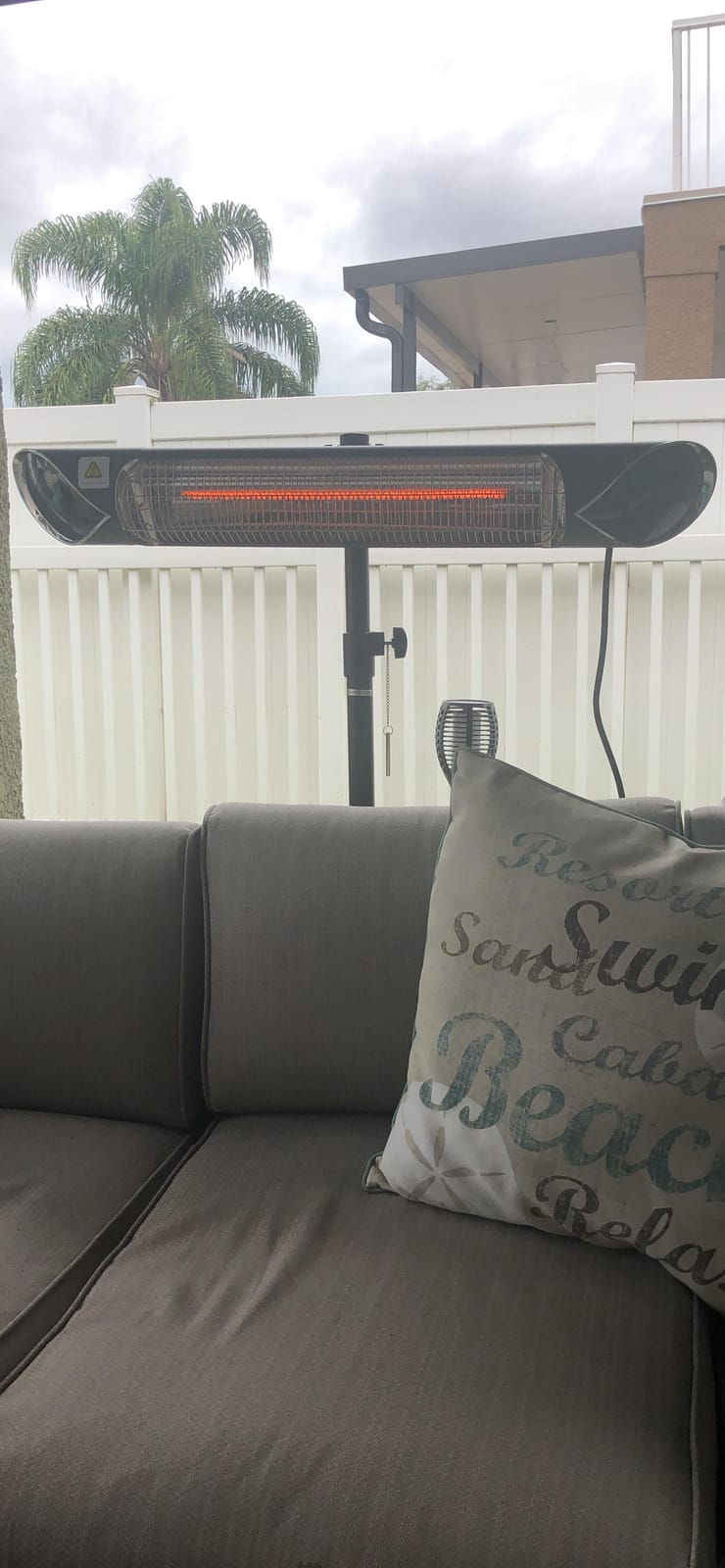
The reason this unit stands out is simple logistics. One box contains wall brackets, ceiling hardware and an adjustable tripod stand, so you can move it from a bench to a ceiling joist to the middle of an open bay without buying anything else.
At 1500 watts on a standard 120-volt cord it draws 12.5 amps, which is fine on a dedicated outlet and a problem on a shared household circuit. That is the most common real-world complaint alongside the radiant-versus-room-heat misunderstanding.
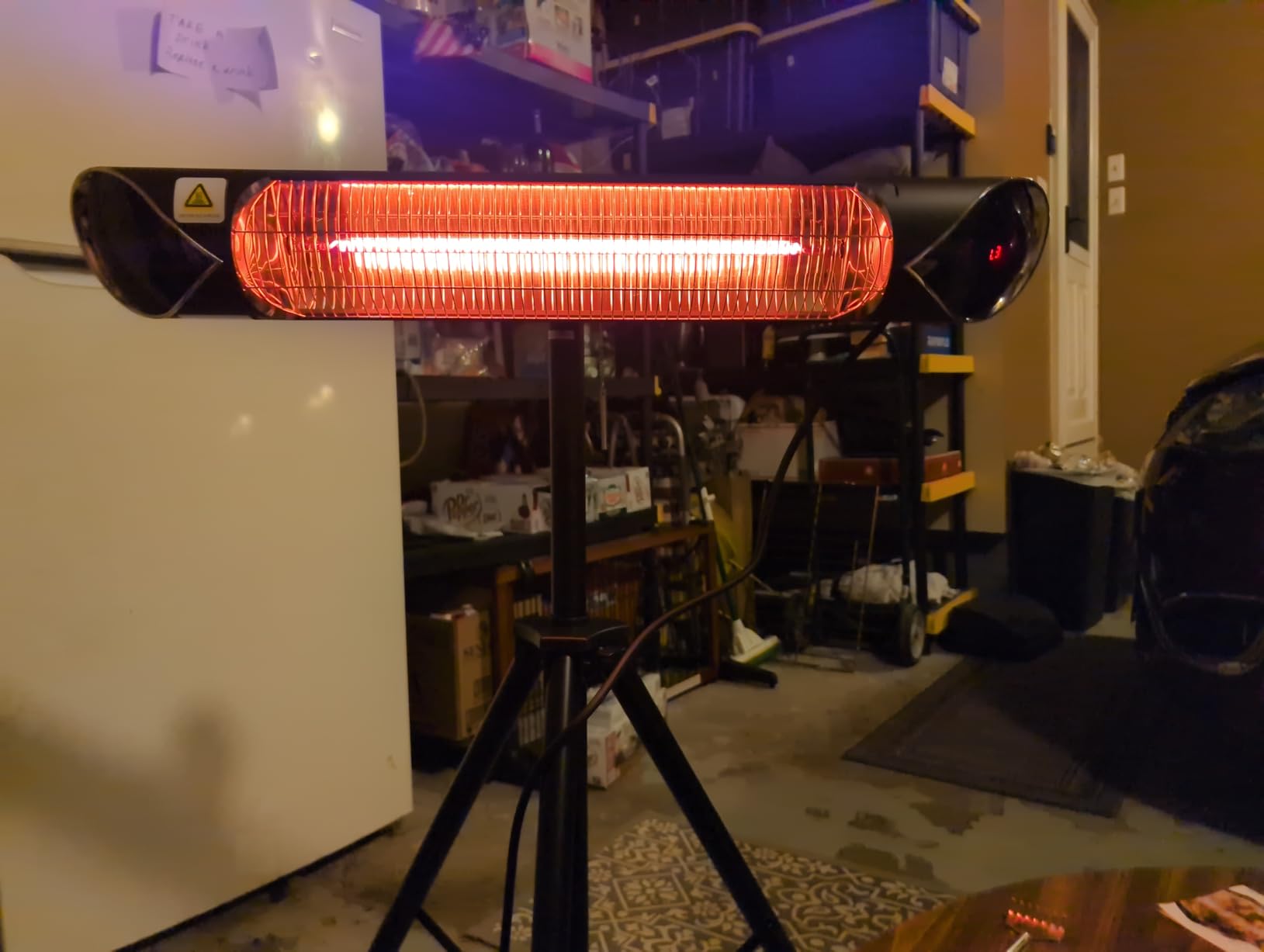
The review split here is unusually instructive. Around 63 percent of buyers give five stars and about 12 percent give one star, and every one-star review describes the same mistake: expecting a radiant heater to raise garage air temperature.
Owners who point it at a workbench, a weight rack or themselves report excellent results. Listed coverage runs 800 to 1000 square feet indoors and about 100 square feet outdoors, which tells you exactly how personal this heater is.
Three heat levels and a nine-hour timer
Three settings at 900, 1200 and 1500 watts give you a workable answer to the overload problem. On the 900-watt setting the current draw drops enough to share a circuit, and the remote timer lets you run it on a schedule through a work session.
The IP55 rating is what makes it a genuine outdoor heater rather than a patio repackage. Rain, snow, sand and dust are all covered by that rating.
Who should buy it and who should not
Buy the Briza if you rent, if you cannot mount anything permanently, or if your garage is a place you use in several different ways. It is also a natural companion to a home gym setup where you warm up in the cold months.
Skip it if you are trying to heat air. If you need room heat, the forced-air units later in this guide do the job properly.
5. GASLAND Flame Jet 125,000 BTU Forced-Air Propane Heater – Best for Large Open Bays
GASLAND 125,000 BTU Propane Force Air Heater for Garage, Heat Up 3100 Sq.Ft
- Highest output in this roundup at 125000 BTU covering up to 3100 sq ft
- Adjustable from 75000 to 125000 BTU with adjustable heat angle
- About 5 hours runtime on low with a standard 20 lb tank
- CSA certified with electronic ignition and flame-failure safety valve
- Durable steel body with 1-year warranty and lifetime support
- Forced-air fan noise makes it unsuitable for a quiet space
- Single speed with no thermostat
- Manual cycling required to hold temperature
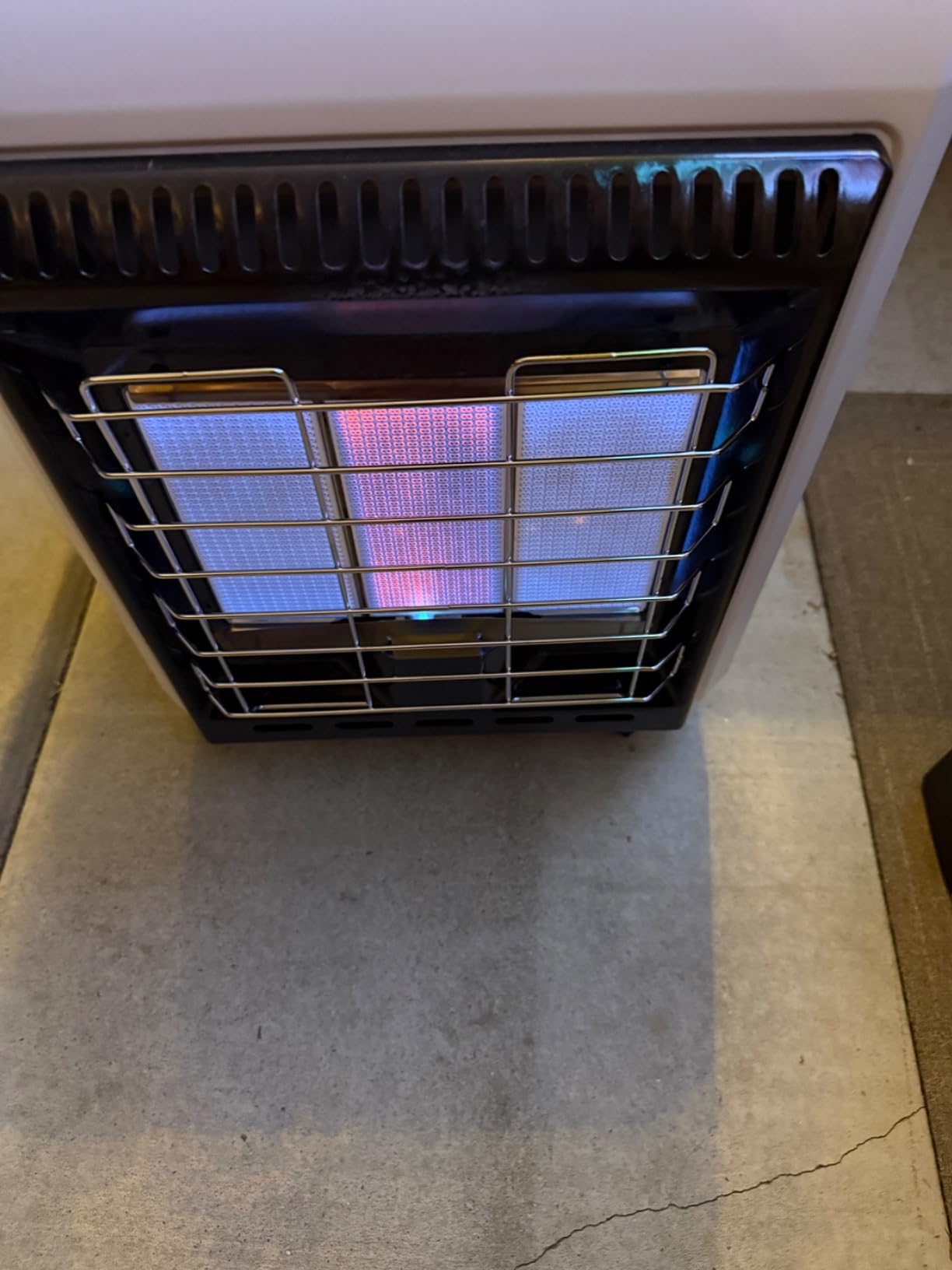
At 125,000 BTU this is the highest-output heater in this roundup, and it covers up to 3100 square feet according to the manufacturer. Owners running it in open or drafty garages, barns and job sites describe it as the fastest way to get a full space warm.
Output adjusts from 75,000 to 125,000 BTU, which matters more than the headline number. Matching a heater to a space is the difference between a unit that cycles sensibly and one that either undershoots or overpowers.
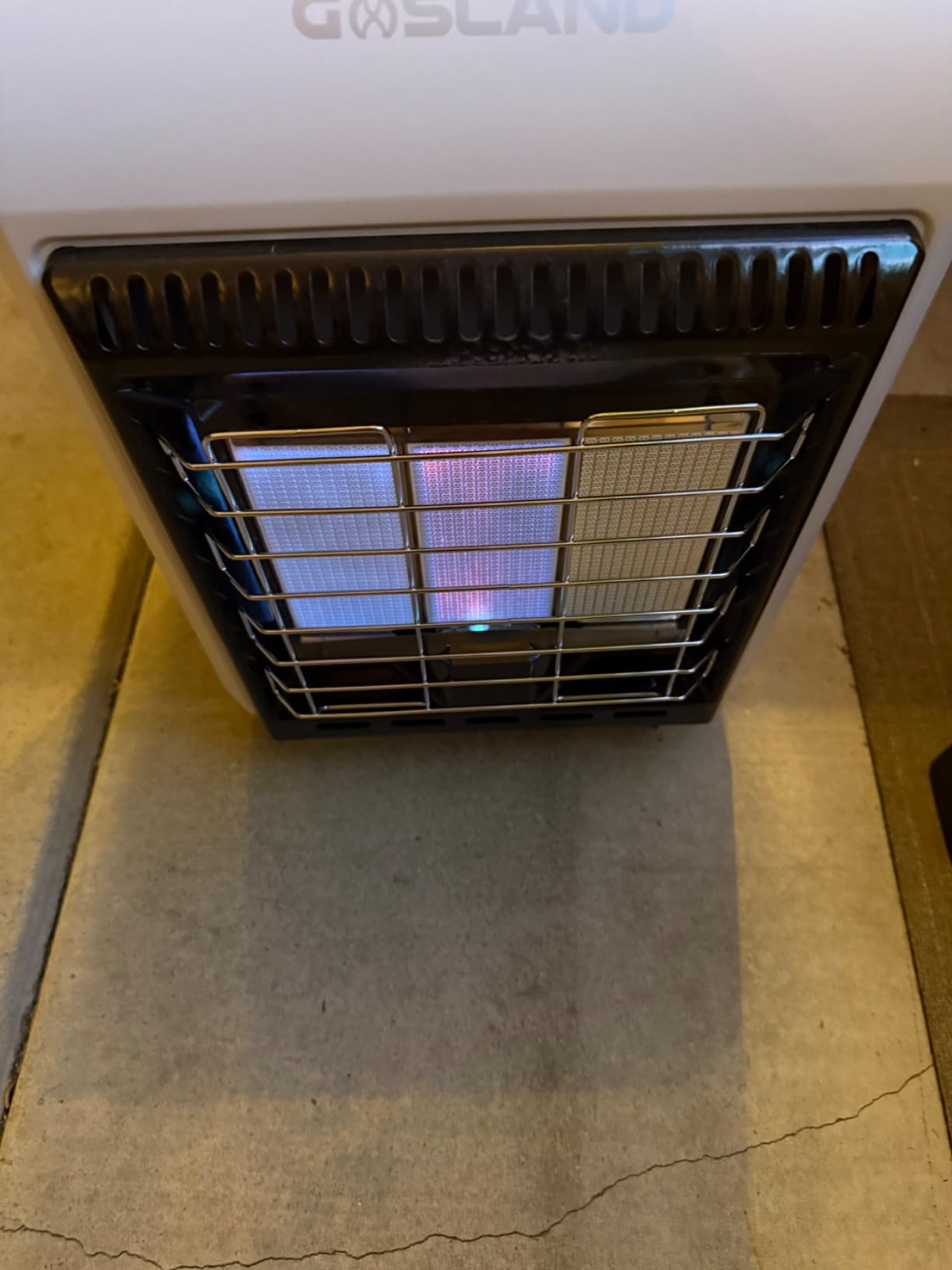
The included 10 foot propane hose and regulator mean no extra purchases, and the CSA certification with electronic ignition, overheat detection and a thermo-electric flame-failure valve is the safety package you want on a combustion unit parked in a work building.
Trade-offs are noise and control. It is a single-speed fan design with no thermostat, so you manage temperature by cycling it, and owners are clear that the fan noise is fine in a workshop and wrong for a finished room.
Runtime expectations on a 20 lb tank
Reviewers report about five hours on low with a standard 20 lb tank. On high that number drops considerably, and in a leaky structure at 20 degrees Fahrenheit it drops further still. Plan on having a second cylinder ready rather than assuming one tank covers a working afternoon.
Hose and BTU matching is the mistake that shows up repeatedly in owner reviews: a high-output heater on a short or undersized hose starves the burner and causes hard starts. The 10 foot hose supplied here is sized for this output.
Who should buy it and who should not
Buy the Flame Jet for a three-car garage, a detached workshop, a barn, or a jobsite where you need serious heat in a leaky space. It is the pick when your priority is total space temperature rather than personal warmth.
Skip it if you plan to hold a conversation beside it or work in a finished office space. Noise is the recurring theme, not output.
6. Dr. Infrared DR218 1500W Cabinet Heater – Most Versatile for 120V Setups
DR. INFRARED HEATER DR218-1500W Greenhouse Garage Workshop Infrared Heater, 1500-watt
- Combines infrared radiant elements with a fan for air circulation
- Built-in analogue thermostat holds a set temperature
- IPX4 splash resistance suits damp workshop and greenhouse use
- Users report holding a garage in the low 60s all winter
- Affordable 120V option with no 240V circuit needed
- 1500W and 150 sq ft rated coverage is modest for large spaces
- Single speed with two heat settings several owners say feel identical
- Fan noise is noticeable in a quiet room
- One documented long-term owner reported thermostat wiring failures
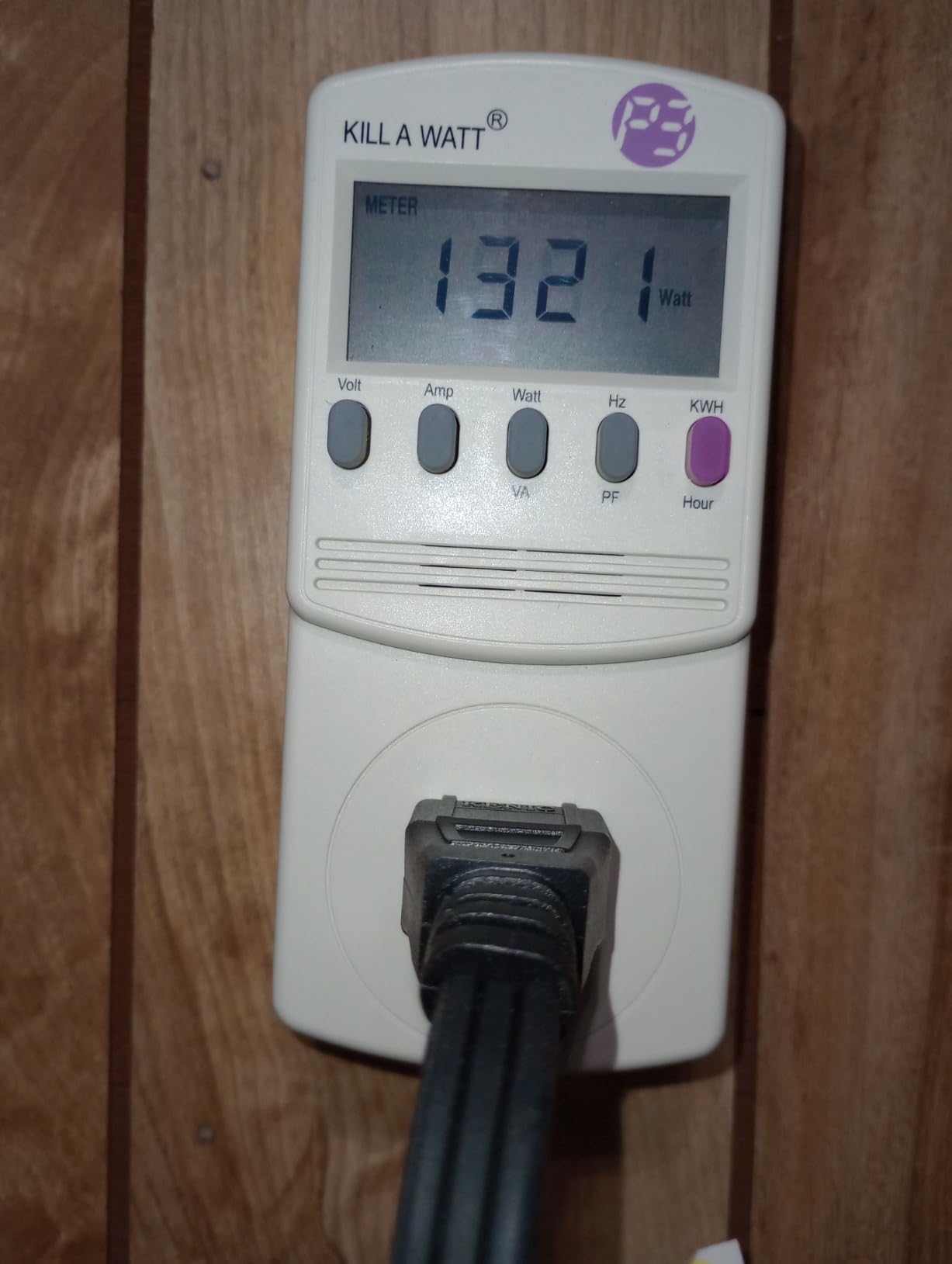
This is the pick when you have a standard wall outlet and nothing else. At 1500 watts on 120 volts it plugs into a household circuit, weighs 11.5 pounds, and pairs radiant elements with a circulating fan so it moves more air than a pure radiant panel.
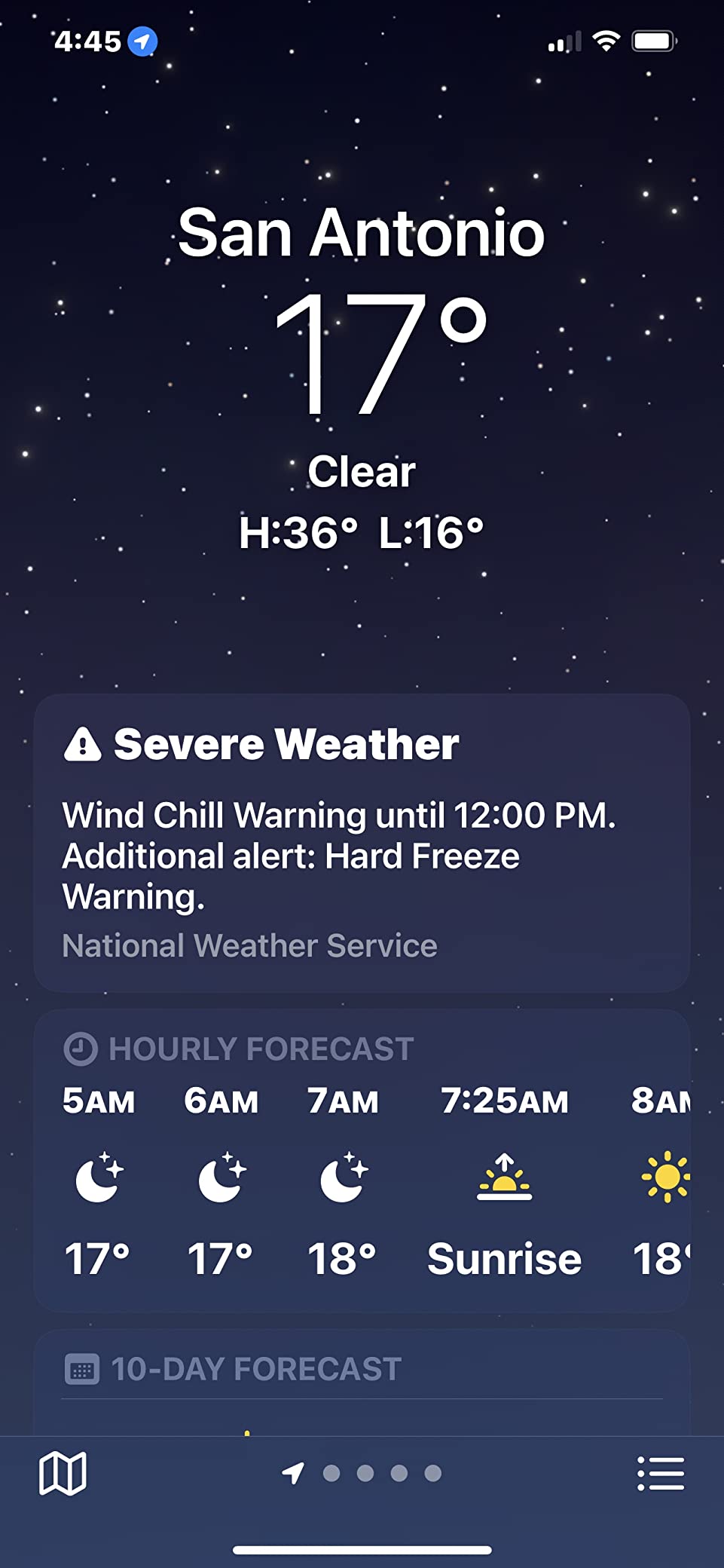
Users report it lifting a one-car garage from 36 degrees Fahrenheit to 65 degrees overnight and holding a New England garage in the low 60s through winter. That is a modest but real operating band for a detached space.
The thermostat is the feature that separates it from cheaper cabinet heaters. Owners cycle the unit to a set temperature rather than guessing, and the analogue dial keeps the behavior predictable.
IPX4 splash protection makes it a reasonable pick for a damp garage or a greenhouse corner, and our greenhouse heater roundup covers that use case in more depth.
Know the ceiling on this unit
At 1500 watts and a rated 150 square feet, this cannot hold sub-freezing temperatures in a large greenhouse or an open bay. Users running it in big spaces consistently report needing a second unit rather than one bigger one.
The recurring complaints are minor: single speed with two heat settings that several owners say feel identical, and fan noise in a quiet room. One long-term owner also reported the thermostat wiring burning out twice, which is worth knowing if you run it continuously.
Who should buy it and who should not
Buy the DR218 if you are protecting plants, pets or a small workspace through a freeze, or if you want garage heat with no wiring work at all. It is also the easiest unit here to move between a garage and a mudroom.
Skip it if you need to heat a two-car or larger garage to working temperature. The physics does not allow it.
7. Remington 60,000 BTU LP Forced-Air Heater – Best for Jobsites
Remington LP Forced Air Heater, Portable 60,000 BTU Space Heater for up to 1500 Square Feet – Liquid Propane Gas Powered, Tank Not Included
- 60000 BTU warms up to 1500 sq ft in about 10-20 minutes
- Only 11 lb with a carry handle and adjustable height
- Continuous electronic ignition plus thermocouple and flame-failure cut-off
- Included 10 ft LP hose and regulator for a standard 20 lb tank
- Owners with 1500W electric heaters report a dramatic warm-up upgrade
- Loud enough that reviewers describe it as a jet engine
- Short electrical cord for the igniter
- Internal screw-thread LP connection takes effort to attach
- Variable settings are powerful and hard to modulate precisely
Sixty thousand BTU is the sweet spot for most two-car garages, and the Remington hits that mark at 11 pounds with a carry handle and adjustable height. Reviewers report a garage warming in roughly 10 to 20 minutes, which is the practical difference between working and standing around in a coat.
The safety package is complete for a combustion unit: continuous electronic ignition so there is no relighting, a thermocouple, a high-temperature limit shut-off and a flame-out fuel cut-off. That last pair is what stops fuel flowing if the burner goes out.
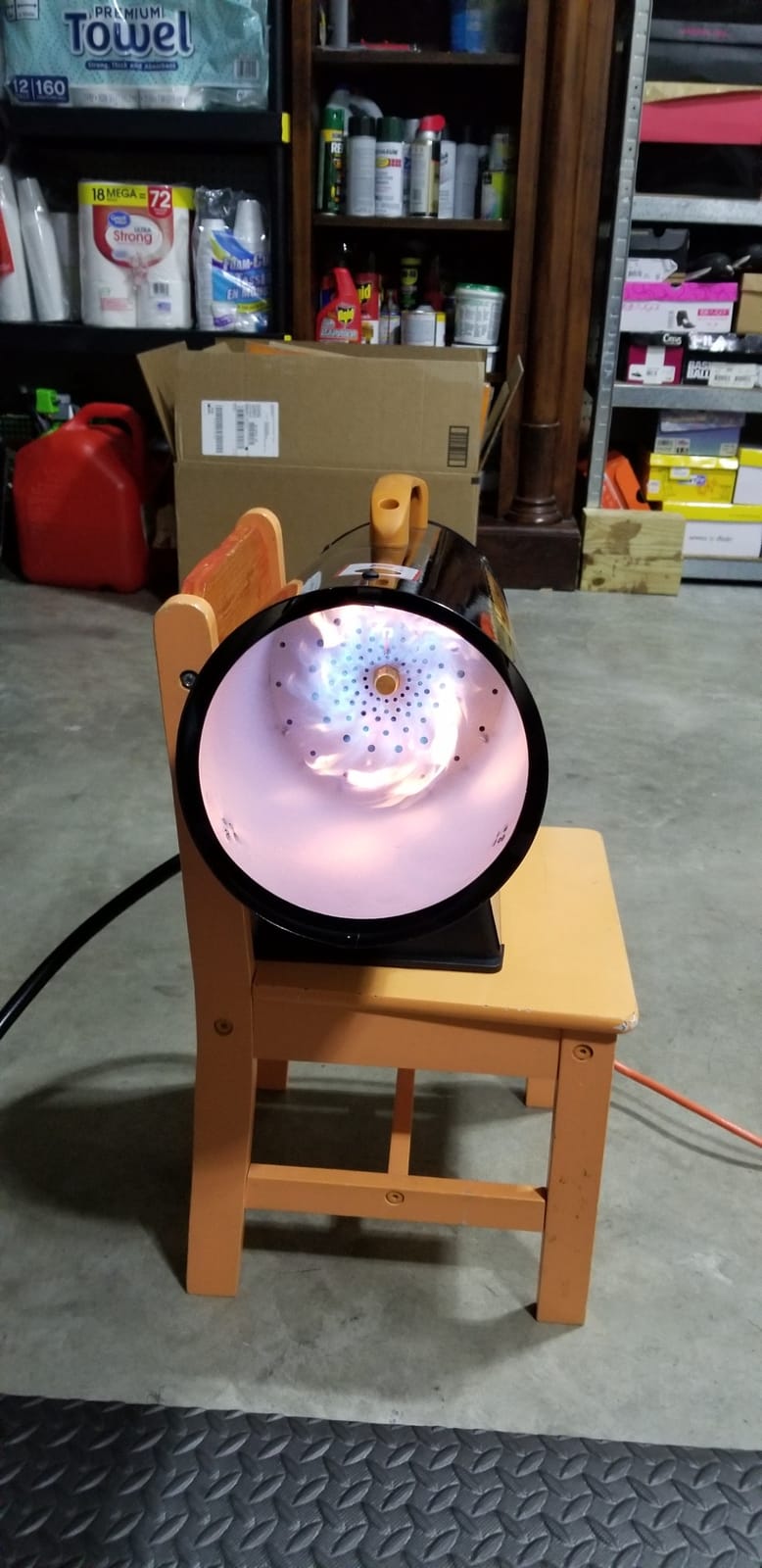
Noise is the dominant complaint, and it is not a small one. Reviewers describe the fan as a jet engine, and at least one owner returned a unit specifically because of it. If you work with ear protection or a grinder anyway, that matters less.
Two smaller friction points: the short electrical cord for the igniter, and a screw-thread LP connection that takes more effort than a quick-connect grill fitting.
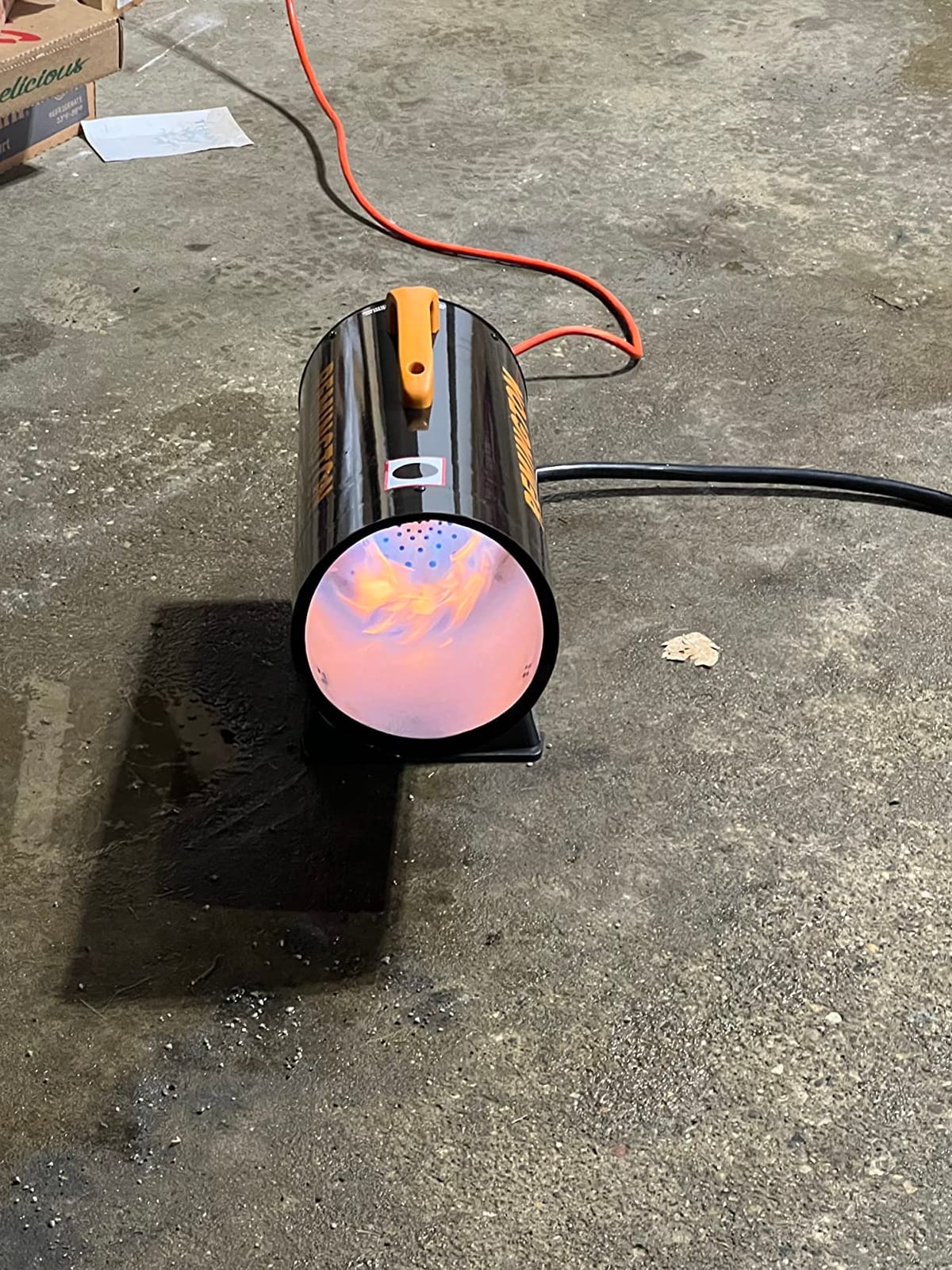
Why the hose and fitting details matter
The included 10 foot hose and regulator are sized for 60,000 BTU, which is exactly the point. A common owner regret is pairing a high-BTU heater with a short or undersized hose, which starves the burner and causes hard starting or repeated shutdowns.
Owners who switched from 1500W electric garage heaters describe the warm-up difference as dramatic. Electric heats a small area fast; a forced-air unit moves air across the whole volume.
Who should buy it and who should not
Buy the Remington for a two-car garage, a small shop, or emergency heating during a power outage since it does not depend on electricity beyond its igniter. It is also rated for outdoor use, which covers a carport or an open work bay.
Skip it if you need to talk, take a phone call or concentrate on a quiet task within a few feet of the unit.
8. DEWALT 68,000 BTU Hybrid Forced-Air Propane Heater – Best for Cordless Power
DEWALT 68,000 BTU Cordless Portable Forced Air Propane Heater
- Hybrid power from a 20V battery or line voltage with no generator needed
- 68000 BTU covering up to 1700 sq ft
- Reported lifting a 2.5-car garage from 30 to 70 degrees in about an hour
- Clean burn with no diesel or propane odor
- Works in extreme cold with owners heating outbuildings at minus 20 to minus 30 degrees
- No built-in thermostat so you cycle the unit
- High setting is loud while the low setting is much quieter
- Hard to start in extreme cold until the tank is warmed or primed on low
- Higher price point than generic forced-air propane heaters
The hybrid power setup is the headline. Run it from a DEWALT 20V battery or from line voltage, which means no generator, no extension cord run across a driveway and no idling engine outside your garage door.
Owners with a battery platform rate it highly for tool trailers, shops and barns. The reported 68,000 BTU output covers up to 1700 square feet, and one owner lifted a 2.5-car garage from 30 to 70 degrees in about an hour.
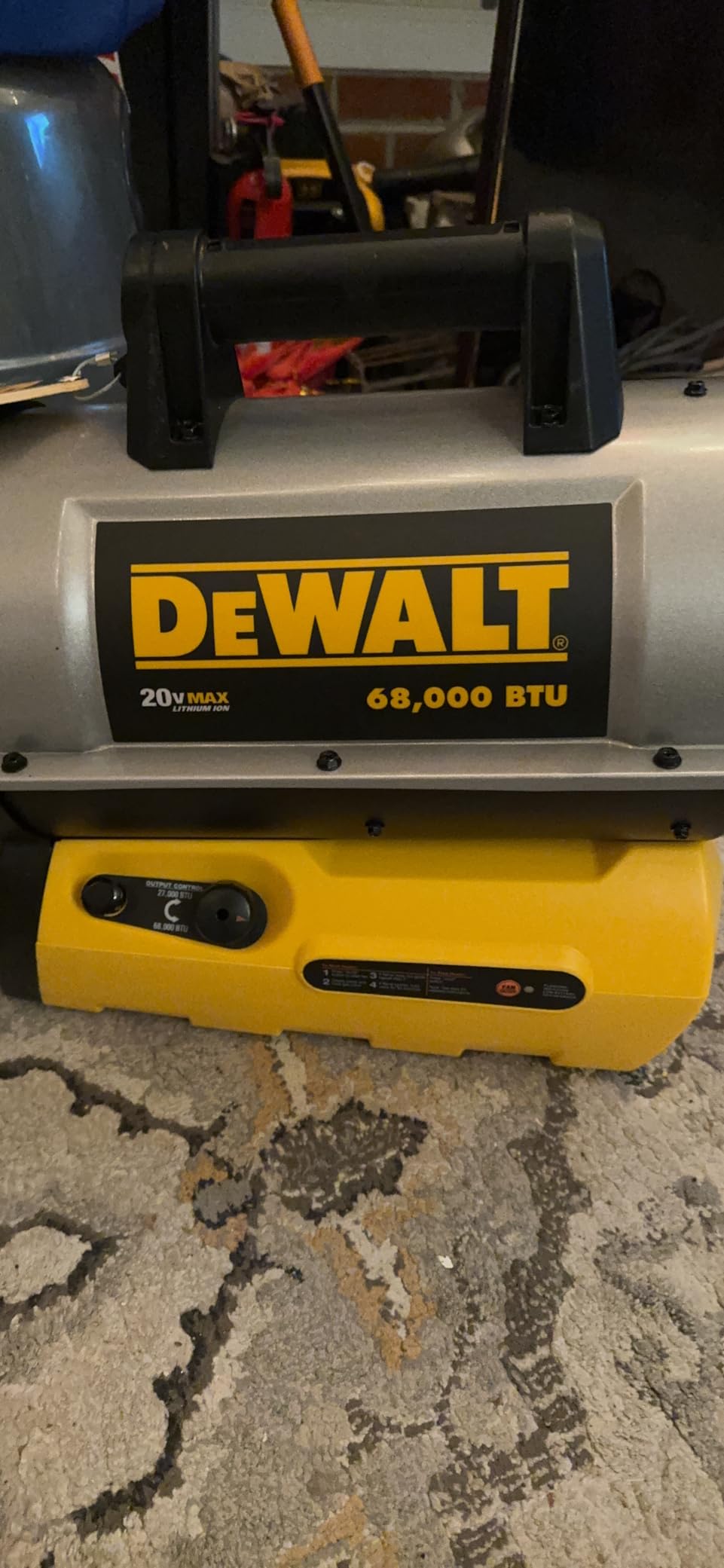
Two details stand out in owner feedback. The burn is clean with no diesel or propane odor, which matters in a closed space you work in daily. And the low setting is markedly quieter than the high setting, which gives you a mode for the quiet hours.
The catch is control. There is no built-in thermostat, so temperature is managed by cycling the unit, and starting in extreme cold can be slow until the tank is warmed or the unit is primed on low.
How the battery mode actually helps
Battery power matters when the garage has no power at all, or when the circuit you want is shared. Owners heating a leaky outbuilding at minus 20 to minus 30 degrees Fahrenheit report the unit working through conditions where plug-in heaters become the weak link.
At 13.2 pounds with a two-year parts warranty, it is a heavier unit than the Remington. The trade is ruggedness and flexibility, not weight.
Who should buy it and who should not
Buy the DEWALT if you already own 20V batteries, if your shop is off-grid, or if you want propane output without propane odour in an enclosed bay. It suits tool trailers and remote outbuildings particularly well.
Skip it if you want automatic temperature control or if cold starts matter more than clean burning. Owners who bought it expecting a thermostat flag that gap most often.
9. Dyna-Glo RMC-FA60DGD 30,000-60,000 BTU Forced-Air Heater – Best Value Forced Air
- Continuously variable 30000 to 60000 BTU dial matches output to the space
- Heats up to 1350 sq ft with owners reporting a 20x20 garage going from minus 10C to plus 7C in about 15 minutes
- Starts easily every time and raises roughly 10 degrees in 10 minutes
- Long-term owners report staying on their original propane fill
- Compact and inexpensive for 60000 BTU of capability
- Thin sheet-metal build with a flexing carry handle
- Short power cord effectively requiring an extension cord
- No on/off switch so the fan starts as soon as it is plugged in
- Loud fan and even the low setting produces more heat than some owners want
The variable dial is the feature that separates this from the fixed-output units, and it is why we rate it best value rather than cheapest. Output runs continuously between 30,000 and 60,000 BTU, so you can back it off in a mild January and open it up when the temperature drops.
Owners report taking a 20×20 garage from roughly minus 10C to plus 7C in about 15 minutes, with roughly 10 degrees of rise in the first 10 minutes. Continuous electronic ignition avoids the delayed-start problem common to older units.

Build quality is the honest trade-off. Reviewers describe thin-gauge sheet metal, a slightly pinched output tube and a carry handle that flexes. Recent buyers also report that the early bent-fan-blade and damaged-arrival problems appear to have been resolved, with units firing on the first attempt.
There is no on/off switch, so the fan starts the moment it is plugged in. That is a small design quirk rather than a fault, but you should know before you set it down.
Fuel efficiency is the quiet advantage
Long-term owners report still running on their original propane fill, which is the opposite of the fast-consumption complaint often attached to high-BTU torpedo heaters. Variable output is the mechanism: run it at 30,000 BTU in a mild spell and consumption drops accordingly.
A faint propane scent at startup is another recurring note. It is normal on ignition and not the same as a leak, but if you smell it repeatedly it is worth checking the hose connection.
Who should buy it and who should not
Buy the Dyna-Glo if you want adjustable output in a one or two-car garage at a sensible spend level, and you are comfortable with light sheet metal. The 10 foot hose and regulator are included, which removes a common compatibility problem.
Skip it if you need premium build quality, a thermostat, or a quiet environment. The fan is loud at every setting.
10. Mr. Heater 18,000 BTU Big Buddy PRO Series – Best Premium Portable Pick
- Dual system combining radiant comfort with a built-in convection fan
- Three heat levels at 4000 9000 and 18000 BTU
- Covers up to 450 sq ft which is about double a 9000 BTU Buddy
- Up to 216 hours on two 20 lb propane tanks with an optional hose on low
- Tip-over protection and low-oxygen safety shutoff with 3-year warranty
- Heavier at 14.1 lb than smaller portable radiant heaters
- Not rated for continuous unattended garage use so ventilation is still required
- Fan noise from the convection blower on the higher settings
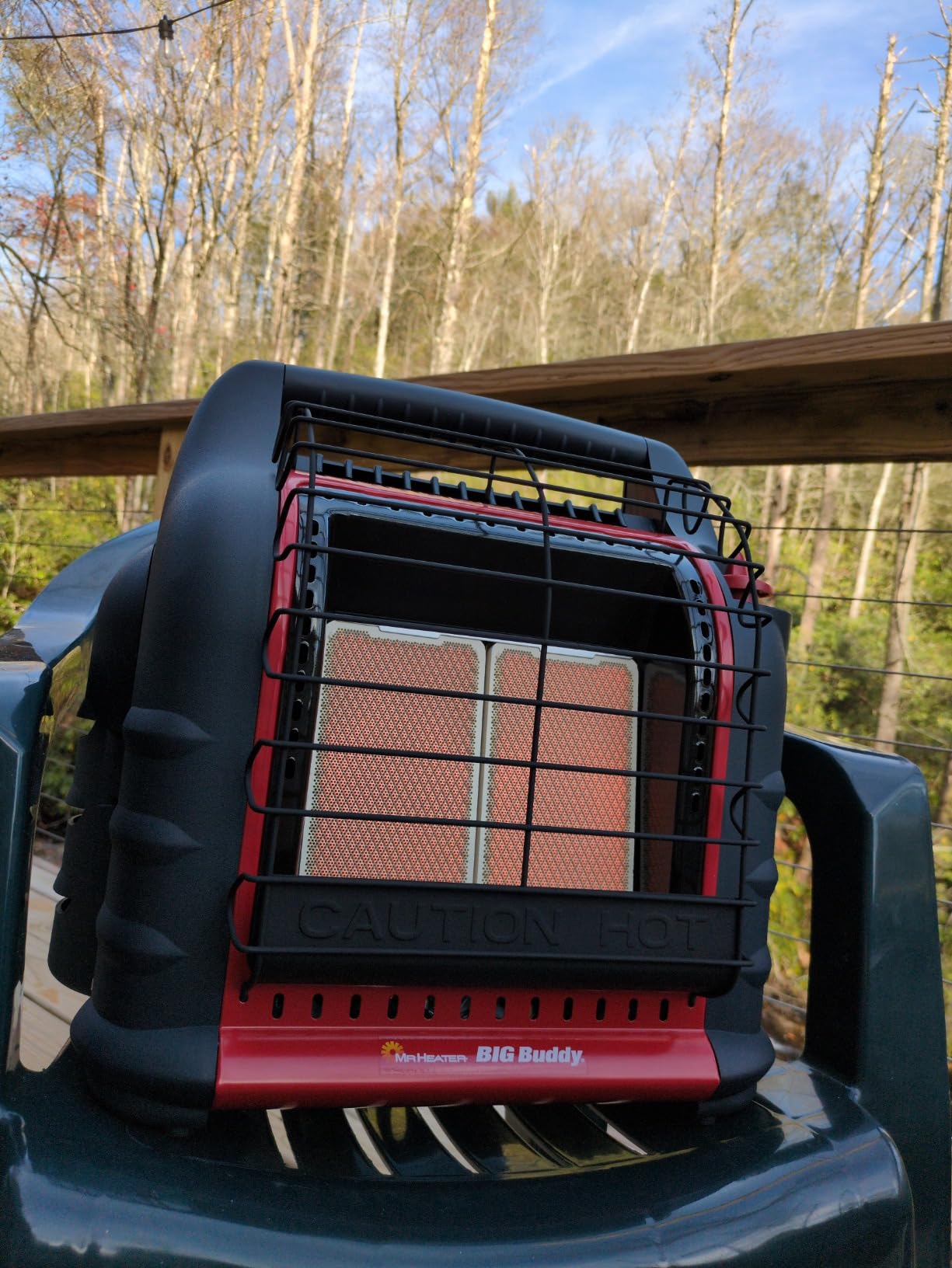
The Big Buddy solves the objection we raised about radiant heat, because it adds a convection fan to the radiant element. You get warmth on your face and hands plus circulating air, which is why it rates as a garage staple rather than a patio product.
Three levels at 4,000, 9,000 and 18,000 BTU give real control, and the listed coverage of 450 square feet is roughly double that of the 9,000 BTU Buddy. That is enough for a one-car garage or a defined corner of a two-car.
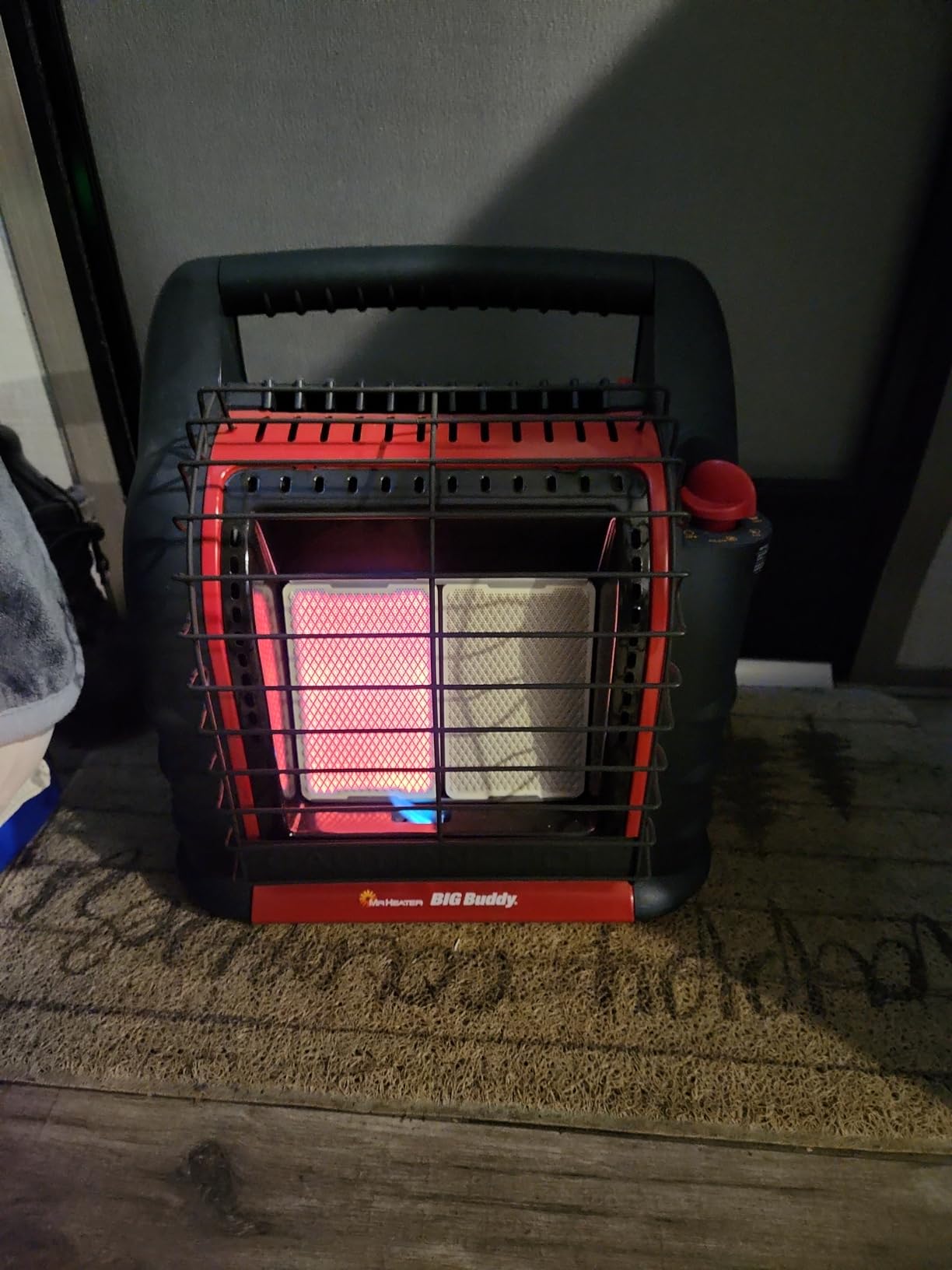
Runtime is the standout number. On the low setting with an optional hose, owners report up to 216 hours on two 20 lb propane tanks, which is the sort of figure that decides a heater for intermittent use over a whole winter.
At 14.1 pounds it is heavier than the smaller Buddy, and the convection fan adds noise on the higher settings. It is also not rated for continuous unattended operation, so ventilation still matters.
Where the runtime advantage actually pays off
Low-setting runtime matters when you heat intermittently. A shop that sees two clients a week is a different problem from a full-time workspace, and a heater that can sit between tasks without draining a cylinder changes the maths.
Tip-over protection and a low-oxygen safety shutoff are both present, which is the feature set you want in a family garage where a cylinder could be knocked.
Who should buy it and who should not
Buy the Big Buddy for a one-car garage, for intermittent workshop use, or if you want radiant warmth plus air movement without running a fan unit as loud as a torpedo heater. The three-year warranty is also the longest here.
Skip it if you need to heat 600 square feet or more of air. At that point a forced-air unit is the correct tool.
How Many BTUs Does Your Garage Need?
A 24×24 garage is 576 square feet. The practical answer is 40,000 to 60,000 BTU for an insulated space and 60,000 to 80,000 BTU for an uninsulated one, with a forced-air unit as the type that matches that number.
The working rule is roughly 50,000 BTU per 1,000 square feet for a moderately insulated garage in a cold climate. Uninsulated spaces need more, and the gap widens the worse the envelope is, because you are fighting the envelope rather than the room.
One-car garage, about 240 sq ft: 18,000 to 30,000 BTU for spot heat, 40,000 BTU and up for whole-room heat.
Two-car garage, 400 to 480 sq ft: 40,000 to 60,000 BTU. This is where most people land, and where the Remington sits.
24×24 detached garage or workshop, 576 sq ft: 60,000 to 80,000 BTU if insulation is present, more if it is not.
Three-car garage, 600 to 720 sq ft: 80,000 to 125,000 BTU, which is where the GASLAND Flame Jet earns its place.
Oversizing is a real mistake, not a safety margin. A unit far larger than the space cycles on and off, shortens component life through repeated starts, and in a poorly insulated garage simply heats the outside. Slightly under is often the better error because you can always run a unit longer.
Measure first, then adjust for insulation, then choose the type, then verify clearances. Radiant units are sized by where you will stand, not by floor area, which is why a 9,000 BTU Buddy and a 45,000 BTU tank-top heater can both be correct answers to the same question.
What Makes a Heater Outdoor-Rated?
Outdoor-rated construction is the part most roundups skip, and it is the part that decides whether a heater survives a season in a real garage. Four things matter: the IP rating, the housing material, the ignition and sensor hardware, and the clearances you leave around it.
An IP55 rating, as found on the Dr. Infrared DR-239 and the Briza, means protection against dust and water jets. IPX4, on the Dr. Infrared DR218 cabinet, means splash resistance only. Anything without an IP marking was not tested for weather exposure, so keep it under cover.
Wind is the harder test. A radiant heater aimed into a crosswind loses effective output and can be tipped, which is why the tank-top unit has a tip-over cut-off and why wall-mounted panels should be fixed to structure rather than set on a shelf.
Corrosion shows up in garages with road salt, concrete floors and damp corners. Powder-coated steel cabinets survive better than bare sheet metal, which is one of the fair criticisms we can level at the light-gauge builds.
Clearance matters as much as the rating. Keep every combustion heater well away from dry grass, cardboard and vehicle vapour, and never run one in a fully sealed space. If you are also short on space, our bike storage rack roundup is about reclaiming floor space instead.
Propane vs Electric vs Radiant: Running Cost and Heat Pattern
Propane produces heat fast and moves air across a whole volume, electric radiant warms you in seconds without combustion, and the cost difference is large enough to change which heater makes sense.
Electric is cheaper to run in most garages. A 1500 watt unit on a 120-volt circuit draws about 12.5 amps, and owners running a small ceramic heater around the clock report a modest monthly electricity cost. A 3000 watt 240-volt panel draws about 12.5 amps at twice the voltage, so it moves roughly twice the heat for a similar current.
Propane costs more per hour of heat but is independent of your electrical panel, which is the deciding factor in a detached building or during an outage. Runtime is where the fuel choice becomes concrete: the 20 lb tank-top heater reports about 9.5 hours on high, the GASLAND Flame Jet about 5 hours on low with a standard 20 lb tank, and the Big Buddy up to 216 hours on low with an optional hose across two tanks.
Radiant versus forced air is the other axis, and it is not really about fuel at all. Radiant heat warms you and the surfaces in front of you, which is why the 9,000 BTU Buddy covers only 225 square feet and still earns top billing. Forced air moves hot air through the space, which is why the 60,000 BTU Remington can heat 1,500 square feet and be too loud to stand beside.
The short version: propane for the whole room and for off-grid buildings, electric radiant for yourself and for attached garages, electric forced air or cabinet heat for a 120V-only space that needs moderate warmth.
Are Propane Heaters Safe in a Garage?
Propane heaters are safe in a garage only with the right model, the right ventilation and a working carbon monoxide detector. Combustion appliances produce carbon monoxide, and that fact does not change because the door is open most of the time.
The safety features to look for, in order of importance, are a flame-failure fuel cut-off that stops gas flow if the burner goes out, an oxygen depletion sensor that shuts the unit down in stale air, a high-temperature cut-off, and a tip-over switch on anything portable. The Remington and GASLAND units list the first two plus high-temperature protection.
Vent-free and vented is the distinction that causes the most confusion. A vent-free unit condenses combustion gases indoors and depends on the oxygen depletion sensor. A vented unit sends combustion gases outside through a flue. Both have a place, and both need air to burn properly.
Attached garages are the genuine grey area, and it is debated constantly in homeowner forums. The conservative position, and the one we would follow, is to use an electric heater in any garage that shares an air path with living space, and to keep a battery-operated carbon monoxide detector mounted on the ceiling or on a wall near the sleeping areas above.
For a detached garage, keep the propane heater at least a few feet from the vehicle, run it with the garage door cracked or the bay open, and never leave it unattended overnight. A combustible appliance in a space with a vehicle parked in it is the combination that causes the majority of incidents.
When you connect any propane heater, make the connection and then test it with soapy water. Bubbles at the fitting mean a leak that needs tightening before the first firing.
Portable or Ceiling-Mounted: Which Design Fits Your Garage?
Portable units win when your space changes, when you rent, or when you want heat in three places rather than one. Ceiling-mounted and wall-mounted units win when the heat needs to be on every working day and the wiring is already there.
Forced-air ceiling units deliver the highest output and the most even room temperature, and they need a 240-volt circuit and a licensed electrician for most installs. Portable forced-air units give you much of the same output with no installation and a hose to your tank.
The trade is convenience against permanence. Forum threads consistently ask whether a mounted unit is worth the install cost versus a portable one, and the honest answer is that a portable unit at 60,000 BTU often costs less than the installed labour alone.
Mount higher than feels comfortable. Hot air rises, and a unit mounted too low wastes output on the space between the ceiling and the top of your head.
Insulate Before You Size a Heater
Insulating before you buy is the loudest piece of consensus in homeowner forums, and none of the ranking roundups cover it. A heated but uninsulated garage means your heater runs continuously and your fuel bill climbs all season.
Owners posting in r/Homebuilding and r/HomeImprovement overwhelmingly regret heating before insulating, with the common admission that the garage was the last space finished rather than the first. Start with the walls, then the ceiling above the vehicle bays, and a garage door with a good seal.
The practical effect is straightforward. Insulate the envelope and you can size a smaller heater for the same room, which cuts both fuel consumption and the size of the unit you need. Do it after buying the biggest heater you can find and you will simply buy more heat than you use.
If your garage doubles as a workspace you use daily, insulation pays back faster than anywhere else. If you only need occasional heat for a project weekend, a portable radiant unit and a tank of propane is a defensible answer on its own.
How We Picked These Ten
We ranked on six criteria, in this order: whether the unit is rated for the environment you would actually put it in, heat output matched to a real garage size, the safety feature set, noise, independent reviews, and build quality.
Every product here has at least an 800-review base except the DEWALT, which scored highest on owner satisfaction and covers a power configuration nothing else does. We dropped units that were purely indoor-rated for covered outdoor use, and we excluded anything whose only claim was patio performance.
We did not price-rank the list. Cost changes daily and a roundup that organises itself around price stops being useful the moment the prices move.
Frequently Asked Questions
What is the best heater to heat up a garage?
The best heater depends on whether you want to warm yourself or warm the room. For spot heat in an open garage the Mr. Heater 9,000 BTU Portable Buddy leads our list, carrying a 4.7 rating across more than 29,000 reviews with indoor and outdoor approval. For whole-room heat in a two-car garage the Remington 60,000 BTU forced-air unit is the better answer, and the GASLAND Flame Jet covers very large open bays.
How many BTUs do I need to heat a 24×24 garage?
A 24×24 garage is 576 square feet. Plan on 40,000 to 60,000 BTU if the space is insulated, and 60,000 to 80,000 BTU if it is not. As a rule of thumb you need roughly 50,000 BTU per 1,000 square feet for a moderately insulated garage in a cold climate. A forced-air unit matches that output better than a radiant model.
Is it cheaper to heat a garage with propane or electric?
Electric usually wins on running cost. A 1500W cabinet heater on a 120V circuit draws about 12.5 amps, and owners running a small ceramic unit around the clock report a modest monthly electricity cost. Propane burns faster per hour but produces far more heat per unit of space and does not depend on your electrical panel, which matters in detached or off-grid buildings.
Are propane heaters ok to use in a garage?
Propane heaters are usable in a garage with the right model and the right precautions. Look for a flame-failure fuel cut-off, an oxygen depletion sensor and a high-temperature cut-off. In an attached garage, an electric heater is the conservative choice. Keep a battery carbon monoxide detector on the ceiling near any sleeping space above, never park a running propane heater overnight, and keep it several feet from a vehicle.
Is it worth insulating an unheated garage?
Insulating first is the strongest advice in homeowner forums and it directly reduces the heater size you need. Insulation on walls and ceiling means a smaller unit can hold temperature, so you burn less fuel and spend less on hardware. Owners routinely regret heating an uninsulated garage first and insulating later. If you only need occasional heat for weekend projects, a portable unit is a reasonable shortcut.
Do garage heaters use a lot of electricity?
It depends on the type. A 1500W 120V cabinet heater pulls about 12.5 amps, roughly the same as a hair dryer on high, and the 3000W 240V infrared panels on our list draw about 12.5 amps at twice the voltage. Forced-air propane heaters use almost no electricity beyond their igniter. Electric radiant heats one person instantly, while electric forced air is needed to warm a whole room.
Final Verdict
The Mr. Heater 9,000 BTU Portable Buddy is our pick for the best outdoor heaters for garages because it does the most common job with the fewest compromises: indoor and outdoor approval, a 4.7 rating across more than 29,000 reviews, and a weight you can carry anywhere in the building.
If you need the whole room warm rather than yourself, step up to the Remington 60,000 BTU forced-air unit for a two-car garage or the GASLAND Flame Jet for a large open bay, and accept the fan noise. If your garage is attached to the house, use the Dr. Infrared DR-239 and skip combustion entirely.
Insulate first, size second, and add a carbon monoxide detector either way. For the rest of the cold-weather garage setup, the shop vacuum roundup covers the cleanup side of a working space.