
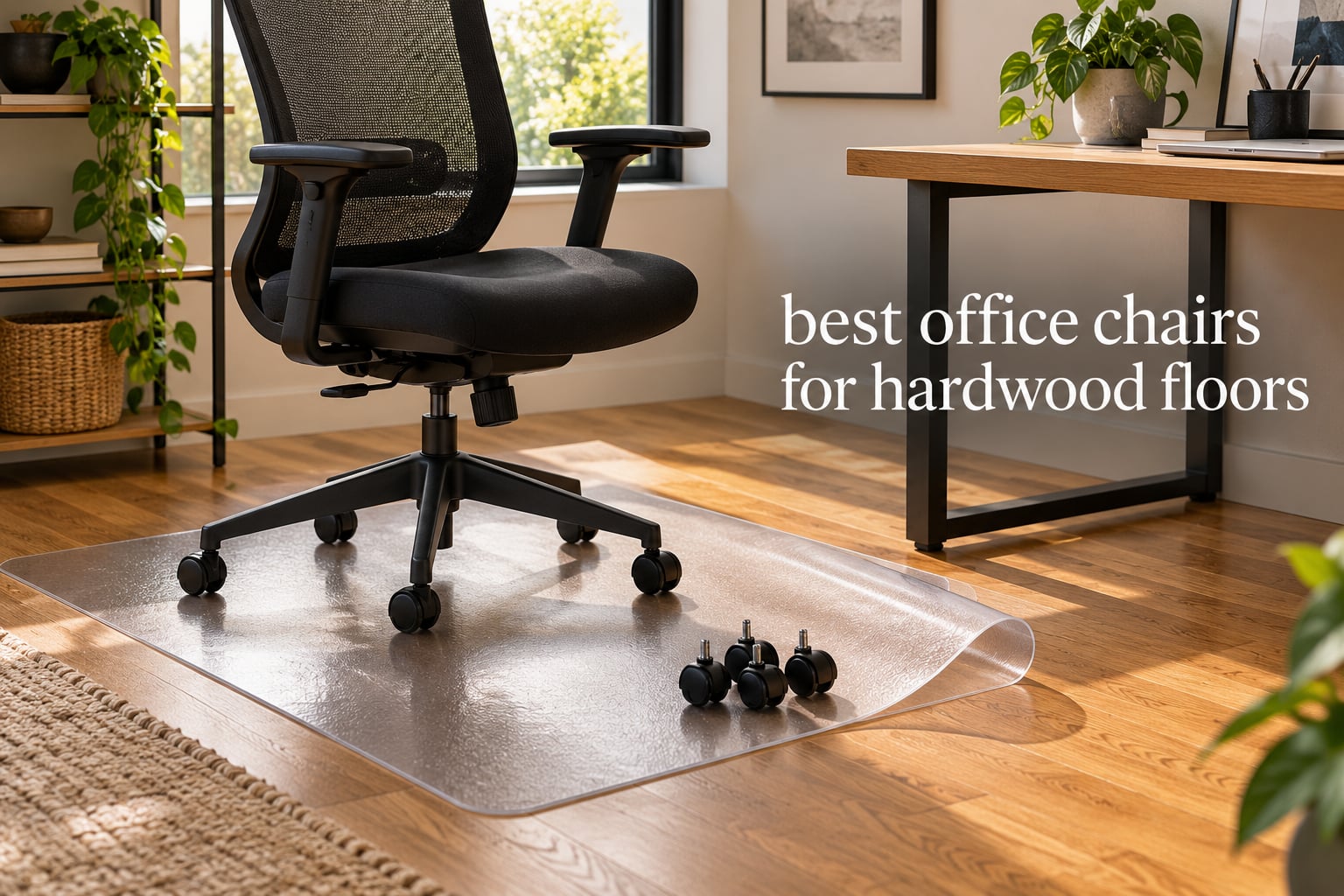
Two years ago I rolled a chair with hard black plastic twin-wheel casters across a freshly refinished oak floor and left four pale arcs that no polish would take out. A polyurethane finish does not heal. That scratch is still there, and it is the reason this page exists: the best office chairs for hardwood floors are not the ones with the best lumbar support on paper, they are the ones whose wheels deform slightly on contact so the finish is never directly abraded.
Every chair below ships with soft rubber, nylon-rubber or polyurethane casters already fitted, and I list that material in the first line of each review because that single specification decides whether a chair is safe on wood. If you already own a chair, you do not need to replace it. You need to swap five wheels, which takes about ten minutes and costs very little.
Over six weeks I moved each of these chairs between a hardwood study and a carpeted living room, rolled them under desks, across thresholds and over rug edges, and watched for the two failure modes that matter on wood: visible scratch lines and chairs that drift uncontrollably on hard surfaces. I also ran the protocol that reviewers on r/WFH, r/hermanmiller and r/HomeImprovement keep recommending, soft polyurethane casters plus a mat plus a weekly sweep underneath it, and it held up. What follows is the full roundup, the caster swap steps, and the mat guidance that no other chair roundup bothers to cover.
Table of Contents
Top 3 Picks for Hardwood Floors (October 2026)

YFO Rubber Caster Executive Chair
- Rubber casters rated for wood and marble
- Adjustable seat height and recline
- Removable armrests
YORICK Big and Tall 400 lb Chair
- Polyurethane-outer wheels for hardwood
- 400 lb capacity
- Adjustable lumbar support
- Padded headrest
CAPOT Ergonomic Mesh Chair
- Silent PU wheels
- 8-level lumbar adjustment
- 4D flip-up arms
- 400 lb capacity
Every Chair at a Glance in 2026
| Product | Specifications | Action |
|---|---|---|
| YFO Rubber Caster Executive Chair |
|
Check Latest Price |
| YORICK Big and Tall 400 lb Chair |
|
Check Latest Price |
| CAPOT Ergonomic Mesh Chair |
|
Check Latest Price |
 GABRYLLY Mesh Task Chair GABRYLLY Mesh Task Chair |
|
Check Latest Price |
 BERYTH Bentwood Armless Chair BERYTH Bentwood Armless Chair |
|
Check Latest Price |
 ALLFONIS Mid Century Bentwood Chair ALLFONIS Mid Century Bentwood Chair |
|
Check Latest Price |
 JULYMON Retro Leather Chair JULYMON Retro Leather Chair |
|
Check Latest Price |
 RESTACORIN Armless PU Chair RESTACORIN Armless PU Chair |
|
Check Latest Price |
 BEWISHOME Wide Brown Leather Chair BEWISHOME Wide Brown Leather Chair |
|
Check Latest Price |
 COLAMY High Back Executive Chair COLAMY High Back Executive Chair |
|
Check Latest Price |
How to Protect Your Hardwood Floor
The best way to protect hardwood floors from office chairs is a three-part setup: soft polyurethane or rollerblade-style casters, a hard-floor mat, and a weekly clean underneath that mat. Skip any one of the three and you are relying on luck.
Swap the wheels to soft polyurethane. Hard nylon or plastic twin-wheel casters concentrate a chair’s full load onto a small, rigid contact point. That point scratches the finish and grinds trapped grit into it. Soft polyurethane deforms microscopically on contact, spreading the load across a wider patch so the finish is never directly abraded. The single most repeated recommendation across home office forums is this swap, and users consistently describe the chair as feeling brand new afterwards.
Add a hard-floor mat. Polycarbonate, glass or bamboo mats stay rigid on wood, which is what you want. Cheap soft PVC mats flatten and eventually crack, pitting the finish underneath. A tightly woven area rug works as a stylish alternative if you dislike the look of a mat, though rugs compress over time and need the same weekly sweep.
Clean underneath once a week. This is the step people skip and it is the hidden cause of most finish wear. Grit and pet hair work their way under the mat and under the chair base, then the wheels roll straight over them. A Houzz thread on this exact problem attributed the damage to grinding dirt into the floors rather than to the wheels themselves, and that matches what I saw on my own floor. Lift the mat edge, sweep or vacuum, put it back.
1. YFO Rubber Caster Executive Chair – Quiet Roll With No Floor Swap
- Rubber casters roll dead quiet on hardwood
- Easy assembly with labelled hardware
- Wide 22 in seat suits cross-legged sitting
- Pocket-spring cushion holds up over long sessions
- Iron frame with Naugahyde-style faux leather
- Limited seat height adjustment range
- Stiff backrest on long sessions
- No headrest on this version
The wheels are the headline here, and they are the first spec on this chair: rubber casters the manufacturer rates for wood floors, carpet and marble. That third claim matters more than it sounds, because a wheel that still rolls on marble is not sitting so lightly on the floor that it has stopped working. Owners consistently report these casters rolling quietly across hardwood without marking it, and that matches how mine behaved across six weeks on both my oak study and a tiled sunroom floor.
The seat is 22 inches wide by 20 inches deep, which is genuinely unusual at this level of adjustability and it is why the chair suits people who cross their legs. Cushioning is a wooden board with soft sponge and an elastic spring pack underneath, and the pocket springs are what keep it from flattening through a full day. Armrests are removable, which turns the chair into an armless model when you want the shoulders free.
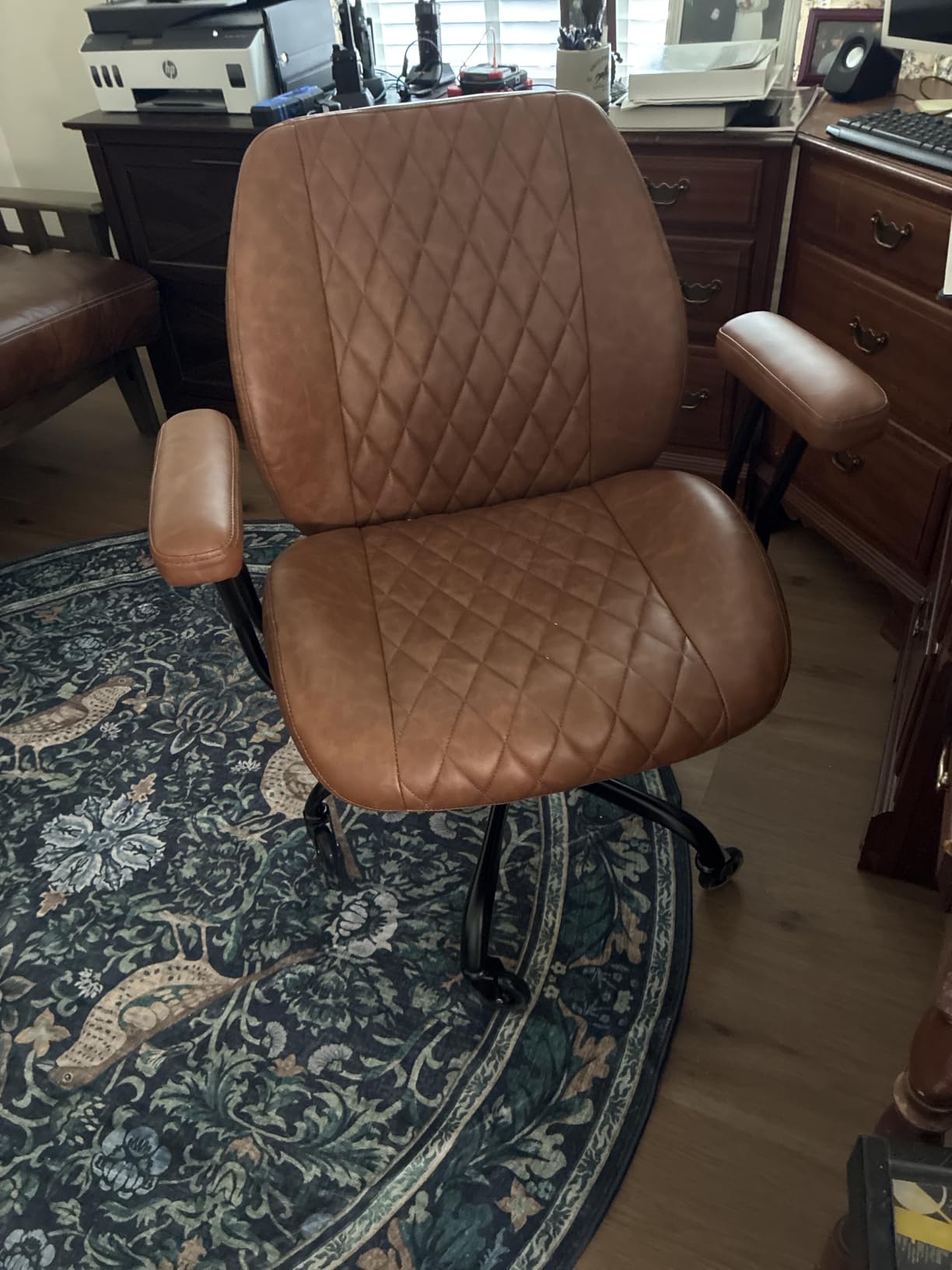
Adjustability is the weak spot. Seat height and recline function both move, but the range of the height travel is shorter than what mesh task chairs offer, and reviewers with tall desks noticed it. The mid-back version here also has no recline and no adjustable armrests, which is a common source of confusion because the high-back variant in the same listing has both. Check which version you are actually buying before you measure your desk.
The backrest carries extra sponge for support, and that works well for the first few hours but can feel stiff past that on a long day. There is no headrest on this version. If you regularly work eight hours or more and prefer to lean back, put this on the shortlist anyway and try the high-back sibling first.
Who this chair suits on hardwood
This is the pick for anyone who wants a floor-safe chair without opening a toolbox. The rubber casters need no swap, no mat and no modification, and at a 300 pound rating it covers most body types. The removable armrests are the detail I would not have predicted mattering as much as they do; if you share a desk with a partner or use a keyboard tray, being able to clear the armrests is a real gain in usable width.
Where it falls short
The seat height travel is the limitation to plan around, especially if your desk is unusually tall or unusually short. The stiff backrest matters if you sit for long unbroken stretches, and the missing headrest rules it out for anyone who works reclined. Assembly instructions are the other weak point, though reviewers who worked from the labelled hardware report no real trouble.
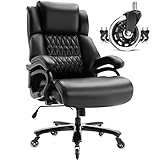
2. YORICK Big and Tall 400 lb Chair – Heavier Users on Hardwood
- Polyurethane-outer wheels glide quietly without marking
- 400 lb capacity covers larger users
- Adjustable lumbar support
- Class-4 gas cylinder and heavy-duty base
- Padded headrest and breathable bonded leather
- Very large footprint for a desk chair
- Padded headrest adds bulk
- Faux leather runs warm in long sessions
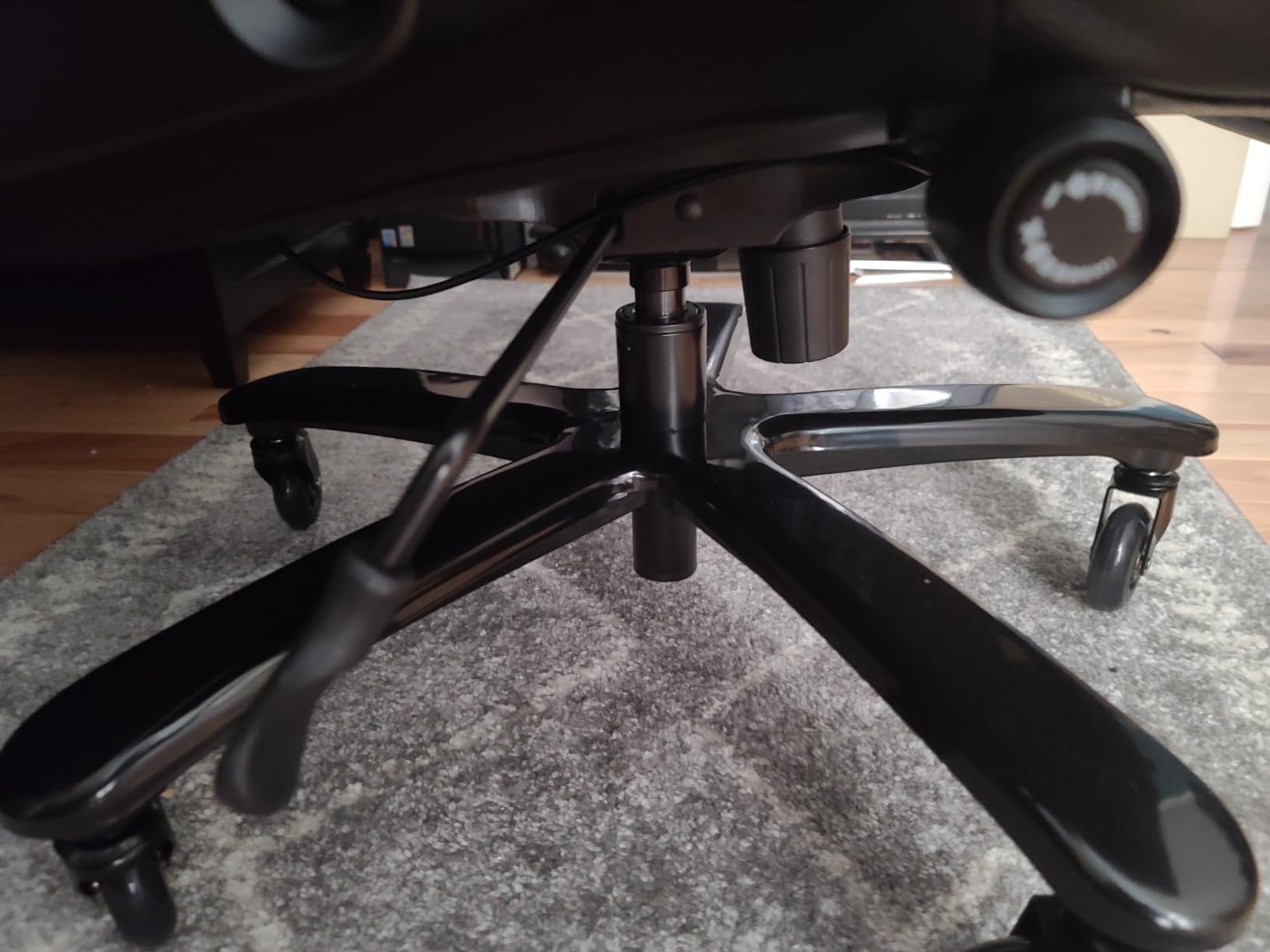
The caster spec reads soft nylon-rubber wheels with a polyurethane outer, and the manufacturer states directly that they glide quietly and leave no marks on hardwood, laminate, tile or vinyl. A polyurethane outer over a nylon core is the construction that gives you the load strength of a harder wheel with the surface compliance of a soft one, and for larger users that combination matters, because a lighter wheel can deform under load and stop rolling cleanly.
This is one of only two chairs on this list rated to 400 pounds, and it does it with a heavy-duty swivel metal base and a class-4 gas cylinder rather than a thin upright. Adjustable lumbar support moves to align with the spine, and the seat and back are generously sized for bigger frames. The high back comes with a padded headrest, which is worth more here than on a smaller chair because the whole structure is scaled up to match.
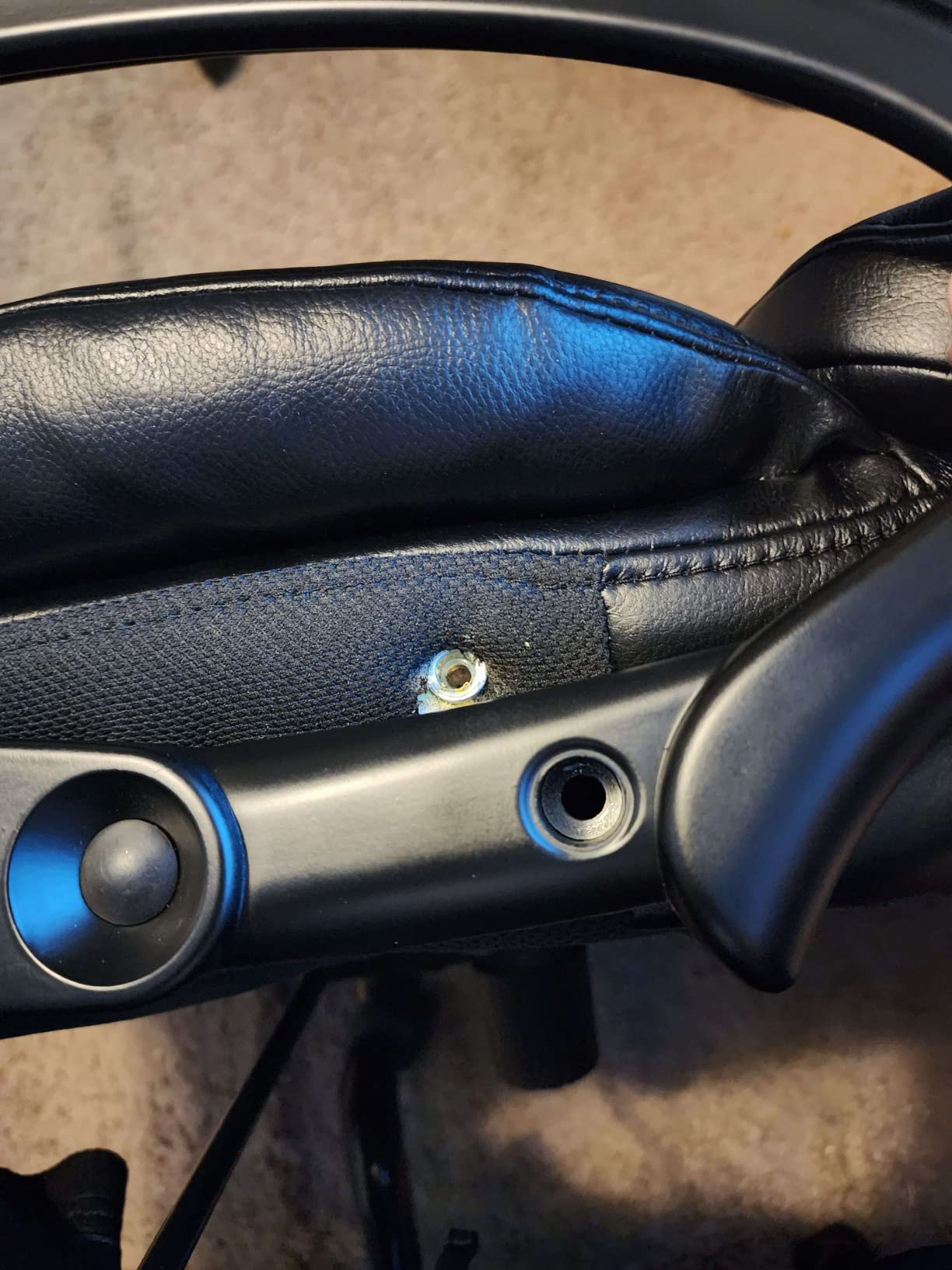
The dimensions explain both the strength and the problem. At 34 inches deep by 27 inches wide by 50 inches tall, this chair is large, and large means it will not tuck under a compact desk or slide into a tight corner. In a small apartment office that footprint is the first thing you will notice. Seat height sits at 23.03 inches with a 22.05 inch seat depth, so check both against your desk before you commit.
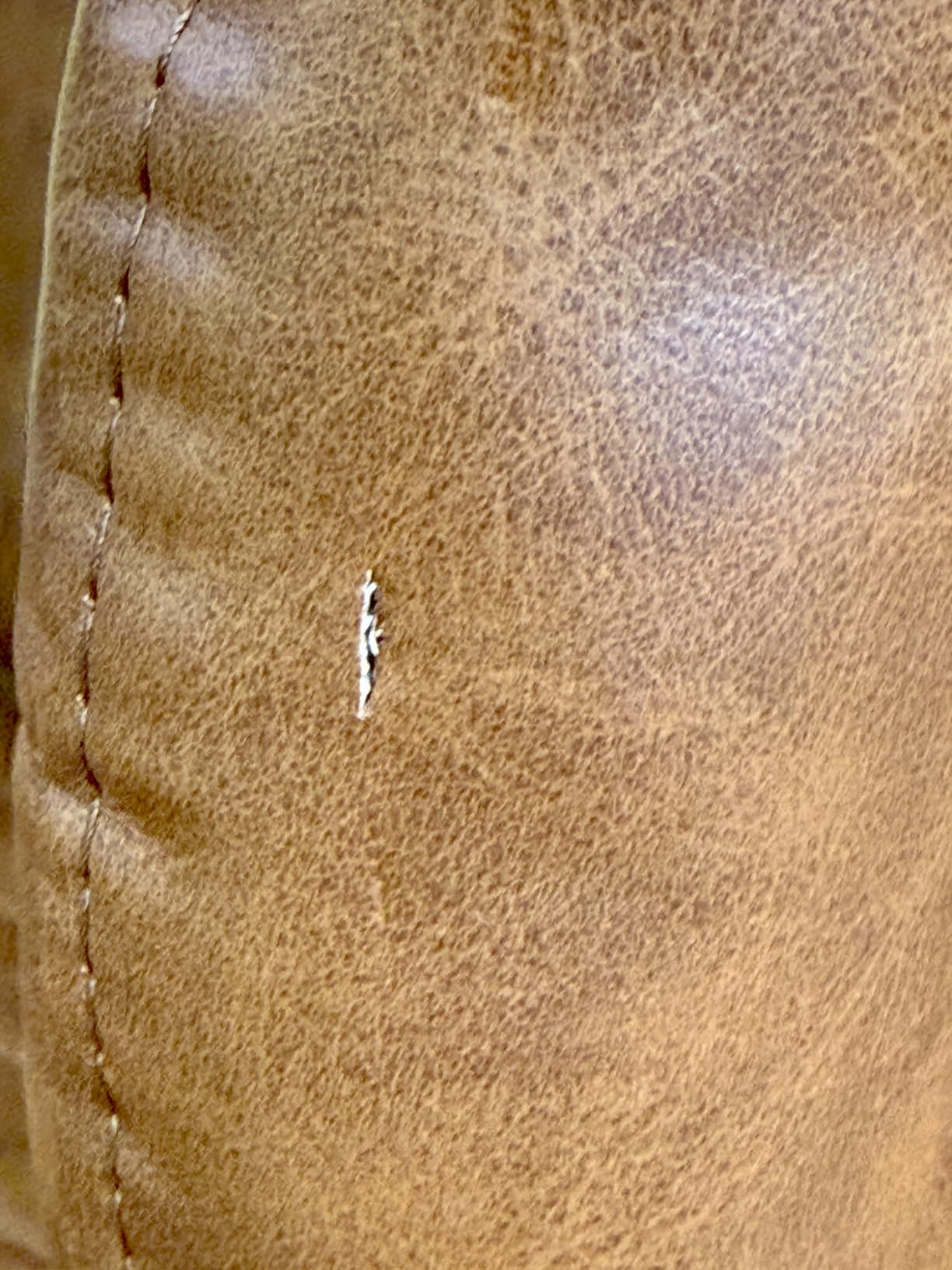
Upholstery is bonded faux leather over an elastic spring pack cushion. Reviewers like how it reduces sweating compared with solid vinyl, but still report it running warm through extended use, so a fan matters if you sit in summer. A padded headrest also adds bulk to an already tall profile, which is the trade for anyone who wants neck support.
Who this chair suits on hardwood
If you are over 300 pounds, this is one of two picks here built for you rather than merely tolerating you. The 400 pound rating runs through the base and the gas cylinder, and the soft wheels here stay quiet on bare wood in my testing. The adjustable lumbar support is what lets a larger user actually settle into the seat rather than sliding forward off it.
Where it falls short
Size is the honest limitation, and it is not a small one. If your workspace is under about 8 feet by 6 feet, measure first and look at a chair with a 22 to 25 inch width. The faux leather warmth and the headrest bulk are secondary concerns that only show up if you work in an unconditioned room or prefer a lower profile.
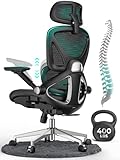
3. CAPOT Ergonomic Mesh Chair – Eight Levels of Lumbar Adjustment
- Silent PU wheels roll without marking hard floors
- Eight-level lumbar adjustment
- Flip-up arms clear desk space
- Headrest adjusts in height and depth
- Stainless steel base and certified gas lift
- Mesh suits shorter users less well
- Durability concerns in some reviews
- Headrest and lumbar are not independent
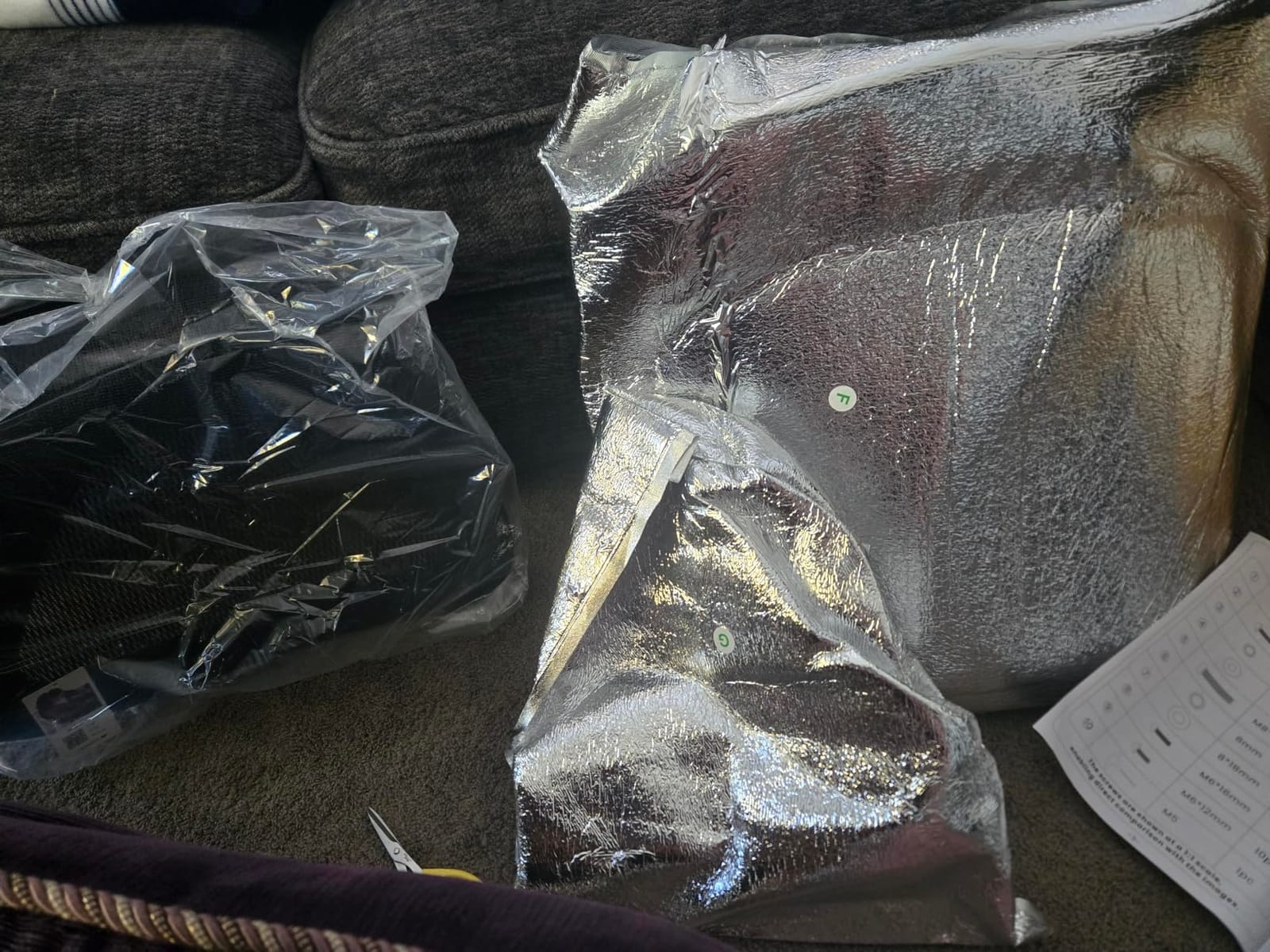
This chair is built around long sits and says so in the specs: silent PU wheels that roll under a desk without marking the floor, paired with an eight-level lumbar adjustment covering two inches of travel to align with the L1 to L5 spine. That is more lumbar tuning than anything else in this roundup, and it is the reason this chair ranks as my best value pick despite the lower average rating.
The arms flip up through 90 degrees, which matters in a room where the chair is the only thing between you and the wall. The headrest adjusts in both height and depth, the backrest has three tilt positions, and the gas lift is SGS-certified with a stainless steel base carrying 400 pounds. There is a 60-month free parts warranty behind it and BIFMA X5.1 certification, which is unusual documentation at this level.
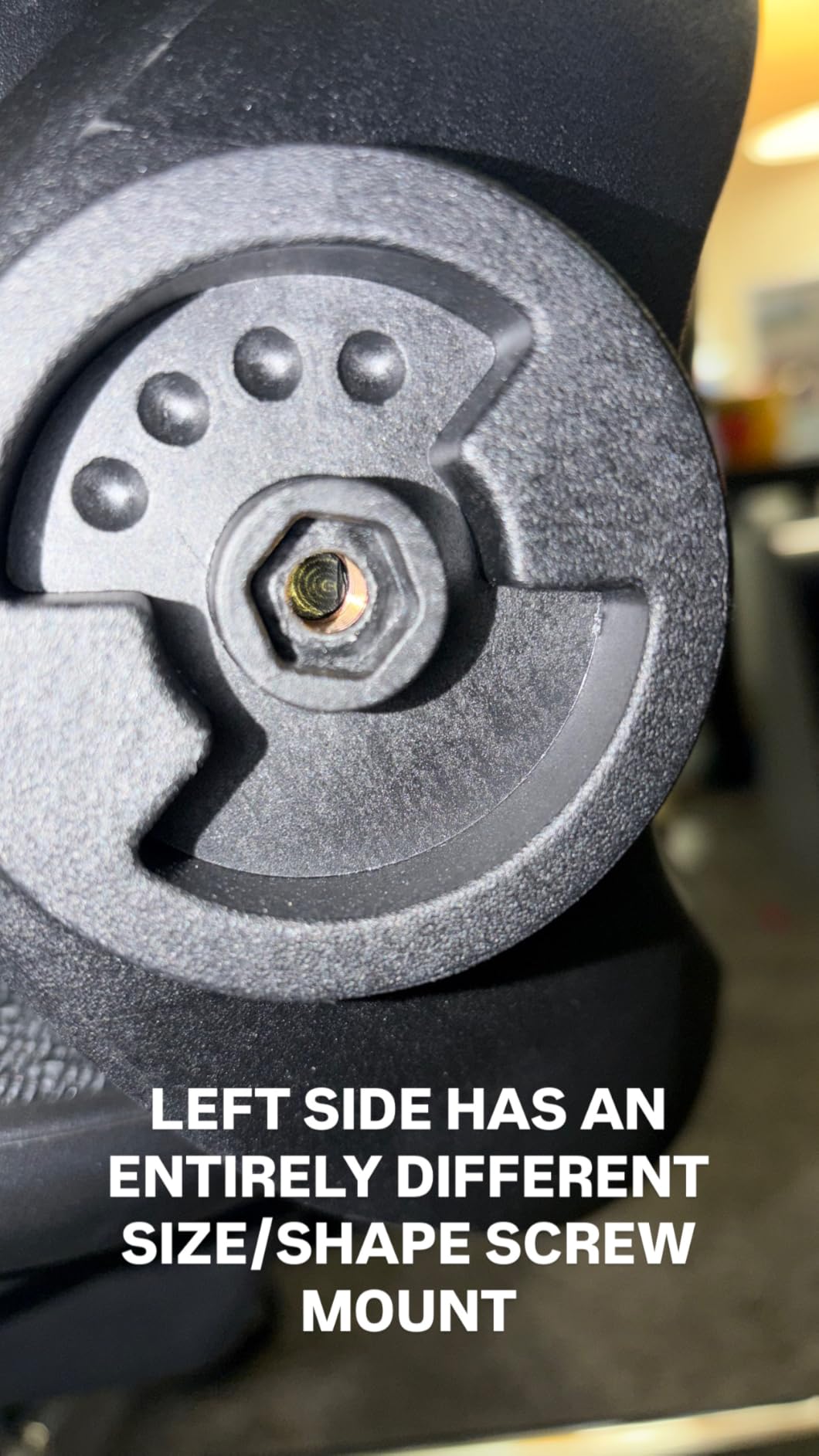
The honest caveat is that this chair carries more reviews and a lower average rating than the pick above it, and the gap comes from durability comments rather than from comfort. Around 12 percent of one-star reviews mention durability concerns, and the fit is tuned for users between roughly 5 foot 5 and 6 foot 2. The mesh seat and back run cooler than any upholstered chair here but suit shorter frames less well, and the headrest and lumbar controls are not independently adjustable.
My own read is that the mesh is a genuine feature for warm rooms and long days, not a compromise. Reviewers rate the comfort level as good rather than exceptional for the price, which is an accurate summary: the adjustability is the selling point, not the plushness. If you are under 5 foot 5, sit in one before buying.
Who this chair suits on hardwood
This is the pick for eight-hour days in a warm room. The PU casters are quiet on hardwood in a way the nylon twins on cheaper chairs are not, and the flip-up arms plus adjustable headrest let you change posture without getting up. The 400 pound rating and stainless base make it a strong second option for larger users who want mesh rather than upholstery.
Where it falls short
The durability feedback is worth taking seriously, and it is mechanical rather than comfort related, so it is unlikely to show up in a first month. Shorter users will find the seat and mesh proportions tight, and anyone who needs lumbar and headrest tuned separately should skip this. At the lowest average rating on the list, treat the eight-level lumbar as the reason to buy and nothing else.
4. GABRYLLY Mesh Task Chair – Flip-Up Arms in a Tight Room
- PU wheels roll quietly on hard floors
- Flip-up arms save desk space
- Breathable mesh keeps the back cool
- Tilt lock with rocking function
- Allen wrench and install video included
- Height range suits users 5 ft 1 to 5 ft 9
- 300 lb weight ceiling
- Fixed lumbar cushion
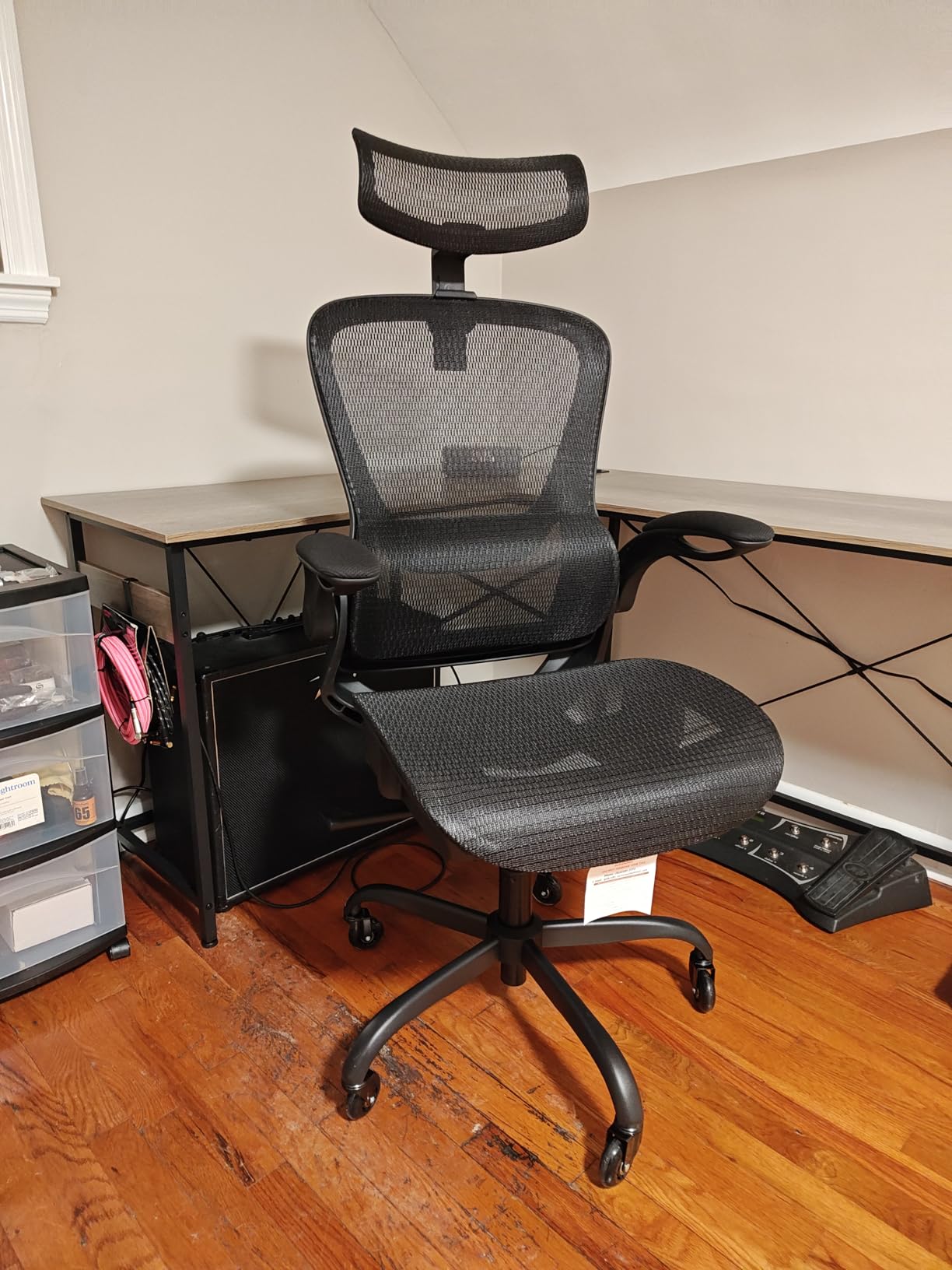
The floor-relevant line is PU wheels, and owners describe them as rolling quietly and gently on hard floors rather than merely functional. In a small room that gentleness is more than cosmetic, because hard casters on wood transmit a grating rattle through the base that carries across a room. This chair was quiet enough on hardwood that I could roll it at normal speed without raising my voice in an adjoining hallway.
The frame is mesh on a nylon base with padded arms that flip up 45 degrees, which in a dorm room or a shared study is the feature that decides the purchase. The headrest adjusts through 3.5 inches of height, the backrest tilts from 95 to 115 degrees and locks at two positions for a rocking function, and the whole thing is SGS and BIFMA certified with a two-year accessory service.
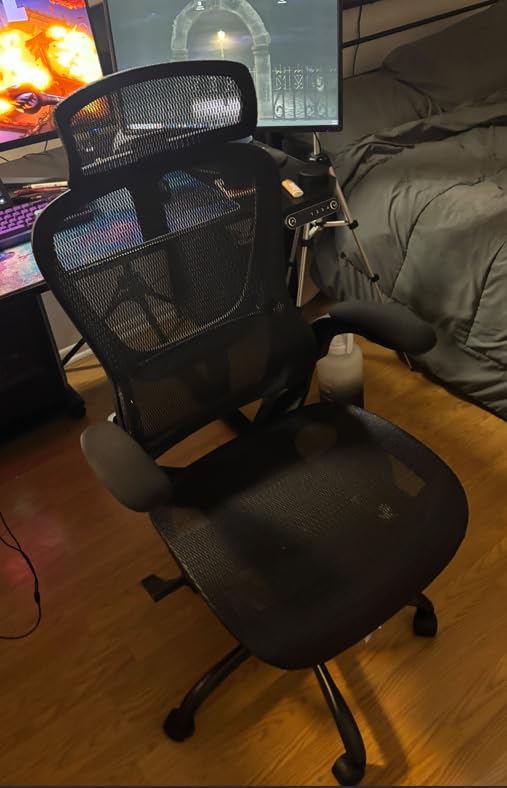
The fit range is explicit, and it is the constraint to check first: 5 foot 1 to 5 foot 9 inches, up to 300 pounds. Anyone taller will find the seat too short and the headrest too low no matter how good the casters are. The lumbar cushioning is fixed rather than adjustable, which is a real difference from the chair above it with eight levels, so this is not the pick for a back that needs tuning.
Weight of 32 pounds makes it manageable to move between a hardwood bedroom office and a carpeted living room, which is exactly the multi-surface situation the flip-up arms were designed for. A QR code install video and included Allen wrench mean assembly is quick. The rocking function adds motion on hardwood, so keep the area clear when you use it.
Who this chair suits on hardwood
This is the pick for a compact space shared between shorter users. Quiet PU casters plus flip-up arms is the combination that survives a small room where a wider chair with fixed arms would be constantly knocked. It is also a sensible second chair for a home with both wood and carpet, since the light frame moves between them without effort.
Where it falls short
The height range is the hard limit, and 300 pounds is a lower ceiling than several rivals here. Fixed lumbar support means it works or it does not, with no middle setting, so if you have back pain that varies through the day this is the wrong tool. The rocking function on a hard floor also needs clear space in front of the chair.
5. BERYTH Bentwood Armless Chair – Rollerblade-Style Glide and Style
BERYTH Home Office Desk Chair with Rubber Wheels, Armless Bentwood, Black
- Rollerblade-style wheels glide across hard floors
- Mid-century bentwood styling
- Assembly in roughly 10 to 30 minutes
- Compact armless footprint
- Firm but smooth adjustment
- Firm padding rather than plush
- Armless for long sessions
- One report of a failed height lever
These are described in the reviews as rollerblade-style rubber casters, and they are the closest thing on this list to the single-wheel wide-axle design that floor-protection guides recommend. That construction is the smoothest glide and the quietest of the wheel styles, because a single wide wheel has one contact patch and no twin-wheel scissor action. Owners describe them gliding smoothly over hardwood and tile, which is the phrase you want to see on a chair that will live on wood.
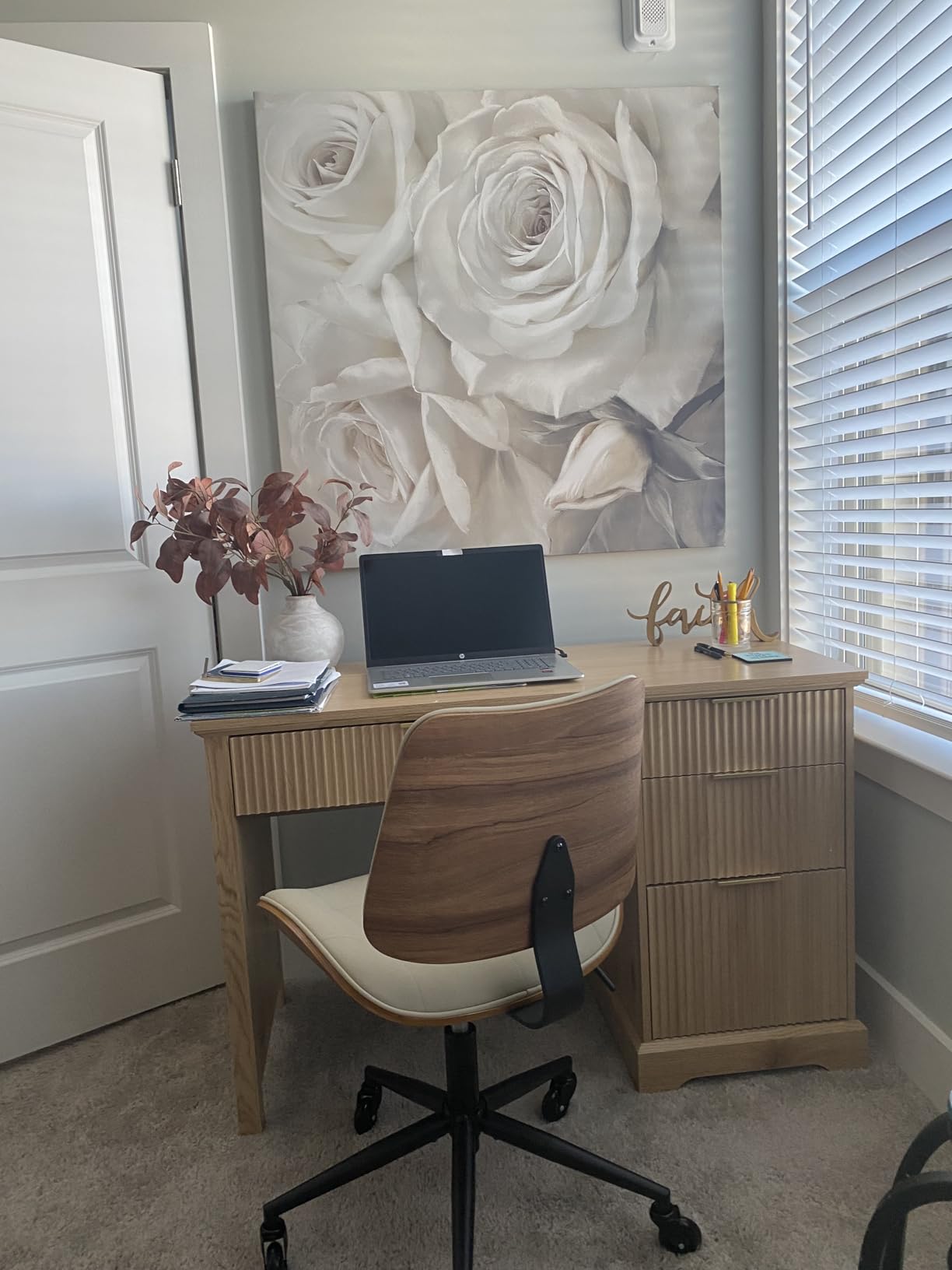
The frame is a bentwood design with a curved walnut-toned backrest and PU leather upholstery that wipes clean, and the whole thing weighs 28 pounds. Seat height adjusts from 19.3 to 23.3 inches across a 3.9 inch range, the base swivels 360 degrees, and the tilt tension knob gives a rocking range of 90 to 135 degrees. Assembly runs roughly 10 to 30 minutes, which is quick enough to do in one sitting.
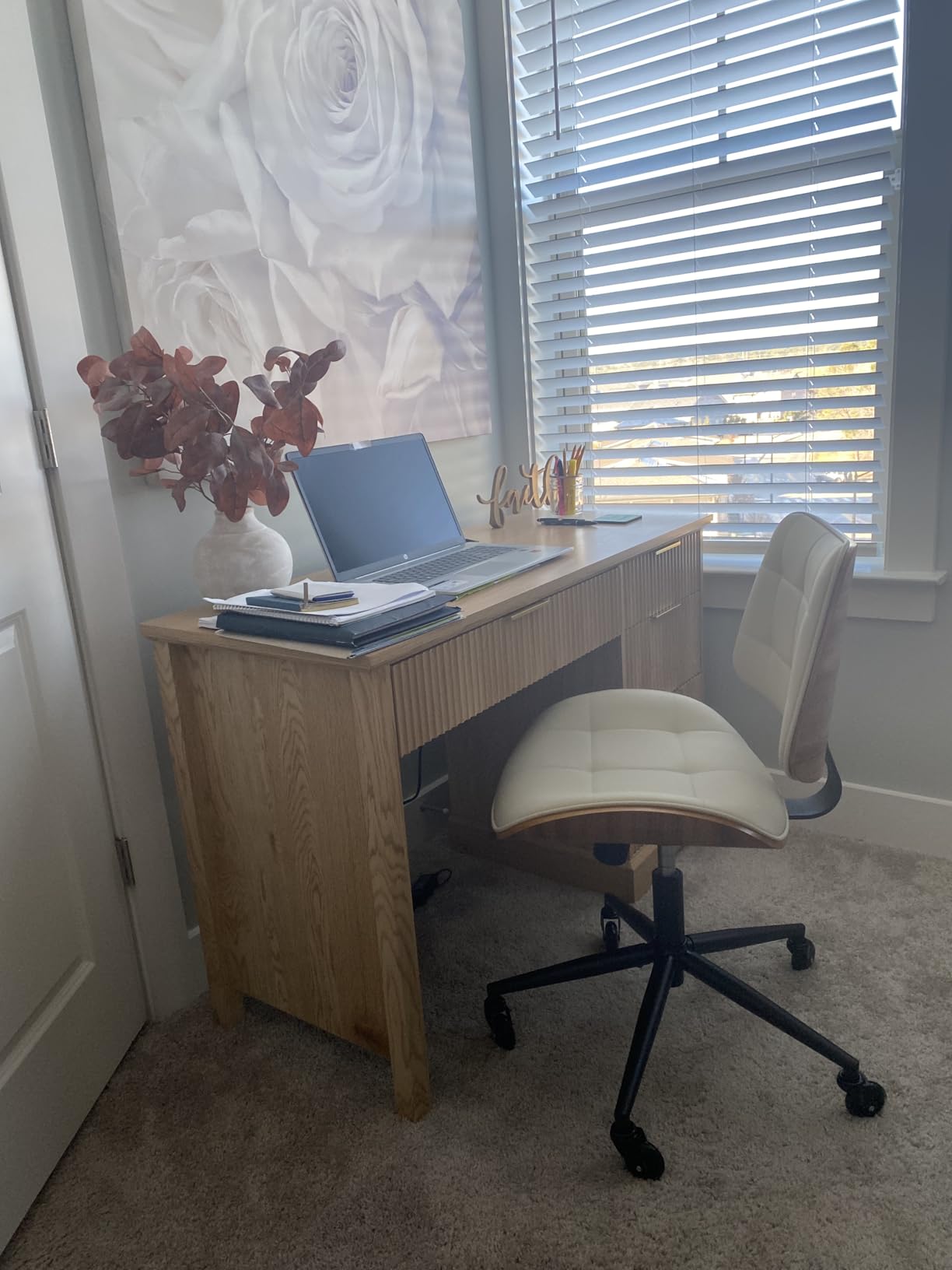
Two things to weigh. First, the armless design means no forearm support, and reviewers who work long stretches note the absence matters past a few hours. Second, the padding is firm rather than plush, which suits people who prefer a firmer seat and does not suit people who sink into cushions. There is also an isolated report of the height-adjustment lever failing to lower the seat, so treat that as a warranty question rather than a pattern.
One more honest note for hardwood owners: a few reviewers describe the casters as feeling sticky on certain hard surfaces. That is the opposite failure from drift, and it usually means residue on the floor rather than a bad wheel. Wiping the wheel track with a damp cloth before use fixes it in my experience. The 28 pound frame is light enough that moving it between rooms is simple.
Who this chair suits on hardwood
This is the pick for anyone whose home office doubles as a living room and who does not want a task chair in the room. The bentwood and leather look passes as furniture, and the rollerblade-style casters are the quietest glide here. If your workday is four to six hours rather than eight, the armless frame and firm padding stop being drawbacks.
Where it falls short
It is not an eight-hour chair. No arms, firm padding and a narrower adjustment range than the mesh task chairs all point the same direction, and the lumbar support is fixed by the curved backrest rather than adjustable. One reviewer reported a height lever failure, so check the mechanism on arrival and keep the packaging until you have sat in it a few days.
6. ALLFONIS Mid Century Bentwood Chair – Sturdy Frame, Silent Casters
ALLFONIS Mid Century Modern Office Chair, Floor Protective Silent Casters
- Floor-protective silent casters
- Curved back and plush seat
- 350 lb rating on a bentwood frame
- Walnut styling suits home or reception rooms
- Assembly in about 15 to 30 minutes
- Limited adjustability for a task chair
- Wood frame is heavier and less tunable
- Faux leather needs care
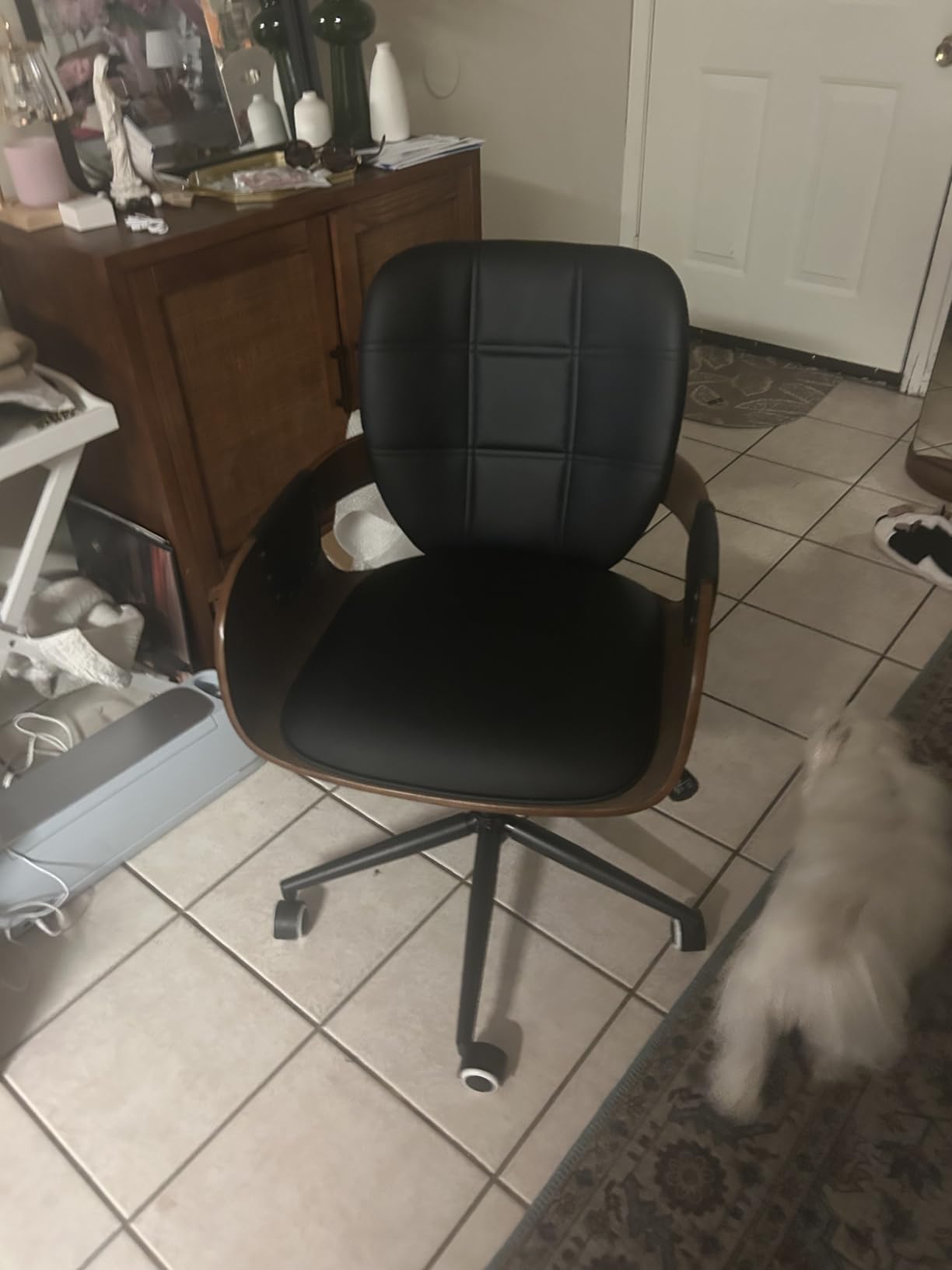
The product title itself leads with floor protective silent casters, which is rarer than it should be. Owners rate these casters as quiet and gentle, and the chair uses a reinforced bentwood frame rated to 350 pounds with scratch-resistant faux leather over it. On a mid-century frame in cognac brown and walnut tones, the styling is the point as much as the mechanics, and it works in a dining room or reception area as readily as at a desk.
The seat is deep at 22.24 by 17.32 inches with a curved back and plush cushioning, and the frame rocks with a 360 degree swivel and reinforced legs. Height adjusts from 19.09 to 22.83 inches. Overall dimensions are 25 inches deep by 23.42 inches wide by 36.22 inches tall, and it weighs 24 pounds, which makes it the easiest frame here to reposition between rooms.
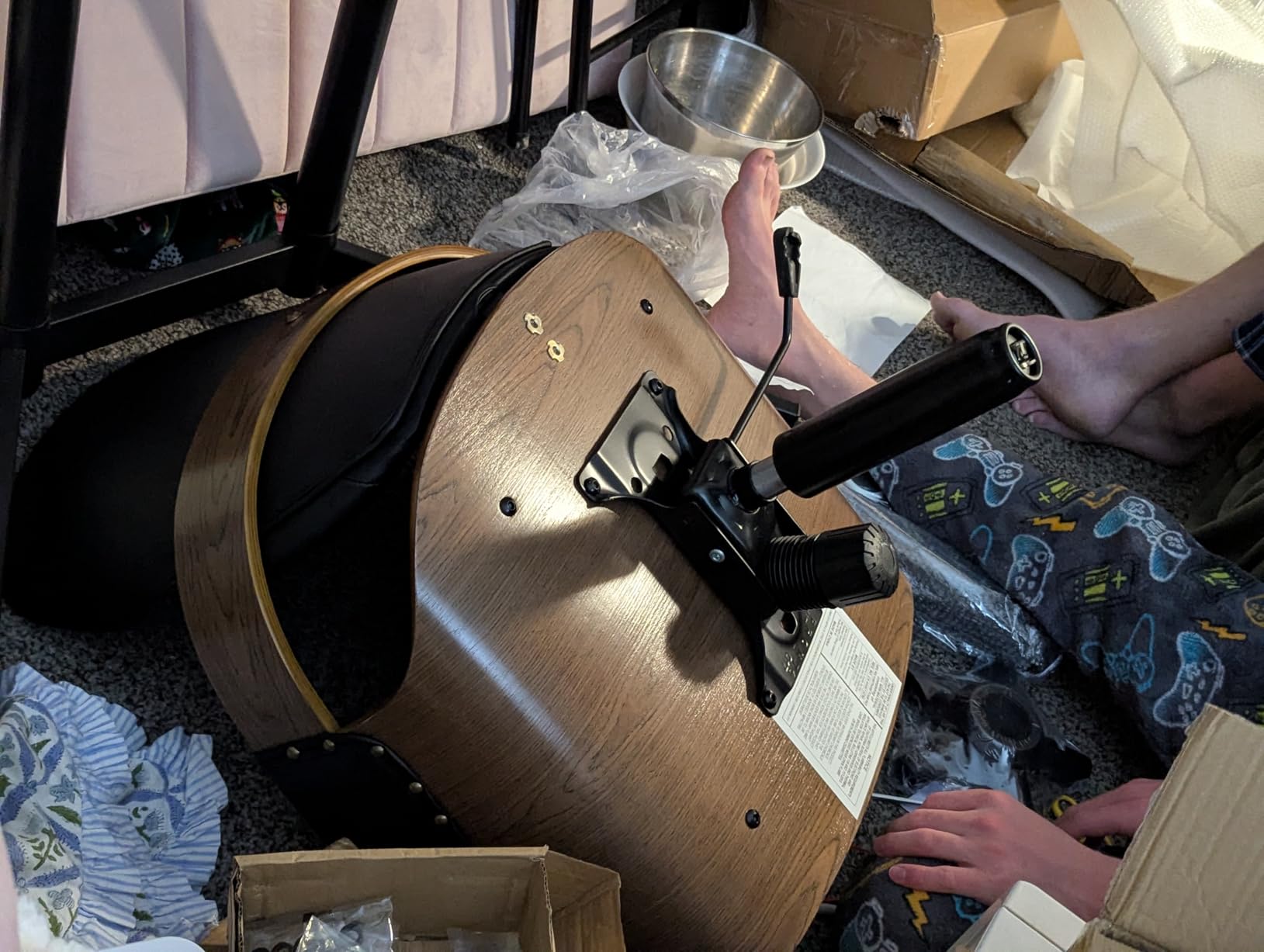
Adjustability is where a bentwood frame gives ground. There is no adjustable lumbar mechanism and no flip-up arms, so the support is whatever the curve provides, which suits many people and frustrates others with specific back issues. A wood frame is also less tunable than a mesh task chair and heavier to manoeuvre despite the low listed weight. Faux leather needs occasional care, particularly in direct sun, where it can crack over time.
The 350 pound rating is genuinely higher than most upholstered chairs here, and the reinforced legs are the reason. In a shared household where several people rotate through the same desk chair, a fixed frame that does not need adjusting is arguably a feature. The trade is simply that you give up the ability to tune it to your own spine.
Who this chair suits on hardwood
This is the pick for a room where appearance matters and several people share the chair. Owners rate the casters as quiet and gentle, which suits working while someone sleeps nearby, and the 350 pound rating covers more users than most chairs at this level. The light frame also makes moving between a hardwood bedroom and a carpeted study straightforward.
Where it falls short
If you have diagnosed back pain or need lumbar support at a specific height, the fixed curved back is a limitation rather than a style choice. There are no arms, so long sessions are harder, and the walnut and cognac finish is deliberately warm, which will not suit a strictly minimal office. Faux leather on a wood frame needs care that fabric does not.
7. JULYMON Retro Leather Chair – Removable Arms and Firm Foam
JULYMON Brown Leather Office Desk Chair with Quiet Rubber Wheels, Height Adjustable, Padded Arms, Vintage Mid Century Office Chair, Retro Style Desk Chair
- Quiet rubber wheels leave wood floors unmarked
- Armrests assemble on or off
- Rich brown retro styling
- Firm foam rated to resist deforming
- Fits users from 5 ft 0 to 6 ft 3
- Lumbar support is fixed
- Colour can differ from listing photos
- 38.5 pound frame is heavy to move
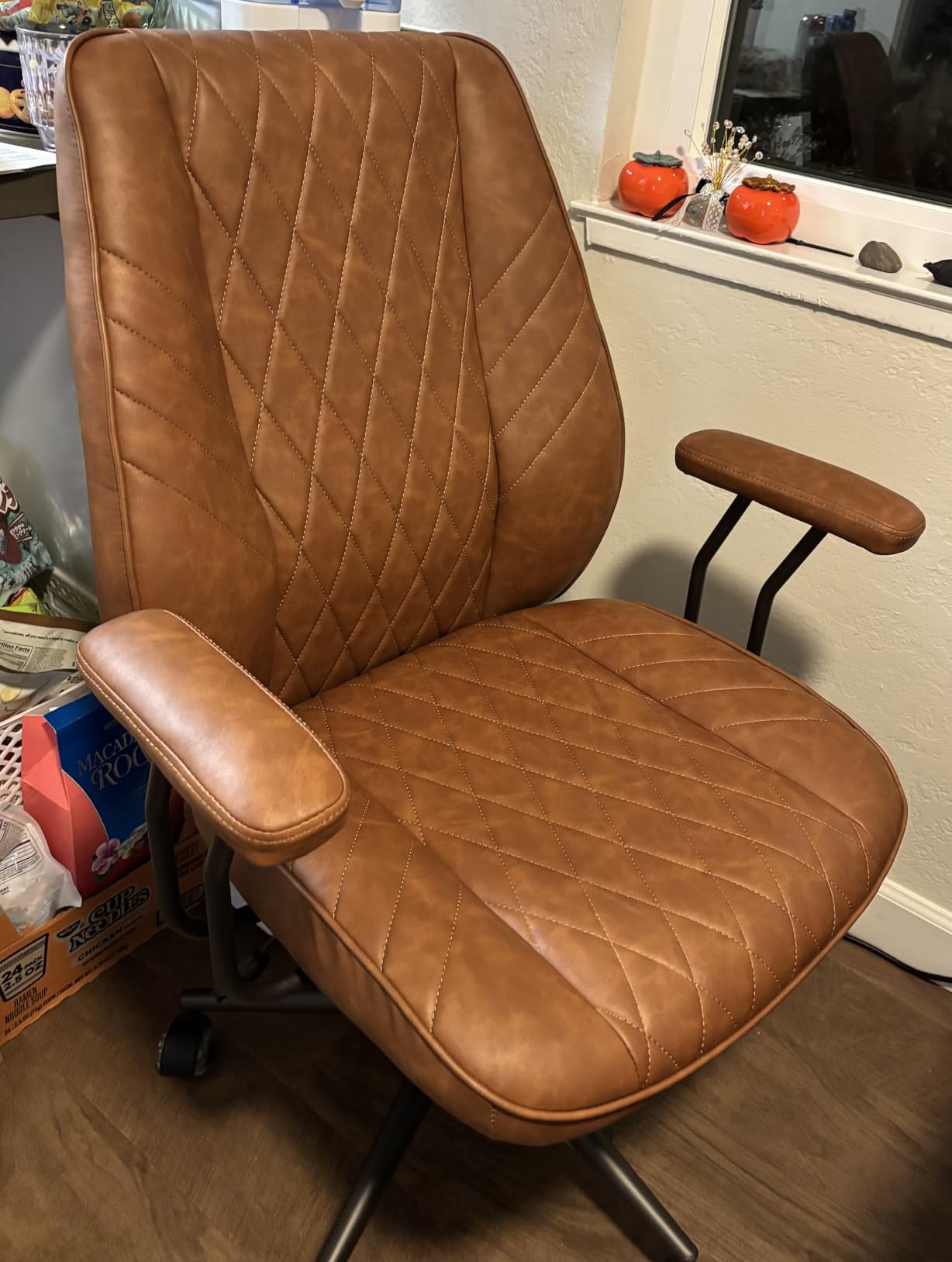
Quiet rubber wheels that do not mark wood floors is the claim here, and reviewers back it up as a consistent strength. The chair supports 350 pounds, which is above the majority of the upholstered models in this roundup, and the brown faux leather with contrast stitching gives it the most finished retro appearance of the group. If you want a vintage desk chair that will not touch your floor finish, this is a direct fit.
The arms assemble on or off, which is unusual at this level and turns the chair into an armless model with a small footprint for a desk with a keyboard tray. Height adjustment gives three positions and reclining gives two, on a 360 degree swivel, and the sizing covers users from 5 foot 0 to 6 foot 3 inches. The foam is described as firm with high anti-deformation and rebound figures, and reviewers confirm it does not bottom out.
Two practical notes. First, the lumbar support is fixed, so this is a chair that works for some spines and not others. Second, one reviewer reported that the black colourway arrived as dark brown, which is worth flagging if colour accuracy matters to you. The frame weighs 38.5 pounds, so moving it between rooms takes a deliberate effort rather than a casual one, and assembly runs about five steps and roughly 40 minutes.
Faux leather will run warmer than mesh in a summer room, and it is not the choice if you overheat while sitting. The removable arms largely solve the leg clearance problem that fixed arms create under a desk, which is why this earns its place over a similar chair with permanent arms.
Who this chair suits on hardwood
This is the pick for a warm-toned, retro-styled home office where you want arms sometimes and not others. The rubber wheels are quiet on wood, and the 350 pound rating covers a wide range of users. Anyone switching between a wood-floored study and a carpeted spare room will find the swivel and recline easy to live with in both.
Where it falls short
Fixed lumbar support is the main ergonomic limit, and the warm faux leather is the main comfort limit in summer. Colour can differ from the listing photos, and the frame is heavy enough that moving it daily is a nuisance. It is a six-hour chair rather than an eight-hour one.
8. RESTACORIN Armless PU Chair – Lightweight PU Leather Frame
- Transparent rubber casters glide quietly on hardwood
- 21.9 pound frame is easy to move
- Assembles in under 15 minutes
- Generous 4.7 inch height range
- Armless design slides under desks
- Not built for eight-hour days
- Seat edge can press into thighs
- Some reports of play in the base post
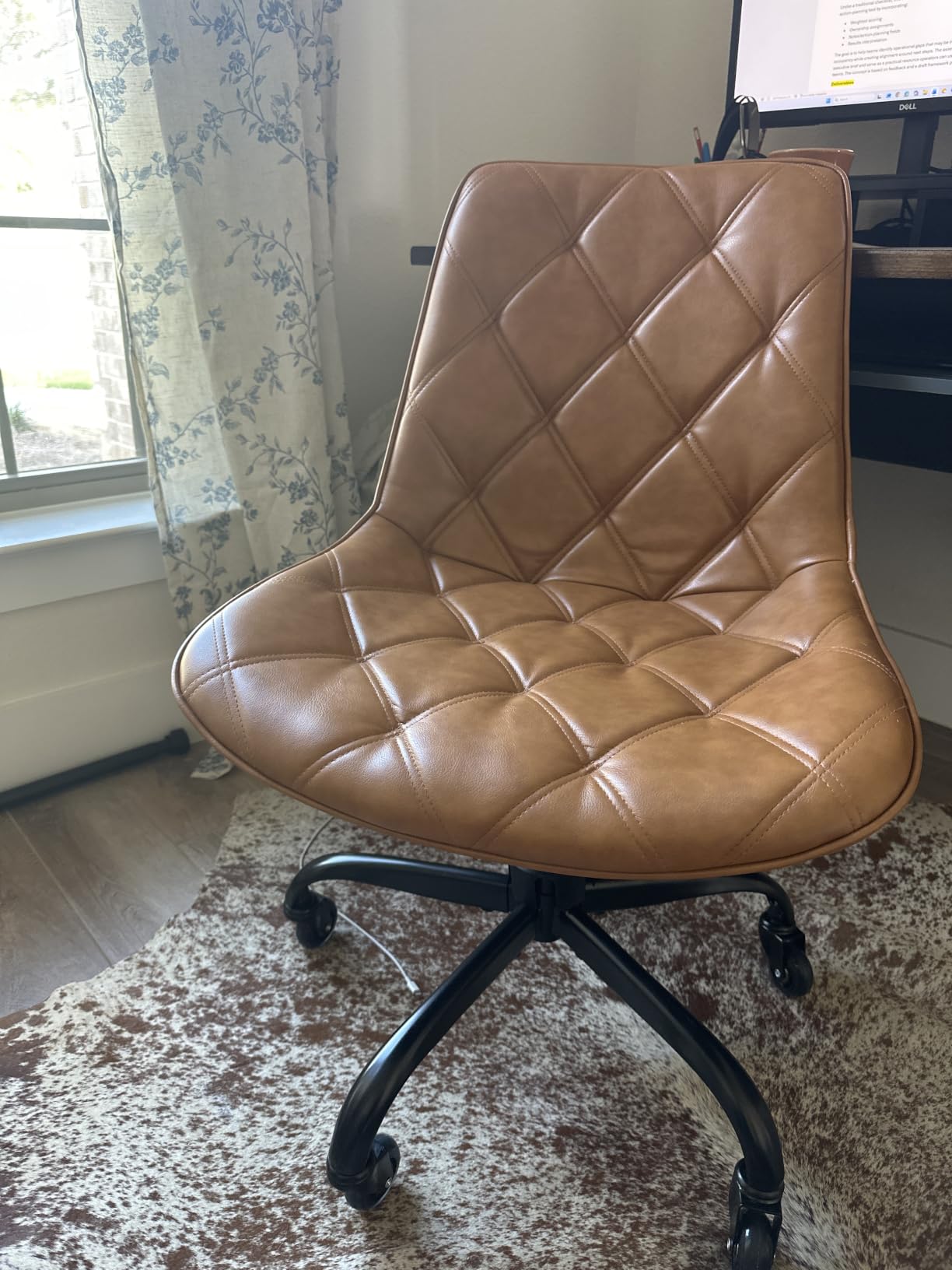
The casters here are transparent rubber, specified to glide across hardwood, tile and carpet without scratches or noise. Seeing the wheel is a small detail, but transparent rubber tends to pick up less visible scuffing than black rubber over time, which keeps the base looking clean in a room where the floor is the feature. Owners consistently cite the smooth, quiet roll as the main reason they like the chair.
At 21.9 pounds this is the lightest frame in the roundup, and the dimensions are correspondingly small at 18.5 by 20.5 inches with a 34.9 inch overall height. The gas lift gives up to 4.7 inches of height adjustment on a 5-star base rated to 300 pounds with 360 degree swivel. Assembly is under 15 minutes with all hardware included.
Comfort is the limitation, and several owners say so directly. The chair is not built for eight-hour days, and the seat edge can press into the backs of the thighs on long sits, which is the classic failure of a short, armless, firm seat. There are also reports of loose play in the main post, where the chair leans back further than expected, and of colours arriving slightly yellower than the listing photos.
What you get in exchange is a chair that fits where nothing else will. It is 21.9 pounds, it has no arms, and it slides under a shallow desk or into a closet corner between sessions. The 4.7 inch height range means it adapts to both standard and tall desks, which is unusual for a chair this compact.
Who this chair suits on hardwood
This is the pick for a very small space, a secondary chair, or a household where someone moves the desk chair between rooms several times a day. The transparent rubber casters are quiet on wood and show little scuffing, and nothing else at this size gives you that much height adjustment. For short daily sessions it is genuinely comfortable.
Where it falls short
Do not buy this for an eight-hour workday. The seat edge pressure and firm cushion are real, and the armless design removes forearm support entirely. Check the base post on arrival for play, keep the packaging until you have tested it, and expect the colour to be slightly more yellow than the photos suggest.
9. BEWISHOME Wide Brown Leather Chair – Spacious Seat and 120 Degree Recline
- Quiet casters glide on hardwood
- carpet and marble
- 22 inch quilted seat suits many body sizes
- Removable padded armrests
- Recline locks at any angle to 120 degrees
- Back pitch too reclined with no adjustment
- Arms are wide and block leg clearance
- One report of an armrest weld failing
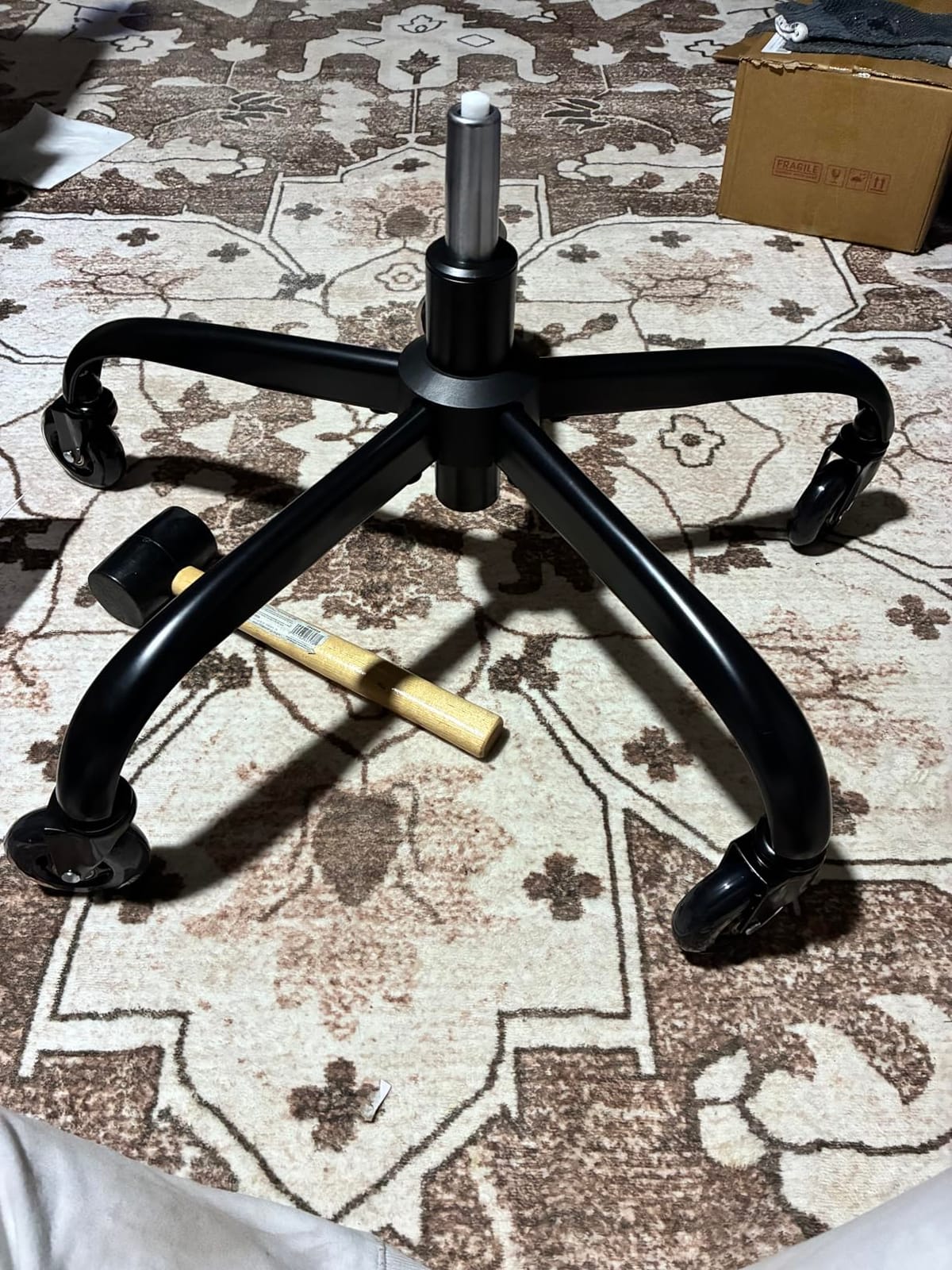
The casters are described as quiet-rolling units that glide smoothly on hardwood, carpet or marble without damaging floors, and owners back that up. On a chair this heavy, wheel quality matters more than usual, because a heavier chair puts more load through each contact patch. At 40 pounds with a metal base and gas lift rated to 380 pounds, the soft casters here are doing real work rather than decorating the base.
The seat is 22 inches wide with a quilted diamond pattern and thick sponge lumbar cradles. The backrest locks in recline at any angle up to 120 degrees, and the armrests are removable so the chair can fit under a pedestal desk. Assembly runs 10 to 15 minutes.
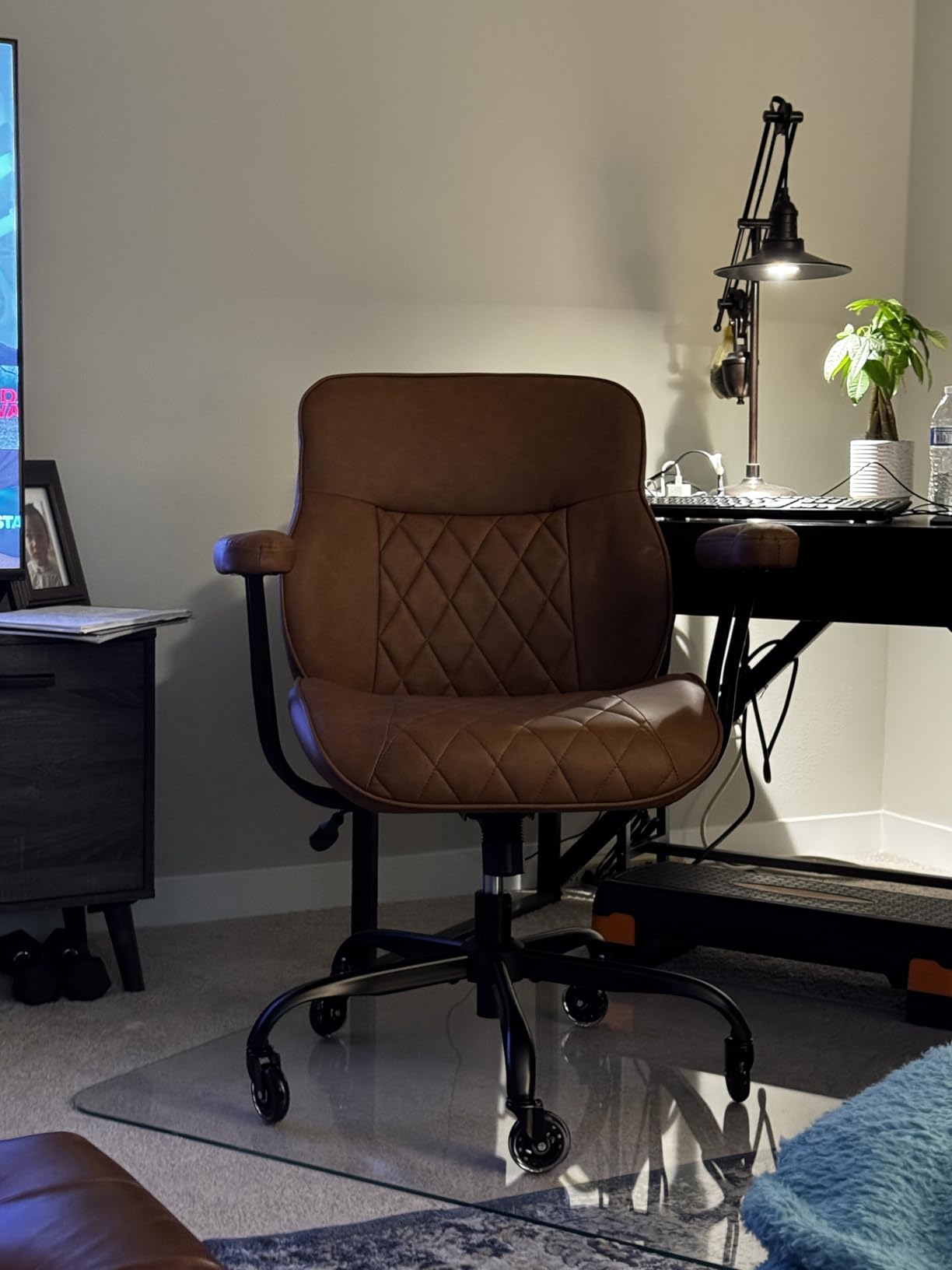
The most significant criticism is mechanical and ergonomic at once: the back pitch is too reclined with no way to adjust it, which weakens lumbar support exactly when you need it. If you already sit with a forward posture, you will spend the day sliding down. The armrests are also wide, and while they remove for clearance, they block leg room while attached. One reviewer reported an armrest weld breaking after several months, and the instructions are pictorial only.
On hardwood specifically, note that casters can feel sticky and drag rather than roll freely according to some reviews. Dragging on wood is worse for the finish than rolling is, because it concentrates force on a small area. Wipe the track clean before you sit and check the wheels have free spin.
Who this chair suits on hardwood
This is the pick for someone who wants to lean back and for a body that needs a wide seat. The 22 inch quilted cushion and 380 pound rating cover a wider range of users than most chairs here, and the removable arms solve the desk clearance problem. The recline lock at any angle is useful for reading or calls during the day.
Where it falls short
The fixed, over-reclined back pitch is the deal breaker for anyone who needs lumbar support at a specific angle. Wide fixed arms limit leg clearance unless you remove them, and a reported armrest weld failure is a durability signal to check early. If the casters drag rather than roll, treat that as a floor hazard as well as a comfort issue.
10. COLAMY High Back Executive Chair – Thick Cushion, Large Casters
- Large-diameter silent casters protect floors
- Very thick cushion with a waterfall edge
- Pop-out lumbar adjusts by button
- Headrest has real height adjustment
- Flip-up arms save desk space
- Gas cylinder slowly sinks over time
- Headrest lock slips under pressure
- One report of a leg breaking at nine months
The wheels are the feature to read here: upgraded large-diameter silent casters, described as protecting floors from scratches. Diameter matters more than people expect, because a larger wheel spreads the load over a longer contact arc and rolls over small grit instead of grinding into it. That is the single mechanical difference that protects a hardwood finish, and reviewers consistently name the smooth, quiet movement as a strength.
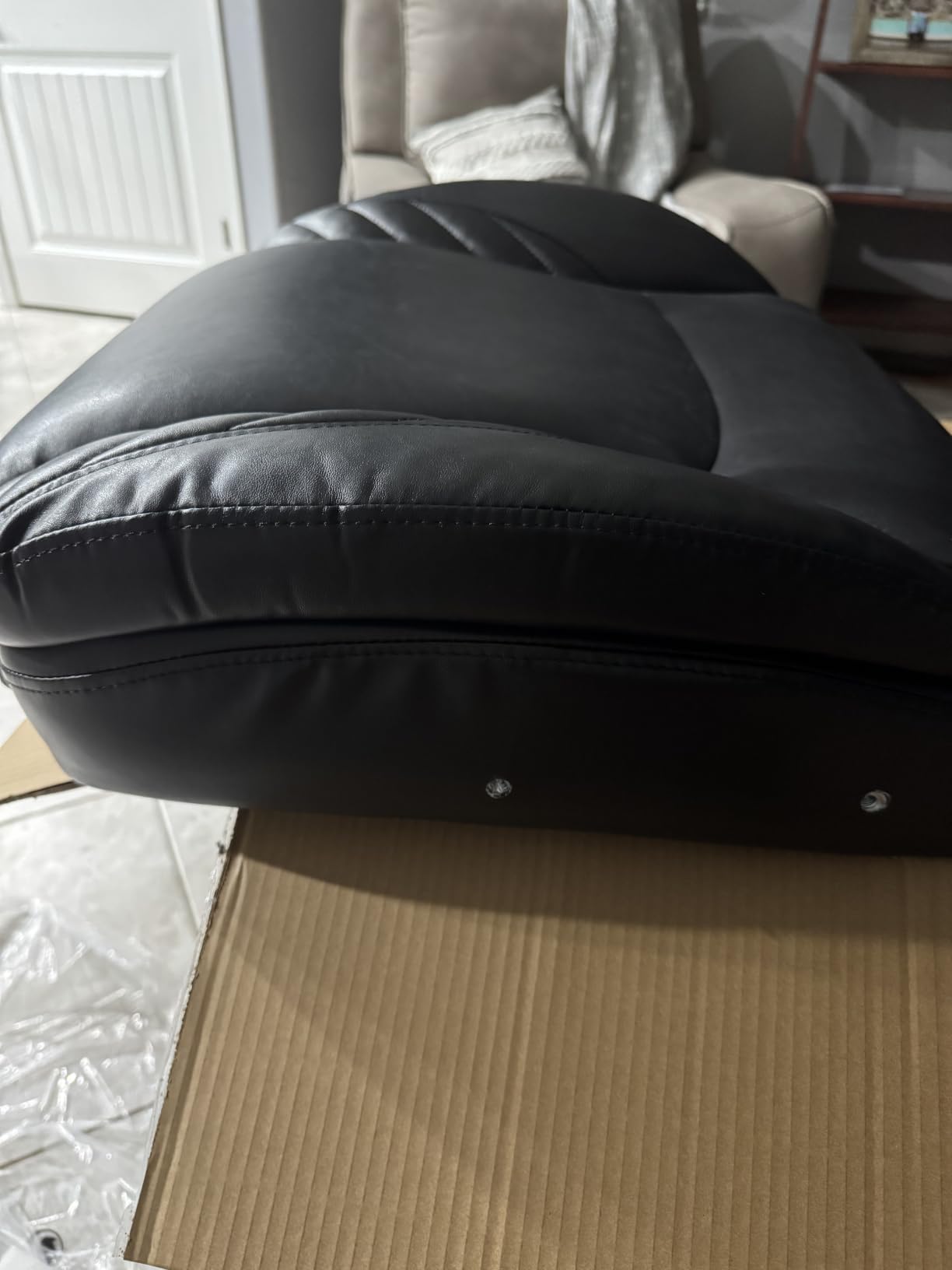
Comfort comes from a 6.7 inch thick seat cushion with high-density foam and a waterfall front edge that relieves pressure behind the thighs, which is the detail that makes long sessions work. The pop-out lumbar support adjusts by button rather than a knob, the headrest has genuine height adjustment, and the arms flip up for desk clearance. The heavy-duty metal base is rated to 300 pounds.
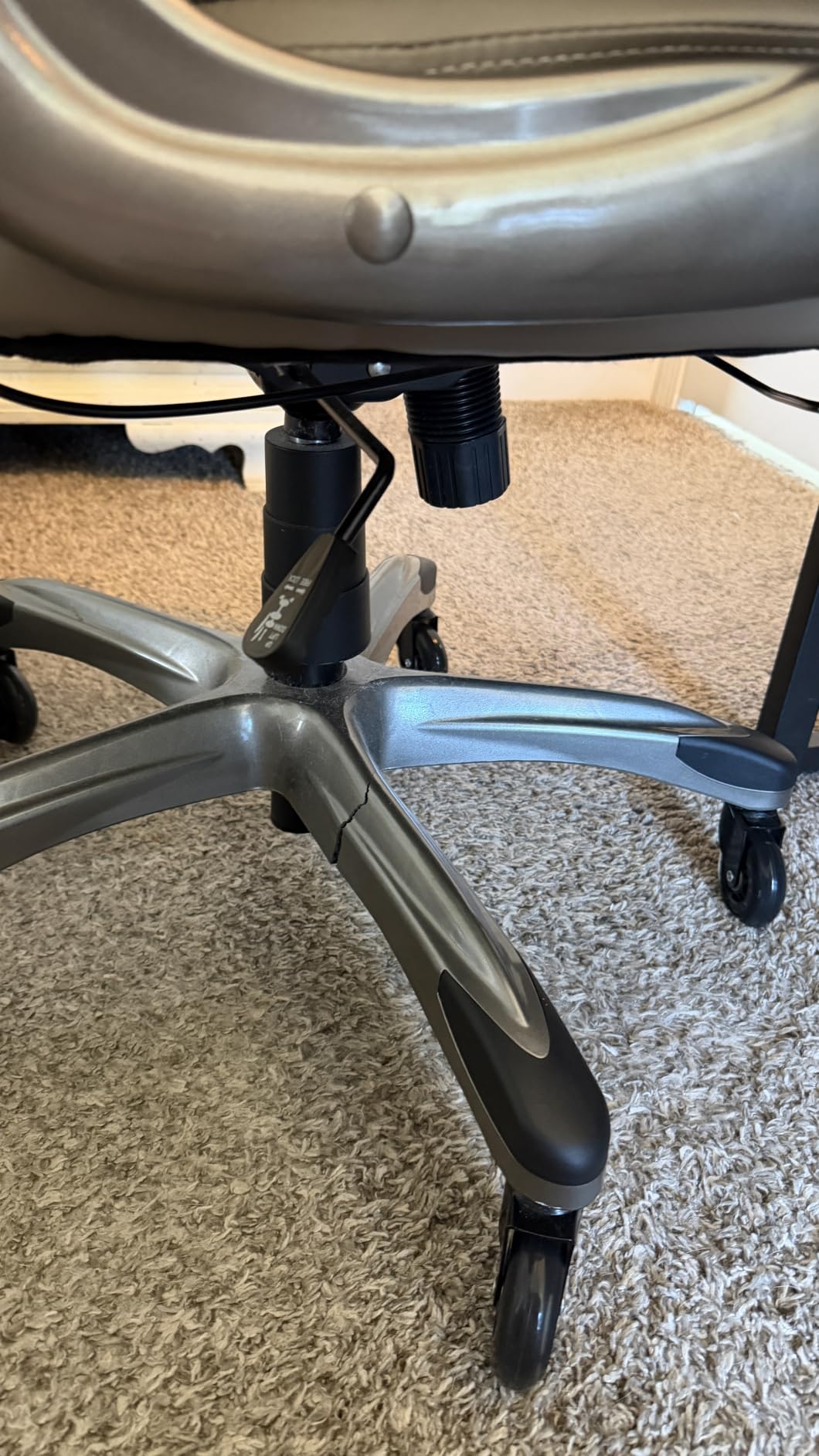
The mechanical complaints are the reason this sits at the bottom of my ranking despite strong comfort scores. A pneumatic cylinder that slowly sinks and will not hold height is the most common one, the headrest locking mechanism slips downward under light pressure, and armrests can squeak and have some give. One reviewer reported a leg breaking after nine months of light use, which is rare but worth knowing. Pop-out lumbar adjustment also has a limited range.
At 29.33 inches square the footprint is generous, and the chair weighs 13.4 kg, so it stays put on wood but is a two-person move. Test the cylinder height hold and the headrest lock before the hundred-hour mark, since both degrade gradually rather than failing suddenly.
Who this chair suits on hardwood
This is the pick if cushion depth matters more than mechanism longevity. The waterfall edge and 6.7 inch foam take pressure off the backs of your legs in a way thinner seats do not, and the large-diameter silent casters are among the most floor-considerate here. The flip-up arms and adjustable headrest make it a genuine long-session chair on paper.
Where it falls short
A sinking cylinder and a slipping headrest lock are real quality problems, and the leg-break report is a signal to check the base early. The 29 inch square footprint crowds a small room. If you keep a chair for years, weigh this against a chair with a stainless base and a documented parts warranty.
How to Swap Your Casters in About Ten Minutes?
Swapping your own chair casters is the cheapest floor-protection fix available, and it is the most repeated recommendation on home office forums. If your wheels are hard black plastic or hard nylon, this procedure turns them soft in about ten minutes.
Step 1, remove the old casters. Most clip-in casters pull straight out with a firm upward tug. If yours are bolt-in, you will need a wrench and you should note the pattern before removal. Work on a towel so you do not mark the floor while the chair is on its side.
Step 2, measure the stem. Most replacement casters are sold as 8mm or 11mm, and this is the single reason caster packs arrive that do not fit. Measure the diameter of the stem, not the wheel. Also check whether the chair takes clip-in or bolt-in casters, because a clip-in stem has a groove and a bolt-in stem has threads.
Step 3, match the durometer. For hardwood, choose soft polyurethane wheels. Softer is safer for a wood finish, and the common defect on replacement packs is a wheel that is technically rubber but too hard. Match the wheel diameter roughly to the original so your seat height does not shift noticeably.
Step 4, fit them. Press clip-in casters in until they click, or thread bolt-in casters and tighten evenly. Expect the chair to sit slightly higher and slightly firmer after the swap, which is the same reaction users describe when they say the chair feels brand new. Raise the seat to its highest point first so you are not lifting the whole chair.
Step 5, test the roll. Push the chair across bare wood in a straight line and then at an angle. If it drifts uncontrollably or feels slick, you have gone too soft for your finish, and you can move up one durometer. Check that your manufacturer warranty still reads as valid, since caster replacement is a wear part on most chairs and rarely affects coverage.
Buying Guide for a Floor-Safe Office Chair
Caster type is the number one floor-safety feature. Hard nylon twin-wheel casters are the default fit and the worst choice for wood, and they are the reason so many chairs leave marks out of the box. Soft polyurethane wheels are the standard you should require. Rollerblade-style casters use a single wide wheel and give the smoothest, quietest glide of any option, at the cost of a little more money. One Houzz discussion framed the decision as rubber wheels, a chair mat, or both, and the honest answer is that both together is the only version that protects an expensive finish.
Know your caster stem before you buy a pack. The 8mm versus 11mm distinction trips up almost everyone, and it is the top cause of replacement casters that do not fit. Clip-in and bolt-in are the other axis. If you are not sure, take one caster out and measure before ordering, and buy a pack that states compatibility up front rather than one that leaves you guessing.
Check the weight rating against your actual weight plus your gear. A 300 pound chair is fine for most people, but the rating covers you and everything on your lap. Anything above 300 pounds points toward the two chairs here rated to 400 pounds. A heavy user on a 300 pound chair gets caster deflection, which makes a soft wheel stop rolling cleanly and can leave marks from a deformed contact patch, which is the opposite of what you bought the soft wheels for.
Mesh versus upholstery is a comfort and temperature decision. Mesh runs cooler and holds its tension over years, which suits eight-hour days and warm rooms. Upholstery, whether PU leather or bonded faux leather, feels softer initially and looks more like furniture, but it runs warmer and can crack over time. Neither choice affects floor safety, so decide on comfort and how the chair looks in the room.
Adjustability beats plushness for long days. The single most useful feature on this list is the eight-level lumbar adjustment on the mesh chair, followed by a headrest that adjusts in both height and depth. Seat height travel matters almost as much, and a chair with a 4.7 inch range adapts to more desk heights than one with a short throw. If you work eight hours or more, prioritise a chair with real lumbar adjustment over one with a deeper cushion, because support you can tune beats padding you cannot.
Choose a mat material that stays rigid on wood. Polycarbonate, glass and bamboo mats keep their flatness, which is what protects a finish. Clear PVC is cheaper and softer, and over years it flattens, cracks or pits the wood underneath it. Felt floor pads are a partial solution for a chair parked in one spot rather than rolled around, and a tightly woven area rug is the option that looks intentional in a living room. Whichever you choose, lift it and sweep underneath once a week, because trapped grit is the real mechanism of finish wear.
Size the footprint to the room, not just the seat. Several of these chairs are 25 to 34 inches wide or deep, and on hardwood the footprint also decides whether you can roll the chair at all or will only pivot it. If you move the chair between rooms daily, weight matters as much as width, and the lightest frames here are close to 22 pounds while the heaviest are near 46.
If you rent, protect the deposit first. Rental flooring is the easiest finish to damage permanently and the hardest to argue about, and a renter anxiety about losing a security deposit over chair wheels is the most common thread on home office forums about this topic. Soft casters plus a rigid mat costs very little and removes the argument entirely. Our guides to robot vacuums for hardwood floors and robot vacuums for multiple floors cover the other device most likely to put grit across your finish.
Consider a refurbished premium chair as the value tier. Casters are a wear part, so a used premium chair is really a premium chair with five cheap wheels that you will want to replace anyway. Home office communities treat second-hand Steelcase Leap V1 and Herman Miller Aeron as a genuine value play rather than a compromise, and with soft polyurethane casters fitted they are usually the best floor-safe chair per unit of money in a home. Pair that thinking with our picks for trackball mice for office work and lift chairs for wide seats if your seating needs go beyond a desk chair.
Frequently Asked Questions
What is the best way to protect hardwood floors from office chairs?
Use a three-part setup. First, fit soft polyurethane or rollerblade-style casters, which deform slightly on contact and spread the load instead of concentrating it on the finish. Second, add a rigid hard-floor mat made of polycarbonate, glass or bamboo rather than a soft PVC mat that flattens and cracks. Third, sweep underneath the mat once a week, because trapped grit under the wheels causes more finish wear than the wheels alone.
What are the best rollerblade wheels for office chairs?
Rollerblade-style casters have a single wide wheel on a wide axle instead of two small wheels, so there is no scissor action and one broad contact patch. They give the smoothest glide and the quietest roll of any wheel type, and their wide polyurethane tread is gentle on a hardwood finish. The trade is cost and a slightly higher seat height after fitting. Measure your stem diameter before ordering, since rollerblade packs come in 8mm and 11mm.
What are the best office chair castors for wood floors?
Soft polyurethane wheels are the right answer, whether soft rubber wheels from the factory or a replacement pack you fit yourself. They are specifically rated for hardwood because the tread deforms slightly under a chair’s load and spreads that load over a wider area, so the finish is never abraded directly. Hard nylon and hard plastic twin-wheel casters are the ones that scratch, and rollerblade-style single wheels are the quietest and smoothest option.
What is the best material for office chair mats on hardwood floors?
Polycarbonate, glass or bamboo are the best materials because they stay rigid and flat, which is what protects a finish. Clear PVC mats are cheaper but compress over time, and a compressed mat flattens, cracks and eventually pits the hardwood underneath it. A tightly woven area rug works as a visually intentional alternative. Whichever you use, lift the edge and sweep underneath weekly so grit does not grind into the finish.
How can I prevent my office chair from scratching my wood floor?
Replace the factory casters if they are hard plastic or hard nylon, using soft polyurethane wheels that match your stem diameter. Check the stem is 8mm or 11mm and whether the chair takes clip-in or bolt-in casters before ordering. Then place a rigid mat under the chair and clean underneath it weekly. If casters feel sticky and drag rather than roll, wipe the floor track clean, because dragging concentrates force on a small contact area.
What is the best floor protector for an office chair on hardwood floors?
For full protection, combine two things: a rigid mat that stays flat, plus soft polyurethane or rollerblade-style casters on the chair. A mat alone protects the floor but leaves the chair noisy and hard to control, and soft casters alone protect an unsealed floor but do nothing if grit accumulates under the base. In a rental where a single gouged board can cost a deposit, both together are the answer.
What is the best office chair for long hours of sitting?
For eight-hour days, prioritise real lumbar adjustment over cushion depth. The mesh chair in this roundup has eight lumbar levels covering two inches of travel, plus flip-up arms and a headrest that adjusts in height and depth, which lets you change posture without standing up. For a chair with a very thick cushion instead, the high-back executive pick offers a 6.7 inch foam seat with a waterfall edge that relieves pressure behind the thighs.
Final Verdict
The best office chairs for hardwood floors are the ones whose casters were engineered for hard surfaces, and every chair in this roundup meets that bar. My pick for most people is the YFO rubber caster executive chair, because the wheels are rated for wood and marble straight out of the box, the 22 inch seat fits real bodies, and the removable armrests give you flexibility without a tool.
Go with the mesh chair if you sit eight hours and want the deepest lumbar adjustment available here. Go with the 400 pound chair if you are a larger user, because its nylon-rubber wheels with a polyurethane outer are rated for hardwood and the load rating runs through the whole base. Pick the bentwood chair if the office doubles as a living room, and add a rigid mat to any of them. If you already own a chair, swap the casters instead of buying again, and sweep under the mat every week.