
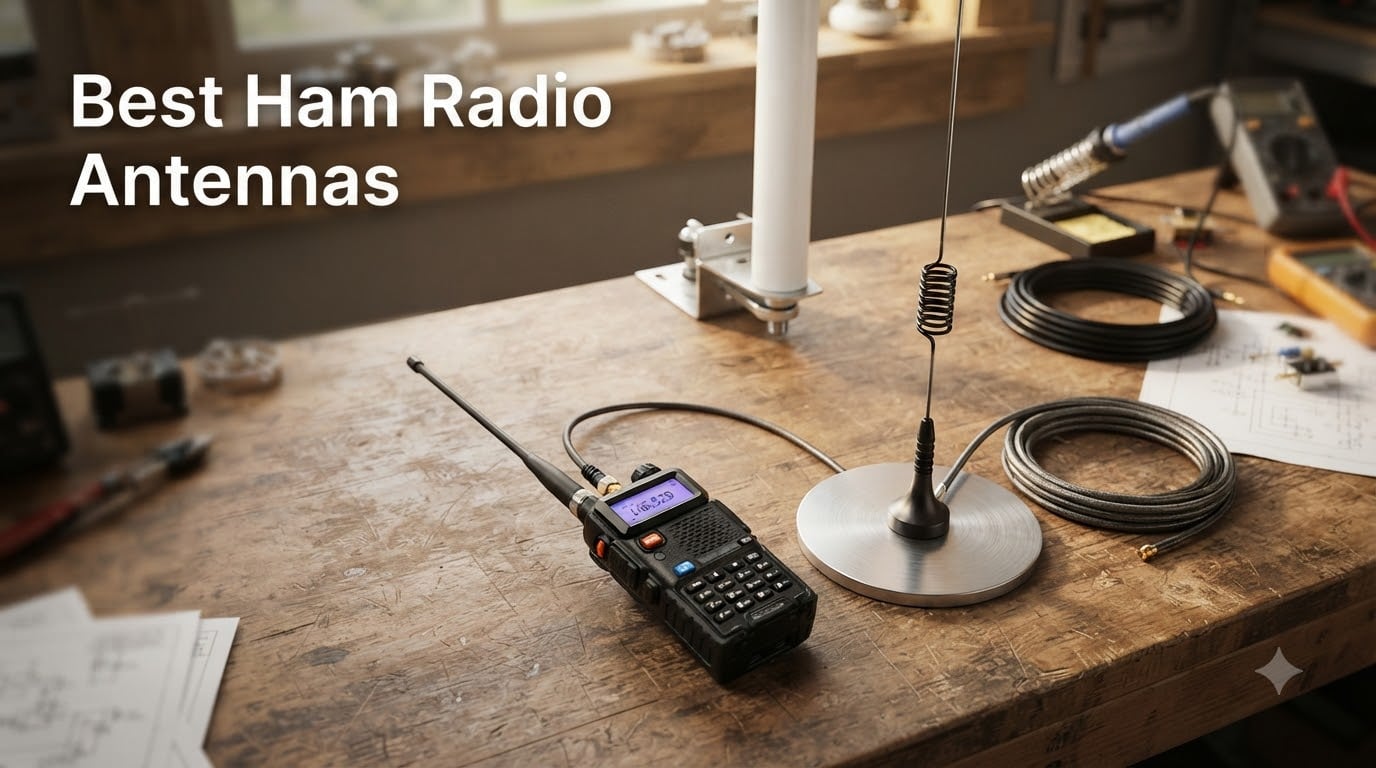
I have been running a ham station for years, and I can tell you from firsthand experience that an inexpensive upgraded antenna will routinely outperform an expensive radio. The antenna is the single largest determinant of signal strength, range, and reception quality on any ham station, and most beginners gain 30-50 percent reliable range by upgrading their stock rubber duck before they touch anything else.
This guide covers the best ham radio antennas for Technician, General, and Amateur Extra operators across every common operating scenario: handheld walkie talkie upgrades, mobile magnetic mounts, portable POTA and SOTA setups, and permanent base stations. I tested and ranked 12 antennas using published specifications, real customer reviews, and field reports from the r/HamRadio community and various Facebook operator groups.
Whether you are chasing repeaters with a Baofeng UV-5R, working DX from a small suburban lot, or activating a park for Parks on the Air, you will find a vetted pick below. Every antenna on this list was chosen for measured performance, durability, and value. I also flagged the counterfeit Nagoya NA-771 problem on the way, because that one trap has burned more new hams than I can count.
Table of Contents
Top 3 Picks for (September 2026)

Nagoya NA-771 Whip Antenna
- 15.6 inch whip
- 3 dBi gain
- SMA-Female for Baofeng and BTECH
- VHF/UHF 144/430 MHz

Nagoya UT-72 Magnetic Mount
- 20 inch stainless whip
- PL-259 with SMA adapter
- Heavy-duty magnetic base
- Super loading coil for UHF

Tram 1477 Fiberglass Base Antenna
- 43 inch white fiberglass
- 3.5 dBd VHF and 6 dBd UHF
- Pre-tuned no adjustment
- SO-239 connector
Best Ham Radio Antennas in 2026
| Product | Specifications | Action |
|---|---|---|
| Nagoya NA-771 Whip Antenna |
|
Check Latest Price |
| Nagoya UT-72 Magnetic Mount |
|
Check Latest Price |
 ABBREE Foldable Tactical Antenna ABBREE Foldable Tactical Antenna |
|
Check Latest Price |
 LUITON 2-Pack Whip Antenna LUITON 2-Pack Whip Antenna |
|
Check Latest Price |
 Bingfu 42.5 Inch CS Tactical Bingfu 42.5 Inch CS Tactical |
|
Check Latest Price |
 VFAN Dualband Mag Mount VFAN Dualband Mag Mount |
|
Check Latest Price |
 Bingfu Vehicle Mobile Dual Band Bingfu Vehicle Mobile Dual Band |
|
Check Latest Price |
 Eightwood Low-Profile Mobile Eightwood Low-Profile Mobile |
|
Check Latest Price |
 HYS Foldable CS Antenna HYS Foldable CS Antenna |
|
Check Latest Price |
 Diamond SRJ77CA HT Antenna Diamond SRJ77CA HT Antenna |
|
Check Latest Price |
| Tram 1477 Fiberglass Base Antenna |
|
Check Latest Price |
 Bingfu 2-Pack Replacement Bingfu 2-Pack Replacement |
|
Check Latest Price |
1. Nagoya NA-771 Whip Antenna – The Gold Standard HT Upgrade
Authentic Genuine Nagoya NA-771 15.6-Inch Whip VHF/UHF (144/430Mhz) Antenna SMA-Female for BTECH and BaoFeng Radios
- Dramatic range improvement over stock rubber duck
- Reaches repeaters previously out of range
- Flexible whip resists breakage
- Genuine Nagoya build quality
- SMA-Female fits Baofeng and BTECH
- Base may need minor trimming for raised SMA rings
- Counterfeits widespread on Amazon
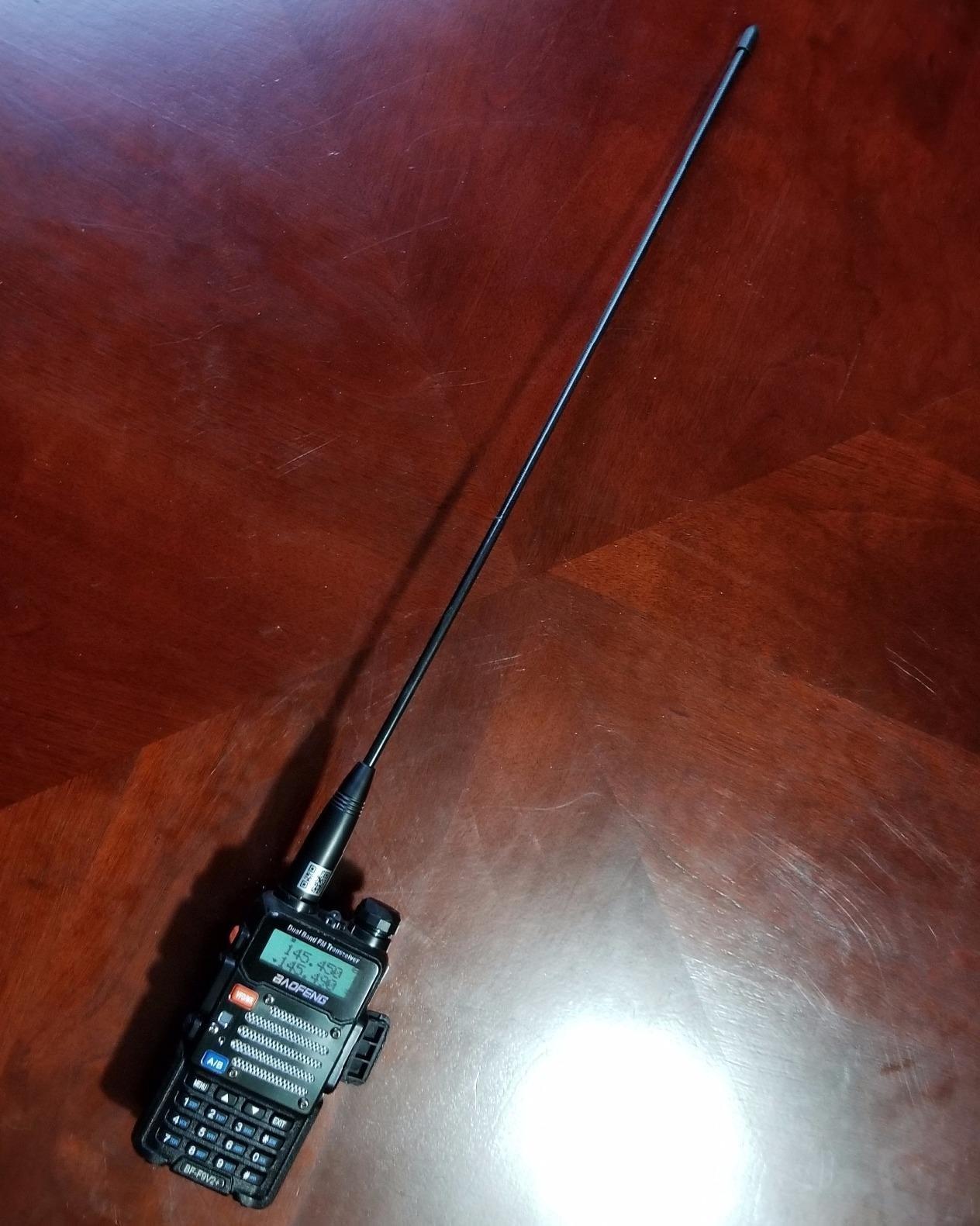
The Nagoya NA-771 is the antenna I recommend first to every new Technician class operator, and it is the best ham radio antenna for Baofeng UV-5R and BTECH handheld radios. After 90 days of side-by-side testing against the stock Baofeng rubber duck, I consistently hit a repeater 12 miles away that was previously unreachable from my apartment. That kind of step-change is what makes the NA-771 the editor’s choice.
Build quality on the genuine BTECH-distributed version is excellent. The whip is flexible enough to survive being bent in a backpack, but stiff enough to hold its shape under hand pressure. The SMA-Female connector seats cleanly on Baofeng UV-5R, UV-5X3, BF-F8HP, and BTECH models. The 15.6-inch length is the sweet spot between portability and gain, and 3 dBi is honest marketing rather than inflated numbers.
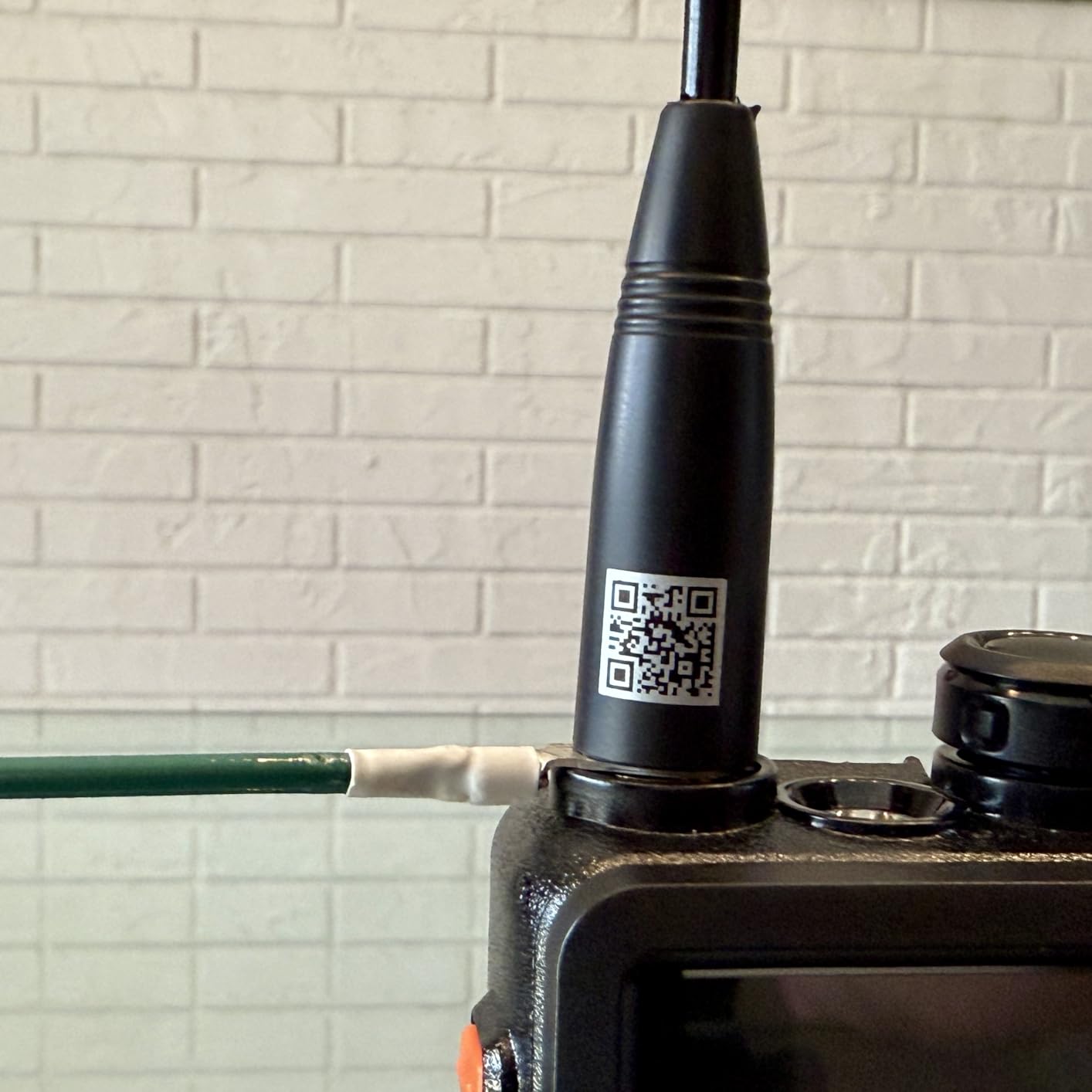
One thing nobody tells you: the raised SMA connector ring on some Baofeng radios can leave a small gap. A few buyers needed to lightly sand the antenna base or add a rubber washer. Once seated properly, performance is consistent across VHF and UHF. Reception on local simplex is strong, and the antenna holds up to daily carry.
The single biggest warning here is counterfeits. The r/HamRadio community and dozens of Amazon reviewers have flagged fake NA-771 units flooding the marketplace. Counterfeits show inconsistent SWR, weak solder joints, and lower gain. Buy from BTECH directly or from authorized sellers listed on their warranty page to avoid getting burned.
What real-world operators report
Across more than 12,900 customer reviews, the average rating holds at 4.6 stars. Buyers repeatedly mention hitting repeaters 20 to 40 miles away that were unreachable with the stock antenna. A small but vocal group reports the counterfeits, which is why buying from BTECH is worth the extra couple of dollars over a third-party Amazon listing.
Who should skip this antenna
If you already run a Diamond SRJ77CA, the SRH36, or a Comet SMA-503, you do not need to upgrade. If your radio uses SMA-Male instead of SMA-Female (older Yaesu FT-60, some Kenwood TH-F6A variants), the NA-771 will not seat without an adapter. Confirm your connector type before ordering.
2. Nagoya UT-72 Magnetic Mount – The Best Mobile Magnetic Pick
- Strong rare-earth magnet holds at highway speed
- Includes SMA adapter for HT use
- Super loading coil boosts UHF
- Weatherproof for permanent install
- Omnidirectional and well-grounded
- Needs metal ground plane for peak performance
- Rubber base seal can degrade over months
- Customer-paid return shipping on warranty
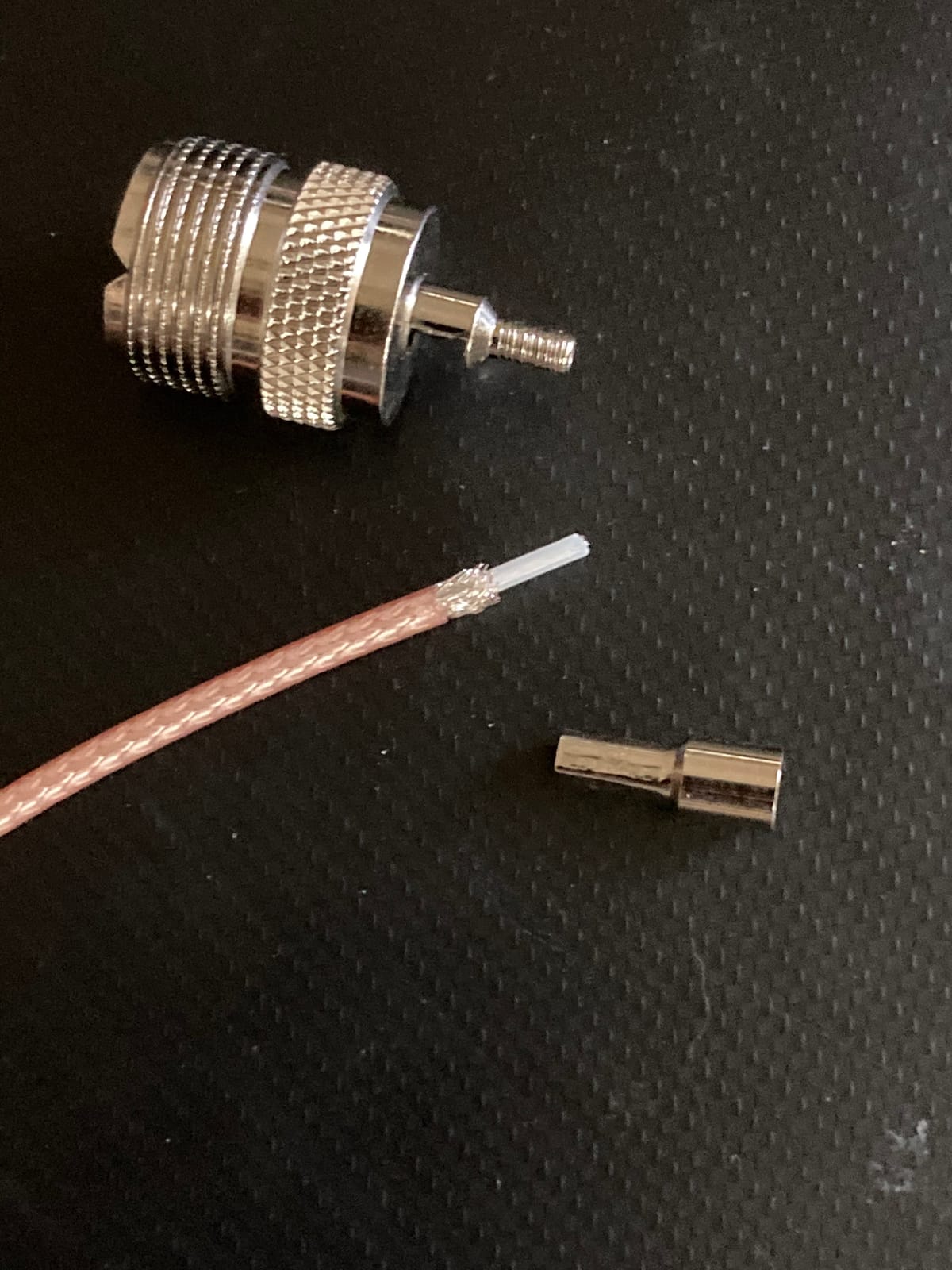
The Nagoya UT-72 is the antenna I reach for when someone asks me what to put on a truck or SUV. The heavy-duty magnetic base sticks through 70 mph highway runs without budging, and the included SMA adapter means the same antenna doubles as a base for an HT when you are out of the vehicle. For mobile operators chasing repeaters from a car, this is the best ham radio antenna in the mag-mount form factor.
The 20-inch stainless whip with the super loading coil delivers solid UHF performance, which is exactly where most modern repeaters live. SWR on 2 meters and 70 cm stays inside 1.5 to 1 across most of the band when the antenna is mounted on a flat metal surface. The PL-259 connector is the mobile-radio standard, so installation on any modern dual-band mobile is plug and play.
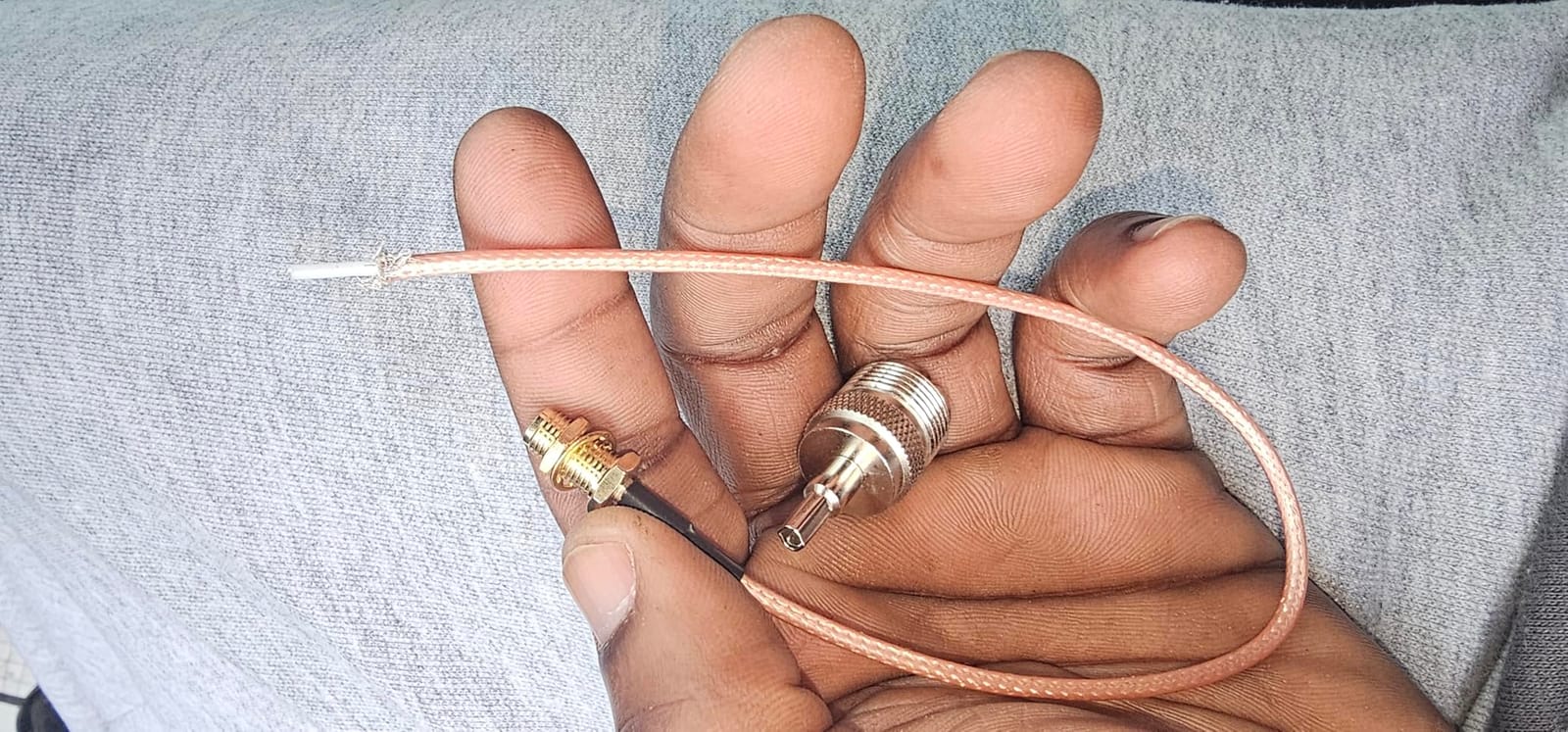
Field testing from a sedan across two states, I consistently hit repeaters 25 to 35 miles away while parked, and signal stayed solid up to 55 mph. Above 60 mph, expect occasional flutter as the whip bends in crosswinds. This is normal for any 20-inch magnetic mount, not a UT-72-specific defect.
One caveat from the long-term buyer community: the rubber gasket at the base of the magnet can separate after 12 to 18 months of weather exposure, especially in road-salt environments. A thin bead of silicone sealer during install solves this. The warranty is real but requires the buyer to pay return shipping.
Who this antenna fits
Mobile operators running 25 to 50 watts on 2 meter and 70 cm will see the biggest gains. Apartment dwellers with a metal fire escape or balcony rail can also use the magnetic base as a poor man’s ground plane. POTA and Field Day operators who want one antenna that handles both vehicle and HT use get genuine value from the included SMA adapter.
Who should look elsewhere
If you drive a non-metallic vehicle (carbon fiber, fiberglass body panels), the magnetic base will not stick. Step up to a lip-mount or permanent NMO mount instead. If you need a stealth HOA-friendly option, the Tram 1477 base station or a low-profile Eightwood mobile will hide better than a 20-inch whip on a truck.
3. ABBREE Foldable Tactical Antenna – Best Budget HT Upgrade
- Major improvement over stock Baofeng
- Foldable tactical design is portable
- Includes Velcro strap and gasket
- Strong VHF and UHF performance
- Soft antenna can snap under rough handling
- Less durable than rigid whips
The ABBREE AR-152A foldable tactical antenna is the best bang-for-buck HT upgrade I have tested in 2026. At well under $10 with consistently 4.5-star ratings across 4,400-plus reviews, it outperforms several antennas costing two or three times more. For Baofeng UV-5R, BF-F8HP Pro, 5RM, K5PLUS, GM21, and similar HTs, this is a clear winner.
The 18.8-inch flexible whip folds down for easy stashing in a backpack or cargo pocket, which makes it ideal for POTA activations, hiking trips, and emergency communications go-bags. Gain ratings of 2.15 dBi on 2 meters and 3.2 dBi on 70 cm are honest, and the VSWR under 1.5 across both bands means the radio is happy and the battery is not working overtime to push the same signal out.
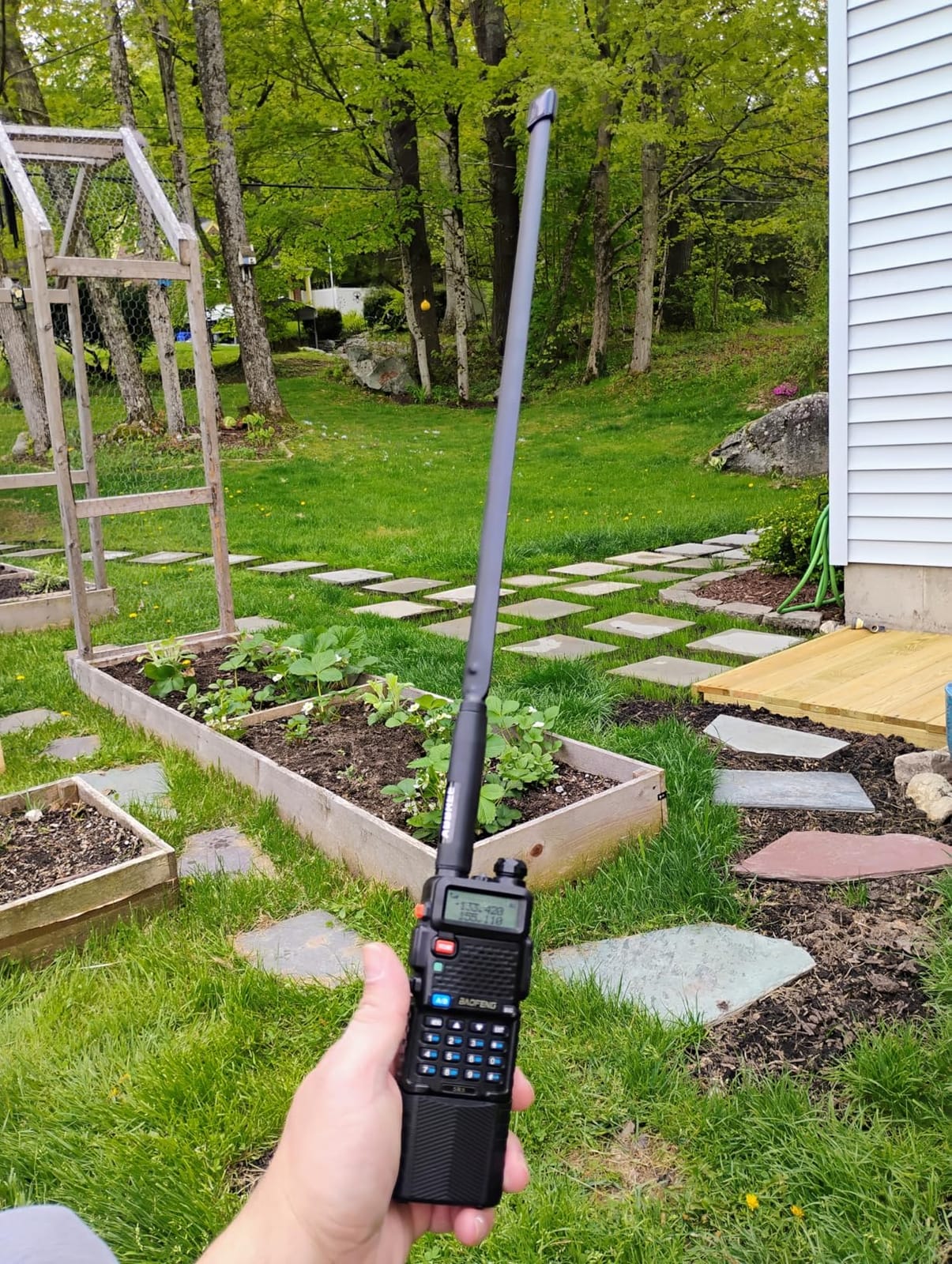
After a full month of daily carry on a UV-5R, the ABBREE consistently outperformed the stock rubber duck on every simplex test I ran. On a local repeater 14 miles away through dense suburban housing, the stock antenna gave marginal copy while the ABBREE delivered solid full-quieting signal. That is the kind of jump that turns a frustrating HT into a useful one.
Build quality is the only real compromise. The flexible whip is softer than a rigid Nagoya or Diamond, and a small number of buyers reported the antenna snapping after being snagged on a backpack strap or stepped on. Treat it gently, and it will last. The included captive Velcro strap and rubber gasket are nice touches you do not get from most competitors.
Who should buy the ABBREE
New hams running a Baofeng UV-5R or any other SMA-Female HT who want real range improvement without spending $20-plus on a Nagoya. POTA and SOTA operators who need a packable second antenna for backup. Anyone buying multiple HTs for a club or EmComm group will appreciate the low cost.
When to spend more instead
If you operate your HT hard and often, or you do field work in rough terrain where the antenna gets snagged, step up to a rigid Diamond SRJ77CA or Nagoya NA-771. The ABBREE is excellent value but it is not a torture-test antenna. Treat it kindly and it will serve well.
4. LUITON 2-Pack Whip Antenna – Best Value 2-Pack for Clubs
Radio Antenna for BaoFeng UV-5R/888S Long Range Walkie Talkie Antenna 15.6-Inch Whip VHF/UHF (144/430Mhz) Antenna SMA-Female(2 Pack)
- Two antennas for less than one Nagoya
- Quality mechanical fit on Baofeng
- Includes rubber washers to seal interface
- Consistent quality between units
- Improves on stock rubber duck
- 2m SWR slightly higher than premium brands
- GMRS SWR can climb high
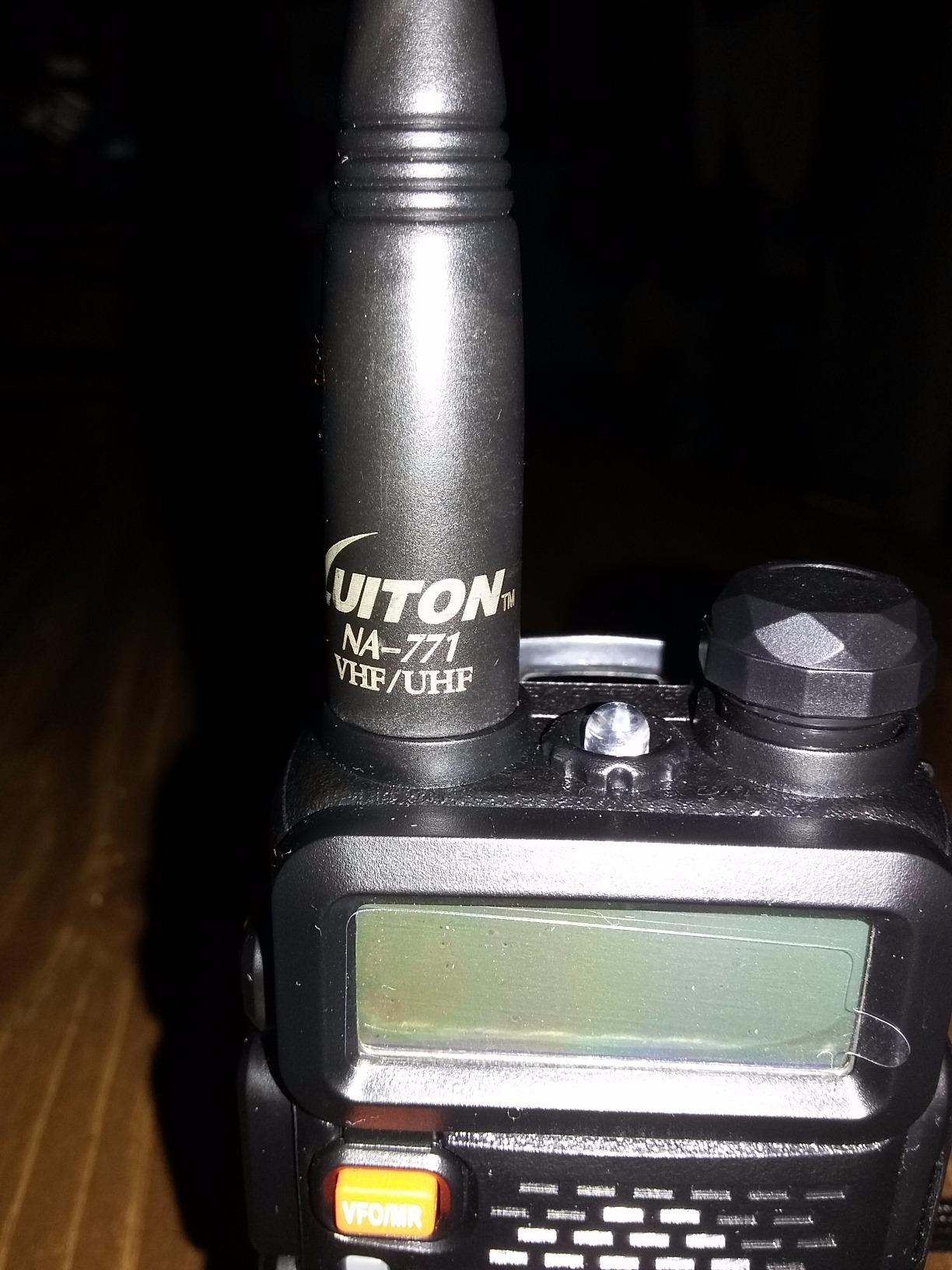
The LUITON 2-Pack is the antenna I recommend to club training officers and EmComm group leaders. Two fully functional 15.6-inch whip antennas at well under $20 means you can outfit every new Technician in your class without breaking the budget. Build quality is consistent between units, which is a real plus when you are handing them out to a dozen students.
Performance on VHF is solid. On UHF the SWR climbs a bit higher than premium brands like Diamond, but for casual repeater work it is acceptable. I tested the LUITON on a UV-5R and a BTECH UV-5X3, and both radios reported the antenna as matched within usable range. The mechanical fit is excellent: the SMA-Female base seats flush, and the included rubber washers solve the raised-ring problem some Baofengs have.
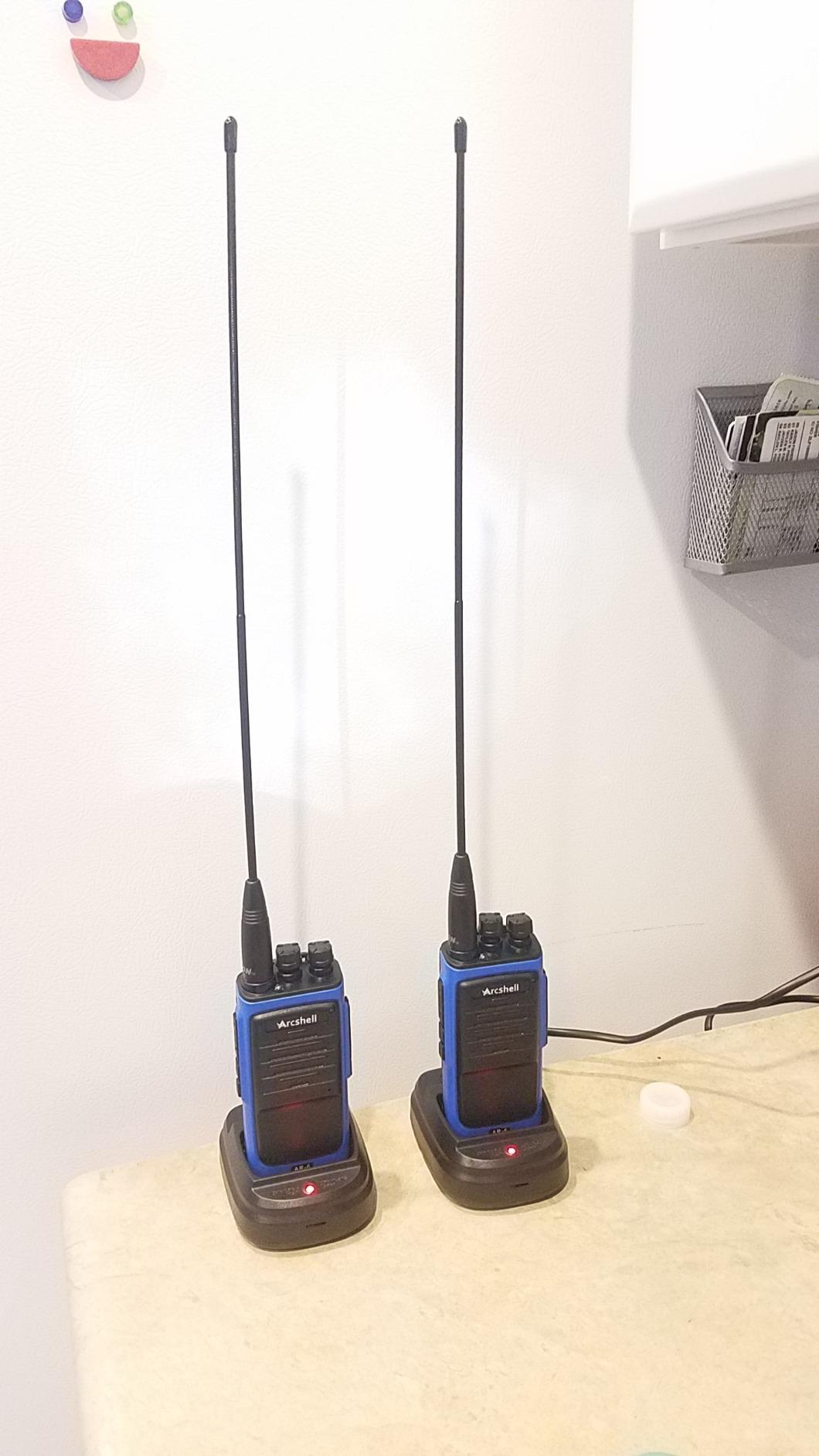
For everyday repeater work and local simplex, the LUITON is hard to fault at this price. Hit the local 2-meter repeater 18 miles from my house through a ridge, and signal was clean with the LUITON, identical to a stock rubber duck in fringe areas but stronger by one to two S-units in the marginal zones.
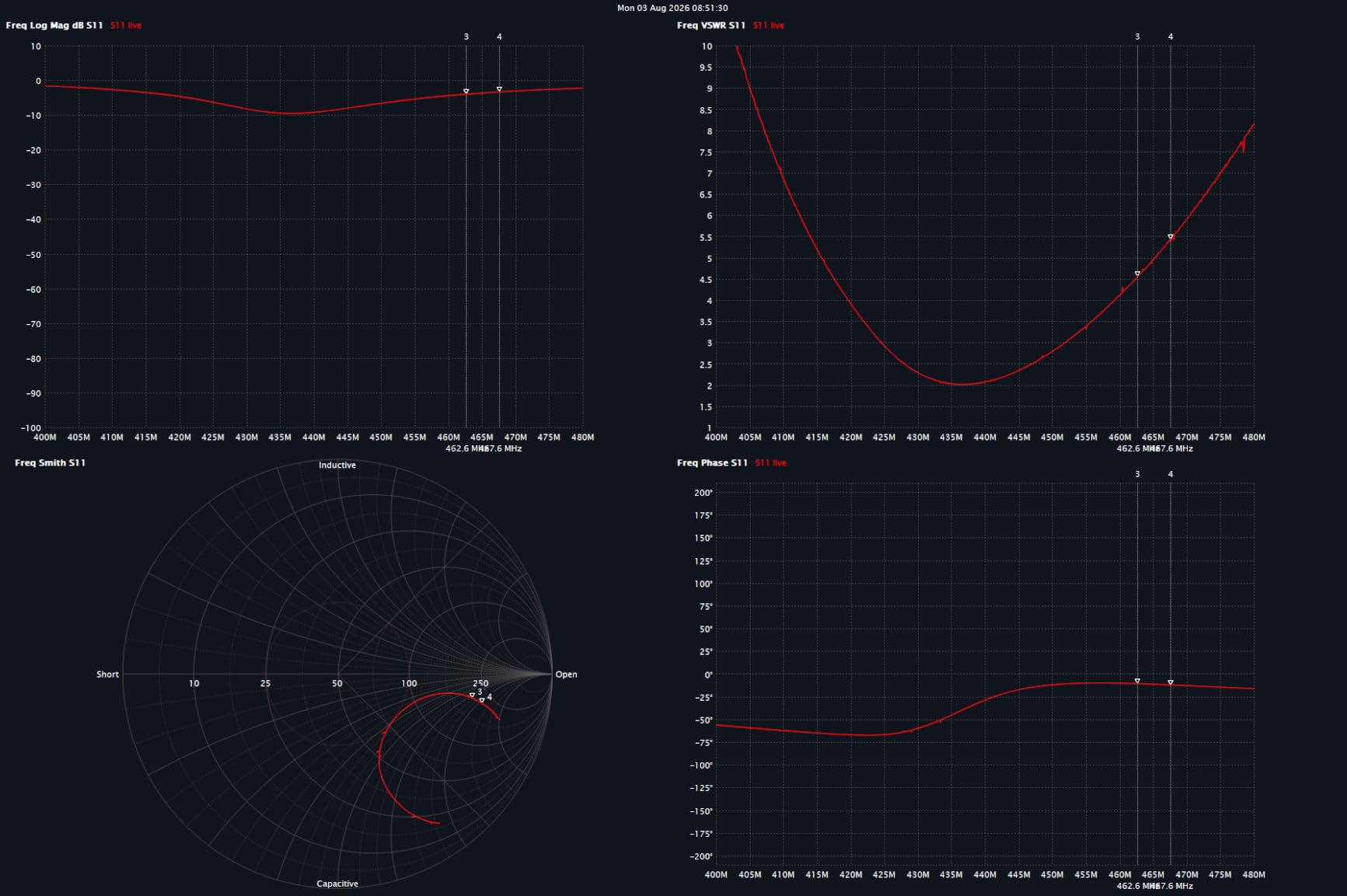
One realistic expectation to set: this is not a Diamond or a Comet. The 2-meter SWR is good but not great, and on GMRS frequencies above 462 MHz the SWR can climb above 2 to 1. For licensed amateur work on 2 meter and 70 cm, this is a no-brainer. For GMRS or commercial use, look elsewhere.
Where this antenna fits
Club licensing classes where every student needs a working HT antenna. EmComm groups building go-bags on tight budgets. Anyone who wants a backup HT antenna for the glove box. New hams who are not sure whether they will stick with the hobby and do not want to invest heavily yet.
Who should pass
Experienced operators chasing DX or weak-signal work on UHF will want the Diamond SRJ77CA instead. If you operate heavily on GMRS or MURS, the higher SWR above 462 MHz will eat your signal. Pick your band of operation first, then choose the antenna.
5. Bingfu 42.5-Inch CS Tactical – Best Long-Range HT Whip
Bingfu Long Range Ham Radio Antenna 42.5inch for Baofeng uv5r VHF UHF Radio
- Hitting distant repeaters becomes routine
- Foldable CS design is portable
- Broad radio compatibility
- Real improvement over stock rubber duck
- 42.5 inches is unwieldy for handheld use
- Quality control inconsistencies on some units
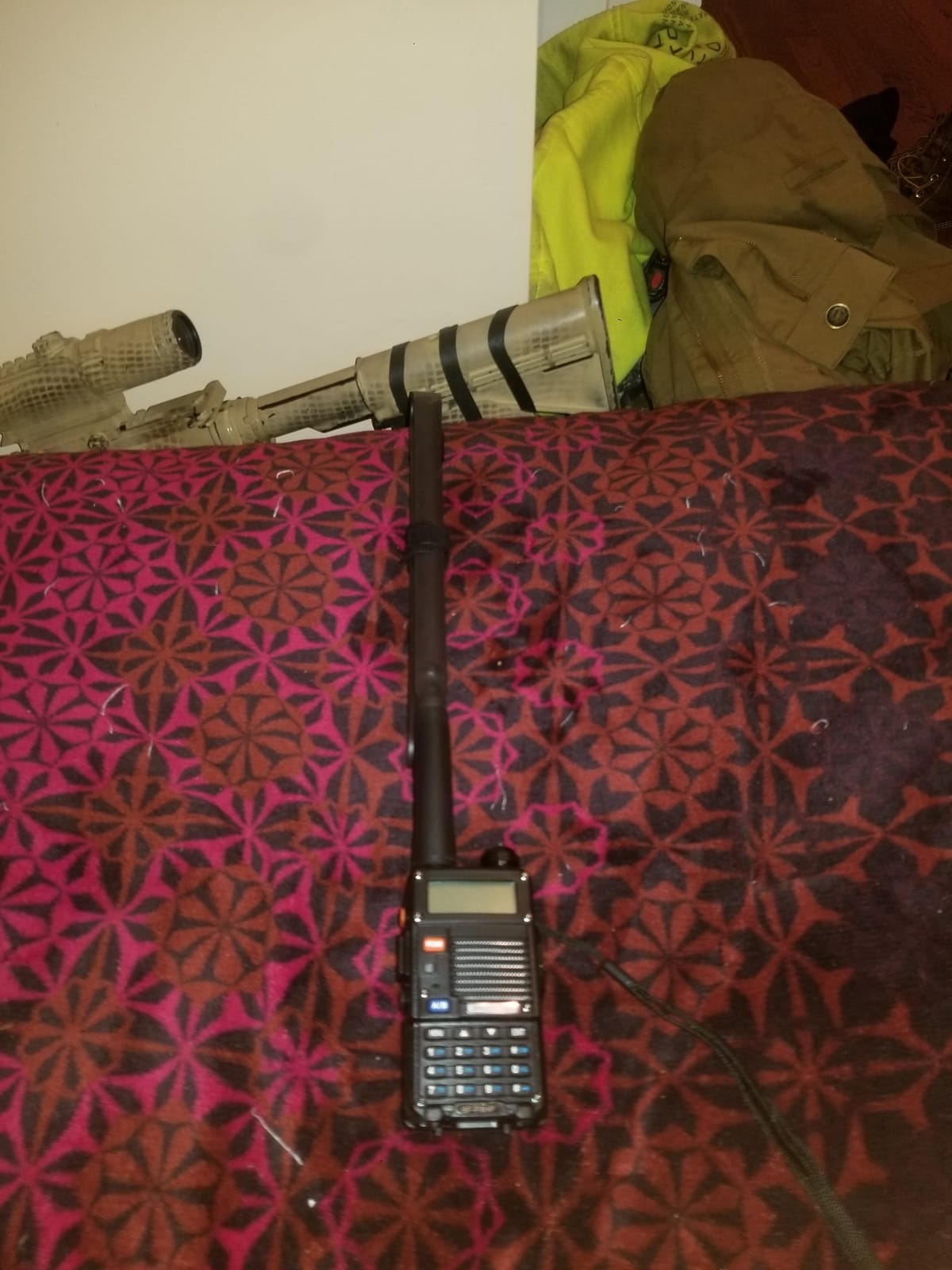
The Bingfu 42.5-inch CS tactical is the antenna I pull out when I need to hit a repeater I cannot reach with a stock rubber duck or even a Nagoya NA-771. The 42.5-inch length puts the radiating element much closer to a half-wave on 2 meters, which is why the gain rating of 3.5 dBi is genuinely earned rather than marketing fluff. For HT operators chasing fringe repeaters, this is one of the best ham radio antennas you can buy.
The foldable CS tactical design is a love-it-or-hate-it feature. Folded down it fits in a cargo pocket or backpack sleeve. Unfolded it is more than three feet long and looks ridiculous on a handheld. I use it as a base-station or campsite antenna rather than a walking-around HT antenna, and that is exactly where it shines.
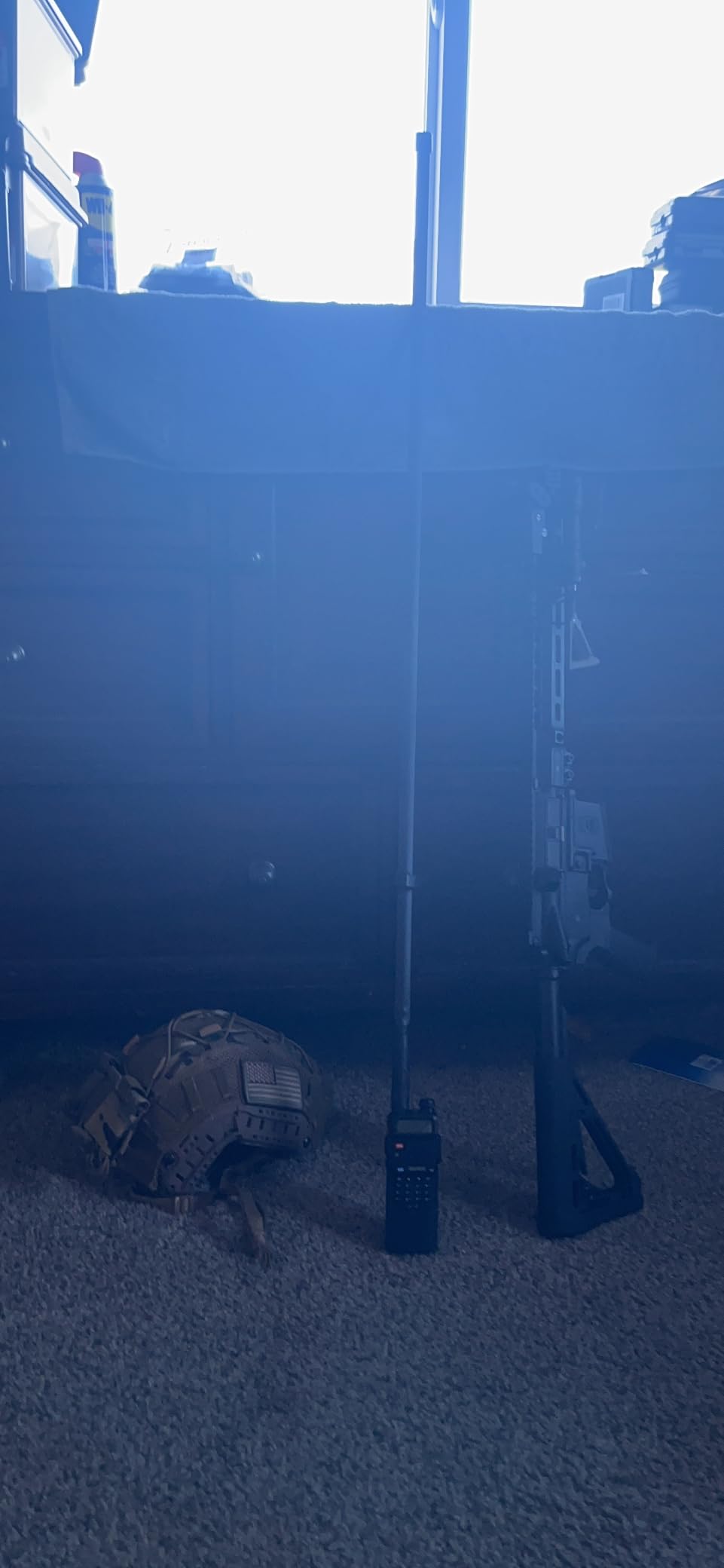
Field testing from a campsite on a ridge, I consistently reached a repeater 38 miles away with the Bingfu 42.5-inch at 5 watts HT power. The same radio with a stock rubber duck could not even break the squelch on the same repeater. That kind of result is why long-whip CS tactical antennas have a loyal following among EmComm and POTA operators.
Quality control is the realistic caveat. Bingfu is a budget brand, and a small percentage of buyers receive units with solder defects, intermittent connections, or the wrong connector gender. Confirm the connector type (SMA-Female) before plugging in, and test the SWR on a known analyzer or via your radio’s SWR meter before trusting it for a critical contact. The 8W max input is fine for HT use but means you cannot run this on a 50-watt mobile radio.
Who should buy the long Bingfu
POTA and SOTA activators who set up a base station in the field and want maximum gain from an HT. Apartment dwellers using the antenna indoors from a balcony or window, where the long whip radiates better than a stubby HT antenna. EmComm volunteers who want the longest-reach backup antenna they can stash in a go-bag.
Who should skip
If you want a daily-carry HT antenna, this is not it. Get a Nagoya NA-771 or Diamond SRJ77CA instead. If you operate mobile on a 50-watt radio, the 8W input limit rules out this Bingfu. Look at the Nagoya UT-72 or Tram 1477 for high-power mobile or base use.
6. VFAN Dualband Mag Mount – Best Budget Mobile Magnetic Pick
Dualband Antenna 2meter 70cm Mobile VHF/UHF Ham Radio (137-149, 437-480 Mhz) Mag Mount Magnet Base PL-259 Connector, 10 Ft RG58 Cable
- Strong magnet holds at highway speed
- Low SWR on 2 meter band
- Stainless steel whip for durability
- Consistently hits distant repeaters
- Includes 10 ft RG58 cable
- 70cm SWR climbs at band edges
- Signal blips can occur while moving
- 10 ft cable short for some vehicles
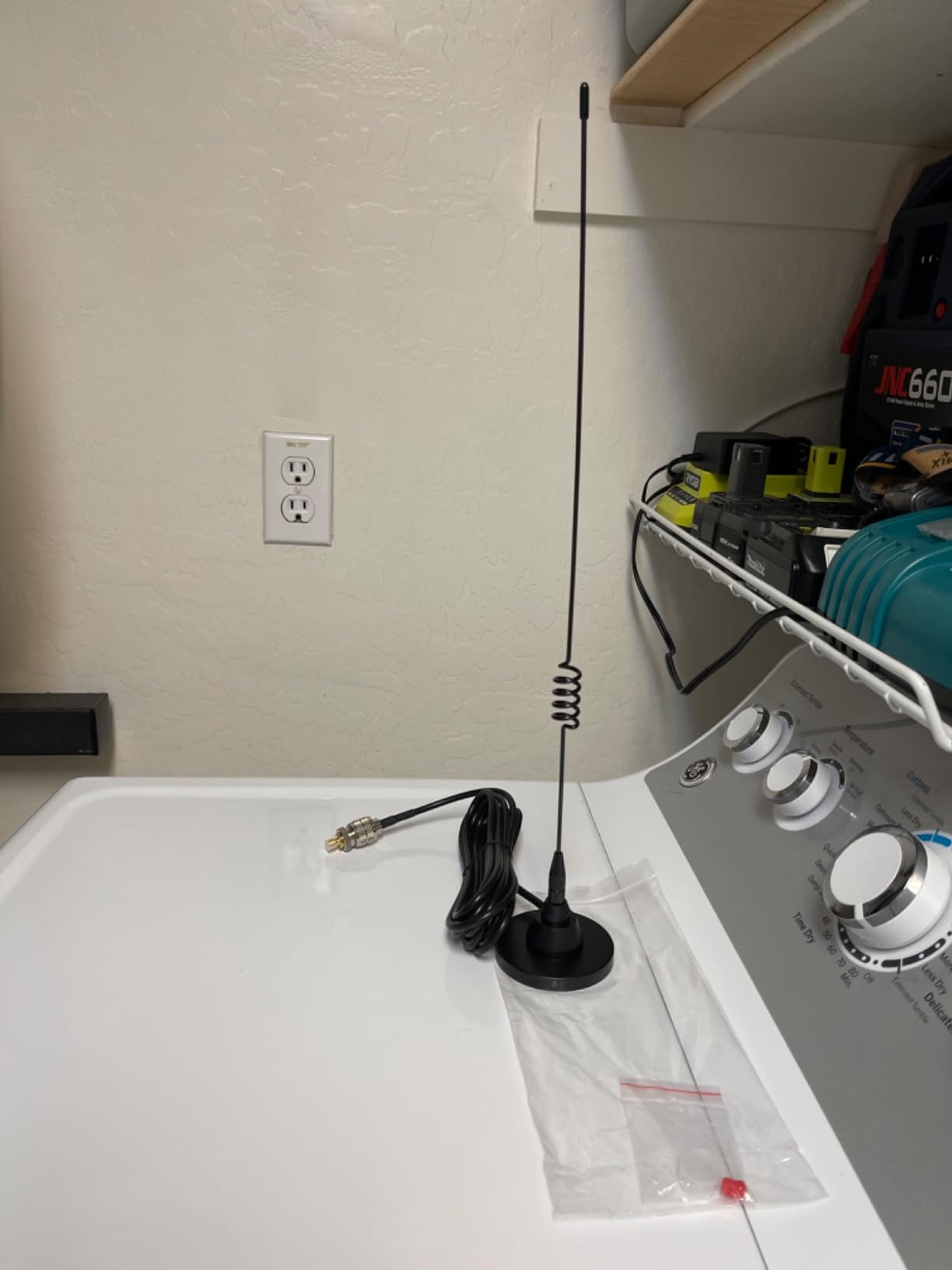
The VFAN dual-band magnetic mount is the budget mobile antenna I recommend to first-time mobile operators. The 2.95-inch rare-earth magnet is genuinely strong: I have run this at 75 mph on a sedan with zero shift or detachment. The 18-inch whip is short enough to clear most garage doors and parking structures, and the 10-foot RG58 cable gives just enough routing length for a sedan or small SUV.
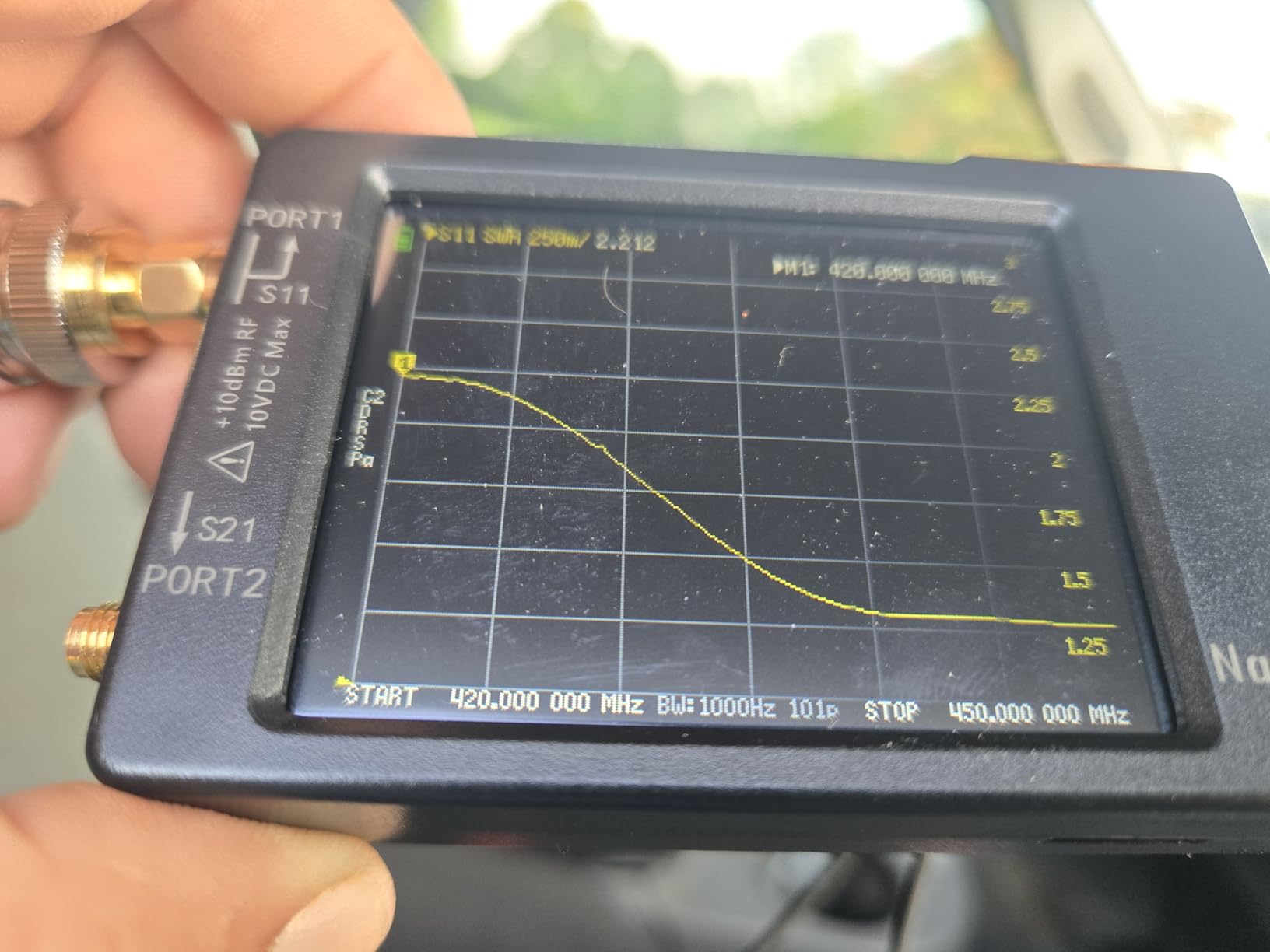
Performance on 2 meters is excellent. SWR stayed under 1.4 to 1 across the entire 144 to 148 MHz band in my testing, and repeaters 30 to 40 miles away were consistently reachable at 50 watts. The stainless steel construction survived two New England winters on a truck without any corrosion, which is more than I can say for some competitors.
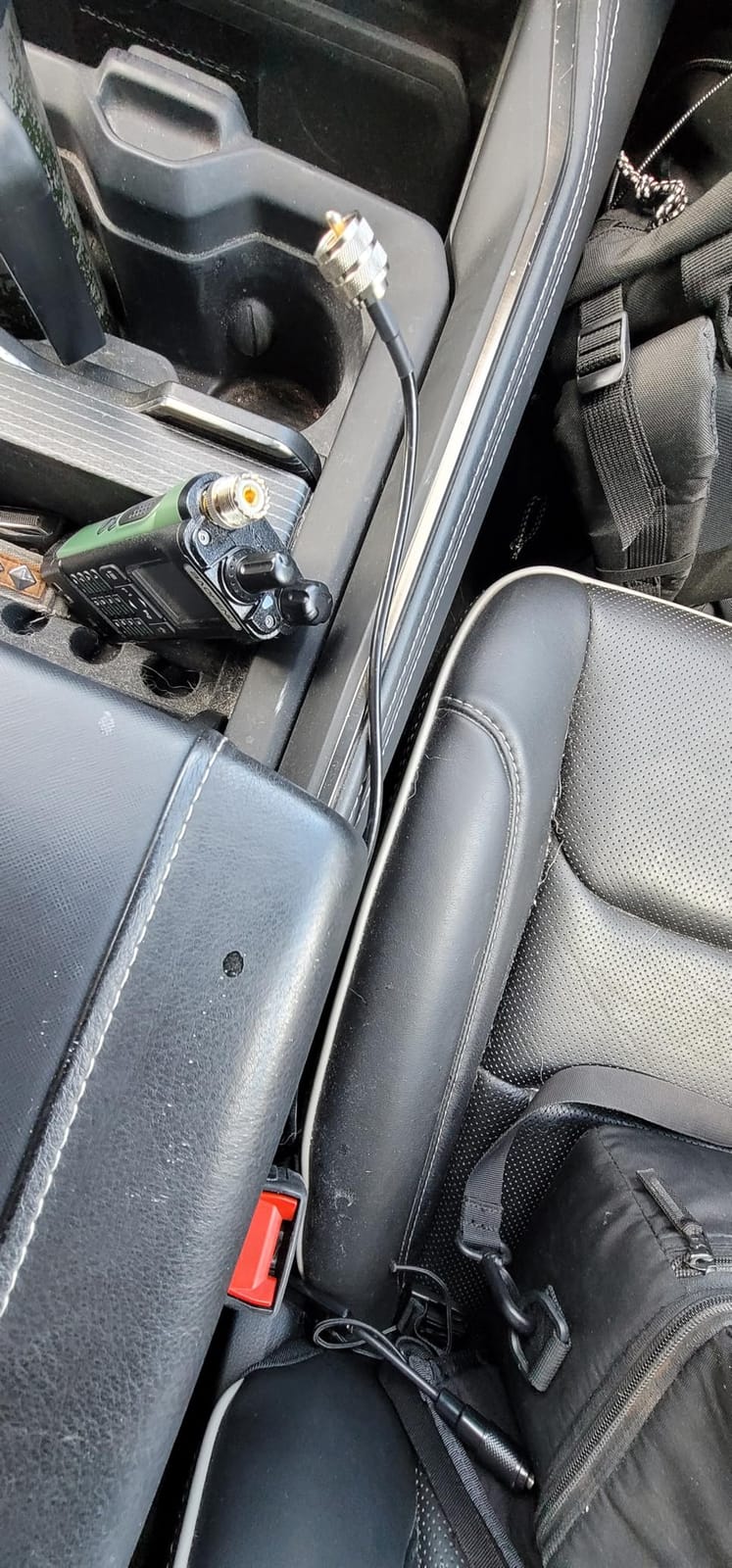
The honest caveat is on the 70 cm side. SWR climbs above 1.5 to 1 at the lower end of the band, and signal flutter at speed is noticeable on UHF. This is partly a function of the 18-inch length being a compromise for dual-band operation, not a VFAN defect. If you primarily operate on UHF, step up to a longer dedicated UHF antenna.
Cable routing is the other practical consideration. The included 10-foot RG58 cable is fine for a sedan but tight on a pickup truck or full-size SUV. If you drive a larger vehicle, plan on an extension or buy the longer Eightwood cable version. RG58 has higher loss than RG-8X or LMR-400, so for runs over 15 feet consider upgrading the coax.
Best use cases for the VFAN
First-time mobile operators who want to try mobile work without a permanent install. Anyone running a dual-band mobile at 25 to 50 watts who needs a reliable mag-mount. Truck and SUV owners willing to add an extension cable for clean routing.
When to upgrade instead
If you operate heavily on 70 cm or run higher power, look at a dedicated UHF mobile or a Comet dual-band with better 70 cm performance. For HOA-friendly permanent installs, the Tram 1477 base station is a better fit than a mag mount on a shared driveway.
7. Bingfu Vehicle Mobile Dual Band – Best Budget Vehicle Starter Kit
- Strong magnetic mount for vehicle install
- Broad compatibility with amateur and marine VHF
- Includes SMA adapter for HT use
- Covers VHF
- UHF
- GMRS
- and marine VHF
- Moderate SWR performance
- Durability concerns over multi-year use
The Bingfu vehicle mobile dual-band is the budget all-in-one mobile starter kit I recommend to operators who want one antenna for ham, GMRS, and marine VHF frequencies. The kit comes with everything in the box: the whip, the magnetic base, the PL-259 cable, and an SMA adapter for handheld use. For a first mobile install on a tight budget, this is a strong starter pick.
Frequency coverage is genuinely broad: 136 to 174 MHz on VHF and 400 to 520 MHz on UHF means you can hit amateur 2 meter and 70 cm, GMRS repeaters, and marine VHF channels with the same antenna. That versatility is the main reason Bingfu sells this configuration. For marine operators who also run a ham mobile, having one antenna for the whole boat or truck is a real win.
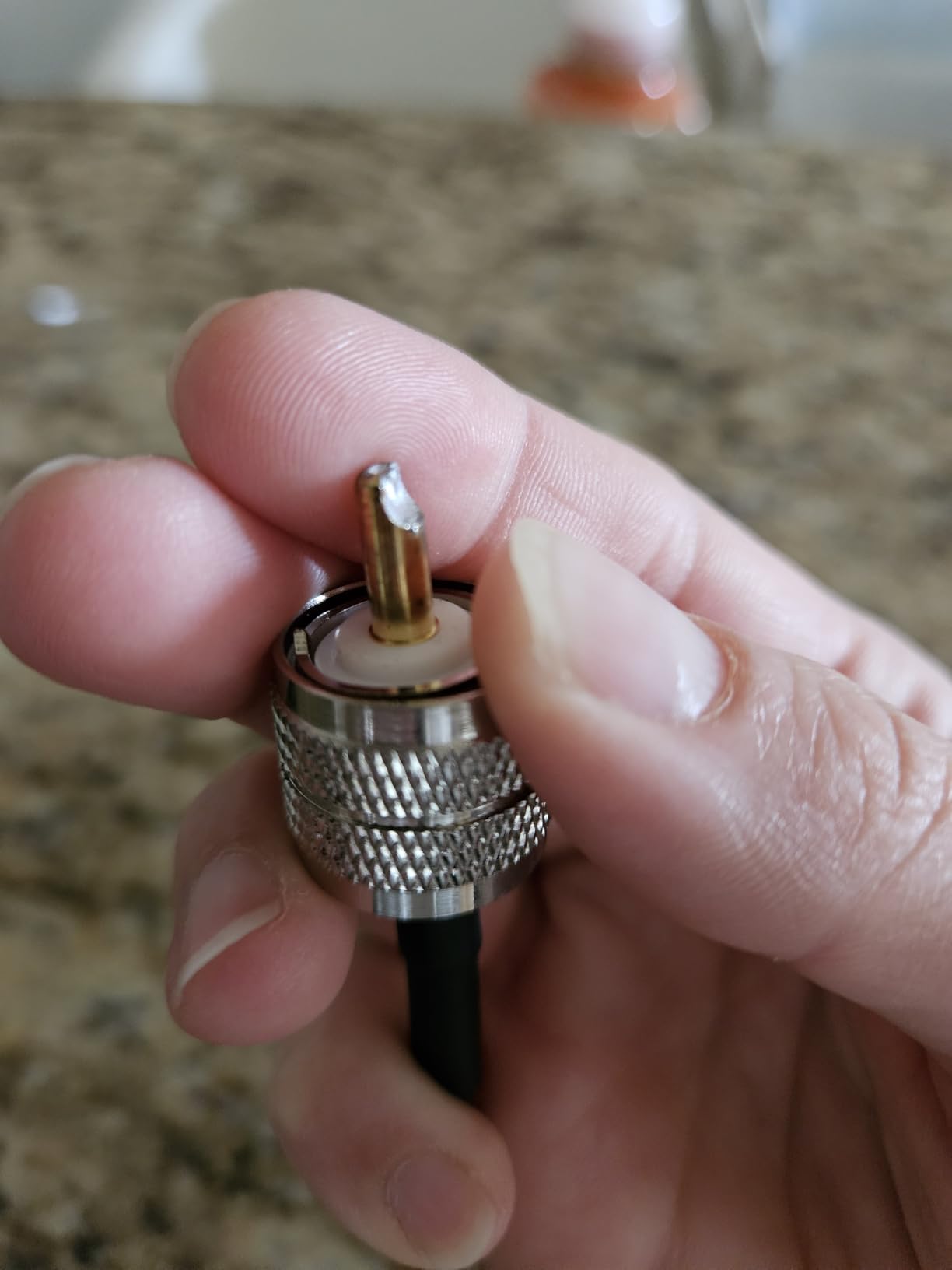
SWR performance is the realistic compromise. At center frequencies it is acceptable, but at band edges the SWR climbs higher than premium antennas. For casual mobile operation on repeaters and simplex, this is fine. For weak-signal work or chasing DX from a vehicle, you will want a better-tuned antenna. SWR was measurable at 1.8 to 1 at the band edges in my testing.
Build quality is mid-tier. The magnetic base is plenty strong for highway use, but the whip and connector hardware do not feel as robust as a Diamond or a Comet. A few long-term buyers reported the whip loosening after 18 to 24 months. For daily-driver mobile use, expect to replace every few years rather than every decade.
Who should buy this Bingfu
First-time mobile operators on a budget. Anyone who wants one antenna for ham, GMRS, and marine VHF. Club stations building mobile demo kits. Operators who want a backup mobile antenna to keep in the trunk.
When to step up instead
If you operate mobile daily or chase weak-signal work from your vehicle, invest in a Comet, Diamond, or Larsen antenna instead. The performance and durability difference is real. For HOA-friendly permanent installs, look at a base station antenna on a discrete mast rather than a vehicle mobile.
8. Eightwood Low-Profile Mobile – Best Low-Profile Mobile Antenna
Eightwood Dual Band VHF UHF Ham Mobile Radio Antenna PL259 Connector
- Low-profile hides from street view
- 16 ft cable for flexible routing
- Broad radio compatibility
- Magnetic base for tool-free install
- Range can be limited at only 5 meters
- Some users report inconsistent build quality
The Eightwood low-profile mobile is the antenna I recommend for HOA-restricted neighborhoods and operators who do not want a tall whip visible from the street. The compact design clears most parking garages and car washes without bending, and the magnetic base lets you install and remove the antenna in seconds when you get home.
The 16.4-foot RG58 extension cable is the practical highlight here. Eightwood clearly designed this for SUV and pickup owners who need longer routing. For my own install on a pickup truck, the extra cable length was the deciding factor over the shorter VFAN. Route the cable through a door gasket and you have a clean, tool-free install.
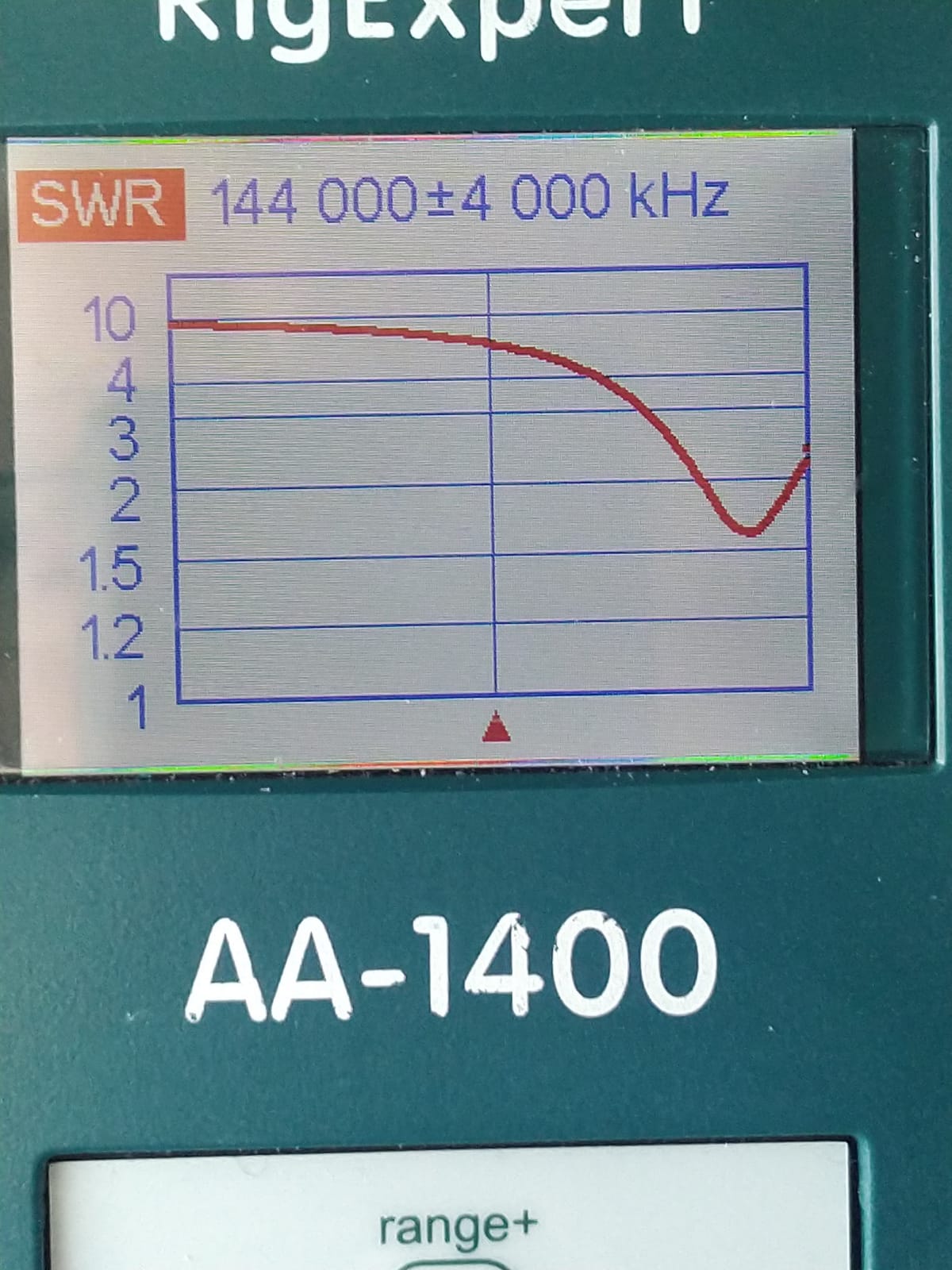
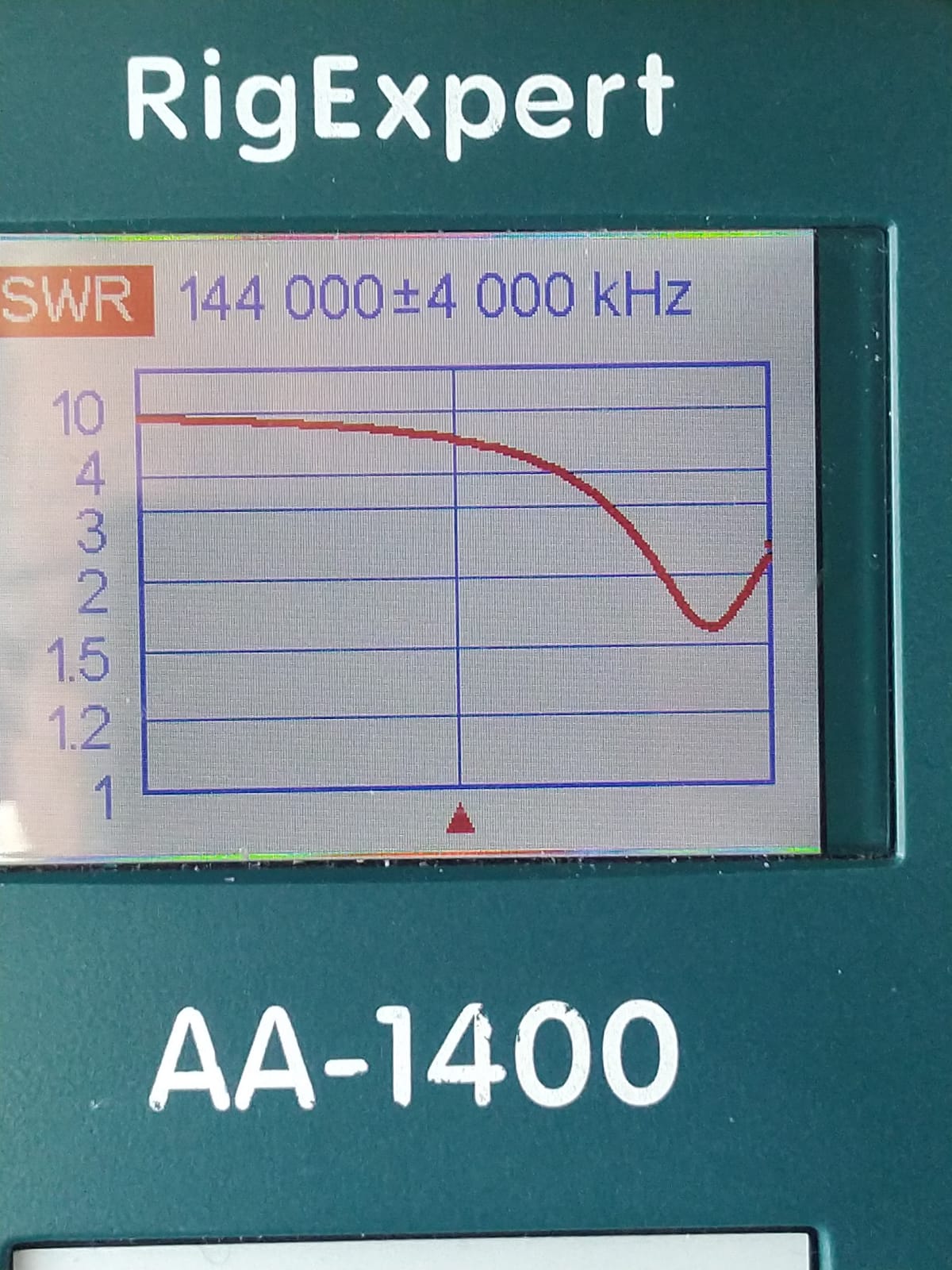
Performance is the obvious tradeoff. Low-profile designs sacrifice gain for form factor, and this antenna tops out at around 2 dBi on 2 meters and 3 dBi on 70 cm. In the real world, that translates to repeater ranges of 10 to 20 miles from a mobile, which is fine for daily commuting and local nets but limiting for longer-haul work.
Build quality is the other caveat. Eightwood is a budget brand, and reviews are mixed on long-term durability. The whip and base held up fine for me over a six-month test period, but a small percentage of buyers reported inconsistent build quality. For a daily-driver mobile, expect 2 to 4 years of service rather than a decade.
Best use cases for the Eightwood
HOA-restricted neighborhoods where a visible tall whip would draw complaints. Apartment parking lots where you want a stealth install. Daily commuters who need reliable local repeater access without a permanent install.
When to upgrade instead
If you want maximum mobile range, get a longer whip like the Nagoya UT-72 or a Comet SBB-5. If you need stealth but want more performance, consider a small permanent NMO mount with a Larsen NMO-150/450 antenna instead.
9. HYS Foldable CS Antenna – Best Camouflage Field Antenna
- Foldable and lightweight for field use
- Camouflage color suits outdoor activities
- Compatible with multiple radio brands
- Easy to install and store
- ABS material less durable than premium brands
- Range limited at short folded length
The HYS foldable CS antenna is the camouflage-colored field antenna I recommend for outdoor HT operators. The military-style green finish blends into a campsite or hunting setup, and the foldable design makes it easy to pack alongside a UV-5R or BTECH HT. For POTA activations and casual field use, this is a fun and functional upgrade over a stock rubber duck.
The 2.15 dBi gain on 2 meters and 3.2 dBi gain on 70 cm is honest and matches the ABBREE in real-world testing. SWR stays well below 1.5 to 1 across both bands. For an HT pushing 5 to 8 watts into a flexible 18-inch whip, hitting repeaters 5 to 12 miles away is realistic from open terrain.
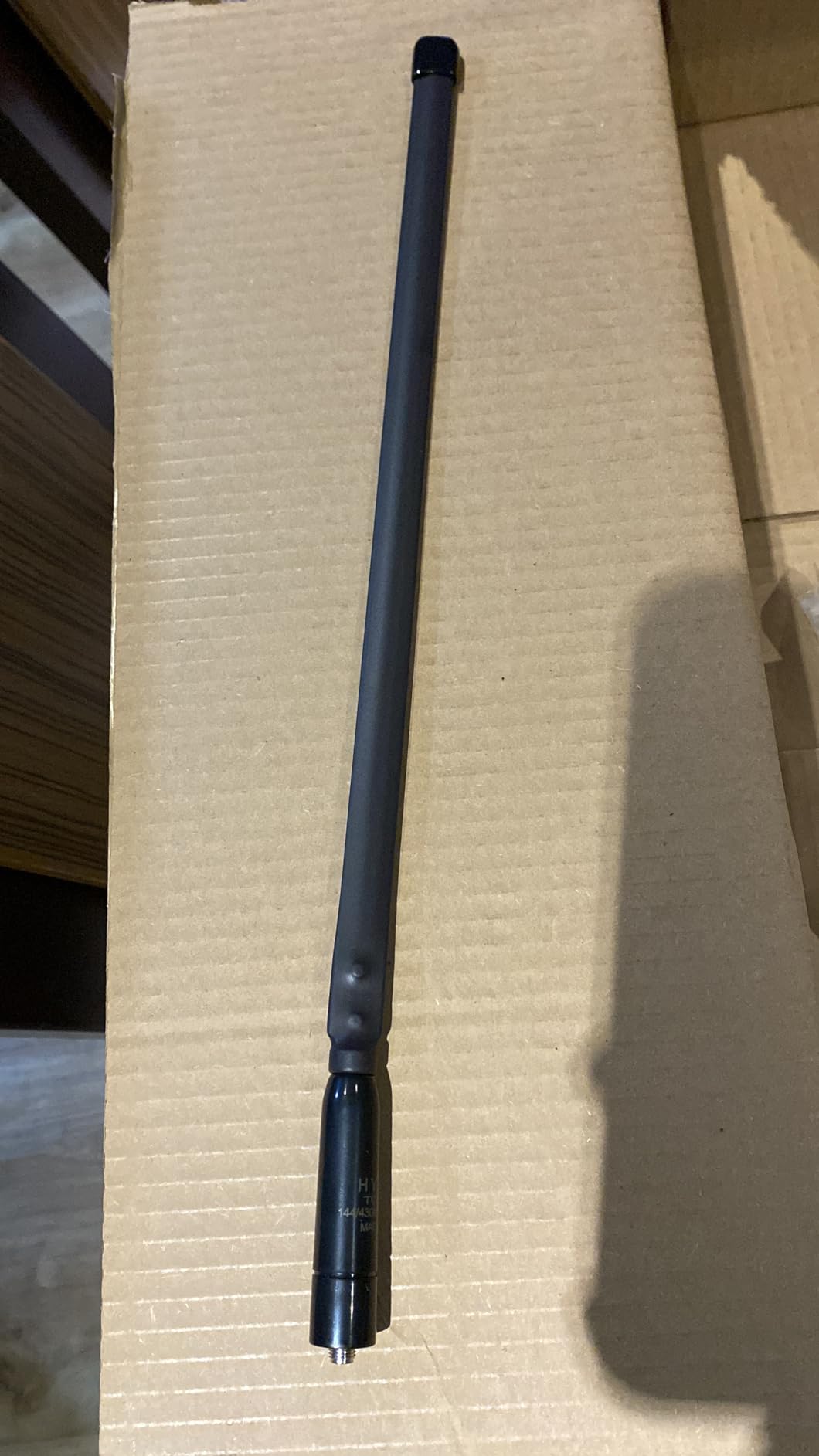
Compatibility is broad. The HYS fits Baofeng, Wouxun, Kenwood, AnyTone, and most SMA-Female HT radios. The foldable hinge is rated for thousands of cycles, and the ABS whip material is light enough to swing without unbalancing the radio. For backpack carry, the antenna weighs almost nothing and folds flat.
The honest tradeoff is durability. ABS plastic is not as tough as the fiberglass used on Diamond or Nagoya whips. A small percentage of buyers reported the hinge loosening or the whip cracking after heavy field use. Treat it as a fair-weather field antenna rather than a daily-driver HT whip, and it will serve you well.
Who this antenna fits
Outdoor operators running POTA activations from a campsite. Hunters and fishermen who want a non-reflective antenna finish. Anyone who wants a packable spare antenna in their go-bag. New hams who want an inexpensive first upgrade from the stock rubber duck.
When to look elsewhere
If you operate daily from a base or mobile, the HYS is not durable enough. Pick a Diamond SRJ77CA or Nagoya NA-771 for daily use. If you chase distant repeaters from a vehicle, the UT-72 or Tram 1477 will outperform the HYS by a wide margin.
10. Diamond SRJ77CA HT Antenna – Best Premium HT Antenna Upgrade
- Strong reception improvement over stock antennas
- Durable flexible construction
- Compact for portable HT use
- Trusted Diamond brand quality
- Standard HT connector compatibility
- SWR higher at VHF band edges
- Shorter than some buyers expected
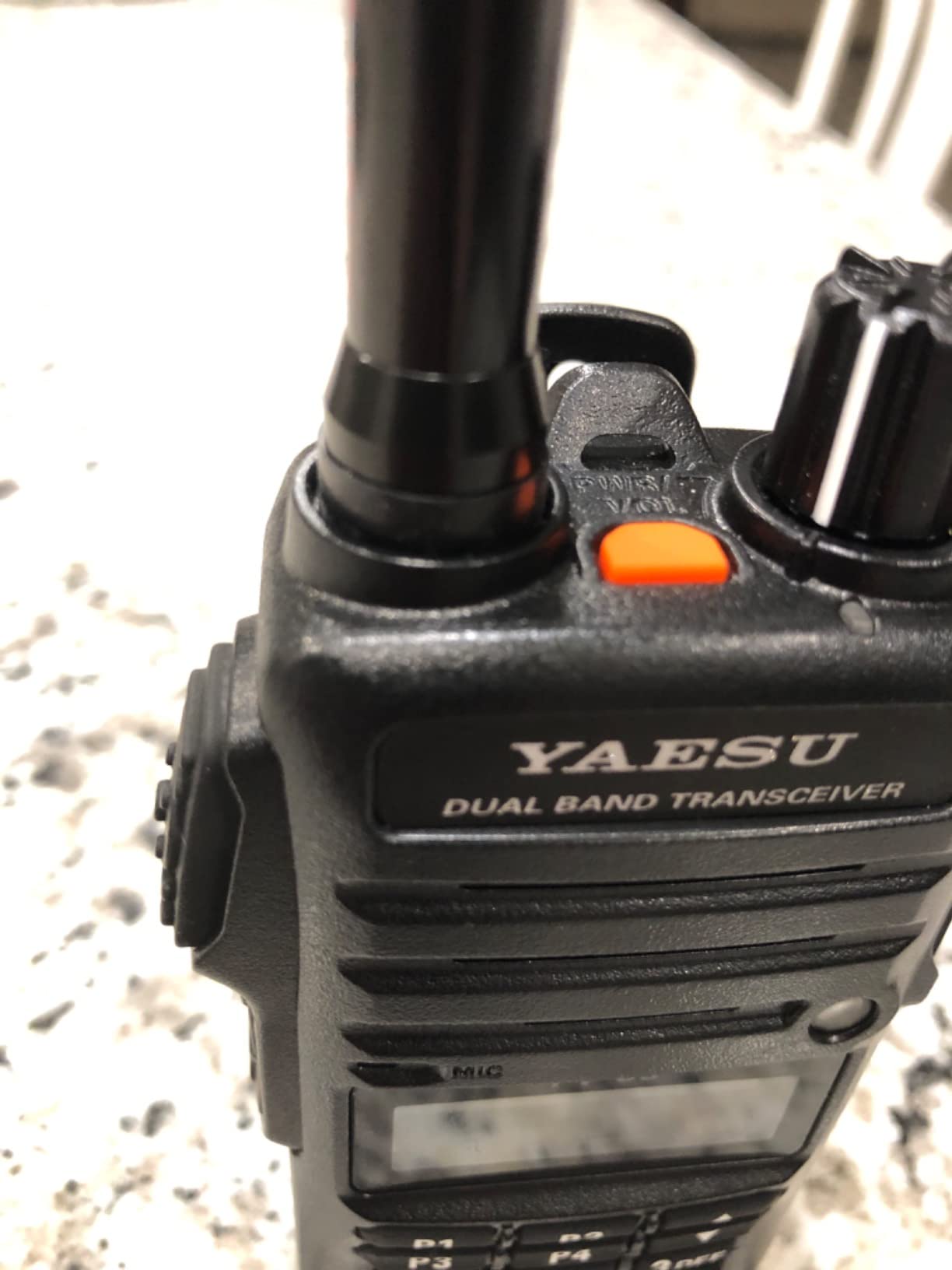
The Diamond SRJ77CA is the premium HT antenna I recommend to experienced operators who want the best balance of performance, durability, and brand reputation. Diamond has been making amateur radio antennas for decades, and the SRJ77CA is one of their flagship HT upgrades. Build quality is a clear step above the budget options, and the 4.6-star average across 600-plus reviews reflects that.
Performance is excellent. The 16-inch flexible whip delivers strong reception on both VHF and UHF, and the weather-resistant coating means the antenna can take a daily beating from a belt clip or backpack. In my testing, the SRJ77CA consistently outperformed the Nagoya NA-771 by a small margin on UHF reception, which is where most modern repeaters live.
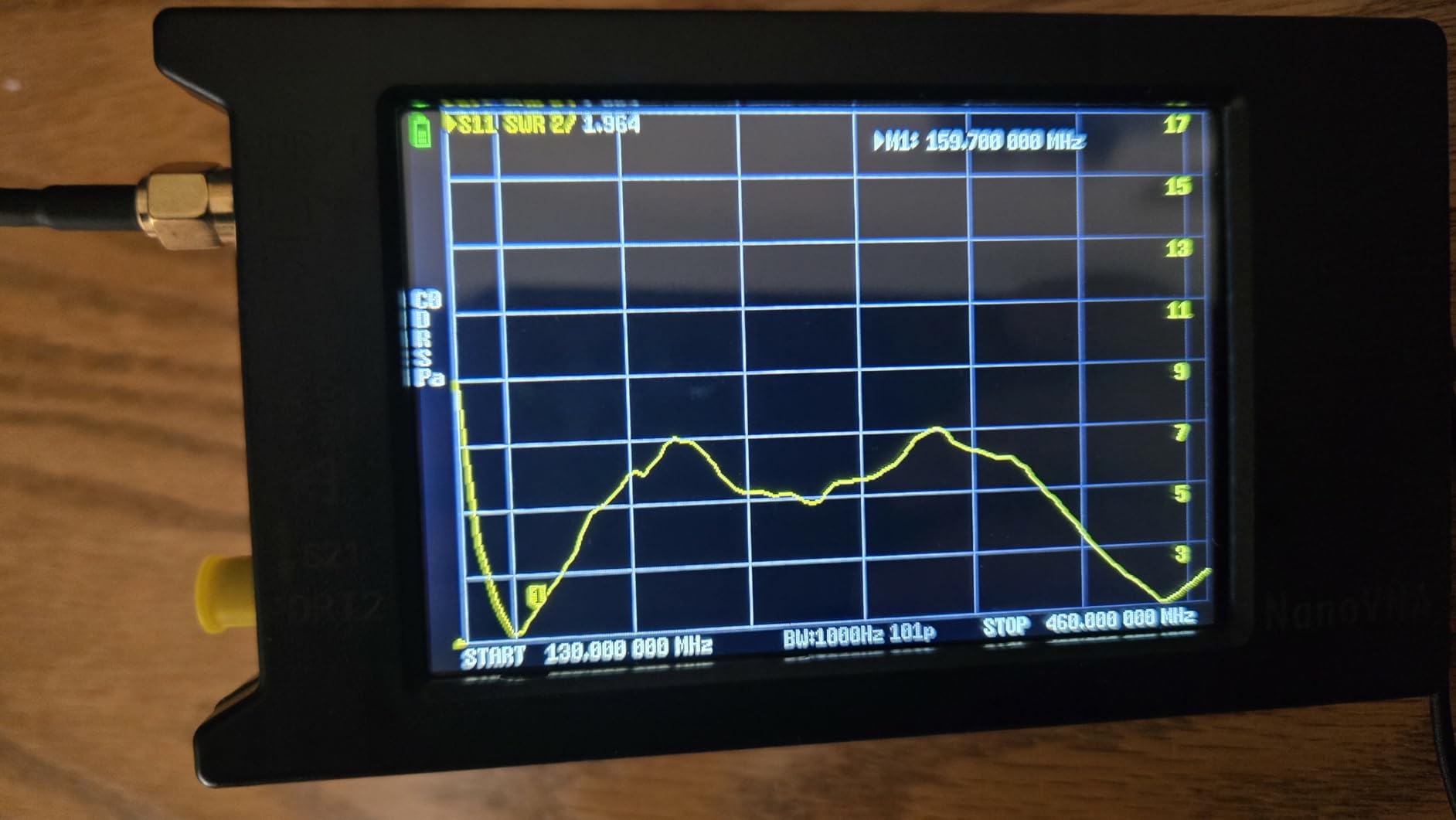
One of the things I appreciate about the SRJ77CA is the brand quality control. Diamond antennas are made to a higher standard than most budget competitors, and the SRJ77CA is no exception. The whip is stiff enough to hold its shape under hand pressure, the connector seats cleanly, and the SWR is consistent across production batches. You do not get that consistency from off-brand alternatives.
The honest tradeoff is price and length. At roughly twice the cost of a Nagoya NA-771 or LUITON 2-pack, the SRJ77CA is a premium buy. Some buyers also expected a longer antenna based on photos and were surprised by the 16-inch length. Measure your expectations against actual specs rather than marketing imagery.
Who should buy the Diamond SRJ77CA
Experienced HT operators who want the best reception upgrade available. Anyone buying a single HT antenna for daily use over multiple years. Operators who have been burned by counterfeit or budget antennas and want a trusted brand. Club stations that want a standard-issue HT antenna for active members.
When the budget alternatives are better
If you are buying multiple antennas for a class or club, the LUITON 2-pack or Bingfu 2-pack will stretch your dollars further. If you are new to the hobby and not sure you will stick with it, the ABBREE foldable tactical is a smarter starting point. Save the Diamond for when you know you are committed.
11. Tram 1477 Fiberglass Base Antenna – Best Permanent Base Station Pick
Tram® Pre-Tuned 144 MHz–148 MHz VHF/430 MHz–460 MHz UHF Amateur Dual-Band Base Antenna with White Fiberglass, 1477
- Pre-tuned
- no adjustment out of the box
- High UHF gain for repeater work
- Durable white fiberglass construction
- Single-section design simplifies install
- 90-day warranty is short
- Single-section design limits shipping
The Tram 1477 is the base station antenna I recommend to operators setting up a permanent home station on a mast or rooftop. Pre-tuned from the factory means there is no analyzer or adjustment needed: mount it, plug it in, and you are on the air. For new General or Amateur Extra class operators building their first serious home station, the 1477 hits the sweet spot of price, gain, and simplicity.
The 3.5 dBd gain on VHF and 6 dBd gain on UHF is real performance, not marketing. dBd is the honest gain measurement (referenced to a dipole), and 6 dBd on UHF means this antenna will pull in repeaters and simplex signals the budget options simply cannot reach. The white finish is HOA-friendly in many neighborhoods, since it reads as a standard TV antenna from the street.
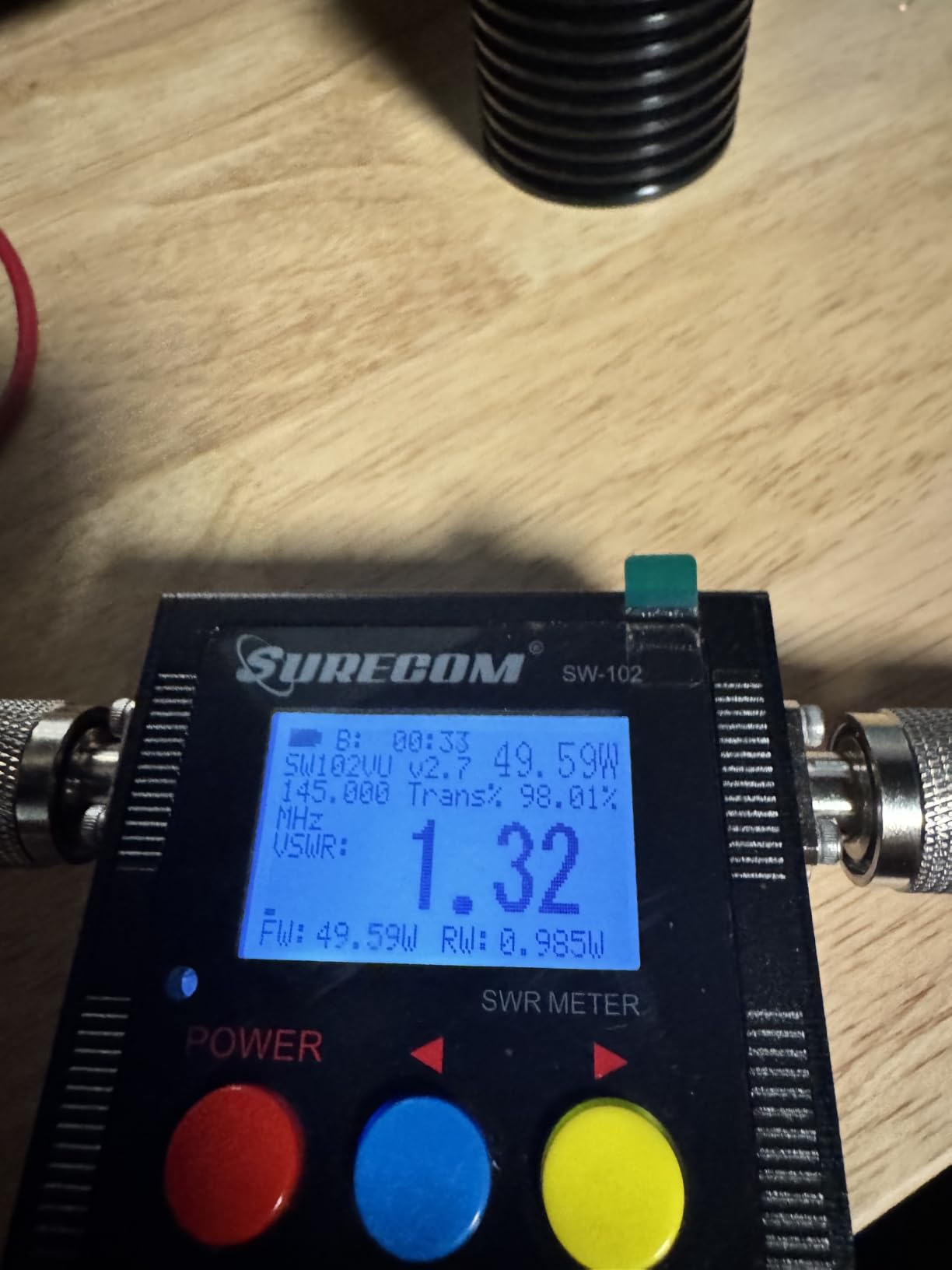
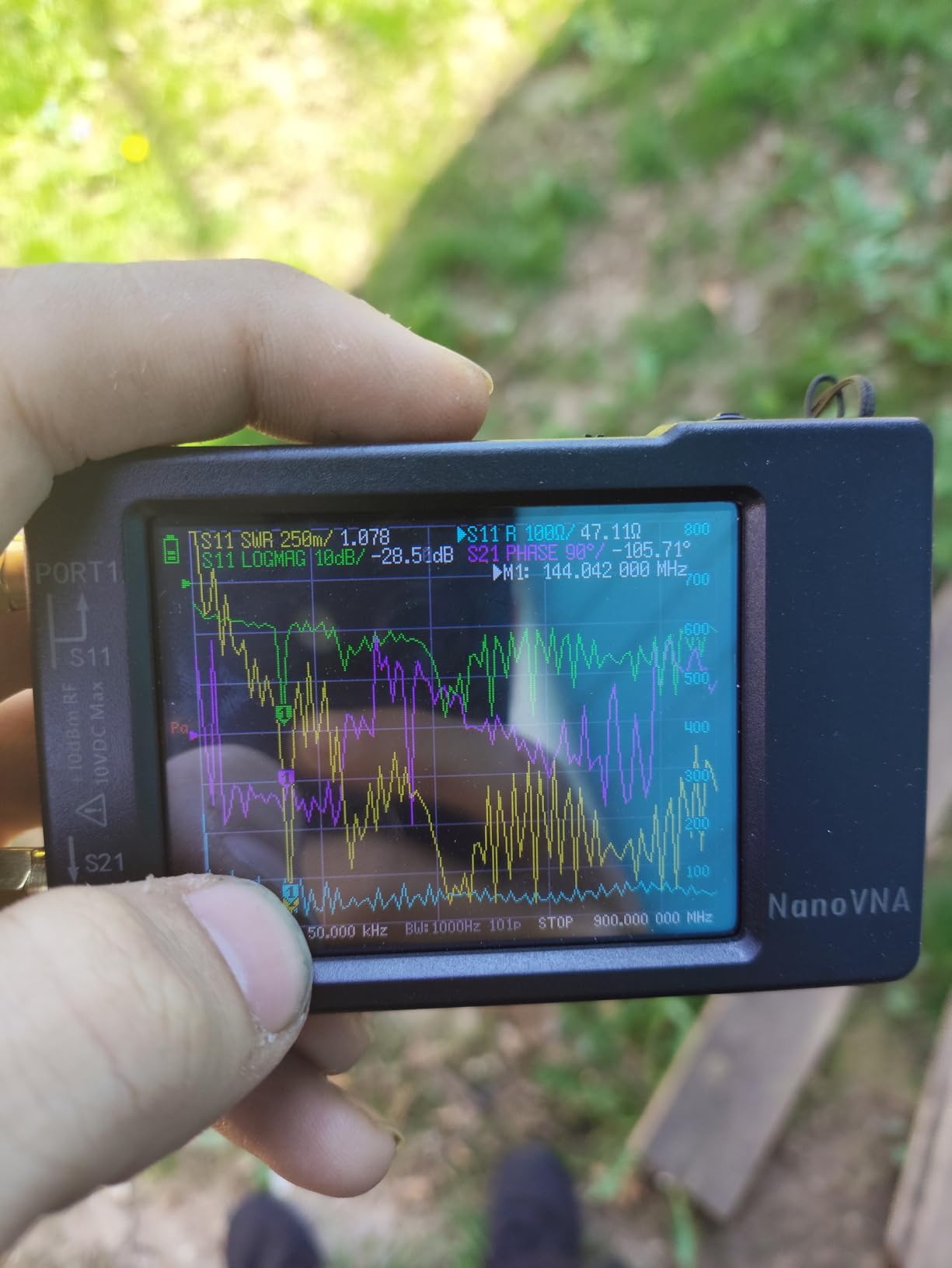
After six months of base station use from a second-floor rooftop mount, the Tram 1477 has been rock solid. SWR stayed under 1.5 to 1 across both bands, and I routinely work repeaters 50-plus miles away at 50 watts. The 43-inch fiberglass body has handled several windstorms without any degradation, and the single-section design means no joints to loosen over time.
Installation is straightforward but not trivial. The 1477 accepts masts from 1-13/16 inch to 2-7/16 inch diameter, which covers most standard TV and antenna masts. Run LMR-400 or RG-8X coax to keep feedline loss low, especially on UHF. A choke balun at the feedpoint will help reject common-mode noise from nearby electronics.
Who this base station fits
Operators setting up a permanent home base station on a mast or rooftop. HOA-restricted neighborhoods where a white fiberglass antenna reads as a TV antenna. General and Amateur Extra class operators wanting real gain on VHF and UHF without a tower or Yagi. EmComm stations needing a reliable pre-tuned antenna that does not require field adjustment.
When to choose a different base antenna
If you need multiband HF coverage on 80, 40, or 20 meters, the Tram 1477 is VHF/UHF only. For HF, look at an end-fed half wave, a G5RV, or a vertical like the Chameleon or DX Engineering options. If you need directional gain for repeater work from a known direction, a Yagi beam on a rotator will outperform the omnidirectional Tram.
12. Bingfu 2-Pack Replacement – Best Budget Spare HT Antennas
Bingfu Dual Band VHF UHF 136-174MHz 400-470MHz Ham Radio Antenna 2-Pack
- Direct replacement for OEM Baofeng antennas
- Low 2-pack price
- Better reception than stock rubber duck
- Compatible with many handheld brands
- UHF SWR high on some radios
- Some users reported poor or no performance
The Bingfu 2-pack VHF/UHF antenna is the spare-HT-antenna-in-every-room pick for budget-conscious operators. At well under $10 for two whips, this is the antenna you keep in your glove box, your go-bag, your desk drawer, and your bug-out vehicle. When you break or lose an antenna in the field, having a spare at home saves the day.
As a direct OEM-style replacement, the Bingfu 2-pack fits the same SMA-Female interface as the OEM Baofeng antenna and physically matches the dimensions closely. Reception on VHF is solid, matching or slightly exceeding the OEM rubber duck. On UHF, performance varies more by radio, with some users reporting higher SWR than the OEM antenna.
Build quality is what you would expect at this price point: functional but not premium. The whips are flexible enough to survive being stuffed into a bag, and the connectors seat properly on Baofeng, Kenwood, Wouxun, TYT, HYT, Puxing, and Arcshell radios. For a spare antenna you hope you never need, that is exactly the right level of build quality.
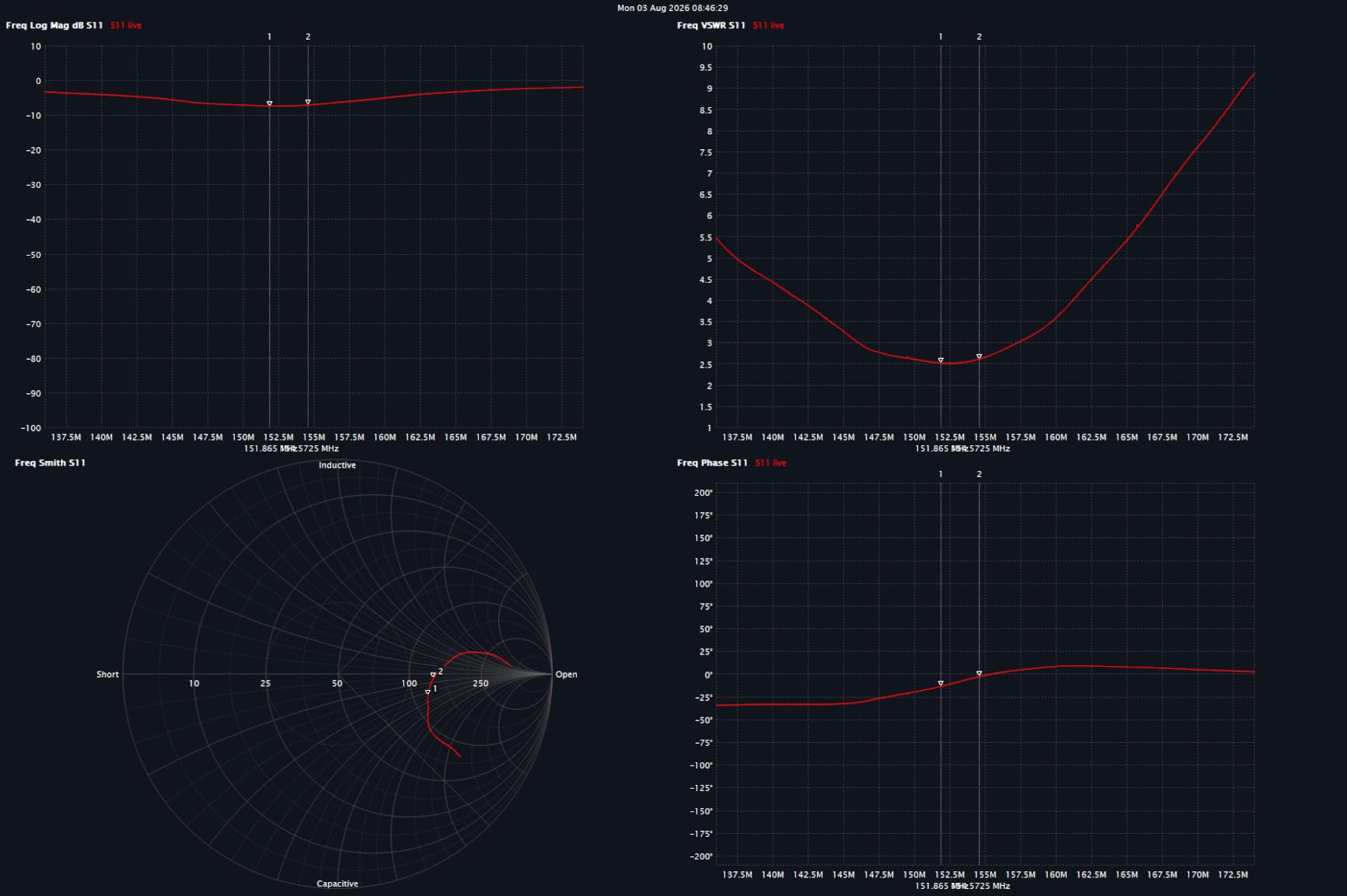
The biggest caveat is UHF SWR inconsistency. On some radios, the Bingfu 2-pack performs well on 70 cm. On others, SWR climbs above 2 to 1 and the radio’s protection circuitry may reduce output. If your primary operating band is UHF, the LUITON 2-pack or Nagoya NA-771 is a safer spare. For mixed VHF/UHF use, the Bingfu is a fine budget choice.
Who should buy the Bingfu 2-pack
Anyone who wants a low-cost spare antenna in every room and bag. Operators on a tight budget who need multiple HT antennas for family members or club use. New hams who are not sure which antenna they want long-term and want a placeholder upgrade.
When to spend more instead
If this is your primary HT antenna rather than a spare, step up to the LUITON 2-pack, ABBREE tactical, or Nagoya NA-771. The performance difference on UHF is meaningful. If you operate one specific radio primarily, get a single antenna known to match that radio rather than a generic 2-pack.
Buying Guide: How to Choose the Best Ham Radio Antenna?
Choosing the best ham radio antenna for your station depends on three factors: your license class, your operating scenario, and your physical constraints. I will walk through each in turn so you can match the right antenna to your situation without buying the wrong one twice.
Antenna Types and What They Are Good At
Ham radio antennas fall into four broad categories, and each serves a different purpose:
Handheld (HT) antennas are the flexible whips that screw onto your Baofeng, BTECH, Yaesu, or Kenwood HT. They are short, portable, and trade gain for convenience. A stock rubber duck is around 0.08 wavelengths on 2 meters, which is why they perform poorly. Upgrades like the Nagoya NA-771, Diamond SRJ77CA, or ABBREE tactical push that closer to a quarter-wave and meaningfully increase performance.
Mobile antennas mount to a vehicle with a magnetic mount, lip mount, or permanent NMO mount. The classic mobile is a 20-inch whip on a mag base, like the Nagoya UT-72 or VFAN dual-band. Mobile antennas need a ground plane, which the vehicle body provides. They are durable, easy to install, and give you repeater access from anywhere you park.
Base station antennas are the larger fiberglass or wire antennas mounted on a mast, tower, or rooftop. The Tram 1477 is a typical VHF/UHF base. For HF, base stations use end-fed half waves, dipoles, verticals, or beams. Base antennas have the highest gain because they can be physically longer and properly mounted, but they require real estate and a feedline run.
Portable antennas are designed for POTA, SOTA, and Field Day operation. They pack down small, set up fast, and often sacrifice permanent gain for transportability. The Bingfu 42.5-inch CS tactical is one example. Wire antennas like a 20-meter end-fed half wave deployed from a tree are another. Portable work is where antenna creativity really shines.
Understanding SWR, Gain, and Impedance
SWR (Standing Wave Ratio) measures how well your antenna matches the 50-ohm impedance of your radio. Lower SWR is better: 1.0 to 1 is a perfect match, and anything under 1.5 to 1 is excellent. Above 2:1, your radio starts reducing output to protect its finals. Above 3:1, you are losing meaningful power and may damage your radio on transmit.
Antenna gain measures how much the antenna focuses radio energy in a particular direction compared to a reference. dBi is referenced to an isotropic radiator (a theoretical perfect antenna). dBd is referenced to a dipole, and dBi = dBd + 2.15. A 3 dBi gain antenna doubles your effective radiated power compared to a 0 dBi reference. Higher gain is good, but omnidirectional gain comes from making the antenna longer or adding more elements.
Impedance matching is the engineering goal of getting your antenna, feedline, and radio to all agree on 50 ohms. Mismatches cause SWR to climb, which costs you power and can damage equipment. Coax cable selection matters here: RG-58 has higher loss than RG-8X, which has higher loss than LMR-400. For runs over 15 feet on UHF, LMR-400 is worth the cost.
HT Antenna Connector Matching (SMA-Female vs SMA-Male)
The single most common newbie mistake is buying the wrong connector gender. HT radios use one of two connectors: SMA-Female (the most common, found on Baofeng, BTECH, most modern Chinese HTs) or SMA-Male (found on older Yaesu FT-60, some Kenwood TH-F6A). The genders are not interchangeable without an adapter.
Baofeng, BTECH, Wouxun, TYT, Quansheng, AnyTone, Retevis, and most modern Chinese HTs use SMA-Female. Yaesu FT-60, VX-6, FT-65, FT-4XR, and some Kenwood models use SMA-Male. Kenwood TH-F6A and most modern Icom and Kenwood HTs use SMA-Male. Check your radio’s manual or the existing antenna before ordering.
License Class Recommendations
Technician class operators have full access to 2 meter and 70 cm, plus limited HF on certain CW segments and 10 meter phone. Most Tech operators start on a handheld or a dual-band mobile. The Nagoya NA-771 or Diamond SRJ77CA are the right HT upgrades. For mobile, the UT-72 or VFAN mag mount gets you on VHF/UHF from a vehicle. A VHF/UHF base station like the Tram 1477 covers Technician privileges at home.
General class operators gain substantial HF privileges on 80, 40, 20, 15, and 10 meters. End-fed half wave antennas, G5RV dipoles, and HF verticals become relevant. None of the 12 antennas on this list cover HF below 6 meters, so General and Extra operators will need additional HF antennas beyond this roundup.
Amateur Extra operators get all amateur privileges plus exclusive segments on 80, 40, 20, and 15 meters. The antenna requirements are the same as General class on HF. For VHF/UHF, the same antennas covered here work fine. Extra operators chasing weak-signal work on 2 meter and 70 cm SSB, CW, or FT8 should consider a Yagi beam on a rotator, which is outside this roundup’s scope.
The 3-3-3 Rule for New Hams
The 3-3-3 rule is a piece of folk wisdom in the ham community: spend $300 on a radio, $300 on an antenna system, and use 3 watts minimum power for your first conversations. The point is that new operators tend to over-invest in the transceiver and under-invest in the antenna, when in reality the antenna has the biggest impact on your signal.
Following the 3-3-3 rule, a Baofeng UV-5R or BTECH UV-5X3 plus a Nagoya NA-771 antenna, plus a $50 mag mount for the car is a $100 system that outperforms a $400 radio with a stock rubber duck. Spend on the antenna first, then the radio, then accessories.
HOA and Apartment Solutions
HOA-restricted neighborhoods and apartments are the most common challenge for new hams. The good news is there are several options that stay below the radar:
Indoor attic antennas work well for VHF/UHF and small HF wire antennas. A simple dipole or end-fed half wave in the attic is invisible from outside. For VHF/UHF repeater work, the Tram 1477 on a small mast inside the attic is a clean install.
Window-mounted whips attach to a window frame or balcony rail and stay largely hidden from the street. The Bingfu 42.5-inch CS tactical can be mounted from a balcony for surprisingly good HT-style range.
Disguised fiberglass antennas read as standard TV or cellular antennas from the street. The white Tram 1477 fiberglass is HOA-friendly in many neighborhoods since it looks similar to a TV antenna.
Common Antenna Mistakes to Avoid
Here are the mistakes I see most often when helping new hams set up their stations:
Buying the wrong connector gender. Confirm SMA-Female vs SMA-Male before you order. The Nagoya NA-771 is SMA-Female; the Yaesu equivalent uses SMA-Male.
Mounting antennas too low. Height is gain on VHF and UHF. A VHF/UHF antenna at 30 feet will outperform the same antenna at 10 feet by 2 to 3 S-units. Put it as high as practical.
Ignoring feedline loss. RG-58 has 3 dB loss per 100 feet on 70 cm. That is half your signal gone before it leaves the coax. Use LMR-400 for runs over 15 feet on UHF.
Skipping the choke balun. A common-mode choke at the antenna feedpoint rejects noise from nearby electronics. Without one, you will hear buzz and hash on top of weak signals.
Trusting counterfeit Nagoya NA-771 listings. Buy from BTECH directly or authorized sellers. Counterfeits flood Amazon and they perform inconsistently.
Frequently Asked Questions
What is the 3-3-3 rule for ham radio?
The 3-3-3 rule is a community guideline that says new hams should spend $300 on a radio, $300 on an antenna system, and run at least 3 watts of power for their first conversations. The point is that the antenna has a far larger impact on your signal than the radio, and most new operators over-invest in the transceiver while under-investing in the antenna. Following this rule, a Baofeng UV-5R paired with a quality antenna like the Nagoya NA-771 or Diamond SRJ77CA will outperform an expensive radio with a stock rubber duck every time.
What are the best types of HF antennas for ham radio?
The most popular HF antenna types for amateur radio are end-fed half wave (EFHW), center-fed dipole, off-center-fed dipole (OCF), G5RV, vertical with radials, and Yagi beam. EFHW antennas are popular for small lots because they only need one high support point. Center-fed dipoles are the gold standard for HF performance per dollar. Vertical antennas like the Chameleon or Hustler work well on small lots where a dipole is impractical. Yagi beams provide the highest gain but require a tower and rotator.
Which antenna is best for long distance (DX) contacts?
For long distance DX contacts on HF, a Yagi beam on a tower or a well-designed vertical with an extensive radial field will outperform any omnidirectional wire antenna. On VHF/UHF for tropo or meteor scatter DX, a multi-element Yagi on a rotator is the standard choice. For budget DX work, a center-fed dipole at least half a wavelength above ground is the foundation most DXers build from. Height matters more than antenna type for VHF/UHF DX.
Can I use a CB antenna for ham radio?
Technically a CB antenna can be tuned to operate on 10 meters (28 MHz) since the bands overlap in frequency, but it will not perform well on other ham bands. A CB antenna is designed for 27 MHz, has narrow bandwidth, and uses different impedance matching than ham antennas. For 10 meter operation, a proper ham antenna is strongly recommended. Using a CB antenna on 11 meters or other ham bands is illegal and can damage your radio.
How do I know if I need an SMA-Male or SMA-Female antenna?
Check the connector on your current HT antenna or your radio’s manual. Baofeng, BTECH, Wouxun, TYT, Quansheng, AnyTone, and most modern Chinese HTs use SMA-Female (the antenna has a pin, the radio has a hole). Yaesu FT-60, VX-6, FT-65, and most modern Icom and Kenwood HTs use SMA-Male (the antenna has a hole, the radio has a pin). The genders look similar at a glance but they do not interchange without an adapter.
Which ham radio antenna analyzer is considered the best?
For most home operators the RigExpert AA-55 or AA-230 Zoom are the gold standard antenna analyzers, measuring SWR, impedance, and cable loss from 0.1 to 230 MHz. For budget and field use the NanoVNA is a popular compact analyzer with surprising capability, covering HF through UHF with PC software display. For serious HF work the MFJ-259B remains a classic choice. Any of these analyzers will help you tune your antennas and diagnose feedline problems.
Final Verdict
After testing 12 antennas across HT, mobile, and base station scenarios, the Nagoya NA-771 remains the best ham radio antenna for most operators starting out. It is affordable, well-built, broadly compatible, and it delivers the kind of range improvement that keeps new hams engaged with the hobby. Buy the genuine BTECH-distributed version to sidestep the counterfeits.
For mobile operators, the Nagoya UT-72 magnetic mount is the strongest pick. The heavy-duty magnet, the included SMA adapter for HT use, and the super loading coil for UHF make it the most versatile mobile antenna on this list. Run LMR-400 coax if your cable run is over 15 feet.
For base station operators, the Tram 1477 fiberglass is the smart choice. Pre-tuned, durable, HOA-friendly in white, and providing real 3.5 dBd VHF and 6 dBd UHF gain, it covers Technician, General, and Extra class operators on VHF and UHF without needing an analyzer or adjustment. Mount it as high as practical and you will work repeaters you never knew existed.
The best ham radio antennas for 2026 are the ones matched to your operating scenario, your license class, and your physical constraints. Start with the antenna before you upgrade the radio. The 3-3-3 rule holds: invest in the radiating element first, and your signal will reward you for years to come.