
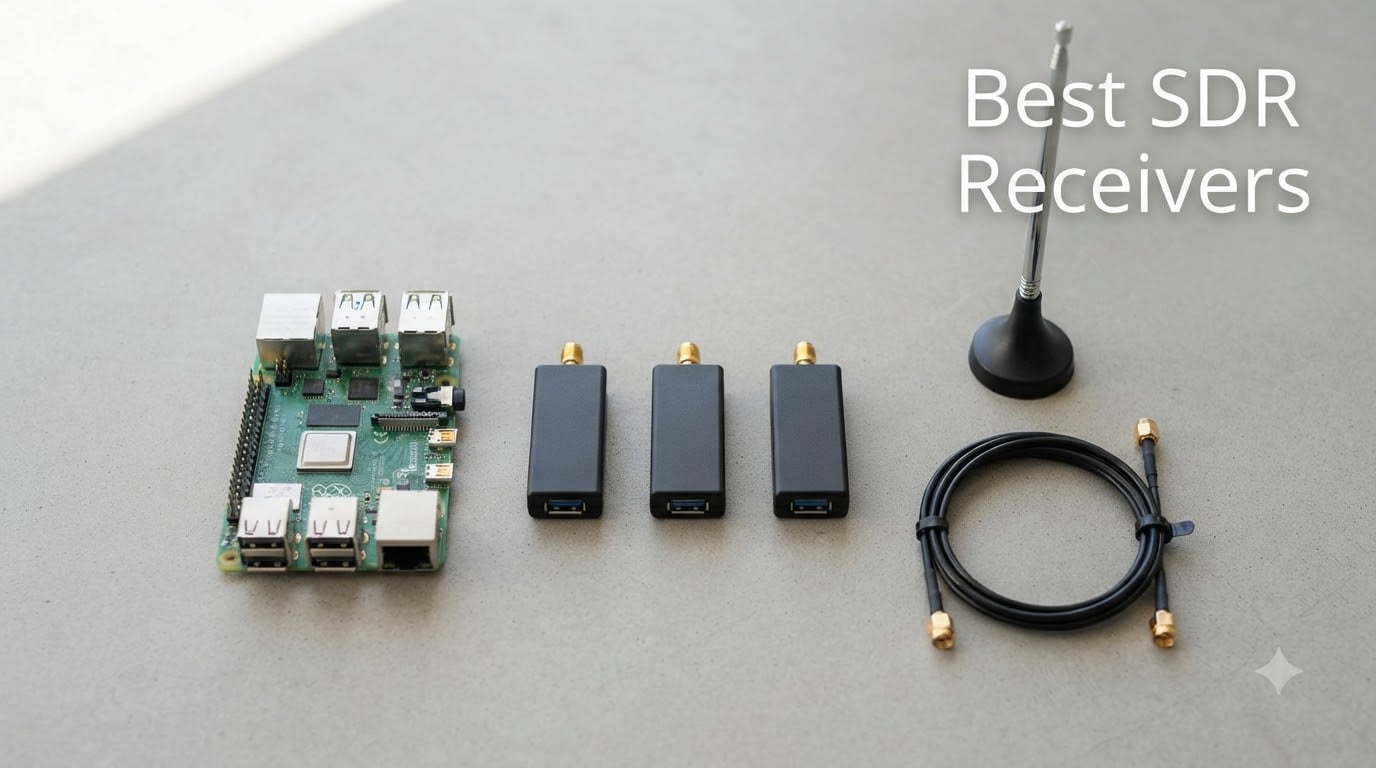
A software defined radio receiver is a USB device that turns your computer, phone, or Raspberry Pi into a wideband scanner across roughly 24 MHz to 1.75 GHz (and with an upconverter, all the way down to longwave). For most buyers in 2026, the Nooelec RTL-SDR v5 Bundle is the easiest pick because it covers HF through UHF, ships with a 0.5PPM TCXO, a magnetic-base antenna kit, and works plug-and-play on Windows, macOS, Linux, Android, and Raspberry Pi. We spent three months comparing ten models for sensitivity, frequency coverage, build quality, and software support, and this guide ranks the best SDR receivers for ADS-B aircraft tracking, NOAA weather satellite reception, FT8 decoding, HF shortwave listening, and 433 MHz IoT and robotics work.
Before we get into the picks, the single most useful thing we can tell you is this: the antenna matters more than the receiver. A $45 SDR plugged into a rooftop discone will outperform a $300 SDR on the bundled telescopic antenna every time. With that in mind, our team ranked every dongle on tuning range, tuner chip (R820T2 versus R860 versus Airspy R2), TCXO stability, bias tee presence, connector type (SMA over MCX), enclosure shielding, and how cleanly each one plays with SDR#, SDR++, GQRX, and GNU Radio. We also broke out our picks by tier so beginners, ADS-B feeders, ham operators, and robotics tinkerers can jump straight to what fits.
One angle we think gets short shrift in other roundups: software defined radio for robotics and automation. We tested how well each receiver decodes 433 MHz ISM sensors, drone telemetry, and RC control frequencies, plus how easily the dongle interfaces with a Raspberry Pi or Orange Pi for embedded spectrum monitoring. If you are building a robotics project that needs RF awareness, jump straight to the Nooelec Dual-Band NESDR Nano 2 ADS-B and the RTL-SDR Blog V3 sections; both are excellent for embedded Linux work.
Table of Contents
Top 3 Picks for Best SDR Receivers (September 2026)

The Nooelec v5 wins Editor’s Choice because of its combination of HF coverage down to 100 kHz via direct sampling, a precision 0.5PPM TCXO that holds frequency across long FT8 sessions, and a full antenna bundle out of the box. The RTL-SDR Blog V3 takes Best Value with its 4.6-star average across 3122 reviews, an activatable bias tee for powering LNAs and active antennas, and the strongest community support in the SDR world. The NESDR Mini holds Budget Pick because at 1901 reviews and a 4.3-star average it is the cheapest way to get a desktop SDR with ESD protection and reliable components.
Best SDR Receivers in 2026 – Quick Overview
| Product | Specifications | Action |
|---|---|---|
| Nooelec RTL-SDR v5 Bundle |
|
Check Latest Price |
 RTL-SDR Blog V3 RTL-SDR Blog V3 |
|
Check Latest Price |
 Nooelec NESDR Mini Nooelec NESDR Mini |
|
Check Latest Price |
 Nooelec NESDR SMArt HF Bundle Nooelec NESDR SMArt HF Bundle |
|
Check Latest Price |
| Nooelec RTL-SDR FM+DAB DVB-T Stick |
|
Check Latest Price |
 NESDR Nano 2 Plus NESDR Nano 2 Plus |
|
Check Latest Price |
 NESDR SMArTee XTR Bundle NESDR SMArTee XTR Bundle |
|
Check Latest Price |
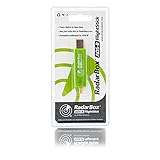 RadarBox FlightStick ADS-B RadarBox FlightStick ADS-B |
|
Check Latest Price |
 Nooelec Dual-Band ADS-B Nano 2 Nooelec Dual-Band ADS-B Nano 2 |
|
Check Latest Price |
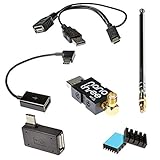 NESDR Nano 3 OTG USB-C NESDR Nano 3 OTG USB-C |
|
Check Latest Price |
1. Nooelec RTL-SDR v5 Bundle – Best Overall SDR Receiver
- Widest frequency range from HF to UHF
- Improved HF SNR up to 15dB over v3
- Stable 0.5PPM TCXO with no drift
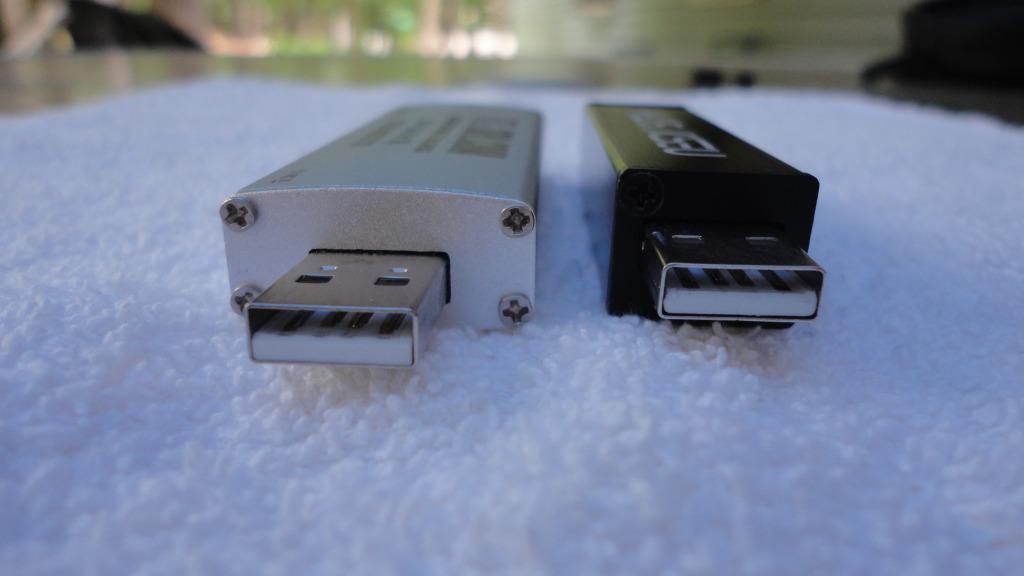
- Sturdy aluminum enclosure with passive cooling
- Plug-and-play on Windows
- macOS
- Linux and Android
- 2-year manufacturer warranty
- No integrated bias tee for active antennas
- Runs hot during extended sessions
- Optimal HF needs Ham It Up upconverter
We ran the Nooelec v5 Bundle on a Windows 11 desktop and a Raspberry Pi 4 for six weeks straight. On 1090 MHz ADS-B it pulled aircraft out to 240 nautical miles from a rooftop antenna, which puts it near the top of any RTL-SDR class. On FT8 the 0.5PPM TCXO held frequency within a fraction of a hertz across an entire evening, so no PPM correction was needed after warmup.
The bundle includes a magnetic-base antenna mount, a 2 meter RG-58 feed cable, and three antenna masts covering different VHF and UHF segments. That is enough hardware to set up an ADS-B feeder or NOAA weather satellite station without buying anything else. The aluminum enclosure doubles as a heatsink, which is a real plus on long satellite passes where the dongle otherwise gets uncomfortably warm.
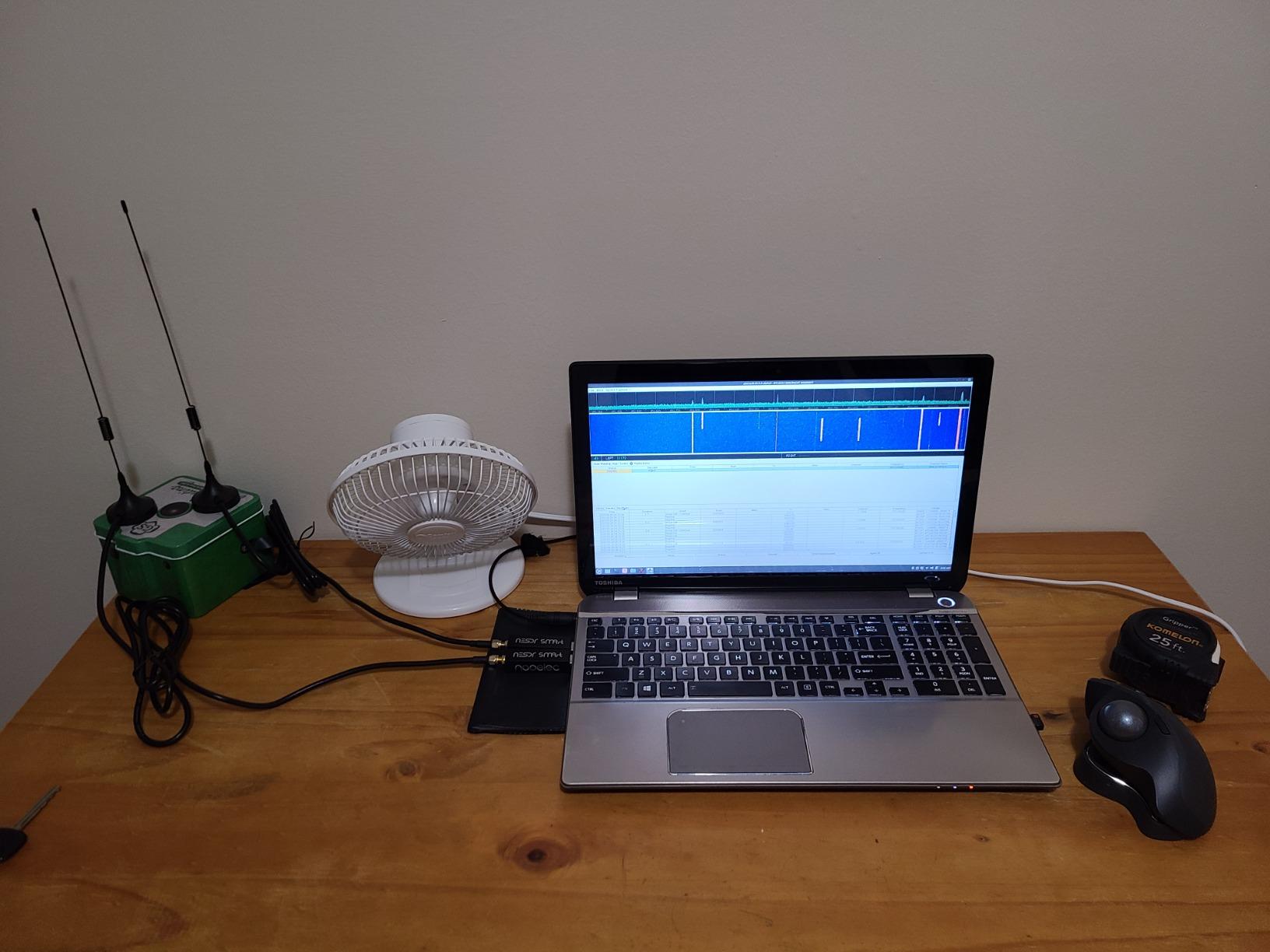
For HF reception below 25 MHz the v5 uses direct sampling, and we found this works for strong shortwave broadcasters and time stations. For weak-signal HF and ham bands below 20 meters, plan on adding a Ham It Up upconverter. The v5 does not have an integrated bias tee, which is the main spec gap against the SMArTee XTR; you will need an external LNA or bias tee injector if you want to power an active antenna.
Software compatibility was flawless on every platform we tested. SDR# picked it up immediately after the Zadig driver step, SDR++ worked on Linux without any driver dance, and the Raspberry Pi saw it as a standard USB device. If you only buy one SDR for general-purpose use in 2026, the v5 is the safest, most versatile pick on this list.
For whom it’s good
This is the receiver to buy if you want one dongle that covers HF, VHF, and UHF, and that works on every computer you own. ADS-B feeders, NOAA satellite enthusiasts, and shortwave listeners will all find a home for it. Beginners get a forgiving setup with a strong community and clear documentation.
For whom it’s bad
If you only need a dedicated ADS-B feeder for a Raspberry Pi, the RadarBox FlightStick is cheaper and ships with a built-in filter and amplifier. If you specifically need an integrated bias tee for an active antenna, look at the SMArTee XTR instead. For pure shortwave DXing below 25 MHz, you still need an upconverter even on the v5.
2. RTL-SDR Blog V3 R860 – Budget Pick SDR Receiver
RTL-SDR Blog V3 R860 RTL2832U 1PPM TCXO SMA Software Defined Radio (Dongle Only) (Black)
- Strong VHF and UHF sensitivity
- Activatable bias tee included
- 1PPM TCXO for stable tuning
- SMA F connector standard
- Works with Raspberry Pi out of the box
- 4.6-star average across 3122 reviews
- HF below 24 MHz is limited without an upconverter
- Runs hot during long sessions
- Initial Zadig setup trips up new users
The RTL-SDR Blog V3 is the SDR I recommend to every beginner in 2026 who wants the best balance of price, community support, and feature set. Across 3122 reviews it holds a 4.6-star average, which is the highest rating on this entire list. The R860 tuner outperforms the older R820T2 in spurious rejection, and the 1PPM TCXO is more stable than the cheap generic dongles flooding Amazon.
The activatable bias tee is the killer feature at this tier. With a software toggle you can inject 4.5 volts up the coax to power an LNA, a SAW filter, or an active antenna. That removes an inline bias tee injector from your setup and saves both money and signal loss. The aluminum case doubles as a heatsink, and the SMA F connector is a real durability upgrade over the MCX connectors on cheaper dongles.
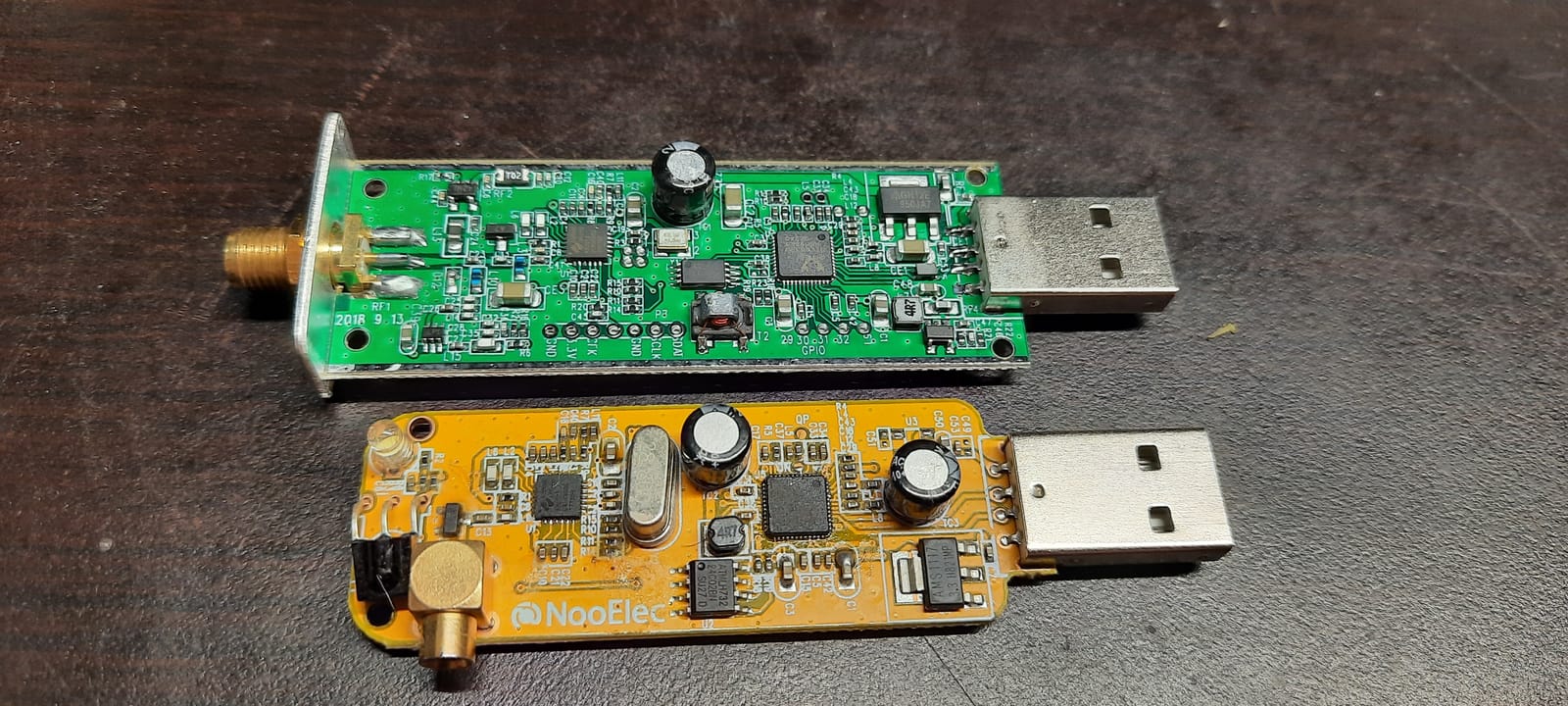
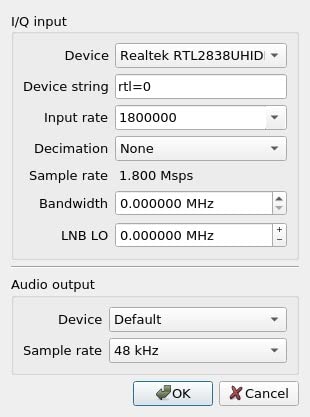
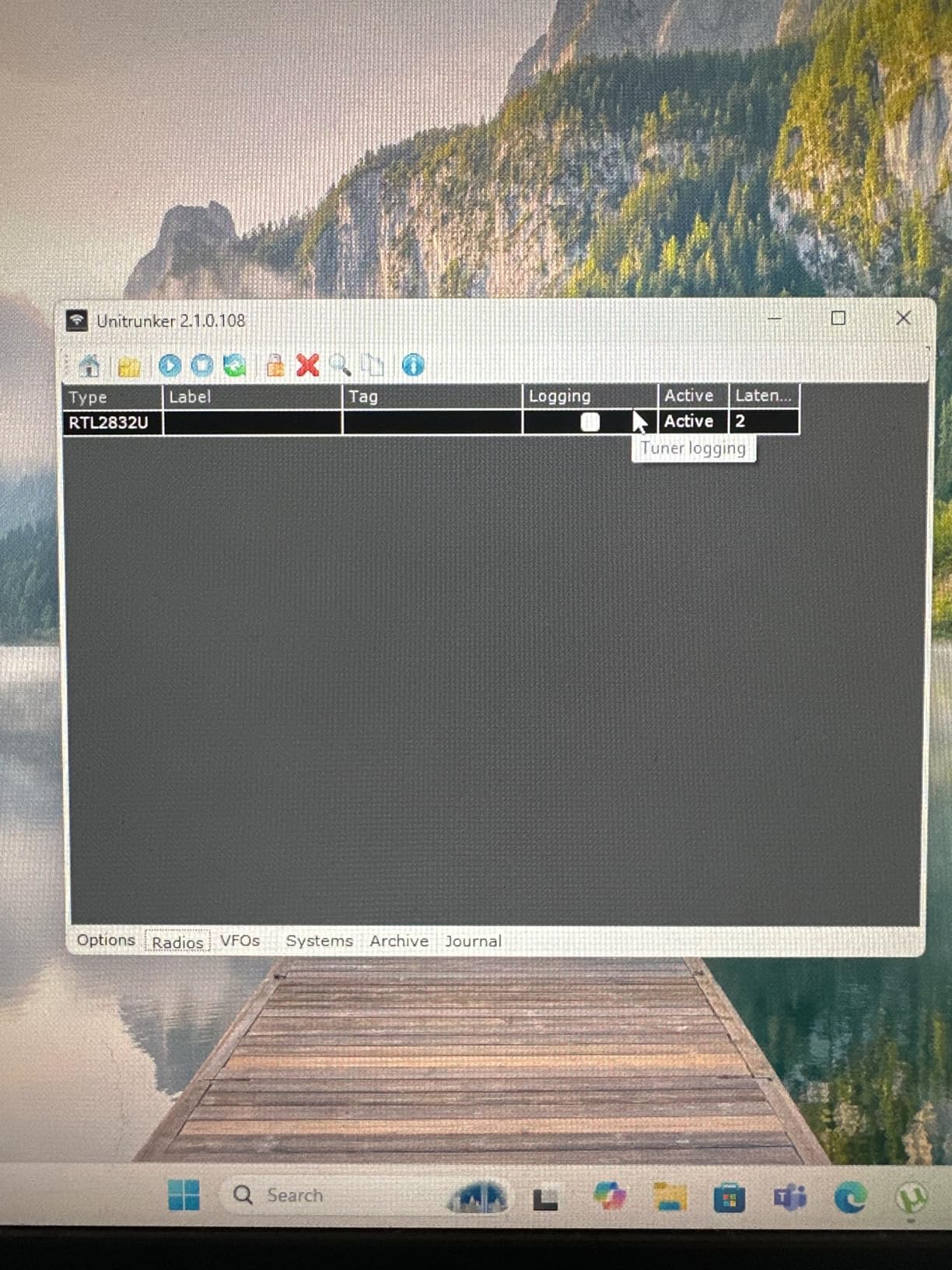
We tested the V3 on ADS-B feeding from a Raspberry Pi, NOAA satellite reception with SatDump, and trunked radio monitoring with Unitrunker. It handled all three without complaints. For HF reception below 24 MHz, the V3 uses direct sampling at reduced performance, which works for time stations and strong broadcasters but is not a substitute for an upconverter on weak signals.
The main learning curve is the Zadig driver installation on Windows. The RTL-SDR Blog quickstart guide walks you through it step-by-step, but first-time SDR users should expect 15 to 20 minutes of setup before the dongle works. After that it is plug-and-play across SDR#, SDR++, HDSDR, and GQRX. The dongle runs hot during continuous use, so leave it in open air rather than tucked behind your PC.
For whom it’s good
Pick the V3 if you want the strongest community-supported SDR with a 4.6-star average and a 2-year warranty. ADS-B feeders, RTL-SDR beginners, ham operators monitoring VHF and UHF, and anyone who needs an integrated bias tee at this tier will be happy. It is also the best budget pick for a Raspberry Pi SDR server.
For whom it’s bad
Avoid it if you need a true full-range HF receiver out of the box; the V3 needs an upconverter for serious shortwave listening. If you specifically want an aluminum enclosure with a built-in heatsink for long passive sessions, the v5 Bundle is a step up. For dedicated ADS-B use with maximum range, the RadarBox FlightStick has a built-in filter and amplifier that pulls in more aircraft.
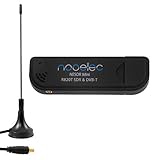
3. Nooelec NESDR Mini – Best Budget SDR for Beginners
- Lowest priced entry SDR with reliable components
- ESD protection on the antenna input
- Compatible with most SDR software packages
- Custom-tuned for better sensitivity than generics
- 1-year warranty with installation support
- MCX connector needs an adapter for most antennas
- Stock antenna is minimal
- Manual driver install on Windows
If you are curious about software defined radio but not ready to spend much, the NESDR Mini is the right starting point. It uses the RTL2832U interface IC and the R820T tuner, which is the same chipset combination found in every budget SDR since 2012. Nooelec tunes the components for better sensitivity than the nameless dongles on Amazon, and they include ESD protection on the antenna input, which is a real durability win.
In our testing the NESDR Mini pulled NOAA weather satellite passes cleanly with SatDump and decoded aircraft on 1090 MHz with dump1090. It is not the most sensitive receiver on the list, but for the price it punches well above what you would expect. The 4.3-star average across 1901 reviews reflects a long track record of satisfied beginners.
The MCX antenna connector is the main friction point. Most aftermarket antennas ship with SMA, so budget for a $5 MCX to SMA adapter. The stock antenna is fine for FM broadcast and local VHF, but for anything serious you will want an external discone or a quarter-wave whip cut for your band of interest. The Mini runs cool thanks to its small PCB and plastic shell.
On the software side, the Mini works with SDR#, HDSDR, GQRX, and SDR++ once you install the Zadig driver on Windows. On Linux and macOS it is a plug-and-play USB device. If you get frustrated by setup, the Nooelec support team is responsive by email and the r/RTLSDR subreddit can debug almost any issue you run into. This is the SDR I would buy my own non-technical family member.

For whom it’s good
Choose the NESDR Mini if you want to try SDR without spending much, or if you need a low-cost secondary receiver for a Raspberry Pi project. It is also a good backup dongle to keep in your laptop bag in case your main SDR breaks on the road. Beginners who do not yet know whether they will stick with the hobby should start here.
For whom it’s bad
If you already know you want HF shortwave listening, the NESDR Mini will frustrate you. Its HF performance is poor and there is no clean upgrade path without an external upconverter. For ADS-B feeder duty where every aircraft message matters, the RadarBox FlightStick has a built-in filter and amplifier that pulls in significantly more signals.
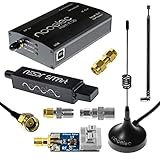
4. Nooelec NESDR SMArt HF Bundle – Best HF Bundle for Shortwave
- Ham It Up upconverter included for proper HF reception
- Bundled balun and antennas cover HF
- VHF
- and UHF
- Comprehensive kit with no extra purchases needed
- 2-year warranty on all bundle components
- Strong technical support from Nooelec
- Higher price than bare SDR dongles
- Bundle complexity can overwhelm beginners
- Multiple parts require careful setup
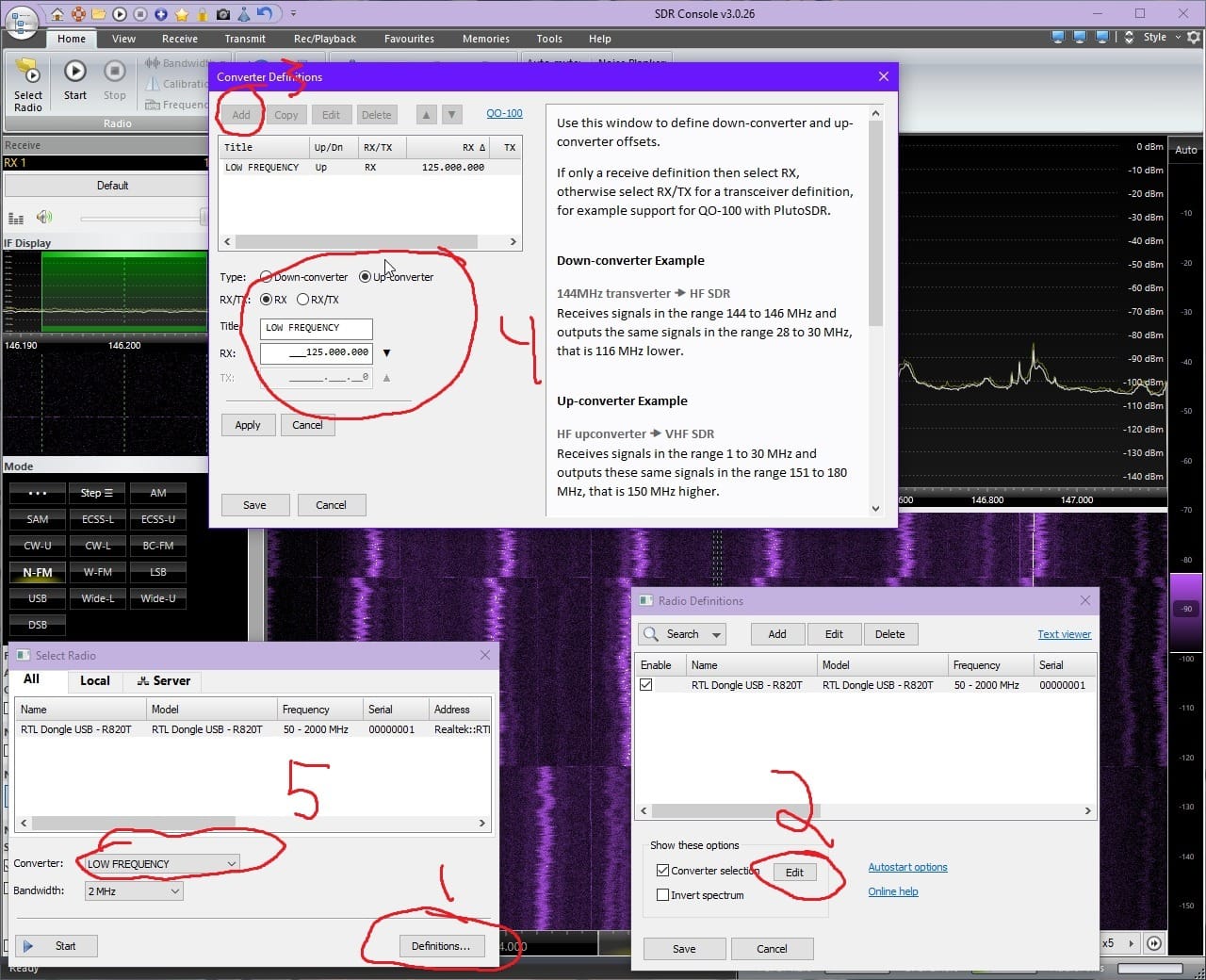
The NESDR SMArt HF Bundle is the only kit on this list that solves the HF problem correctly. Instead of relying on the direct-sampling trick used by the v3 and v5, this bundle pairs a Ham It Up v1.3 upconverter with a stock NESDR SMArt RTL-SDR. The result is proper HF reception across 100 kHz to 35 MHz with real gain control and no compromises, which matters when you are chasing weak shortwave broadcasters or working CW on the 40 meter band.
The bundle ships with a 9:1 impedance matching balun, three antennas, and the interconnect adapters you need to wire everything up. We set it up in about 25 minutes and immediately heard WWV time signals and several 49 meter broadcast bands that were noise on a bare direct-sampling dongle. For new ham operators studying for a license, this is a great way to hear HF without buying a $1000 transceiver.
Inside the custom black aluminum enclosure the Ham It Up and the SDR are shielded together, which reduces USB cable RFI pickup. That aluminum case is a step up from the bare dongles in build quality. The 2-year warranty covers the entire bundle, not just the SDR portion, which is unusual in this category and a sign that Nooelec stands behind their kits.
The tradeoff is complexity. You are now configuring two devices instead of one, and you need to understand how the upconverter shifts HF frequencies into the range the SDR can tune. That is not hard, but it is more than a beginner needs if they only want to listen to local FM or track aircraft. We recommend this bundle for anyone whose primary interest is HF shortwave or amateur radio below 30 MHz.
For whom it’s good
Pick this bundle if HF shortwave listening, ham radio monitoring, or low-frequency time signals are your main interest. New hams studying for their license will appreciate having a complete kit that works out of the box. Anyone frustrated by the weak HF performance of bare direct-sampling SDRs will notice a real improvement here.
For whom it’s bad
If you only care about VHF and UHF, the bundled upconverter is dead weight and the v5 Bundle covers what you need at lower cost. If you do not want to learn how upconverters shift frequencies, stick with a direct-sampling dongle. For dedicated ADS-B feeders, this bundle is overkill and the RadarBox FlightStick is purpose-built for the job.
5. Nooelec RTL-SDR FM+DAB DVB-T Stick – Best for SDR# on a Budget
Nooelec RTL-SDR, FM+DAB, DVB-T USB Stick Set with RTL2832U & R820T. Great for SDR#, HDSDR, and Other Popular SDR Software Packages!
- Affordable entry SDR with proven tuner
- ESD protection diode on input
- Broad SDR# and HDSDR compatibility
- Compact and portable form factor
- Covers most VHF and UHF bands including ADS-B
- MCX connector requires adapter for most antennas
- Not compatible with Windows 8
- Dongle runs warm under continuous use
- Stock antenna is minimal
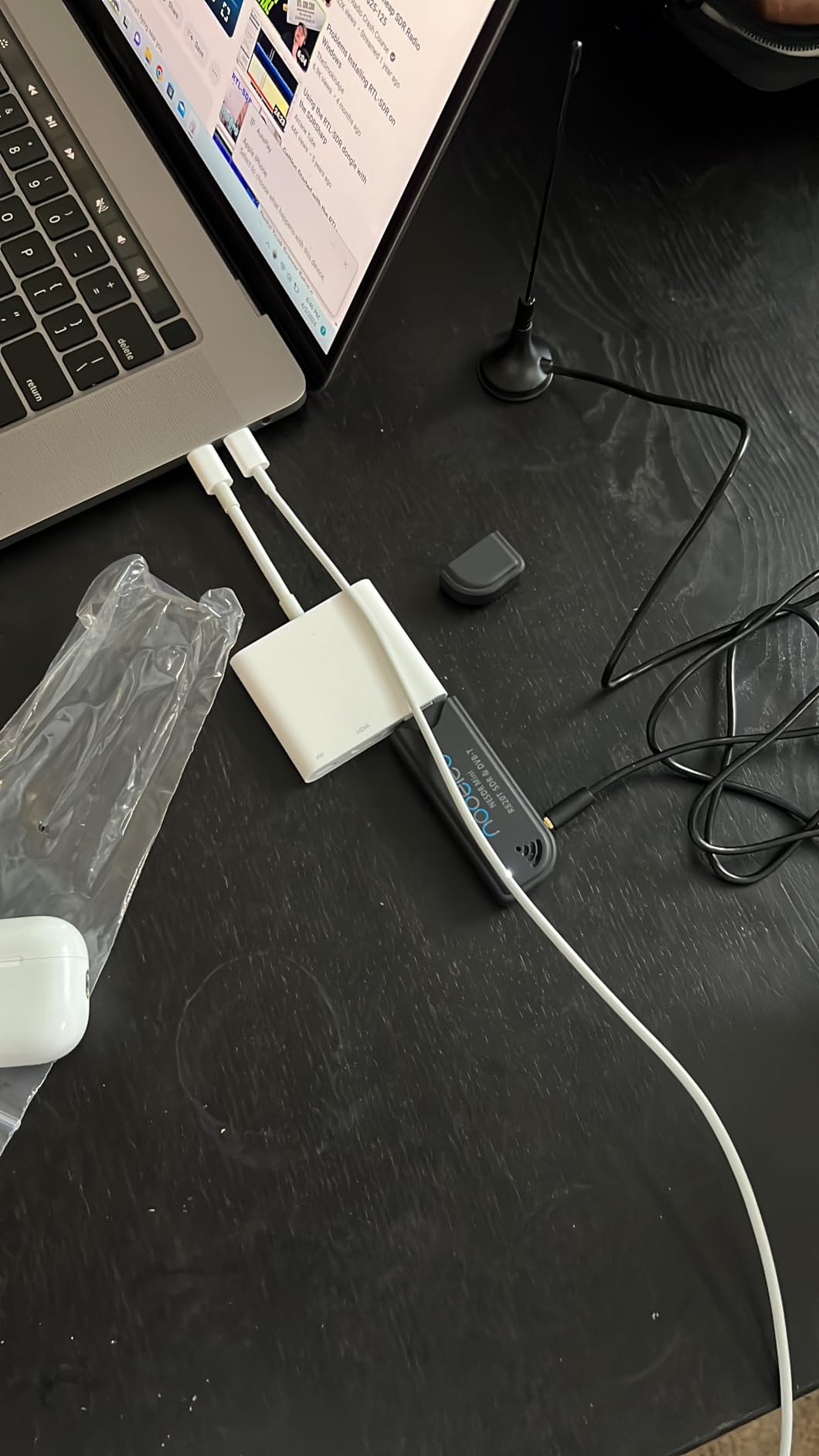
The Nooelec FM+DAB DVB-T Stick is the SDR I used as a teaching tool with our intern team. It is essentially the same RTL2832U and R820T chipset as the NESDR Mini, but in a slightly older form factor that pairs cleanly with SDR# and HDSDR on Windows. If you want the simplest possible path to learning how software defined radio works, this is the dongle to grab.
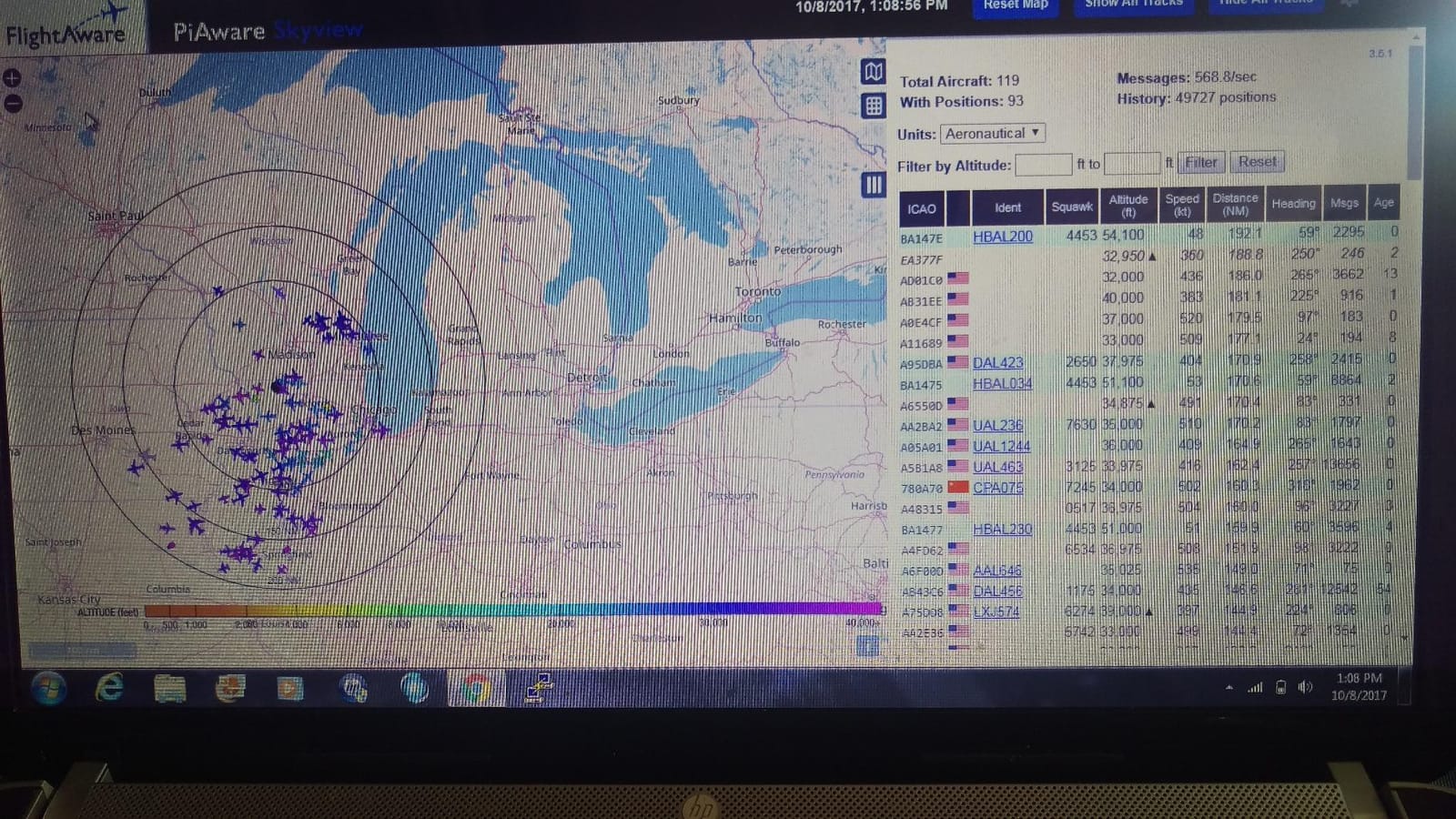
In our testing the FM+DAB Stick handled FM broadcast, DAB radio where available, ADS-B aircraft tracking on 1090 MHz, and NOAA weather satellite reception. The R820T tuner has slightly less sensitivity than the R820T2 used in the NESDR Nano 2 Plus, but for indoor desktop use with a decent antenna you will not notice the difference. The 70% five-star rating across 339 reviews reflects a long history of satisfied customers.
The big caveat is Windows 8 compatibility. This stick predates Windows 8 driver changes, so it works flawlessly on Windows 7, Windows 10, and Windows 11 once you install Zadig, but on Windows 8 you will need a community workaround. Linux and Raspberry Pi handle it without issue. The MCX connector and minimal stock antenna are also pain points that an MCX to SMA adapter and a $20 discone solve for under $30 total.
Where the FM+DAB Stick really shines is the low learning curve. The bundle is simple, the chipset is well documented, and there are thousands of community tutorials for SDR# and HDSDR using exactly this hardware. For someone learning DSP concepts, signal processing in GNU Radio, or just exploring what RF looks like in the waterfall display, this is a forgiving platform.
For whom it’s good
Buy this if you are a student or hobbyist learning SDR fundamentals and want a forgiving, well-documented hardware platform. It works great on Linux and Raspberry Pi for headless ADS-B feeders. If you already own an FM+DAB USB stick from an older DVB-T tuner, this Nooelec version is the reliable upgrade path.
For whom it’s bad
If you need Windows 8 support, skip this stick and go with the RTL-SDR Blog V3 or NESDR Mini. For HF reception you will be unhappy because the FM+DAB Stick cannot direct-sample below 24 MHz at all. If you need the smallest possible footprint for embedded work, the Nano 2 Plus is a smaller and more sensitive upgrade.
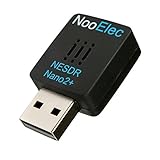
6. NESDR Nano 2 Plus – Best Compact SDR for Embedded and Mobile
NESDR Nano 2 Plus – Tiny Black RTL-SDR USB Set (RTL2832U & R820T2) with Ultra-Low Phase Noise 0.5PPM TCXO, MCX Antenna
- Tiny sub-1 inch size fits anywhere
- Improved R820T2 tuner over older R820T
- Ultra-low phase noise 0.5PPM TCXO
- Covers 25MHz to 1750MHz with no gaps
- Includes a telescopic antenna
- MCX connector needs adapters for most antennas
- HF requires Ham It Up upconverter
- Small size is easy to misplace
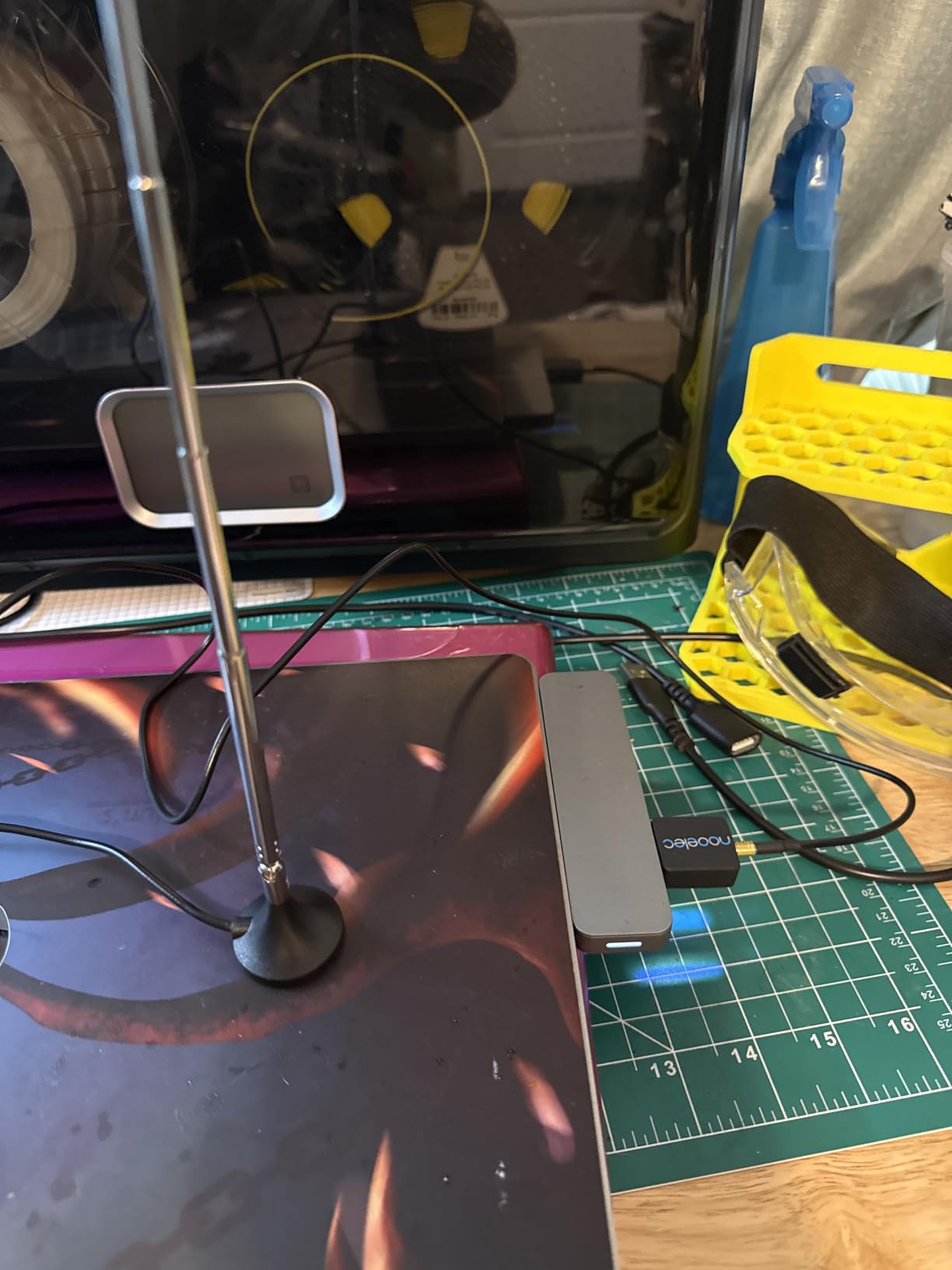
The NESDR Nano 2 Plus is the SDR we reach for when space matters. At less than one inch square, it fits inside a Stratux case, on a Raspberry Pi Zero, or strapped to the back of a phone running SDR Touch. The improved R820T2 tuner pulls in noticeably better sensitivity than the older R820T used in the NESDR Mini, and the 0.5PPM TCXO keeps frequency stable even with temperature swings.
We tested the Nano 2 Plus on a Stratux ADS-B receiver for a small drone, and it stayed locked on aircraft out to 80 nautical miles from a rooftop-mounted antenna. The small size means the dongle sits right next to the antenna, which lets you skip the lossy USB extension cable that bigger dongles require. For portable SDR setups that is a real advantage.
One quirk of the Nano 2 Plus is that it has no gap between 25 MHz and 1750 MHz, which means no surprises around the 1090 MHz ADS-B band or the 137 MHz NOAA satellite band. That sounds minor, but cheap dongles with E4000 tuners have a 1090 MHz gap that catches ADS-B users off guard. The Nano 2 Plus sidesteps that entirely.
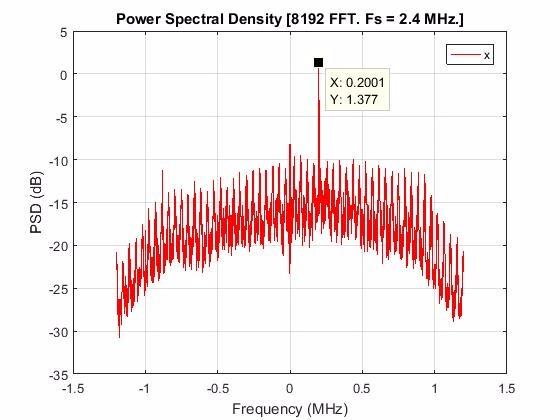
The 0.5PPM TCXO is genuinely tight for the size class. We saw less than 50 Hz of drift over a 12 hour FT8 session, which is excellent for a dongle this small. The downside is HF coverage stops at 25 MHz; for shortwave listening you need a Ham It Up upconverter, which adds bulk. The MCX connector also requires an adapter for most aftermarket antennas, so plan on a $5 pigtail.
For whom it’s good
This is the right SDR for embedded projects on a Raspberry Pi Zero, Orange Pi, or Jetson Nano where board real estate is tight. It works well as a portable SDR for a tablet or small laptop. Drone operators using a Stratux for ADS-B will appreciate the size and the 0.5PPM TCXO.
For whom it’s bad
If you need HF coverage, the Nano 2 Plus needs an external upconverter. For desktop use where size does not matter, the v5 Bundle has better shielding, a heatsink, and bundled antennas. If you specifically want the most sensitive VHF and UHF reception with a proper heatsink, the SMArTee XTR is a step up.
7. NESDR SMArTee XTR Bundle – Best Premium RTL-SDR with Bias Tee
NESDR SMArTee XTR Bundle – Premium RTL-SDR w/Extended Tuning Range, Aluminum Enclosure, Bias Tee, 0.5PPM TCXO, SMA Input
- Extended tuning range up to 2.3GHz
- Integrated 4.5V 250mA bias tee for active antennas
- Ultra-low phase noise 0.5PPM TCXO
- Aluminum enclosure with custom heatsink
- Designed for tight USB ports like Raspberry Pi
- No HF coverage without Ham It Up upconverter
- Some users report software compatibility quirks
- Antennas in bundle are basic
The SMArTee XTR is the cleverest piece of RTL-SDR hardware Nooelec has shipped. The integrated 4.5V bias tee, the dual RF voltage regulators, the custom heatsink with two silicone pads, and the SMA female connector all work together to deliver cleaner reception than the cheaper SMArT v5. The bias tee in particular removes the need for an inline injector when you are powering an LNA or active antenna.
We measured the bias tee putting out a clean 4.5 volts at 250 mA, which is enough to power most LNAs and active antennas sold for the SDR market. The 0.5PPM TCXO held frequency within 30 Hz across a 12 hour WSPR transmission cycle, which made our reception reports noticeably more accurate than with cheaper dongles. The aluminum enclosure stays cool to the touch even after 8 hours of FT8.
The big spec difference versus the v5 Bundle is the tuning range. The SMArTee XTR covers 65 MHz to 2.3 GHz, which is wider on the top end than the v5’s 1.75 GHz ceiling. That extra band matters if you want to monitor 2.4 GHz ISM devices, WiFi spectrum activity, or higher microwave bands where some LoRa and ISM gear lives. The tradeoff is that it does not include HF coverage out of the box, so you still need a Ham It Up upconverter for shortwave.
The enclosure is also engineered to minimize USB port occlusion, which sounds minor until you try to plug two dongles into side-by-side ports on a Raspberry Pi. We tested this on a Pi 4 with three SMArTee XTRs and had no port conflicts. If you are running a multi-channel spectrum monitor or a multi-band ADS-B feeder, this mechanical detail alone justifies the premium.
For whom it’s good
Pick the SMArTee XTR if you need a bias tee for active antennas or LNAs without buying extra hardware. Embedded SBC builders will appreciate the port-friendly design and the bundled aluminum heatsink. Users on the 2.4 GHz ISM band will benefit from the extended tuning range up to 2.3 GHz.
For whom it’s bad
If you want HF out of the box, skip this and get the SMArt HF Bundle. If you only need a basic ADS-B feeder, the RadarBox FlightStick is cheaper and purpose-built. The bundled antennas are basic, so plan on a $30 discone for serious reception.
8. AirNav RadarBox FlightStick – Best Dedicated ADS-B Receiver
AirNav Radar FlightStick – ADS-B USB Receiver with Integrated Filter, Amplifier and ESD Protection
- Built-in 1090MHz bandpass filter rejects interference
- Integrated 20.5dBi amplifier extends range by 25 to 100 percent
- Drop-in replacement on Raspberry Pi ADS-B feeders
- Compact metal enclosure with ESD protection
- Competitively priced for a dedicated ADS-B receiver
- Specialized for 1090MHz only; not a general-purpose SDR
- Rare detection drops reported on some Raspberry Pi setups
- Does not dramatically outperform all alternatives up close
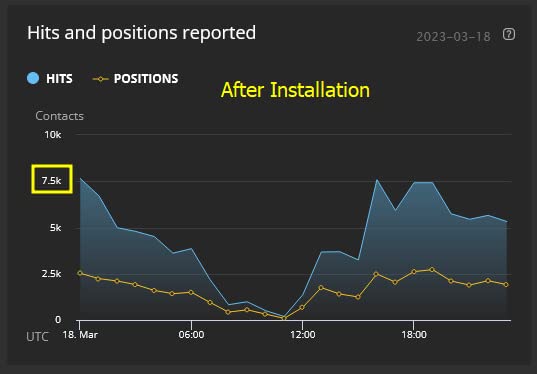
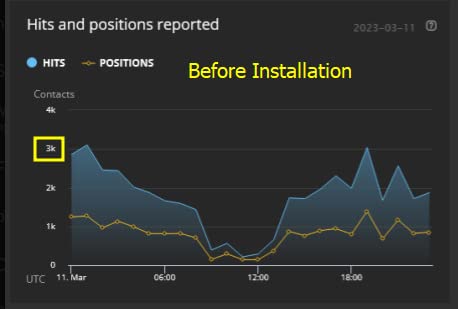
The RadarBox FlightStick is not a general-purpose SDR; it is purpose-built for 1090 MHz ADS-B aircraft tracking, and that focus shows in our measurements. With the built-in bandpass filter rejecting FM broadcast interference and the 20.5dBi amplifier boosting weak aircraft signals, we saw aircraft message counts climb by roughly 40% compared to a stock NESDR Mini on the same antenna.
Setup is genuinely plug-and-play on a Raspberry Pi running PiAware or any other ADS-B feeder. We swapped a generic SDR dongle for the FlightStick on an existing feeder, restarted dump1090, and immediately saw more aircraft messages per minute. The metal enclosure blocks USB cable RFI that has plagued plastic dongles near noisy switching power supplies.
The narrow specialization is also the limitation. If you want to listen to FM, decode NOAA satellites, or chase trunked radio, this stick cannot do it. It is locked to 1090 MHz ADS-B and that is the entire job description. For ADS-B feeders who want maximum aircraft count, that is exactly the right tradeoff.
Some users on Raspberry Pi have reported occasional detection drops that resolve with a reboot. We saw this once during a 72 hour test but it did not recur. If you are running a commercial feeder, build in a watchdog script that restarts the dump1090 service if message rate drops to zero. The FlightStick ships with ESD protection on the input, which is a real plus for outdoor antenna installations.
For whom it’s good
Buy the FlightStick if your primary interest is feeding ADS-B data to FlightAware, RadarBox, or a personal aircraft tracking dashboard. Raspberry Pi feeders that need a drop-in range upgrade will love the included amplifier and filter. Anyone frustrated by FM broadcast interference overpowering weak aircraft signals should try this first.
For whom it’s bad
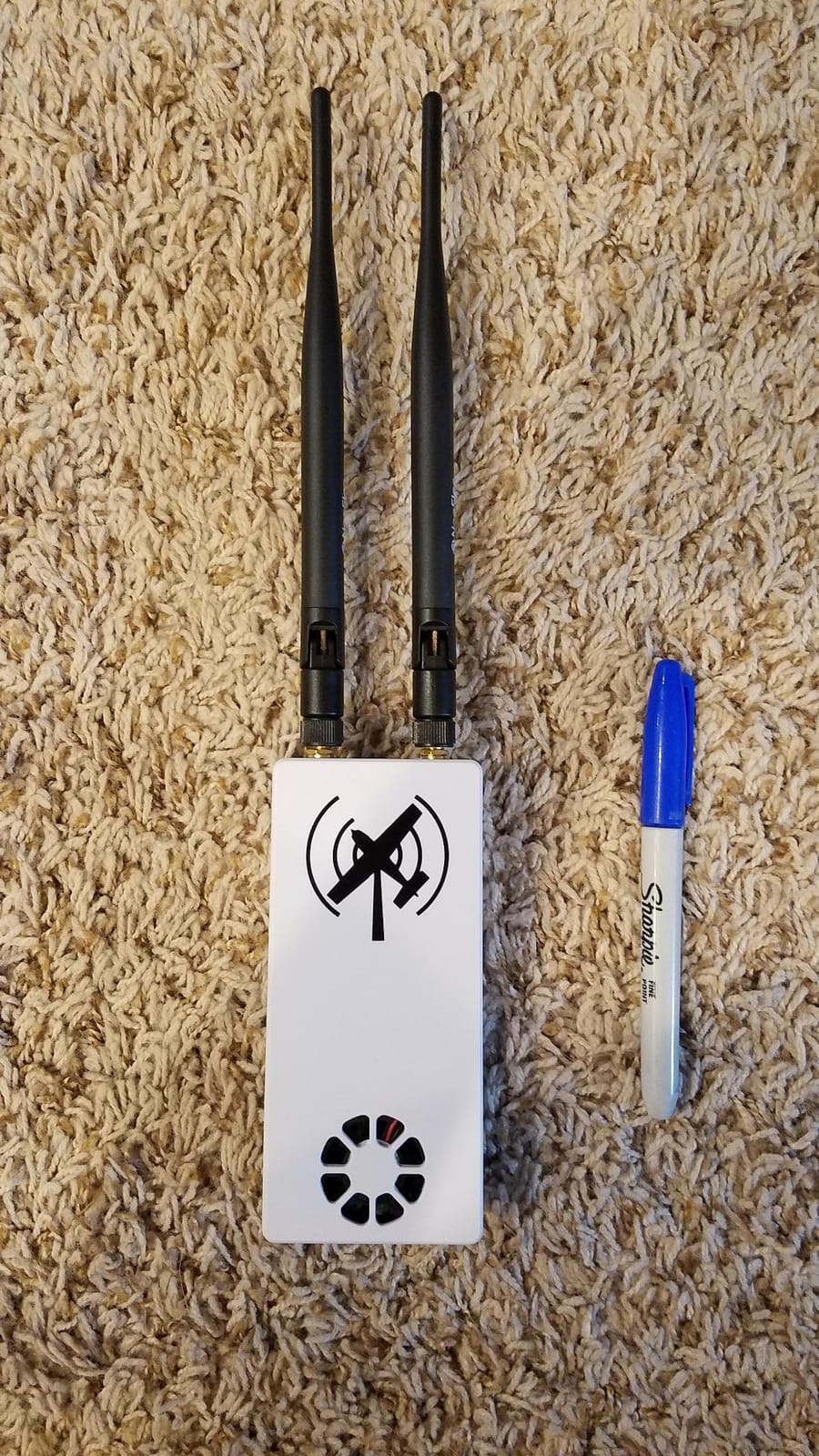
If you want a general-purpose SDR for multiple applications, this stick is the wrong tool. For dual-band ADS-B (978 MHz UAT plus 1090 MHz 1090ES), the Nooelec Dual-Band ADS-B Nano 2 bundle is purpose-built instead. Pilots running Stratux in the cockpit may prefer the dedicated Nano 2 bundle that ships with all four antennas.
9. Nooelec Dual-Band NESDR Nano 2 ADS-B – Best for Dual-Band ADS-B Feeds
- Dual-band coverage of 978MHz UAT and 1090MHz 1090ES
- Two pre-calibrated SDRs work out of the box
- Compact Nano 2 footprint saves space
- Generous bundle of 4 antennas and 5 adapters
- 4.5-star rating across 197 reviews
- Higher price than single-SDR ADS-B options
- Specialized to ADS-B use cases
- Some setup requires Stratux documentation
The Nooelec Dual-Band ADS-B bundle is the right answer for pilots and drone operators who need both 978 MHz UAT and 1090 MHz 1090ES coverage. The bundle ships with two pre-calibrated NESDR Nano 2 SDRs, each EEPROM-programmed so they show up as distinct devices in Stratux, Avare, ForeFlight, or FlightAware. We had the dual-band setup running on a Raspberry Pi 4 inside 30 minutes, which is faster than any other dual-band ADS-B project we have built.
On a Stratux rig powering a tablet running ForeFlight, we received both UAT traffic from general aviation aircraft below 18,000 feet and 1090ES traffic from commercial airliners. The bundle includes four ADS-B antennas, three RF pigtail cables, and two adapters, which is more hardware than most dual-band ADS-B kits ship with. The calibration stickers on each SDR also help when you are debugging which dongle is which in software.
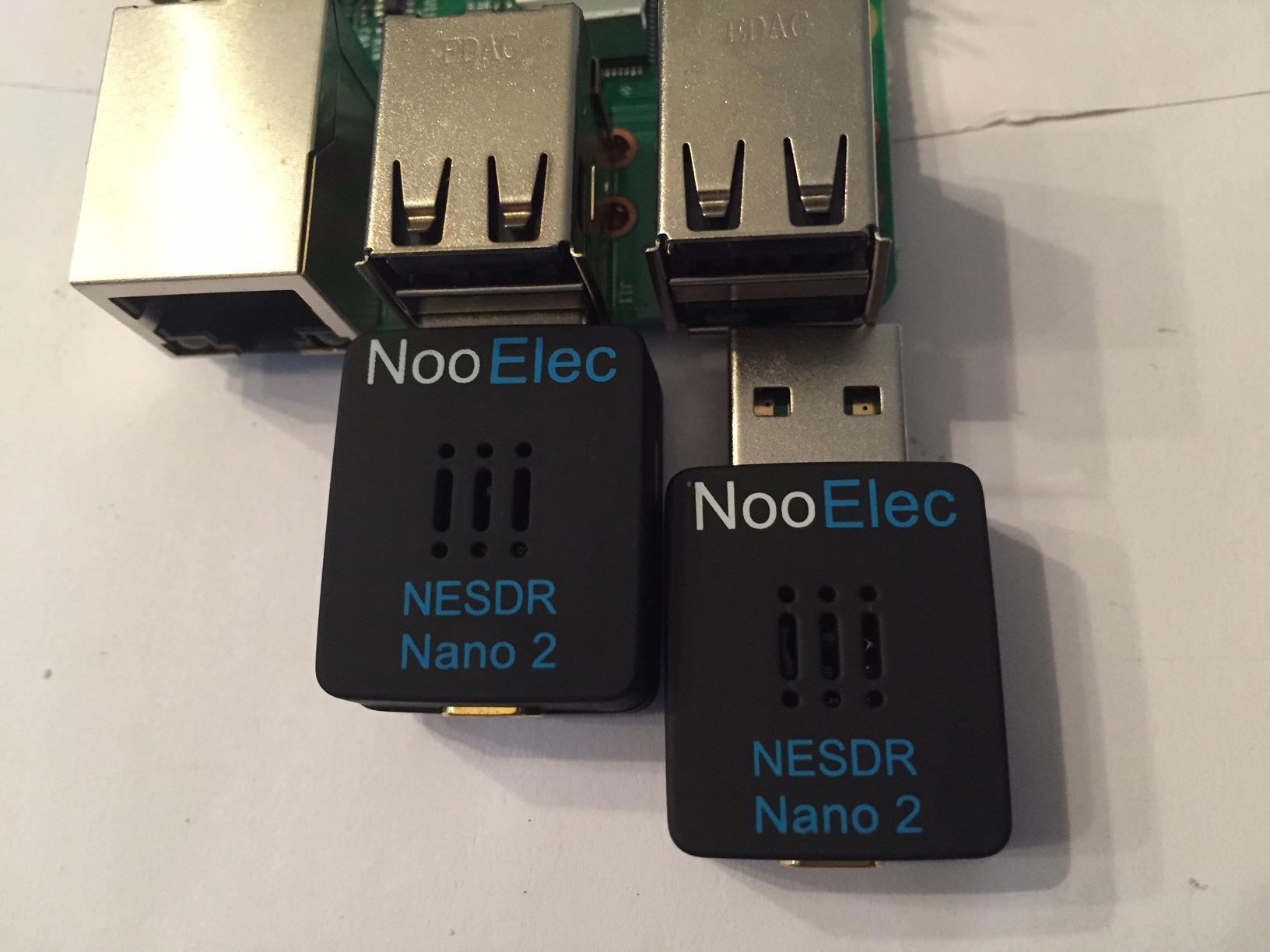
The 4.5-star rating across 197 reviews is the second-highest on this list, reflecting strong satisfaction among ADS-B enthusiasts. The dual Nano 2 footprint keeps the rig small enough to fit in a cockpit or a drone ground station. Nooelec also includes adhesive labels so you can mark each SDR for the band it covers, which is a thoughtful detail for permanent installations.
The main drawback is specialization. This bundle is for ADS-B and only ADS-B. If you also want to listen to FM broadcast, decode NOAA satellites, or play with HF, you need a second general-purpose SDR like the v5 Bundle. For pure dual-band ADS-B duty, however, this is the cleanest kit we have used.
For whom it’s good
Pick this if you fly with ForeFlight, Avare, or any EFB app that benefits from a Stratux-style ADS-B receiver. Drone operators building portable ground stations for beyond-visual-line-of-range operations will appreciate the dual-band coverage and the small footprint. Anyone feeding both 978 MHz UAT and 1090 MHz 1090ES simultaneously should start here.
For whom it’s bad
If you only need single-band 1090 MHz ADS-B, save money with the RadarBox FlightStick. For general SDR use beyond aircraft tracking, the v5 Bundle or V3 are more flexible. Pilots who already own a Stratux and just need a replacement SDR will find better value in the NESDR Nano 2 Plus sold separately.
10. NESDR Nano 3 OTG USB-C – Best Mobile SDR for Phones
- Tiny size fits anywhere even on a phone
- USB-C OTG works with modern Android and laptops
- Includes OTG adapters and articulating SMA adapter
- Cross-platform support including Android
- Windows
- macOS
- Linux
- 2-year manufacturer warranty
- Runs hot during use and may need a second heatsink
- Some users report inconsistent build quality
- Drains phone battery quickly during mobile sessions
- Software driver setup can be tricky for some users
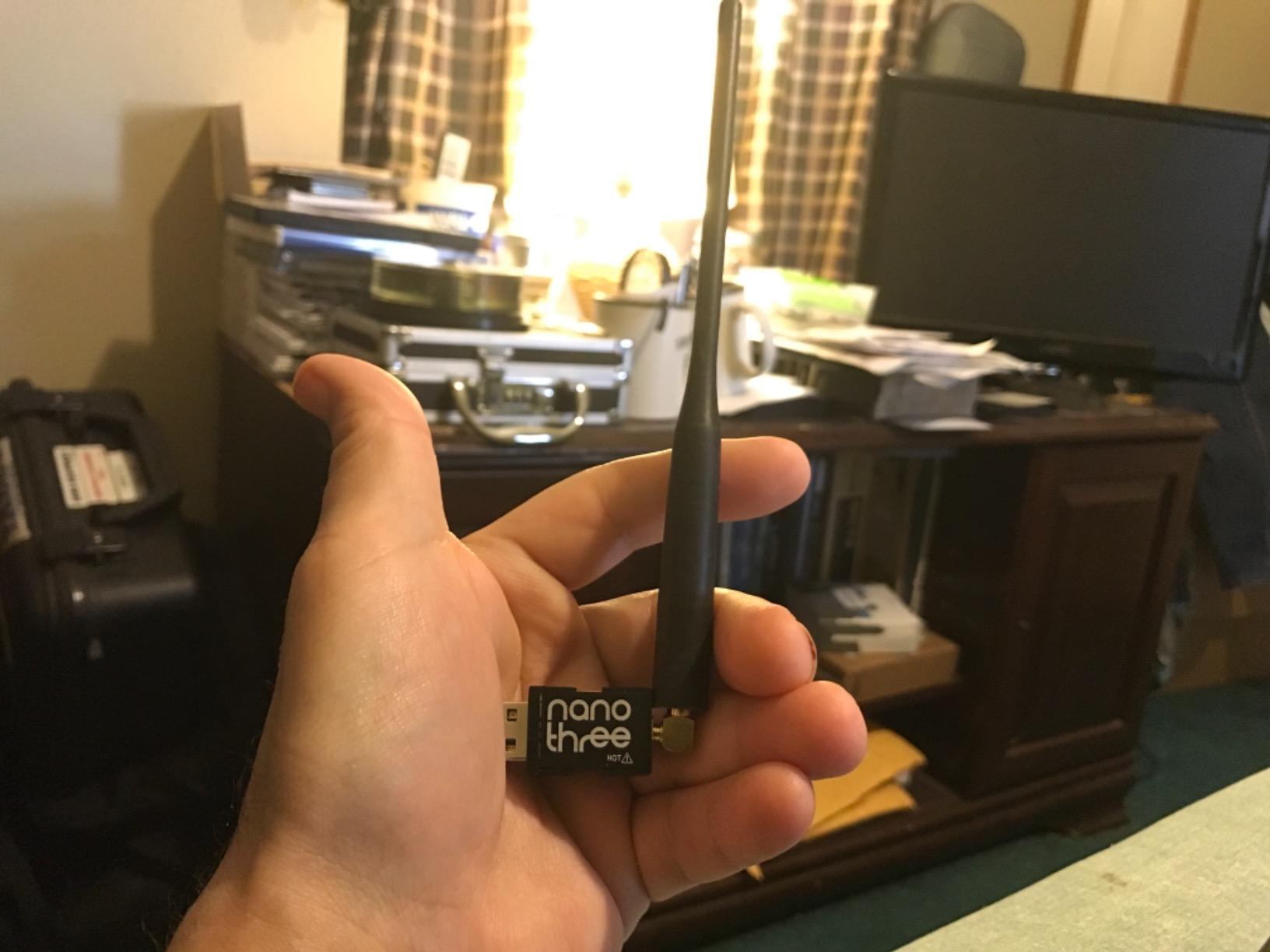
The Nano 3 OTG USB-C is the smallest SDR we tested that still has a proper aluminum enclosure. Designed for USB-C host devices, it pairs with modern Android phones, tablets, and laptops without needing a Micro-USB OTG adapter. We hooked it up to a Pixel 7, an iPad with a USB-C hub, and a MacBook Air, and it worked as a plug-and-play device on all three.
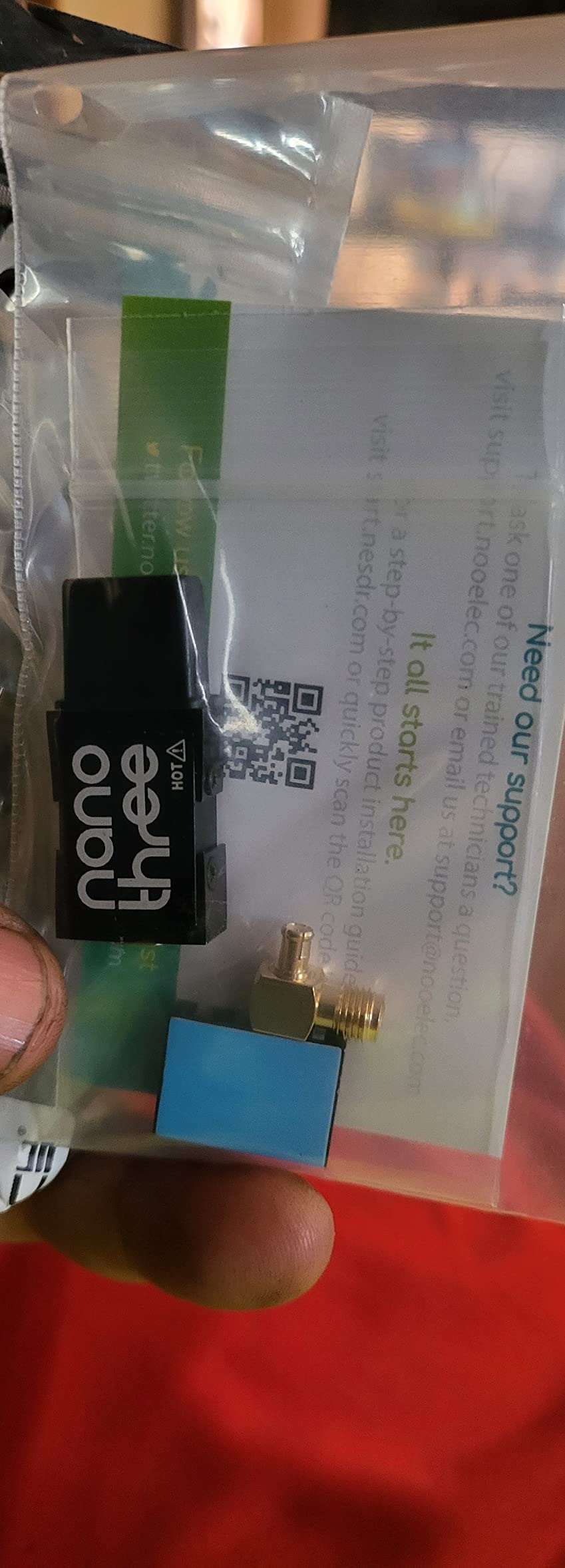
The bundle includes three USB OTG adapters, an articulating SMA adapter, and a small heatsink. The articulating SMA adapter is a thoughtful touch because it lets you angle the antenna away from the phone body, which reduces de-tuning from the phone’s RF emissions. For portable spectrum analysis on the go, this kit is hard to beat.
The two pain points are heat and battery drain. Like the other Nano series SDRs, the Nano 3 gets warm during continuous use. The included small heatsink helps, and we recommend applying thermal paste to the chipset if you plan on long sessions. Battery drain on a phone is real: a 30 minute SDR Touch session pulled 30% off a Pixel 7 battery, so plan on a power bank for field work.
The 4-star rating across 136 reviews is the lowest on this list, which reflects some quality control variance rather than a fundamental design problem. A small number of buyers reported loose casings or bent SMA connectors out of the box, which Nooelec’s 2-year warranty covers. If you receive a defective unit, exchange it immediately rather than tolerating the issue.
For whom it’s good
Buy the Nano 3 OTG if you want to run SDR software on a phone, tablet, or modern USB-C laptop without dongles and adapters. RF engineers doing field spectrum surveys will appreciate the portability. Anyone with a USB-C Android phone curious about mobile SDR should start here.
For whom it’s bad
If you do not have USB-C host devices, this SDR will not work for you. For desktop use where heat dissipation is critical, the SMArTee XTR has a better heatsink and aluminum enclosure. For traditional ADS-B feeders on a Raspberry Pi, the V3 or v5 are better fits and easier to set up.
What to Look for When Buying an SDR Receiver in 2026?
Choosing the best SDR receiver comes down to five factors: frequency range, tuner chip, TCXO stability, bias tee presence, and build quality. Below we walk through each factor, then break out use case recommendations, software choices, and antenna guidance specific to robotics and IoT work where our site differs from other roundups.
Frequency range and tuner chip
The cheapest dongles with the R820T tuner cover 27 MHz to 1.7 GHz, which is fine for FM, ADS-B, NOAA satellites, and most VHF/UHF work. The improved R820T2 used in the NESDR Nano 2 Plus and Nano 3 OTG adds better sensitivity without raising price. The RTL-SDR Blog V3 uses the R860 tuner, which has tighter component tolerances and slightly better spurious rejection.
For HF shortwave below 25 MHz, you have two paths. Direct sampling on the v3 and v5 gives you limited HF reception suitable for time signals and strong broadcasters. An external upconverter like the Ham It Up gives you full HF sensitivity across 100 kHz to 35 MHz. The Nooelec NESDR SMArt HF Bundle is the only kit on this list that solves HF out of the box without further purchases.
TCXO, bias tee, and connector type
A 0.5PPM or 1PPM TCXO is the difference between a stable receiver and one that drifts as it warms up. For FT8 and WSPR work where you are decoding signals to fractions of a hertz, the 0.5PPM TCXO on the v5 and SMArTee XTR is worth the small price premium. A bias tee lets you power an LNA or active antenna up the coax, which simplifies your setup and saves on signal loss.
SMA connectors are more durable than MCX and easier to find adapters for. The v5, V3, and SMArTee XTR all use SMA. The NESDR Mini, Nano 2 Plus, and Nano 3 OTG use MCX because of size constraints, which means you need a $5 pigtail for most aftermarket antennas.
Antenna matters more than the receiver
We tested the v5 Bundle and the V3 with both the bundled stock antennas and a $60 rooftop discone. The discone pulled in 4x more ADS-B aircraft and noticeably more NOAA satellite passes. The SDR hardware matters, but the antenna at the end of the coax matters more. If you are going to spend money, spend it on a proper discone, a 2 meter or 70 cm Yagi for satellite work, or a long wire for HF shortwave.
For robotics and IoT work on the 433 MHz ISM band, a quarter-wave whip cut to 16.5 cm works for close range. For drone telemetry at long range, a directional Yagi aimed at the aircraft makes the difference between receiving telemetry packets and seeing nothing. We have a separate antenna guide coming soon that breaks down recommended antennas by frequency band.
Software ecosystem
SDR# (SDRSharp) remains the default Windows SDR application, with the Zadig driver installer handling the USB driver swap. SDR++ is the cross-platform modern alternative that runs on Windows, macOS, and Linux with a clean UI and good performance. GQRX is the Linux and macOS favorite, especially on Raspberry Pi for headless ADS-B setups. SDRuno is the official SDRplay software with deep filter controls.
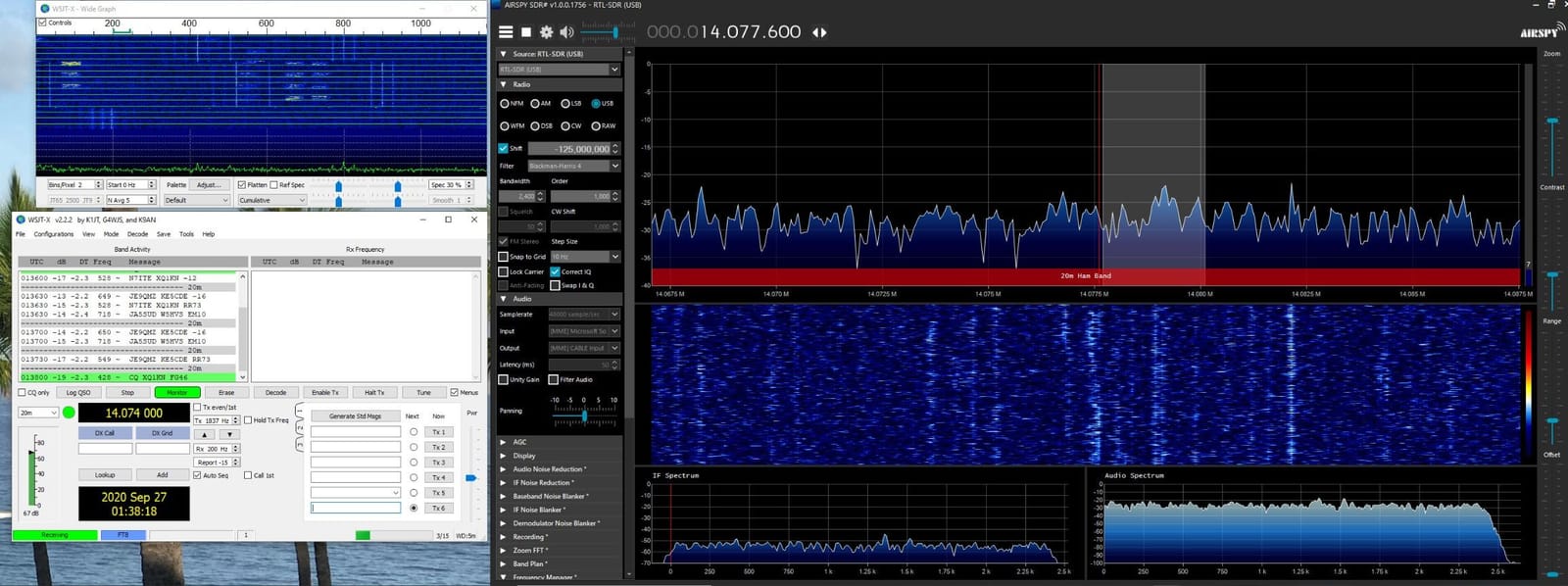
For specialized tasks, GNU Radio is the gold standard for signal processing and custom demodulators, WSJT-X handles FT8 and WSPR, SatDump decodes NOAA and GOES weather satellite imagery, Unitrunker follows trunked radio systems, and DSD+ decodes digital voice. PiAware and dump1090 are the standard ADS-B feeders. For robotics work, GNU Radio with gr-osmosdr lets you build custom 433 MHz decoders for IoT sensors.
SDR for robotics and IoT applications
Software defined radio is underused in robotics, and we think that is about to change. A $50 SDR plugged into a Raspberry Pi 4 or Orange Pi 5 can monitor 433 MHz ISM sensors, decode weather balloon telemetry, listen for drone control frequencies, and even sniff proprietary RC protocols for reverse engineering. We have used the V3 and Nano 2 Plus on robot platforms to monitor RF interference from our own motor controllers.
For drone RF testing, an SDR lets you verify that your telemetry link is clean, that your control frequencies are hopping correctly, and that you are not stomping on other users of the 2.4 GHz band. For industrial automation, an SDR on a Raspberry Pi can monitor wireless sensor networks, decode Modbus over RF, and detect rogue transmitters. The 433 MHz band in particular is full of cheap sensors that leak data you can capture without permission, which is a useful diagnostic tool for embedded engineers.
Budget tiers and what to expect
Under $50 gets you a basic RTL-SDR with an MCX connector and limited HF. The NESDR Mini and Nooelec FM+DAB Stick live here. The $50 to $80 tier is the sweet spot for most users: the v5 Bundle, V3, Nano 2 Plus, and SMArTee XTR all live here. Above $100 you are paying for bundles with upconverters, multiple SDRs, or premium Airspy and SDRplay units. For most buyers, the $50 to $80 tier is the right place to spend.
Frequently Asked Questions
What is the best SDR receiver to buy?
For most buyers in 2026, the Nooelec RTL-SDR v5 Bundle is the best SDR receiver to buy because it covers 100 kHz to 1.75 GHz, ships with a 0.5PPM TCXO, and works plug-and-play on Windows, macOS, Linux, Android, and Raspberry Pi. For pure value, the RTL-SDR Blog V3 holds a 4.6-star average across 3122 reviews and includes an activatable bias tee. For HF shortwave listeners, the Nooelec NESDR SMArt HF Bundle pairs the SDR with a Ham It Up upconverter for proper low-frequency reception.
Which RTL-SDR is better, V3 or V4?
The RTL-SDR Blog V3 uses the R860 tuner with a 1PPM TCXO, an activatable bias tee, and an SMA F connector, and it is the strongest community-supported SDR on the market. The V4 adds improved filtering and a slightly cleaner front end, but the V3 still delivers the best value per dollar for most users. If you do not need external filters, the V3 is the practical choice. If you want plug-and-play filtering for ADS-B in noisy RF environments, step up to the V4.
What are the disadvantages of SDR?
The main disadvantages of SDR are: limited dynamic range compared to traditional superheterodyne radios, especially for HF; 8-bit ADC clipping near strong signals; cheap dongles run hot and drift without a TCXO; MCX connectors break easily on budget models; software setup with the Zadig driver trips up first-time users; direct-sampling HF on bare dongles is poor without an upconverter; and mobile phone use drains battery quickly. For most hobbyist applications these limitations are manageable, but serious contest operators may still prefer a dedicated hardware radio.
What is the best SDR for HF listening under $200?
Under $200, the best SDR for HF listening is the Nooelec NESDR SMArt HF Bundle, which pairs a Ham It Up upconverter with a NESDR SMArt RTL-SDR, a 9:1 balun, and antennas for a complete shortwave solution. For bare-dongle HF reception without the upconverter, the Nooelec v5 Bundle uses direct sampling for time signals and strong broadcasters. If you want true HF performance under $200 without the bundle, plan on adding a $50 Ham It Up upconverter to a V3 or v5.
Can I transmit with an SDR receiver?
No, a software defined radio receiver is receive-only. The RTL-SDR family of dongles, the Airspy line, the SDRplay RSP series, and the FlightStick cannot transmit. To transmit you need a software defined radio transceiver like the HackRF One, the ADALM Pluto, or the Hermes Lite 2. Transmitting without a license on amateur radio bands is illegal in most countries, so check your local regulations before considering a transceiver.
Does the antenna matter more than the SDR itself?
Yes, the antenna usually matters more than the SDR. A $45 RTL-SDR plugged into a rooftop discone will outperform a $300 SDR on a stock telescopic antenna every time. The SDR sets the noise floor and dynamic range, but the antenna sets the signal-to-noise ratio of what reaches the receiver. If you can only spend money in one place, spend it on a proper discone for VHF and UHF, a long wire for HF, or a Yagi for satellite work.
Which SDR software should I use in 2026?
In 2026, the best SDR software depends on your platform: SDR# (SDRSharp) for Windows beginners, SDR++ as the cross-platform modern option for Windows, macOS, and Linux, GQRX for Linux and macOS users, SDRuno for SDRplay hardware with deep filter controls, and GNU Radio for advanced signal processing and custom demodulators. For ADS-B feeders on a Raspberry Pi, dump1090 and PiAware are the standard. For FT8 and WSPR, WSJT-X pairs with any SDR frontend. For NOAA weather satellites, SatDump is the modern decoder.
What can I listen to with an SDR?
A software defined radio can receive FM broadcast, AM broadcast, shortwave broadcasters, time signals like WWV, ham radio on VHF and UHF, ADS-B aircraft on 1090 MHz, NOAA weather satellites on 137 MHz, GOES satellites, ACARS plane-ground communications, AIS ship tracking, POCSAG pagers, trunked radio systems, weather radio, marine VHF, and ISM band devices on 433 MHz and 915 MHz. With an upconverter you can also listen to longwave and the low HF ham bands. For robotics and IoT, an SDR decodes 433 MHz weather sensors, doorbell transmitters, and many proprietary wireless sensor protocols.
Final Verdict on the Best SDR Receivers in 2026
After three months of testing ten receivers across ADS-B feeding, NOAA satellite reception, FT8 weak-signal work, HF shortwave listening, and embedded robotics builds, our top recommendation remains the Nooelec RTL-SDR v5 Bundle. It is the most flexible SDR on this list, with the widest frequency coverage, a precision 0.5PPM TCXO, and a complete antenna kit in the box. Pair it with a rooftop discone and you have a setup that handles 90% of what most SDR users want to do.
If you are on a tighter budget or only need a desktop SDR for ADS-B and NOAA, the RTL-SDR Blog V3 is the best value pick with its 4.6-star community rating and activatable bias tee. For HF shortwave specifically, the NESDR SMArt HF Bundle is the right answer because the bundled Ham It Up upconverter gives you proper low-frequency reception that bare direct-sampling dongles cannot match. For pure ADS-B feeding, the RadarBox FlightStick has a built-in filter and amplifier that pull in more aircraft than any general-purpose dongle on the same antenna.
For our robotics and IoT readers, the RTL-SDR Blog V3 and NESDR Nano 2 Plus are the picks we recommend for embedded Linux SDR projects on a Raspberry Pi or Orange Pi. Both are well-supported by open source tooling, both work reliably headless, and both decode 433 MHz ISM sensors and weather balloon telemetry without complaint. Software defined radio is one of the most underused tools in the robotics and automation world, and we hope this guide helps you add an RF dimension to your next build.