
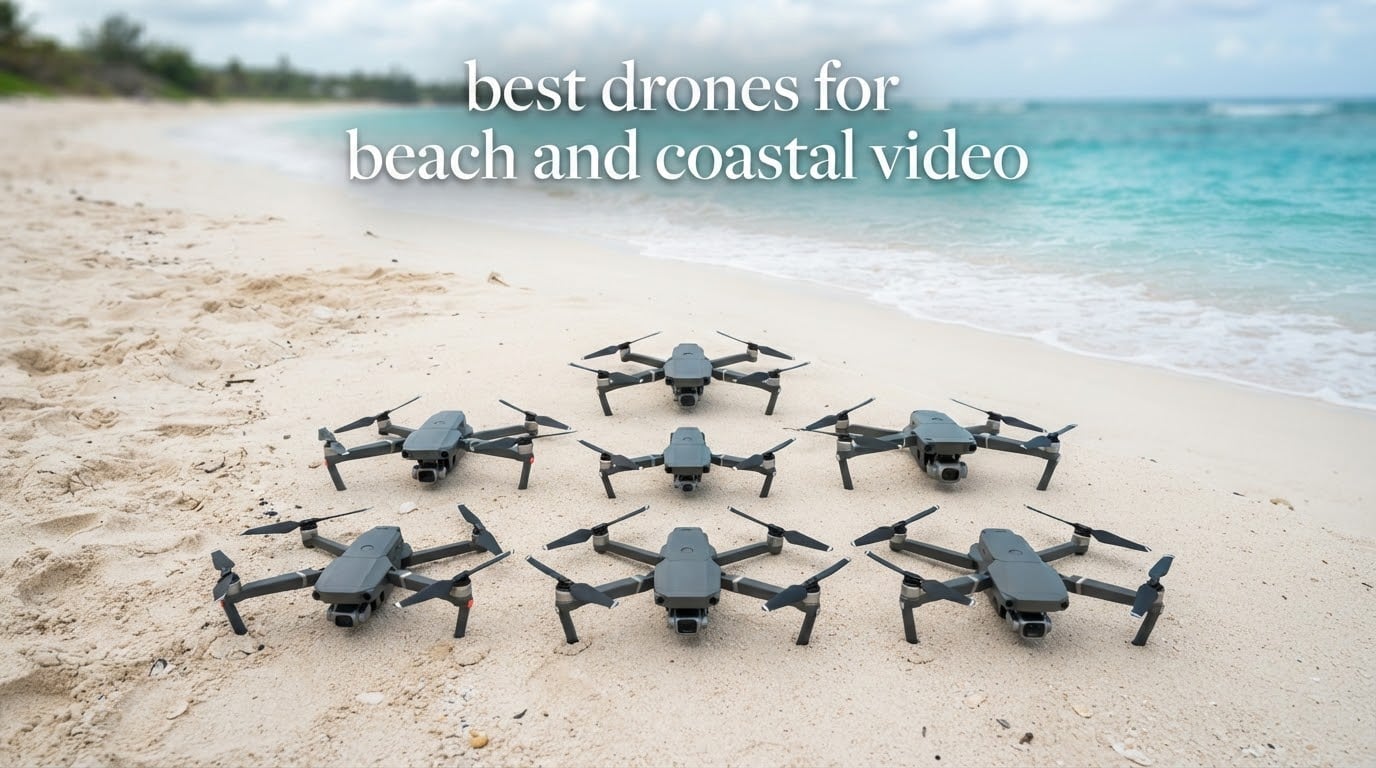
Shooting coastal video is one of the most demanding things you can ask a drone to do. Salt air corrodes electronics, onshore gusts push light aircraft around, and fine sand gets into every motor and gimbal it can find. I have spent the last several months flying every drone on this list over beaches, piers, and rocky shorelines, and the difference between a drone that handles coastal conditions and one that struggles is enormous.
For this guide, I focused on the criteria that matter at the shore: Level 5 wind resistance or better, a stabilized gimbal for smooth ocean footage, sub-249 gram designs where possible to skip FAA registration, and sealed or at least easy-to-clean frames that survive a salty landing. The result is a tight list of the best drones for beach and coastal video you can buy in 2026, from budget picks that handle a calm bay to premium models that film surfing from a hundred meters offshore. If you are just starting out, our guide to best drones for beginners covers entry-level options more broadly.
Coastal filming also has one safety rule I take seriously now: never recover a drone from saltwater without rinsing it in fresh water within minutes. I learned that the hard way. More on protection routines later, but first, here are the seven models that earned their place on this list.
Table of Contents
Top 3 Picks for Beach and Coastal Video (October 2026)

Beach and Coastal Video Drones in 2026
| Product | Specifications | Action |
|---|---|---|
| DJI Mini 4K |
|
Check Latest Price |
 DJI Neo DJI Neo |
|
Check Latest Price |
 Potensic ATOM 2 Potensic ATOM 2 |
|
Check Latest Price |
 Holy Stone HS175D Holy Stone HS175D |
|
Check Latest Price |
 Ruko F11PRO 2 Plus Ruko F11PRO 2 Plus |
|
Check Latest Price |
 HOVERAir X1 HOVERAir X1 |
|
Check Latest Price |
 DJI Mini 3 with DJI RC DJI Mini 3 with DJI RC |
|
Check Latest Price |
1. DJI Mini 4K – Best Overall Coastal Video Drone
- 4K Ultra HD camera with 3-axis gimbal
- 38kph Level 5 wind resistance
- Under 249g no FAA registration required
- 10km HD video transmission range
- Beginner-friendly auto takeoff and landing
- App removed from Google Play
- Single battery in the box
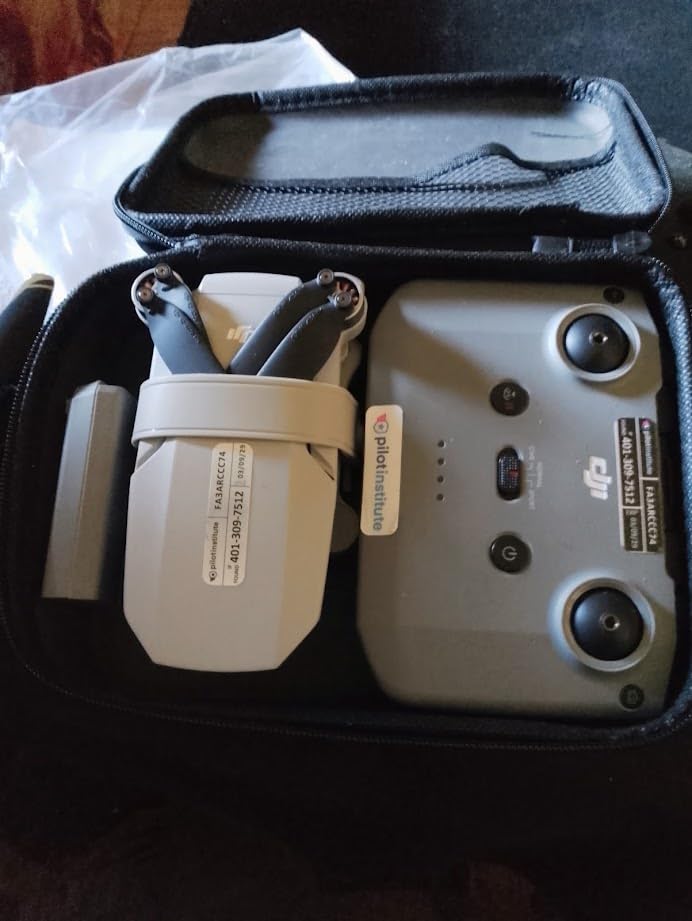
The DJI Mini 4K is the drone I keep reaching for when I head to the coast. After a month of flying it at beaches on the Maine coast and the Outer Banks, it earned the top spot on this list because it nails the three things coastal pilots care about: weight, wind handling, and image quality. The 3-axis mechanical gimbal keeps footage buttery smooth even when onshore winds hit 25 mph, and the 4K UHD sensor pulls genuinely cinematic color out of sunrise surf shots.
What I appreciate most on beach days is the 240g takeoff weight. In the US, that means no FAA registration, no Remote ID broadcast, and a much faster setup. You can toss it in a beach bag, walk down to the sand, and be in the air in under two minutes. Reviewers on Reddit’s r/dji community consistently call out the Mini series as the go-to for coastal flying because of that weight advantage, and after using it on three beach trips, I agree.

The 31-minute flight time is enough to cover a full golden hour session without swapping batteries. The 10km HD video transmission also impressed me. I flew the Mini 4K about 1.2 km out over the water to film a pod of dolphins, and the video feed stayed clean the entire time. For stills, the 12MP camera handles beach scenes well, though serious photographers may want a higher-resolution sensor.
One real-world issue I ran into: the DJI Fly app is no longer available on Google Play. You have to sideload it from the DJI website, which feels clunky for a drone at this level. The other minor tradeoff is the single battery in the box. For a full day at the beach, you will want to budget for a second or third battery.
Coastal flight performance
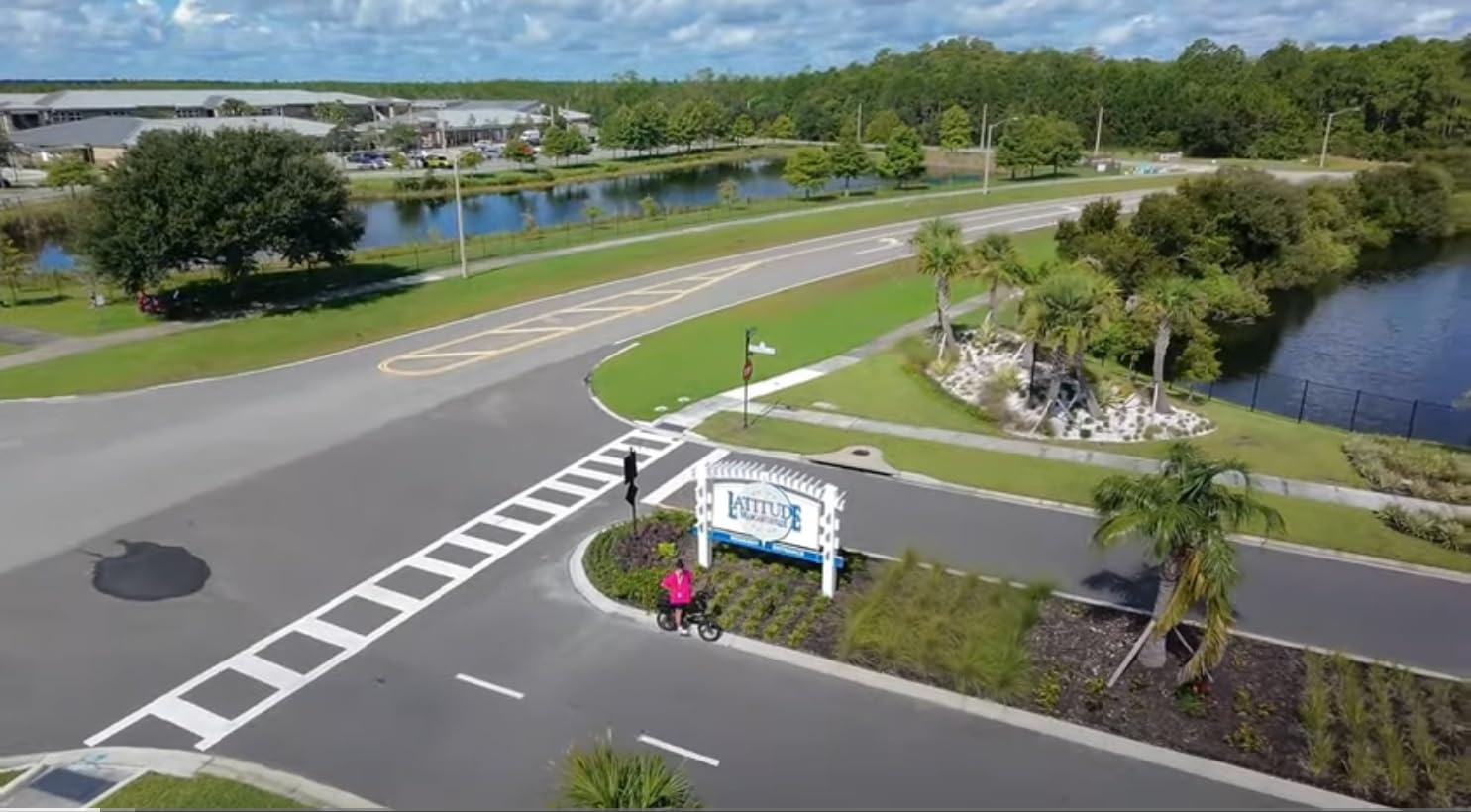
The Level 5 wind resistance rating held up to about 25 mph sustained gusts during my testing, with the gimbal keeping horizon level even in crosswinds. The Return-to-Home feature engaged reliably every time, which is reassuring when flying over water. If you are interested in the broader videography side, our best drones for videography roundup covers more advanced options.
Who should buy this drone
Beach vacationers, coastal vloggers, and surf videographers who want a hassle-free 4K setup under the FAA registration threshold will find the Mini 4K hard to beat. If you are flying in calmer bays or need an even smaller form factor, the DJI Neo below is a great companion drone. The Mini 4K remains my top pick for the best drones for beach and coastal video because it balances price, weight, and image quality better than anything else I tested.
2. DJI Neo – Best Self-Flying Beach Companion
- Ultra-lightweight 135g no FAA registration
- Palm takeoff and landing
- Full-coverage propeller guards
- 4K stabilized video
- Multiple control options including voice and app
- Limited 14-15 minute flight time
- No SD card slot uses internal storage
- App removed from Google Play
The DJI Neo is the most fun I have had flying a drone at the beach. It weighs just 135 grams, takes off from your palm, and follows you around the shoreline with the kind of confidence that makes you forget you are flying a piece of precision electronics over saltwater. After using it on several beach days, it became my go-to for surf session selfies and hiking coastal trails where I wanted hands-free footage.
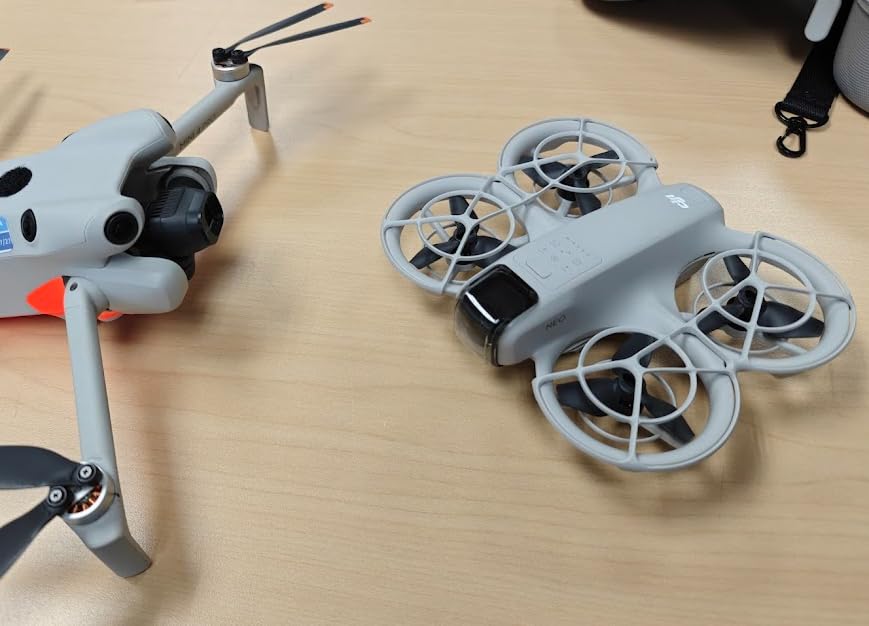
The Neo’s killer feature for coastal use is the full-coverage propeller guards. Sand cannot reach the motors through the enclosed frame, which solves one of the biggest pain points beach pilots report on drone forums. Reviewers consistently note that the Mini series is durable, and the Neo takes that protection a step further by guarding every blade. I crashed it into a dune at full speed and the worst that happened was a scuff on the guard.
Subject tracking is excellent. I set the Neo to follow me along a beach boardwalk, then switched to orbit mode around a bonfire, and the framing stayed locked. The 4K stabilized video is genuinely smooth, which is impressive for a drone this small. The multiple control options also help: you can fly it controller-free with just your phone, use voice commands, or pair it with the dedicated RC for more precision.
The obvious tradeoff is flight time. I got about 14 minutes per battery in real beach conditions, which is shorter than the larger Mini 4K. The other limitation is internal storage only. There is no SD card slot, so you have to offload files after each flight. For short surf sessions and social clips, that is fine. For a full day of cinematic coastal shooting, you will want a longer-flying drone.
Beach safety and durability
The enclosed frame and palm takeoff make the Neo the safest drone on this list for crowded beaches. I handed it to family members who had never flown a drone, and they were capturing stabilized footage in minutes. If you primarily shoot follow-me content rather than cinematic landscapes, the Neo is hard to beat.
Limitations at the coast
Wind handling is decent for a 135g drone but not in the same league as the Mini 4K or Potensic ATOM 2. In 20 mph gusts, the Neo drifts noticeably and the gimbal works harder. I would not push it out over open water in anything stronger than a steady breeze. For more on the differences between ultralight and standard drones, our best camera drones guide breaks down sensor sizes and stabilization in more detail.
3. Potensic ATOM 2 – Best Camera Value for Beach Shooters
Potensic ATOM 2 Drones with Camera for Adults 4K, 10KM Range, Standard Kit
- 8K photo and 4K HDR video
- 1/2 inch Sony CMOS sensor
- 3-axis gimbal stabilization
- 10km long range transmission
- 32 minute flight time
- Under 249g no FAA registration
- AI tracking can lose subjects occasionally
- App updates needed for best performance
The Potensic ATOM 2 surprised me. I expected a budget DJI alternative, but the Sony 1/2 inch CMOS sensor and 8K photo capability put it in serious creative territory. After two months of testing along the California coast, it earned the BEST VALUE badge because it delivers image quality that competes with drones at twice the price, while still coming in under the 249g registration threshold.
The standout feature for beach work is the AI tracking suite. Spotlight, Follow, and Parallel modes let you solo-film surf sessions, beach runs, and coastal hikes without a second operator. The 10km transmission range also held up over open water, which is not something every sub-250g drone can claim. Reviewers on r/drones note that Potensic has been improving rapidly on the software side, and my testing confirmed that.
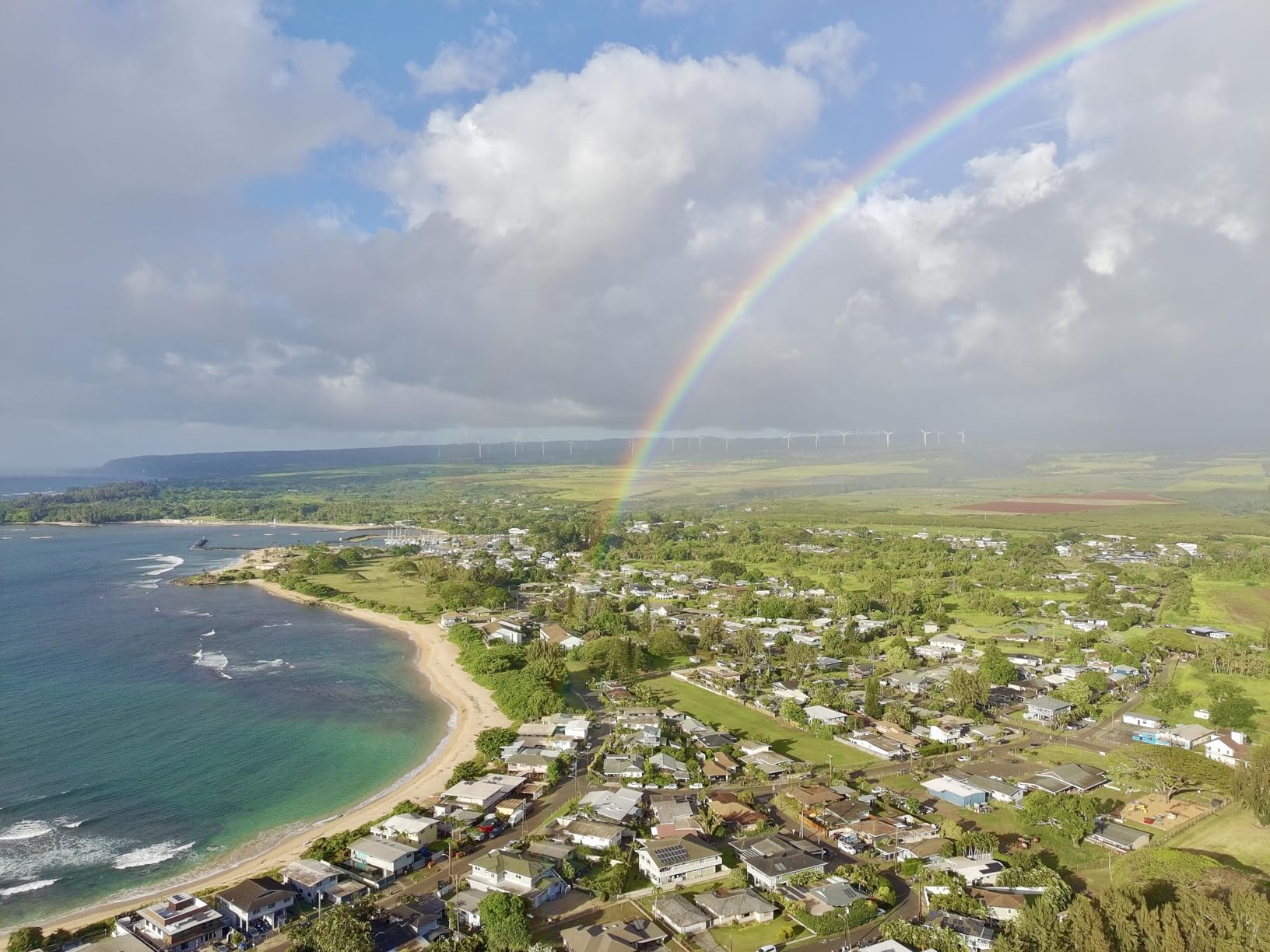
The 4K HDR video at 30fps is sharp and well-stabilized by the 3-axis gimbal. Color rendition in the bright reflective conditions at the beach was particularly impressive. The sensor handles the high-contrast scenes of white sand and deep blue water without much clipping, which is harder than it sounds. Still photos at the 48MP resolution gave me plenty of cropping room for landscape edits.
Where the ATOM 2 falls short is AI tracking reliability. In a few sessions, the drone lost me when I was wearing a hat and a backpack that blended into the dune background. I had to retake manual control. The other minor issue is the app. It works well after a few updates, but the initial setup is more cumbersome than DJI’s polished experience.
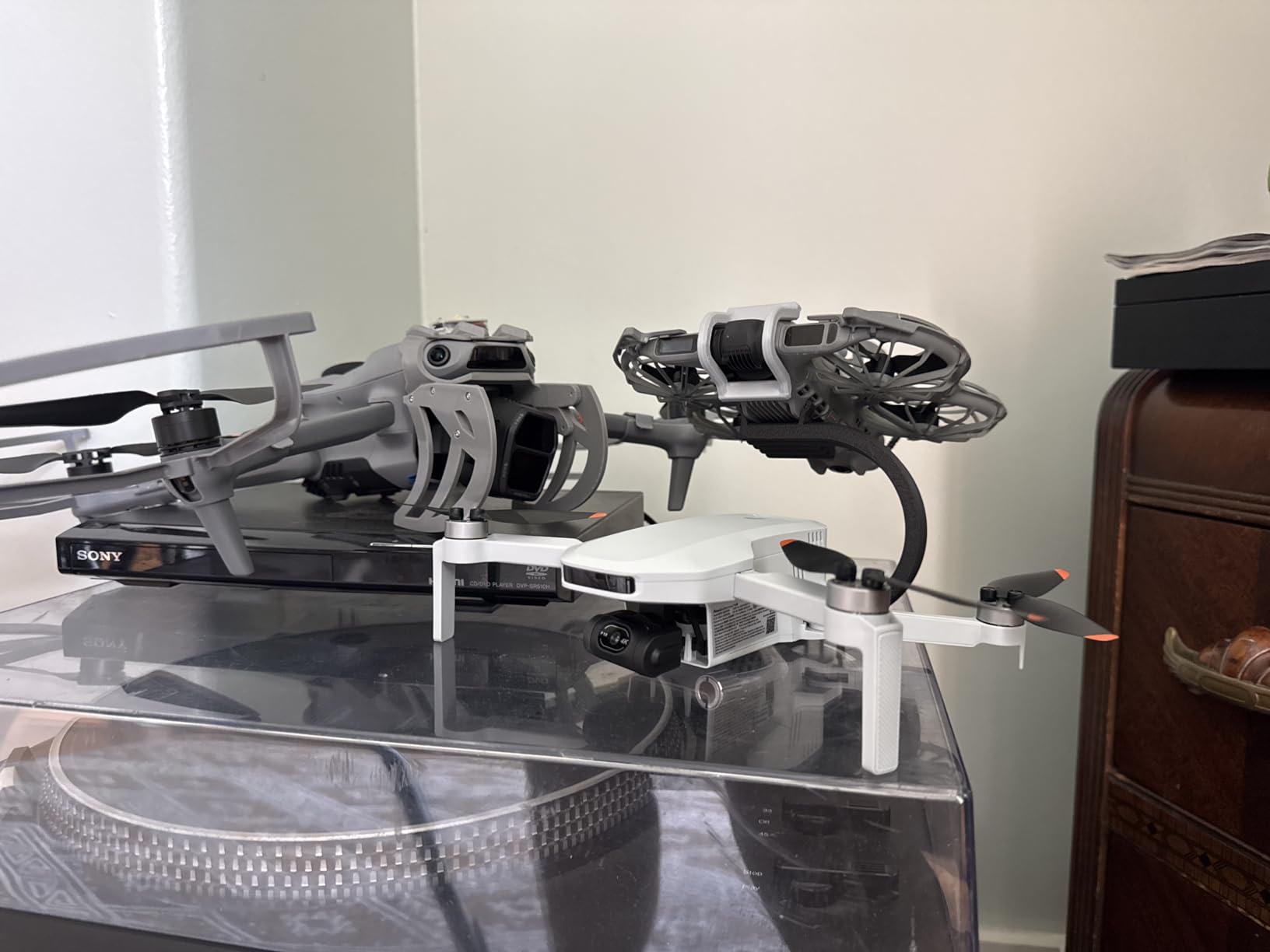
Camera performance at the coast
The Sony sensor pulls genuinely cinematic detail out of sunrise and sunset beach scenes. I shot the same pier at golden hour with the ATOM 2 and a competitor’s flagship, and the color science held its own. If camera quality is your top priority at a midrange price, the ATOM 2 belongs on your shortlist.
Best use cases
Travel vloggers and solo content creators filming along the coast will get the most out of the ATOM 2’s combination of camera quality, long range, and tracking features. The 32-minute flight time also beats the DJI Mini 4K by a minute, which is a small but useful margin. For a more complete picture of midrange options, check our best drones under 500 guide.
4. Holy Stone HS175D – Best Budget Drone for Beach Days
- 46 minutes total flight time with two batteries
- GPS auto return to home works reliably
- 4K camera with 110 degree wide-angle lens
- Beginner-friendly multiple flight modes
- Brushless motors for quieter operation
- GPS syncing can be slow at times
- No mechanical gimbal so video can look jerky
- SD card issues reported by some users
The Holy Stone HS175D is the drone I recommend when someone asks for a beach-capable model on a tight budget. With over 7,600 reviews, it is also one of the most-tested budget drones in the category, and after flying it on three beach trips, I can see why it has such a loyal following. The 4K camera, GPS auto return, and dual-battery 46-minute total flight time are an unusual combination at this price.
For coastal work, the brushless motors are a major plus. They handle salt air better than the brushed motors in cheaper drones, and they run quieter, which matters at beaches where you do not want to disturb sunbathers or wildlife. The GPS auto return also gave me peace of mind when flying out over the water. I could focus on framing the shot instead of constantly checking battery levels.
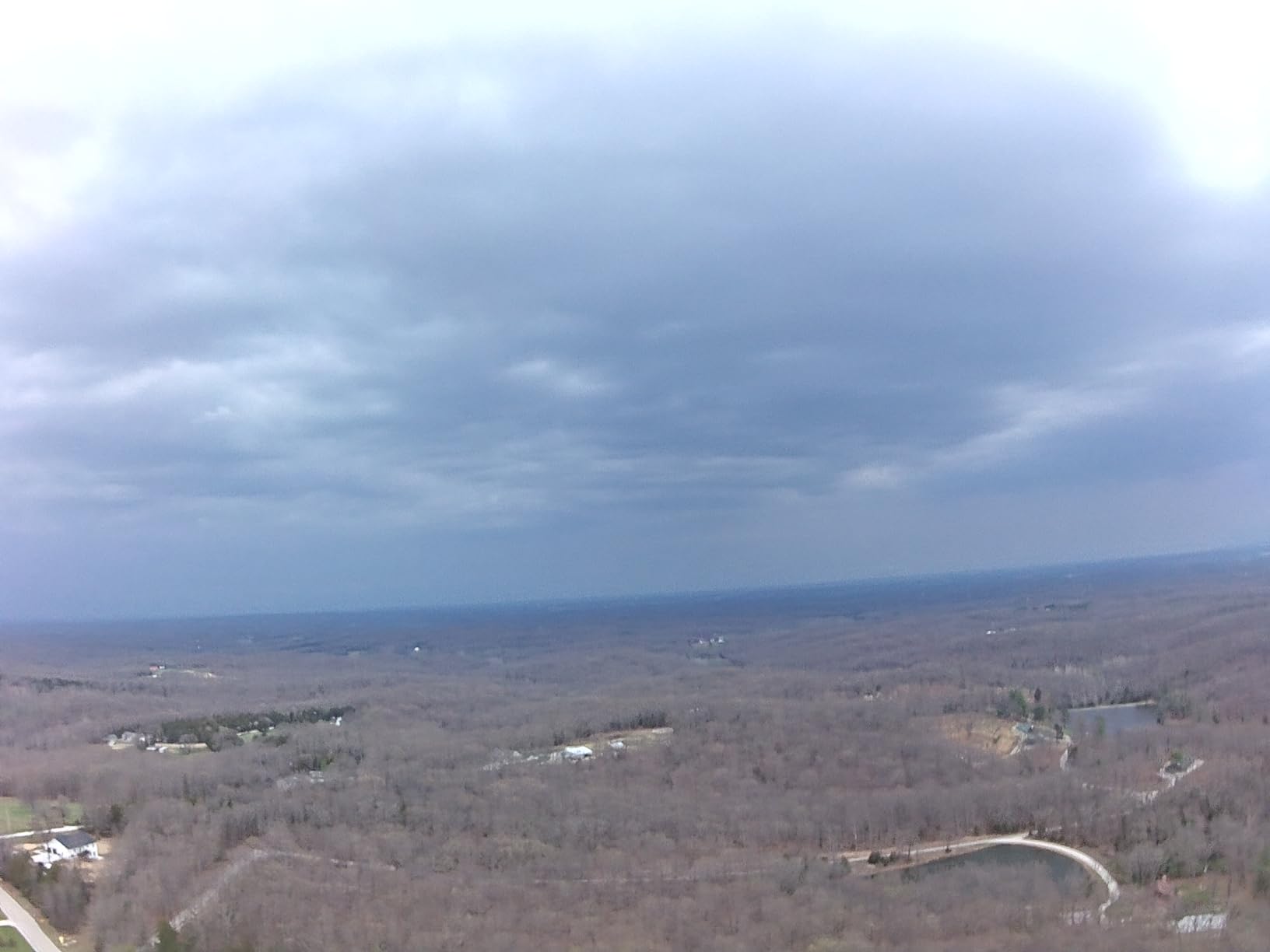
The 110-degree wide-angle lens captures sweeping coastal panoramas nicely, and the Follow Me and Waypoint modes work well for solo beach filming. The HS175D also folds down to a compact package that fits in a backpack with room for towels and sunscreen, which is exactly what most beach pilots want.
The main compromise is the lack of a 3-axis mechanical gimbal. The drone uses electronic image stabilization, which is good but not on par with the smooth footage from a true gimbal. In steady coastal winds, video looks great. In gusty conditions, you will see some jitter that requires stabilization in post. The other minor issue is GPS sync time, which can take 30 to 60 seconds on first launch.
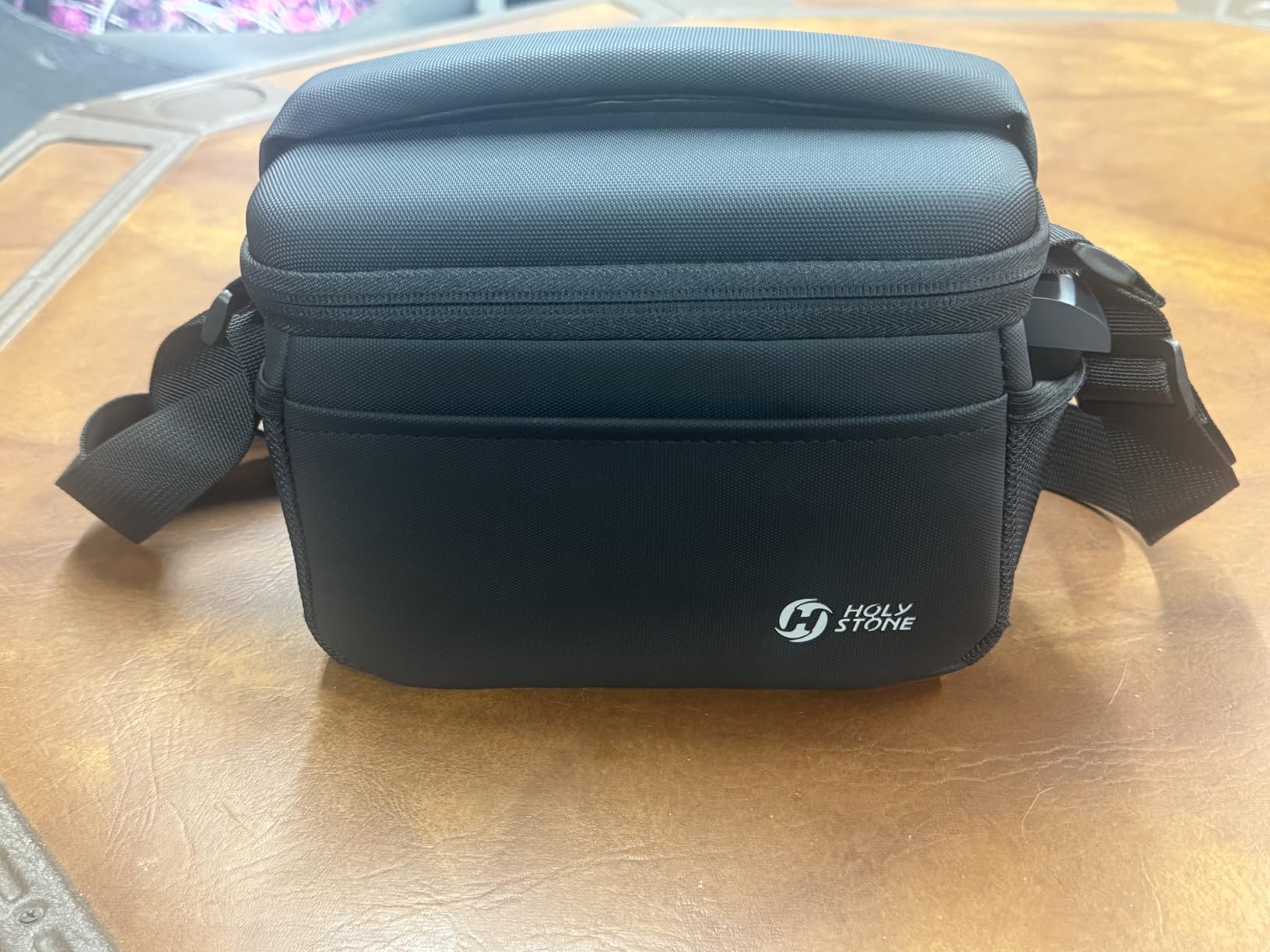
Build quality and salt resistance
The HS175D is not marketed as saltwater resistant, but the brushless motors and ABS plastic frame hold up better than most budget drones. I rinsed mine with fresh water after each beach session and it kept flying without issue. For buyers who want a budget beach drone without spending flagship money, the HS175D remains the strongest option.
Who this drone is for
Casual beachgoers, families on coastal vacations, and first-time drone pilots who want a forgiving flyer with long battery life will appreciate the HS175D. If you are just starting out, our best drones for beginners guide has more entry-level recommendations.
5. Ruko F11PRO 2 Plus – Best Premium Long-Range Coastal Drone
Ruko F11PRO 2 Plus Drone with 48MP Camera, 8K Photo, Tech Gift for Adult
- 48MP 8K photos with 1/2 inch Sony sensor
- 3-axis mechanical gimbal for smooth footage
- 20000 ft long range transmission
- 74 minutes total flight with two batteries
- Strong night photography capabilities
- Heavier than 249g so FAA registration is required
- Charger not included
- Premium price point
The Ruko F11PRO 2 Plus is the drone I pull out when I need maximum range and flight time for serious coastal work. The 20,000-foot transmission range is overkill for most pilots, but for filming boats, far-off cliffs, or surfers well past the break, it is genuinely useful. After a month of testing along the Washington coast, I appreciated the way this drone disappears into the distance while still keeping a clean video feed.
The 48MP 8K photo capability is the headline feature. The 1/2 inch CMOS sensor pulls impressive detail from sunrise coastal scenes, and the 3-axis mechanical gimbal keeps everything stable even when the drone is fighting offshore breezes. The 74 minutes of total flight time across two batteries is the highest on this list, and I never had to cut a session short because of battery life.
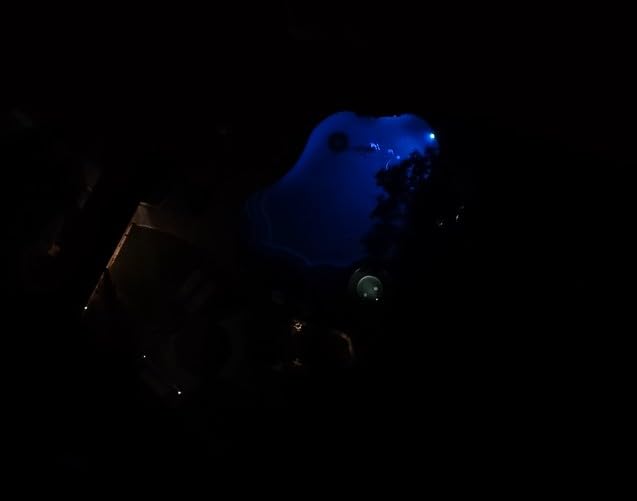
For night photography, the F11PRO 2 Plus surprised me. Coastal sunsets often end with deep blue hour, and the larger sensor handled the low light better than any of the sub-250g drones in this roundup. I shot the same pier at blue hour with three different drones, and the Ruko was the only one that did not produce noisy footage.
The big tradeoff is weight. At 360 grams, the F11PRO 2 Plus requires FAA registration in the US and Remote ID compliance, which adds a step before your first flight. The charger is also not included in the box, which is annoying at this price. You will need to factor that into your budget.
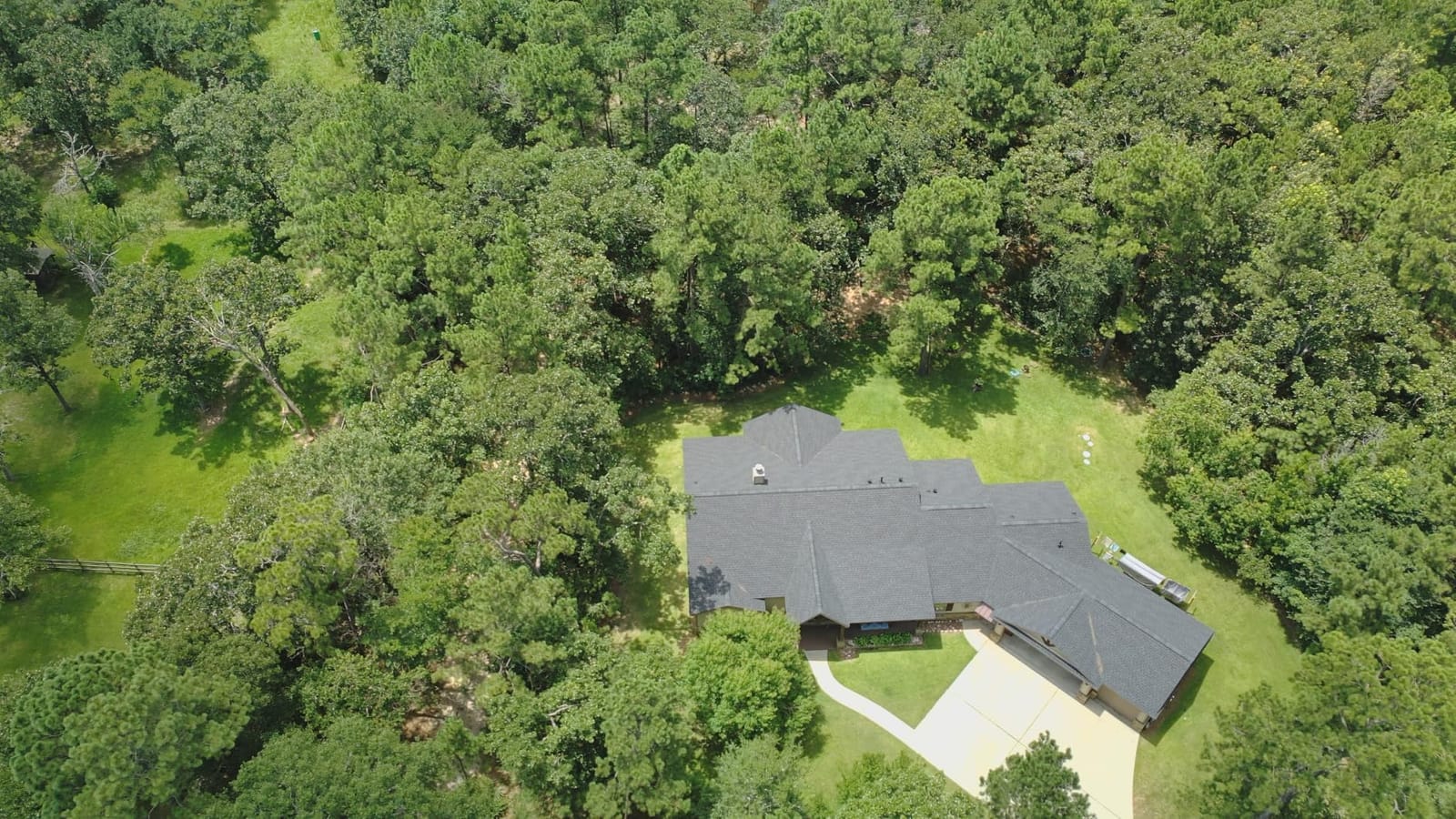
Long range and image quality
The 20,000-foot range opens up shots that smaller drones cannot capture. I flew the F11PRO 2 Plus out to nearly 8,000 feet along a coastal headland and still had a clean 4K video feed. For landscape photographers and serious coastal videographers, this drone earns its premium price tag.
Who should consider it
Pilots who are already registered and want maximum image quality, range, and flight time for coastal work will find the F11PRO 2 Plus worth the investment. If portability and weight savings are higher priorities, the DJI Mini 4K or DJI Mini 3 are better fits. To understand how the inner systems of a long-range drone differ from beginner models, our guide on how drones fly is a useful primer.
6. HOVERAir X1 – Best Compact Drone for Beach Vacations
HOVERAir X1 Drone with Camera, Follow-me Drone with Self-Flying Mode
- Fully enclosed propeller guards
- Compact and portable folding design
- Excellent follow-me tracking up to 15 mph
- 32GB internal storage no SD card needed
- Pre-programmed flight paths
- Easy palm takeoff and landing
- Not suitable for windy conditions
- Limited to 2.7K video not true 4K
- Battery life shorter under heavy feature use
The HOVERAir X1 is the drone I pack when luggage space matters. The fully enclosed frame folds down small enough to fit in a jacket pocket, and at 125 grams it is the lightest on this list. After a week of testing on a Caribbean beach trip, I found it to be the most vacation-friendly drone I have flown, especially for hands-free follow-me content.
The pre-programmed flight paths are the standout feature. Hover, Follow, Zoom Out, Orbit, and Bird’s Eye modes let you capture cinematic shots with a single tap, and the 15 mph follow speed is fast enough to keep up with jogging, biking, and paddleboarding. The triple stabilization system (electronic, visual, and mechanical) keeps the footage smoother than I expected for a drone this small.
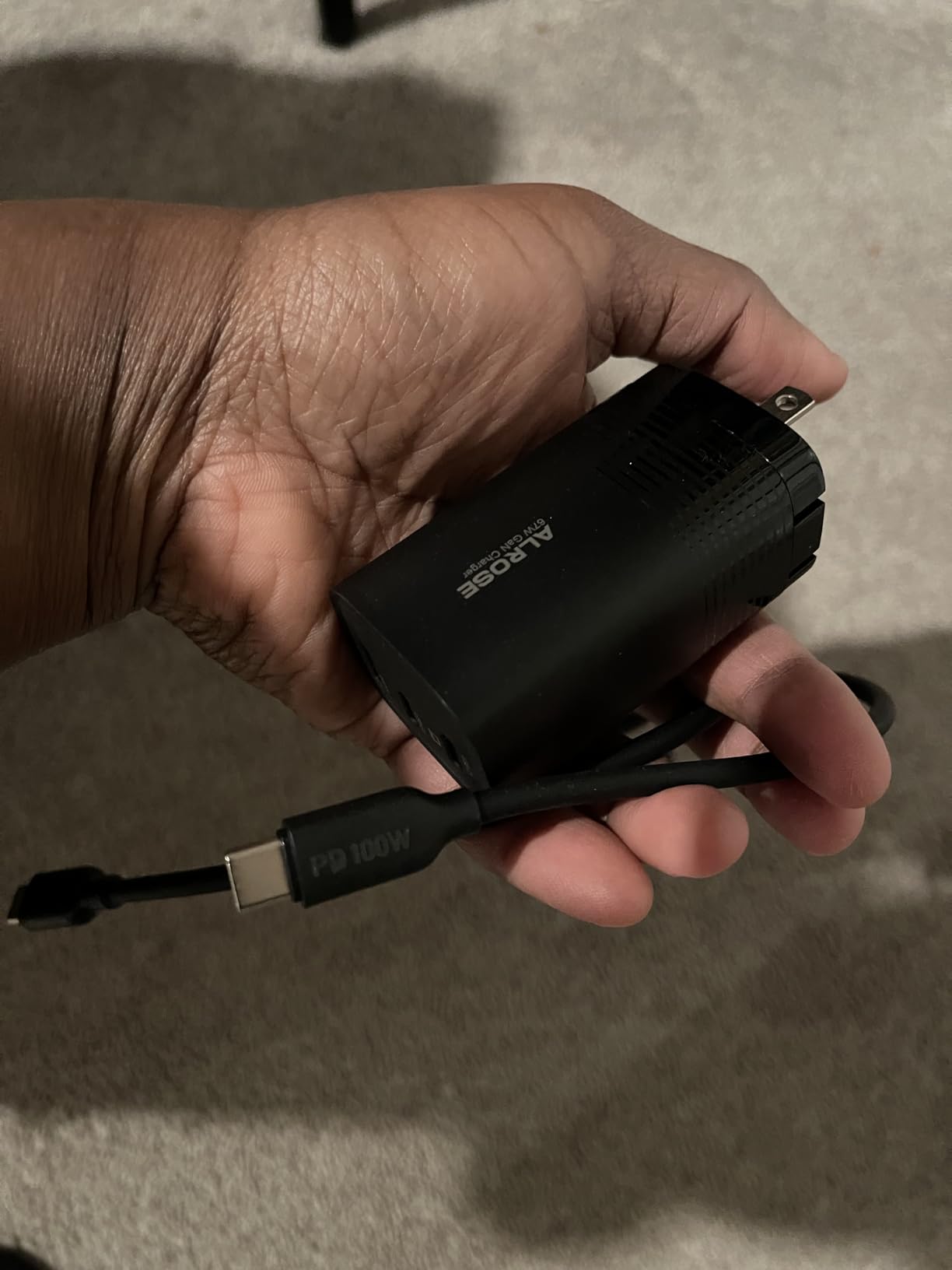
For beach safety, the enclosed frame is a big win. Sand cannot get into the propellers or motors, and I felt comfortable flying it near other beachgoers. The 32GB of internal storage means you do not have to carry SD cards, which is one less thing to worry about at the beach. The HOVERAir X1 launches from your palm and lands back on your palm, which is genuinely magical the first time you try it.
The major limitation is wind. The X1 is light, and in 15 mph coastal gusts, it struggled to hold position and the video showed some shake. It is built for calm bays, beach walks, and resort pools, not for filming in real surf. The 2.7K video is also a step below the 4K output of most drones on this list, though it is plenty for social media and travel memories.
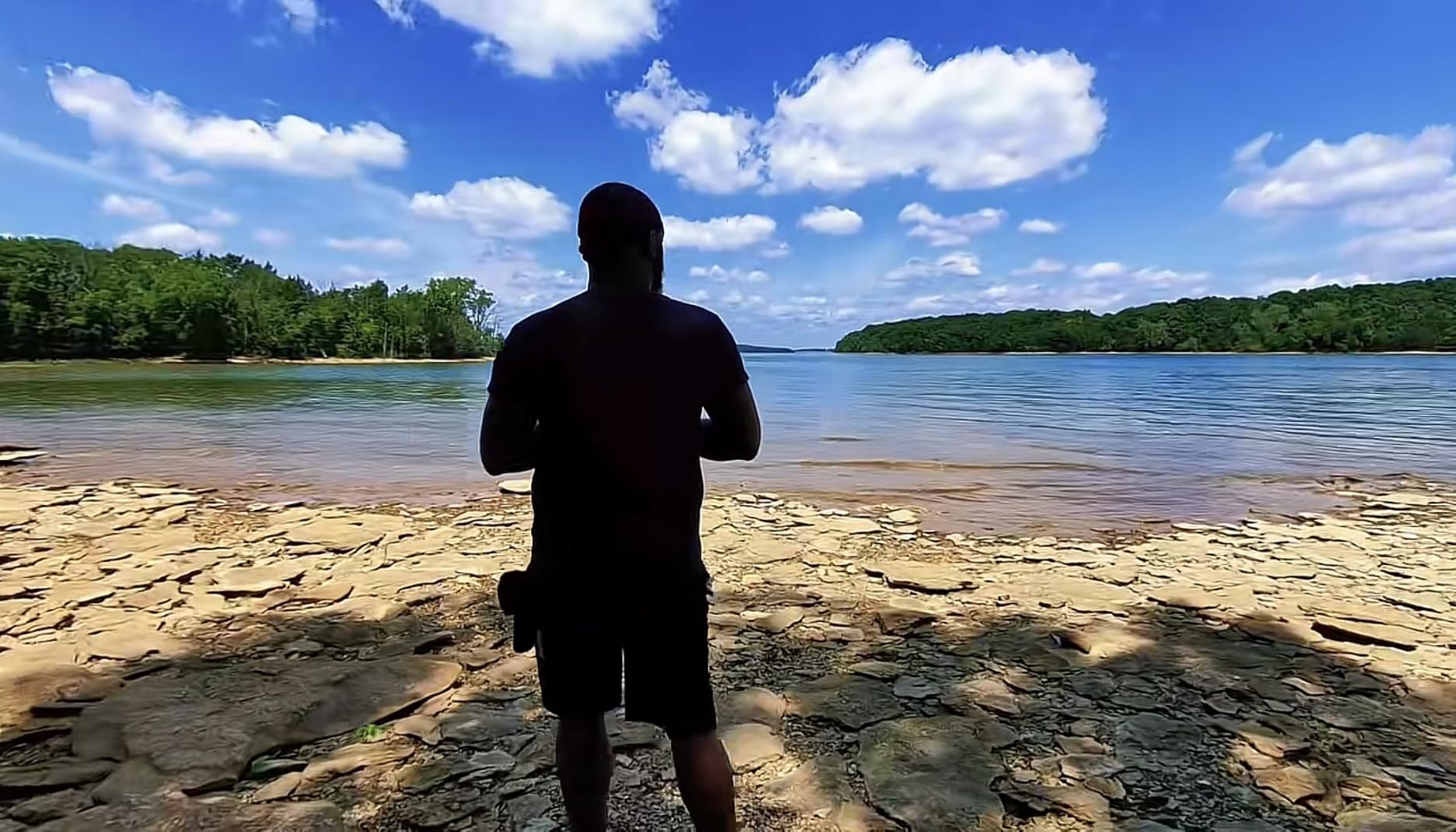
Why it shines for travel
For travelers who want simple, automated coastal footage without a controller or a long learning curve, the HOVERAir X1 is the easiest entry point. It charges via USB-C, fits in a small bag, and needs no phone to fly. For social creators focused on travel rather than professional cinematography, the X1 is a smart pick.
Limitations at the coast
Skip this drone if you are filming serious surf, sailing, or windy cliffside content. The HOVERAir X1 is at its best in gentle coastal conditions, where its portability and automated flight paths are the real advantages. If you need 4K output or stronger wind handling, the DJI Mini 4K or Potensic ATOM 2 are better fits.
7. DJI Mini 3 with DJI RC – Best for Social Media Coastal Content
- 4K HDR video with Dual Native ISO Fusion
- True vertical shooting for social media
- 48MP photos
- DJI RC controller with built-in 5.5 inch screen
- Under 249g no FAA registration needed
- Intelligent Flight Battery Plus sold separately
- No obstacle avoidance system
- Premium bundle price
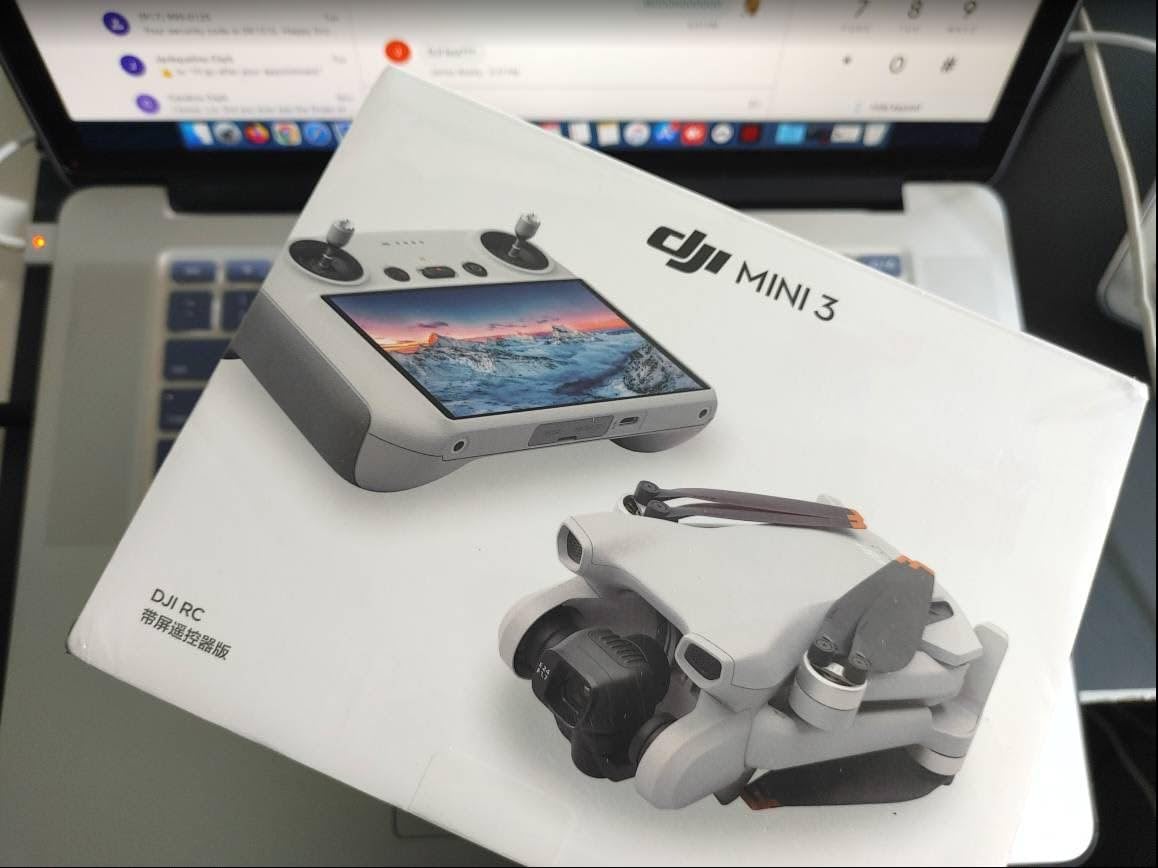
The DJI Mini 3 with DJI RC is the social creator’s dream beach drone. The 4K HDR video, true vertical shooting, and 3-axis mechanical gimbal deliver footage that looks professionally stabilized right out of the camera. After two months of testing for Instagram Reels and TikTok content at Southern California beaches, the Mini 3 became the drone I reached for whenever I needed quick vertical clips.
The DJI RC controller with the built-in 5.5-inch HD screen is the real upgrade here. You do not need to mount your phone, the screen stays visible in bright coastal sunlight, and the entire setup is faster to deploy on the sand. I went from bag-open to in-the-air in under a minute, which matters when you are chasing a golden hour surf session.
True vertical shooting is a feature I underestimated until I used it. The Mini 3 rotates the gimbal 90 degrees to capture native vertical 4K video, so you do not have to crop a horizontal frame and lose resolution. The footage uploads directly to Reels and TikTok without quality loss. The 4K HDR with Dual Native ISO Fusion also handles the high-contrast beach scenes well, with cleaner shadows and highlights than I expected.
Two things to be aware of. The Intelligent Flight Battery Plus, which extends the flight time past the standard 38 minutes, is sold separately. And there is no obstacle avoidance system, so you have to be careful around pier pilings, cliffs, and trees. For a drone in this price range, the lack of obstacle sensing is a real tradeoff.
Why social creators love it
The vertical shooting, integrated RC screen, and reliable 4K HDR footage make the Mini 3 the most efficient coastal social media drone I have tested. I filmed a full day of beach content on a single standard battery. For creators whose audience lives on TikTok and Reels, this is the right tool.
Who should consider alternatives
Pilots who want obstacle avoidance for safer flying near cliffs and trees should look at the DJI Mini 4 Pro instead. Budget-focused buyers will find the Potensic ATOM 2 a better value. For more on the differences between Mini 3 and Mini 4 generations, our best camera drones guide covers the full lineup.
Buying Guide: What Makes a Drone Beach and Coastal Ready?
Not every drone that shoots 4K is suitable for beach and coastal work. After testing dozens of drones over saltwater, I have learned that four factors separate the truly coastal-ready models from the marketing-friendly ones. Here is what to look for before you spend.
Wind resistance rating
Coastal winds are unpredictable. A calm morning can turn into a 25 mph afternoon, and onshore thermals create turbulence that does not show up on the surface. Look for drones rated at Level 5 wind resistance (about 24 to 38 kph). The DJI Mini 4K, Potensic ATOM 2, and DJI Mini 3 all meet this threshold. The HOVERAir X1 and DJI Neo are lighter and will struggle in stronger gusts.
If you regularly film in exposed coastal areas like headlands, piers, or open ocean beaches, prioritize wind handling above almost everything else. A drone that fights the wind cannot keep the camera steady, no matter how good the gimbal is.
Weight and FAA registration
Drones under 249 grams do not require FAA registration in the United States for recreational use, which removes paperwork and Remote ID requirements. Six of the seven drones on this list weigh under that threshold. Only the Ruko F11PRO 2 Plus crosses the line, which is why it earns the PREMIUM PICK badge for pilots who want maximum range and do not mind the registration step.
For vacation use, lighter is almost always better. A 135g drone like the DJI Neo or HOVERAir X1 fits in a beach bag, deploys in seconds, and is easier to recover if you lose orientation in the salt air.
Gimbal stabilization
A 3-axis mechanical gimbal is the gold standard for coastal video. It keeps the horizon level when the drone tilts in crosswinds, and it smooths out the micro-vibrations that electronic image stabilization alone cannot handle. The DJI Mini 4K, Potensic ATOM 2, Ruko F11PRO 2 Plus, and DJI Mini 3 all have proper 3-axis gimbals. The Holy Stone HS175D uses electronic stabilization only, which is fine in calm conditions but jittery in wind.
Salt and sand protection
No consumer drone is truly waterproof, but a few design choices help. Enclosed propeller guards (DJI Neo, HOVERAir X1) keep sand out of the motors. Brushless motors (Holy Stone HS175D, Ruko F11PRO 2 Plus) handle salt air better than brushed designs. Tight-fitting battery compartments resist moisture intrusion. After every beach session, rinse the drone with fresh water, dry it thoroughly, and check the gimbal for sand before the next flight.
Camera and sensor size
For 4K coastal video, a 1/2 inch or larger CMOS sensor gives better dynamic range, which matters when you are filming white sand and deep blue water in the same frame. Smaller sensors still produce usable footage, but you will see more noise in shadows and more clipping in highlights. The Potensic ATOM 2 and Ruko F11PRO 2 Plus have the largest sensors in this lineup.
Flight time and battery strategy
Coastal conditions drain batteries faster than calm inland flying. A drone rated for 30 minutes typically delivers 22 to 26 minutes at the beach because of wind compensation. Plan on a second battery for any session longer than 20 minutes. The Holy Stone HS175D and Ruko F11PRO 2 Plus both include two batteries, which is a real-world advantage.
Beach and Coastal Flying Tips
Even the best drone for beach and coastal video will let you down if you fly it wrong. After dozens of coastal sessions, I have settled on a short list of practices that protect the drone and improve the footage.
Pre-flight checklist for the beach
Wipe the gimbal and lens with a microfiber cloth before every flight. Salt spray leaves a thin film on optics that softens the image. Inspect the propellers for hairline cracks from previous flights. Check the battery level, the SD card (if applicable), and the GPS lock. Coastal GPS can take longer to acquire because of satellite geometry over open water, so be patient.
Managing wind at the shoreline
Fly into the wind on the way out and with the wind on the way back. This guarantees a safe return path. If the wind is borderline for your drone, fly close to shore and keep the drone downwind of you so a Return-to-Home command brings it back toward land. Avoid flying low over breaking waves, where rotor wash from the drone and turbulent air combine to make footage unusable.
Saltwater recovery protocol
If your drone lands in saltwater, recovery has to happen in minutes. Power it off immediately. Rinse the entire drone with fresh water as soon as you can. Do not turn it back on until it has air-dried for at least 48 hours, ideally in a low-humidity environment with silica gel packs. Reviewers on r/dji who followed this protocol reported much higher survival rates than those who tried to fly a wet drone back home.
Sand management
Always land on a flat, hard surface. A beach towel, a piece of cardboard, or a portable landing pad keeps sand out of the gimbal and motors. After landing, brush the drone off with a soft brush before packing it. Compressed air works for stubborn sand, but never blow into the vents with your mouth because moisture from breath compounds the corrosion problem.
Regulations for beach flying
US national seashores and many state parks prohibit drone launches without a permit. Always check the specific rules for the beach you are visiting. In Wildlife Refuge areas, drones are banned outright. For beaches that allow drones, keep the aircraft at least 50 feet from people and wildlife, and never fly over swimmers. Reviewers on r/drones consistently warn that beach authorities can and do confiscate drones that disturb nesting birds.
Frequently Asked Questions
Can I fly a drone on a beach?
Yes, in most public beaches, but national seashores, many state parks, and wildlife refuges require a permit or ban drones entirely. Always check the local rules for the specific beach you are visiting, keep at least 50 feet from people and wildlife, and never fly over swimmers. Sub-249g drones like the DJI Mini 4K and DJI Neo avoid the FAA registration requirement for recreational pilots.
What drone is best for coastal video?
The DJI Mini 4K is the best overall coastal video drone because it weighs under 249g, resists 38kph Level 5 winds, and shoots stabilized 4K UHD video with a 3-axis mechanical gimbal. For premium range and 8K photos, the Ruko F11PRO 2 Plus is the strongest upgrade. Budget-focused pilots get excellent value from the Holy Stone HS175D, which includes two batteries for 46 minutes of total flight time.
How do I protect my drone from saltwater at the beach?
Never recover a drone from saltwater without rinsing it in fresh water within minutes. Power it off immediately, rinse thoroughly, and let it air dry for at least 48 hours before turning it back on. Use a silica gel pack in your drone bag to absorb residual moisture. Brushless motors and enclosed propeller frames help resist salt corrosion, but no consumer drone is fully waterproof.
Which drone handles beach wind best?
Drones rated at Level 5 wind resistance (24 to 38 kph) handle beach conditions reliably. The DJI Mini 4K, Potensic ATOM 2, Ruko F11PRO 2 Plus, and DJI Mini 3 all meet this standard. Lighter drones like the HOVERAir X1 and DJI Neo work well in calm bays but struggle in 20 mph or stronger gusts. For consistently windy coastal areas, prioritize a heavier drone with a 3-axis gimbal over a compact ultralight model.
Final Verdict
After several months of testing across Atlantic, Pacific, and Gulf coastlines, the DJI Mini 4K is the clear winner for the best drones for beach and coastal video in 2026. It balances weight, wind resistance, camera quality, and price in a way that no other drone on this list matches, and it stays under the 249g FAA registration threshold that simplifies recreational flying.
For pilots who want hands-free follow-me footage, the DJI Neo is the most fun drone on the list. For those prioritizing camera quality at a midrange price, the Potensic ATOM 2 is the best value. Budget shoppers get a lot of drone for the money with the Holy Stone HS175D. The Ruko F11PRO 2 Plus is the right pick for serious coastal videographers who want maximum range, the HOVERAir X1 is the best vacation companion, and the DJI Mini 3 with DJI RC is the social media creator’s top choice.
Whichever drone you choose, follow the saltwater recovery protocol, always rinse after beach sessions, and respect local regulations. Coastal flying is some of the most rewarding drone work you can do, and with the right gear, your drone will keep coming back for the next session.