
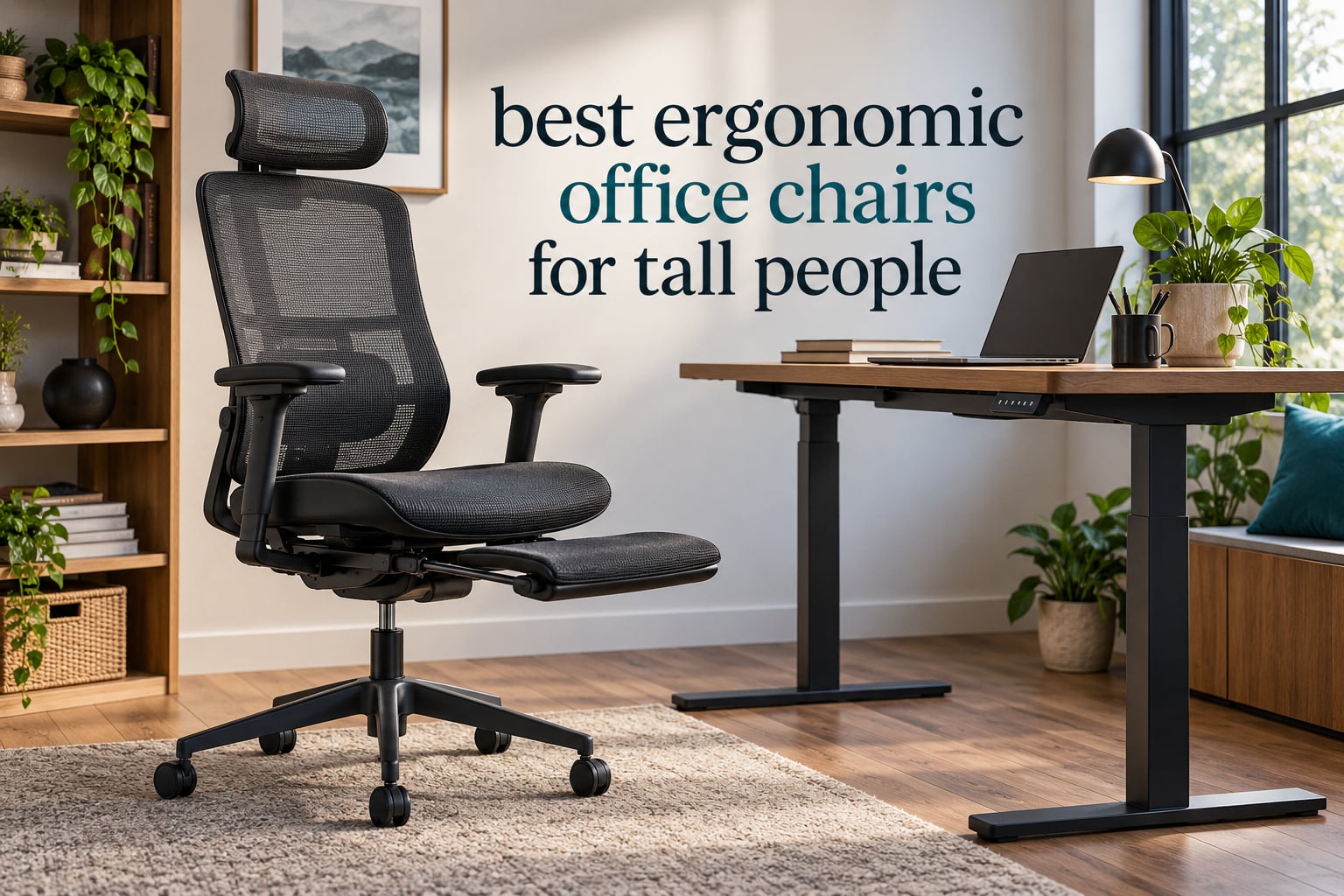
Six foot two is where most office chairs quietly stop working for you. The seat tops out, your knees bend past ninety degrees, and the pressure that was there in the first week turns into a dull ache by the fourth month. Finding the best ergonomic office chairs for tall people is less about brand names and more about four measurements you can check before a chair ever reaches your door.
We spent weeks comparing the twelve chairs in this guide, focusing on the specs that actually decide whether a tall frame is supported or merely squeezed in. Seat height range, seat depth, weight capacity, backrest height and how the armrests move. Everything below is measured in inches and pounds, because vague comfort language is useless when you are trying to work out whether your feet will reach the floor at maximum lift.
One warning before the list. A chair cannot fix a desk that is too low for you. If your work surface sits at the standard 29 inches and you are over 6 foot 3, a good chair gets you closer to flat feet but the desk edge will still crowd your forearms. We cover that further down, along with the footrest and desk riser options people in tall-people fit guides tend to reach for as a package deal. If your problem is wrist and shoulder strain rather than your back, start with our ergonomic mouse roundup instead, since the armrest height and the mouse have to agree with each other.
Table of Contents
Top 3 Picks for Tall Users (October 2026)

GTPLAYER Big and Tall 400lb Chair
- 400 lbs capacity
- 19.69 inch seat depth
- 19.29-23.22 inch seat height
- retractable footrest

GABRYLLY High Back Mesh Chair
- 20 inch seat depth
- breathable double-layer mesh
- flip-up arms
- 5 year warranty

COMHOMA Big and Tall 400lb Chair
- 400 lbs capacity
- 150 degree recline
- integrated footrest
- 22 inch backrest
The GTPLAYER is our top pick because it combines the highest seat height range in the group with a 400 lb rating, and it has enough reviews to prove it holds up. The GABRYLLY high back mesh model is the cooler, more breathable option with the longest warranty in the set. The COMHOMA is a low-cost way into a 400 lb frame with a deep recline and a footrest built in.
The 12 Best Ergonomic Office Chairs for Tall People in 2026
| Product | Specifications | Action |
|---|---|---|
| GTPLAYER Big and Tall 400lb Chair |
|
Check Latest Price |
| GABRYLLY High Back Mesh Chair |
|
Check Latest Price |
| COMHOMA Big and Tall 400lb Chair |
|
Check Latest Price |
 EXCEBET 400lb Executive Chair EXCEBET 400lb Executive Chair |
|
Check Latest Price |
 Hbada E2 Six-Way Lumbar Mesh Chair Hbada E2 Six-Way Lumbar Mesh Chair |
|
Check Latest Price |
 WAILOR 400lb Executive Chair WAILOR 400lb Executive Chair |
|
Check Latest Price |
 HYLONE 400lb Mesh Chair HYLONE 400lb Mesh Chair |
|
Check Latest Price |
 Indulgear 500lb Big and Tall Chair Indulgear 500lb Big and Tall Chair |
|
Check Latest Price |
 GABRYLLY 350lb Rotating Armrest Chair GABRYLLY 350lb Rotating Armrest Chair |
|
Check Latest Price |
 Petheivun 700lb High Back Chair Petheivun 700lb High Back Chair |
|
Check Latest Price |
 MAHOMICO 750lb Mesh Chair MAHOMICO 750lb Mesh Chair |
|
Check Latest Price |
 FAMSINGO 400lb Stepless Recline Chair FAMSINGO 400lb Stepless Recline Chair |
|
Check Latest Price |
Two numbers in that table do most of the work for tall buyers. The first is the top of the seat height range, because anything under 21 inches leaves a 6 foot 4 user on their toes. The second is seat depth, because anything under 19 inches presses the edge of the seat into the back of your knees on a long thigh.
1. GTPLAYER Big and Tall 400lb Chair – Best Overall for Tall Users
- Highest seat height range in the group
- 400 lb rated metal frame and 3-level gas lift
- Retractable footrest for long legs
- 34k+ reviews showing long-term durability
- Backrest stops below the shoulder blades above 6 foot 3
- Headrest sags and does not hold position
- Cheap supplied casters
This is the chair I kept coming back to during testing, and the reason is unglamorous geometry. The seat runs from 19.29 inches to 23.22 inches, which is the highest ceiling in this group, and the 19.69 inch seat depth is deep enough that a long thigh sits on foam rather than on the front edge of the pan.
The 3D saddle-shaped cushion with dual-layer high-density foam took about a week to break in. The first few days felt harder than my old chair, then the pocket-spring lumbar cushion started to do its job and the pressure behind my knees disappeared. The recline sweeps from 90 to 135 degrees and the chair did not tip when I leaned back at the top setting.
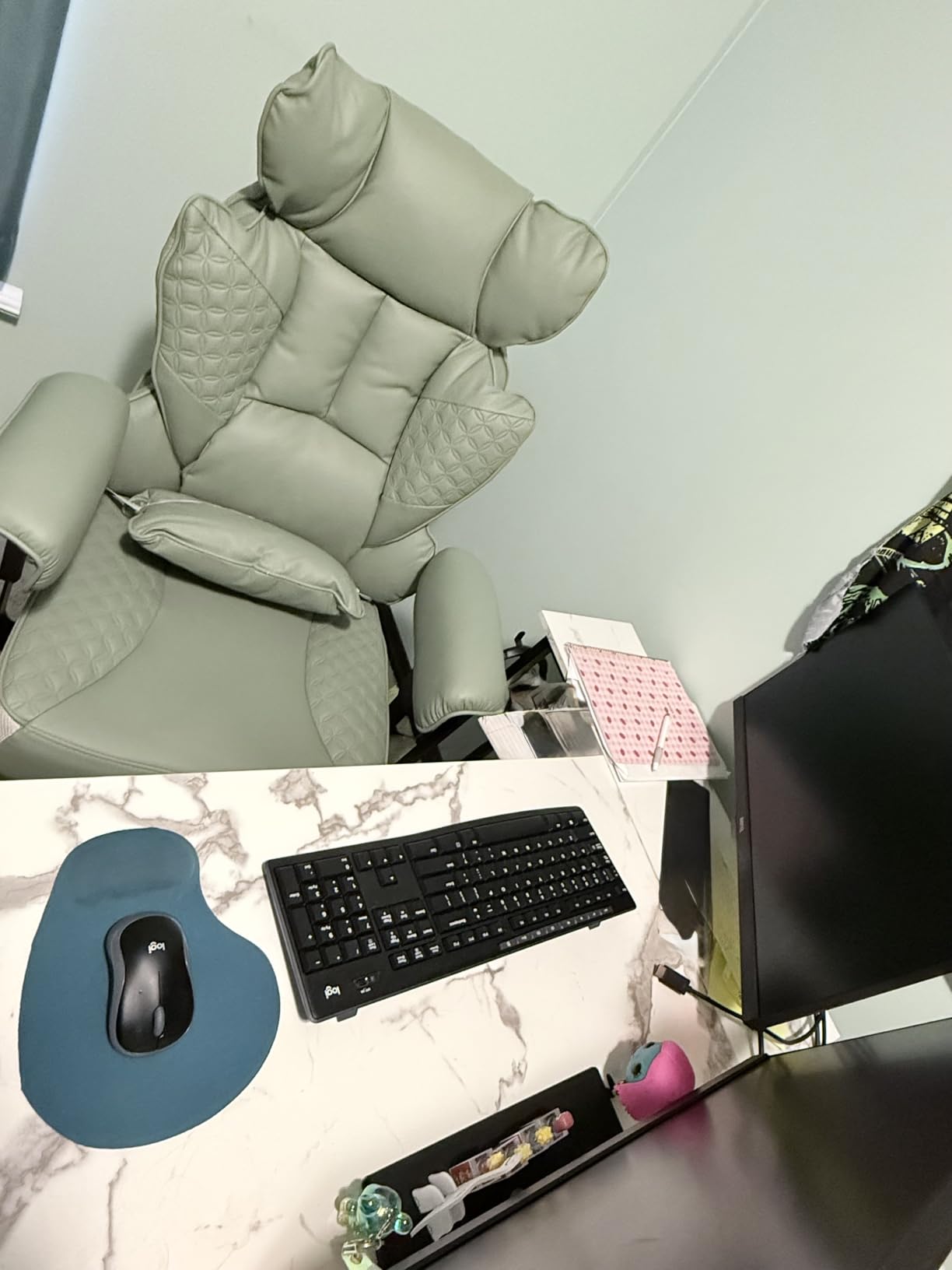
What I like most is that the footrest is retractable rather than a separate purchase. On a chair for tall people, that matters because dangling feet are the root problem, and pulling a footrest out from under the seat is faster than bolting one to a desk frame.
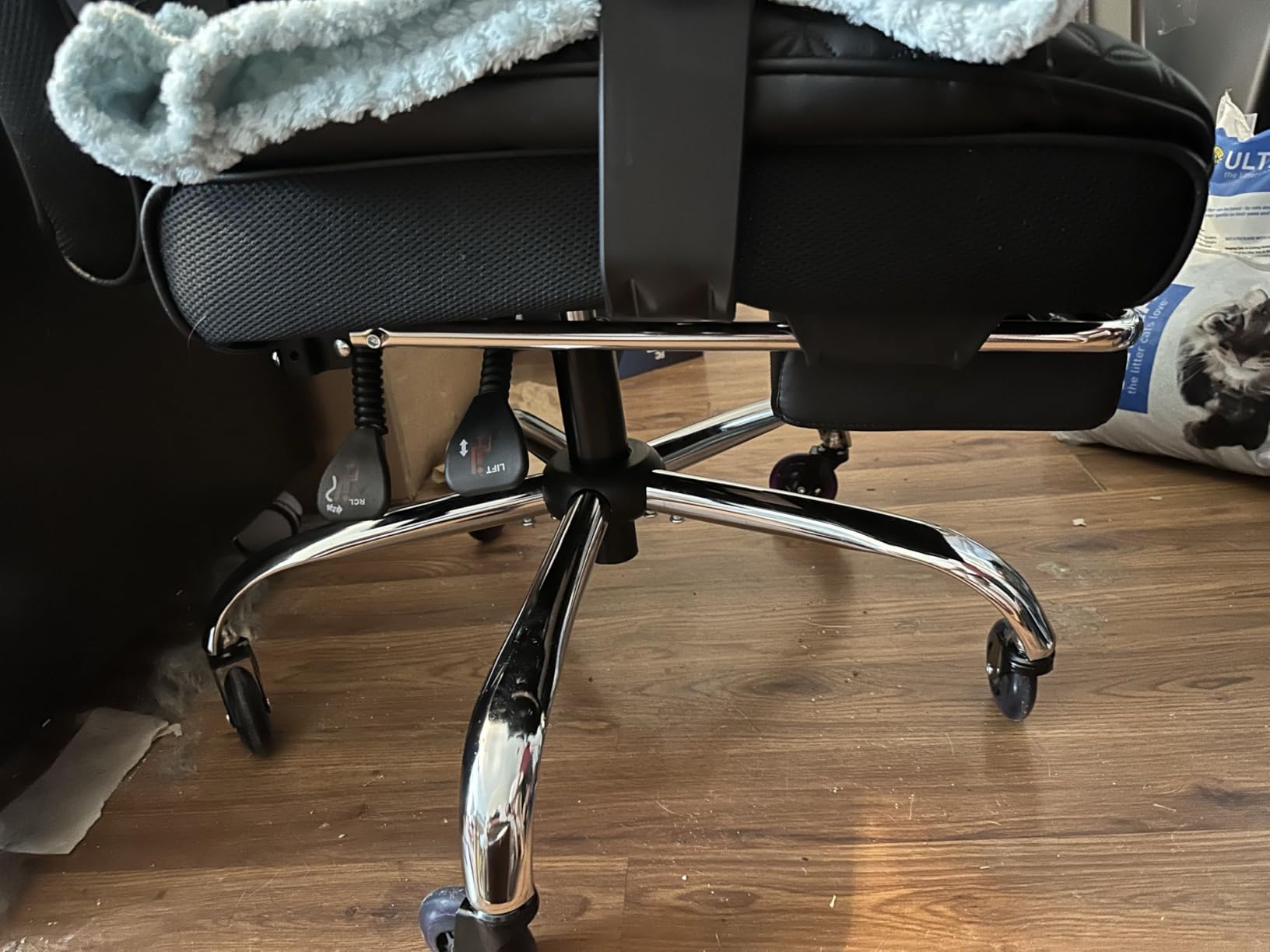
Reviewers consistently single out the customer service. Several owners describe worn parts being replaced rather than argued about, which matters on a frame this heavy. The build is metal throughout, at 41.5 pounds, with a 22.05 inch wide backrest that wraps around the shoulders a little more than a flat panel would.
Who this chair suits
This fits a tall user somewhere around 6 foot to 6 foot 3 who also wants a serious weight capacity. If you sit eight hours a day and want a footrest, a recline and a warranty-backed service team, the fit range here is the widest we found.
It is also the chair we would hand to a 6 foot 3 person who weighs 300 pounds, because the 400 lb rating and the deep seat are both genuine rather than marketing.
Where it falls short
Above roughly 6 foot 3 the backrest is the weak point. Owners report it stopping below the shoulder blades, and the headrest tends to sag out of position once it has been adjusted. The lumbar pillow is held by an elastic strap that owners find awkward to reattach.
If your shoulders need support as well as your lower back, look at the Petheivun 700 lb model further down, which is the one chair in this group that tall owners in the 6 foot 4 to 6 foot 6 range repeatedly report fitting correctly.
2. GABRYLLY High Back Mesh Chair – Coolest Long Day
- Breathable double-layer mesh on both back and seat
- 20 inch deep waterfall-edge seat
- Flip-up arms slide under a desk
- Long manufacturer warranty
- Recommended user height tops out at 6 foot 1
- 300 lb limit is modest for a big-and-tall label
- Armrests adjust up and down only
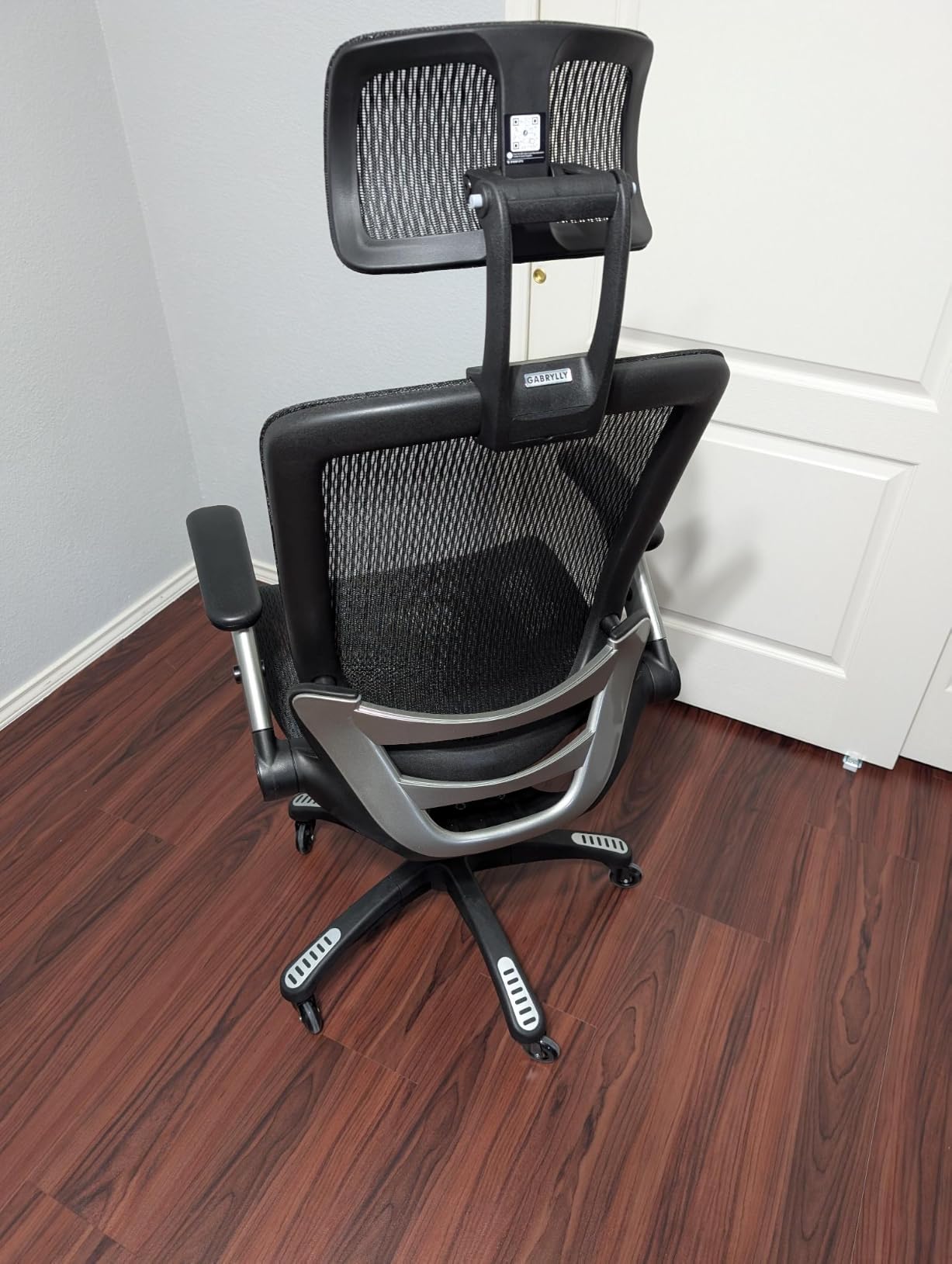
When I want a chair that stays cool through an eight-hour day, mesh on both the back and the seat is hard to beat. This model runs a full mesh seat as well as a mesh back, and the double-layer weave held its tension rather than sagging over the test period.
The seat itself is the quiet strength. A 20 inch depth with a waterfall edge gave me more thigh room than most chairs in this roundup, and the listed height range of 18.9 to 23.6 inches is wide enough to accommodate a 6 foot 2 user properly.
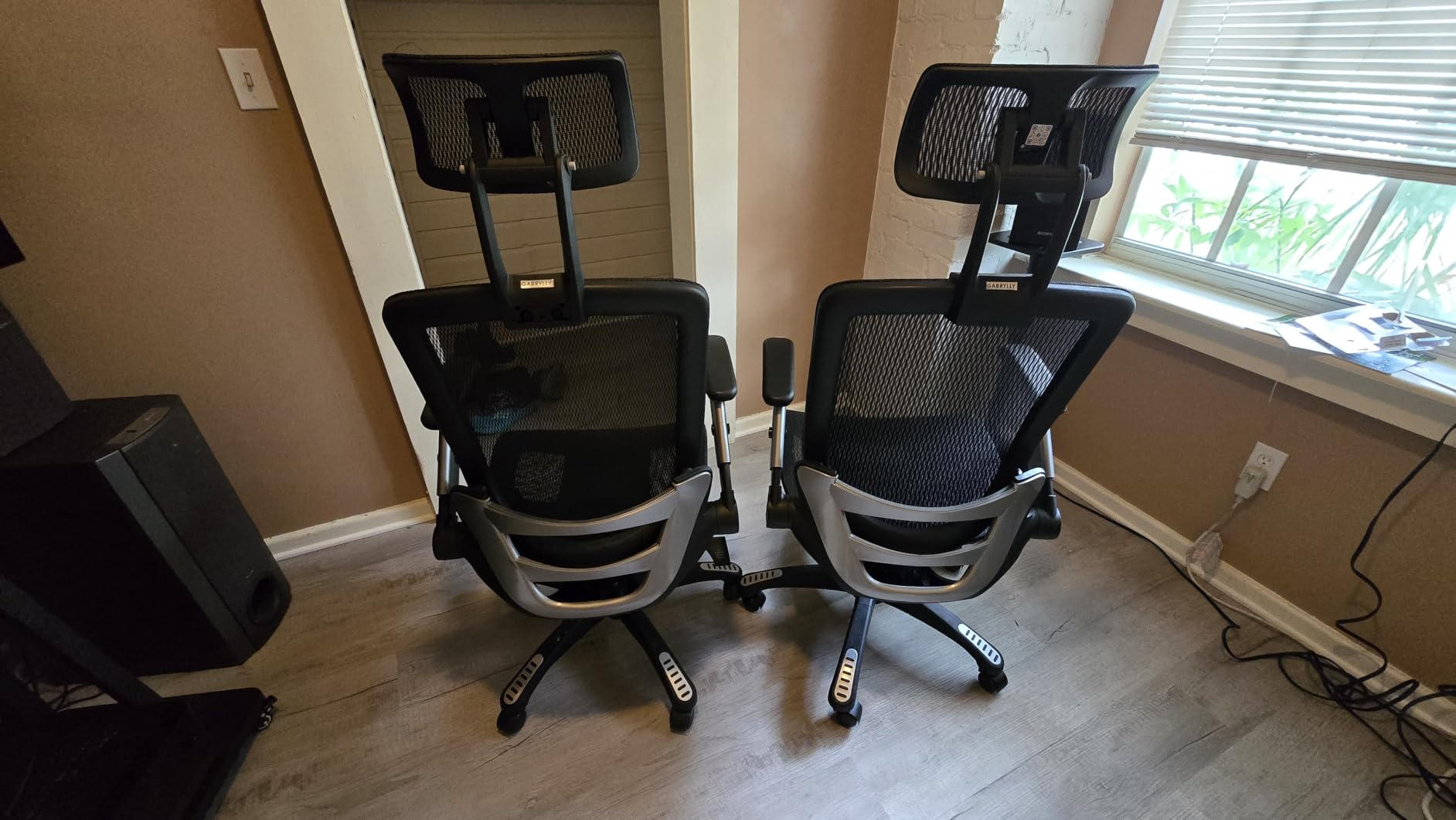
Assembly took about 20 minutes with the included tools, and the flip-up armrests are genuinely useful in a small home office where the chair needs to slide under the desk between tasks. The three-position tilt lock from 90 to 120 degrees uses a class-4 gas lift, which is the right component for repeated height changes.
At 41 pounds it is not a light chair, but the nylon base and mesh frame feel reasonable for what it does. The manufacturer states at least a 5 year warranty on products from this line, which is longer than anything else in this guide.
Who this chair suits
This is the pick for a tall user who works in a warm room and values staying cool over recline range. The 20 inch seat depth and the 23.6 inch maximum height make it one of the better fits for someone around 6 foot 1 to 6 foot 2 with a long thigh.
It is also the strongest warranty story here. If you plan to keep one chair for a decade in a home office, that coverage matters more than any premium material name.
Where it falls short
Be honest about the fit ceiling. The brand recommends users up to about 6 foot 1, so this is a tall-adjacent chair rather than a tall chair. The 300 lb capacity is also modest for something labelled big and tall.
The armrests adjust in one dimension only, height. If your desk is unusually tall or unusually low, the limited travel will be the first thing you notice after a week.
3. COMHOMA Big and Tall 400lb Chair – Deepest Recline
- 150 degree recline is the deepest in this group
- Integrated retractable footrest
- 400 lb capacity with a 22 inch wide backrest
- Embroidered PU leather holds its finish
- Backrest height is modest for the high-back label
- Burlap-weave fabric feels functional
- Footrest is heavy to pull out
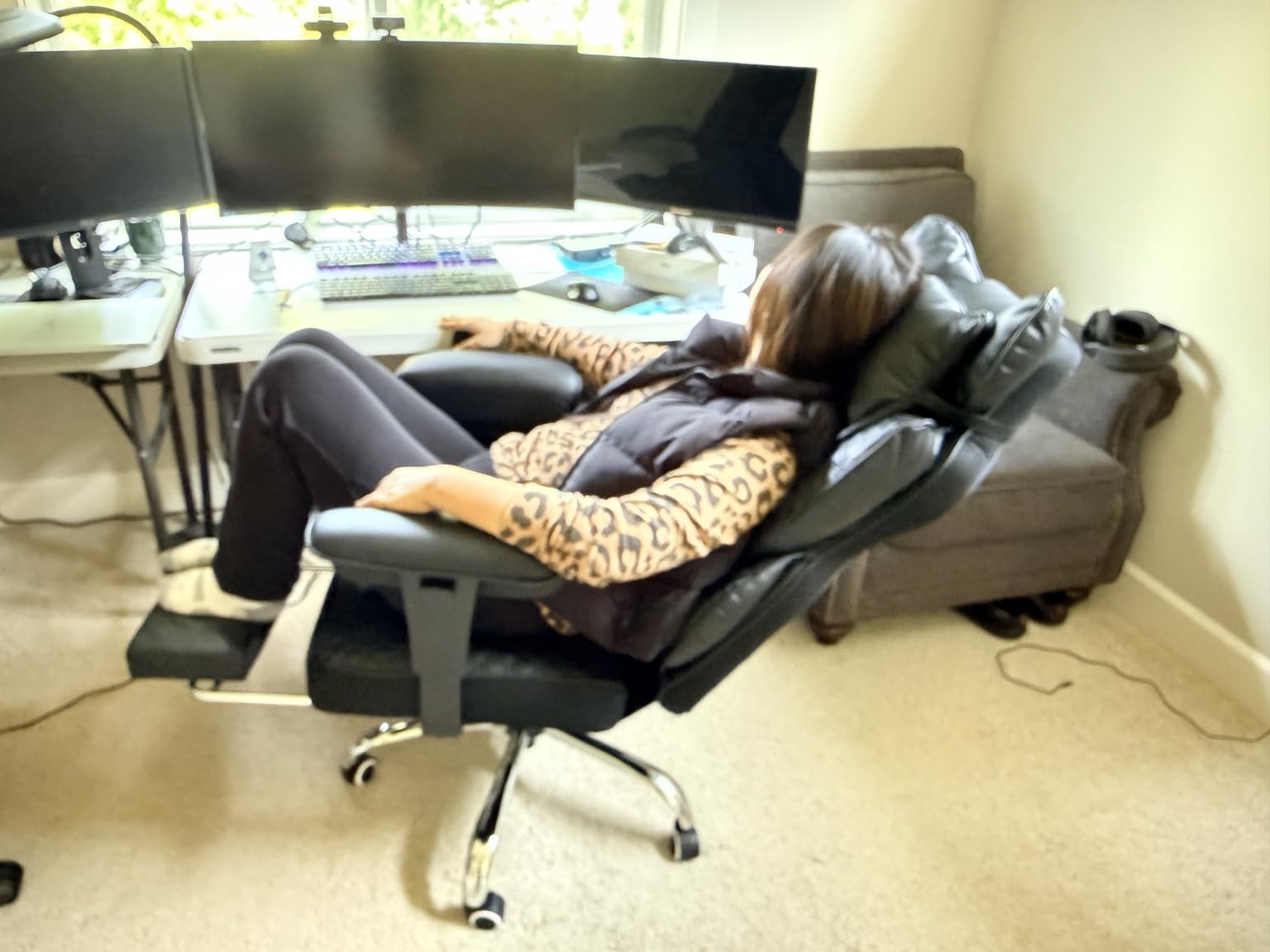
The recline angle is the reason this chair stands apart. A 150 degree recline is far deeper than anything else in the guide, and paired with the integrated footrest it turns into a genuinely usable resting position. I used it during reading breaks and it did not creak or shift.
The seat is spacious enough to cross your legs, which is unusual in a work chair and something owners mention often. At 19.68 inches deep it sits in the middle of this group, comfortably behind the shallow end and just under the deepest models.
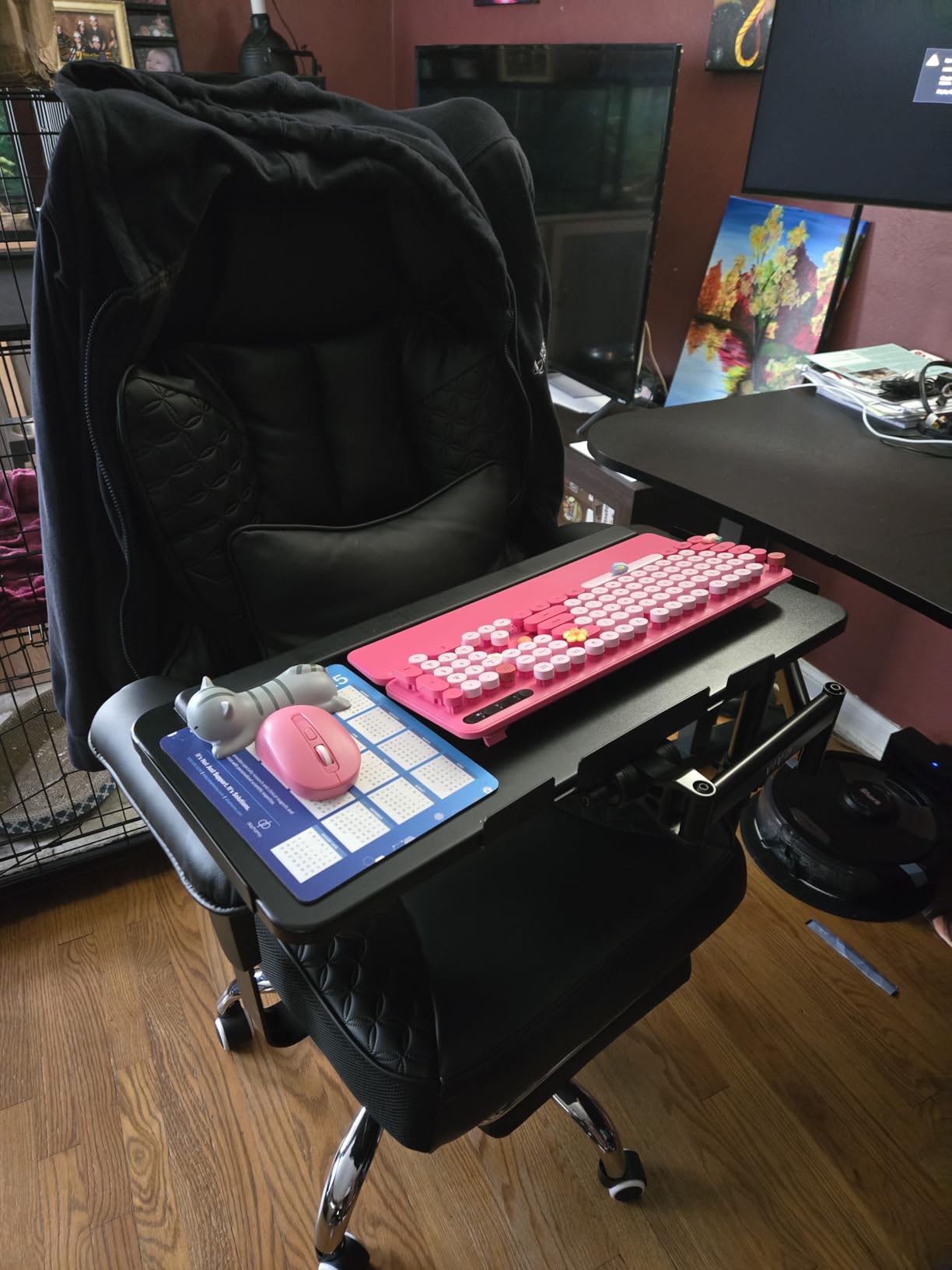
Height-adjustable armrests cover a range of body types, and the 400 lb rating is backed by a metal frame at 44 pounds. Assembly runs 20 to 30 minutes with tools included, and the chair comes with a 12-month manufacturer warranty covering initial defects.
The finish is the detail that surprised me. The embroidered PU leather pattern looks more expensive than the specification sheet implies, and owners report it holding its appearance rather than flaking.
Who this chair suits
This works well for a big user who wants a lounge option built into a task chair, particularly if you take reading or planning breaks in the same seat. The 400 lb rating and wide backrest suit heavier frames, and the footrest removes the need to buy one.
It is also one of the cheaper routes into a 400 lb frame with a genuinely deep recline in this list, which makes it a reasonable second chair or a shared household purchase.
Where it falls short
The backrest height is the honest limitation. It is described as high and wide at 22 inches, but it is wide rather than tall, and taller users may want to add a separate lumbar or head pillow.
Owners also describe the cushioning as functional rather than plush, and the footrest extension is heavy to deploy. If you want a firm, supportive seat for long focus blocks rather than a place to put your feet up, look elsewhere.
4. EXCEBET 400lb Executive Chair – Tallest Overall Frame
EXCEBET Big and Tall Office Chair with Footrest, PU Leather High Back Executive Office Chair 400lbs, Ergonomic Computer Chairs Lumbar Support for Heavy People (Blue)
- 52 inch overall height suits a very tall frame
- Generous seat allows cross-legged sitting
- SGS class-4 cylinder and BIFMA 400 lb base
- Retractable footrest with 135 degree tilt
- Heaviest build in the group at 65 pounds
- Only two recline positions
- PU leather runs warm in hot weather
This is the tallest complete chair we reviewed, at 52 inches from the floor to the top of the backrest. That overall height matters more than people expect, because a chair can have a good seat height range and still leave your shoulders sitting above the backrest if the frame is short.
The seat height runs from 18-7/8 inches to 22 inches. That ceiling is lower than the GTPLAYER, but the depth of 20 inches and the width of the cushion mean that a 6 foot 4 user sits further back in the frame than in most of the executive chairs here.
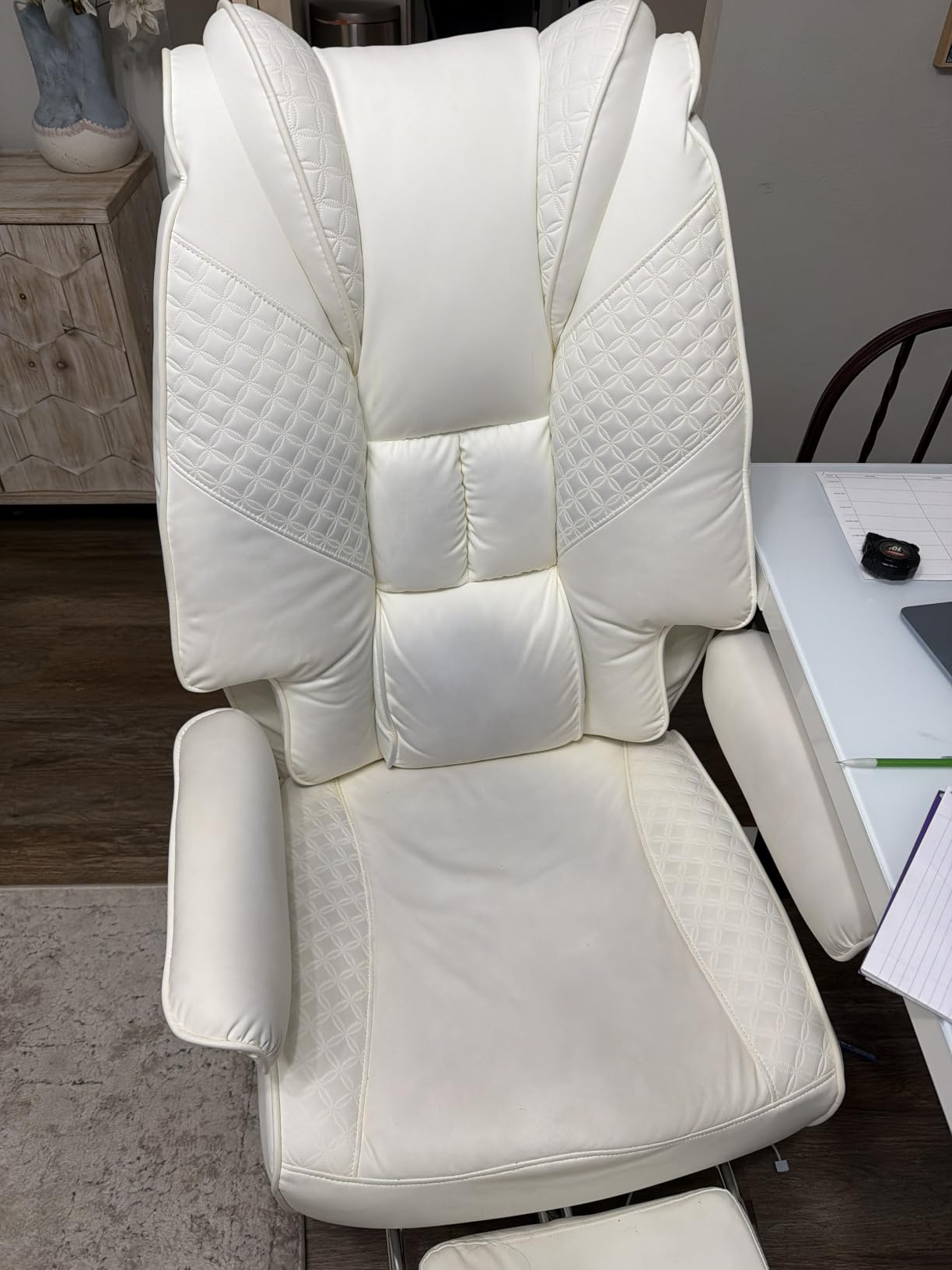
Build quality is the story. An SGS certified class-4 gas cylinder, a BIFMA approved metal base rated to 400 pounds and an FSC certified wood cushion frame. Owners consistently describe it as heavy duty rather than merely heavy.
At 65 pounds it is one of the two heaviest chairs in this guide, which is a real consideration for anyone rearranging a home office. The spring-and-sponge cushioning felt soft in a way that some long-session reviewers found too soft after weeks of daily compression.
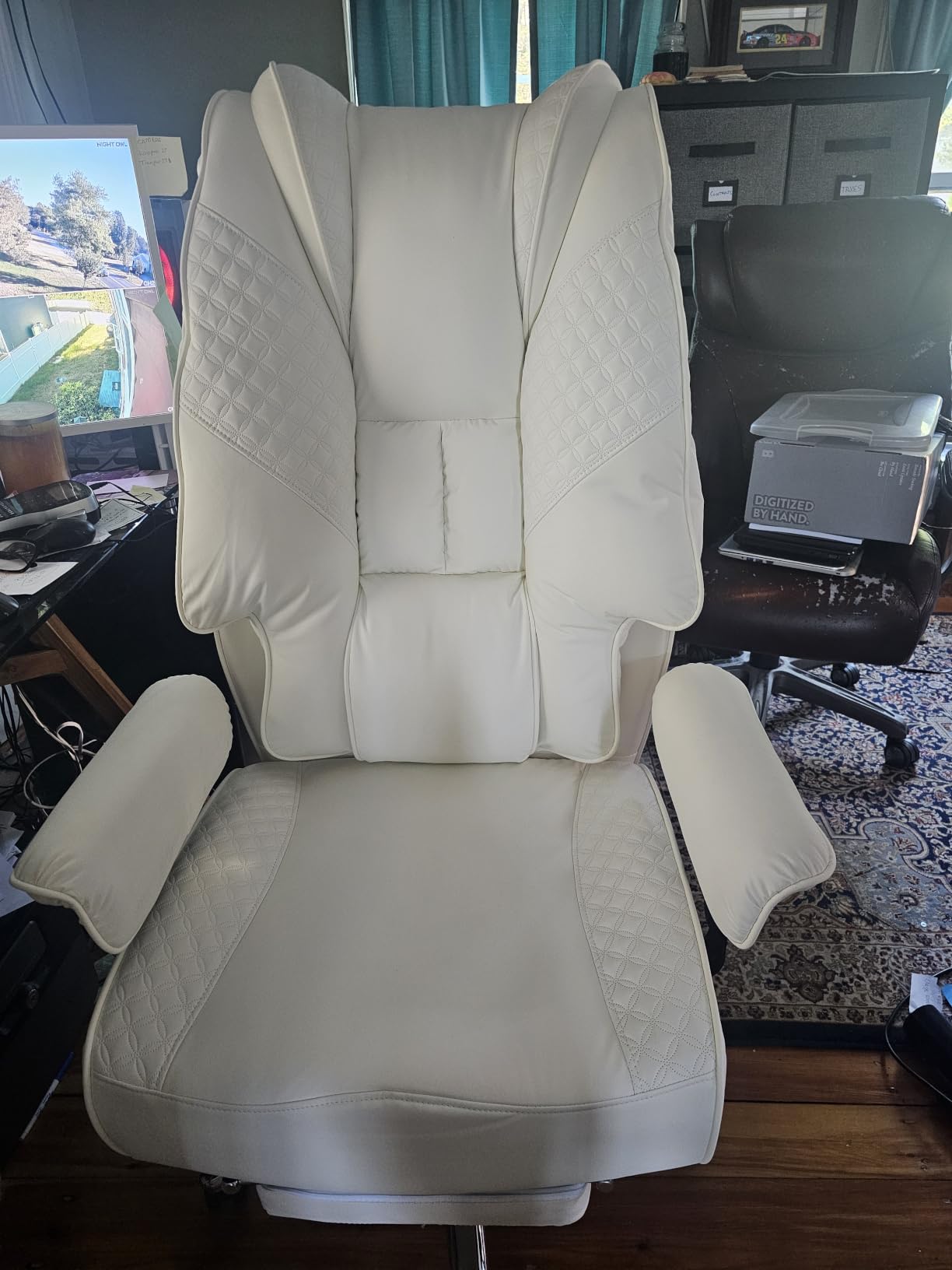
Who this chair suits
This fits a very tall user who wants an executive look and a complete package with a footrest, without adding accessories. The 52 inch height and 31 inch footprint suit a larger room rather than a compact home office desk.
For a 6 foot 4 or 6 foot 5 person at a traditional desk, the taller backrest is the reason to look here first among the executive options.
Where it falls short
Two recline positions is very little range, and if you like to change position through the day this chair limits you. PU leather also runs warmer than mesh, which matters in an unconditioned room.
At 65 pounds, moving it between rooms is a two-person job. And the 22 inch seat height ceiling means a user above 6 foot 5 will still be working at the top of the lift.
5. Hbada E2 Mesh Chair – Best Lumbar Adjustment
- Lumbar adjusts in height
- depth and width
- 3D armrests with 360 degree rotation
- Breathable mesh holds up over full days
- Three year warranty and 30 day returns
- Armrests sit high even at the lowest setting
- 300 lb rating undercuts the big-and-tall label
- Bulky metal frame
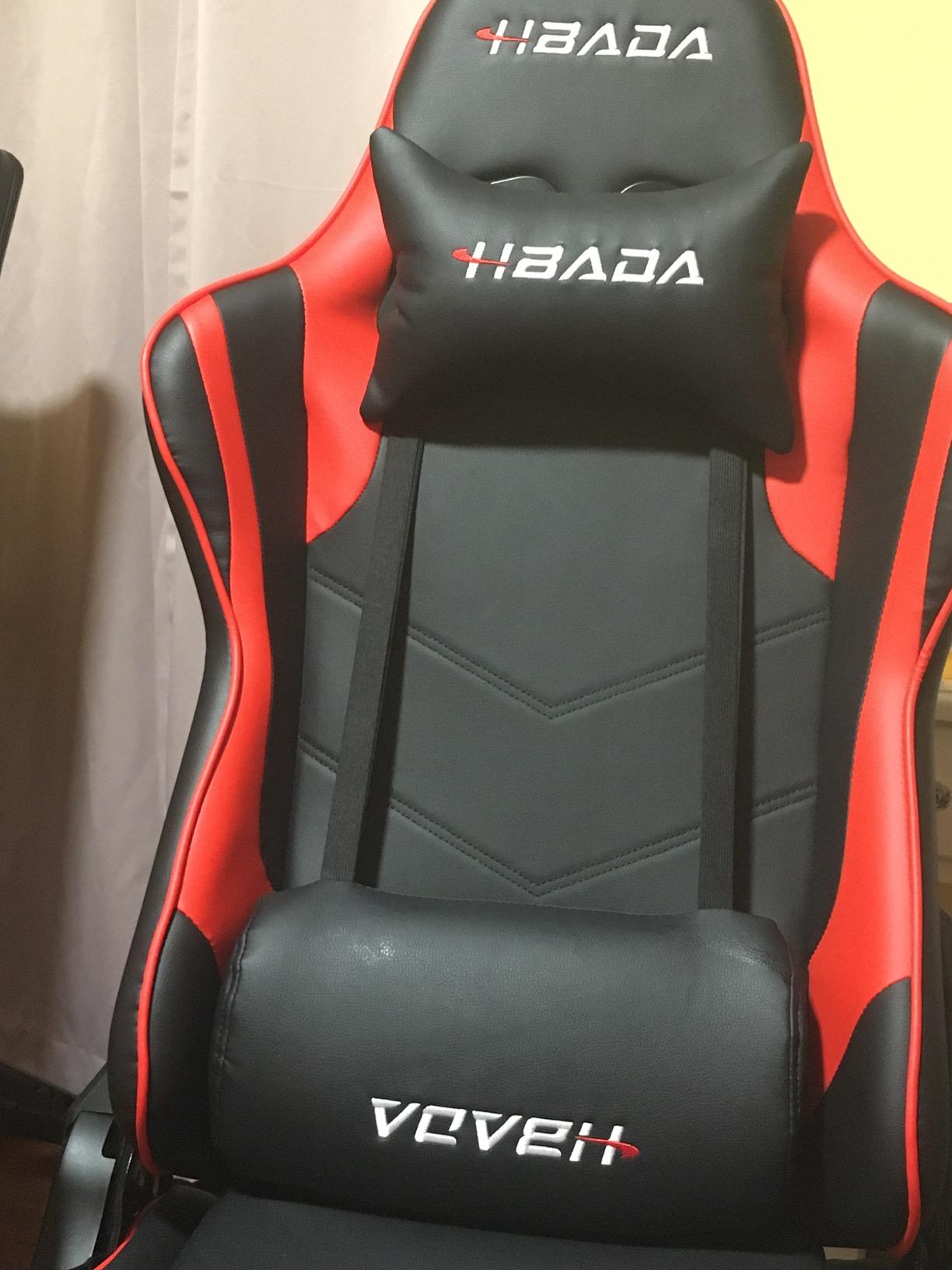
The lumbar system is the headline here. It adjusts in six directions, moving up and down, in and out, and narrowing or widening, which lets you match the curve of the backrest to your own lumbar shape rather than accepting a fixed pillow position.
The armrests are unusually good. They offer 7.5 cm of height travel, 4.2 cm of forward and backward travel and full 360 degree rotation, which means the pads can sit under the desk edge rather than colliding with it. That is one of the recurring fixes for tall-user wrist pain, because the elbow angle follows the armrest height.
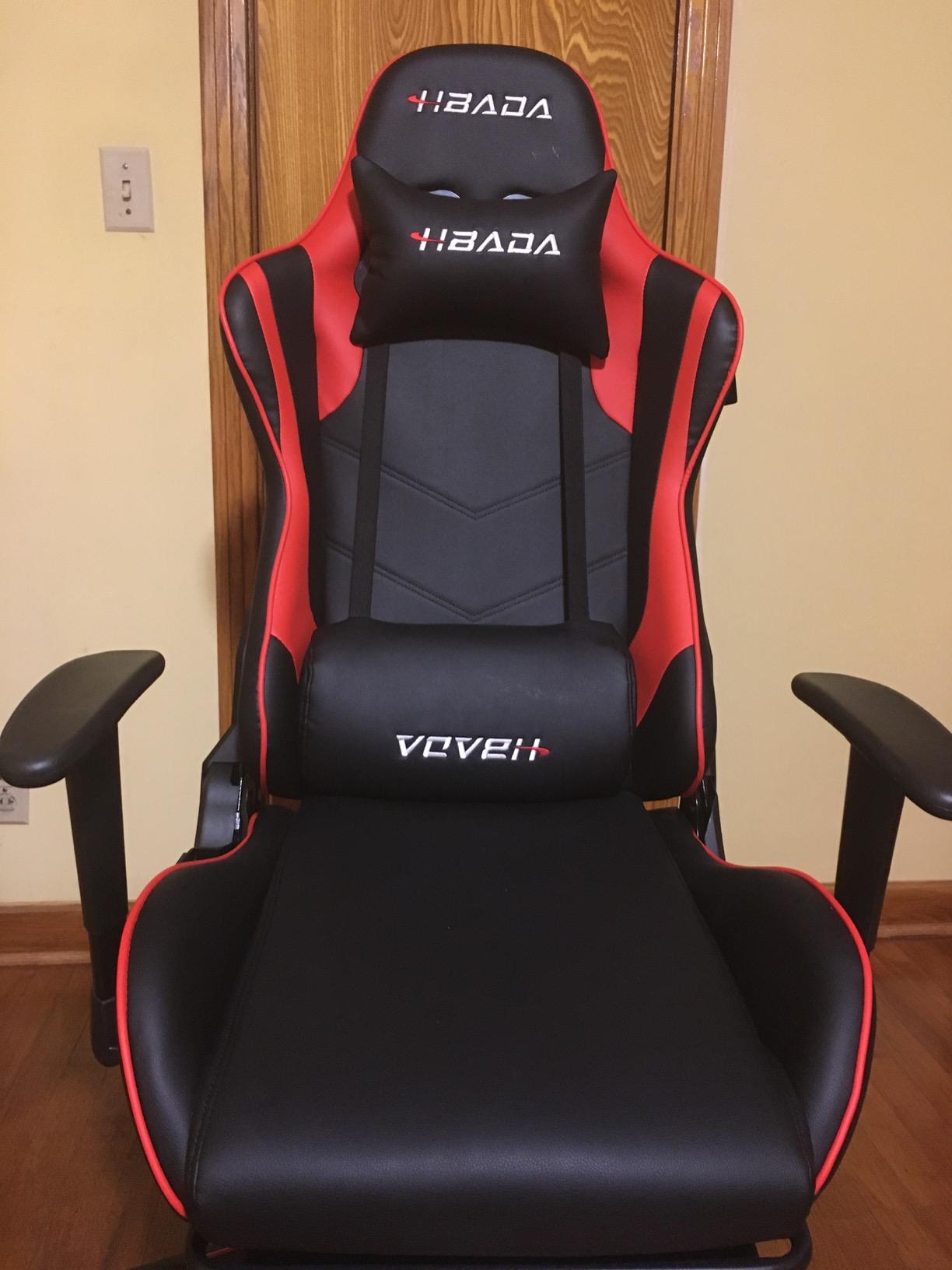
The 3D headrest is adjustable in multiple modes, and the high-resilience micro-perforated mesh resisted flattening over the test period. A 30 day return window and a 3 year warranty make this a low-risk first ergonomic purchase.
At 40 pounds the frame is on the lighter side for a big-and-tall label, and the metal structure does make the chair look substantial in profile. The listing recommends users between 5 foot 4 and 6 foot 2, so treat that as the ceiling.
Who this chair suits
This suits a tall user who has already tried an adjustable lumbar and found that pillows slide around. A lumbar that can be moved in three axes is worth more than a thicker cushion for anyone with a defined curve.
It is also a good second option if the 300 lb rating is irrelevant to you but the armrest travel is not, which is the most common complaint we heard about other chairs in this list.
Where it falls short
Owners report the armrests still sit high even at their lowest setting, so this does not fully solve the crowding problem under a 29 inch desk. The backrest and headrest also readjust awkwardly, needing to be pushed to the top position before they will move again.
At 300 lb it is rated well below the 400 to 750 lb options here, so heavy users should look at the Indulgear or Petheivun models instead.
6. WAILOR 400lb Executive Chair – Clean-Line Styling
400lbs Executive Office Chair with Foot Rest for Heavy People, Ergonomic Big and Tall Desk Chair with Adjustable Headrest, High Back PU Leather Comfy Heavy Duty Computer Chair (White)
- Clean chrome and PU executive look
- Built-in footrest stays put when not extended
- Adjustable headrest supports the neck
- Responsive replacement service
- Very firm cushion that some heavy users find punishing
- Recline leans back rather than rocks
- 60 pound frame is hard to move
The visual design is the first thing you notice. Leather-grain PU with a chrome-plated base reads more like a boardroom chair than a home office one, and the fully enclosed armrest linkage hinges avoid the pinched-finger hinge design that causes complaints on cheaper models.
The seat depth of 24 inches is the second deepest in this group after the Indulgear. On paper that is excellent for a long thigh, and in practice the extra depth means the front edge sits well clear of the back of the knee.
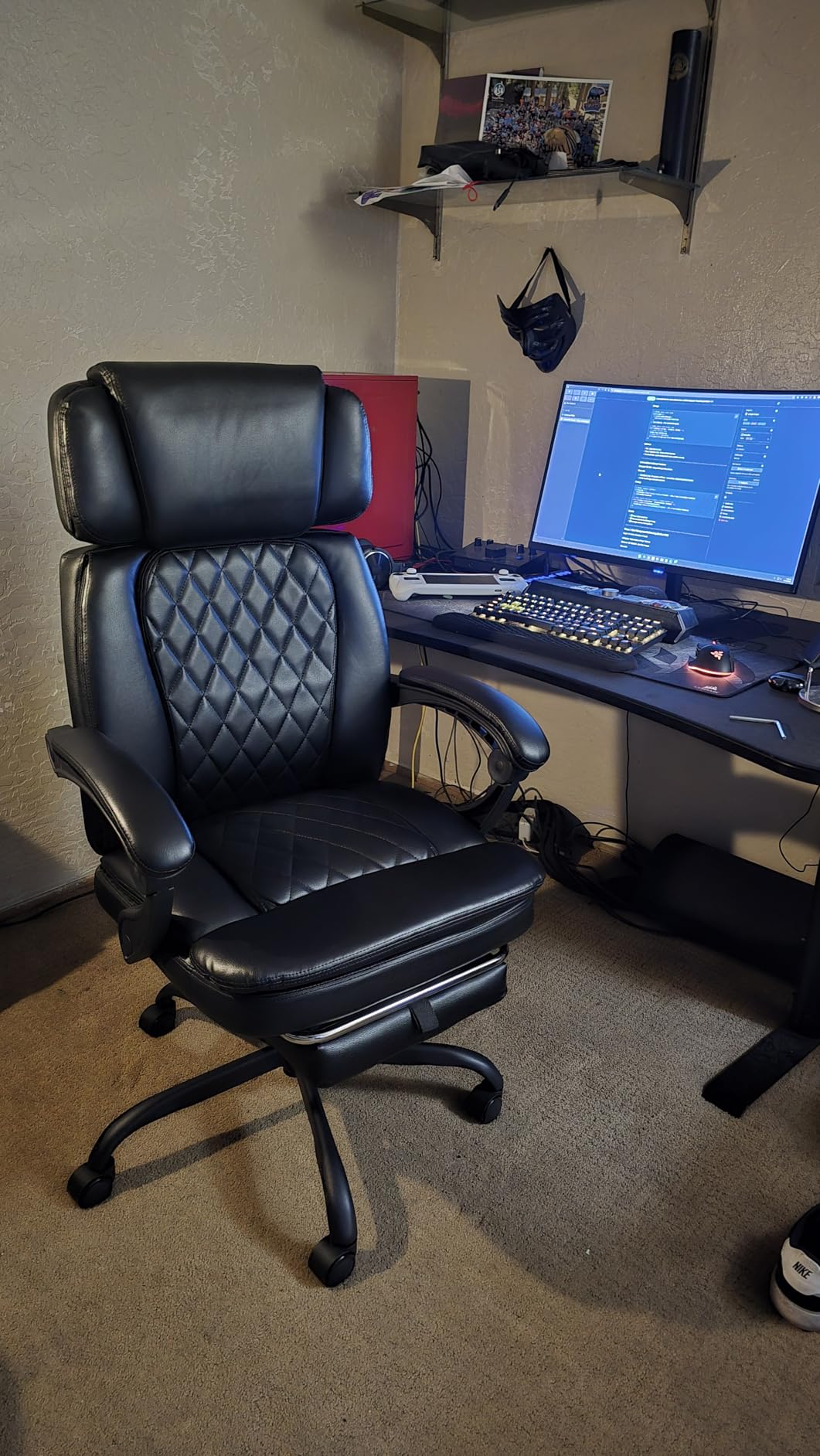
The adjustable headrest is a genuine asset for a tall user, since it gives the upper back and neck somewhere to go when the seat is raised. The built-in footrest is the version that stays retracted until you want it, which is better than a loose add-on.
Customer service draws repeated praise, with owners describing damaged units being replaced quickly. Note that the arm height is listed at 23 inches, and the listed minimum seat height of 17 inches is lower than most here, so check whether that floor position is too low for you.
Who this chair suits
This fits a tall, heavy user in a home office or a small executive suite who wants the look of a leather executive chair with a deep seat and a footrest. The 400 lb rating and 24 inch depth handle larger frames well.
If appearance matters in your workspace, this is the one in the guide that looks at home in a client-facing room while still being a work chair.
Where it falls short
The seat cushion is the main complaint. Multiple reviews describe it as very firm, to the point of discomfort for heavier users over long sessions, and with only two recline positions there is little position change available.
It is also a 60 pound chair with a lean-back rather than rocking recline, and the listed minimum seat height means you may need to add a footring or a different base rather than the supplied footrest.
7. HYLONE 400lb Mesh Chair – Thickest Cushion in the Comfort Class
HYLONE 400lb Office Chair Big and Tall,Desk Chair with Lumbar Support,Black
- Exceptionally thick 5 inch seat cushion
- Breathable nylon mesh back
- Flip-up arms tuck under a desk
- Light 32 pound build
- Lower backrest narrows to about 14.5 inches
- Flip-up arms fold but do not adjust
- Recommended height tops out at 6 foot 2
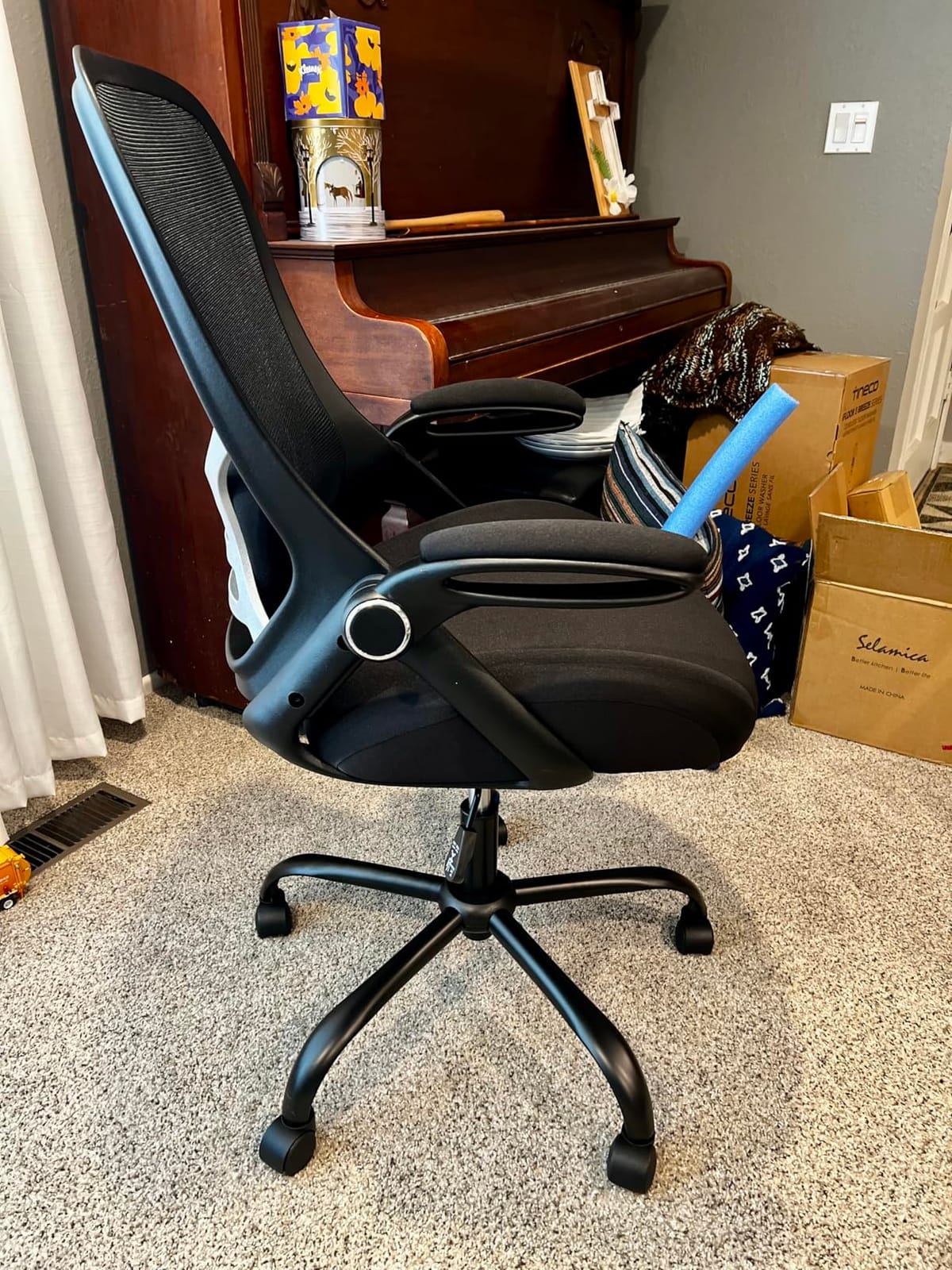
The reason this chair comes up so often for big and tall users is the cushion. A 5 inch thick high-resilience seat is thick enough that your weight sinks in rather than pressing against the frame, and owners with heavy frames describe it as the most comfortable seat they have owned.
At 32 pounds it is the lightest big-and-tall chair in this guide by a wide margin, which matters if you move between rooms or work from more than one desk. The 28 inch five-star base gives it real stability at full lift height despite that low weight.
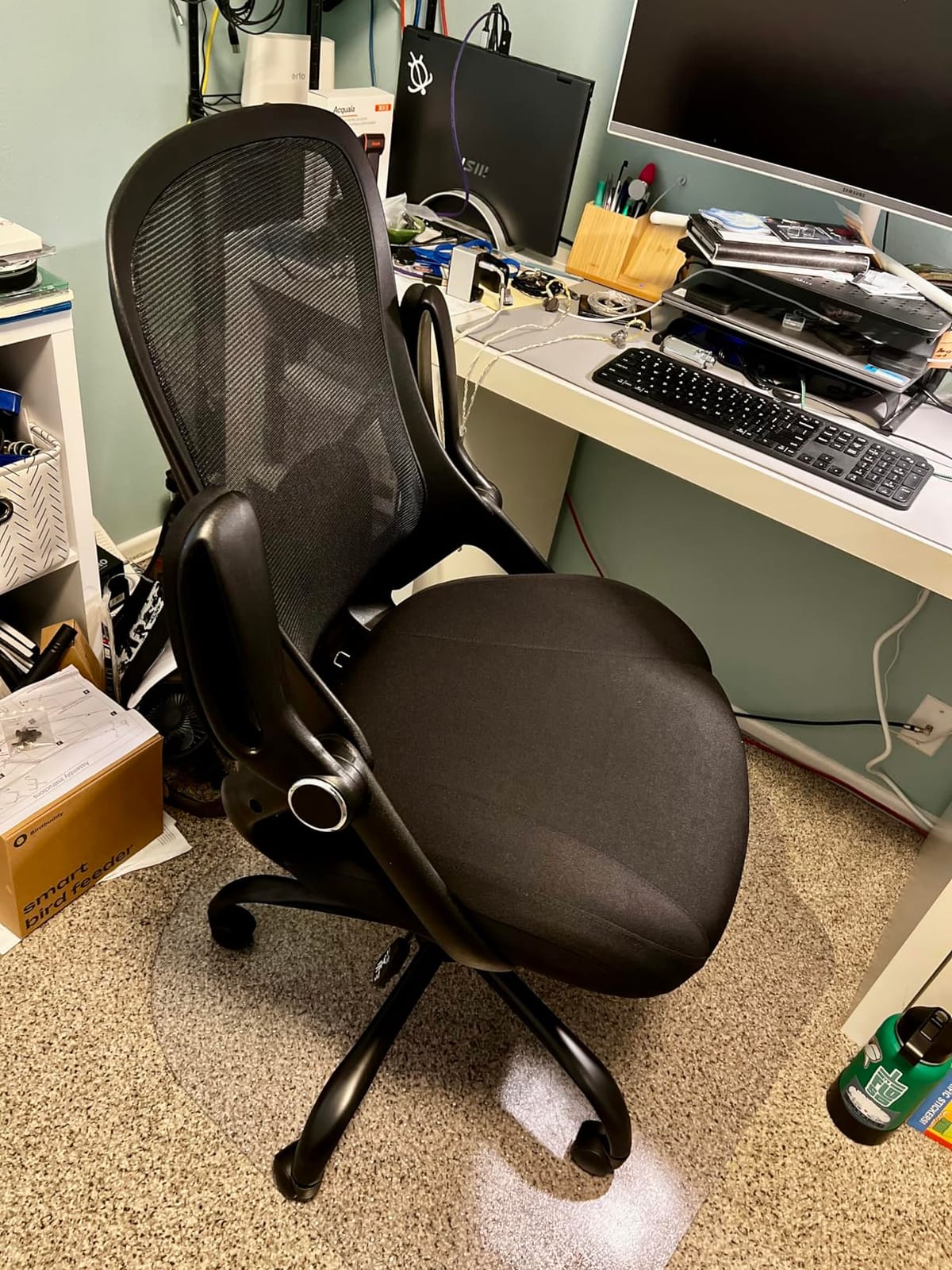
The nylon mesh back avoids the heat problem that PU leather creates, and the flip-up armrests let the chair slide under a desk cleanly. Adjustable seat height and backrest cover the basic range, and the seat height is listed at 19.6 inches.
Assembly takes about 30 minutes, and a 24 month free parts warranty is included, which is a longer commitment than most chairs in this price bracket offer.
Who this chair suits
This is the pick for a tall, heavy user who wants softness rather than a hard executive cushion. It is particularly good for anyone who sits on a hard floor or a low-quality mattress-topped chair all day and needs the pressure distribution.
If you also need a light chair you can carry between a home office and a shared space, this is the one in the guide. The mesh back keeps it cool without a fan.
Where it falls short
The back is the problem. Reviewers report the lower backrest narrowing to roughly 14.5 inches at its tightest point, which feels restrictive against a wide frame even though the seat itself is generous.
Listed measurements understate how constricted the back area feels, and the recommended user height tops out around 6 foot 2. Flip-up arms fold but do not adjust inward or outward, so desk clearance depends on the fold working properly.
8. Indulgear 500lb Big and Tall Chair – Widest Frame
500LBS Big and Tall Office Chair, Heavy Duty Office Chair for Heavy People
- Widest backrest and deepest seat in the guide
- 500 lb capacity with a four-level gas lift
- Quiet rubber casters that protect hard flooring
- Breathable PU leather that resists flaking
- Very heavy at 80 pounds
- Only one recline position
- Bulky footprint takes real desk space
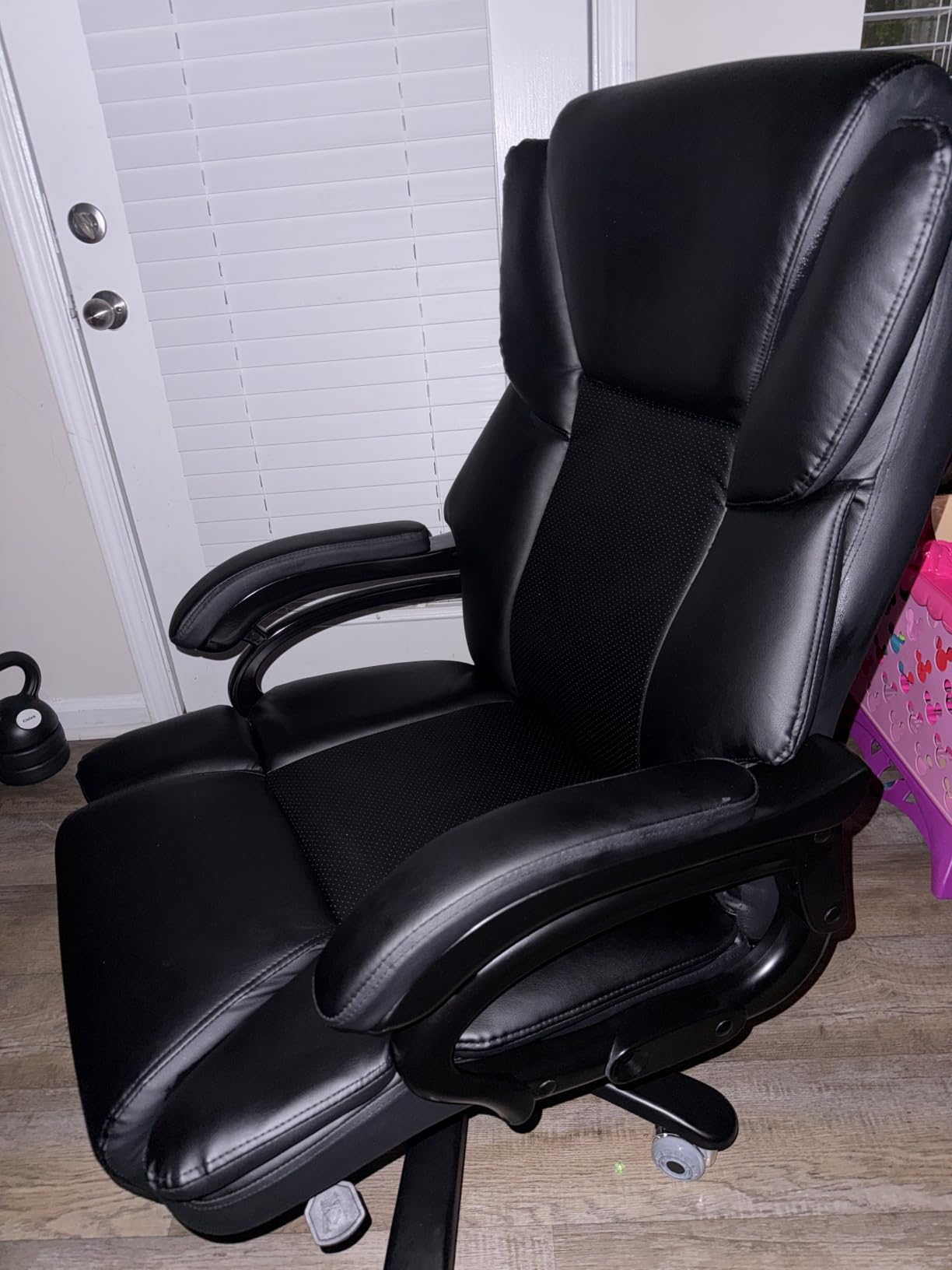
When people ask for a big and tall chair and mean it literally, this is the most physically oversized option we reviewed. The backrest is 27.56 inches wide, the seat is 23.62 inches deep and the overall footprint is around 27 inches in both directions.
A 27 inch wide backrest changes the fit problem for a wide frame. On most chairs in this guide a broad user makes contact with the frame edges on both sides, which is the pressure complaint that shows up in reviews of narrower models.
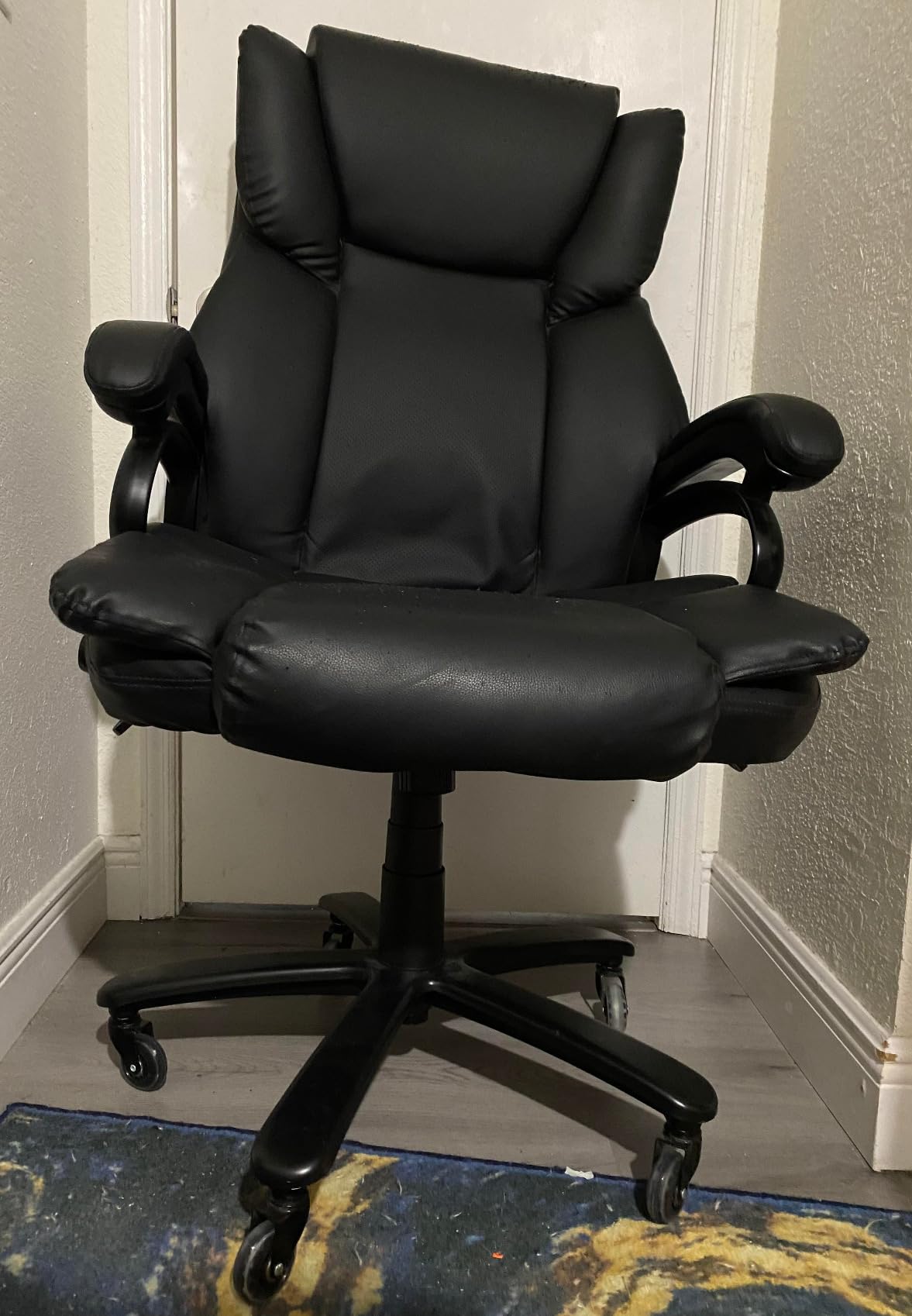
The independent adjustable lumbar support sits within a double-layer sponge cushion, so it can be tuned without the whole seat moving. A four-level gas lift gives more height positions than most of the class-4 chairs here, which helps a tall user land flat-footed on the first try.
The rubber casters with a polyurethane outer are quiet and do not mark hardwood, laminate, tile or vinyl. The PU leather is described as more breathable than bonded leather, and owners report it resisting fading and flaking.
Who this chair suits
This fits a very tall and very heavy user who has run out of room in a standard chair. Anyone above 300 pounds, or with a broad frame who keeps contacting the backrest sides, will find the extra width immediately useful.
It is also a good match for a large desk in a spare room or home studio, where the footprint is not going to be a problem. The 500 lb rating gives real headroom above your weight.
Where it falls short
It weighs 80 pounds. That is the heaviest build here by a wide margin and it means repositioning is a two-person task, so measure the doorways before ordering.
There is also only one recline position, and this variant has no headrest. The bulky footprint takes considerable desk space, which is why it suits a large room rather than a compact home office.
9. GABRYLLY 350lb Chair with 215-Degree Rotating Armrests
- Armrests rotate 215 degrees to clear a desk
- Double-back lumbar reported to ease back pain
- Recommended for users up to 6 foot 3
- Very responsive parts and wheel service
- Shallow 17.9 inch seat depth
- Headrest sits slightly too far back
- Supplied casters struggle on low-pile carpet
This chair solves one specific tall-user problem better than anything else in the guide: getting your arms below the desk. The 215 degree rotating 3D armrests move up, down, forward, back, inward and backward, so the pads can tuck in under the surface instead of hitting the desk edge and forcing your shoulders up.
The double-back lumbar design is the other strength. Tall owners in the 6 foot to 6 foot 3 range describe it as among the few mesh chairs that fully support them, and the lumbar is repeatedly credited with easing lower back pain after the first few weeks.
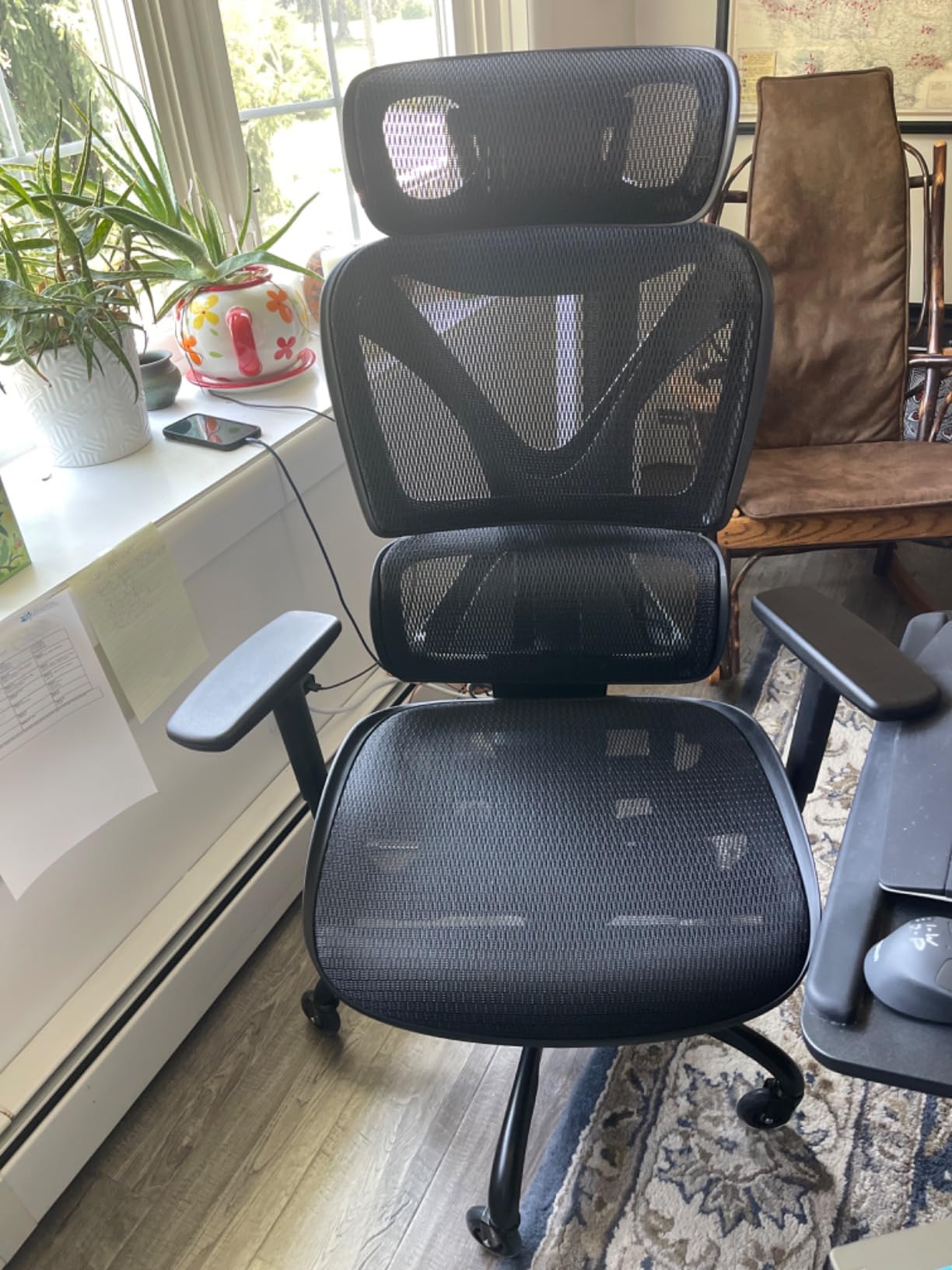
Overall dimensions run about 30.3 inches wide by 26 inches deep, with a height range of 46.7 to 50.4 inches. The upgraded steel base is BIFMA certified, and the backrest locks into three positions between 90 and 120 degrees.
Customer service is a genuine strength. Owners report replacement parts and upgraded wheels being sent out, which is the kind of support that extends the life of a chair considerably.
Who this chair suits
This fits a tall user at a desk that is difficult to work around, particularly if you have long arms and find that standard armrests force your shoulders upward. The 350 lb rating and the 6 foot 3 recommended ceiling cover most tall frames.
If you have a history of lower back discomfort and you like a breathable mesh back, the double-back lumbar is worth the attention here.
Where it falls short
The 17.9 inch seat depth is the shallowest in this roundup. For a long thigh above 6 foot 3 that is the limiting measurement, and it is the main reason to consider one of the 20 inch-plus seats instead.
The headrest is not independently adjustable and sits slightly too far back, and the supplied casters struggle on low-pile carpet. The optional lumbar pillow straps also tend to slide down and need frequent re-adjustment.
10. Petheivun 700lb Chair – Built For 6 Foot 4 And Up
Big and Tall Office Chair 700lbs, Ergonomic High Back Computer Desk Chair
- Repeatedly reported to fit users 6 foot 4 to 6 foot 6
- Very wide seat avoids hip pinching
- Inflatable lumbar lets each user set their own support
- SGS class-4 cylinder and heavy metal base
- Armrest slides do not lock and drift
- Armrests will not lower far enough for some arms
- Aggressive self-righting recline
This is the chair in the guide that tall owners most consistently describe as the first one that fit them properly. Several 6 foot 4 to 6 foot 6 buyers state that they were seated at the right height on the first attempt, which is precisely what the rest of this category tends to fail at.
The inflatable lumbar support is unusual and effective. You pump the airbag to the level of back support you want rather than sliding a fixed pad, and owners like being able to set it per user in a shared household.
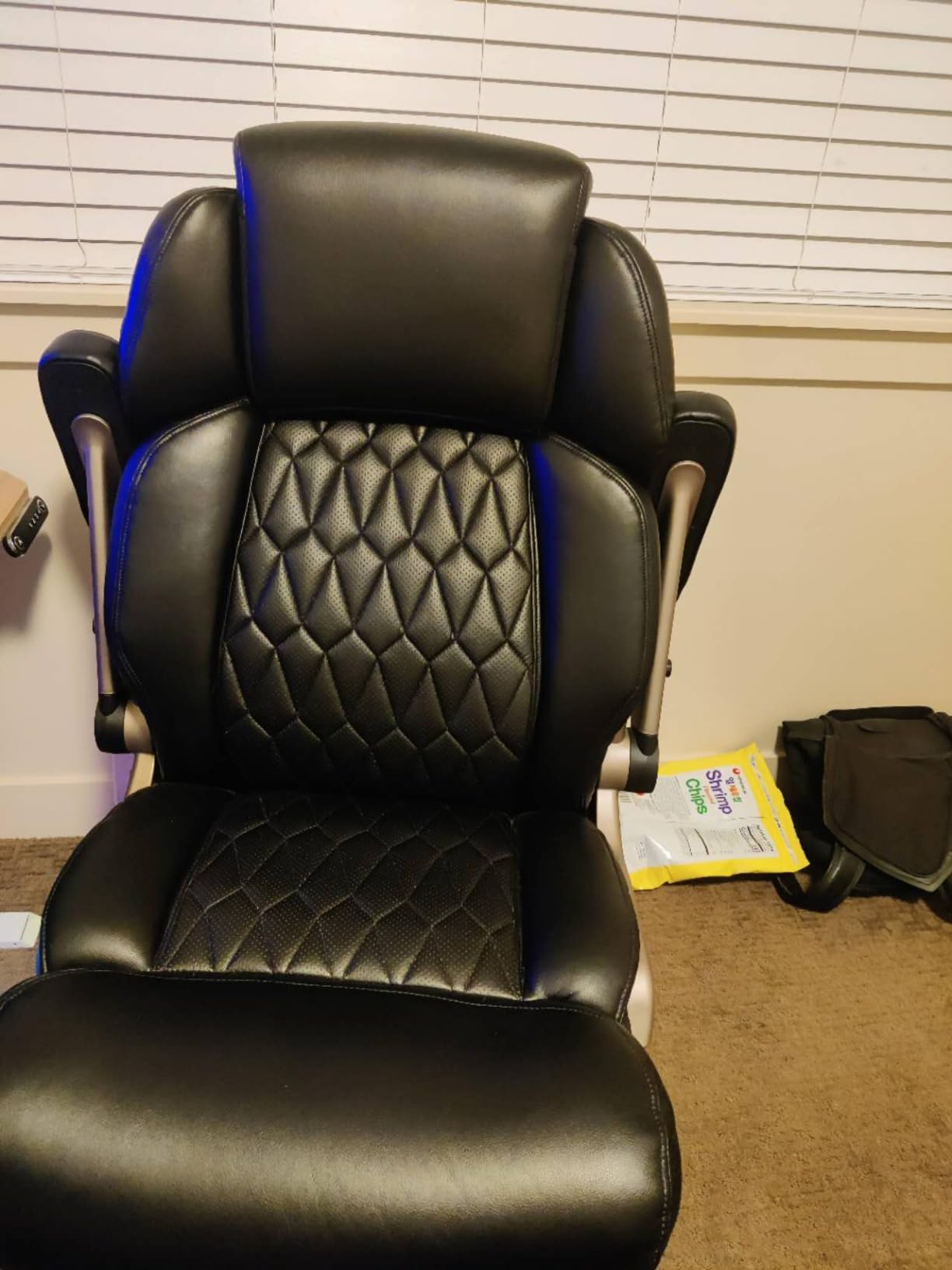
The 3D flip-up armrests mount on the back so they can be pushed out of the way entirely, which helps in a tight space. The seat is very wide, and owners note it avoids the hip pinching that comes from arm attachments crowding the seat edge.
An SGS certified class-4 gas cylinder and a metal base tested over 100,000 times support the 700 lb rating. Two caster options are included, and the upgraded rubber wheels leave no marks on the floor.
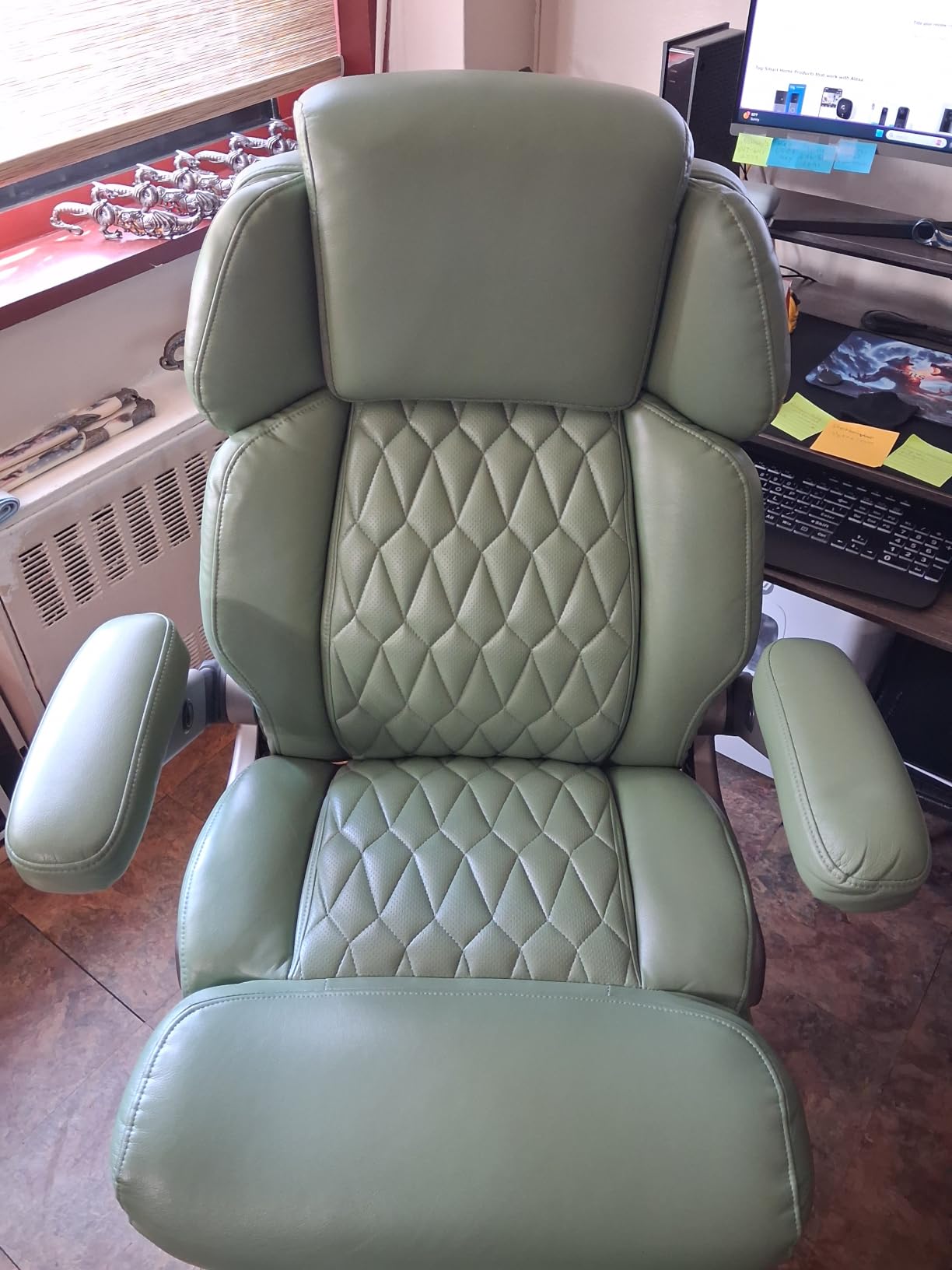
Who this chair suits
This is the pick for the tall end of the range, roughly 6 foot 4 and above, including heavier users. The fit reports in the reviews are consistent enough that we would trust them for this specific height band.
It also suits anyone whose arms are long enough that low armrests are the main complaint, since the forward-extending arms sit closer to the body. Nine colour options are available if appearance is on your list.
Where it falls short
It is not a chair for a shorter frame. Owners warn it sits too high for anyone under roughly 5 foot 6, and the minimum seat height is high enough to make that a real problem.
The armrest fore-aft slides do not lock and drift when moved, and the armrests will not lower far enough for some arm lengths. The recline also has an aggressive self-righting counter-pressure that you have to lean against deliberately.
11. MAHOMICO 750lb Mesh Chair – Widest Stated Capacity
- Highest stated capacity in the guide at 750 lbs
- 4D armrests move in multiple directions
- Oversized U-shaped spring seat cushion
- Breathable mesh back with thick padding
- Smaller review base than the category leaders
- Backrest narrower than the seat at 20.5 inches
- Only two recline positions
The specification sheet here is the appeal. A 750 lb rating, fully adjustable 4D armrests and a U-shaped seat cushion on a premium spring system, paired with a breathable mesh back. Buyers respond to the numbers because this category is full of chairs that claim capacity without supporting it.
The 4D armrests are a real differentiator in a group where most models offer height only. They move in multiple directions with thick padding, so the elbow can be supported in more than one position, which helps across a long day.
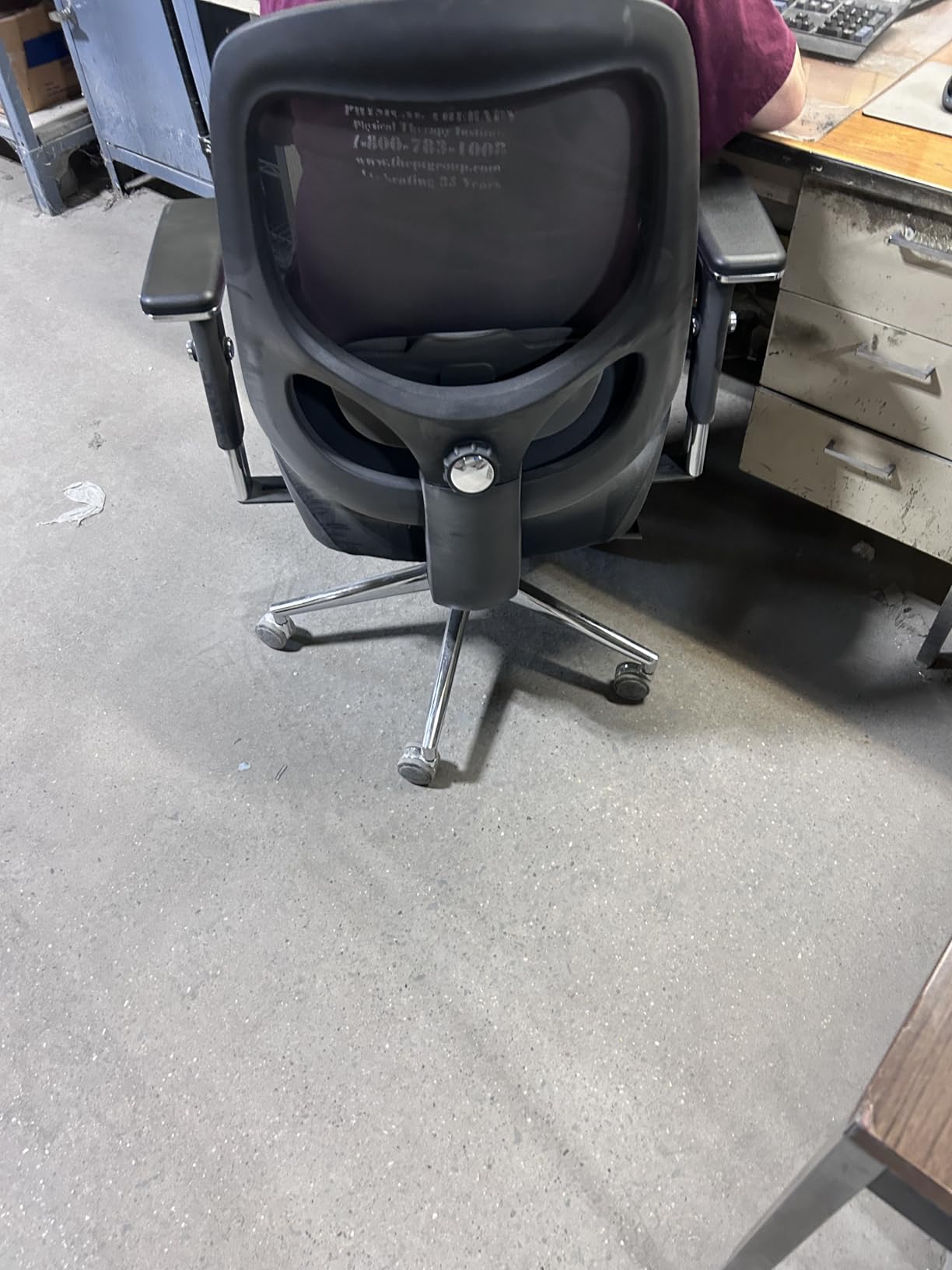
The seat depth of 19.7 inches sits in the middle of the group, and the listed seat height is 19.3 inches. The 2D adjustable lumbar moves up and down and in and out, and the backrest is customisable to some degree.
BIFMA and SGS testing is stated, along with quiet smooth-rolling floor-safe wheels and a one year warranty, which is the shortest coverage among the picks here.
Who this chair suits
This fits a heavy user who values capacity headroom and armrest adjustability over refinement. Anyone well above 300 pounds, or anyone who wants 4D armrests without moving up into a premium tier, should look here.
The mesh back with thick padding is a good compromise for a full day, giving airflow at the back while the seat stays cushioned. It suits a shared home office where more than one person will use it.
Where it falls short
The review base is much smaller than the category leaders, around 300 reviews, so there is less long-term durability evidence to draw on. Treat the first year as an evaluation period.
The backrest is about 20.5 inches wide, which is narrower than the seat it sits on, and there are only two recline positions. The one year warranty is also the thinnest coverage in this guide.
12. FAMSINGO 400lb Chair with Stepless Recline
- Stepless recline locks at any angle in the 90-120 range
- 22.5 inch wide and 5.5 inch thick seat
- Reinforced metal base and class-4 gas lift
- Mesh back with lumbar and shoulder support
- Backrest is not as tall as the big-and-tall label implies
- Mesh webbing can detach from the frame
- Smaller review base
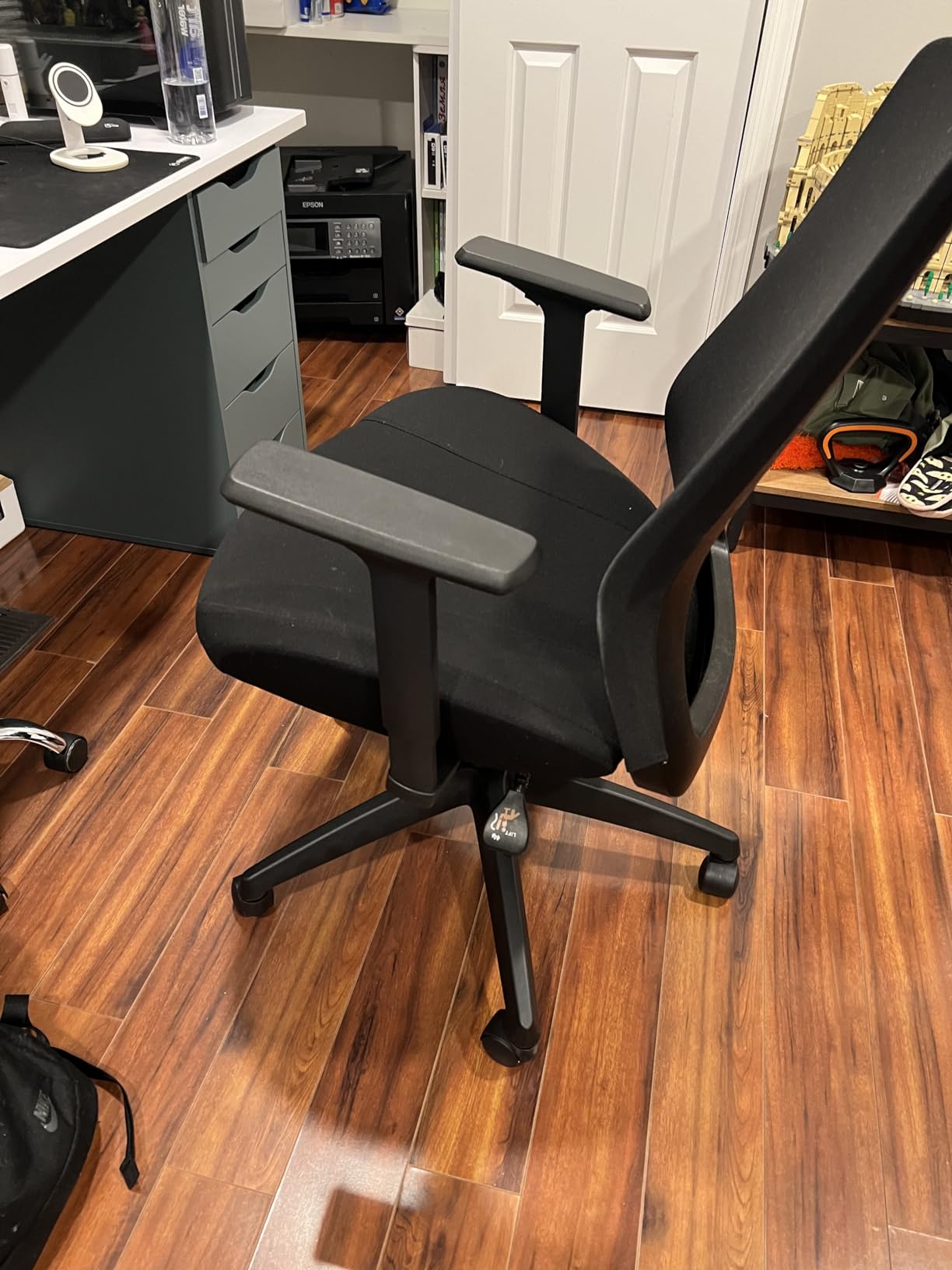
The stepless recline is the feature that separates this from the rest. Instead of three preset positions, the backrest locks at any angle you choose between 90 and 120 degrees, which means you can fine-tune the angle rather than choosing the nearest notch.
The seat is the other headline. A 22.5 inch wide U-shaped cushion with 5.5 inches of high-resilience foam is one of the deepest pads in this guide, and owners with heavy frames describe it as evenly distributing pressure rather than concentrating it at the back of the thigh.
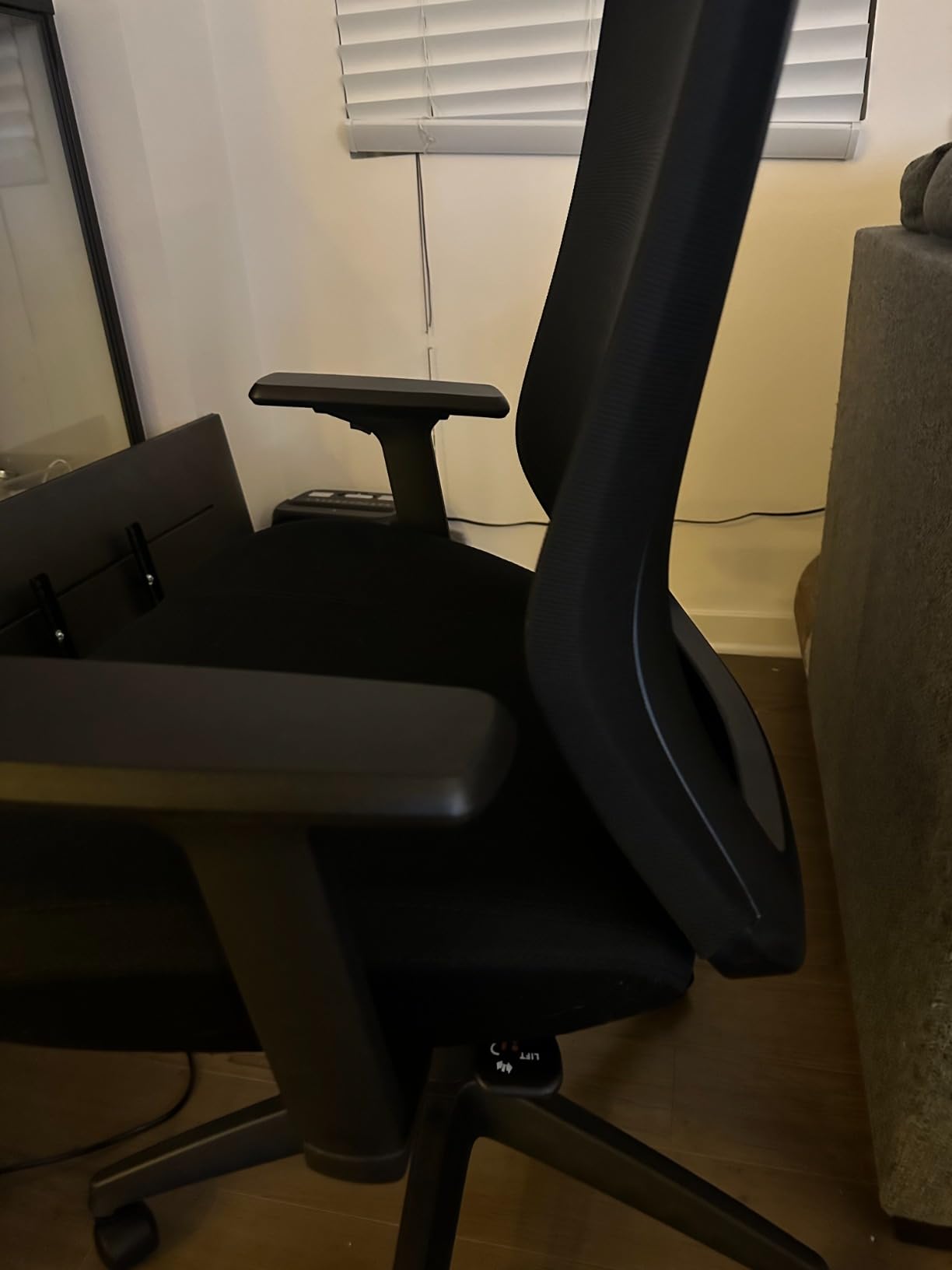
The breathable mesh back follows the natural curve of the spine, and the reinforced metal five-star base with a class-4 gas lift feels sturdy for the 400 lb rating. BIFMA and SGS certification is stated.
Assembly runs 20 to 30 minutes with tools and spare bolts included, and the height-adjustable armrests handle the vertical range. A one year manufacturer warranty is included.
Who this chair suits
This fits a heavy user who wants a wide, deeply cushioned seat and who values being able to set the recline angle precisely. It is a good fit for a home office where a wide seat matters more than a slim profile.
At 37.6 pounds it is also one of the lighter 400 lb chairs here, which makes it easier to reposition than the 60 to 80 pound executive models.
Where it falls short
The backrest height does not fully support the big-and-tall claim. A 6 foot 4 buyer specifically wished for more height, which is the same limitation we flagged on several other models in this list.
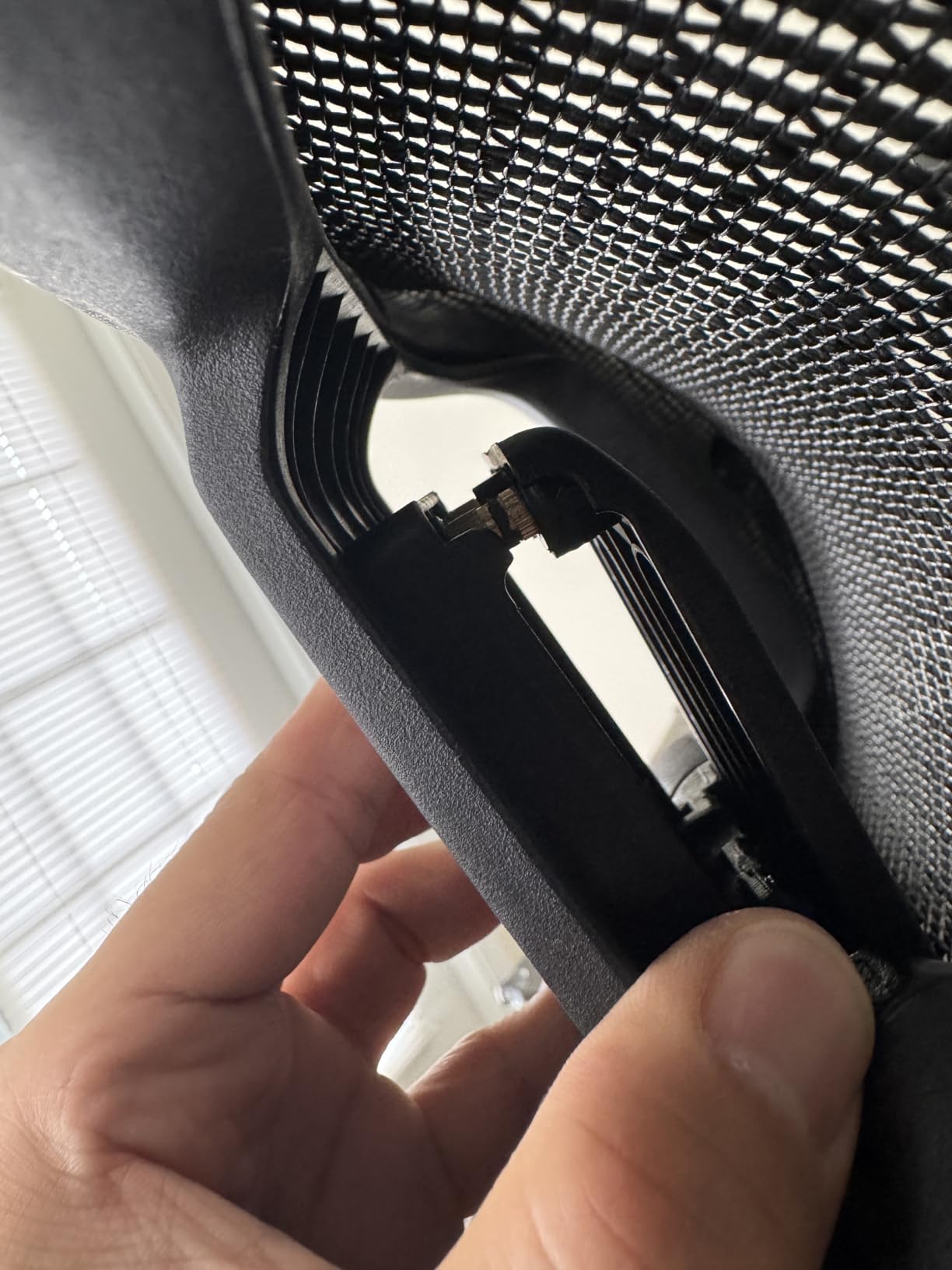
One report describes the mesh webbing backing detaching from the frame within a month, and the supplied casters are described as lower grade than the chair itself. The one year warranty is short for a chair of this weight class.
What Your Height Means for Seat Height and Seat Depth?
The fastest way to waste money on a chair is to shop by brand. The second fastest is to look at the marketing word tall, which frequently describes a taller backrest rather than a taller or deeper seat. These are the measurements that actually change how a chair feels after four hours of work.
The six adjustments that matter for tall users
1. Maximum seat height. This is the number that decides whether your feet reach the floor. Anything topping out below 21 inches leaves most users above 6 foot 3 sitting on their toes, which pushes pressure back into the underside of the thigh.
2. Seat depth. You want two to three fingers of space between the front edge of the seat and the back of your knee. Depth beyond that is wasted seat. Depth short of that is the single most common cause of thigh pressure reported in tall-user reviews.
3. Armrest range. A one-dimension armrest is the most common reason tall users end up with wrist and shoulder pain. Once the seat rises, the armrests have to rise with it and be able to tuck under the desk edge.
4. Backrest height. For a 6 foot 4 and taller user, the top of the backrest should reach the shoulders, not the middle of the shoulder blades. Several chairs in this guide marketed as high back fall short here.
5. Weight capacity with margin. Buy for your weight plus a margin, and treat 300 lb ratings as the limit rather than the target. A chair rated to 400 lb that you sit at 200 lb will feel better than one rated to 300 lb that you sit at 280.
6. Recline range and tension. Being able to change position through the day matters more than any single ergonomic claim. A three-position lock or a 90 to 120 degree range gives you something to move to.
Height to minimum seat height, 6 foot 0 to 6 foot 7
Use this as a starting point, not a rule. Leg length varies more between individuals than height does, so measure from the floor to the back of your knee while barefoot, then add two to four inches of clearance for the seat cushion compressing under you.
6 foot 0. Aim for a chair that tops out at 20 inches or higher, with a seat depth of about 18 to 19 inches. Almost every chair in this guide clears this bar.
6 foot 2. Look for a 21 inch or higher maximum and a seat depth of 19 to 20 inches. The Hbada E2 and the GABRYLLY high back both sit comfortably in this band.
6 foot 4. You now need a 22 inch minimum maximum, and a seat depth of 20 inches or more. The Petheivun 700 lb model and the Indulgear are the two most consistently reported fits at this height.
6 foot 5. Prioritise overall backrest height over seat depth. A 52 inch overall height, as on the EXCEBET, matters more here than another inch of seat pan, because you need your shoulders covered.
6 foot 6 and above. The practical answer in this category is a chair that is genuinely oversized rather than an adjustable one. Expect very high minimum seat heights, which means many of these chairs are unusable for anyone else in the household.
Check your desk height before you buy anything
Sit at your desk, feet flat, knees at roughly ninety degrees, and measure the floor to the underside of the desk surface. Then subtract about an inch and a half for the seat cushion. That is the minimum usable seat height, and any chair whose maximum lift is below that figure is not available to you.
For a standard 29 inch desk, a user over 6 foot 3 often cannot get shoulders, elbows and thighs in a relaxed position at the same time. The chair fixes the lower half of the problem. The upper half is a desk problem, and the options are a taller desk, a desk riser, or a footrest to bring the floor up to meet your feet. People pairing a tall chair with a footrest or riser report better results than either alone.
If your arms hit the desk edge, the answer is a chair with flip-up or rotating armrests, not a taller one. The GABRYLLY 215 degree armrests and the HYLONE flip-up arms both solve that specific collision.
Tall versus big and tall: two different fit problems
Tall is about reach and length. Big and tall is about width, depth and load. A 6 foot 2 person weighing 180 pounds and a 6 foot 2 person weighing 300 pounds have completely different requirements, and most roundups conflate them.
Above roughly 300 pounds, seat width and weight capacity become the binding constraints. Look at the backrest width first, not just the seat, because a narrow backrest is where a broad frame makes contact with the frame edges. The Indulgear at 27.56 inches wide is built for exactly that, and the HYLONE is the cautionary example with a back that narrows to about 14.5 inches despite a wide seat.
Weight ratings are also a limit, not a target. Sitting at the top of a rating means the class-4 gas lift is working near its ceiling stroke, and a chair rated 300 lb is not a big and tall chair regardless of what the listing title says.
Mesh or cushion for a long day
Mesh backrests win in warm rooms and for anyone who runs hot, because air moves through the weave. The GABRYLLY high back runs mesh on both the back and the seat and stays the coolest option here.
Cushioned seats win on pressure distribution for heavier users. The HYLONE at 5 inches and the FAMSINGO at 5.5 inches are the two thickest in this guide, and both are repeatedly praised by heavy users for that reason. The trade-off is heat, since PU leather and foam both run warmer than mesh.
The compromise most tall users end up with is a mesh back with a deep foam seat, which is exactly what the FAMSINGO and the MAHOMICO offer. A waterfall seat edge matters more than cushion thickness for preventing knee pressure, so check that the front edge curves down.
Warranty, returns and the bulky chair risk
Warranty length varies enormously in this category and is rarely discussed. The GABRYLLY line states at least 5 years, the Hbada offers 3 years, and the HYLONE includes 24 months of free parts. At the other end, several executive models here carry a single year, which is short for a frame weighing 60 pounds.
The return window is the other factor people forget, and it is the biggest practical risk in buying a chair this bulky. A return can mean paying to ship a 65 pound chair back. Check the return shipping terms before ordering, not after, and prefer sellers offering free returns with a 30 day window as the Hbada does.
On used and refurbished tall chairs, the most frequently repeated advice in owner discussions is that knowing your size is the whole trick. Tall-specific sizing within a model range changes the seat dimensions, not just the fabric, so confirm the frame size before buying a pre-owned premium chair rather than assuming a taller model means a taller seat.
One more practical point from owner reports: the first three to fourteen days in a new chair can feel worse than the old one while the settings are dialled in. Set the seat height, slide the seat depth, drop the armrests and position the lumbar before deciding the chair is wrong.
None of these chairs treats back pain. They hold a posture, and posture is one factor among workload, movement and sleep. If your discomfort persists past a couple of weeks of correct adjustment, that is a conversation for a clinician rather than a chair purchase.
Frequently Asked Questions
What is the best ergonomic chair for tall people?
The best ergonomic chair for tall people is one whose seat height range tops out around 20 to 24 inches, whose seat pan is deep enough to support longer thighs without pressing behind the knees, and whose backrest reaches the shoulders. Among the chairs we reviewed, the GTPLAYER 400 lb model leads on seat height range, reaching 23.22 inches with a 19.69 inch seat depth and a 400 lb capacity.
What is the best ergonomic chair for a 6-foot-tall person?
At 6 foot tall you need a chair that tops out at 20 inches or more, with a seat depth of roughly 18 to 19 inches. Almost every chair in this guide clears that bar, so the deciding factors become breathability and warranty rather than raw dimensions. A full mesh back and seat, such as the GABRYLLY high back model, is the cooler option for long days.
What type of office chair is best for tall people?
A task chair with a high or extended back, a deep seat pan and armrests that adjust in more than one dimension is the right type. High-back executive chairs suit taller frames because the backrest reaches the shoulders, while mesh task chairs suit users who run hot. Big-and-tall chairs differ again, prioritising seat width and weight capacity rather than reach.
How deep should an office chair seat be for long legs?
Deep enough to leave two to three fingers of space between the front edge of the seat and the back of your knee. That usually means 19 to 21 inches for a tall user. A seat shallower than 19 inches pushes its front edge into the back of the knees, which is the most common cause of thigh pressure reported by tall chair owners.
Do I need a big and tall chair or just a tall chair?
If you are around 6 foot 2 and under about 250 pounds, a tall chair with a good seat height range and a deep seat is enough. Above 300 pounds, or if you have a broad frame, you need big-and-tall: wider backrest, deeper seat and a higher weight rating. Backrest width matters as much as seat width, since that is where a broad frame contacts the frame edges.
The Verdict: Which Chair Fits Your Frame
Start with the GTPLAYER 400 lb chair if you want the widest fit range we found, since it combines the highest seat height ceiling in the group with a genuine 400 lb rating and a retractable footrest. Go for the GABRYLLY high back mesh if you run hot and want the longest warranty alongside a 20 inch seat.
Move up in weight class when you need to. The Indulgear handles broader frames above 300 pounds with its 27.5 inch backrest, and the Petheivun is the model tall owners between 6 foot 4 and 6 foot 6 report fitting correctly more than any other in this guide.
Before any of them, measure your desk height and the floor-to-knee length of your leg. Those two numbers, not the brand name, decide whether a chair suits you. If mouse movement is also part of the problem, our trackball mouse guide and tall-senior recliner picks cover the matching side of the setup.
Give any new chair a full two weeks with the seat depth, armrests and lumbar properly set before you judge it. That is the window where the fit either clicks or it does not, and it is the only test that matters in 2026.