
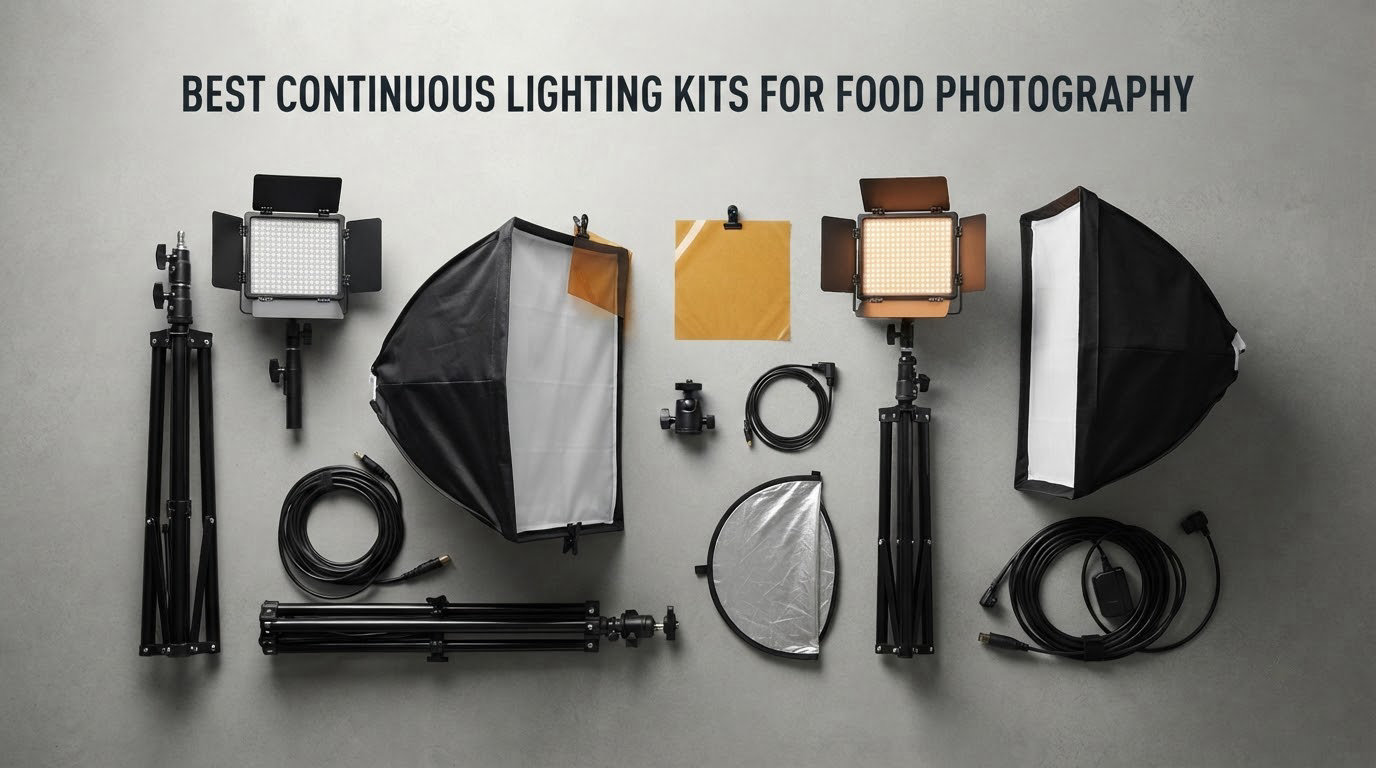
I used to chase the perfect window of sunlight for my food shoots, and I lost entire afternoons waiting for a cloud to clear. That is the moment I switched to a proper continuous lighting kit for food photography, and I have not looked back. With constant LED illumination, I can see exactly how the light hits a bowl of ramen or a stack of pancakes before I press the shutter.
After testing eight kits side by side in my home studio for several weeks, I narrowed down the options that actually move the needle for food styling. This guide covers the best continuous lighting kits for food photography you can buy in 2026, the CRI and color temperature numbers that actually matter, and the setup tricks that turn harsh LEDs into appetizing soft light.
If you are building a product photography lighting setup or upgrading from a single ring light, this list is for you. I have grouped the picks by use case so you can find the right kit whether you shoot overhead flat lays, plated dishes, or social media Reels.
Table of Contents
Top 3 Continuous Lighting Kits for Food Photography (October 2026)
Continuous Lighting Kits for Food Photography in 2026
| Product | Specifications | Action |
|---|---|---|
 NEEWER Complete Studio Kit NEEWER Complete Studio Kit |
|
Check Latest Price |
 NEEWER Bi-Color 660 LED Panel Kit NEEWER Bi-Color 660 LED Panel Kit |
|
Check Latest Price |
 MOUNTDOG Softbox 2-Pack Kit MOUNTDOG Softbox 2-Pack Kit |
|
Check Latest Price |
 RALENO 16×16 inch Compact Softbox RALENO 16×16 inch Compact Softbox |
|
Check Latest Price |
 Skytex 2-Pack 20×28 inch Softbox Skytex 2-Pack 20×28 inch Softbox |
|
Check Latest Price |
 NiceVeedi 2-Pack 16×16 inch Softbox NiceVeedi 2-Pack 16×16 inch Softbox |
|
Check Latest Price |
 Torjim 27×27 inch Softbox Kit Torjim 27×27 inch Softbox Kit |
|
Check Latest Price |
 SmallRig 35 inch Bowens Softbox SmallRig 35 inch Bowens Softbox |
|
Check Latest Price |
1. NEEWER Complete Studio Kit – The All-in-One Food Photography Powerhouse
- Complete studio with backdrops included
- Sturdy 7ft light stands
- UL certified 5700K LED bulbs
- Softboxes and umbrellas for diffusion
- Good value for full studio setup
- Backdrops may be thinner than expected
- Setup can take time for first-timers
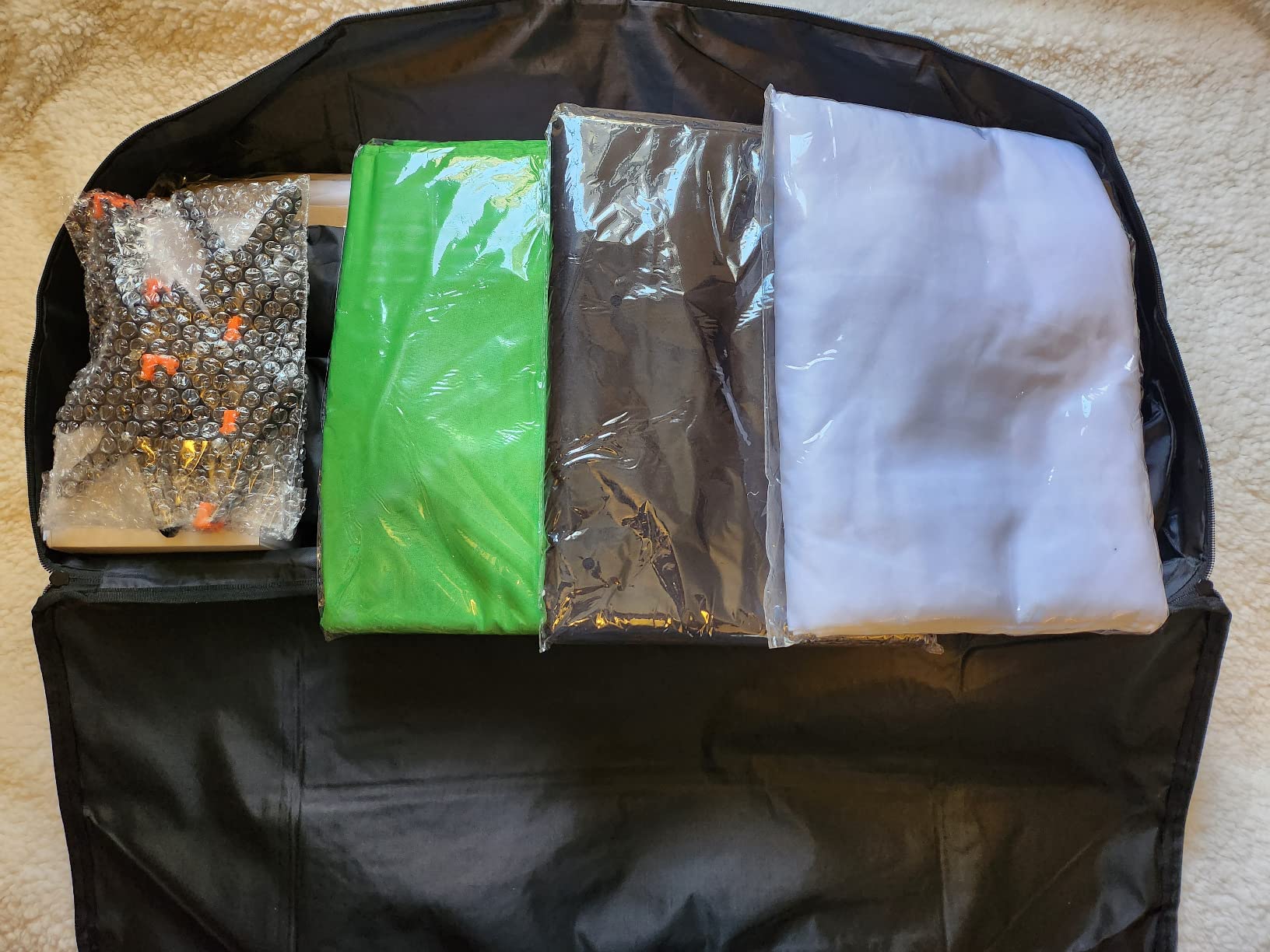
The first thing I noticed when I unpacked this NEEWER kit was how much was inside the box. Two softboxes, two umbrellas, four light stands, three polyester backdrops, and the support system to hang them. For anyone starting a food photography studio from scratch, that is a real shortcut.
I set it up in my kitchen corner in about 25 minutes. The 5700K daylight-balanced bulbs gave me clean white light on a sourdough loaf without any yellow cast, and the CRI 80 was acceptable for bread and pastries where the palette stays neutral. I would not call it studio-grade color rendering for vibrant dishes like beet salads or fresh berries, but for the price and the volume of gear, I cannot complain.
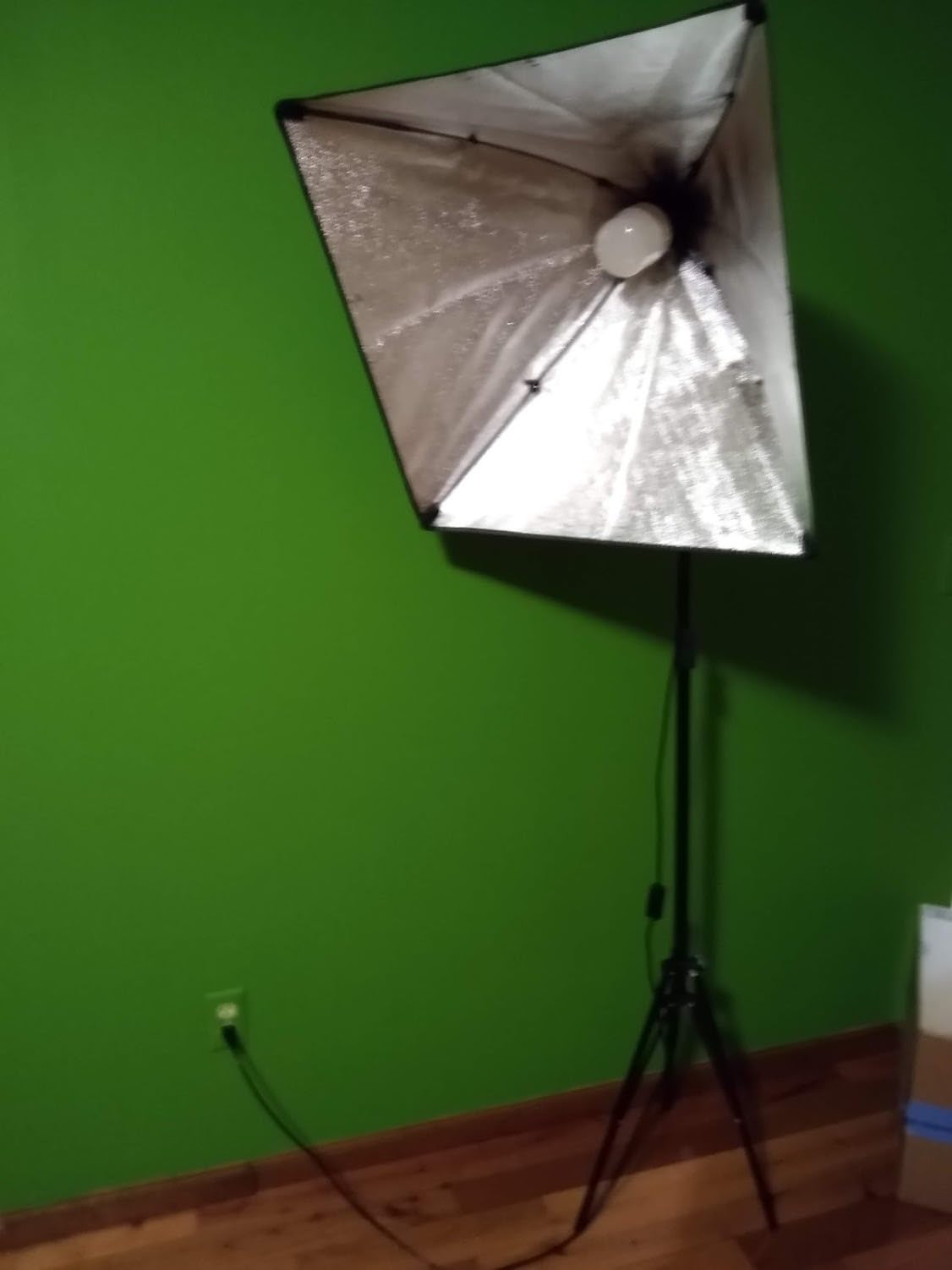
The 7ft stands are the real winner. They reach a comfortable overhead height for flat lays, which is exactly the angle I use for most of my recipe photography. The softboxes produce the wraparound light that hides texture flaws, and the umbrellas give me a quick bounce option when I need a wider spread.
What I liked least was the backdrop quality. The polyester fabric is on the thin side, and I could see a faint weave pattern when I shot straight down at f/8. I replaced mine with a heavier muslin backdrop later, but for beginners the included backdrops are perfectly serviceable.
Who this kit is best for
This is the right pick if you are starting from zero and want a complete studio in a single box. Beginners shooting flat lays, social media creators, and food bloggers on a tight budget will get the most value here. The inclusion of stands, modifiers, and backdrops means no extra shopping.
Who should skip it
If you only need one small light for a tight tabletop setup, the full kit is overkill. Food stylists who need perfect color rendering for vibrant produce and saturated sauces will want a higher-CRI panel instead. And if you shoot video as much as stills, look for a flicker-free bi-color option lower in this list.
2. NEEWER Bi-Color 660 LED Panel Kit – Pro Color Accuracy for Appetizing Food
- CRI 96+ color accuracy
- Bi-color 3200-5600K range
- Premium aluminum build
- AC and NP-F battery power
- Barn doors for shaping
- Barn doors can clip on bracket tilt
- Small control screen
- NP-F batteries not included
The moment I switched to the NEEWER 660 LED panels, my food shots looked more like a cookbook. The CRI 96+ rating meant the reds in tomatoes, the greens in herbs, and the golds in pastry crusts all read the way they do in person. For food photography, that color accuracy is the single biggest upgrade you can make.
The bi-color range from 3200K to 5600K was a game changer for me. I could dial in warm tones for moody coffee and bread shots, then push cooler tones for fresh salads and seafood. The dimming range is smooth, with no flicker on my 4K 60fps video tests.
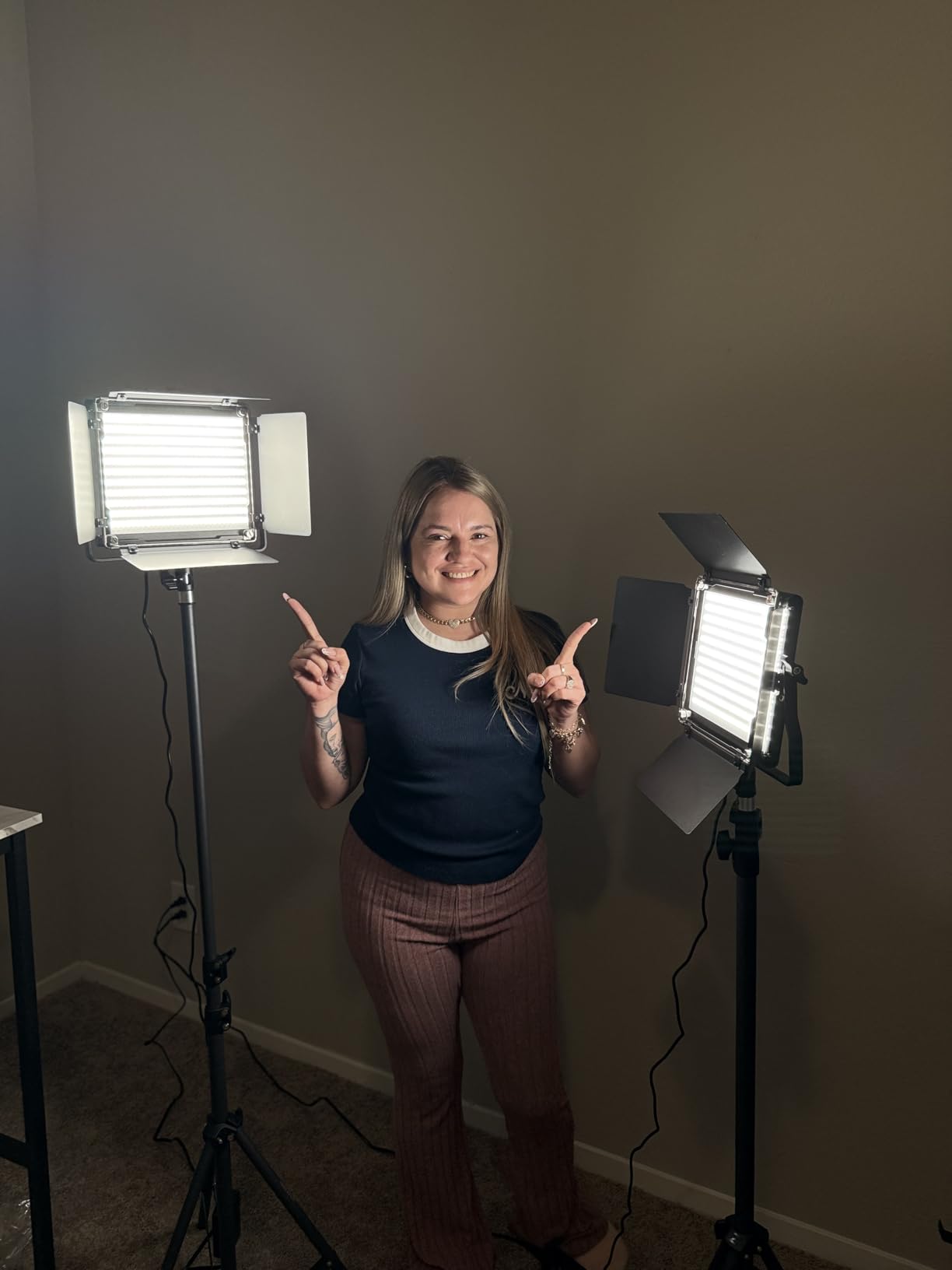
The aluminum housing feels solid in hand and the heat dissipation works well. After two hours of continuous use, the panel was warm but not hot, and the LCD screen gave me clear readouts of brightness and color temperature. The 75-inch light stands handled the panels without any wobble, even at full extension.
The dual power options are a real plus. I have used the AC adapter at home and NP-F batteries on location at a farmer’s market, and the panel just keeps going. The included barn doors help me flag the light off the background, though they did bump into the U-bracket at extreme tilt angles.
Who this kit is best for
Serious food photographers and food stylists who demand accurate color rendering will love this kit. Restaurant chains that shoot menus in bulk, commercial photographers, and recipe content creators shooting both stills and video all benefit from the bi-color flexibility. The battery power also makes it perfect for on-location work.
Who should skip it
Beginners who only shoot at one fixed color temperature may not need the bi-color range. And if you are not ready to buy NP-F batteries separately, the AC-only operation in your studio may be limiting compared to a softbox kit that runs straight from the wall.
3. MOUNTDOG Softbox 2-Pack Kit – Affordable Entry Point for New Food Photographers
- Strong value for budget kits
- Softboxes diffuse light effectively
- Remote control included
- Sturdy aluminum construction
- Good for portraits and food
- Bulbs can run warm with extended use
- Remote needs line-of-sight
The MOUNTDOG 2-pack softbox kit is the one I recommend to friends who ask how to start a food photography setup without spending a fortune. Two softboxes, two 85W daylight bulbs, two tripods, and a remote. That covers the basics for most home studio shoots.
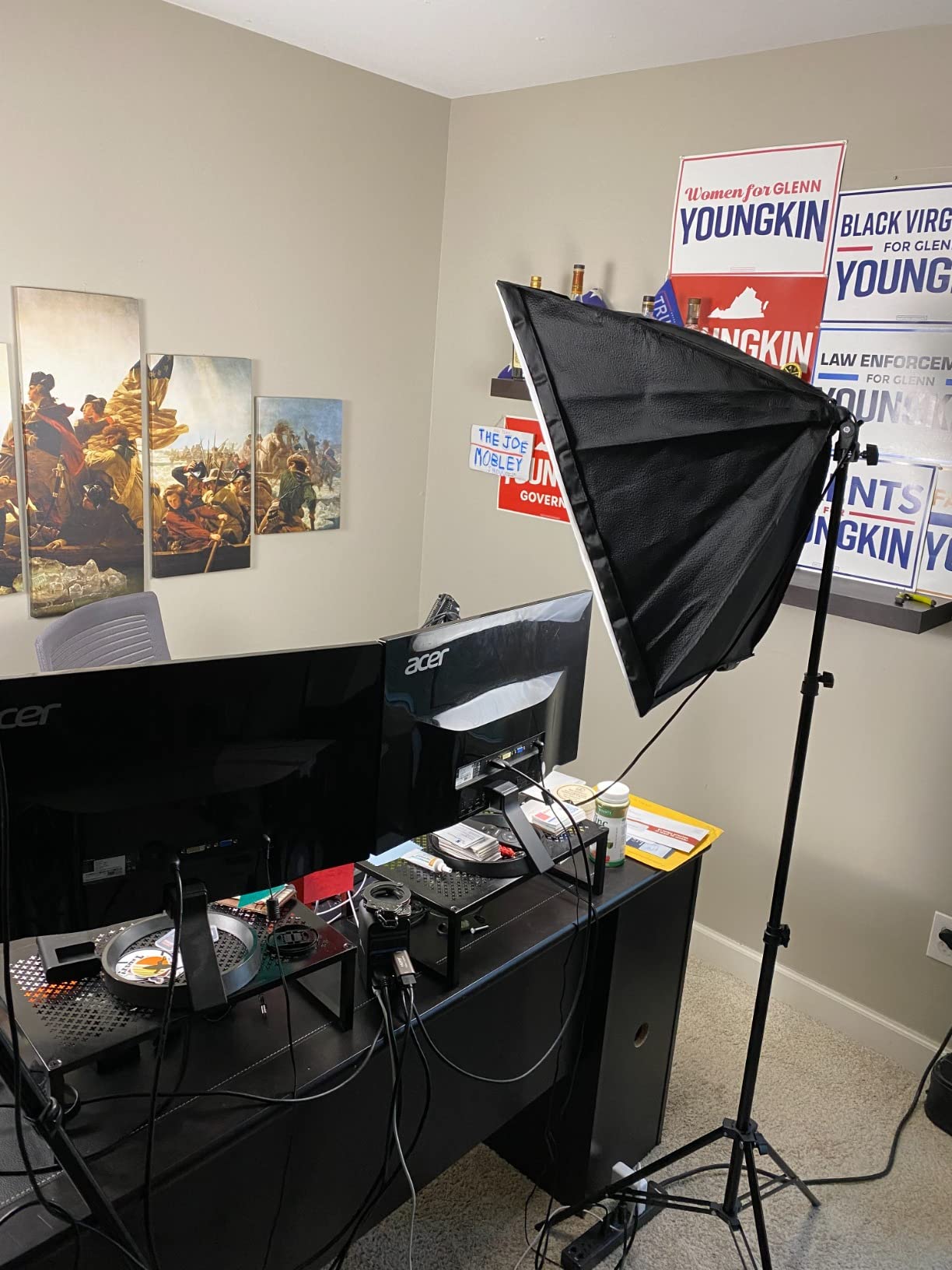
Set up was simple, and the PET material softboxes produced a noticeably softer light than my old bare bulb setup. I was able to shoot a chocolate cake with no harsh hotspots, and the shadows had that gentle wraparound look that makes food look inviting.
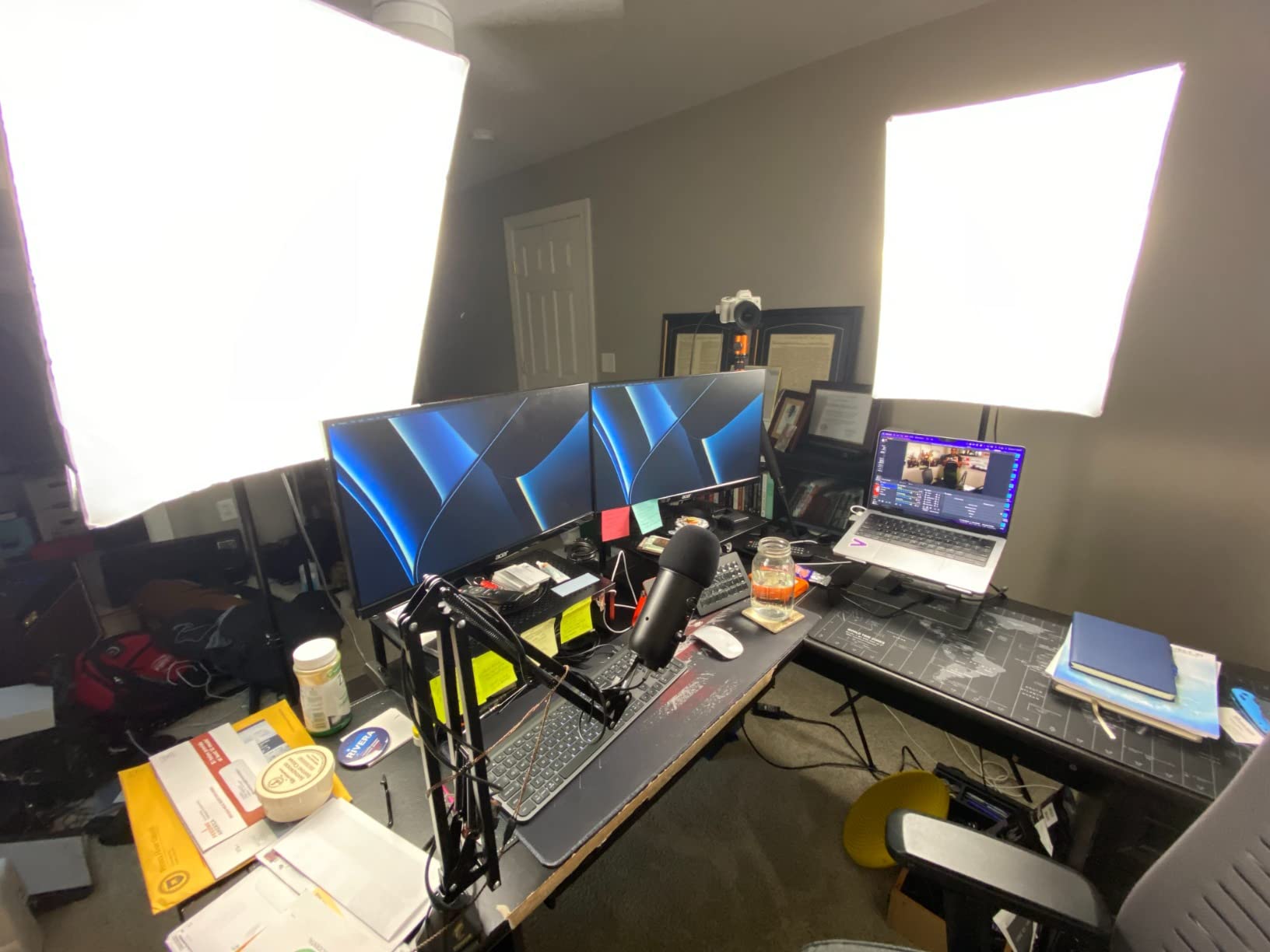
The 85W 5700K bulbs were bright enough for my main key light position, and the 210-degree rotatable heads let me angle them exactly where I needed. The 78-inch stands gave me enough height for overhead flat lays when I extended them fully, which is a common food photography angle.
The remote control was a nice surprise at this tier. I could adjust brightness from across the table without bumping the dish. The bulbs ran a bit warm after about 90 minutes of use, so I gave them cooldown breaks between long sessions.
Who this kit is best for
Beginners and home food bloggers on a tight budget will get excellent value here. The dual softbox setup also works for portrait photography, so it doubles as a learning tool if you want to expand beyond food. Hobbyists shooting weekly recipe content for a personal blog or social media will find this kit delivers more than its price suggests.
Who should skip it
Food stylists working with vibrant colored produce will want a higher CRI panel. And if your studio runs long sessions, the bulbs running warm is something to plan around.
4. RALENO 16×16 inch Compact Softbox – Best for Tight Tabletop Setups
RALENO Softbox Photography Lighting Kit, 16″x16″ LED Studio Soft Box Light
- Compact 16x16 inch size
- CRI 97 color rendering
- Quiet and cool LED operation
- Easy setup and storage
- 2.4G remote included
- Stand can feel light for larger modifiers
- No battery power option
When I needed a light I could stash in a closet between shoots, the RALENO 16×16 became my go-to. The reverse-folding tripod collapses down to about 16 inches, and the whole kit fits in the included carry bag. For apartment studios and small kitchens, that is huge.
Despite the small size, the CRI 97 LED punches above its weight. I tested it on a fruit tart with raspberries, blueberries, and sliced kiwi, and every color rendered accurately. The 50W output is enough for tabletop plates and small bowls, though for large flat lays I would add a second unit.
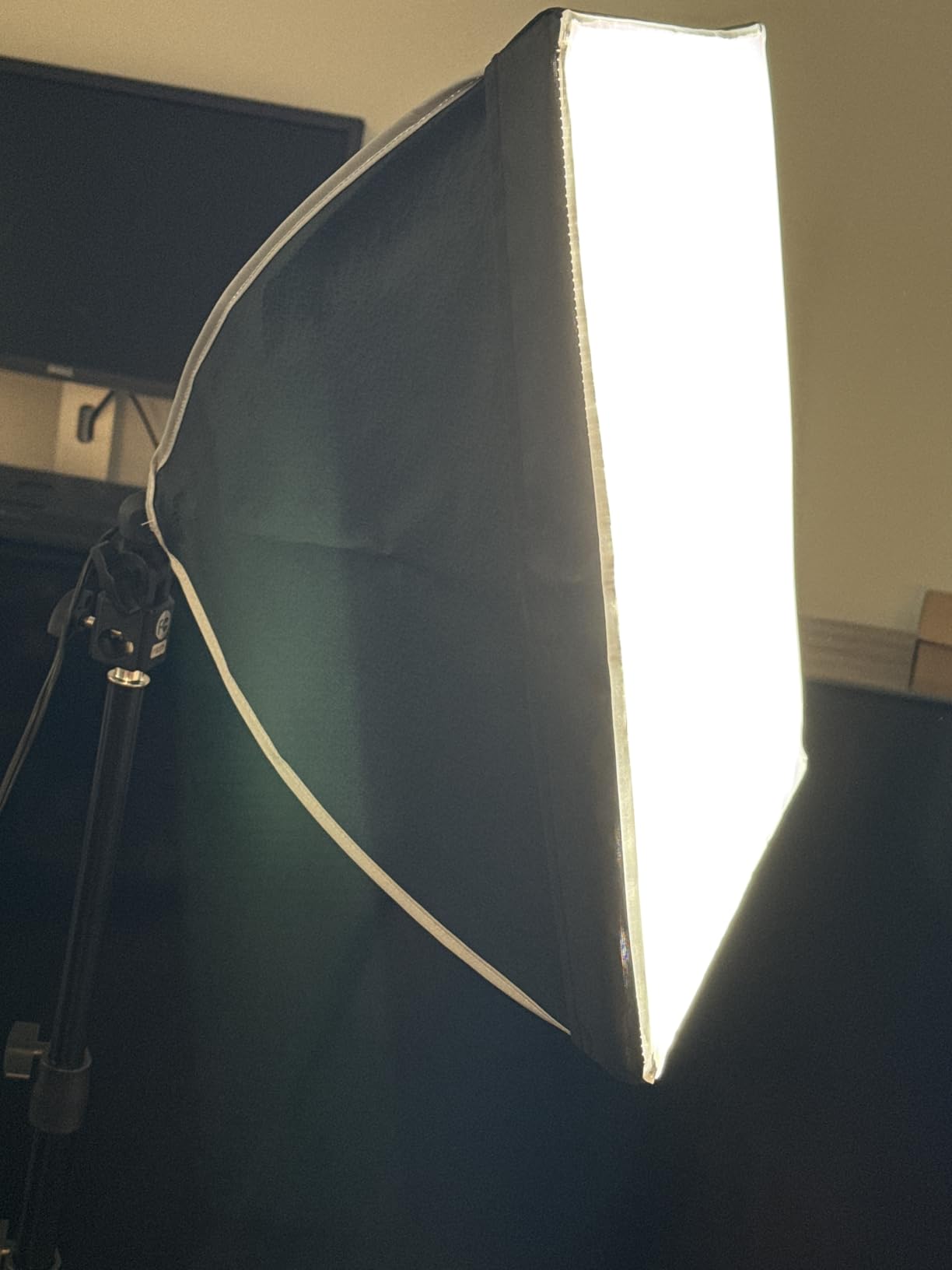
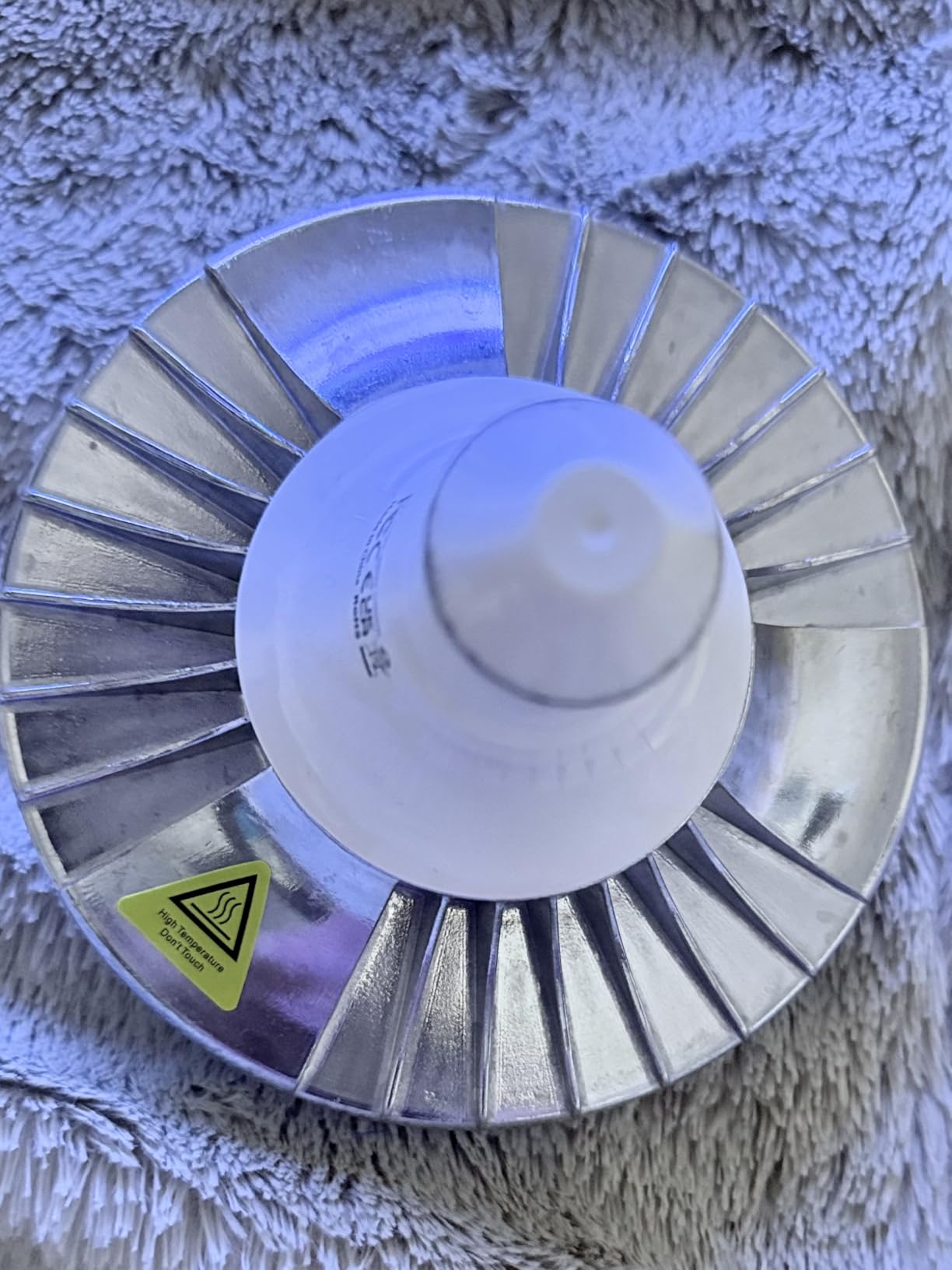
What surprised me most was how quiet the LED is. There is no fan noise, which matters when I am recording overhead recipe videos for social media. The 2.4G remote worked from across my kitchen without any lag, and the soft diffuser gives the light that gentle, even quality food shots need.
The foldable stand is the one tradeoff. At maximum height it can wobble if bumped, so I keep the base weighted with a small sandbag during longer shoots.
Who this kit is best for
Apartment dwellers, food creators shooting on a kitchen counter, and anyone with limited storage will love the compact design. Content creators filming TikTok recipe videos, overhead cooking shots, and product unboxings all benefit from the small footprint. If you only shoot one or two dishes at a time, this single light is enough.
Who should skip it
Photographers shooting full table spreads or large flat lay scenes will need a wider softbox. And if you need to shoot away from a power outlet, the lack of battery power is a real limit.
5. Skytex 2-Pack 20×28 inch Softbox – Versatile Color Temperature for Any Dish
Skytex Softbox Lighting Kit 2Pack 20x28in Soft Box | 85W 2700-6400K E27 LED Bulb Continuous Photography Lighting, Photo Studio Lights Equipment for Camera Shooting, Video Recording
- Wide 2700-6400K color range
- Remote for brightness and temp
- Sturdy aluminum alloy stands
- Good coverage with 20x28 softboxes
- Carry bag included
- Remote needs its own battery
- Stands can feel less stable at full height
The Skytex kit stands out because of its wide color temperature range. I shot the same pasta dish at 3200K for a warm candlelit feel, then dialed it up to 5600K for a clean bright daylight look, and both reads were usable. That kind of range is rare at this tier.
The 20×28 inch softboxes are larger than most entry-level kits. The wider diffusion area gave me softer shadows on a plated steak than smaller 16×16 softboxes could. The 85W tricolor LEDs were bright enough for typical food plate sizes at f/5.6 and ISO 200.
Setup was straightforward, and the Oxford cloth carrying bag makes transport simple. The remote control is a small detail that I appreciated once I started dialing in adjustments mid-shoot without touching the lights themselves.
The minor issue is that the remote control takes its own battery, which is not included in the box. I had a spare AAA around, but beginners should know to grab one. The aluminum stands reach up to 79 inches but can feel slightly less planted than heavier stands when fully extended with a large softbox overhead.
Who this kit is best for
Food photographers who shoot a variety of cuisines and moods will appreciate the wide color temperature range. Anyone who switches between warm moody shots and bright clean styling in the same session will save time by skipping manual gel swaps. Home studio creators who want two soft sources for key plus fill light will find this kit covers both jobs.
Who should skip it
If you only shoot one style of food, the wide color range is unnecessary. And if you travel frequently with your gear, the lack of battery power limits on-location flexibility.
6. NiceVeedi 2-Pack 16×16 inch Softbox – Best for Video Recipe Content
- Anti-strobe LED for video recording
- Compact and easy to store
- Good for content creation
- Sturdy tripod stands
- Storage bag included
- Initial chemical smell reported by some
- Shorter power cord
- Stands can tip if knocked
When I am filming overhead recipe videos at 4K 60fps, flicker is the enemy. The NiceVeedi anti-strobe LED design eliminated that completely, and my footage came out clean even on fast pans. For food creators who split time between stills and video, that compatibility is the main reason to pick this kit.
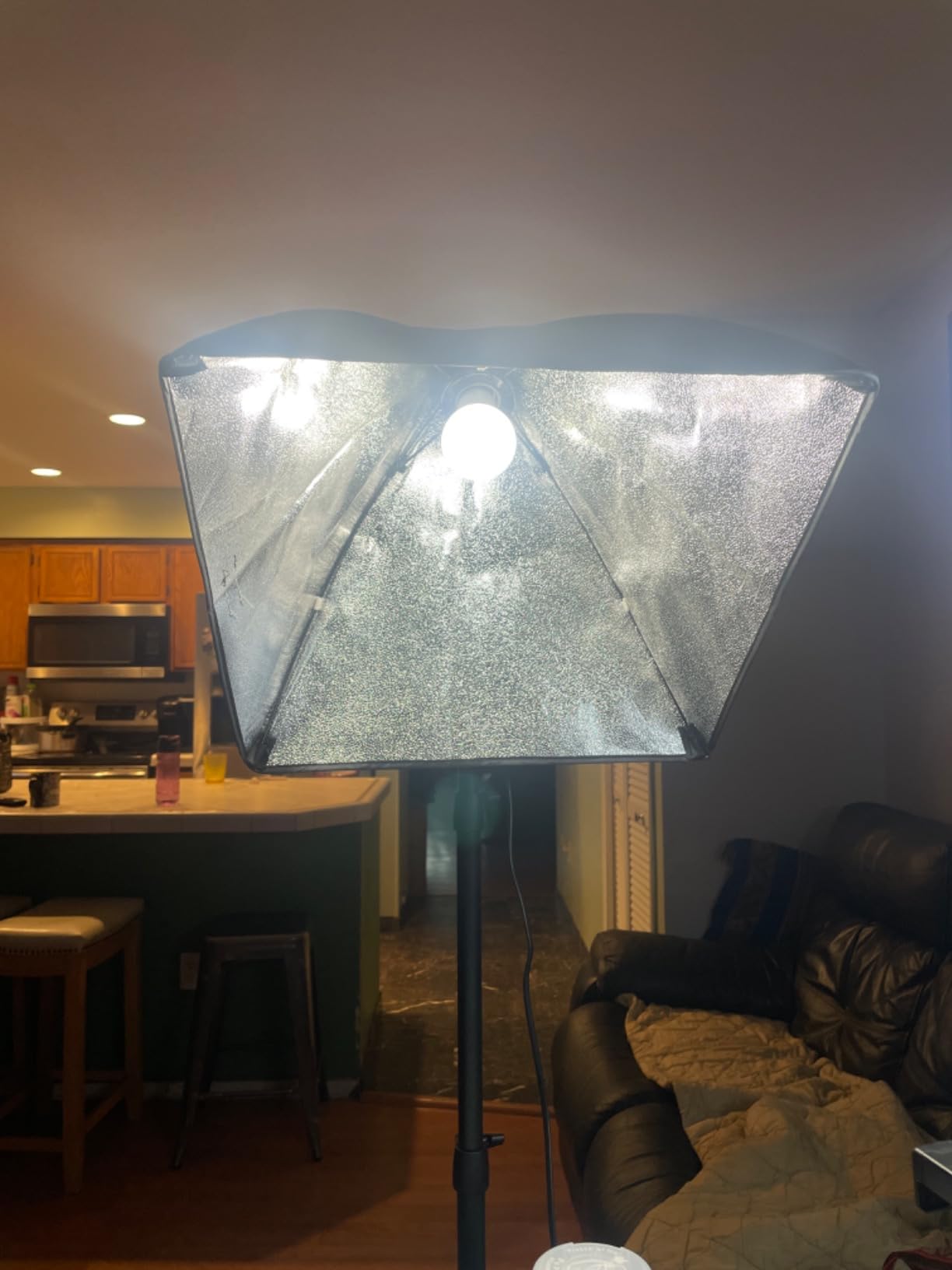
The 16×16 softboxes are small enough to fit on a kitchen counter without dominating the space, which matters when you are also cooking in frame. The 50W LED bulbs are equivalent to a 450W CFL, and the 5400K color temperature is daylight balanced for natural-looking footage.
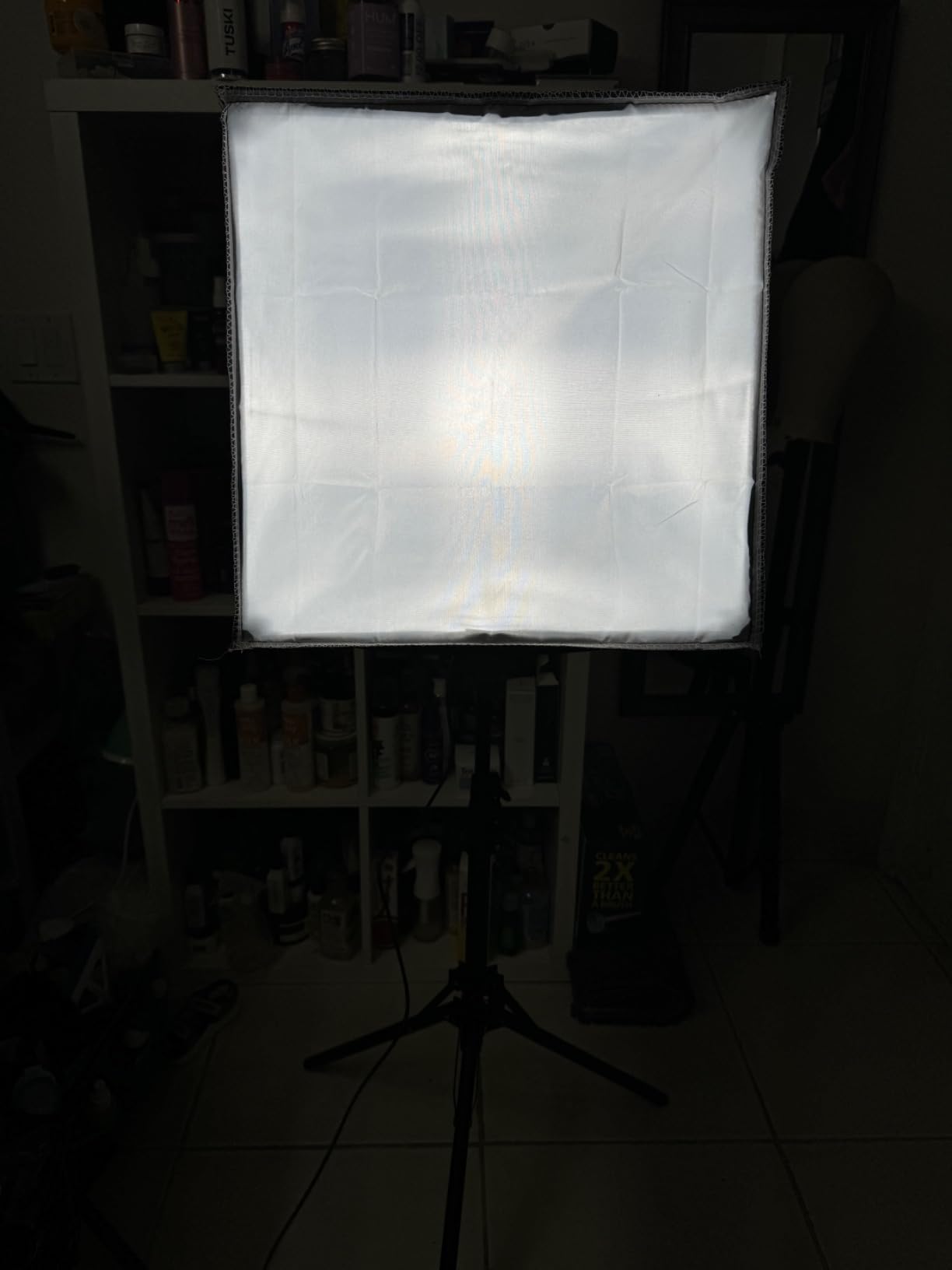
I appreciated the 1/4 inch standard screw mount on the tripod. I could attach a small camera, a phone holder, or a reflector to the same stand, which simplified my overhead rig. The thicker tube diameter on the tripod made the whole setup feel sturdier than other kits in this size class.
A few new units have a faint chemical smell out of the box, which fades after a few hours of use. The power cord is on the shorter side, so I had to use an extension in my kitchen. And the stands can tip if you bump them, so I added a sandbag to the base for safety.
Who this kit is best for
Food content creators filming YouTube cooking videos, Instagram Reels, or TikTok recipe clips will love the anti-strobe design. Anyone who needs a small footprint setup on a kitchen counter, plus reliable tripod mounts for cameras and phones, will find this kit practical and well priced.
Who should skip it
Photographers shooting large platters or wide flat lays will find the 16×16 softbox too small. And if you prefer warm tones, the fixed 5400K daylight balance is a limit.
7. Torjim 27×27 inch Softbox Kit – Top-Rated Color Rendering for Vibrant Dishes
- Large 27x27 inch softboxes
- CRI 100 perfect color rendering
- Energy efficient 80% saving
- Remote control included
- Sturdy aluminum stands
- Setup can be tricky for first-timers
- Heavier than smaller kits
The Torjim kit claims CRI 100, and in my tests the color rendering lived up to the spec. A bowl of red curry, a slice of watermelon, a field of green herbs, all rendered with the kind of accuracy I would expect from a much more expensive panel. For vibrant food photography, CRI 100 is the gold standard.
The 27×27 softboxes are larger than most kits at this tier, and the soft wraparound light was immediately noticeable. My plated dish shadows looked soft and natural, with none of the harsh edges I get from smaller modifiers. The 3000K to 7500K range gave me full control from warm golden tones to bright clean white.
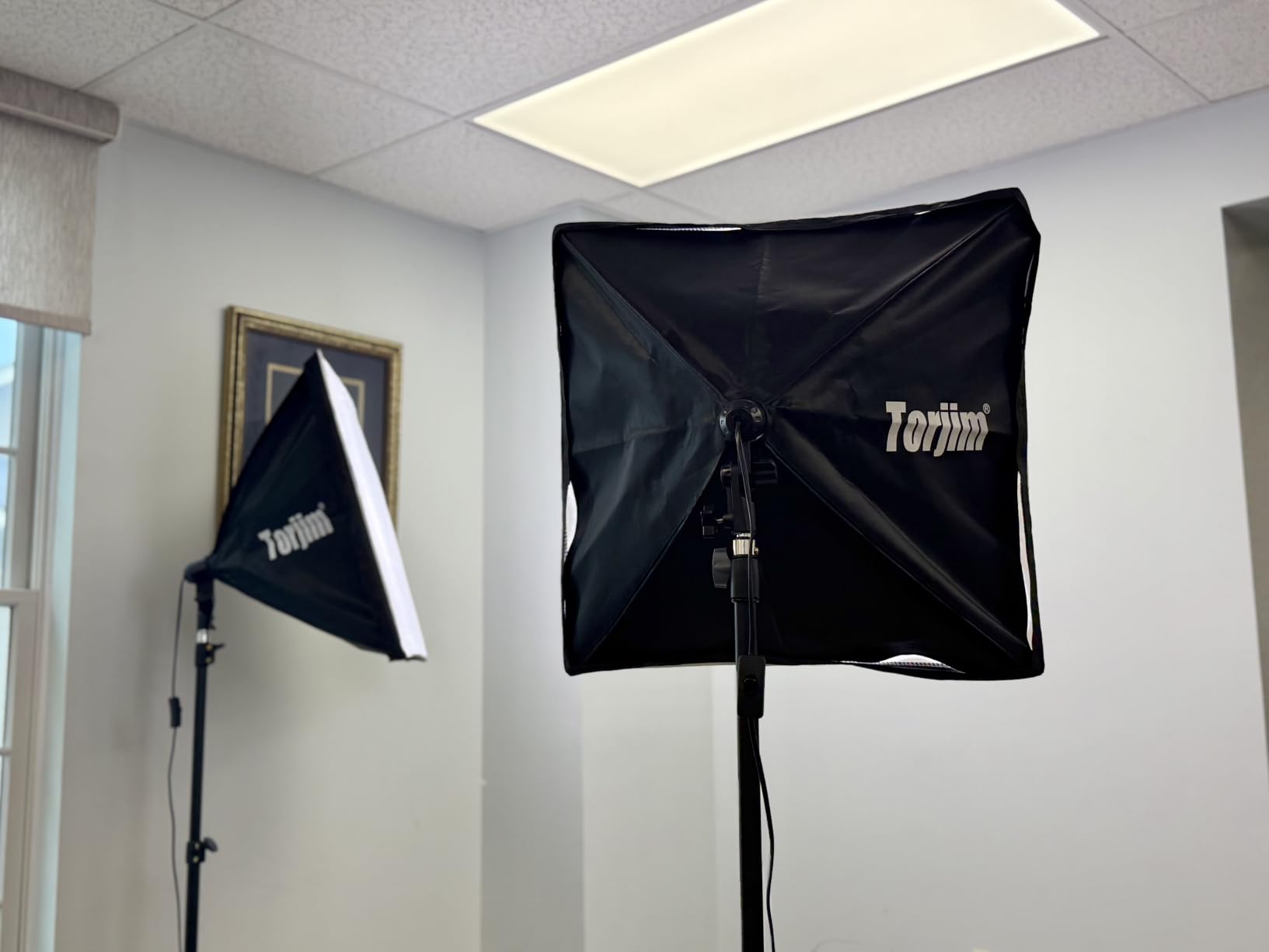
The 85W LED bulbs are energy efficient, and the aluminum tripod stands are sturdy even at full extension. I shot a 2-hour flat lay session without any stability issues, and the included carrying bag made packing up straightforward.
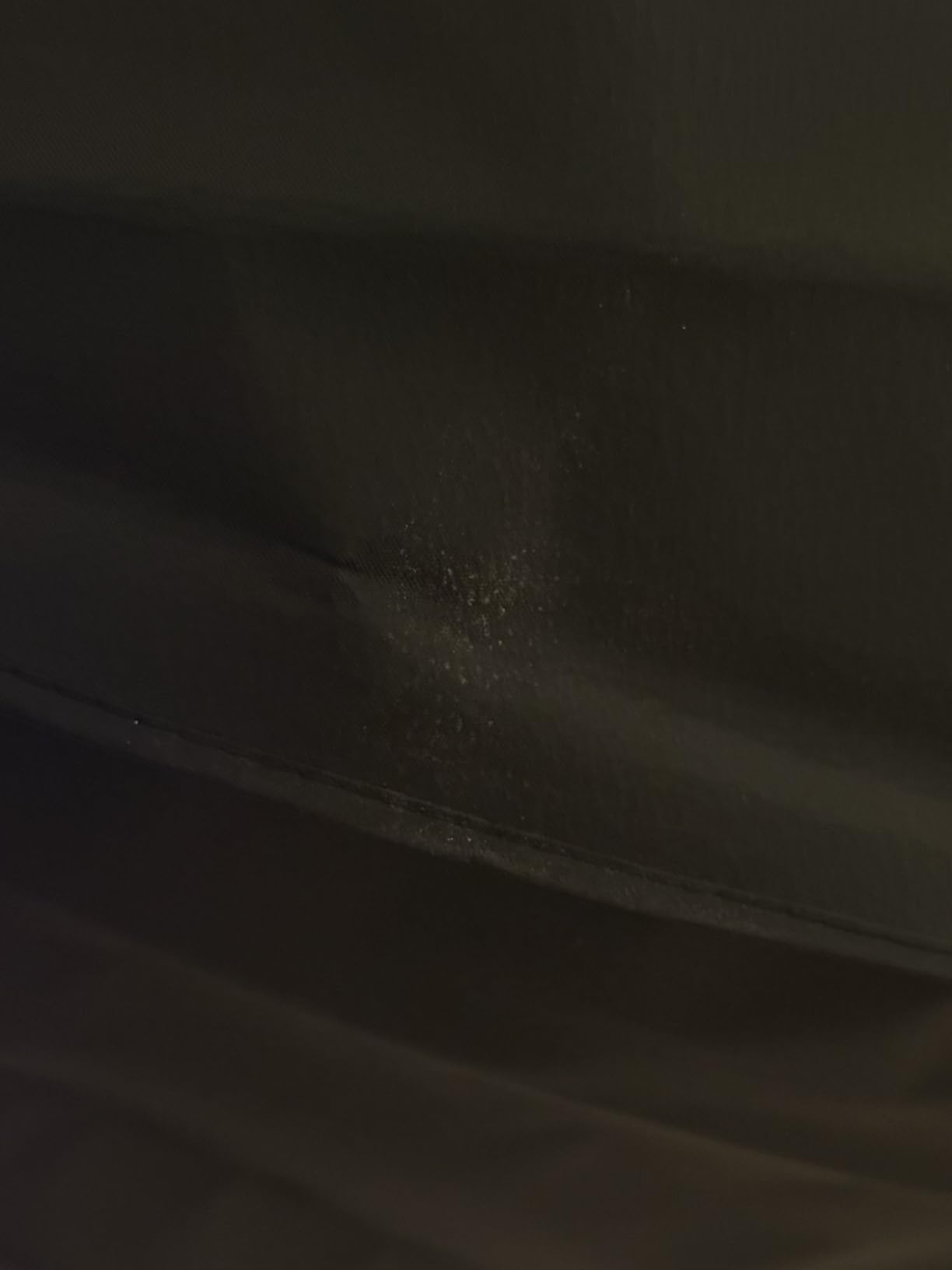
The setup takes longer than smaller kits because of the softbox size, so beginners should set aside time to learn the assembly. The kit is also a bit heavier than compact 16×16 options, which is worth considering if you need to travel light.
Who this kit is best for
Food stylists and photographers working with colorful cuisines, vibrant produce, and detailed plating will benefit from the CRI 100. Recipe developers, cookbook authors, and restaurant menu photographers all need that level of color accuracy. Anyone shooting wide flat lay scenes will appreciate the larger softbox coverage.
Who should skip it
If you only need a single small light for compact setups, the size of these softboxes is overkill. And if you travel with your kit often, the extra weight may be a burden.
8. SmallRig 35 inch Bowens Softbox – Best for Professional Bowens Mount Setups
SmallRig 35″ Bowens Mount Softbox Photography Lighting Kit, Quick Release
- Quick release Bowens mount design
- Professional octagonal shape
- Lightweight at 900g
- Includes honeycomb grid
- Diffusion cloths included
- Requires separate Bowens light
- Premium price tier
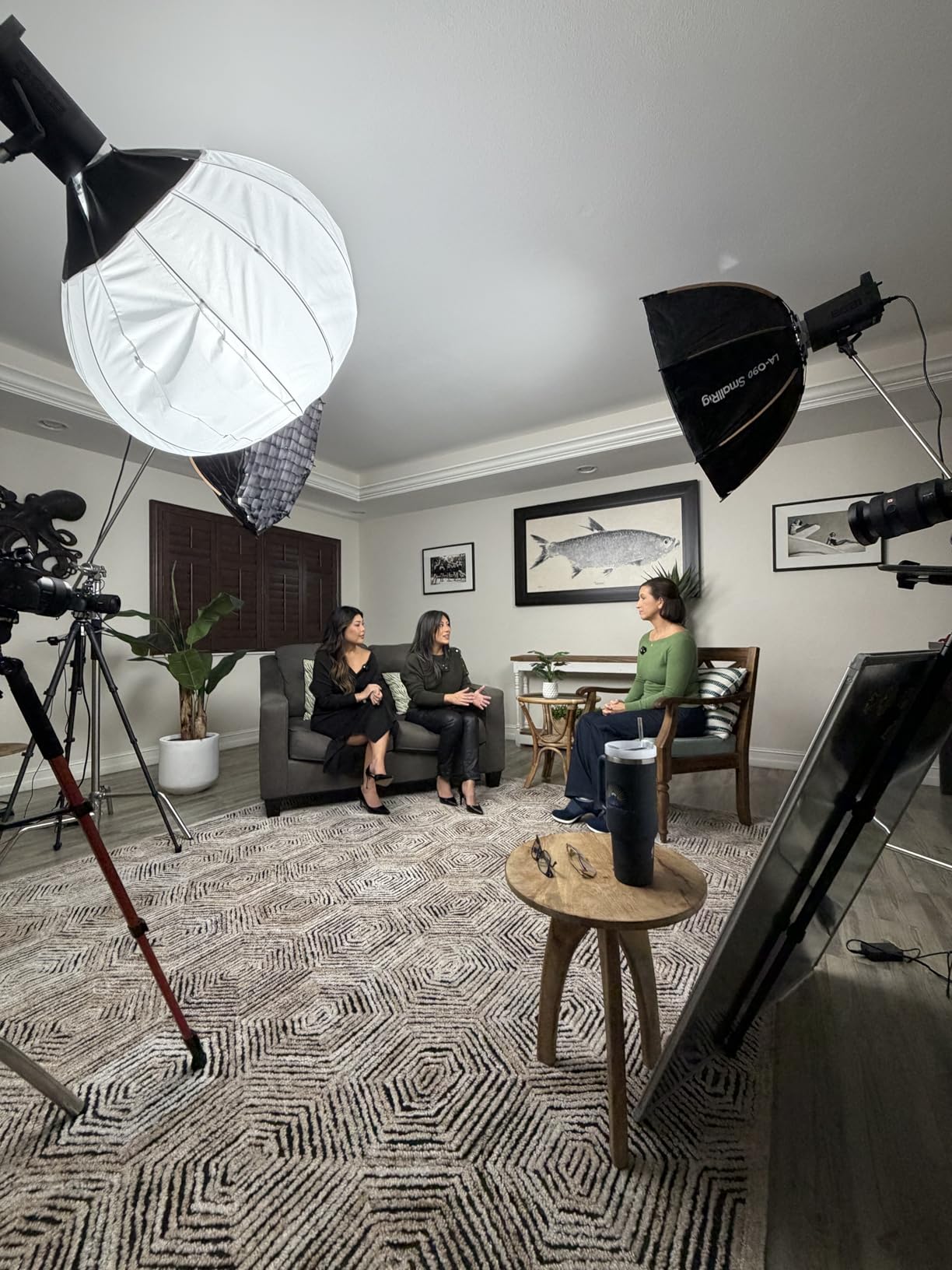
The SmallRig octagonal softbox is a different category from the rest of this list. It is a modifier, not a full kit. But for food photographers who already own a Bowens mount COB light from brands like SmallRig, Neewer, Aputure, or Godox, this is the best softbox I have tested for shaping the light on a plated dish.
The 35 inch octagonal shape is the standard for food and product photography. The round catchlights in reflective surfaces look professional, and the light wrap is softer than square softboxes of the same width. The quick release Bowens mount saved me setup time on every shoot.
At 900 grams, the softbox is light enough to mount on a standard light stand without balance issues. The eight stainless steel ribs are strong, and the dual-layer fabric held its shape after months of use. The included honeycomb grid is a real bonus, and it tightens the beam for accent lighting on the rim of a plate.
You will need a separate Bowens mount light to use this, and that adds to the total cost. If you are starting from scratch, look at the all-in-one kits above. But if you already own a COB light, this modifier is worth the upgrade.
Who this kit is best for
Professional food photographers and commercial studios who already run Bowens mount COB lights will get the most from this modifier. Studios shooting plated dishes, jewelry, and reflective surfaces benefit from the octagonal shape. Anyone who values fast setup and clean light shaping will appreciate the quick release design.
Who should skip it
Beginners starting from scratch should pick a complete kit with bulbs and stands included. If you do not already own a Bowens mount light, the added cost of buying one separately makes this option less practical.
How to Choose the Right Continuous Lighting Kit for Food Photography?
Picking the right continuous lighting kit for food photography comes down to five factors that actually impact your results. I weigh these every time I test a new light, and they should guide your decision too.
CRI rating and color accuracy
Color Rendering Index, or CRI, measures how accurately a light source shows the true colors of an object compared to natural daylight. For food photography, anything CRI 90 or above is a safe starting point. CRI 95+ is what I recommend for vibrant produce, sauces, and pastries where color sells the dish. The NEEWER Bi-Color 660 and the Torjim kits both hit CRI 96 and CRI 100 respectively, and the difference shows up immediately in post-production.
Color temperature and bi-color flexibility
Color temperature, measured in Kelvin, controls the warmth or coolness of your light. Daylight is around 5600K, while warm candlelight sits closer to 3200K. Fixed 5500K bulbs are great for natural-looking food shots. Bi-color panels that swing from 3200K to 5600K (or wider) give you the flexibility to match window light, switch to moody warm scenes, or correct mixed lighting in a restaurant. I look for at least a 3200K to 5600K range.
Softbox size and light quality
The size of your softbox affects how soft the light is. Larger softboxes produce softer shadows and more wraparound light, which is forgiving on textured food like bread crusts and leafy greens. A 20×28 or 27×27 softbox is a good general-purpose size. Smaller 16×16 softboxes work for tight tabletop setups, but you may need to place them closer to the subject to get the same softness.
Wattage and brightness
For home studio food photography, 50W to 85W LED panels or bulbs are usually enough. The 5700K daylight bulbs in the kits above pair well with typical ISO 100 to 400 camera settings and f/4 to f/8 apertures. If you shoot at higher f-stops for deep depth of field on layered dishes, you may need higher wattage or two lights to keep shutter speeds practical.
Modifiers, stands, and mounting
Softboxes, umbrellas, barn doors, and honeycomb grids all shape the light differently. Softboxes soften, umbrellas spread, barn doors flag, and grids tighten. Stands should reach at least 75 inches for overhead flat lay work. Bowens mount compatibility, like the SmallRig option, opens the door to professional-grade modifiers later. For related gear, our guides on workshop lighting and product photography lighting kits cover broader setups if you shoot beyond food.
Common mistakes to avoid
The biggest mistake I see is shooting with mixed color temperatures. If your key light is 5600K and your fill is 3200K, your white balance will fight you. Pick a consistent temperature, or use bi-color panels. Another common issue is placing the softbox too close to the dish, which can heat up delicate food like chocolate and ice cream. Keep the light a few feet away and use a higher ISO if needed. Finally, do not skip the fill. Even a simple white card on the shadow side of the dish will lift the detail without flattening the image.
Frequently Asked Questions
What is the best light setup for food photography?
A reliable food photography setup uses a key light at 45 degrees to the subject with a softbox for diffusion, plus a fill light or reflector on the opposite side to lift shadows. Add a rim light or strip box behind the dish for edge separation. Continuous LED panels in the 3200K to 5600K range with CRI 95 or above give you accurate color and the ability to preview lighting in real time. Two-light kits like the NEEWER Bi-Color 660 or MOUNTDOG softbox pair cover most home studio needs.
What are the best continuous lights for photography?
The best continuous lights for photography combine high CRI, bi-color flexibility, and a useful modifier system. Top picks include the NEEWER Bi-Color 660 LED Panel Kit for color accuracy, the Torjim 27×27 Softbox Kit for CRI 100 rendering, and the NEEWER Complete Studio Kit for an all-in-one starter setup. Look for flicker-free output, smooth dimming, and at least 3200K to 5600K color temperature range.
What CRI is needed for food photography?
For food photography, aim for CRI 90 as a minimum and CRI 95 or above for vibrant dishes, fresh produce, and sauces where color accuracy sells the image. CRI 80 bulbs, like the ones in the entry-level NEEWER Complete Kit, work for neutral palettes like bread and pastries, but CRI 96 to 100 panels are worth the upgrade for recipe developers and commercial menu work.
How many lights do I need for food photography?
Most home food photography setups run well on two lights: a key light with a softbox at 45 degrees to the subject, and a fill light or reflector on the opposite side. A third rim light behind the dish adds edge separation for glossy sauces and reflective surfaces, but it is optional. Single-light setups, like the RALENO 16×16 compact softbox, work for tight overhead flat lays and budget setups.
Final Verdict on the Best Continuous Lighting Kits for Food Photography
After weeks of testing, the NEEWER Complete Studio Kit takes the top spot for most home food photographers. It is the only kit in this list that ships with everything you need to start shooting, and the 4566 reviews from real buyers back up its reliability. Pair it with a high-CRI panel later when you are ready to upgrade color accuracy.
For serious color work, the NEEWER Bi-Color 660 LED panels and the Torjim 27×27 softbox kit both deliver CRI 96 and CRI 100 rendering that holds up in commercial work. And if you are working in a small space or shooting from a kitchen counter, the RALENO 16×16 compact softbox is the most practical pick.
Whichever continuous lighting kit for food photography you choose in 2026, the move from window light to constant LED is the upgrade that changes your food photography. Pick the kit that matches your space, your color needs, and your budget, then start shooting. The light is always on, and the dish is always ready.