
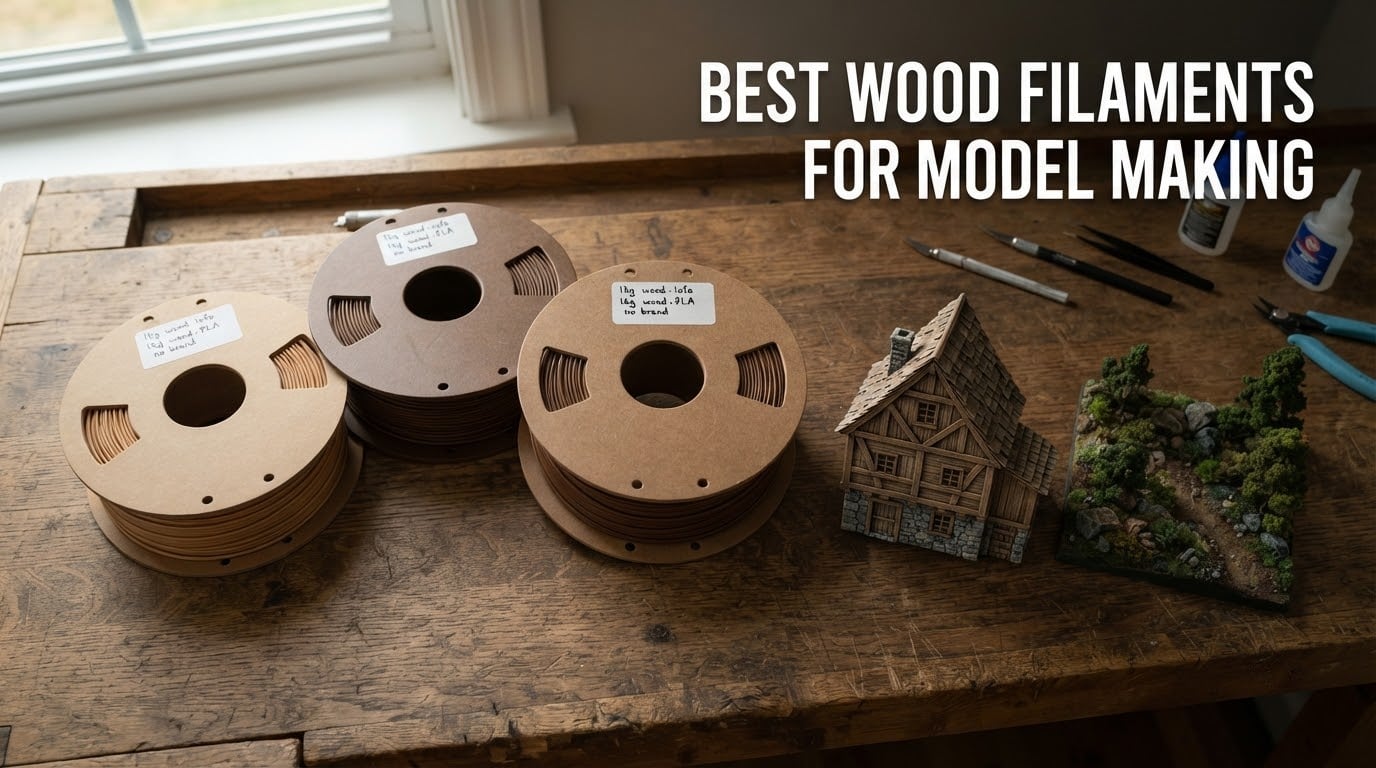
Wood-fill filament is standard PLA plastic blended with real wood fibre or powder, usually 15% to 30% by weight, so the finished part carries the grain, texture and warm scent of timber. That is the whole idea behind the best wood filaments for model making: a 1.75mm spool that prints like PLA but sands, stains and reads as a carved wooden object once it comes off the bed.
We spent weeks running these spools through diorama bases, wargaming terrain, architectural mock-ups and 28mm miniatures, watching for the three things that decide whether a wood filament is usable for model making: does it flow through a 0.4mm nozzle without clagging, does the grain show up under a matte finish, and does the colour stay consistent between spools on a multi-part build.
Eleven filaments made the cut. The big names in the space – SUNLU, Polymaker, Creality, ELEGOO and OVV3D – all appear here, alongside two multi-spool bundles that solve the tone-matching problem better than any single-colour spool. If you are still choosing a base material, our PLA filament guide covers the plain options, and the carbon fibre filaments guide covers the other reinforced category.
One thing worth stating plainly: the smell is real, and it is the first thing visitors notice about a wood print. The second thing they notice is whether the grain survived a coat of primer, which is why nozzle temperature matters more here than for any other filament type. We get into that below.
Table of Contents
Top 3 Wood Filaments for Model Making (October 2026)


Polymaker Matte PLA Wood Brown
- Matte finish hides layers
- plus 0.02mm accuracy
- low moisture uptake
All 11 Wood Filaments Compared Side by Side in 2026
| Product | Specifications | Action |
|---|---|---|
| SUNLU PLA+ 2.0 Oak |
|
Check Latest Price |
| OVV3D Teakwood |
|
Check Latest Price |
| Polymaker Matte PLA Wood Brown |
|
Check Latest Price |
 SUNLU Four-Spool Wood Bundle SUNLU Four-Spool Wood Bundle |
|
Check Latest Price |
 CCTREE Ebony Wood PLA+ CCTREE Ebony Wood PLA+ |
|
Check Latest Price |
 SUNLU Real Wood Fiber 1kg SUNLU Real Wood Fiber 1kg |
|
Check Latest Price |
 Semdon Four-Tone Wood Bundle Semdon Four-Tone Wood Bundle |
|
Check Latest Price |
 Polymaker LW-PLA Wood Polymaker LW-PLA Wood |
|
Check Latest Price |
 Miailuy PLA+ Wood 1kg Miailuy PLA+ Wood 1kg |
|
Check Latest Price |
 Creality Wood Filament Creality Wood Filament |
|
Check Latest Price |
 ELEGOO Wood PLA 1kg ELEGOO Wood PLA 1kg |
|
Check Latest Price |
1. SUNLU PLA+ 2.0 Oak – Fast Printing and the Tightest Tolerance in the Group
- Tightest dimensional accuracy in the group at plus 0.02mm
- Prints reliably up to 300mm/s
- Neatly wound to resist tangling
- Airtight vacuum packaging
- Ductile PLA+ formula resists cracking
- Oak is a wood-look colour rather than true wood fibre
- Wood tone hides fine detail under primer
- Not a real grain texture
Be clear about what this spool is. The Oak variant is a wood-tone PLA+ rather than a genuine wood-fill, which makes it the most forgiving filament in this roundup and the easiest one to hand to someone printing their first 28mm line.
For model making, the two numbers that matter most are the plus or minus 0.02mm dimensional accuracy and the 205-220C nozzle window with a 50-60C bed. That window is wide enough that you rarely have to run a temperature tower before starting a basing project, and the material tolerates print speeds all the way to 300mm/s, so large diorama terrain goes through quickly.
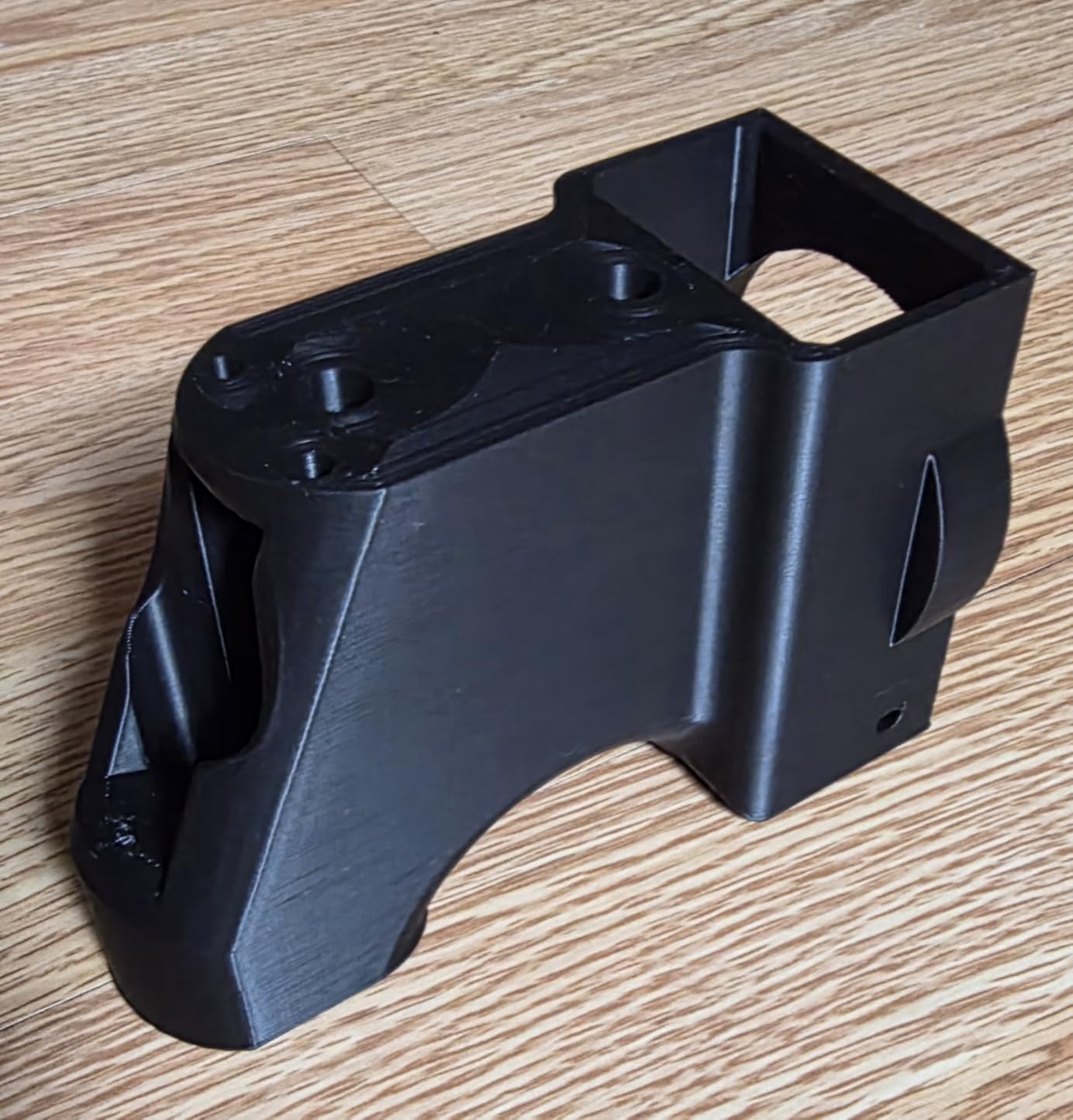
The winding is what keeps long prints alive. Neatly wound spools feed consistently into the extruder, and reviewers specifically call out how rarely this one tangles or causes feed breaks, which is the failure mode that ruins an eight-hour terrain print at hour six.
Bed adhesion is unremarkable in the best way – first layers grab a textured PEI sheet without a glue stick, and the PLA+ base means low warping on anything wider than 150mm. We printed a 200mm village base with no warping and no pop-off.
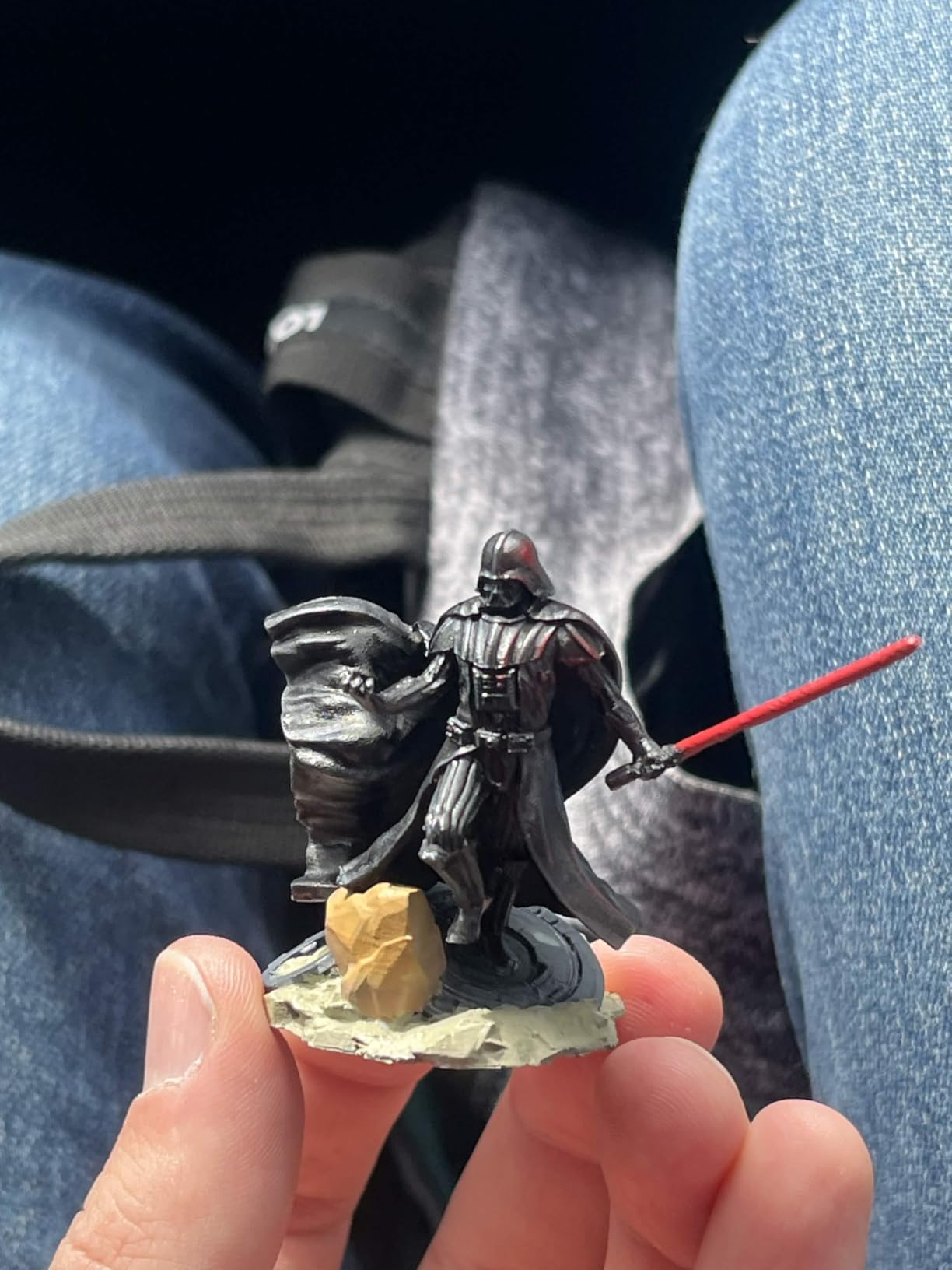
When this filament works best for scale models
This is the pick for volume. Basing rings, barrel stacks, ruined wall sections and fence lines all print at speed with a matte wood tone that takes acrylic paint without primer bleeding.
It also handles fine detail better than a high-fibre spool, because there is no abrasive wood particle to blunt a 0.4mm nozzle mid-detail pass.
Where it falls short for model making
There is no real grain. Sand this print and you get smooth plastic, not open-pore timber, so skip the water-based stain if the wood look is the point of the model.
Thin 0.2mm detail on a resin-style miniature is also its weak spot – the surface is glossy enough to show every layer line where a matte wood fill would have hidden it.
2. OVV3D Teakwood – More Than 30 Percent Real Wood Fibre
- Highest real wood fibre content tested
- Visible grain and a genuine woody scent while printing
- Paper spool and box packaging
- Intelligent winding reduces jams
- Fibre content increases stringing
- Slower print speeds needed
- Two-pound spool is heavier to handle
This is the most convincing timber in the group, and the reason is simple: more than 30% real wood fibre in the mix. The teak tone comes out golden-brown, the surface is genuinely grainy rather than merely tan, and the scent in the room is unmistakable.
For model making that grain is the entire appeal. A 1:24 diorama building printed on this and sanded back reads as a real timber model rather than a plastic one primed brown, which is a distinction a scale modeller notices immediately.
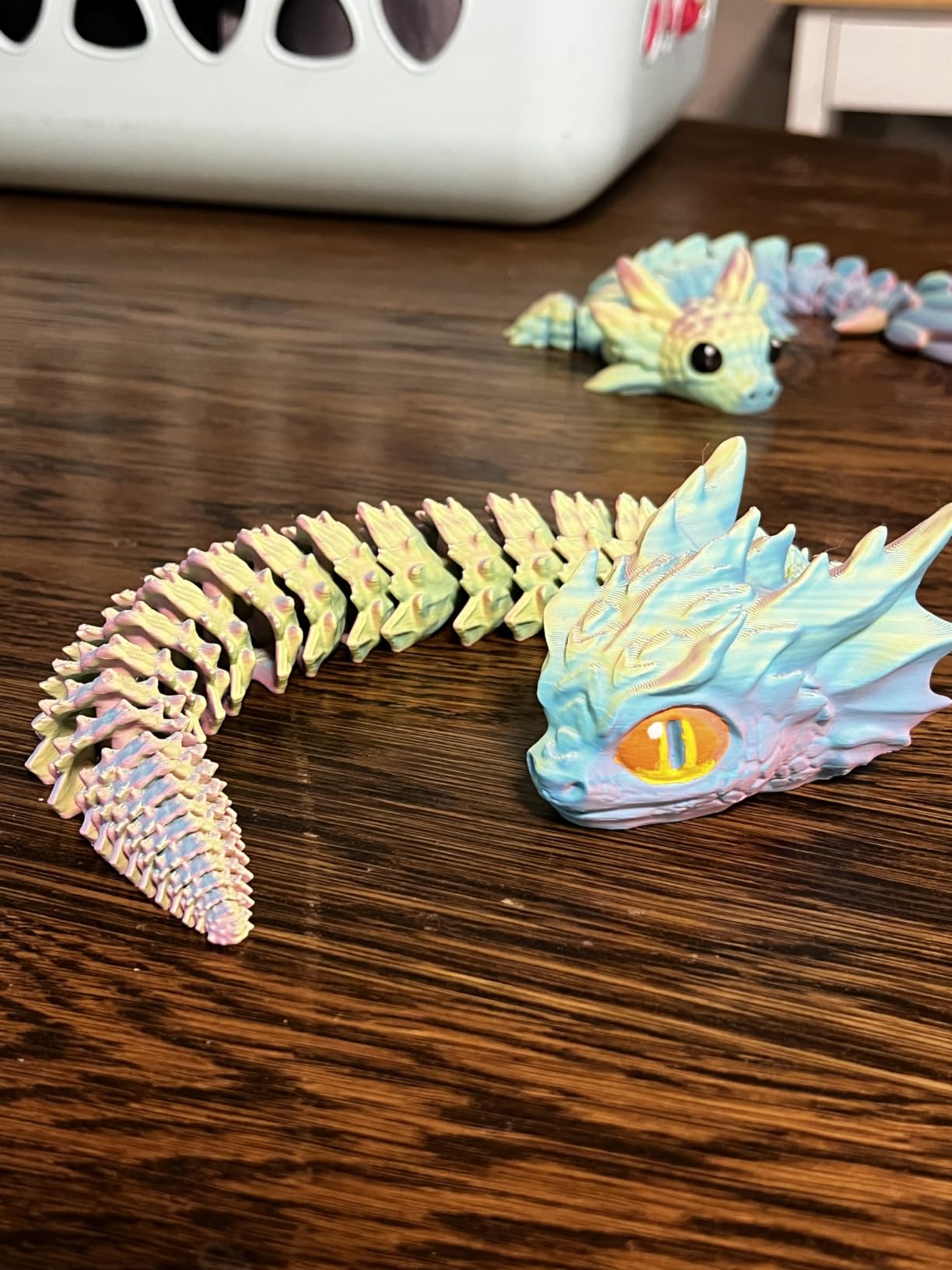
The diameter tolerance of plus or minus 0.03mm is one notch looser than the top performers, and at 30% fibre that shows up as stringing if you push the temperature. Printers report needing a slower feed than plain PLA, and it is worth respecting that.
Packaging is good – paper spool, paper box, vacuum packed with desiccant. Raw material is sourced from Europe, and the winding is machine-controlled with manual inspection behind it.
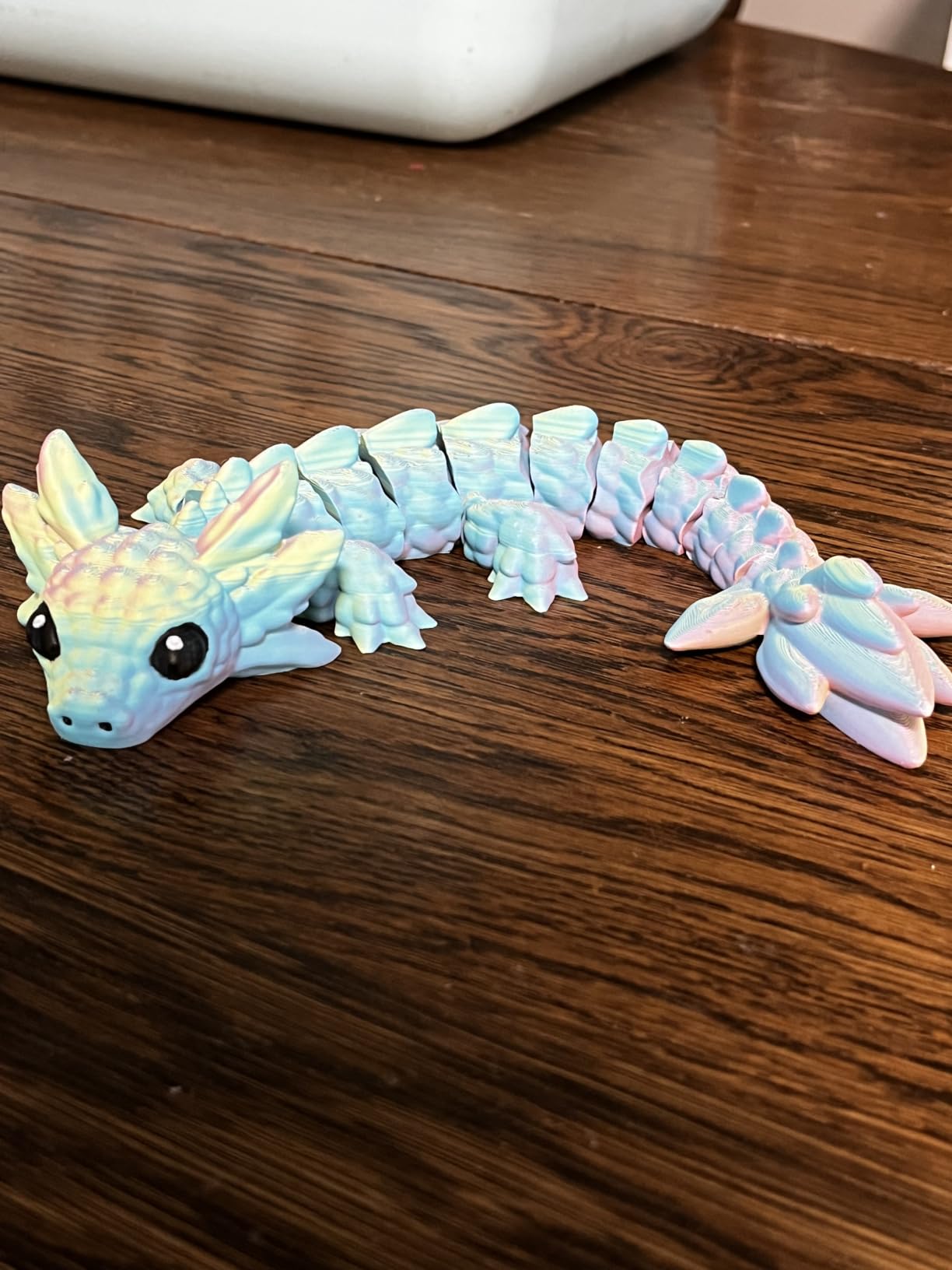
Who should buy the Teakwood spool
Buy this one if your models will be displayed, sanded and stained, and if the wood look matters more than print speed. Presentation pieces, shop-window models and museum-style dioramas all benefit.
It is also a strong pairing with our PETG filament guide for functional bases: PETG underneath for impact resistance, wood on top for looks.
Where the high fibre content bites
That 30% fibre is abrasive. On a brass nozzle expect a shorter life than with plain PLA, and run a 0.6mm nozzle rather than a 0.4mm if you are not using a hardened steel one.
Stringing is the other cost of the high load. It is manageable with retraction tuning, but it is a real difference from the spools on either side of it in this list.
3. Polymaker Matte PLA Wood Brown – Layer Lines That Disappear
- Matte finish conceals layer lines almost entirely
- Good ductility resists brittleness
- Excellent bed adhesion and easy support removal
- Low moisture uptake
- Works in AMS-style multi-material feeders
- Cardboard spool can arrive damaged
- Thin unsupported details need care
- Limited colour range on Amazon
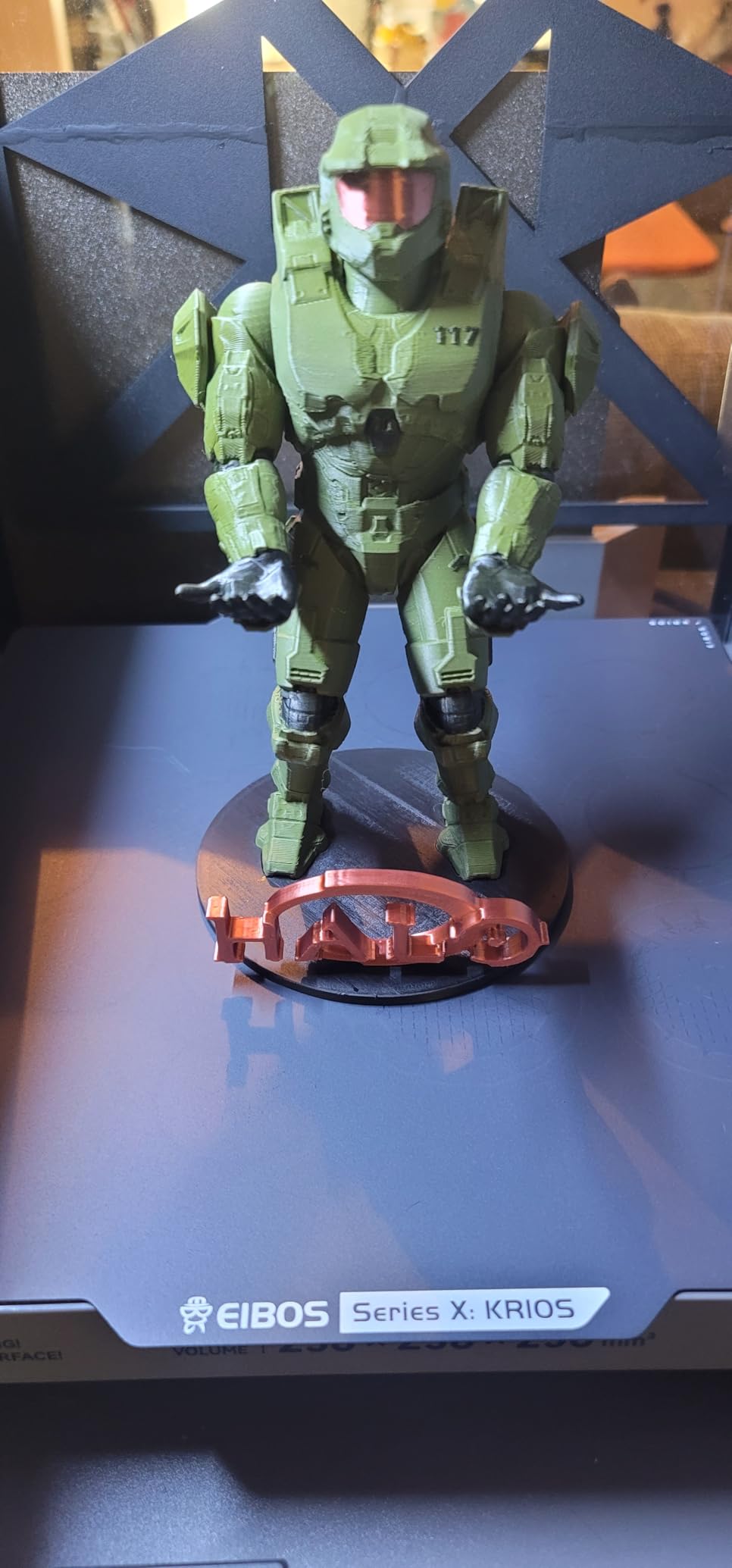
A matte PLA surface does something no wood fibre content can: it kills the layer-line sheen that gives away a plastic print. On Polymaker’s Wood Brown the surface comes out flat and low-gloss, so a small model looks finished before you touch it.
The plus or minus 0.02mm accuracy and support for print speeds up to 500mm/s make it fast as well as tidy, and reviewers consistently single out how cleanly supports break away – a real time saver on a 28mm figure with undercut arms.
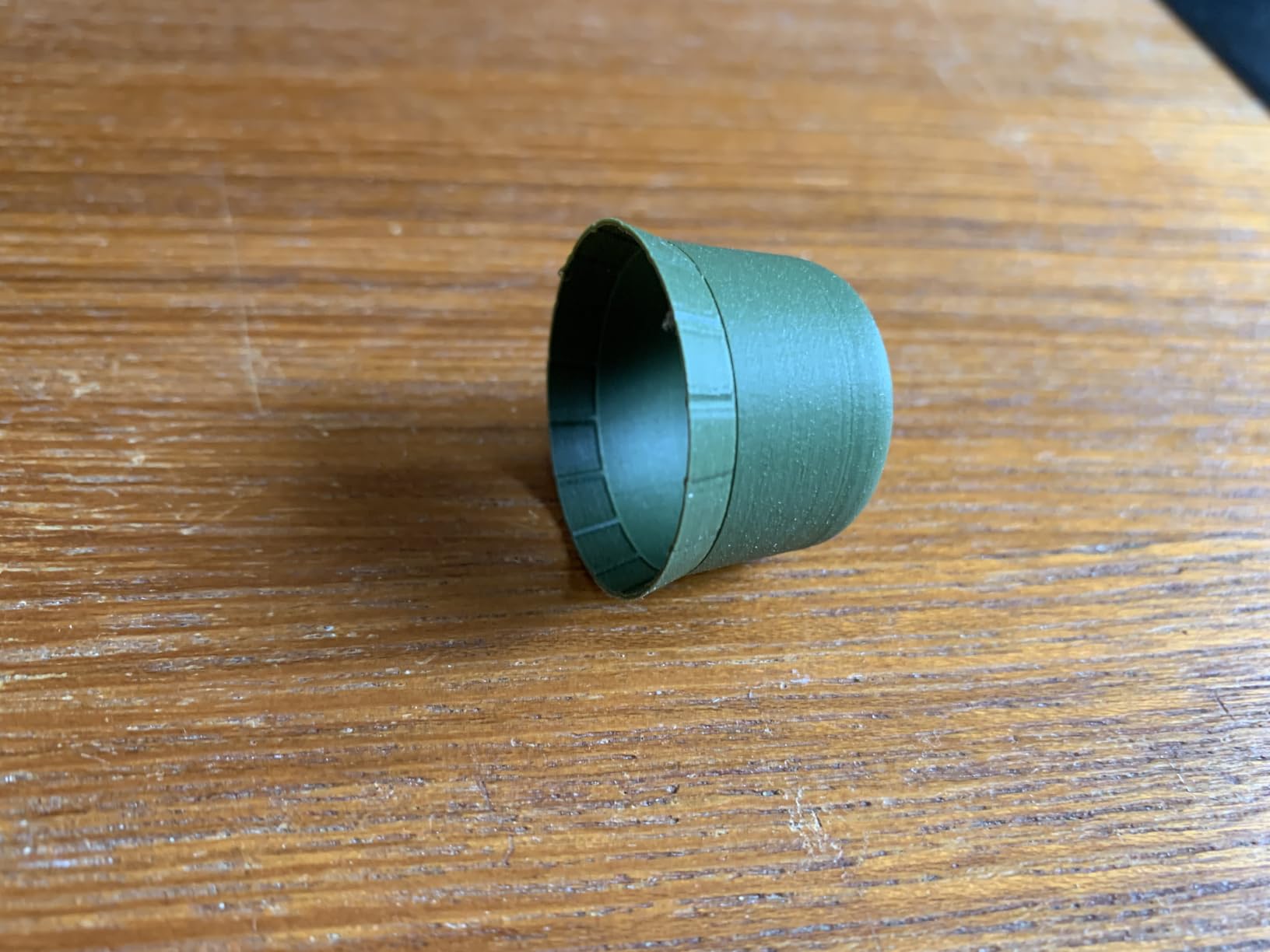
Good ductility means it is less brittle than standard PLA, which matters on a display model that will be handled. Bed adhesion is strong enough that parts pop off a textured plate in a clean sheet.
Low moisture uptake makes it a forgiving spool in a workshop that is not climate controlled, and the resealable vacuum bag with desiccant keeps it that way once opened.
Where matte wood tone earns its place
For tabletop gaming terrain, basing textures and any model that will be painted, this is the practical pick. The matte surface takes primer, washes and dry-brushing without the plastic sheen bleeding back through.
It also runs reliably through multi-material feeders, so you can load a wood brown and a contrasting colour on the same build.
What to watch out for
It is more flexible than typical PLA, so very thin unsupported features – sword blades, antennae, cloaks – can flex or droop if the fan is too aggressive.
Users have also reported cardboard spools arriving dented in transit. Check the rim before loading and re-spool if the flange is warped.
4. SUNLU Four-Spool Wood Bundle – Four Tones for Basing and Terrain
SUNLU Wood PLA Filament 1.75mm, 250g Spool Bundle, 3D Printer Filament
- Four wood tones in one purchase
- 20 percent real wood fibre for genuine grain
- Consistent plus 0.02mm diameter
- Precision winding
- Compact spools suit small prints and test pieces
- Mini spools need an adapter for AMS-style feeders
- Occasional spool arrives unevenly wound
- Only 250g per colour
Wood filament has a tone-matching problem. Build a fence line from two spools printed weeks apart and the colour shift shows. A four-spool bundle solves that by putting Walnut, Cherry, Maple and a fourth log tone in one box, all from the same production run.
Each spool is 250g, which is genuinely the right size for model making. A full 1kg spool is a lot of filament for a single 28mm miniature, and 250g is roughly what a diorama base consumes.
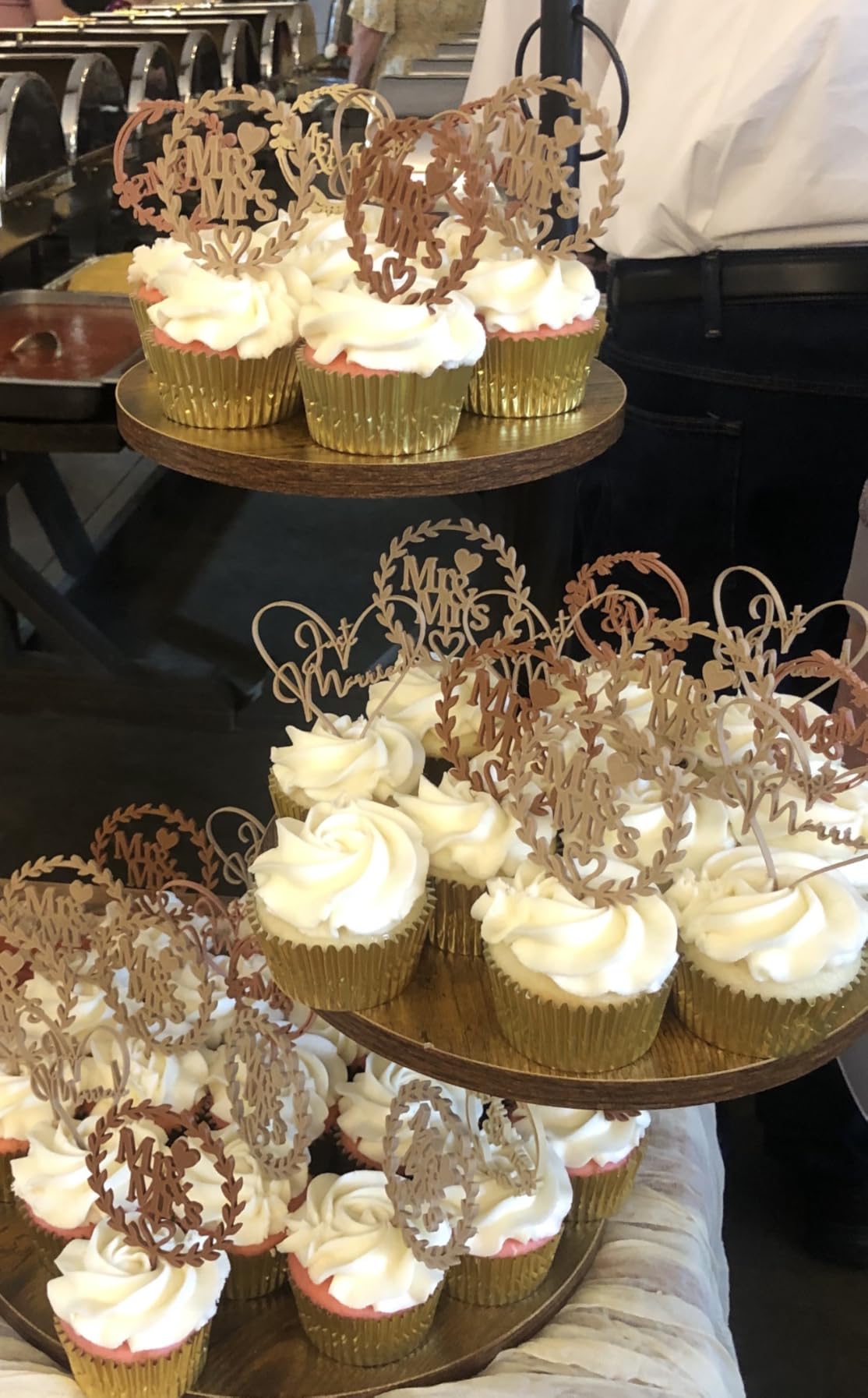
The blend is 20% real wood fibre, which puts it in the middle of this roundup: enough grain to be visibly woody, not enough to fight a 0.4mm nozzle. Diameter holds at 1.75mm plus or minus 0.02mm for even layers and clean fine detail.
Precision winding supports smooth feeding, and the mini spools measure 140mm across with a 53mm centre hole, so they fit external, top-mounted and open spool holders.
Best use for this bundle
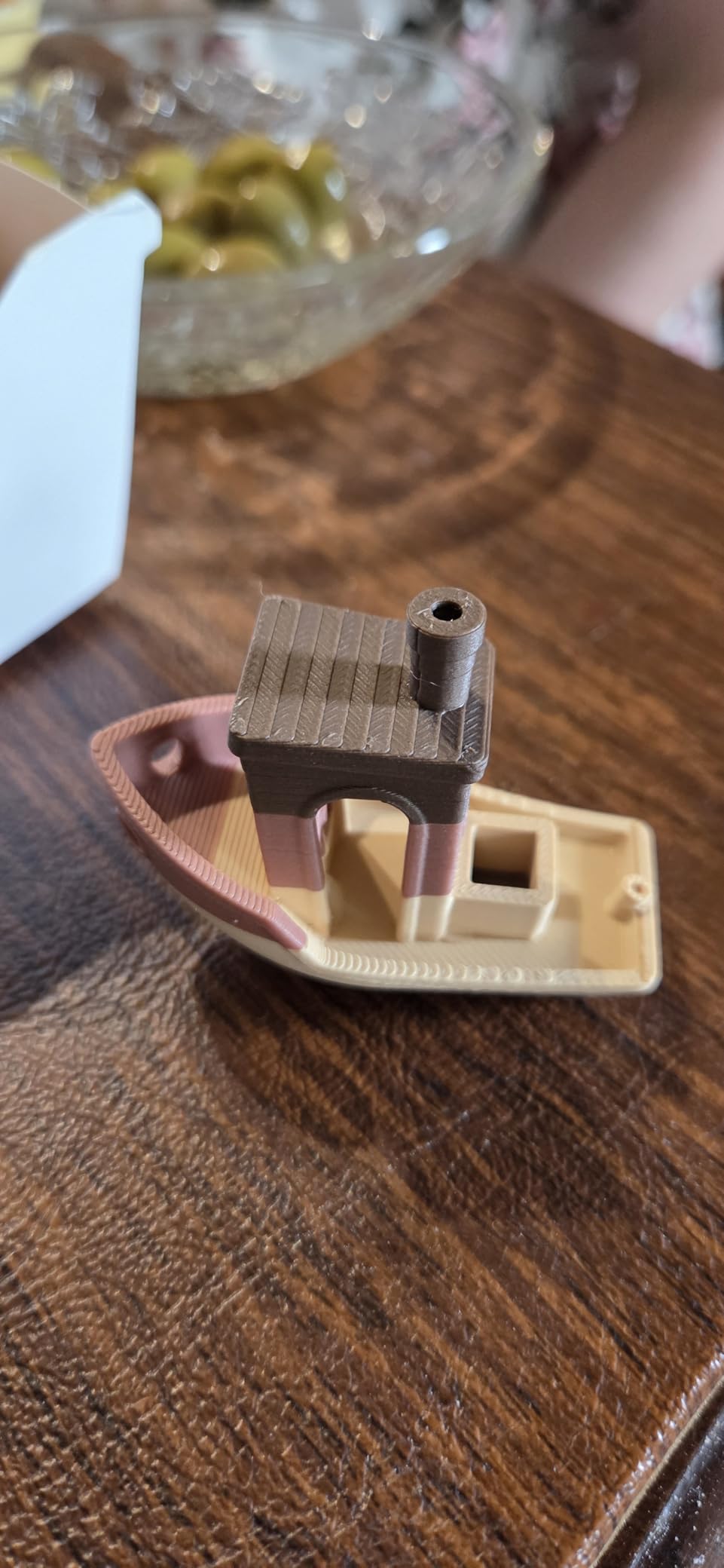
Matched-tone basing. Print a scenic base in Maple, the logs and stumps in a darker tone, the fence in Cherry, and the whole piece reads as assembled from different timbers rather than dipped in one paint colour.
It also works well as a test set – each 250g spool is a cheap way to find which tone suits a project before committing to a kilo.
Drawbacks for model makers
The mini spools will not drop into an AMS or AMS lite without a separate adapter, which is a real friction point if you run a multi-material setup.
Buyers occasionally report a spool arriving unevenly wound, and that kink can mid-print. Run the filament through your fingers and trim any tight spot before loading.
5. CCTREE Ebony Wood PLA+ – The Darkest Tone in the Lineup
CCTREE Wood PLA+ Filament 1.75mm, 1KG Cardboard Spool (2.2 lbs),Ebony Wood
- Darkest wood tone available in this roundup
- PLA base gives low warping and low shrinkage
- Bed adhesion peels off in a clean sheet
- Compatible with Creality
- ANYCUBIC and Bambu Lab printers
- Fibre increases stringing and surface defects
- Spools can arrive kinked or unevenly wound
- Occasional moisture causes popping
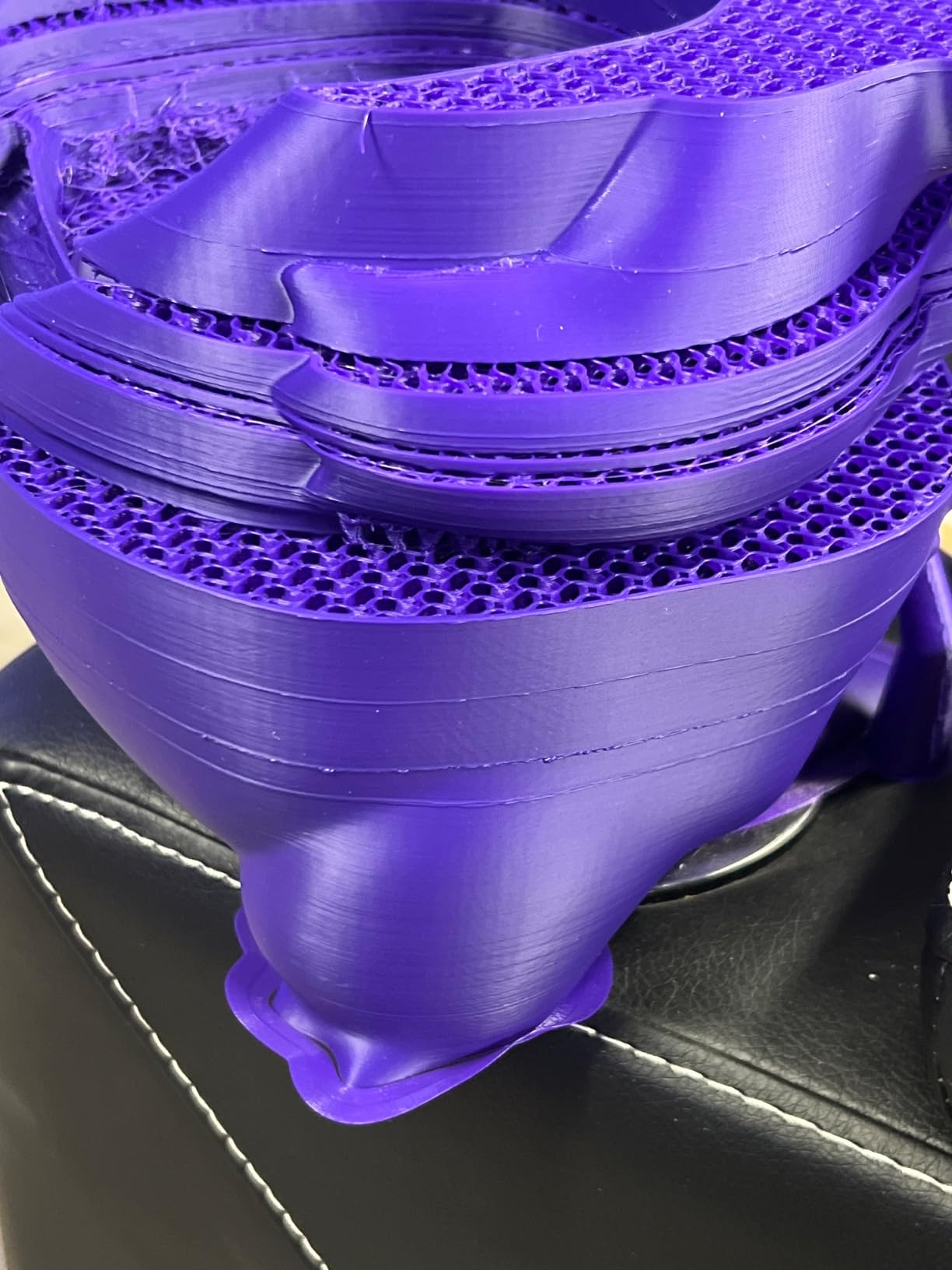
Every other spool on this list sits in the tan-to-mid-brown range. Ebony is the outlier – a genuinely dark wood tone that needs far less pigment work than a light filament, and that is why it earns its place for finished display models.
The listed nozzle window of 175-220C with a 50-60C bed is unusually wide, which is useful when you are switching from a light wood spool and re-tuning rather than starting from scratch.
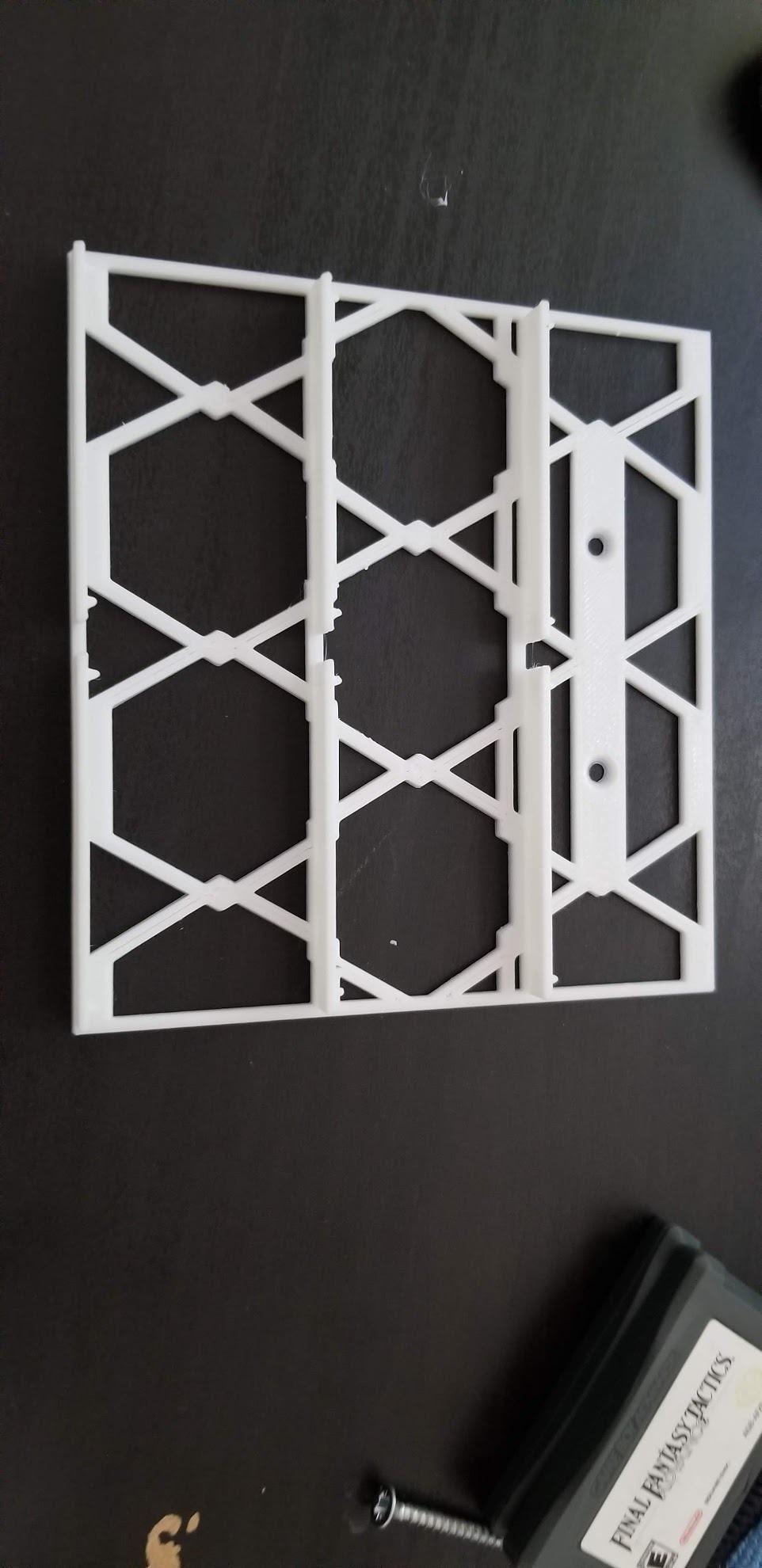
Once dialled in it prints cleanly, with a plus or minus 0.03mm tolerance giving consistent layer width. The PLA base means low warping and low shrinkage, so long straight beams and wall sections stay true.
Buyers point to strong bed adhesion that lets a part peel away in one clean sheet, and the dark tone sands well – filled, sanded, and it takes a matte clear coat without going patchy.
Where ebony makes the difference
Dark furniture, beams, gun stocks, timber roof sections and any part of a model where a light filament would look wrong against the rest. It is the one to use for contrast pieces on a lighter diorama.
The low-shrinkage PLA base also makes it a safe pick for long thin geometry such as railings and fence posts, which is a common weak point at 1:24 scale.
What to expect from the dark fibre load
Higher wood fibre content brings the usual trade-offs: more stringing and occasional surface defects if you run the nozzle hot.
Some spools arrive kinked or unevenly wound, and a minority report moisture in the bag causing popping and a rough surface. Dry the spool before a showcase print.
6. SUNLU Real Wood Fiber 1kg – The Smell You Notice Across the Room
SUNLU Real Wood Fiber Wood PLA Filament, 1KG, Woody Scent Real Wood Fiber
- Fibre content rather than wood flour for a more authentic scent
- Fibre fill hides layer lines
- Good bed adhesion when dry
- Prints cleanly through a 0.4mm nozzle
- Very hygroscopic and must be kept sealed
- Drying before use is essential
- Can leave a glue-like residue on the nozzle when too hot
- Texture varies between spools
This spool uses real fibre rather than wood flour, and that distinction shows in the aroma. The scent during printing is the closest to a workshop sawdust smell of anything in this roundup, which matters if you like the sensory side of the process.
At 20% fibre it also fills layer lines more effectively than a wood-tone PLA, so small models come out with less of that stepped-plastic look.
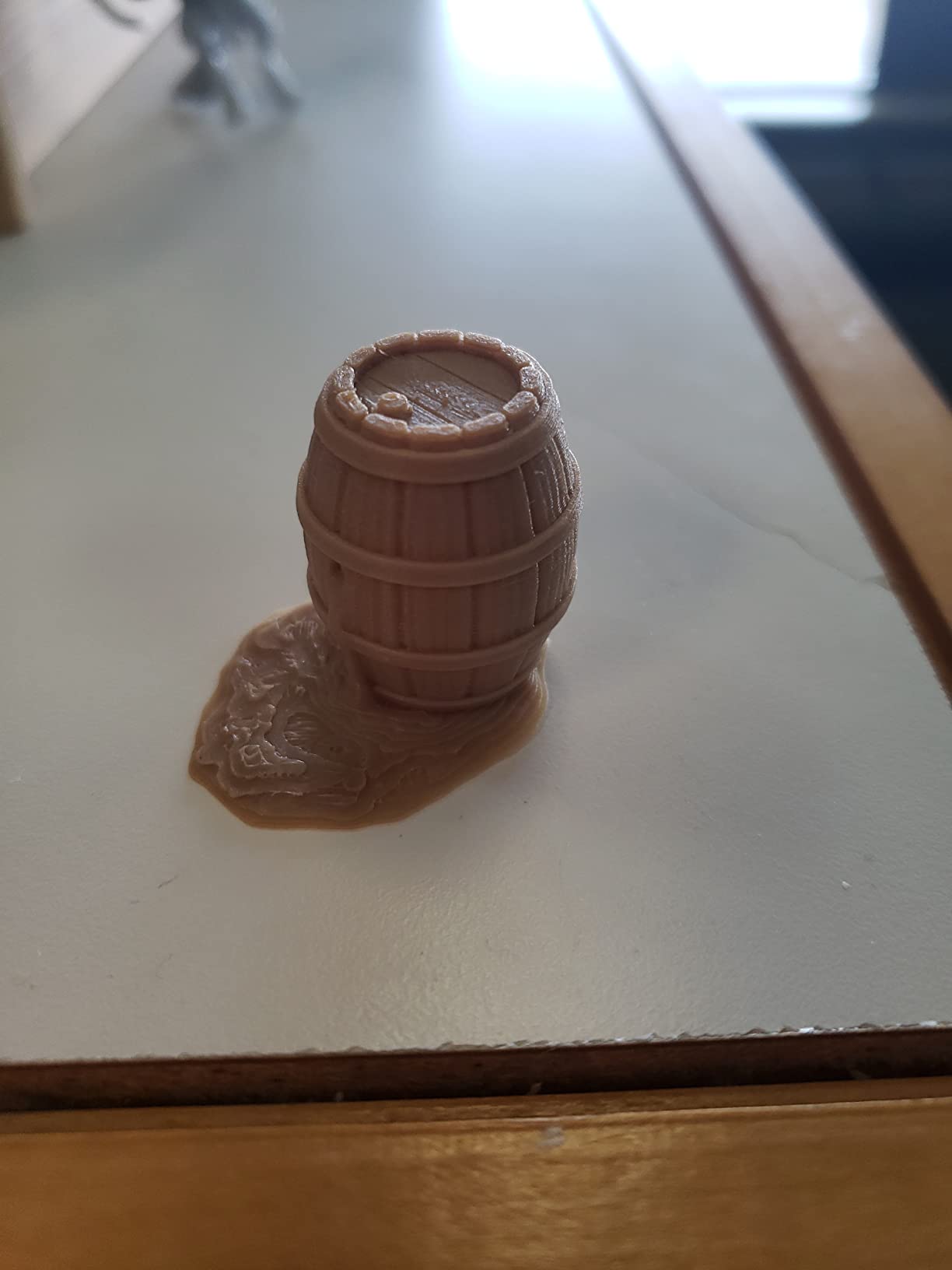
Reviews note it prints cleanly through a standard 0.4mm nozzle without clogs, and with 1.75mm diameter at plus or minus 0.02mm it behaves predictably on a 200-220C nozzle and 50-65C bed.
Printers on r/3Dprinting have flagged this filament as clog-prone in 0.4mm setups, and that is worth taking seriously. Slow the outer wall and keep the nozzle clean.
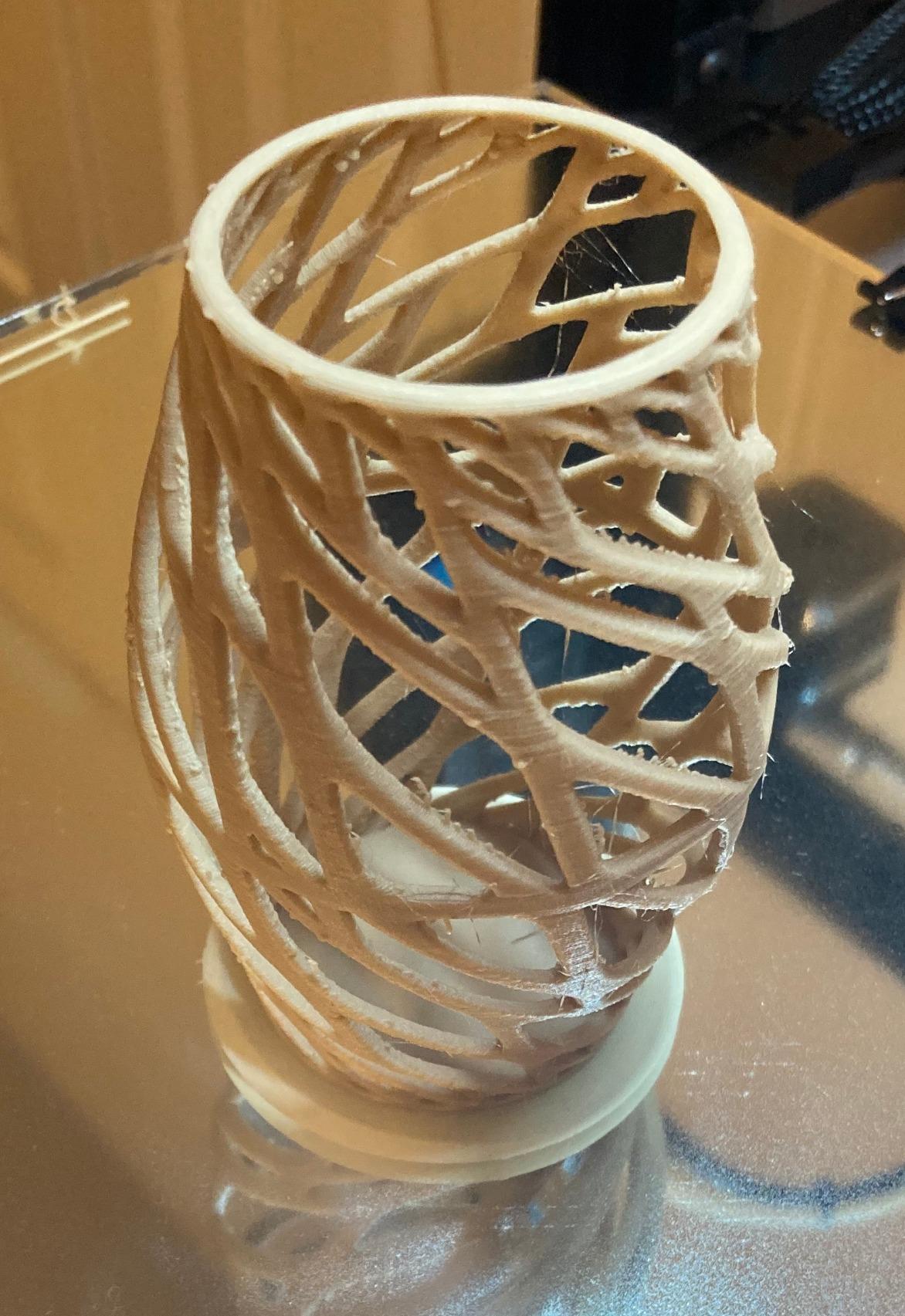
Best use for this spool
Display pieces and shop models where the scent is part of the presentation, and any print where you want the fibre to fill and soften layer lines. A wood-bodied vehicle, a workbench or a crate all suit it.
It is also a reasonable first real wood-fill spool, since 20% fibre is a forgiving loading for a printer that has never run abrasive filament.
What to watch out for
It is very hygroscopic. The wood component binds moisture out of the air, and the moment it does you get popping, rough surfaces and inconsistent flow, so store it sealed with desiccant and dry it before printing.
Run it too hot and a glue-like residue builds on the nozzle. Quality and texture also vary between spools from the same listing, so buy what you need for a project together.
7. Semdon Maple Cherry Walnut Mahogany Bundle – 30 Percent Fibre in Four Shades
Wood PLA Filament Bundle 1.75mm Wood Filament Maple+Cherry+Walnut+Mahogany
- 30 percent real wood fibre for a clear grain
- Natural matte colour with a light wood scent
- Four distinct tones in one purchase
- Smooth extrusion with minimal warping
- Each spool vacuum sealed with desiccant
- Wood powder content makes the filament brittle
- Drying before use improves the finish
- Mini spools need an adapter in multi-material feeders
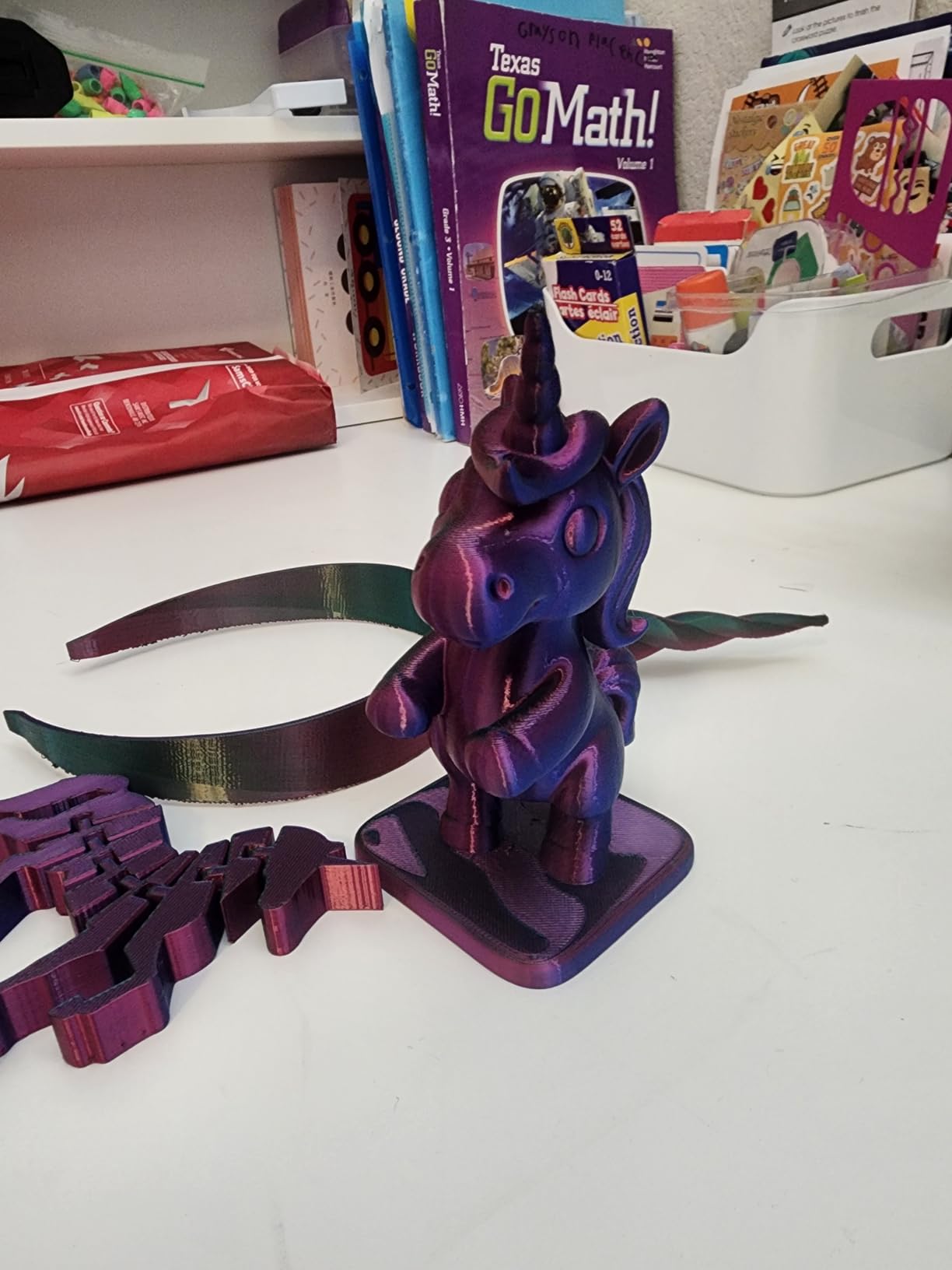
Maple, Cherry, Walnut and Mahogany at 30% real wood fibre, 250g each. That combination is rare: most multi-tone bundles sit at 20% or less, and at 30% this one produces a matte, light-oiled finish that looks remarkably like sanded timber.
The recommended window is 190-220C nozzle, 45-60C bed and 50-80mm/s, which is a slow, deliberate profile – and for this fibre load that is correct.
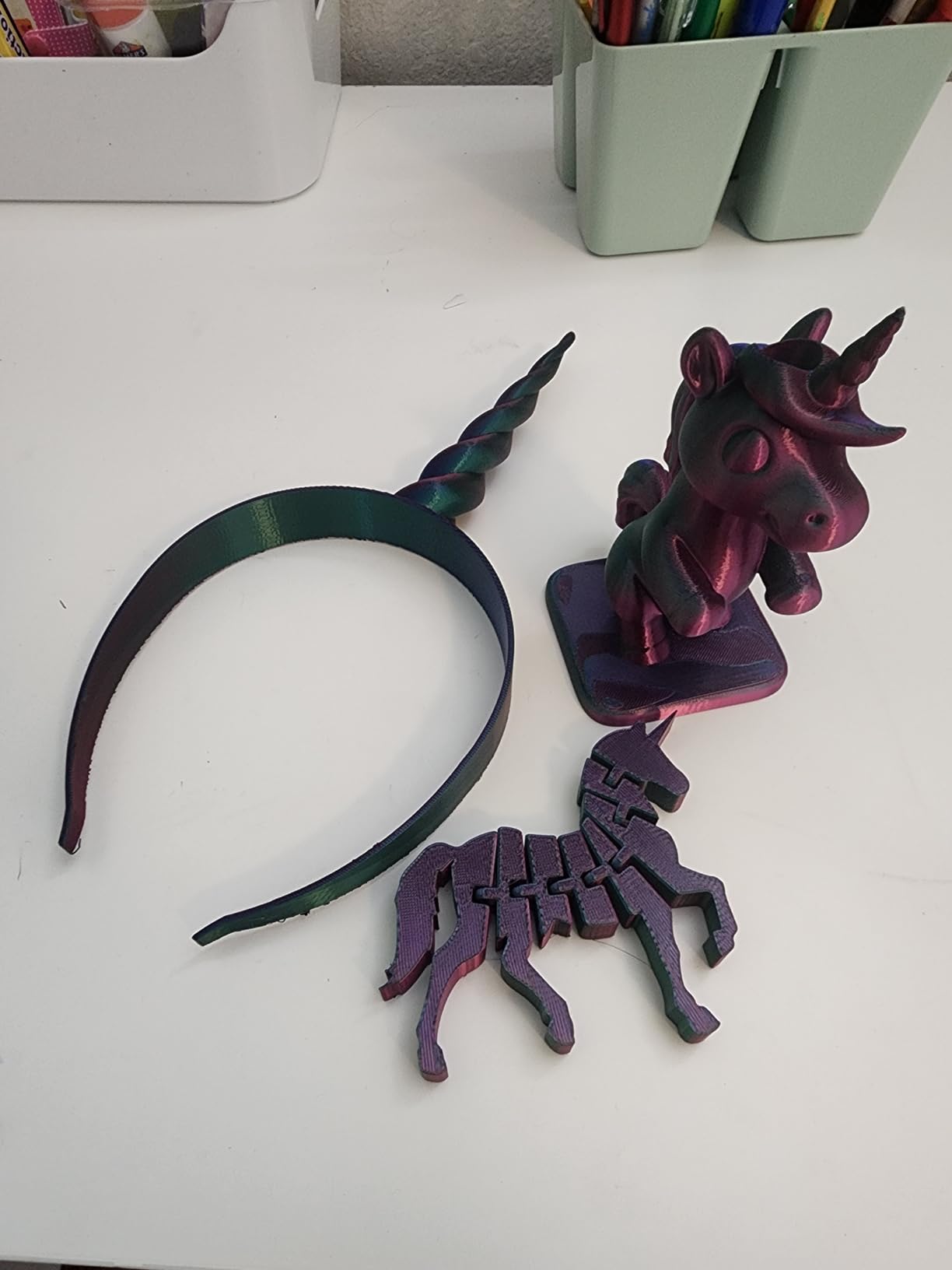
Buyers report smooth extrusion, minimal warping and no nozzle clogging at that speed, with good layer adhesion and a clean surface on finished prints. Full mechanical winding keeps the feed consistent.
The listing explicitly recommends a hardened steel nozzle at 0.4mm or larger. Take that advice – 30% wood powder will chew a brass nozzle much faster than plain PLA will.
Best use for this four-tone bundle
Furniture-scale models, workshops and shed interiors, and any multi-part build where four matched tones matter. The Mahogany and Walnut pair beautifully on a 1:32 interior.
Because all four come from the same batch, colours stay consistent across a long project – the single biggest advantage over buying individual spools weeks apart.
What to plan for
Wood powder content makes the filament relatively brittle. Thin features and cantilevers on a model can snap off the build plate if you knock the machine, so plan supports accordingly.
Buyers also recommend drying before use to get the best finish, and the 250g spools may need an adapter in a multi-material feeder.
8. Polymaker LW-PLA Wood – Foamed PLA for Weight-Critical Parts
Polymaker LW-PLA 3D Printing Filament 1.75mm, 0.8kg, Wood
- Foamed structure keeps parts light and still rigid
- Matte surface softens layer lines
- Strong layer bonding once tuned
- Suited to RC wings and airframes
- Needs careful tuning and slow speeds to avoid stringing
- First-layer adhesion can be difficult
- Random clogs reported by some users
- Heavier than active-foaming alternatives
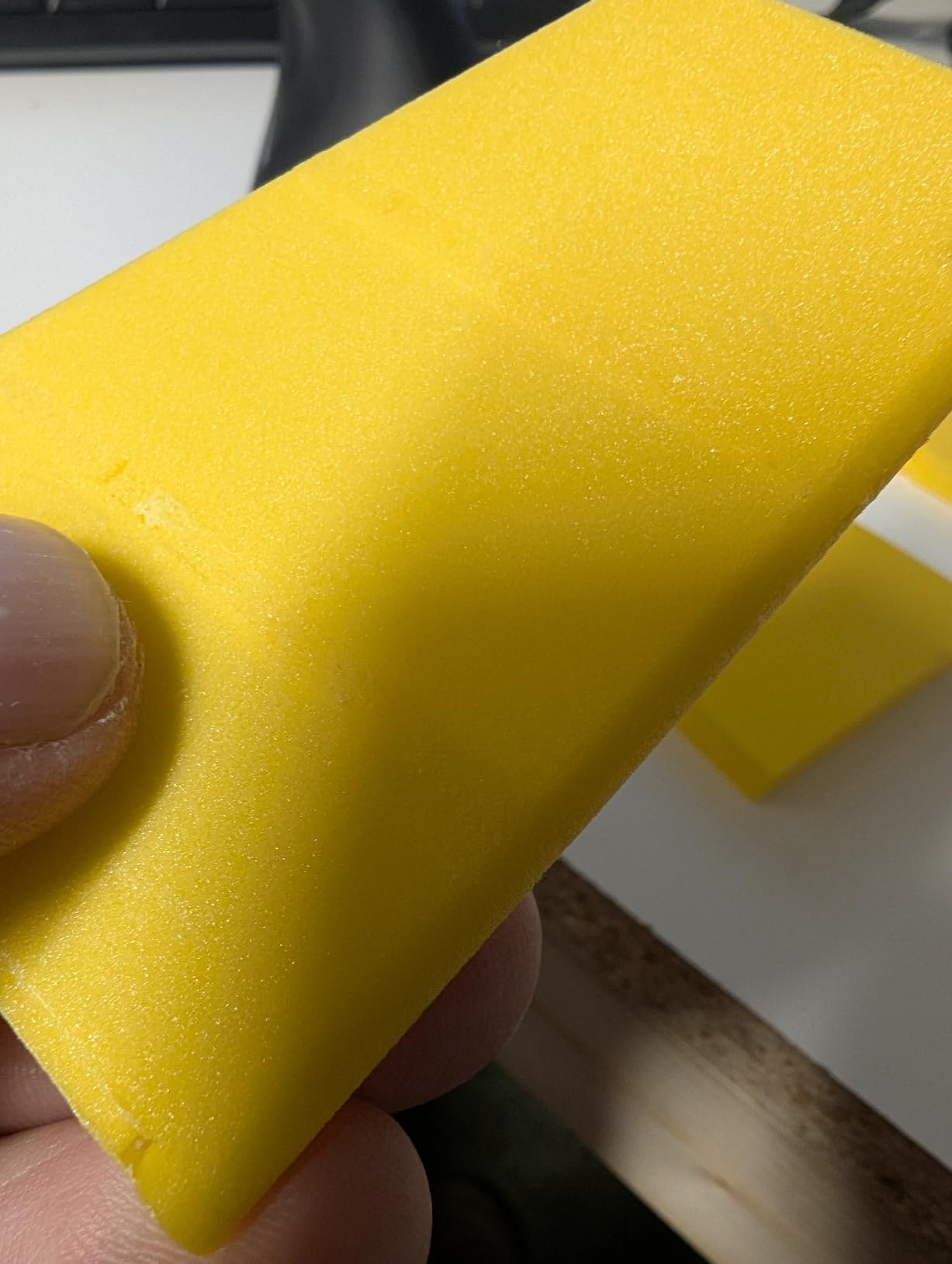
LW-PLA is not a wood-fill in the usual sense. It is a pre-foamed PLA with a typical density around 0.9 g/cm3, sold here in a wood colourway – so the timber look is cosmetic while the real benefit is weight.
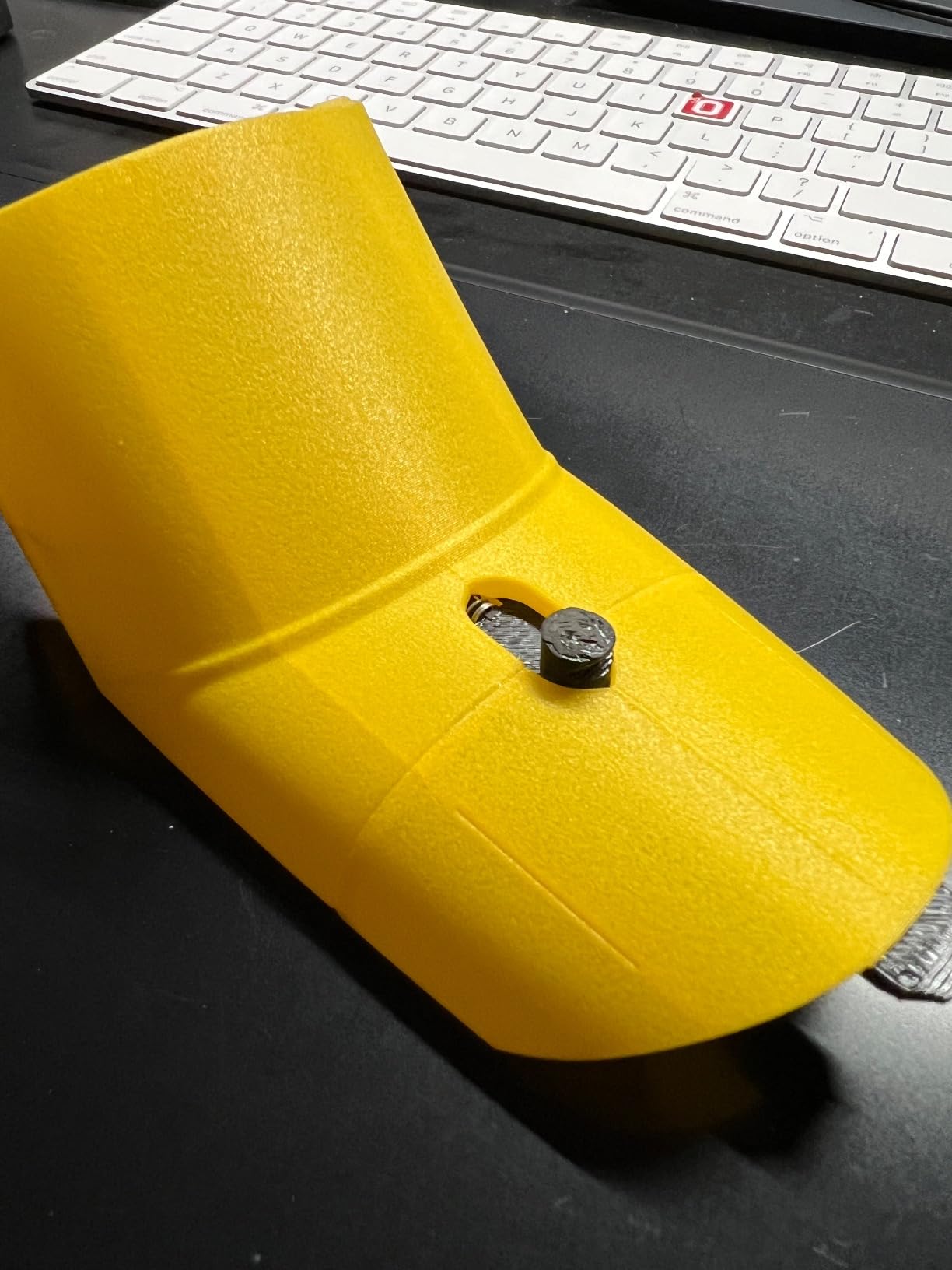
For model making that combination is useful on aircraft wings, airframes and any part where mass is the limiting factor. The matte surface softens layer lines, which suits a sanded-wood appearance.
Starting settings are 190-210C nozzle, 25-60C bed and 50-100mm/s with a 0.4mm nozzle. Retraction guidance is 3-6mm at 40-60mm/s, and getting that right is what separates a clean print from a stringy one.
Users who tune it carefully praise the layer bonding – the foam structure bonds strongly, which is why it holds up on a cantilevered wing surface.
Who this filament is for
RC and aircraft modelers first, then anyone building a large hollow form where PLA would be too heavy. It is the only pick here that solves a weight problem rather than an appearance problem.
Check your multi-material feeder spool clearance before loading – the 0.8kg spool is a full-size spool and will not fit everywhere.
What makes it finicky
This is the least forgiving filament in the roundup. It needs slow print speeds, a raft or careful bed preparation for first-layer adhesion, and slow travel moves to stop stringing.
Some users also report random clogs and distortion within the filament itself. Store it dry and dry at 55C for six hours if moisture starts affecting the print.
9. Miailuy PLA+ Wood 1kg – Straightforward Printing on Any Entry Printer
Miailuy PLA+ Filament 1.75mm Wood 1kg,Dimensional Accuracy +/- 0.02mm
- Tight plus 0.02mm diameter for consistent extrusion
- Neat winding reduces tangles and jams
- Low warping with good bed adhesion
- Works on Creality
- Anycubic and Prusa printers
- Wood appearance is a colour and matte finish rather than real grain
- Drying before use is advisable
- Plain surface shows layer lines
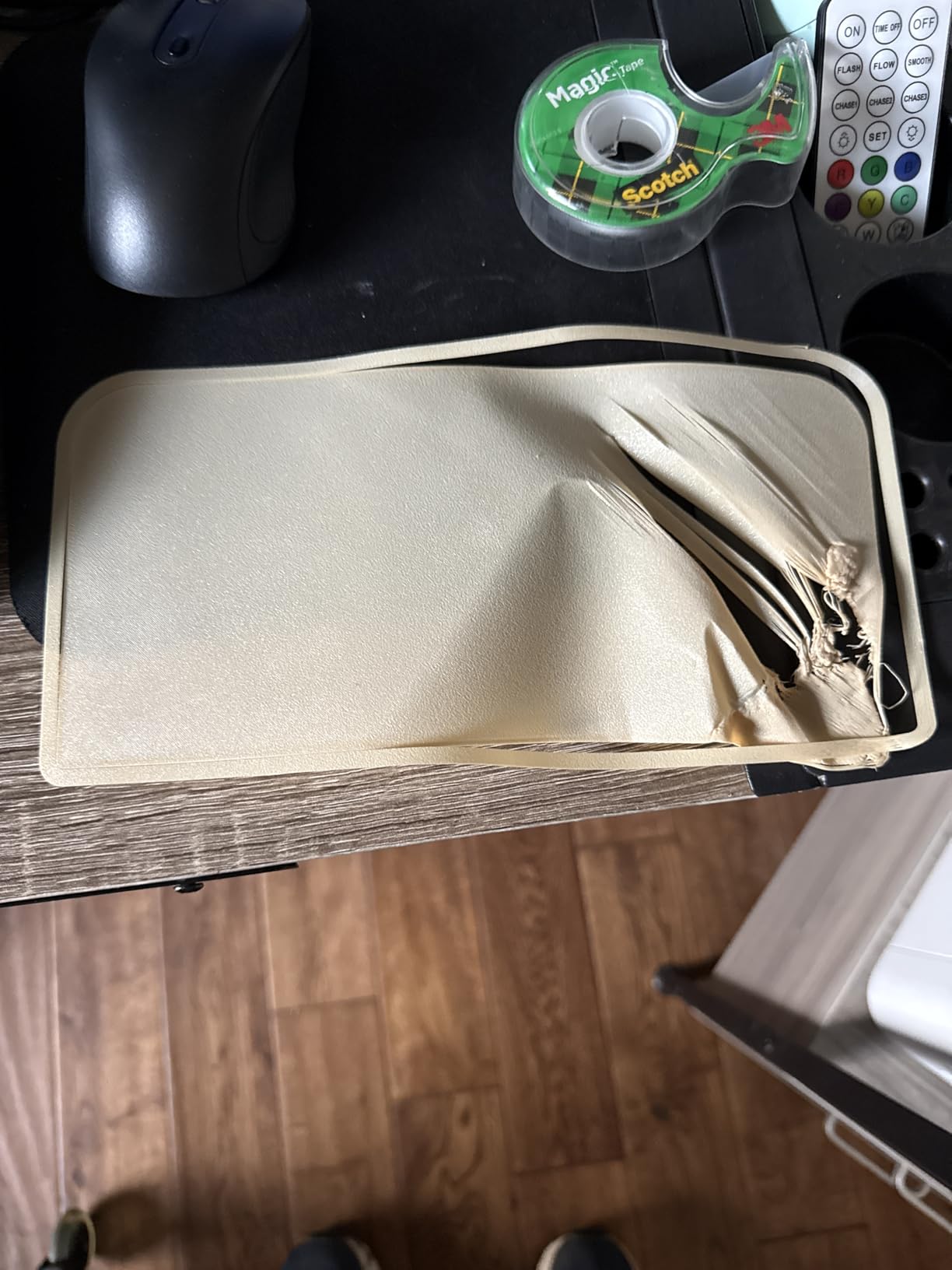
This is the option to hand to someone whose printer has never run a reinforced or filled material. Reviews consistently describe the experience as predictable rather than exciting – which is exactly what you want on a first print.
Dimension accuracy is plus or minus 0.02mm and the PLA+ formula is built to reduce clogs, bubbles and tangles rather than to maximise wood realism.
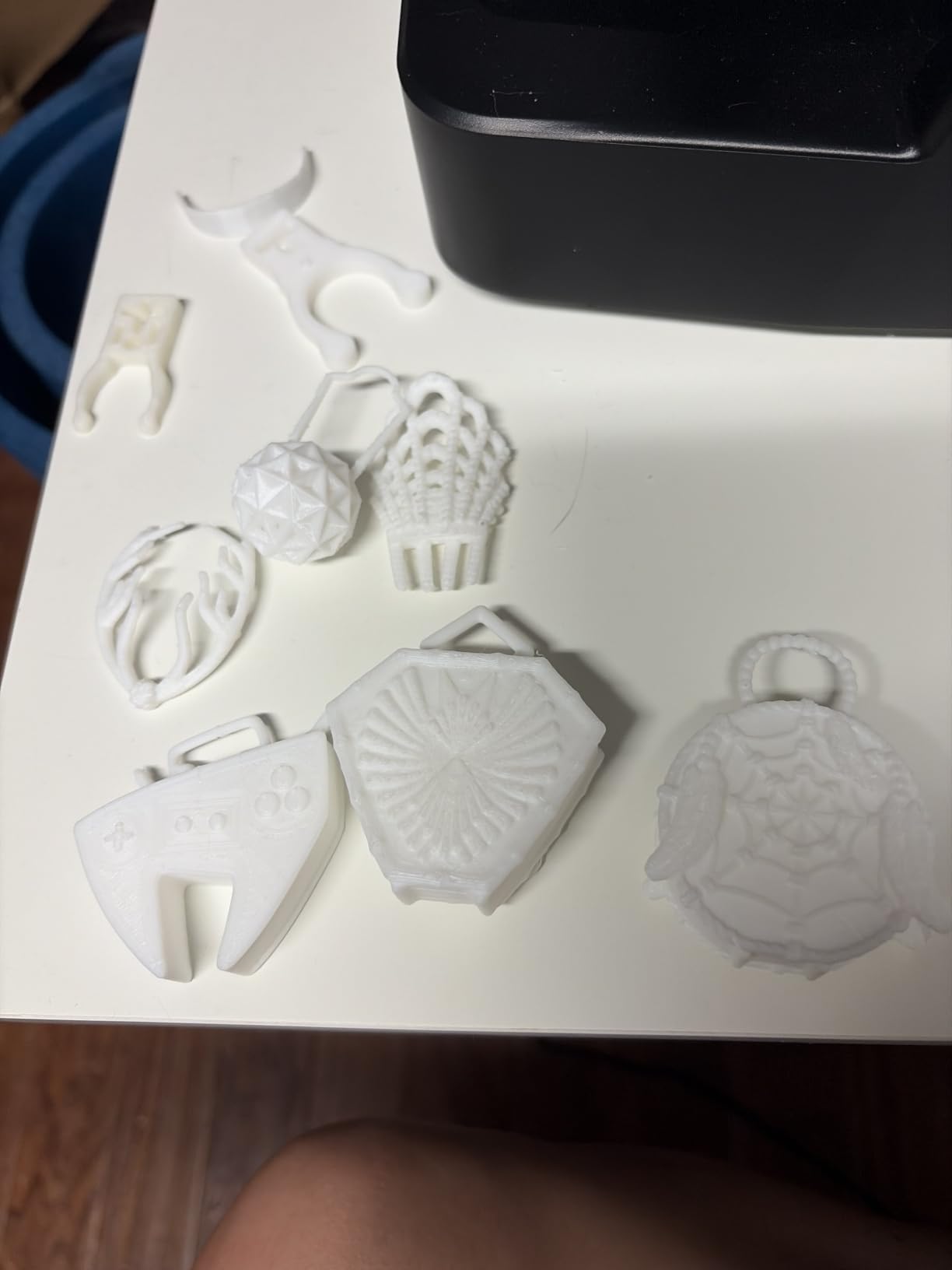
Recommended settings are 200-220C nozzle, up to 60C bed and 50-90mm/s, a modest window that any entry-level machine handles without recalibration. Low warping and good adhesion on common build plates make long basing layers reliable.
Winding is machine-controlled, and reviewers single out the tangle-free feeding as the reason long prints do not need babysitting.
Best use for this filament
Utility prints on an entry printer: organization blocks, jig templates, terrain scatter templates, prototype parts. Anywhere the print needs to work rather than impress.
It is also a sane first wood-look purchase before committing to a high-fibre spool and a hardened nozzle.
What it does not deliver
The wood appearance is a colour and matte finish rather than a pronounced grain, and there is no fibre fill to soften layer lines. It will not sand and stain like real timber.
Drying before use is still advisable, since filled and wood-toned PLA picks up moisture faster than plain PLA.
10. Creality Wood Filament – Reliable Feeding Through Multi-Material Units
Official CREALITY Wood Filament PLA 1.75 mm, Wood 3D Printer Filament, More Than 30% Real Wood, Smooth Silk Texture, Toughness, 1kg(2.2lbs)/Spool 3D Printing Filament, for All FDM 3D Printers
- Over 30 percent real wood with clear texture
- Smooth silk finish that sands and seals convincingly
- Very little warping or stringing
- Feeds reliably through multi-material systems
- Mild woodshop scent while printing
- More brittle than standard PLA and can crack at sharp corners
- Weakest bed adhesion in the roundup
- Needs careful drying and slow tuning
Creality’s wood filament pairs over 30% real wood content with a silk smooth surface texture. The result is a denser grain pattern than the matte options, and a part that sands and seals convincingly well.
Because the PLA base has low warping and low shrinkage, long flat terrain pieces and building facades come out square – useful for architectural models where panel flatness is the whole job.
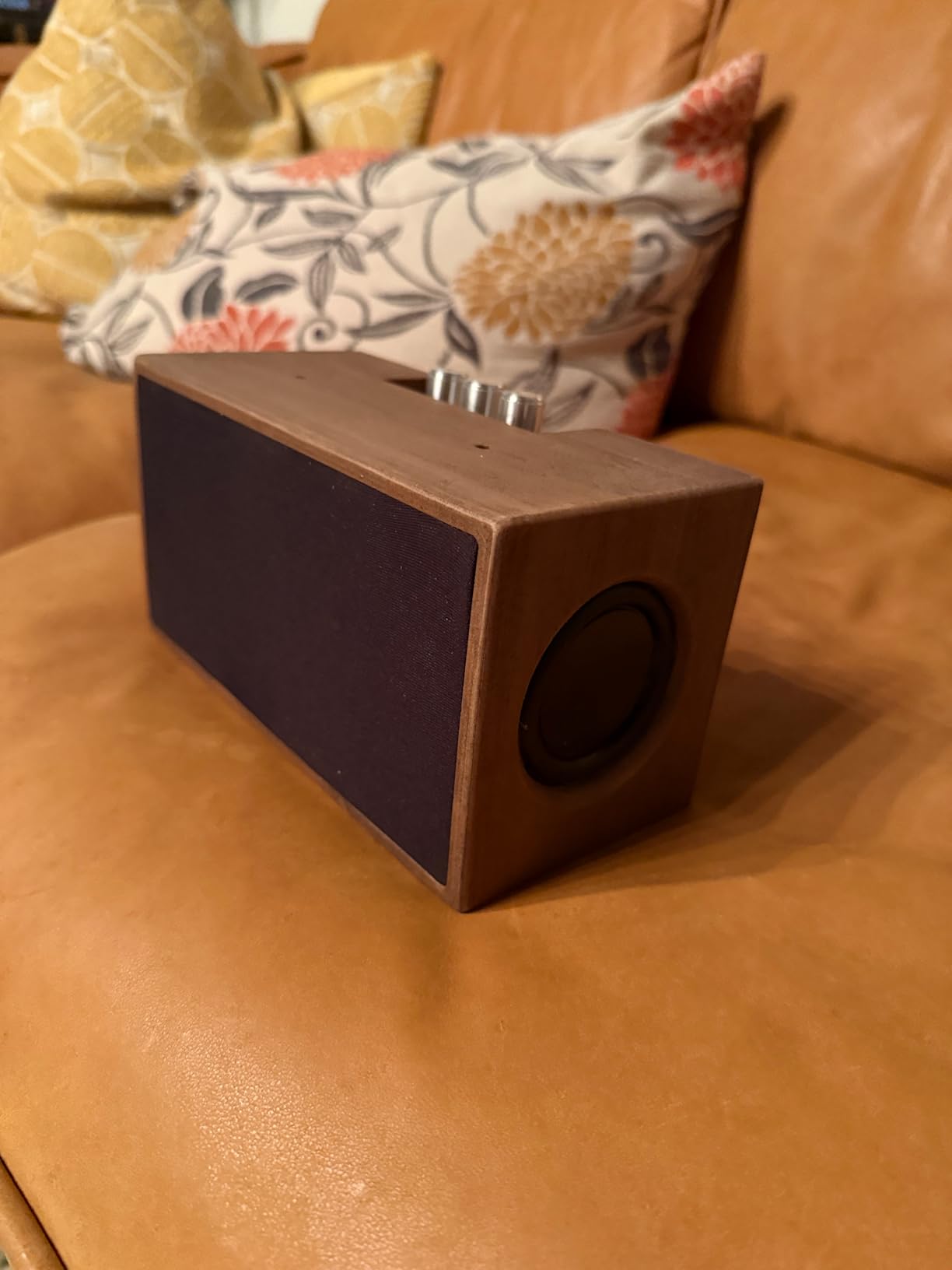
Feeding is the strength here. The neat winding and silk texture combination prints smoothly and consistently with very little stringing, and it works reliably through IFS and AMS-style multi-material systems.
That makes it a good fit for anyone printing a two-colour model where the wood tone is one of the materials being fed.
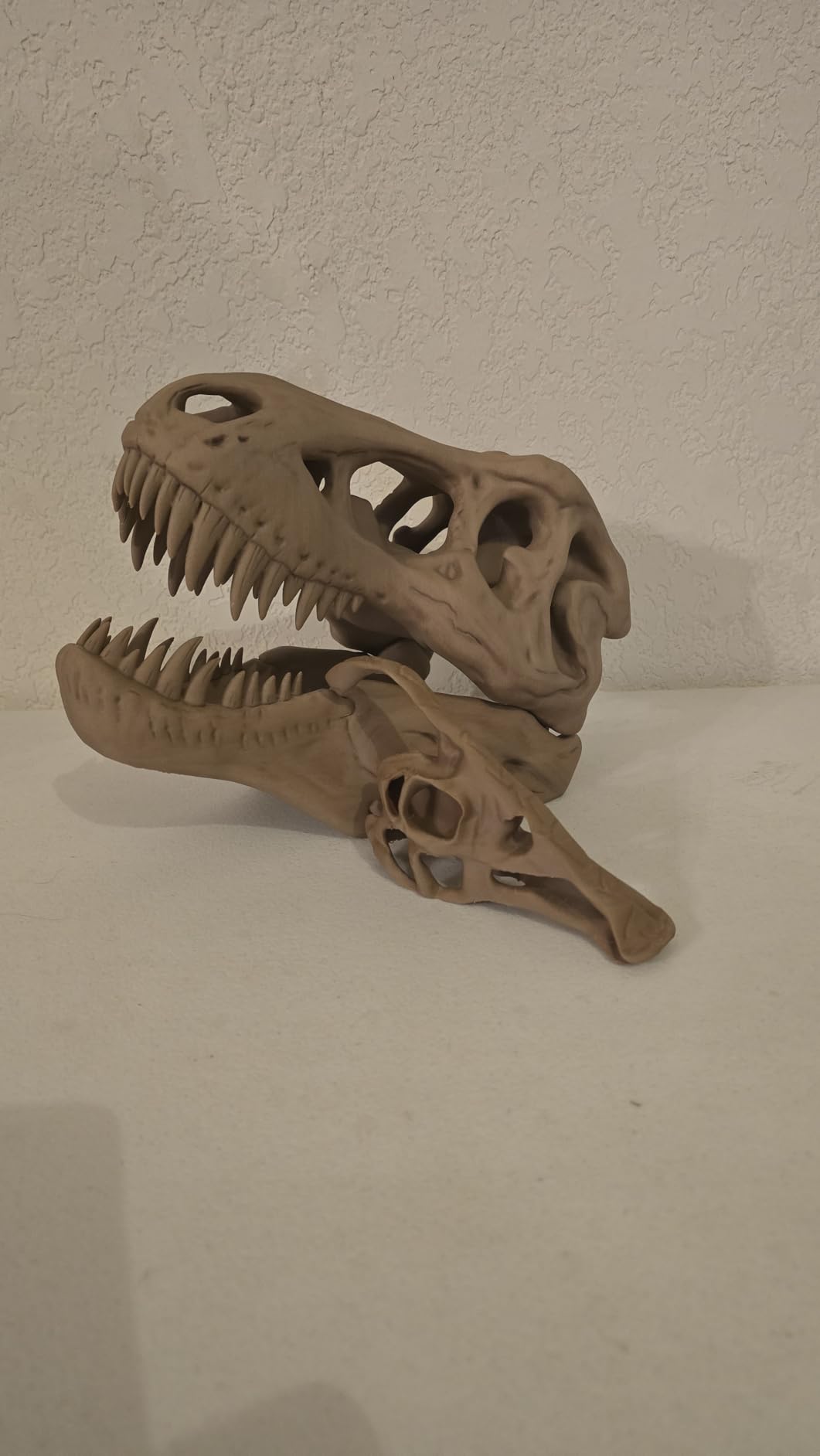
Best use for this filament
Architectural and furniture mock-ups, and any two-colour project on a multi-material printer. The mild woodshop scent while printing confirms the fibre is real rather than a colourant.
Silk texture is also the right finish if you plan to sand and clear-coat the part afterwards.
Where it causes trouble
Brittleness is the headline complaint. It is noticeably more brittle than standard PLA and can crack at sharp corners, so avoid designs with thin brittle overhangs.
Bed adhesion is the weakest we tested and needs an adhesive or bed prep aid. It also wants careful drying and deliberate tuning, which cuts into the easy reliability the feeding otherwise delivers.
11. ELEGOO Wood PLA 1kg – Forgiving on a Standard 0.4mm Nozzle
- Very easy to print on a 0.4mm nozzle
- Consistent diameter with reliable feed and no stringing
- Matte wood colour suits decorative and architectural models
- Prints can be sanded smooth for a more wood-like finish
- Wood effect is subtler with no visible specks or grain
- Can clog periodically so a larger nozzle is preferable
- Some spools reported rough with unsealed bags
ELEGOO’s wood PLA is the practical end of the range. The material is described as PLA with wood fibres, and the wood look is a matte brown tone rather than a heavily speckled grain – but it prints beautifully for that reason.
Buyers describe it as very easy to print compared with most wood-filled PLA, even on a 0.4mm nozzle, with no stringing or layer adhesion problems once running.
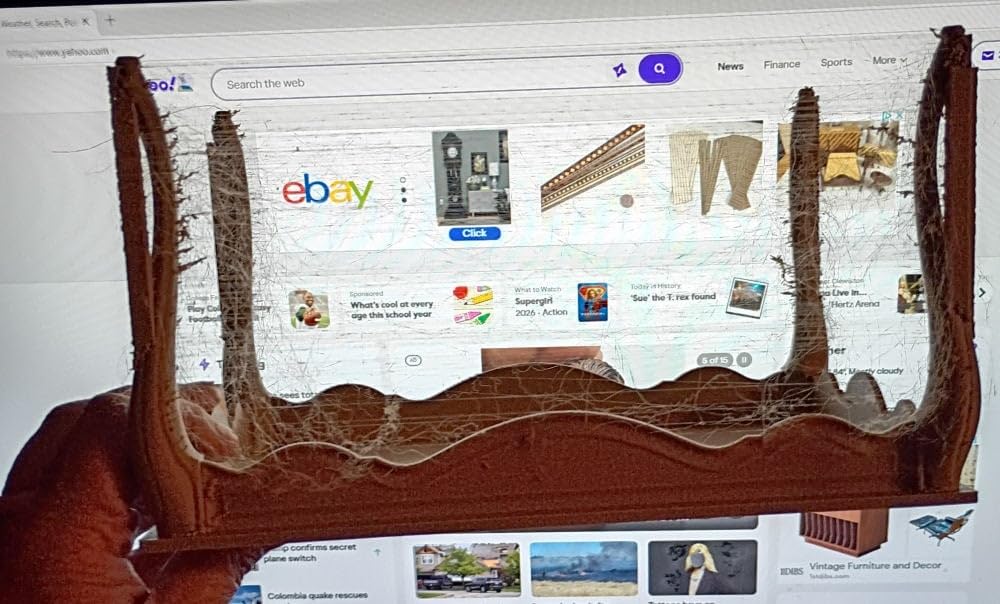
The 1.75mm diameter holds plus or minus 0.02mm accuracy on a full 1kg cardboard spool, and the larger spool inner diameter makes feeding straightforward on printers with a tight extruder path.
It is dried before packaging and vacuum sealed, with full mechanical winding plus manual inspection behind it to reduce tangles and line breaks.
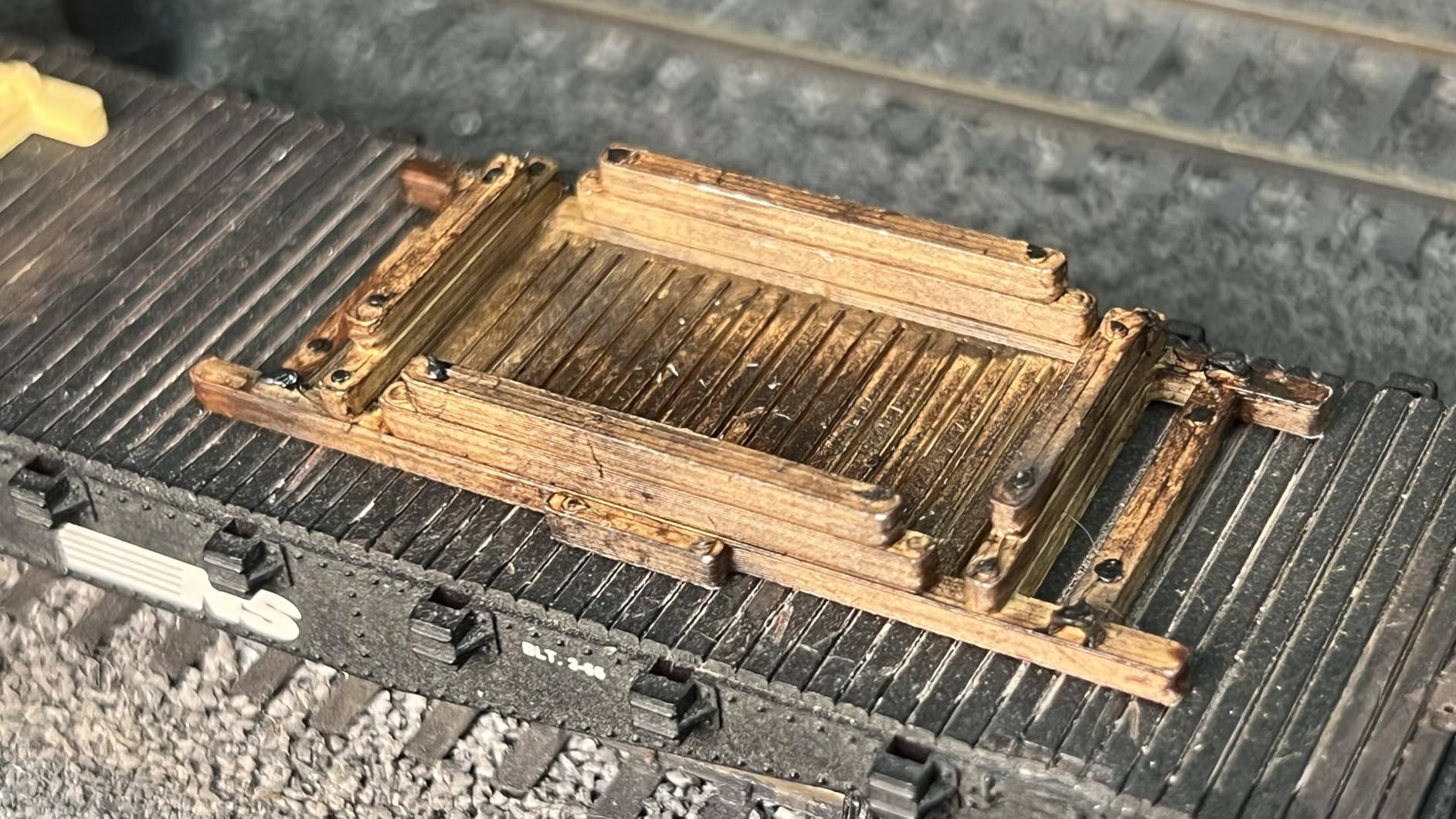
Best use for this filament
Decorative objects, architectural models and figures where you want a warm wood tone that prints reliably on whatever nozzle you already own. The matte finish suits paint and stain well.
Since prints can be sanded smooth and then stained, it works as a halfway option between a true fibre filament and a plain wood-tone PLA.
What to expect
The wood effect is subtler than the high-fibre spools. If you want visible specks and open grain, this will not deliver it, and reviewers are candid about that.
A minority of buyers report periodic clogging and prefer a larger nozzle, and some spools have arrived rough with unsealed bags. Inspect the vacuum seal on arrival.
Wood Filament Buying Guide for Model Makers
Wood fibre content: what percentage actually changes the model
Wood-fill filament is PLA blended with wood fibre or wood powder, and the loading decides both the look and how the filament behaves in your extruder. Roughly 15% to 20% gives a wood tone with forgiving flow, which is what you want for basing rings and large terrain.
At 25% to 30% you get real grain, real scent and a surface that sands and stains like timber. The cost is stringing, brittleness and faster nozzle wear. Our flexible filament guide covers the other end of the toughness spectrum if a part needs to flex rather than look like wood.
One practical rule: match the loading to the scale. A 1:56 tabletop wargame building will be viewed from above at arm’s length, where 20% fibre is plenty. A 1:24 diorama held in the hand is where a 30% grain earns its clogging risk.
Nozzle size and nozzle material
Wood fibre particles are abrasive, and any particle larger than your nozzle bore simply cannot pass. That is the mechanical reason behind almost every clog complaint on the forums, where printers repeatedly report that a 0.6mm nozzle solves most of it.
Use 0.6mm as the default for a 30% fibre spool, 0.4mm for anything at 20% or below. A 0.2mm nozzle is a compromise: it gives you miniature detail but it will jam if the filament has a rough spot, so only attempt fine detail once the material is running perfectly.
On material, brass wears fast against wood fibre. A hardened steel nozzle costs little and survives the abrasive loading; treat it as standard equipment for any high-fibre spool rather than an upgrade.
Nozzle temperature and how it drives grain darkness
Nozzle temperature is the main aesthetic control you have. The wood fibre darkens and roasts as temperature rises, so a part printed 15 degrees cooler is lighter and more natural, while a hotter print is deeper brown and more contrasty. Most listings here specify a window of 175-220C.
Print at the lower end for pale, natural timber. Print at the upper end for a rich, dark grain, accepting more stringing. Push past the top of the window and the fibre carbonises – you get a glue-like residue on the nozzle and a scorched smell.
For scale, a 205-220C nozzle with a 50-60C bed is a reliable starting point. Run a temperature tower once per new spool if the colour matters to the model.
Moisture, storage and drying
Wood fill is hygroscopic. The fibre component binds moisture out of the air far faster than plain PLA, and the result is popping, stringing, rough surfaces and inconsistent flow. This is the single most common complaint in user reviews across every spool in this roundup.
Keep unopened spools in their vacuum-sealed bag with the desiccant. Once opened, use a resealable bag with fresh desiccant, or run a filament dryer. Drying before a first print and roughly every few weeks in a humid workshop is enough to keep most of these spools healthy.
Store the spool away from direct sunlight and off the floor if you have a moisture problem, and check the dry box or desiccant on a schedule rather than when the print starts popping.
Warm pull and hotend purge after wood filament
Nothing in this roundup damages a hotend faster than carbonised wood fibre sitting in a heat break, and the routine below is the fix that forum users keep asking about.
First, raise the nozzle to 230-240C and let it sit for five minutes so the residue softens. Then heat the bed to 100C and manually push filament through with a slight downward force until you see clean plastic at the nozzle. Wipe the nozzle with a damp cloth while it is hot, before the residue cools and hardens.
Do this after every wood print, not only when a clog appears. It takes five minutes and prevents the carbon build-up that eventually requires pulling a heat break apart. If you are switching back to a clear or light filament, purge twice rather than once.
Post-processing: sand, stain and seal
Wood-fill prints sand like wood, and that is the payoff most model makers are chasing. Start at 180 grit to knock down the layer texture, work up to 400 grit for a smooth surface, and keep the surface flat by sanding with the grain of the print lines rather than across them.
A water-based wood stain on a sanded print gives a convincing aged-timber effect, and it is the single most reported finishing trick in community discussion. Apply thin coats, let each dry fully, and wipe the excess off the detail areas.
Finish with a matte clear coat or varnish rather than gloss, which hides the remaining layer texture and gives the piece the sheen of sealed timber. If you plan to paint a miniature instead, prime lightly – heavy primer fills the grain and loses the texture that made you buy wood fill in the first place.
Wood fill vs plain PLA vs resin for painted miniatures
If the model will be painted, plain PLA is still the best base material. It sands cleanly, takes primer without texture loss, and costs far less per model. Resin gives finer detail than wood fill ever will, at the cost of post-processing and handling.
Wood fill makes sense when the model stays unpainted, when it will be stained and sealed as a miniature wooden object, or when the warm natural finish is the point of the piece. On a painted 28mm gaming figure, wood fill is usually the wrong material.
Check build plate staining before you start. Wood residue can mark a smooth PEI or glass surface, so use a textured plate or an adhesive spray layer if you care about the bed surface.
Frequently Asked Questions
Is wood PLA actually wood?
Not in the literal sense. It is PLA plastic with real wood fibre or wood powder blended in, typically 15% to 30% by weight, so the fibre melts into the layer and gives the print its grain, texture and wood aroma.
Does wood PLA need a special nozzle?
A larger one, yes. Wood fibre particles that are bigger than your nozzle bore cannot pass, so a 0.6mm nozzle is the safe default for high-fibre spools and 0.4mm works for loads of 20% or below. Because the fibre is abrasive, a hardened steel nozzle lasts far longer than brass.
What nozzle temperature for PLA wood?
Most wood-fill spools specify 175-220C, with many sitting around 200-220C. Temperature is also your colour control: printing cooler gives a paler, more natural grain, while printing hotter darkens the fibre and increases stringing. Going above the stated window carbonises the fibre and leaves residue on the nozzle.
What are the disadvantages of wood filament?
The main drawbacks are stringing and clogging from abrasive fibre, brittleness at higher fibre loads, faster brass nozzle wear, and rapid moisture absorption that causes popping and poor flow. It also leaves a residue on the nozzle and can stain the build plate, and the wood look is hidden entirely under heavy primer.
Can you sand and stain wood filament prints?
Yes, and that is one of the main reasons to buy it. Sand at 180 grit to remove layer texture, work up to 400 grit, then apply thin coats of water-based wood stain and finish with a matte clear coat. The surface sands and stains like timber because the fibre is part of the layer itself.
Conclusion
The best wood filaments for model making come down to one choice: how much real fibre you want in the mix. SUNLU PLA+ 2.0 Oak takes the volume and low-fibre route, OVV3D Teakwood gives you the most convincing timber surface, and Polymaker Matte PLA Wood Brown hides layer lines better than anything else here.
For unpainted display models, stained dioramas and matched multi-tone builds, the two four-spool bundles – SUNLU Walnut/Cherry/Maple and the Semdon Maple/Cherry/Walnut/Mahogany set – solve the tone-matching problem that single spools cannot. Whichever you pick, fit a hardened steel nozzle, dry the spool before the first print, and run the warm-pull routine after every wood job. That preparation is what separates a clean model from a clogged one.