What Is a Robot Work Envelope (September 2026 Complete Guide)

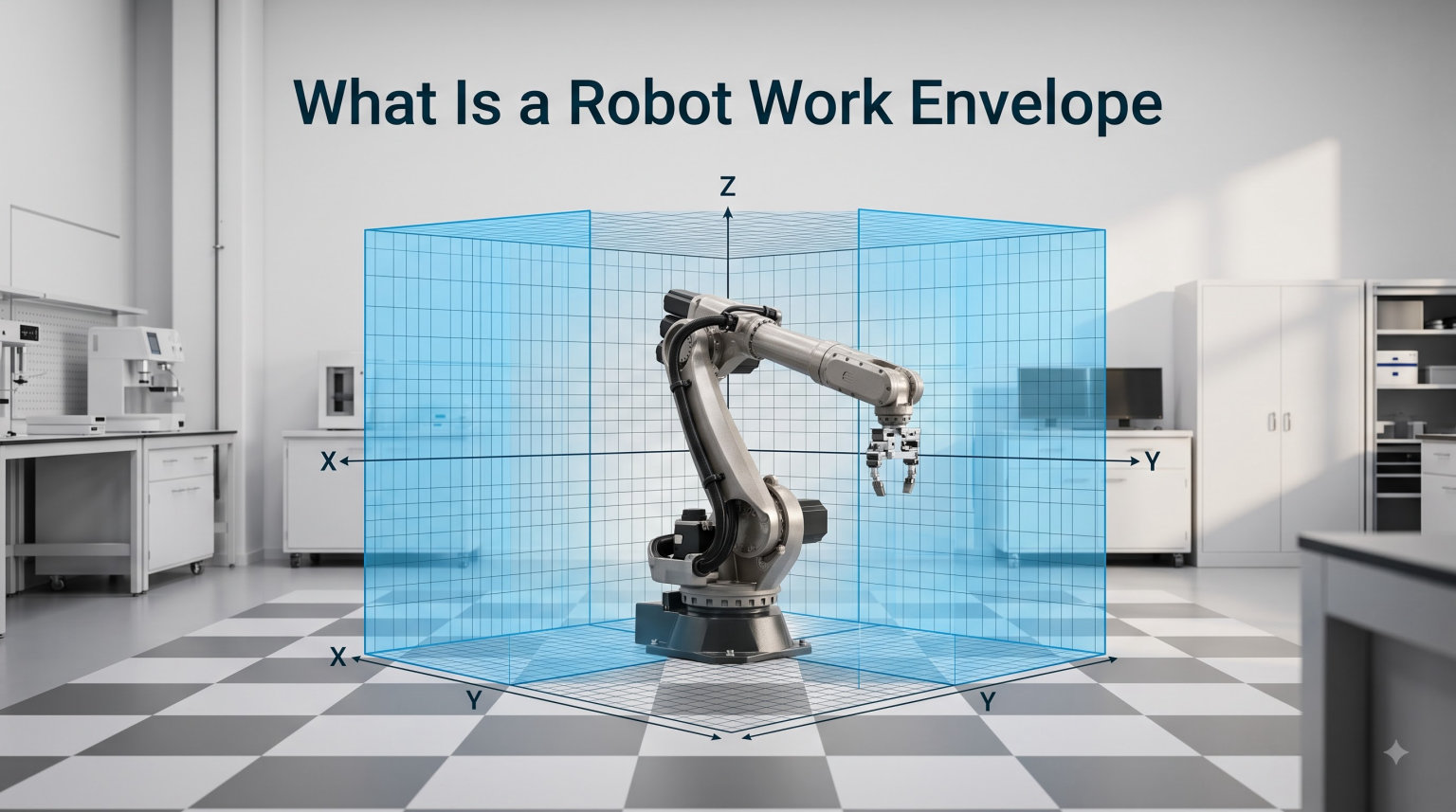
What Is a Robot Work Envelope

A robot work envelope is the three-dimensional space within which a robot’s end effector can reach and perform tasks. I have spent years working alongside automation engineers, and the work envelope is one of the first concepts we discuss before placing any robot on a factory floor. It defines what the machine can physically touch, … Read more

What Is a Robot Risk Assessment (September 2026 Complete Guide)

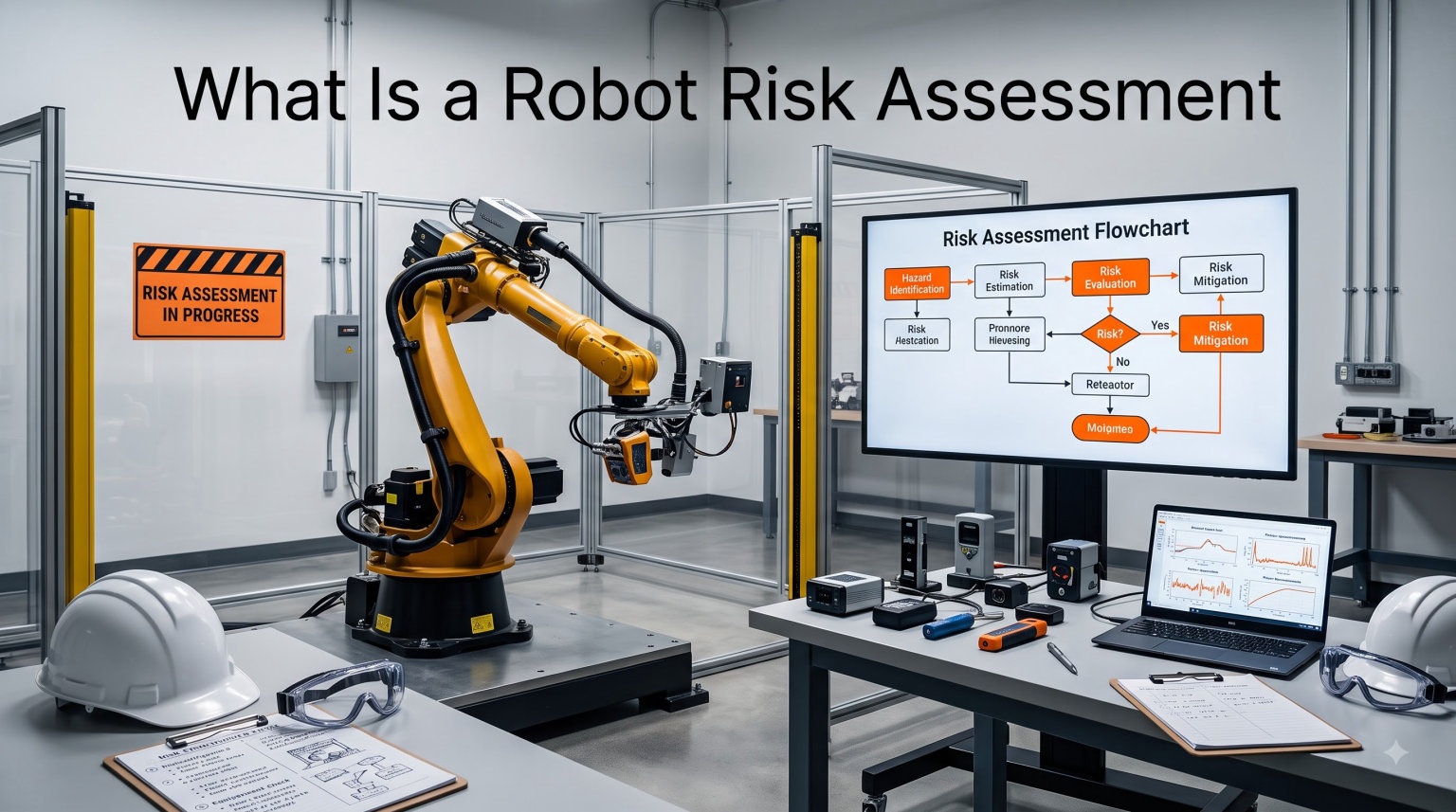
What Is a Robot Risk Assessment

If you operate, integrate, or specify a robotic workcell, a robot risk assessment is the single document that proves your installation is safe to run. I have walked through dozens of these with safety engineers, and the same pattern keeps repeating: facilities that take the assessment seriously avoid near misses, while those that treat it … Read more

Power and Force Limiting Cobots (September 2026 The Complete Guide)

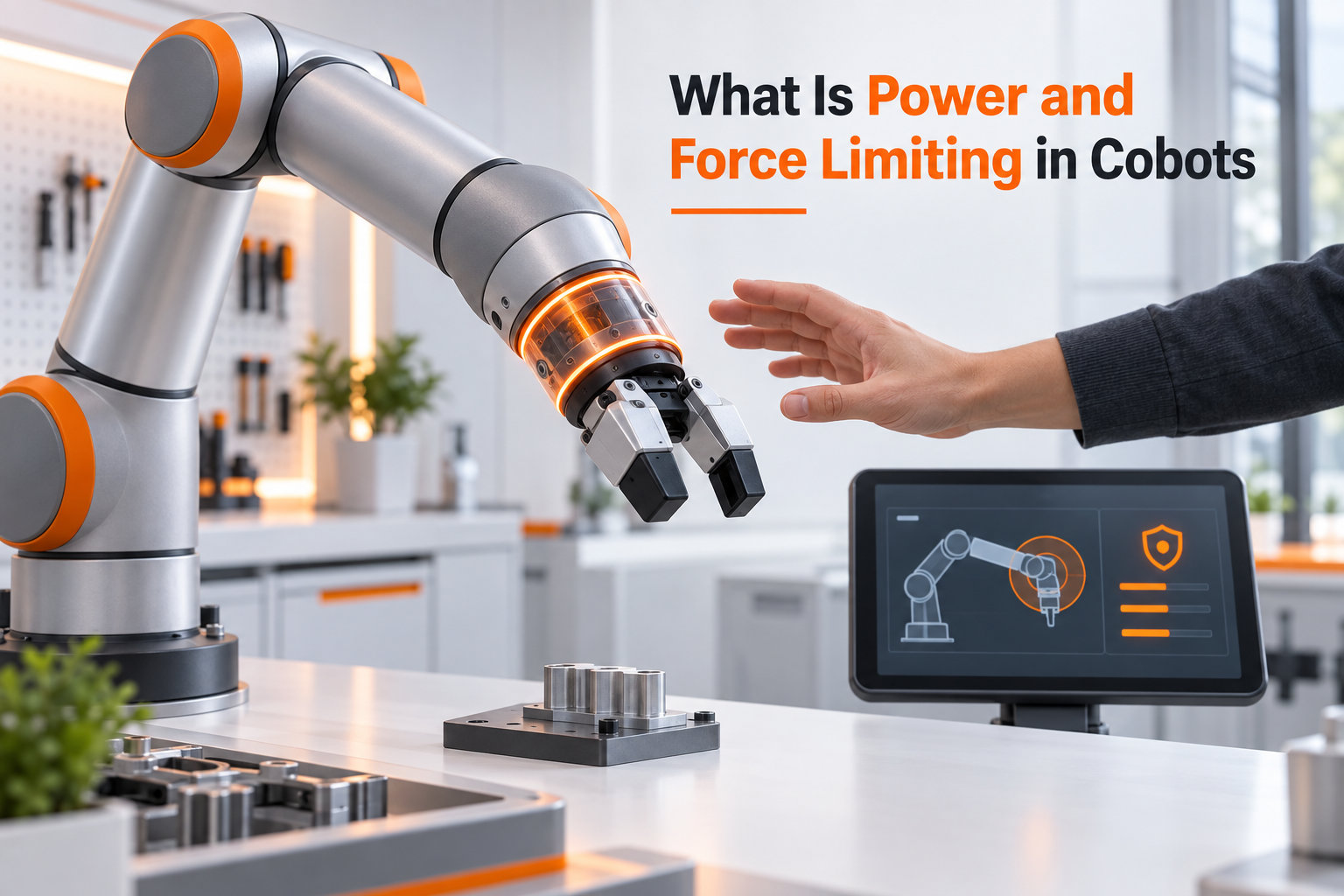
What Is Power and Force Limiting in Cobots

Power and force limiting (PFL) is a collaborative robot safety mode in which embedded sensors detect abnormal forces during contact and automatically stop or reduce the robot’s movement. If you have ever wondered why some industrial robots can work shoulder-to-shoulder with people while others live behind yellow cages, the answer usually comes down to PFL. … Read more

What Is Speed and Separation Monitoring (September 2026 Guide)

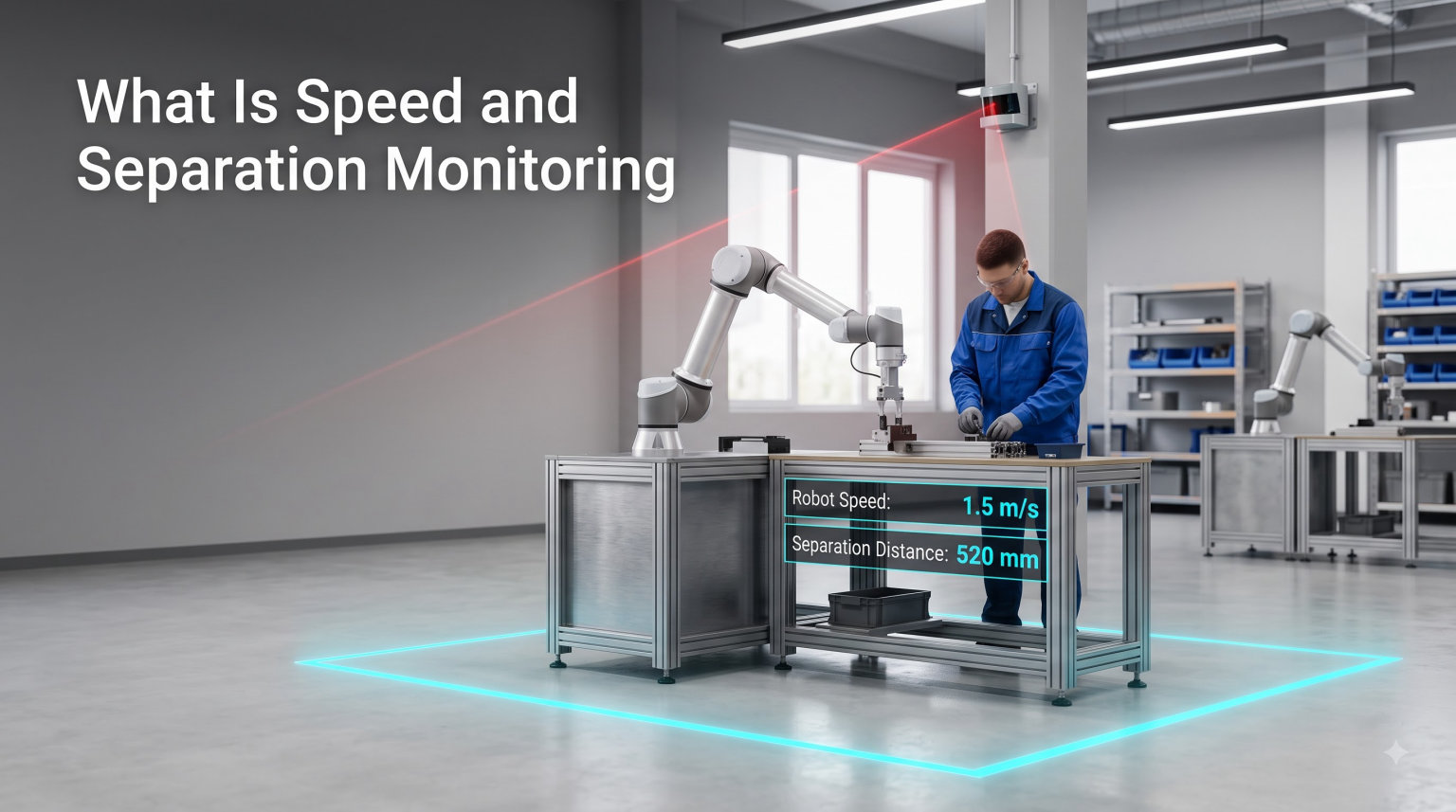
What Is Speed and Separation Monitoring

Speed and Separation Monitoring (SSM) is a collaborative robot safety function defined in ISO/TS 15066 and ISO 10218 that allows a robot and a human to share the same workspace. The area around the robot is continuously monitored, and when someone approaches, the robot initially slows down and eventually stops to maintain a minimum safe … Read more

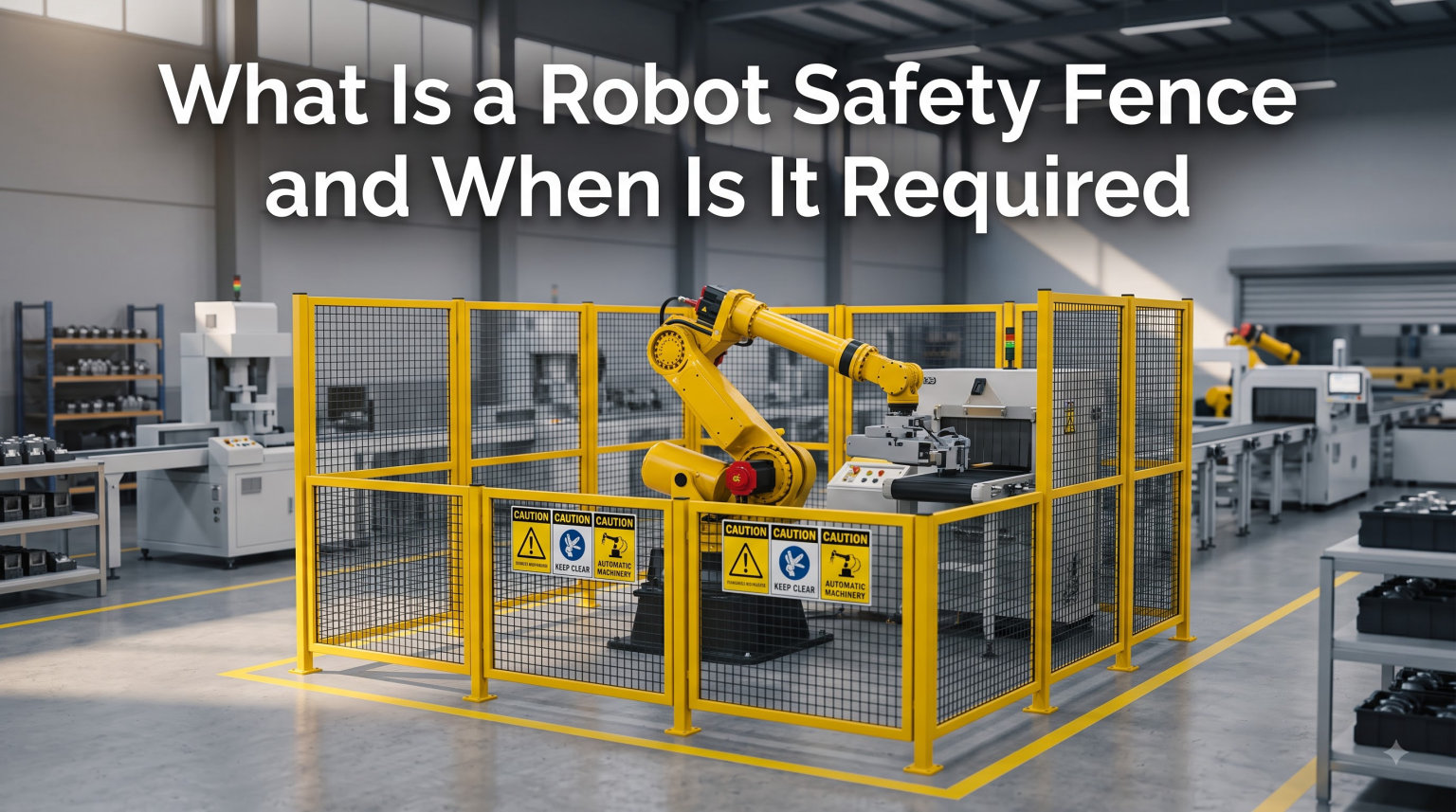
What Is a Robot Safety Fence and When Is It Required in (September 2026)

What Is a Robot Safety Fence and When Is It Required

A robot safety fence is a physical barrier system that prevents workers from entering hazardous zones around industrial robots. It is required by OSHA, ANSI/RIA R15.06, and ISO 10218 whenever a robotic work cell, automated assembly line, or material handling station could expose personnel to crush, pinch, or impact injuries. In , these barriers remain … Read more